

A BSL-3 or BSL-4 facility can satisfy every value published in a recognized guidance document and still fail an internal audit, a regulatory inspection, or a commissioning review. The gap usually traces back to one unexamined assumption: that guidance values are acceptance criteria. They are not, and the difference determines whether a project’s qualification file will hold up when someone asks why a specific number was chosen for this specific room.
Acceptance Begins With the Hazard, Use, and Applicable Authority
An acceptance criterion is only meaningful when it is tied to the hazard it controls, the intended use of the space or equipment, the containment function it verifies, and the jurisdiction under which the facility operates. A number without those four anchors is a reference point, not a criterion. The same parameter can carry different acceptance logic depending on what agent is handled, how the space is operated, and which regulator or institutional biosafety authority has jurisdiction over the project.
This matters because teams under schedule pressure often reach for a published value and treat it as portable. It is not. A containment function that must hold under one operating state may not need to hold under another, and a value appropriate to one hazard profile may be inadequate or unnecessarily conservative for another. Where the intended use involves variable occupancy, multiple work processes, or equipment that changes the room’s pressure cascade when running, the acceptance logic has to reflect that specific configuration, not a generic description of the room type.
The applicable authority also shapes what “acceptance” even means procedurally. Some jurisdictions expect a risk assessment that generates facility-specific controls; others expect conformance to a named framework with room for documented deviation. Before any limit is written into a protocol, the project team should be able to state which hazard the criterion controls, under which use case it applies, which containment function it verifies, and which authority’s expectations govern the acceptance decision. If any of those four cannot be stated, the criterion is not ready to be written, regardless of what number is attached to it.
Guidance Defines Principles or Methods Within Stated Boundaries
| Reference | Supported use | Boundary for acceptance |
|---|---|---|
| WHO Laboratory Biosafety Manual, 4th Edition | Use risk assessment to inform proportionate biosafety controls. | Summary-level guidance does not replace national rules or a site-specific risk assessment. |
| CDC Biosafety in Microbiological and Biomedical Laboratories, 6th Edition | Use protocol-driven risk assessment and proposed mitigation as advisory best practice. | It is advisory U.S. best practice, not a regulatory document. |
| EudraLex Volume 4, Annex 15 | Use its framework for URS traceability, approved protocols, predefined acceptance criteria, deviations, and conclusions against criteria. | Project circumstances determine qualification stages and equipment-specific criteria. |
Guidance documents earn their authority by describing principles and methods, not by issuing fixed values that transfer automatically into a project file. The WHO Laboratory Biosafety Manual, 4th Edition, supports using risk assessment to inform proportionate biosafety controls: it tells a project team how to think about matching controls to risk, not what a specific room’s acceptance limit should be. Treating its summary-level content as a substitute for a site-specific risk assessment removes the very reasoning the manual is built around.
The CDC’s Biosafety in Microbiological and Biomedical Laboratories, 6th Edition, functions the same way from a different angle. It supports protocol-driven risk assessment and proposed mitigation as advisory best practice, but it remains advisory U.S. best practice rather than a regulatory document. A project team can use it to structure how risk is assessed and mitigated; it cannot be cited as the source of a mandatory pass/fail threshold, because it was not written to serve that role.
EudraLex Volume 4, Annex 15 operates closer to the mechanics of acceptance itself. It supports a framework of URS traceability, approved protocols, predefined acceptance criteria, deviations, and conclusions drawn against those criteria. That framework is procedural: it tells a project how criteria should be documented, traced, and resolved, while leaving the qualification stages and the equipment-specific criteria themselves to be defined by project circumstances. None of these three references instructs a project team to adopt a particular number for a particular room. Where a document states a principle or a method, the project retains the work of applying it to the hazard, use, and authority already identified. Confusing a method with a fixed criterion is where otherwise well-referenced protocols lose their defensibility under review.
Project Documents Must Set Measurable Limits and Test States
| Criterion element | Project-specific statement required |
|---|---|
| Basis | Hazard, intended use, containment function, and applicable jurisdiction |
| Test state | State in which the criterion will be tested |
| Instruments | Instruments used to produce the deciding result |
| Boundary configuration | Configuration of the tested boundary |
| Allowable result | Result that will decide acceptance |
| Data record | Data record required for the criterion |
| Deviation route | Approved route for handling a deviation |
Once the applicable guidance has been identified for what it is, the acceptance criterion itself has to be written at a level of specificity that guidance documents do not provide. A defensible criterion states the test state in which it will be verified, the instruments that will produce the deciding result, the configuration of the boundary being tested, the result that will decide acceptance, the data record that must exist afterward, and the route for handling a deviation if the result falls outside that boundary.
Each of these elements changes with project conditions, which is why none of them can be copied wholesale from a reference document. The test state matters because a containment boundary can perform differently depending on whether doors are open or closed, whether connected equipment is running, or whether the space is in an idle or an operational configuration; a criterion that does not specify which state applies is unverifiable, because a result obtained in one state cannot be compared against a limit intended for another. The instruments used to generate the deciding result matter because different instrument types and placements can report different values for what is nominally the same parameter; the criterion has to specify which instrument and which method produced the number that will be judged. Boundary configuration matters for the same reason — the physical state of seals, dampers, or interlocked openings during the test has to match the state the criterion is meant to represent.
The allowable result and the data record exist to make the criterion auditable after the fact: an inspector or auditor should be able to trace the number recorded during the test back to the criterion it was measured against, without needing to reconstruct the test setup from memory. The deviation route has to be defined before testing begins, not improvised afterward, because a result that falls outside the stated boundary needs a predetermined path for disposition rather than an ad hoc judgment call made under time pressure. A project document that states a numeric limit without these surrounding elements has produced a value, not a criterion that can decide acceptance.
Supplier Evidence Needs a Defined Scope and Site Supplement
| Evidence type | What it can support | Remaining project check |
|---|---|---|
| Supplier certificate | Only the scope demonstrated by the certificate | Identify any installed interface still requiring site testing |
| Factory result | Only the scope demonstrated by the factory result | Identify any installed interface still requiring site testing |
| Site test record | The installed interface and test state covered by the approved project protocol | Compare the result with the project-specific allowable result and record any deviation |
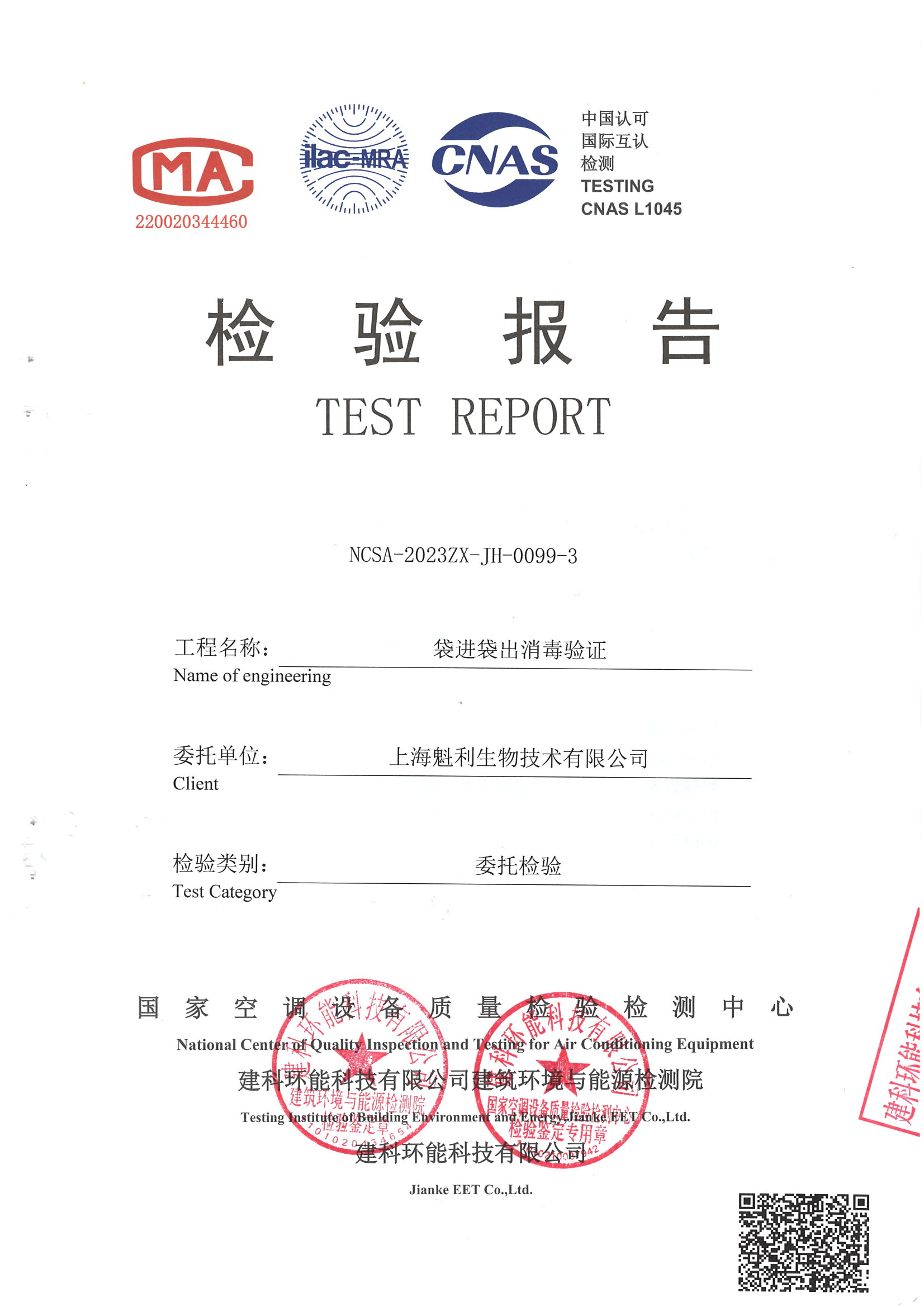
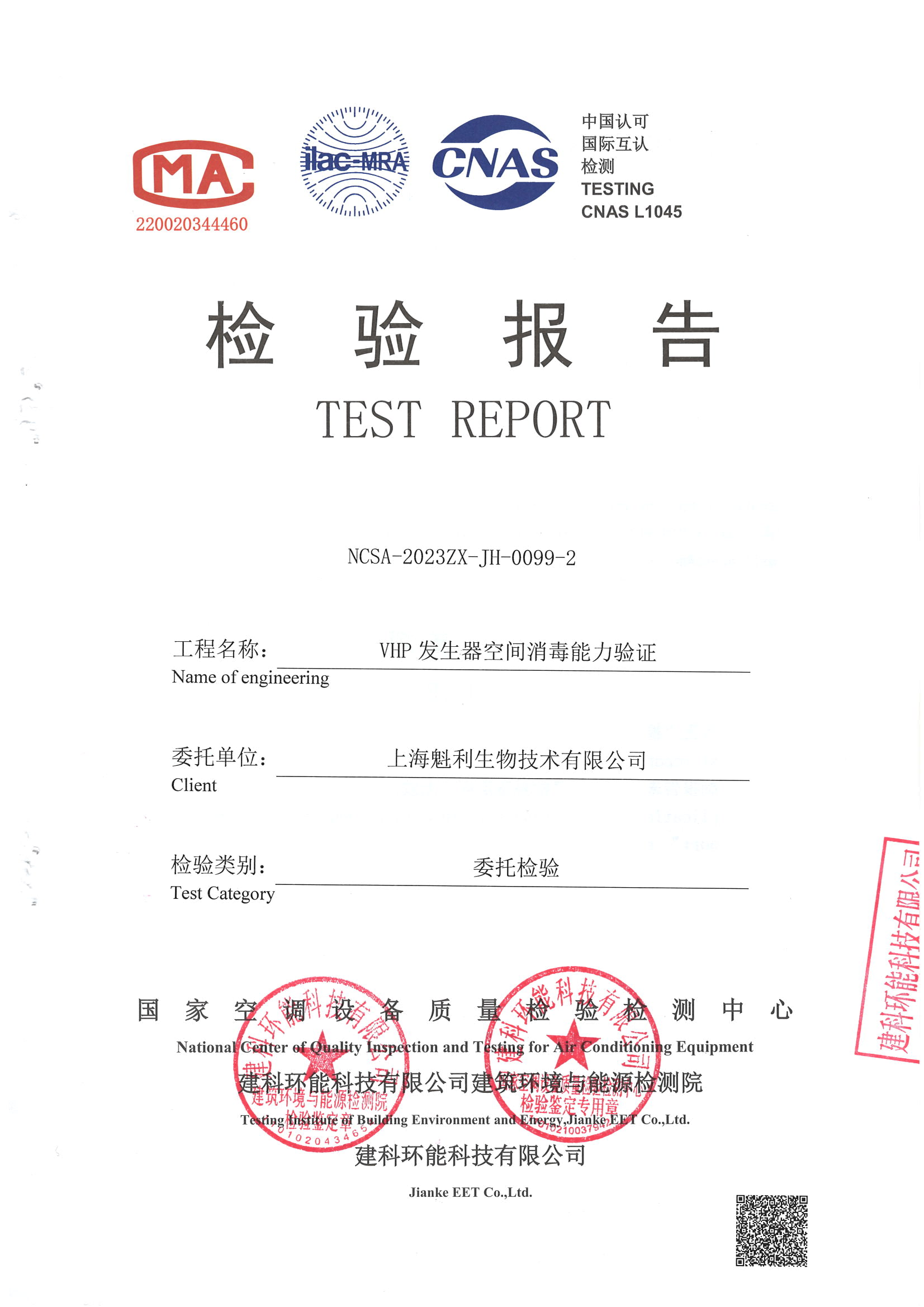
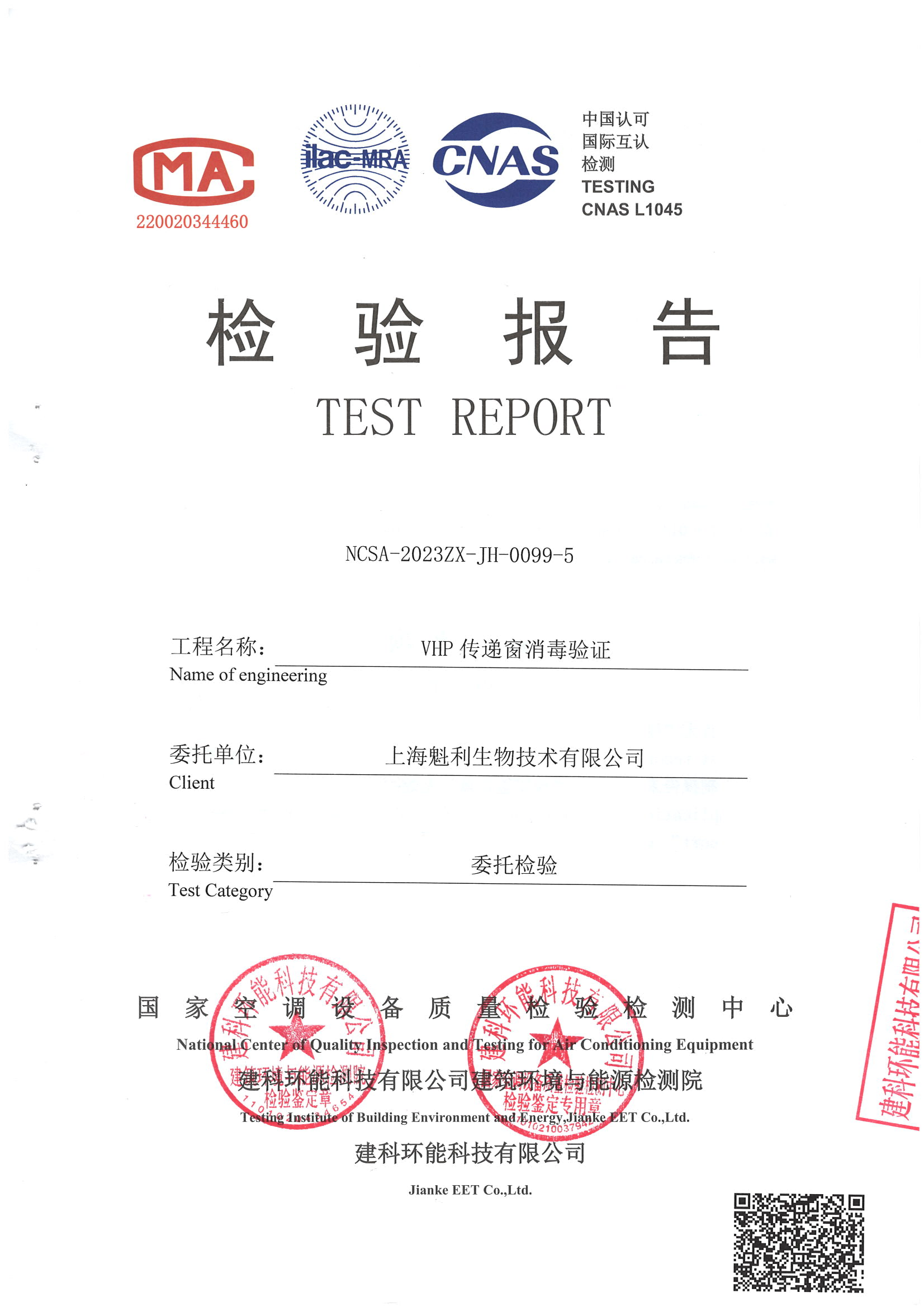
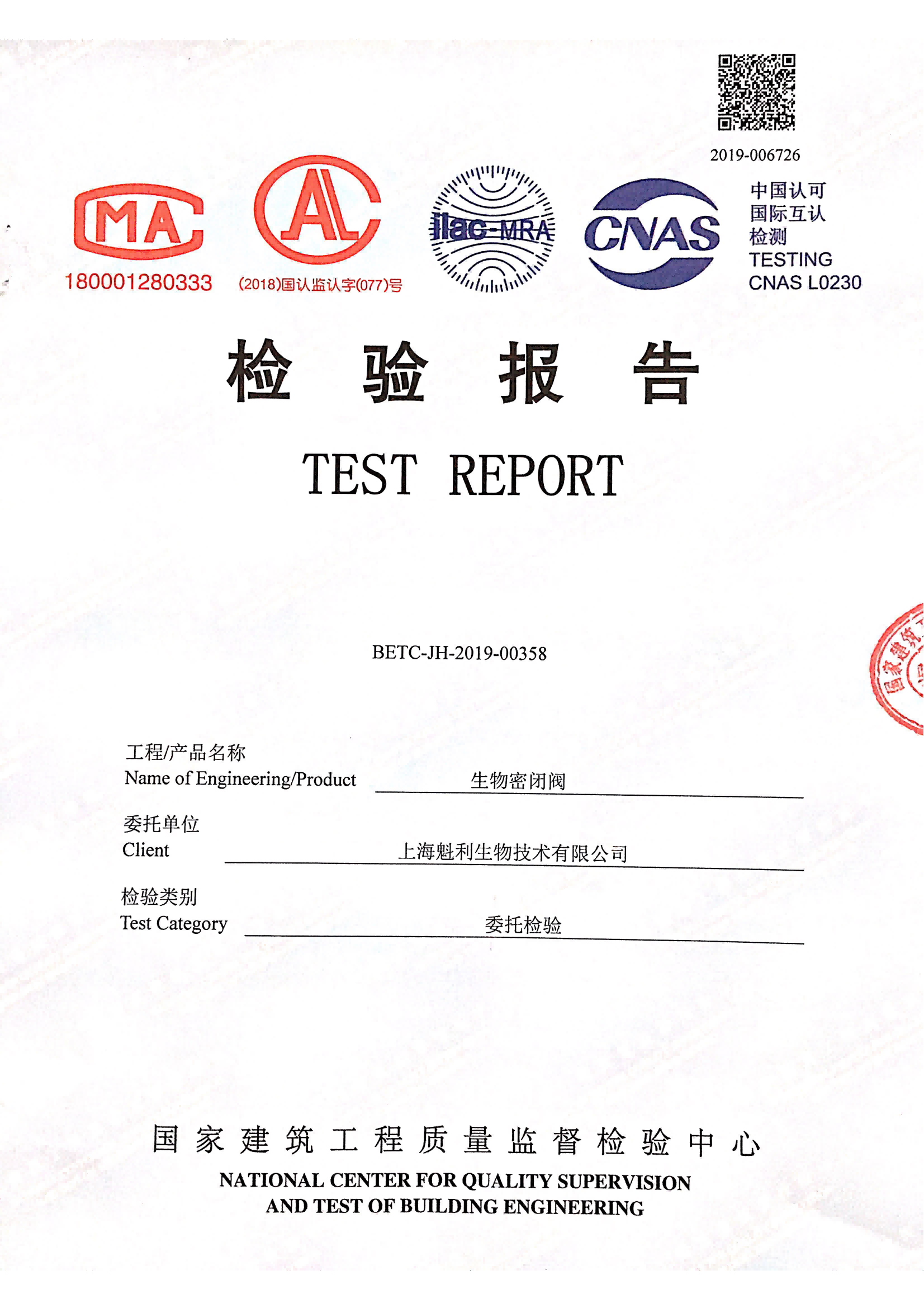
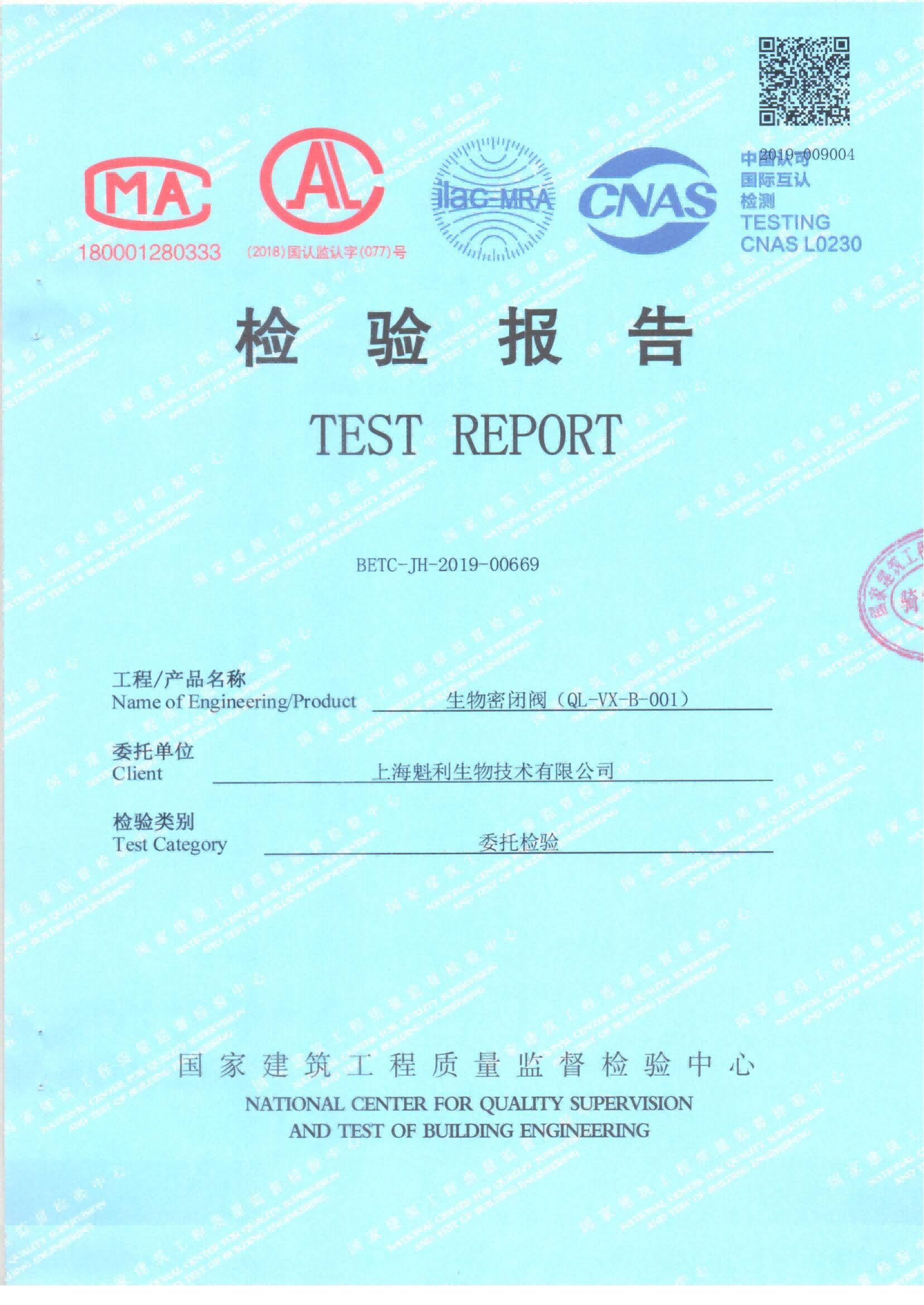
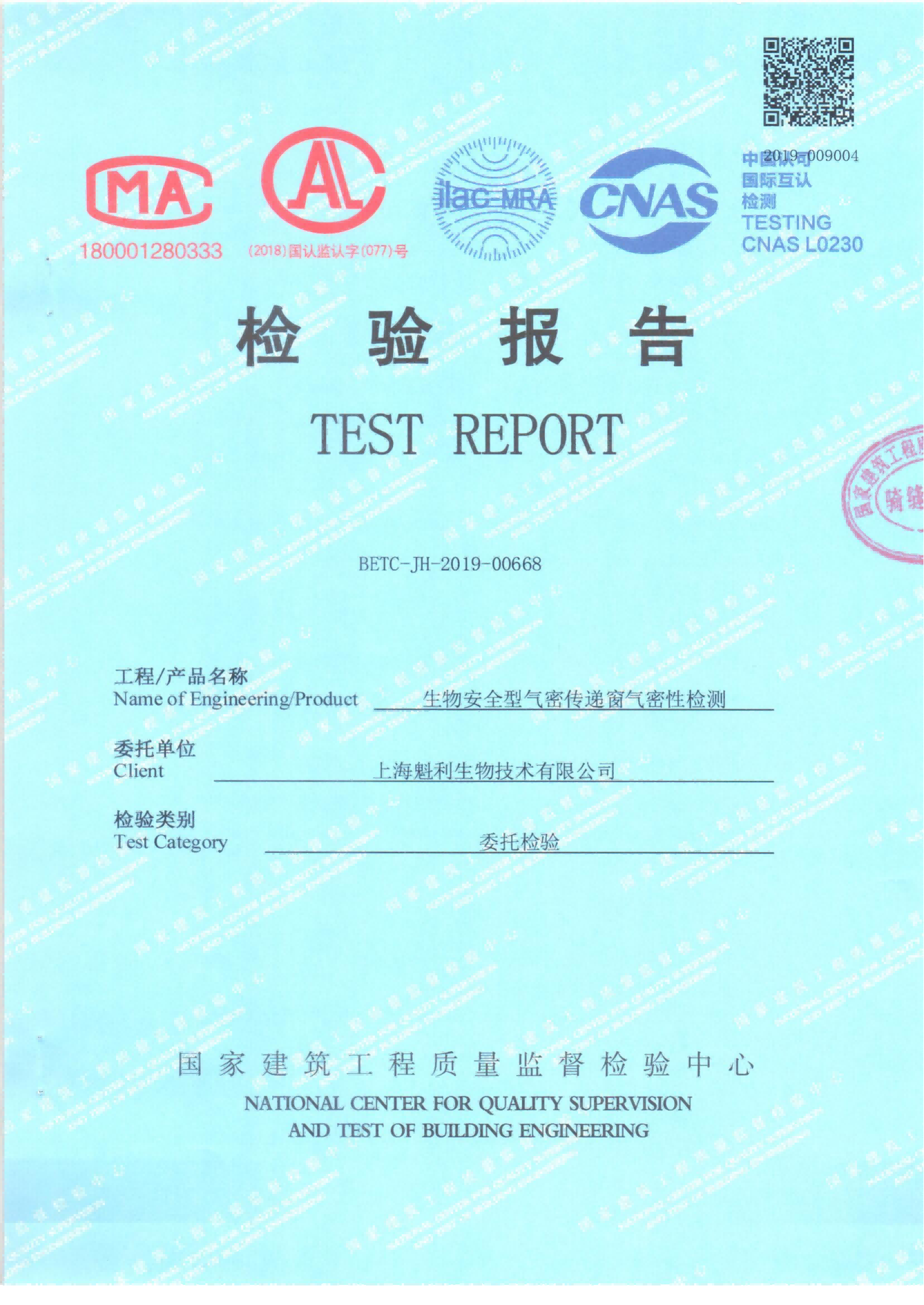
Supplier certificates and factory results are valuable precisely to the extent that their scope is understood. A certificate demonstrates that a specific unit, under specific factory conditions, met a specific result — nothing broader. The same applies to factory test results generated before equipment ships. Both forms of evidence are legitimate inputs to a project’s qualification file, but only within the scope they actually demonstrate.
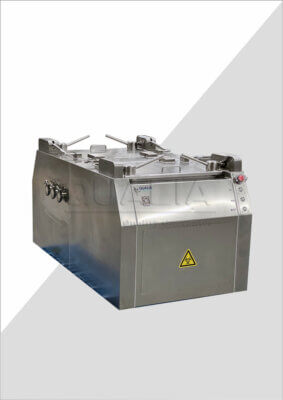
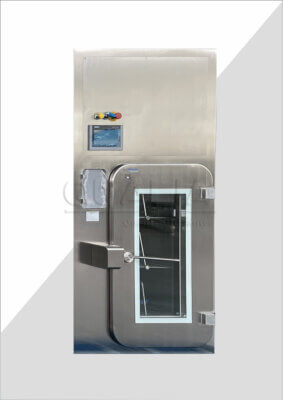
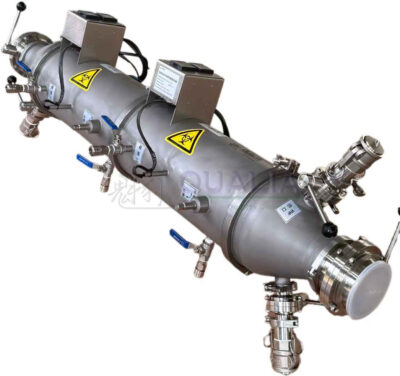
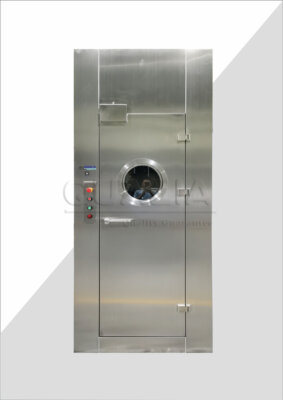
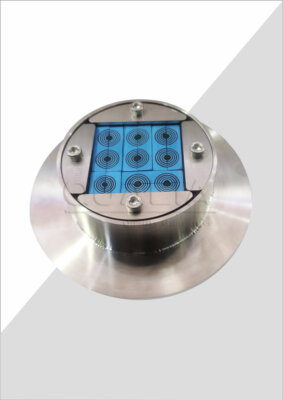
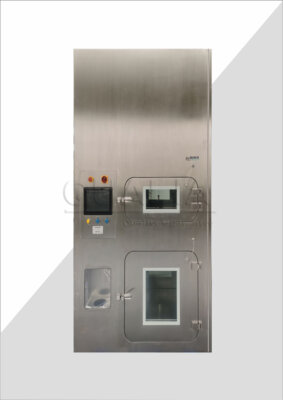
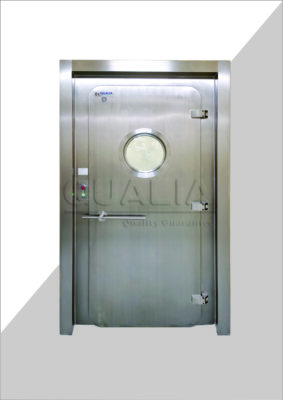
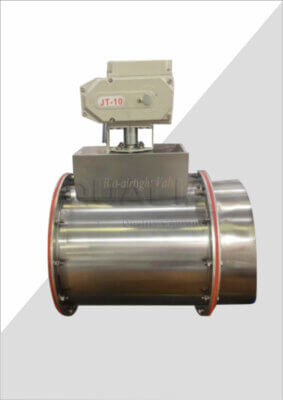
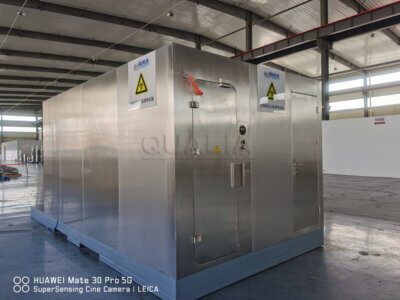
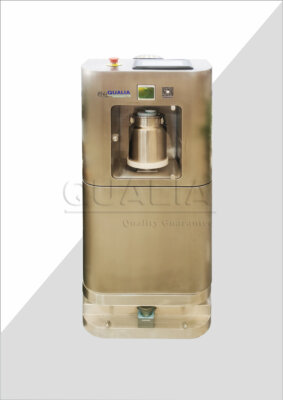
The practical risk is scope creep: treating a factory result for a component as if it demonstrated the performance of the installed system, or treating a supplier certificate for one interface as if it covered every interface the equipment will have once installed. A boundary tested in isolation at the factory does not behave identically once it is integrated into a room, connected to building utilities, and operating alongside other equipment. Where equipment such as an in situ filtration system or an APR door arrives with supplier documentation, that documentation should be read as a report on what was tested, under what configuration, and with what result — and then compared against what the project’s installed configuration actually requires.
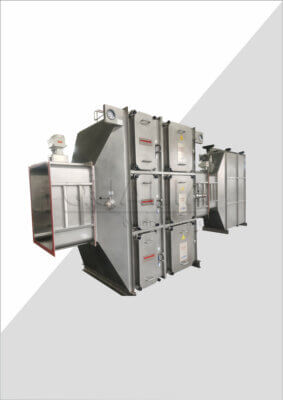
This is where a site-test gap analysis becomes necessary rather than optional. For every supplier certificate or factory result in the qualification file, the project team should identify which installed interfaces that evidence does not cover, and which of those interfaces therefore still require site testing under the project’s own approved protocol. A factory result for a filtration housing does not establish the performance of the ducting and dampers it will be connected to on site. A certificate for a door seal does not establish the performance of that door once it is integrated into an airlock’s interlock sequence. When project-specific information about installed configuration, intended use, and interface conditions is submitted for supplier review, it is this scope boundary that determines which parts of the submitted documentation can be relied upon directly and which parts require site verification before acceptance can be concluded.
Deviations and Retests Require Preapproved Decision Rules
A deviation is not evidence of project failure; it is a predictable outcome of testing real installed systems against defined limits, and a prepared project treats it as a procedural event rather than a crisis. What distinguishes a well-run acceptance process from a disorganized one is whether the rules for handling a deviation were agreed before testing started or are being invented after a result has already come in out of bounds.
A preapproved decision rule specifies what happens when a result falls outside the allowable range: who is notified, what investigation is required before a retest is authorized, whether the retest must occur under the identical test state and boundary configuration as the original test, and what evidence must accompany the eventual disposition — whether that disposition is a corrective action, an accepted deviation with justification, or a revised criterion. Without this structure agreed in advance, a deviation can produce inconsistent handling across similar events within the same project, which undermines the traceability that the acceptance file is meant to provide.
The condition that most often changes the correct handling of a deviation is whether the discrepancy originates in the equipment’s performance, in the test method itself, or in an error in how the criterion was written. Where the discrepancy traces to a flawed test method or a miswritten criterion, retesting against the same flawed basis will not resolve anything; the correction belongs in the document, not the result. Where it traces to equipment performance, the question becomes whether the gap can be closed through adjustment and a conforming retest, or whether it points to a design or installation issue that the acceptance process cannot resolve on its own. A preapproved rule set does not need to anticipate every possible discrepancy, but it does need to define who has authority to make that distinction and what documentation that decision requires before work proceeds.
Final Approval Depends on Traceable Project Criteria, Not Labels
Final acceptance is a judgment that the project’s own predefined criteria have been met, documented, and traced — not a judgment that the facility resembles a described category. A room can be built, equipped, and operated consistent with BSL-3 or BSL-4 principles in a general sense and still lack an approvable qualification file, if the criteria that were actually tested were never written with the hazard, use, test state, and deviation logic that traceability requires.
This is the practical reason labels cannot substitute for criteria during final review. A category label describes an intended containment level; it does not specify which instrument produced which result for which boundary configuration, nor does it record how a deviation was resolved. An inspector, auditor, or institutional biosafety reviewer examining the file at approval stage is looking for the chain from URS requirement, through approved protocol, through test execution in a stated state, to a recorded result compared against a stated limit, with any deviation resolved through a documented, preapproved route. Where that chain is complete, the project can support approval regardless of how the room or system is labeled. Where it is incomplete, no label resolves the gap.
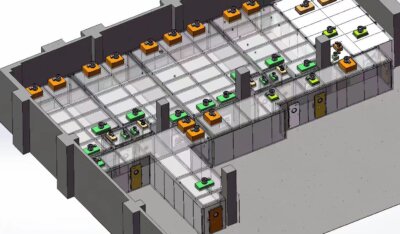
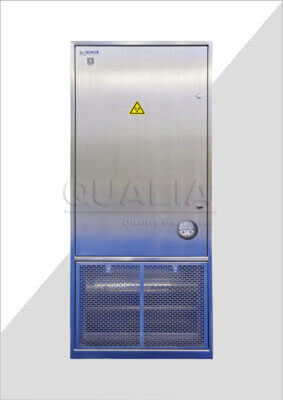
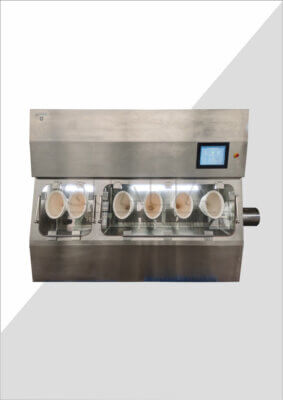
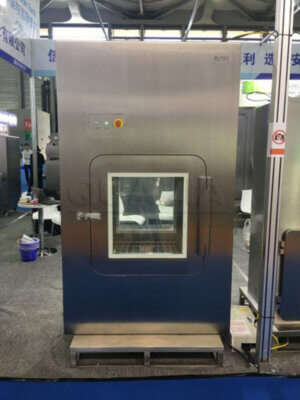
For equipment such as a BSL-3/BSL-4 module laboratory or its associated door systems, this means the qualification file needs to carry forward the scope boundaries established earlier in the process: which results came from supplier or factory evidence, which came from site testing under the project’s own protocol, and how each was traced back to a criterion written with its own test state and allowable result. Where project teams still need to confirm which installed interfaces require additional site verification, or which deviations remain open against a preapproved resolution route, that is the specific information final approval depends on — not a broader description of what category of facility was intended.
Frequently Asked Questions
Q: Can an acceptance value from external biosafety guidance be used directly as a project pass/fail limit?
A: Only if the project has confirmed that the value fits the specific hazard, intended use, containment function, and applicable jurisdiction. Record the resulting project limit in the URS, design records, and approved protocol so its basis and conditions remain traceable.
Q: What should be agreed before an acceptance test is performed?
A: Agree the test state, instruments, boundary configuration, allowable result, required data record, and deviation route before testing. This prevents a result from being judged against conditions or limits chosen after the test.
Q: How should a buyer compare WHO, CDC, and EudraLex material when preparing acceptance criteria?
A: Use each reference only for the role it supports: risk-based control principles, advisory biosafety practice, or a qualification and traceability framework. Then identify the applicable jurisdiction and convert the relevant guidance into project-specific criteria rather than treating all three references as interchangeable requirements.
Q: When can supplier certificates or factory test results support site acceptance?
A: They can support only the product, configuration, conditions, and results within their demonstrated scope. List the installed interfaces outside that scope and cover them through approved site tests with project-specific acceptance limits.
Q: What should happen if a test result falls outside an acceptance criterion?
A: Follow the deviation route and decision rules approved before testing. Preserve the original result, document the affected criterion and test conditions, and perform any retest only under the approved project protocol so the final conclusion remains traceable.
Q: What evidence should support final approval of a BSL-3/4 system?
A: Final approval should link each applicable project criterion to its basis, approved test method and state, deciding result, data record, and any resolved deviation. A containment-level label or a general supplier statement does not establish that chain by itself.