
Whether a legacy aseptic filling line can accept a closed restricted access barrier system is rarely answered by comparing enclosure dimensions to available floor space. The more useful pre-design question is whether the line’s exposed-product operations, intervention pattern, transfer points, and background environment are defined well enough to evaluate a barrier concept at all. Where those inputs are missing or conflicting, apparent physical fit can conceal unresolved protection and verification requirements. A disciplined screen separates what is documented, what is contradictory, and what still requires engineering study.
Define What the Retrofit Must Protect During Normal Operation
The retrofit objective has to be expressed in terms of what the barrier is protecting, not in terms of hardware. EU GMP Annex 1 links RABS performance to the critical zone, first-air protection, the background environment, interventions, and the contamination-control strategy, so these are connected design considerations rather than separate equipment attributes (Annex 1). For an existing line, that means first identifying which product steps are exposed, which operations are genuinely critical, how operators intervene during normal running, where components and materials transfer in and out, and what degree of separation from the background is expected. Feasibility work that starts from enclosure size tends to invert that logic and produces a concept that cannot be matched to the real filling sequence.
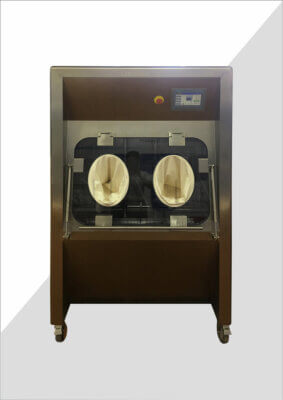
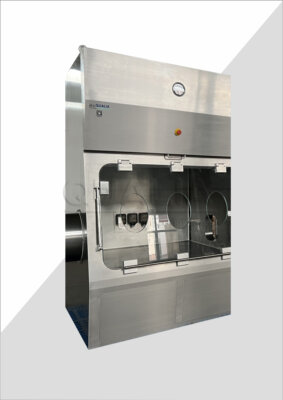
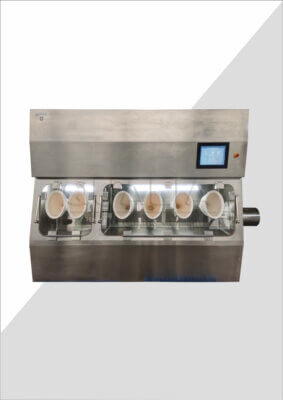
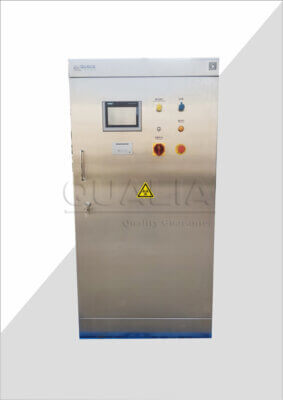
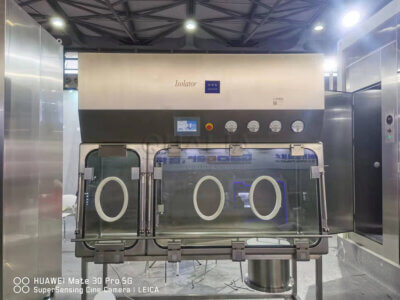
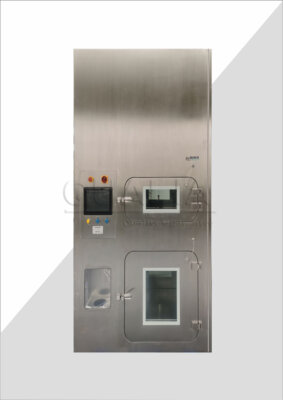
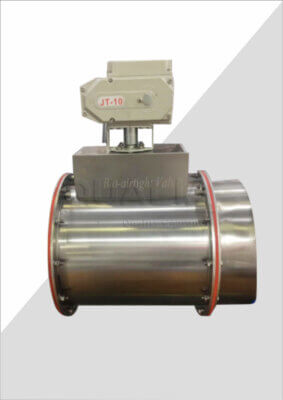
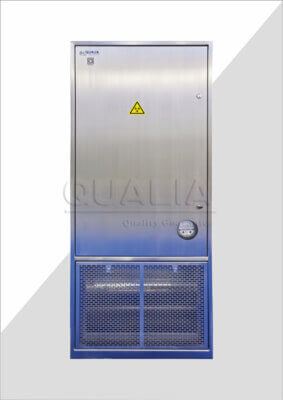
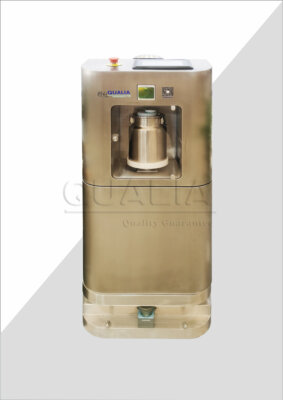
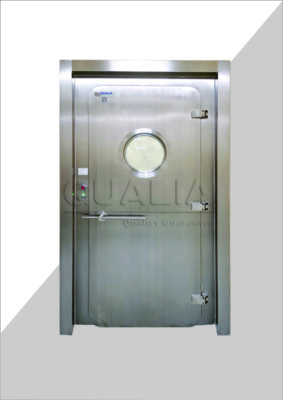
This is also where the protection objective must stay unambiguous. A cRABS retrofit on an aseptic line is a product-protection and contamination-control question at the critical zone; it is not a biosafety or hazardous-material containment question, and containment scope such as BSL-3/4 or OEB4/OEB5 does not by itself establish aseptic applicability. Reviewing how the essential barrier and operating interfaces map onto the legacy line is a useful cross-check that the concept is being evaluated against the right objective.
Annex 1 supports evaluating these elements as connected design considerations. It does not confirm that a particular legacy line can accept a cRABS, and it does not supply project dimensions, scope, test methods, or acceptance outcomes. Those remain project-specific determinations.
Screen Physical and Operational Fit on the Existing Line
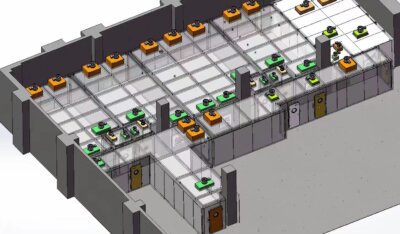
Physical screening asks whether the existing room and machine arrangement can accommodate the barrier envelope, doors, glove access, material movement, observation, cleaning, installation, and maintenance. No standard clearance or layout should be assumed at this stage; a pre-design review should not treat a typical arrangement as evidence that a specific room and machine combination will accept a barrier. Each finding is more useful when recorded with its evidence status — documented, conflicting, or unknown — because that classification, rather than a pass/fail verdict, is what a project team can act on.
| Review area | Evidence available from the existing site | Pre-design question |
|---|---|---|
| Process protection | Exposed-product points, filling sequence, interventions, and transfers | Can a barrier concept be evaluated against the actual operations? |
| Physical arrangement | Current room and machine drawings, access paths, and fixed obstructions | Is there enough verified information to study enclosure, door, glove, and service access? |
| Air interface | Background classification basis, airflow information, pressure relationships, and operating states | Are facility and cRABS air responsibilities defined well enough for concept work? |
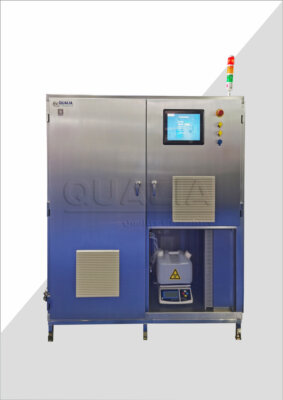
| Controls and utilities | Existing tie points, control architecture, signals, and monitoring records | Are the required interfaces known, or do they need field verification? |
| Cleaning and maintenance | Tasks, access points, opening needs, and recovery expectations | Can the concept be reviewed without obstructing required work? |
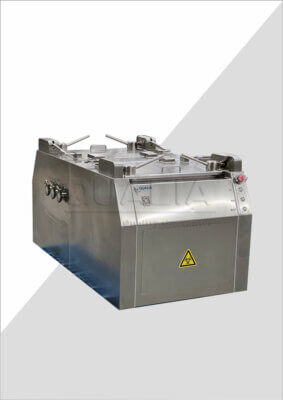
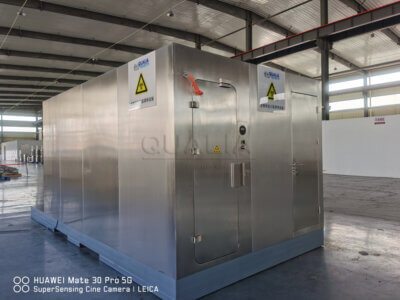
The screen’s value lies in what it refuses to assume. Repeated glove ports, door swings, and service access points that appear reasonable on a drawing may conflict with the machine’s actual opening, cleaning, and maintenance needs, and those conflicts are usually cheaper to find before design freeze than after. The cRABS product scope is a relevant starting point for project discussion, but configuration and final fit remain subject to engineering confirmation against the site’s own drawings and access conditions.
Test Airflow, Background, and Intervention Compatibility
Air and intervention compatibility is where a desk review most often runs out of evidence. The comparison to make is between the site’s current air and pressure relationships, operational states, and intervention scenarios, and the conditions the proposed cRABS concept would need to maintain and later demonstrate. A pre-design review can establish whether the necessary inputs and interfaces are defined; it cannot substitute for airflow visualization or pressure evidence, which are later verification matters tied to actual operating states.
Interventions deserve the same treatment. Routine and non-routine interventions on a legacy line — particularly those that open the barrier or require access at the critical zone — determine whether the concept’s access strategy is compatible with the way the line is actually run. Checking the legacy line against the barrier and operating interfaces expected of an aseptic cRABS helps identify where the site’s current operating pattern and the proposed concept diverge.
The responsible output of this section is a list of defined inputs, missing inputs, and interfaces that need field verification, not a compatibility conclusion. If the background classification basis, airflow information, or operating-state definitions are unavailable or inconsistent, that gap is itself a finding.
Separate Feasible-in-Principle From Engineering Confirmation
A pre-design review should end with a structured summary rather than a verdict: constraints on the concept, dependencies on other project decisions, missing evidence, and the studies required before design freeze. ASTM E2500-25 provides a science- and risk-based framing for specification, design, installation, operation, performance, and verification when changes are made to existing pharmaceutical manufacturing systems (ASTM E2500-25). That framing connects intended use to design and verification, which is exactly the discipline a retrofit screen needs — but it does not make the feasibility decision, assign project responsibilities, or define project acceptance.
The ASTM summary is also not a cRABS fit test, and no standard or guidance document reviewed here proves that a given retrofit solution will work on a given line. A line that screens as feasible in principle is one where the objective is defined, the physical and operational questions are answerable with available evidence, and the outstanding items can be closed by named studies. It is not a line that has been approved for retrofit.
A compatibility finding from a desk review is not a design freeze decision; it identifies which studies and confirmations the project still owes.
Frequently Asked Questions
Q: If an enclosure fits around our filling machine, is the line suitable for a cRABS retrofit?
A: Physical fit supports concept review, but suitability also depends on how the barrier would protect exposed product during actual operations. Review interventions, transfers, background conditions, airflow interfaces, and cleaning and service access alongside the enclosure envelope.
Q: What information helps us decide whether to continue into concept design?
A: A documented process description and current room, machine, air, utility, and control information give the concept review a usable basis. Classify findings as documented, conflicting, or unknown so unresolved interfaces can be assessed before treating the line as feasible in principle.
Q: Why do interventions matter even when routine filling appears compatible?
A: Interventions change the operating situation the barrier must accommodate. Review glove and door access, transfer points, and exposed-product locations together so the concept can be evaluated against the intervention pattern as well as normal filling.
Q: What does a positive pre-design screen actually tell us?
A: It tells you that the available information supports further engineering review. It should also identify constraints, dependencies, and required studies; airflow visualization, pressure evidence, and operational demonstrations remain later verification matters with project-specific acceptance decisions.