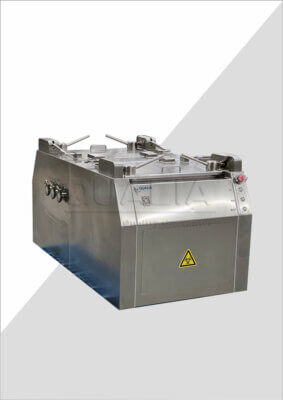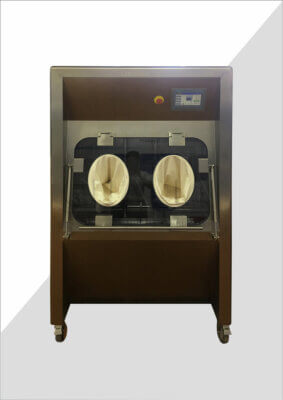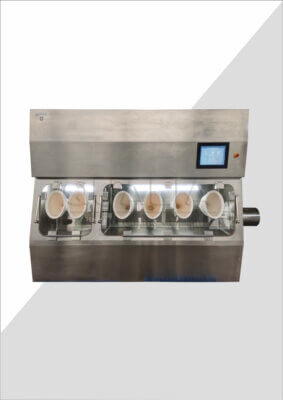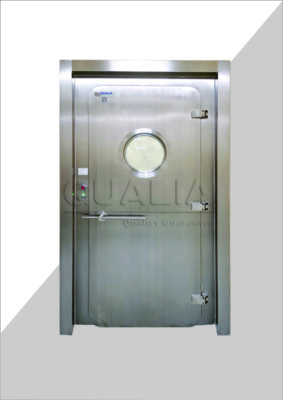
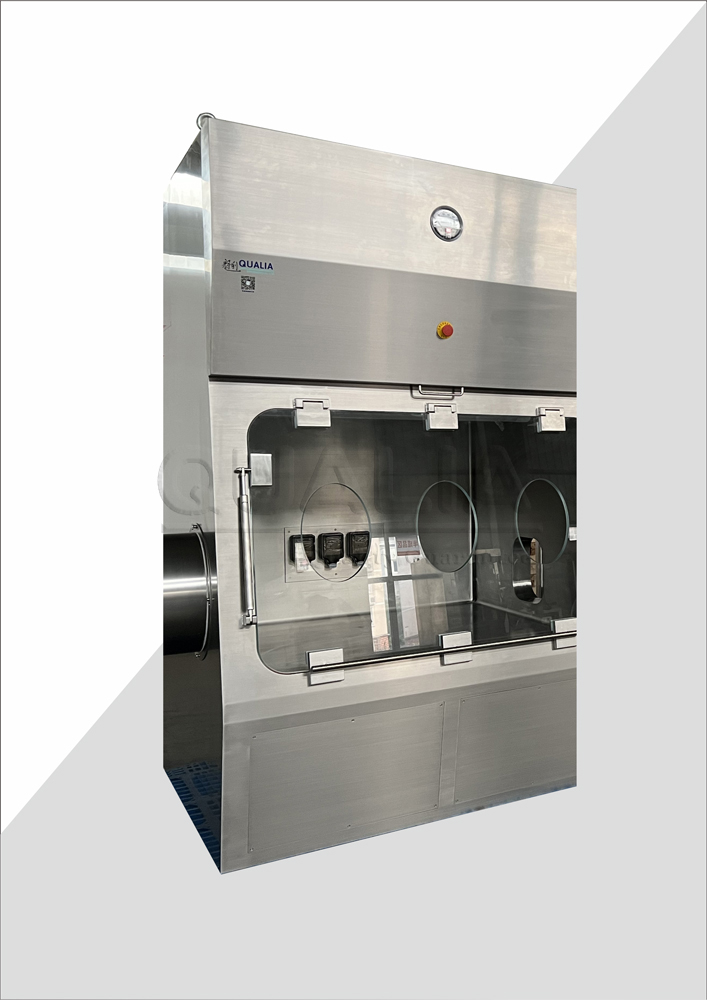
OEB4 / OEB5 Isolator

OEB4 / OEB5 Isolator | QUALIA OEB4 _ OEB5 Isolator_1_1

Different Types of Isolator

IsolatorsType
Aseptic Isolator / Sterility Test Isolator (Positive Pressure)ORBS (Open Type)
CRBS (Closed Type)
Biosafety Isolator (Negative Pressure)P3/P4 Biosafety Protective Isolator (Closed Type)
OEB Protective Isolator (Closed Type)

What is the OEB4 / OEB5 Isolator?

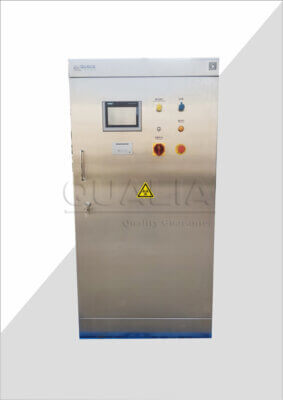
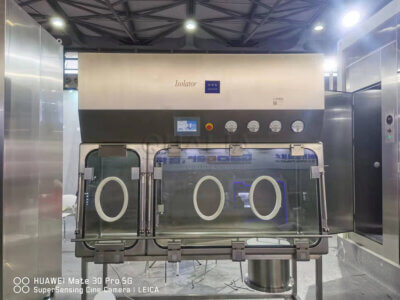
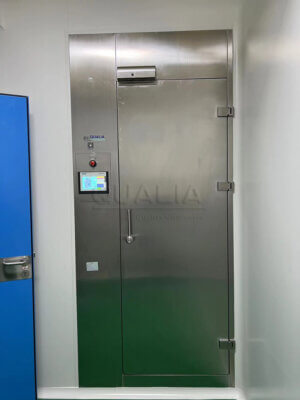
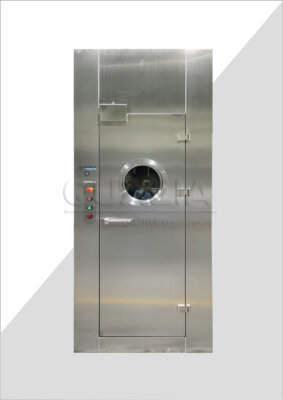
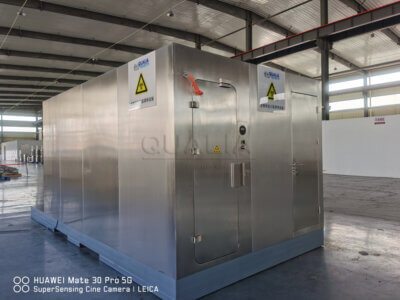
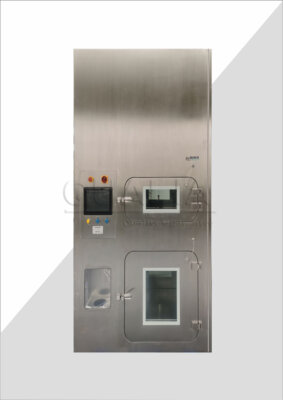
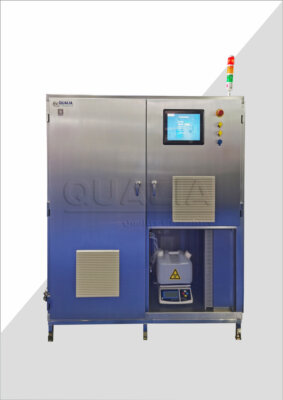
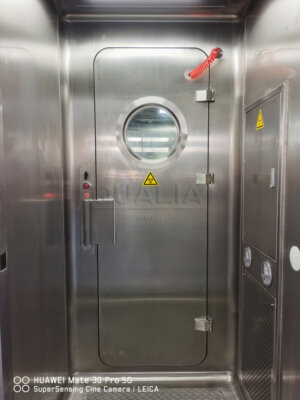
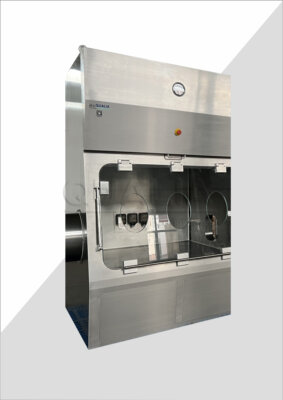
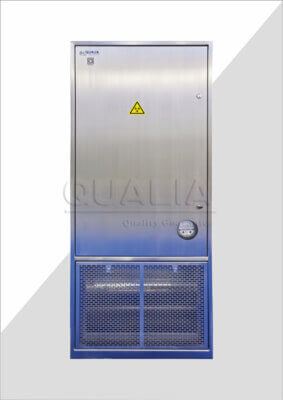
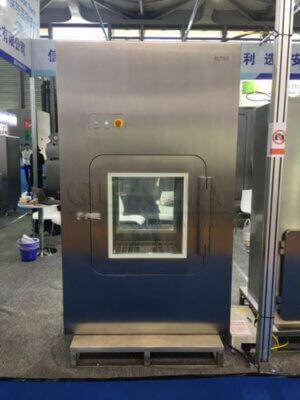
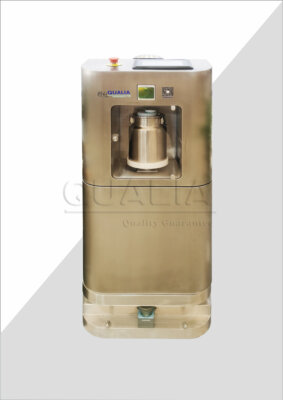
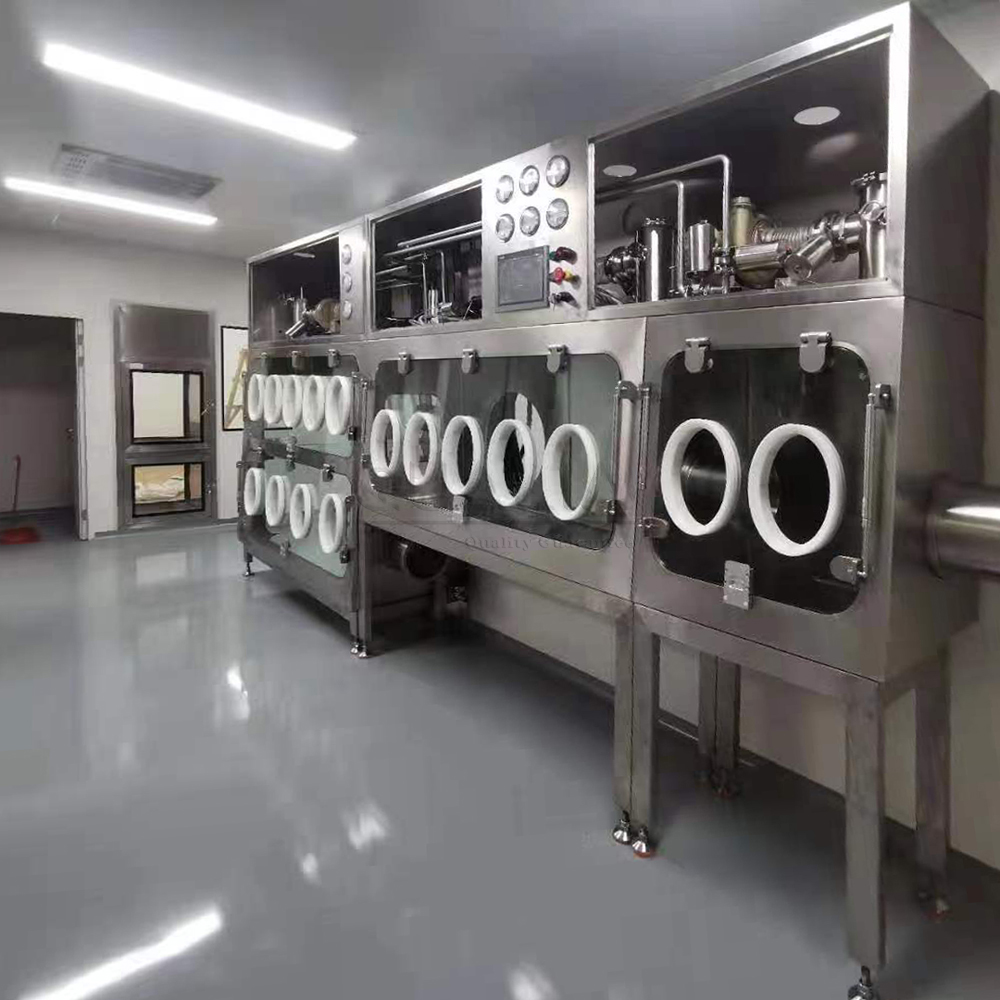
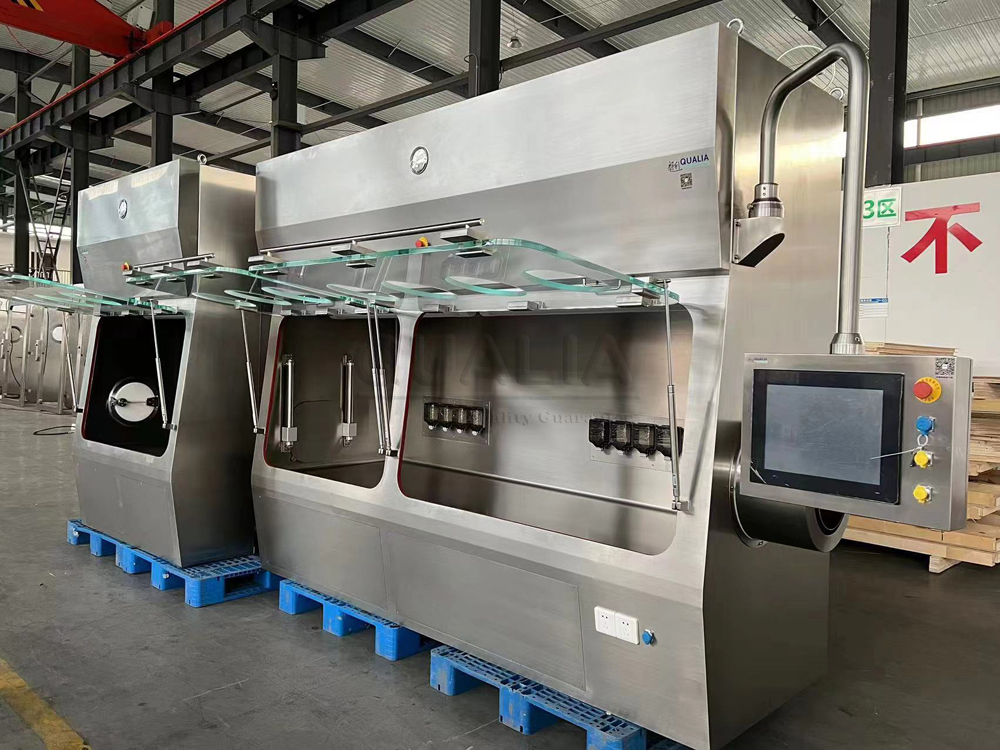
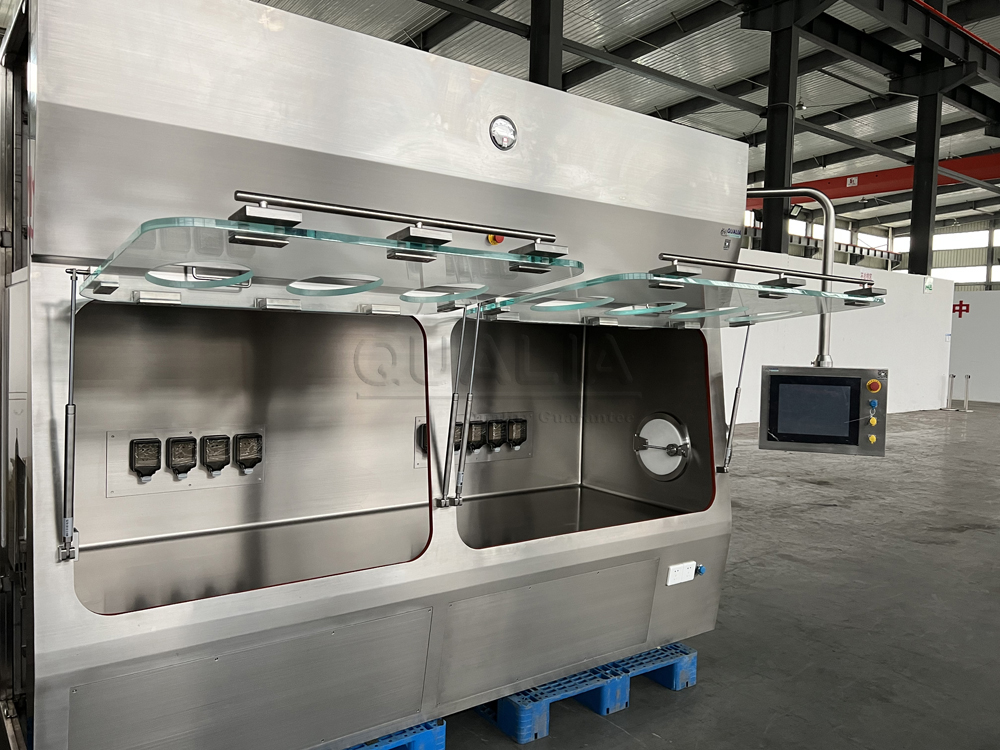
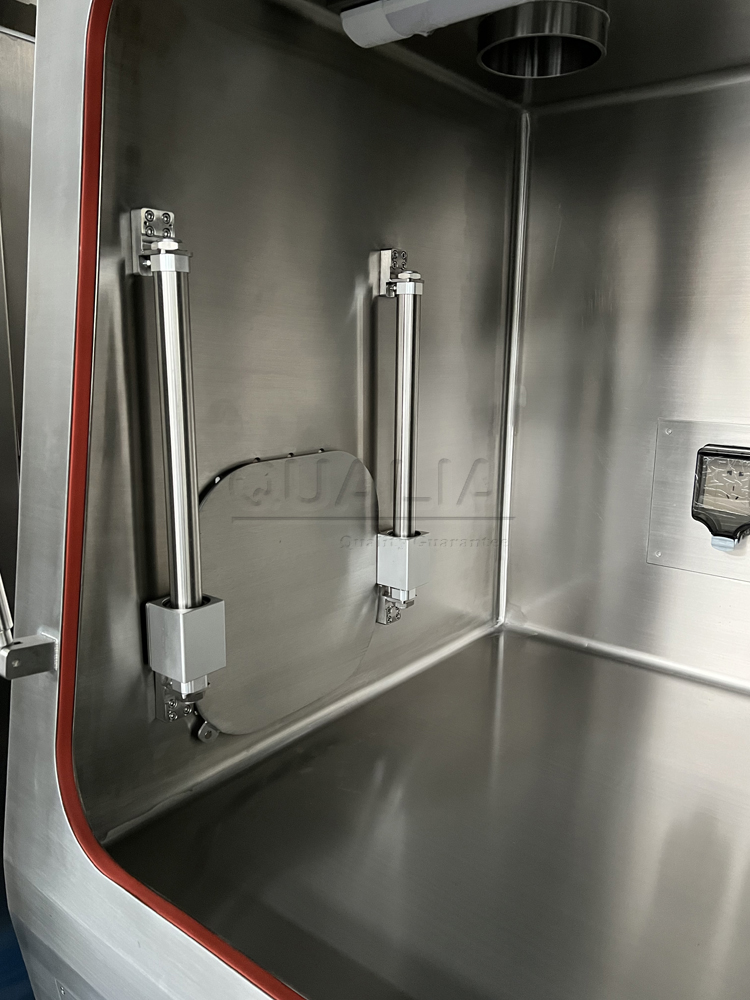
The “OEB4 / OEB5 Isolator” is a cutting-edge enclosed isolation system, autonomously researched and produced by Shanghai QUALIA. It’s engineered for OEB production defense as well as for applications including sterile production, aseptic experimentation, biosafety in biological experiments, production involving allergenic/toxic substances, and the maintenance of Specific Pathogen Free (SPF) grade experimental animals.

Different types of OEB4 / OEB5 Isolator

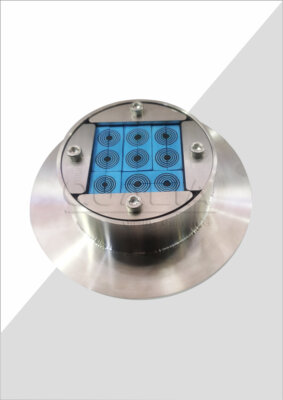
The “OEB4 / OEB5 Isolator” features two types of filtration systems: barrel-style PUSH-PUSH or centralized BIBO (Bag-In Bag-Out) paired with laminar flow. It is distinguished by its Uni-Directional Airflow and VHP (Vaporized Hydrogen Peroxide) Sterilization capabilities, among others.
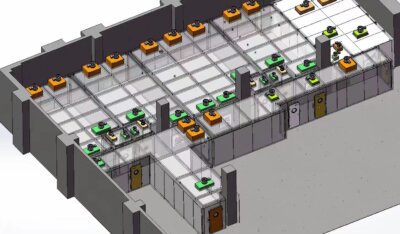
  1. It boasts a modular design compliant with GMP standards.
  2. Features an integrated Preparation/CIP (Clean-in-Place) & SIP (Sterilization-in-Place) system suited for Liquid Compounding or Safe Powder Formulation.
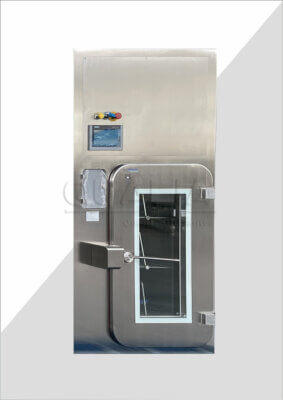
  3. Utilizes RTP (Rapid Transfer Port) connections to accommodate a variety of vessels.
  4. Offers full customization for different volumes, shapes, and heights, catering to both Fixed and Mobile vessels.
Picture of Barry Liu

Barry Liu

Hi, I'm Barry Liu. I've spent the past 15 years helping laboratories work safer through better biosafety equipment practices. As a certified biosafety cabinet specialist, I've conducted over 200 on-site certifications across pharmaceutical, research, and healthcare facilities throughout the Asia-Pacific region.
Related News

Understanding the Differences Between Stationary and Mobile BSL-3/BSL-4 Laboratories

When it comes to research and handling of highly pathogenic microorganisms, laboratories must adhere to stringent biosafety levels (BSLs) to ensure proper containment and protection. Among these, BSL-3 and BSL-4 labs are significantly critical, designed to deal with deadly viruses and bacteria. The crucial decision between opting for a stationary BSL-3/BSL-4 module laboratory or its mobile counterpart could influence the effectiveness of disease control and research outcomes. In this article, we explore the nuances that differentiate the two and guide what might suit your needs best. Fixed BSL-3/BSL-4 Module Laboratory: The stationary BSL-3/BSL-4 laboratories stand as monuments of high biocontainment measures and the pinnacle of biological safety. Designed to tackle ongoing operations involving hazardous biological agents, these facilities are constructed with a raft of specialized

Ensuring Safety with Bag-in/Bag-out: The Definitive Guide to Hazardous Filter Replacement

In industrial and laboratory settings, the handling of hazardous materials is a necessary but inherently risky operation. Whether it’s working with toxic chemicals, radioactive substances, or biohazardous agents, proper containment and filtration are essential for safeguarding both personnel and the environment. One innovative approach that has emerged to address these challenges is the bag-in/bag-out (BIBO) filtration system. The Anatomy of a BIBO System At its core, a BIBO filtration system utilizes a double-bagging mechanism to facilitate the safe replacement of contaminated filters. The process works as follows: This dual-containment approach ensures that workers never come into direct contact with the hazardous substances trapped in the filter, minimizing the risk of exposure. The Benefits of BIBO Systems The adoption of BIBO filtration systems has yielded numerous

Scroll to Top
Pass Box UV Light: When UV Decontamination Is Sufficient | qualia logo 1

Contact Us Now

Contact us directly: root@qualia-bio.com