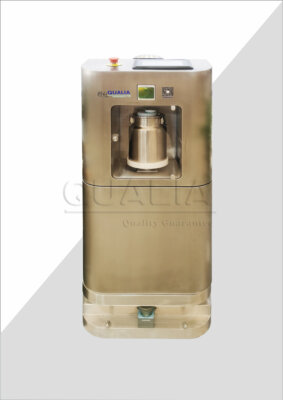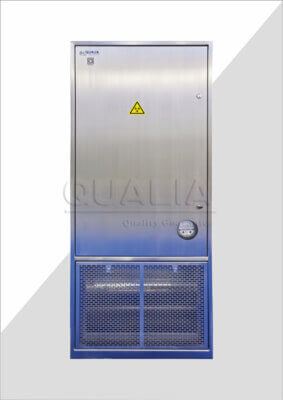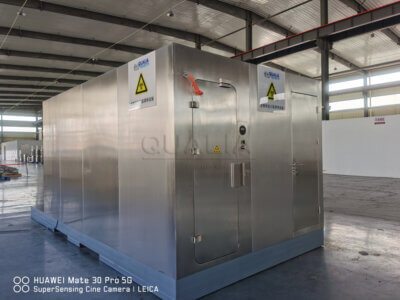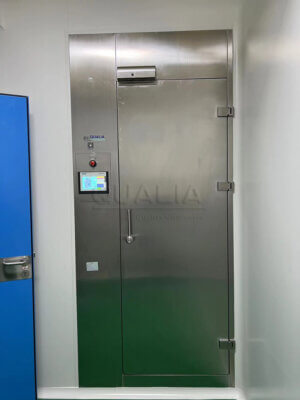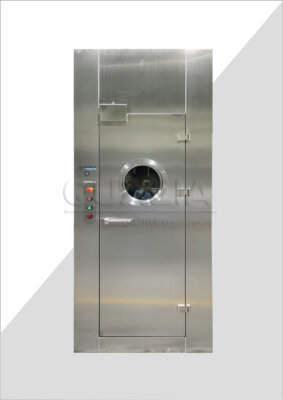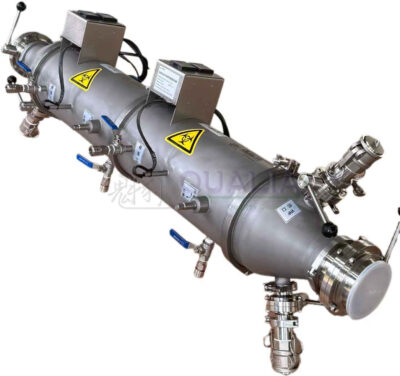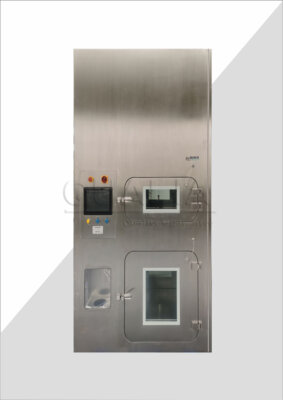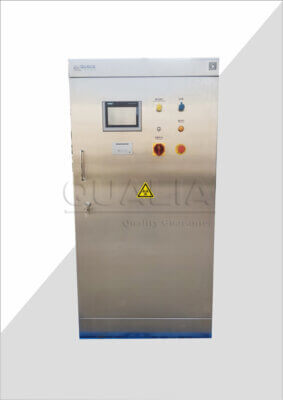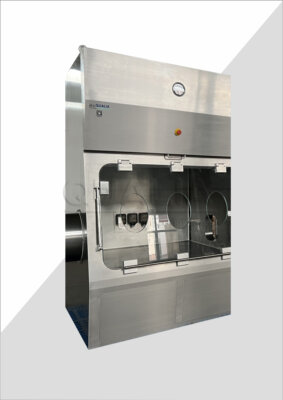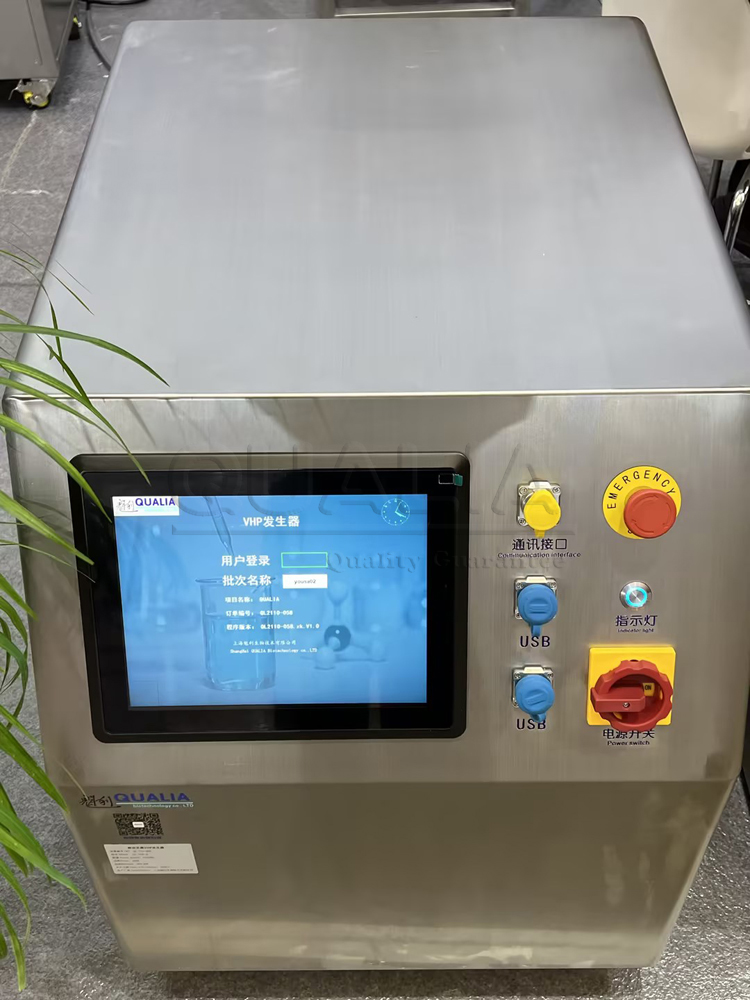
What is Portable VHP Hydrogen Peroxide Generator ( II, III )
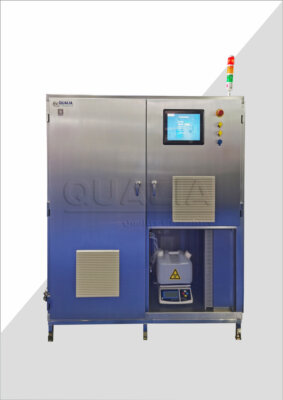
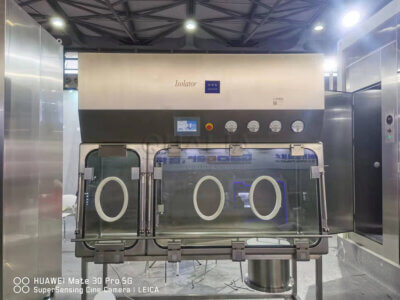
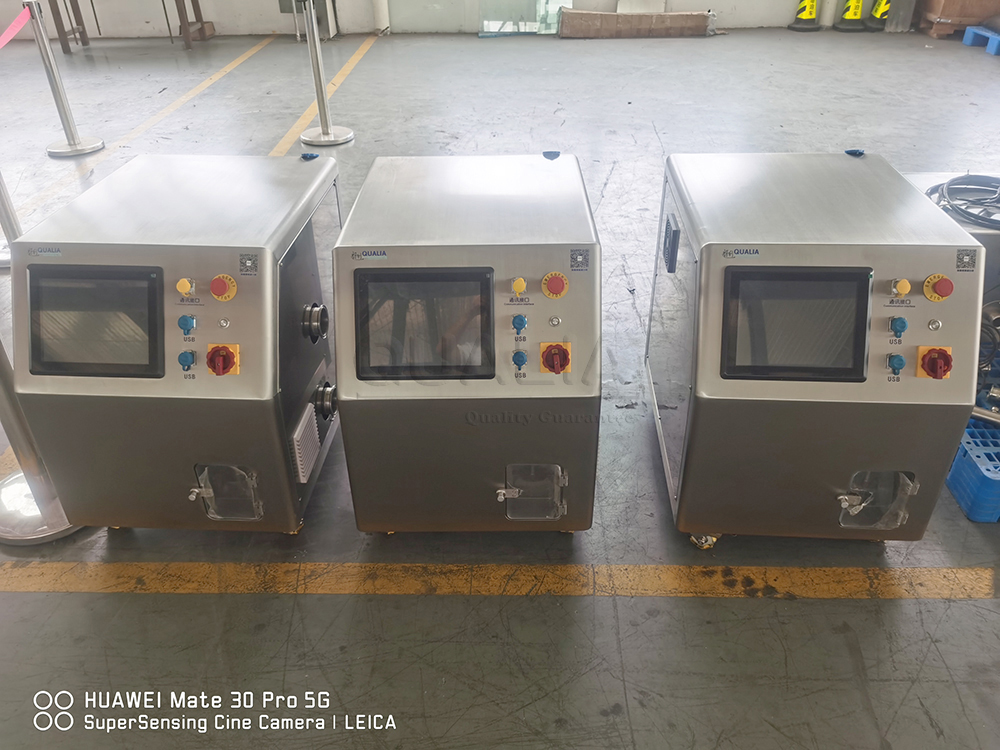
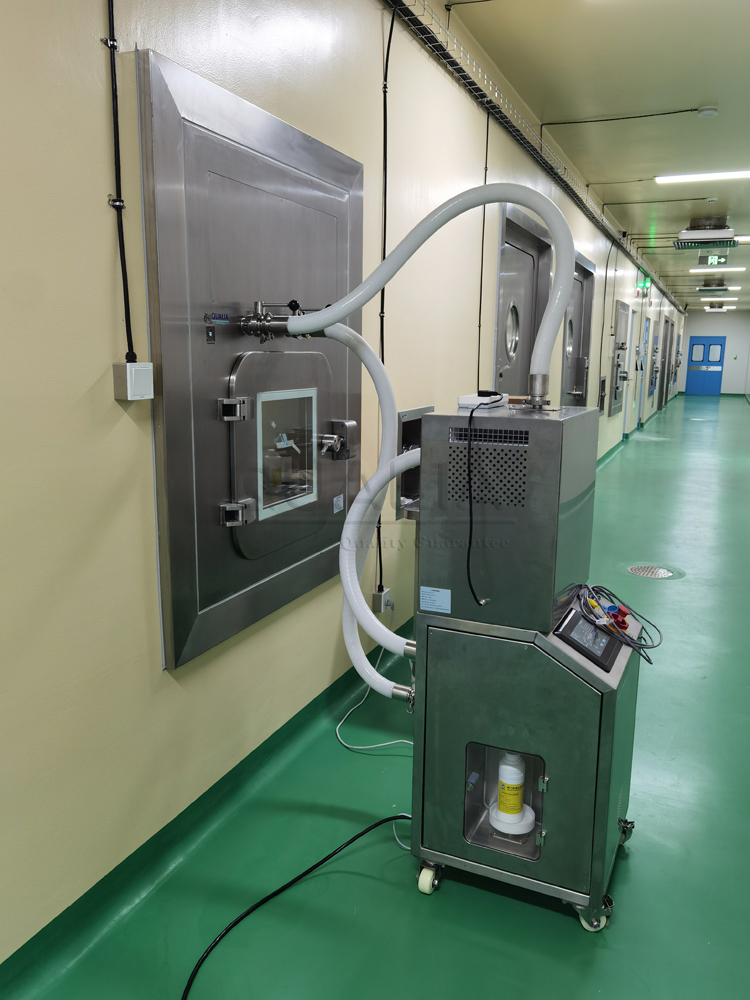
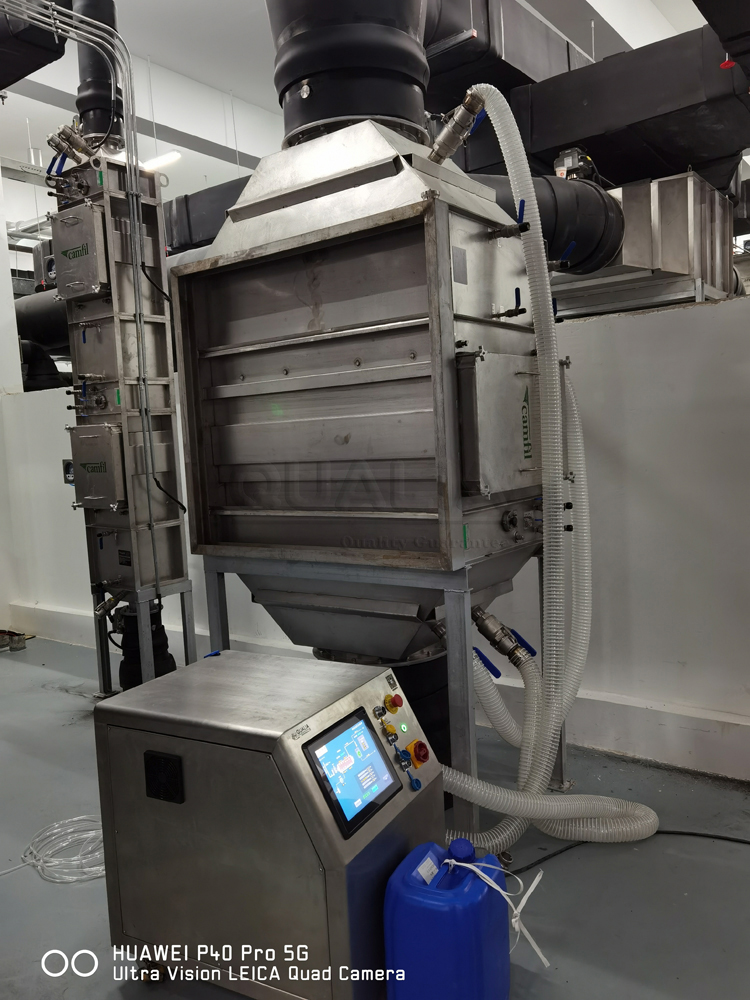
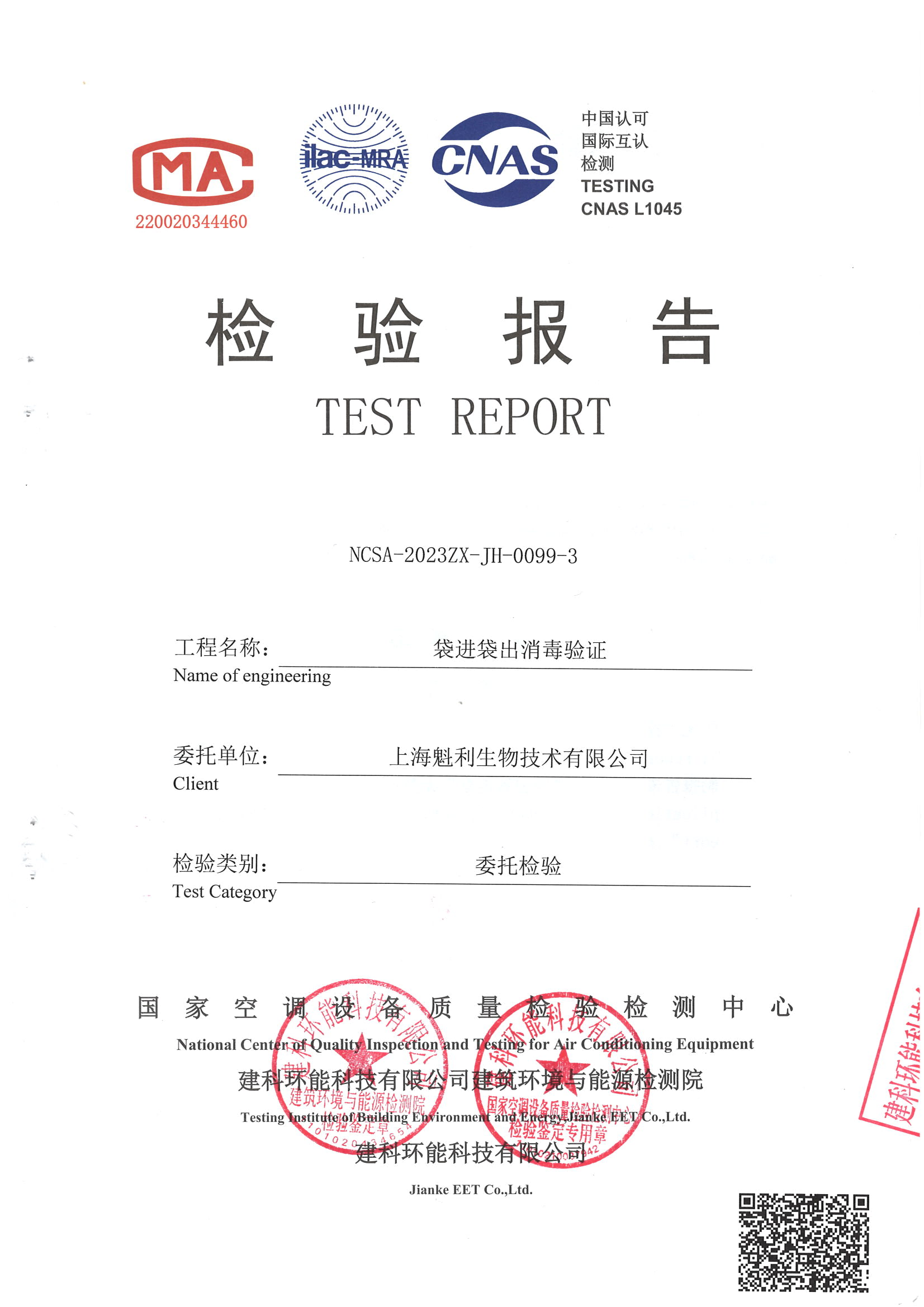
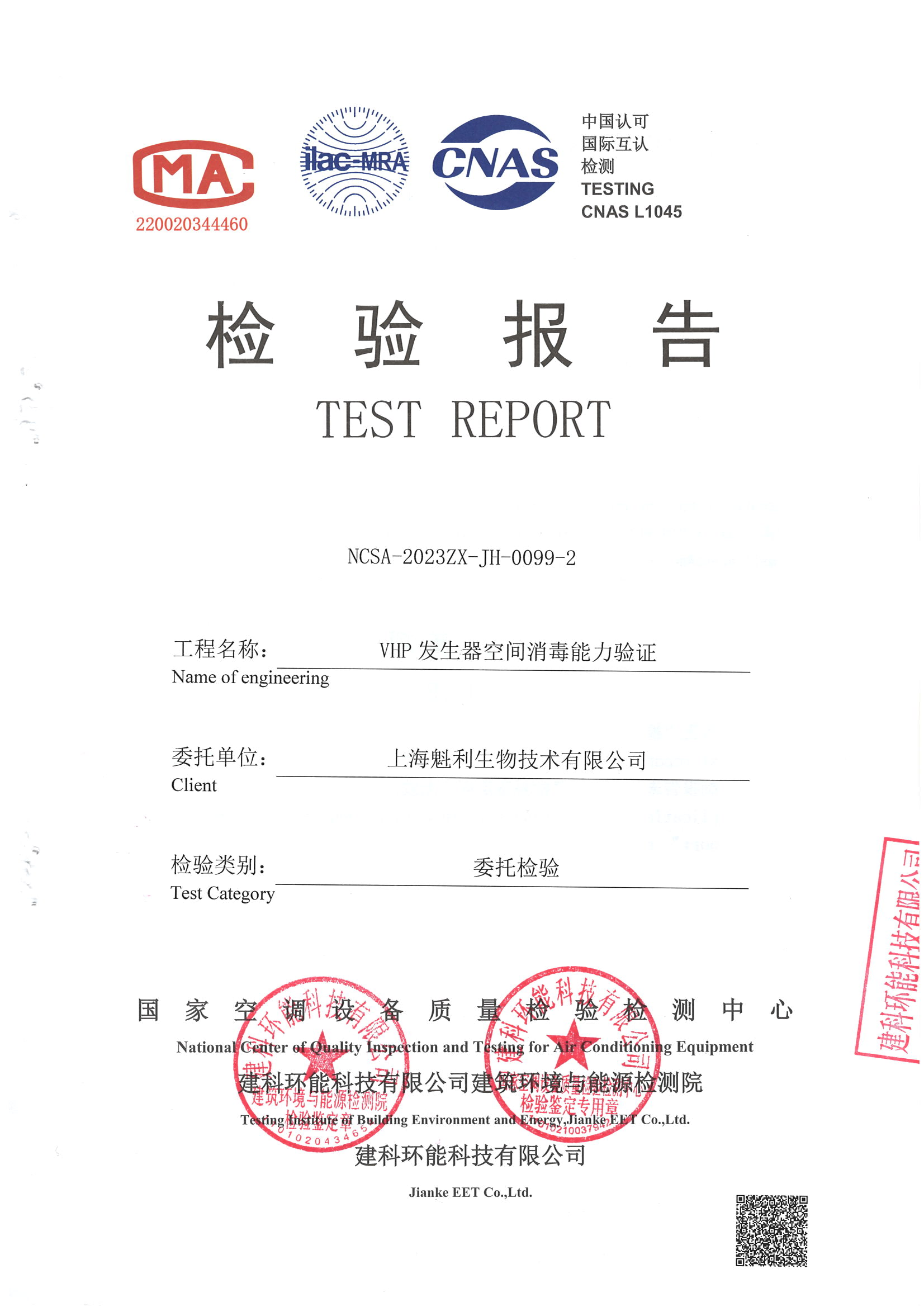
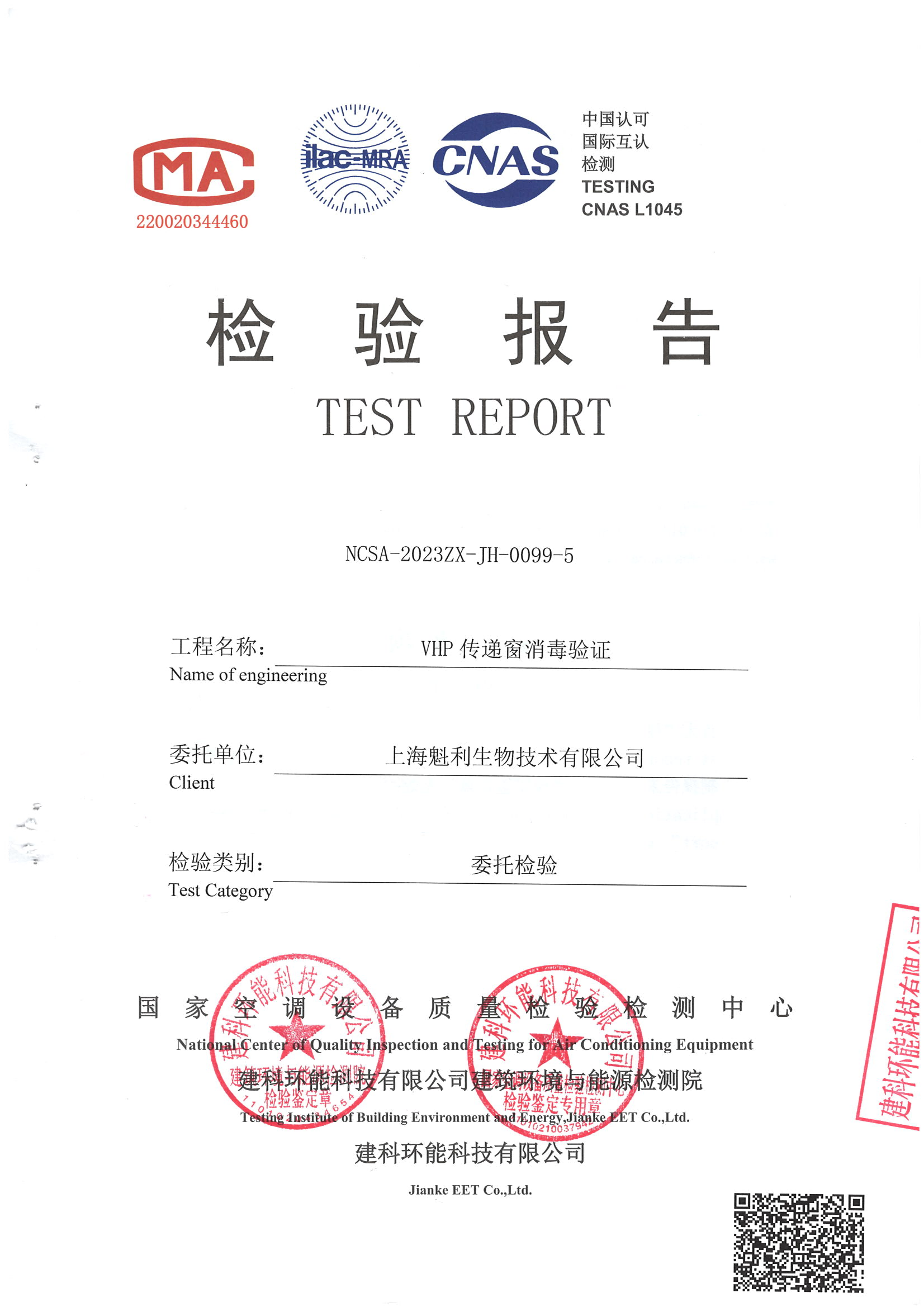
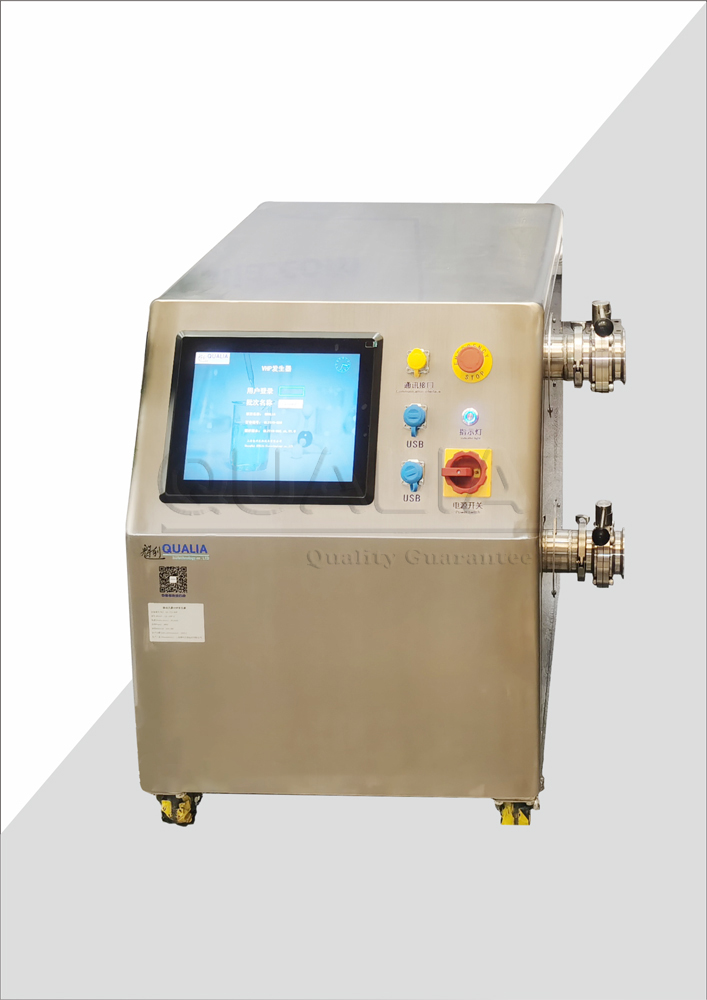
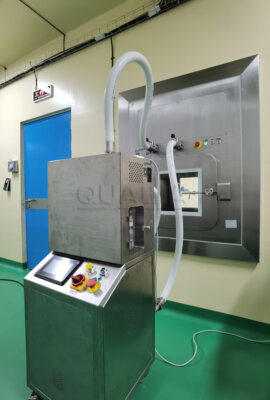
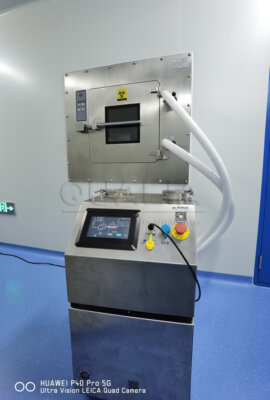
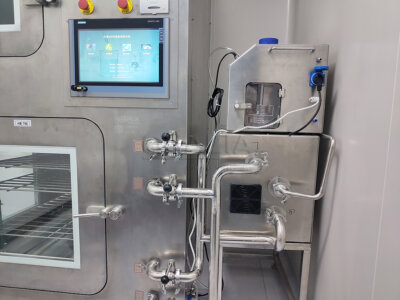
The Portable VHP Hydrogen Peroxide Generator models II and III offer specialized sterilization solutions for equipment, effectively sanitizing pass box, BIBO systems, isolators, and similar devices. These models feature user-friendly operation with a one-button sterilization function and are commonly used for disinfecting isolation rooms, isolators, pass box, BIBO systems, and other similar equipment.
Different Types of Portable VHP Generator ( II, III )
| Type of VHP Generator | Description | Sterilization Space Range |
| Large Space Sterilization | Stationary Model | Connected to HVAC systems (100m³ – 2000m³) |
| Portable Model | ||
| Small Space Sterilization | Portable Model with external disinfection port to the room | Outdoors (0-100m³) |
| Place inside the room | Indoors (0-100m³) | |
| Equipment Sterilization | For use with bio-safty pass box, isolators, BIBO, Freeze dryer etc | 0-20m³ |
| Robotic Sterilization | Sterilize according to any planned route | Up to 250m³ |
Product Features
- Full Vaporization: Employs complete vaporization for hydrogen peroxide generation.
- Time Efficiency: Sterilization process is 30%-50% quicker than comparable products.
- No Condensation: Prevents condensation and frosting during sterilization.
- Customizable Parameters: Allows for modification of liquid, time, and concentration settings as needed.
- Uniform Sterilization: Ensures consistent sterilant concentration across the sterilization space with custom designs.
- Sealed Equipment Design: Fully enclosed build, easy to clean, with no hidden areas to minimize cross-contamination.
- Automation: High degree of automation with one-touch sterilization, no manual monitoring required.
- Multiple Formulas: Offers the ability to concoct multiple unique formulas for different uses, switchable as per user requirement.
- Efficient Vaporization Module: Designed without dead zones to ensure total vaporization and no gas-liquid coexistence.
Technical Specifications
- Power supply: 220V, 50Hz.
- Compressed air: Pressure 4-6 kg, pipe diameter 8-10 mm (optional); Power: 1-3KW; Hydrogen Peroxide: 35% concentration.
- Concentration control range: 250-700PPM, achieving precise sterilization.
- Sterilization time: Customized according to the size and characteristics of the equipment space.
- Effective sterilization volume: Ranges from 0 to 20 cubic meters.
- Safe usage concentration: Maintained below 1PPM to achieve optimal safety.
Successful Cases
| Project Name | Equipment | Completion Date |
| Wuxi AppTec | VHP equipment generator | 2021.04 |
| Ceva Santé Animale France | VHP generator (equipment + space) | 2021.05 |
| MONTAJES DELSAZ (P3 Laboratory) | VHP generator (equipment + space) | 2018.08 |
| Jordan JOCAC (Vaccine Production Workshop) | VHP generator (equipment + space) | 2018.01 |
| Tonghua Dongbao Recombinant Human Insulin Phase II | VHP generator (equipment + space) | 2017.11 |
| Tonghua Dongbao | VHP generator (equipment + space) | 2018.12 |
| Nanjing Procleix Biopharmaceuticals | VHP equipment generator | 2019.08 |
| Huarlan Bio (COVID-19 workshop) | VHP space generator | 2020.02 |
| Huarlan Bio (COVID-19 workshop) | VHP equipment generator | 2020.12 |
| Yunnan Huayu Large Animal P3 Project | VHP generator (equipment + space) | 2021.1 |
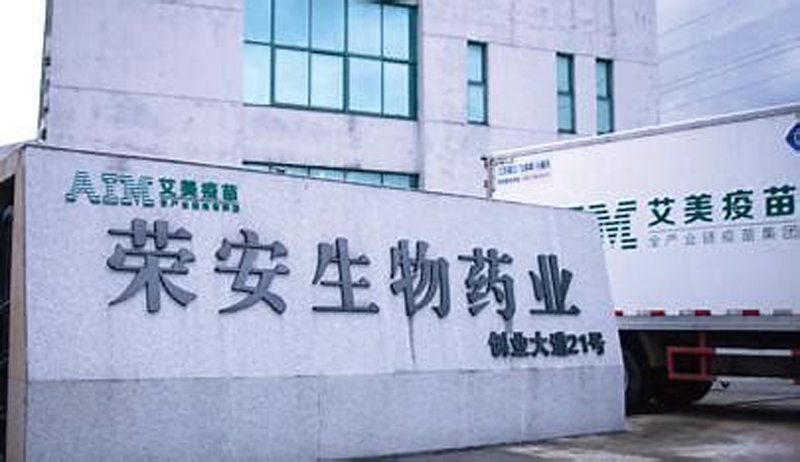
| Ningbo Rong’an Biopharmaceuticals | VHP space generator | 2021.1 |
| Qingdao Yibang P3 Animal House | VHP generator (equipment + space) | 2022.05 |
| Qingdao Yibang P3 Animal House | VHP equipment generator | 2023.08 |
Portable VHP Hydrogen Peroxide Generator ( Type II, Type III ) Gallery
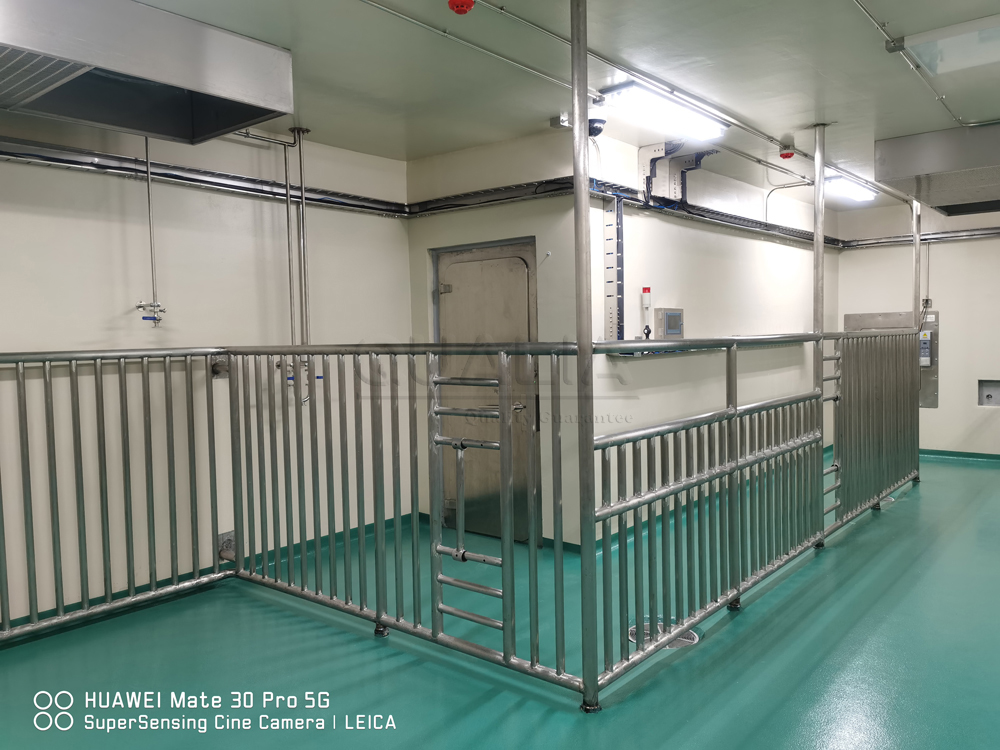
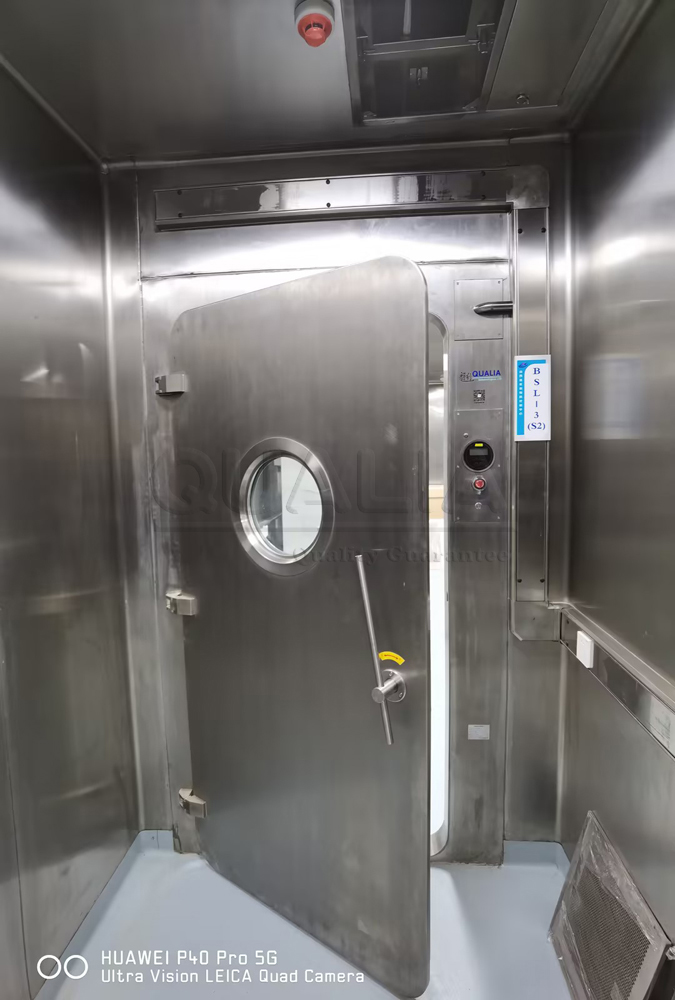
QUALIA Mechanical Seal APR for Large Animal Room-Concrete Wall_1
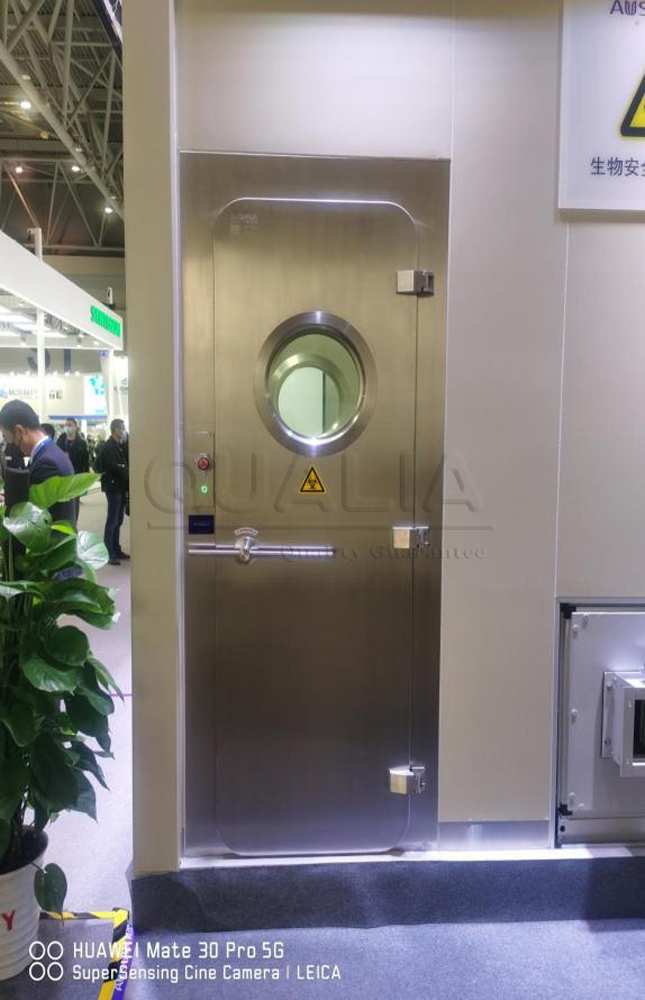
QUALIA Mechanical Seal APR Doors on the Fair_1
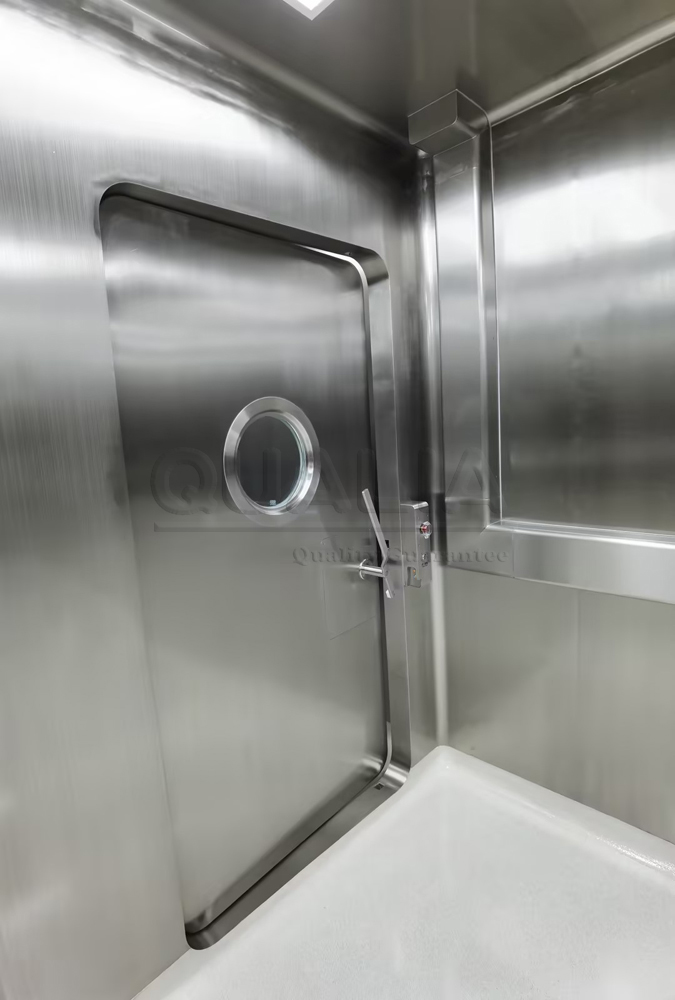
QUALIA Mechanical Seal APR Doors Mounted on SS Wall _1
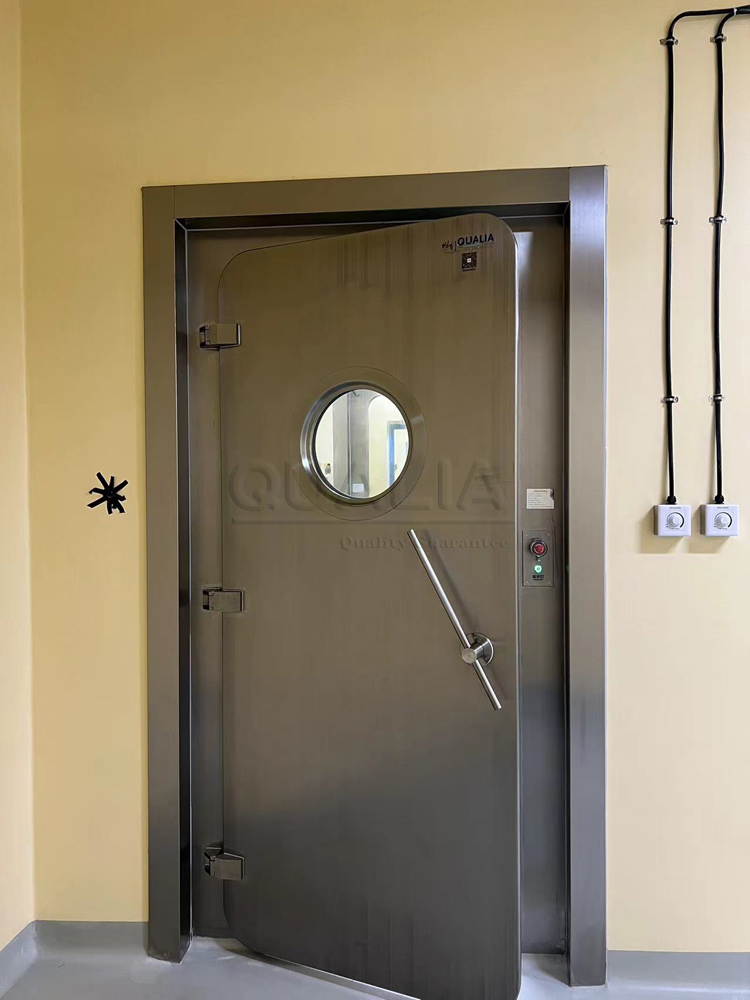
QUALIA Mechanical Seal APR Doors Mounted on Concrete Wall_1
QUALIA Mechanical Seal APR Doors Mounted in BSL 3 Module Laboratory _1
QUALIA Mechanical Seal APR Doors Mounted in BSL 3 Module Laboratory 2_1
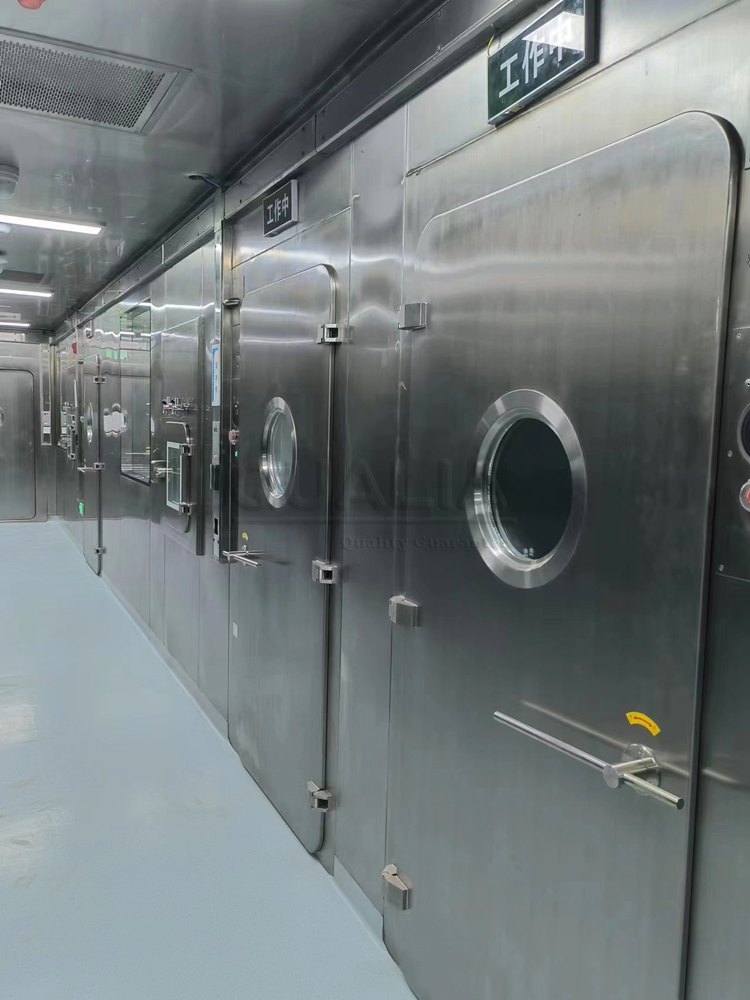
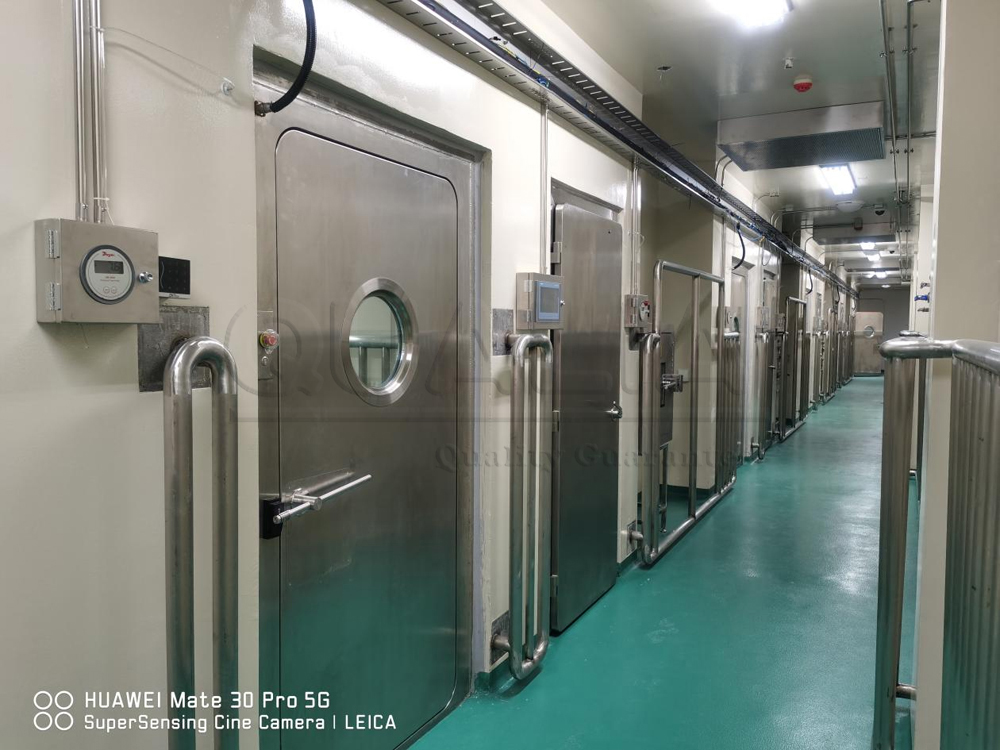
QUALIA Mechanical Seal APR Doors - Contaminated Walkway (Protective Area for Large Animals)_1_1
QUALIA VHP Generator III in Fair_1
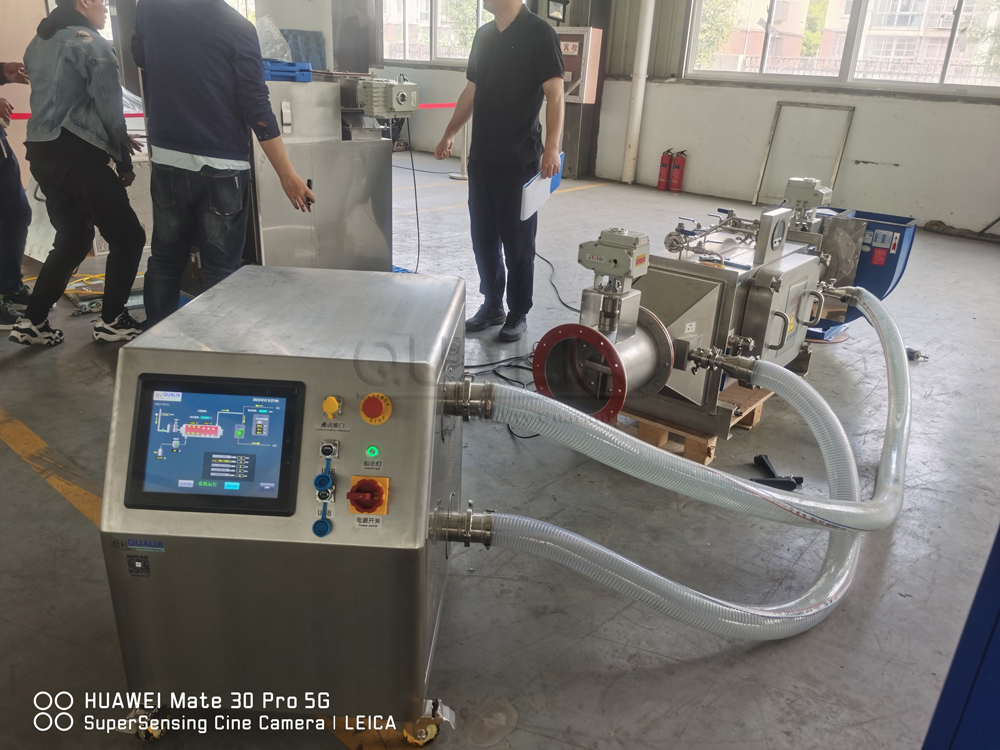
QUALIA VHP Generator III in Factory_1
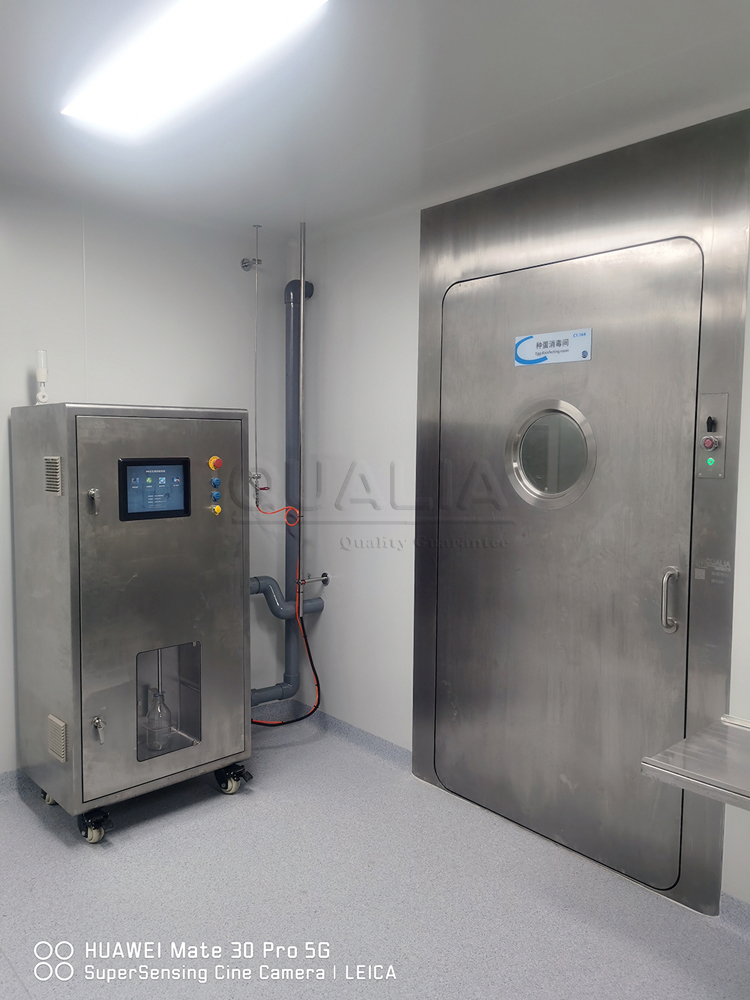
QUALIA VHP Generator III Biosafety Passbox Sterilization 1_1
QUALIA VHP Generator III BIBO Sterilization On Site Processing _1
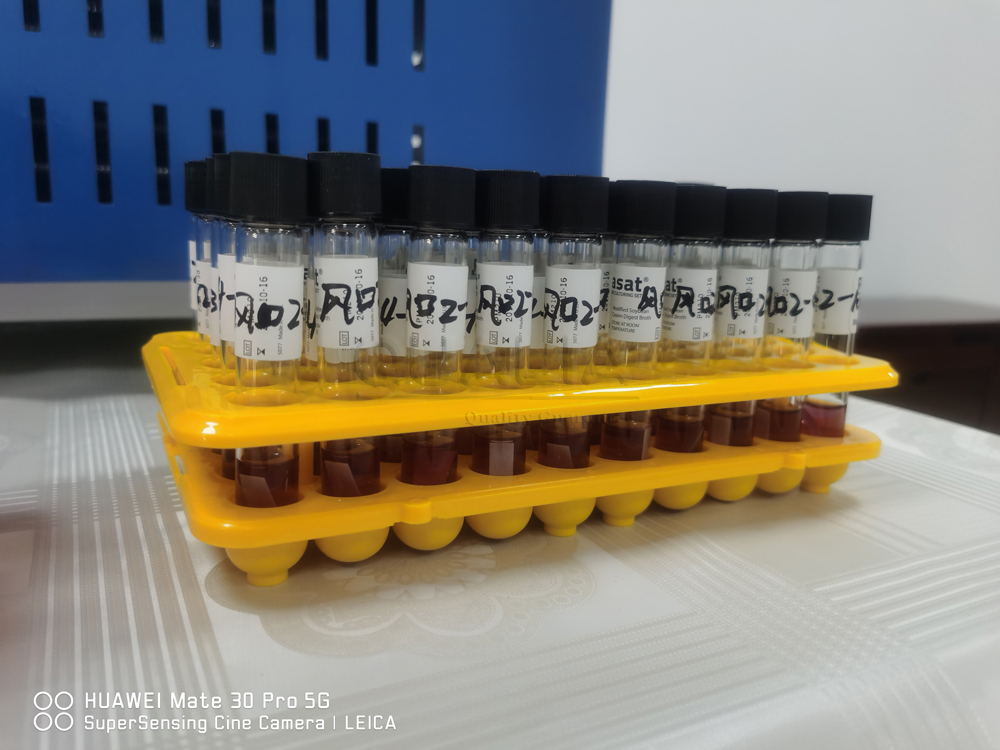
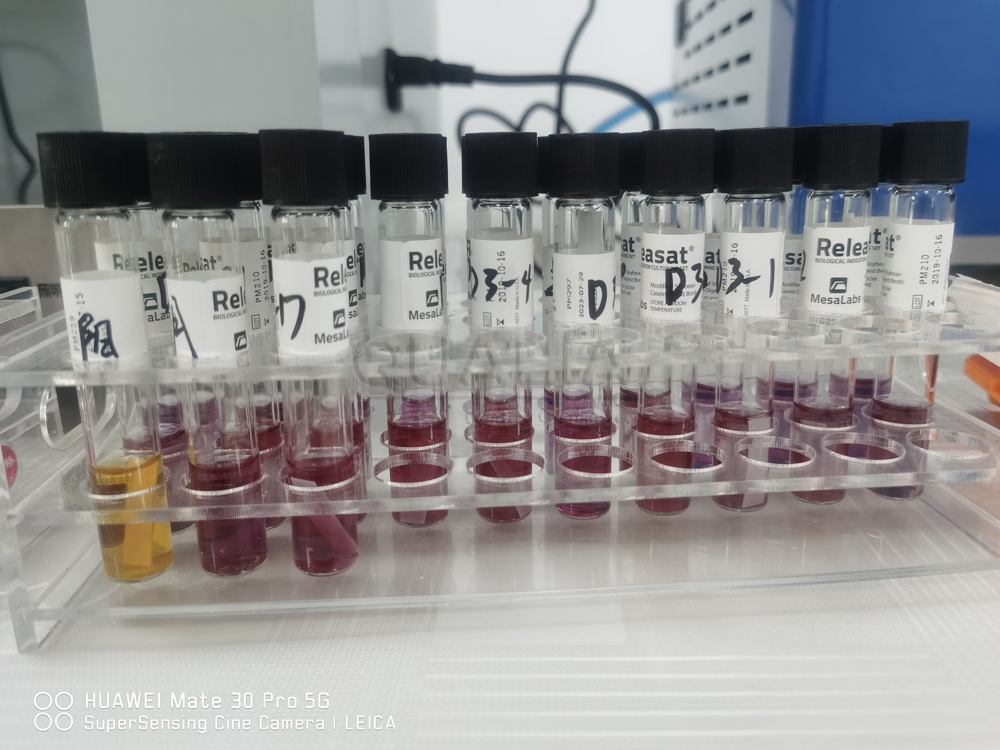
QUALIA VHP Generator II III Bacterial Challenge test 2_1
QUALIA VHP Generator II III Bacterial Challenge test 1_1
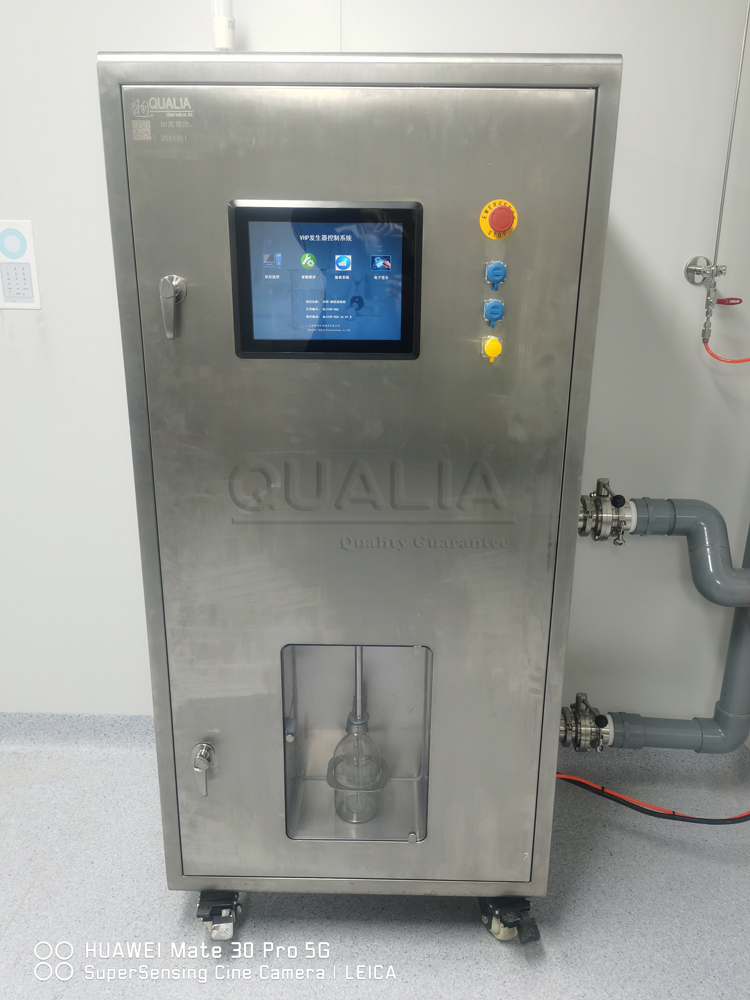
QUALIA VHP Generator II_1
QUALIA VHP Generator III BIBO Sterilization_1
QUALIA VHP Generator II 2_1