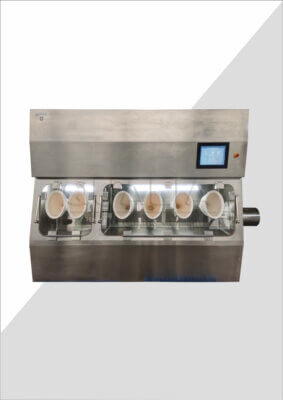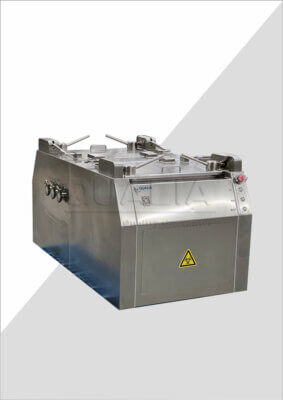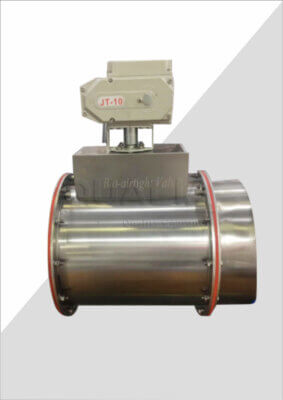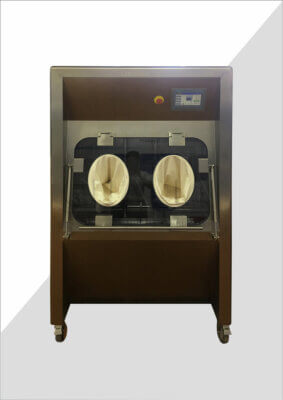

Havalandırmayı sabit bir geri sayım zamanlayıcısına göre tasarlayan tesisler, bu eksikliği genellikle devreye alma aşamasında değil, bir denetim veya hijyen şikayeti sırasında fark ederler. Zamanlayıcı sona erdiğinde kapı açılır ve yoğun veya gözenekli bir yükten tam olarak ayrışmamış kalan hidrojen peroksit, artık kontrollü bir salımdan ziyade bir maruz kalma olayı haline gelir. Bunun yol açtığı maliyetler de azımsanmayacak düzeydedir: personel maruziyet soruşturmaları, kesintiye uğrayan transfer iş akışları, plan dışı yeniden yeterlilik değerlendirmeleri ve düzenlemelere tabi ortamlarda, parti kayıtlarını veya iş sağlığı dosyalarını etkileyen potansiyel belgeleme eksiklikleri. Bu eksikliği gideren çözüm nettir: havalandırma, yalnızca geçen süreye göre değil, ölçülebilir ayrışma ve tanımlanmış salım yetkisi ile yönetilen, kalıntı kontrollü bir salım adımı olarak tasarlanmalıdır. Aşağıda, sensör yerleşimi, malzeme uyumluluğu, salım eşikleri ve arıza müdahalesi konularında bu kararı vermek için yapılandırılmış bir temel sunulmaktadır.
Serbest Bırakma Kontrolü Adımı Olarak Havalandırma
Havalandırma, geri sayımın sona ermesiyle değil, kalan hidrojen peroksitin güvenli seviyelere kadar ayrışmasıyla sona erer. Bu ayrım, operasyonel açıdan önemlidir; zira yük geometrisi, ortam sıcaklığı ve döngü yoğunluğu gibi ayrışma hızını etkileyen faktörler sabit değildir. Ortalama bir koşul için ayarlanan bir zamanlayıcı, bu değişkenler değiştiğinde tutarsız sonuçlar verecektir ve bu farkı tespit edecek bir ölçüm yöntemi bulunmamaktadır.
Tercih edilen tasarım temeli, H₂O₂’nin su ve oksijene katalitik olarak ayrışmasıdır; bu süreç, sistemin kalıntı miktarının azaldığını ve tanımlanmış bir eşiği aştığını doğrulamasını sağlayan sürekli izleme ile takip edilir. Sürekli ppm düzeyinde çözünürlükte çalışan isteğe bağlı bir elektrokimyasal sensör, kapalı döngü kontrolünü ve otomatik son nokta belirlemeyi mümkün kılarak bu yaklaşımı destekler. Bu, evrensel bir yasal zorunluluk değildir; sabit bir süreye kıyasla daha sağlam bir tasarım tercihidir ve koşullar değiştiğinde serbest bırakma kararı için savunulabilir bir dayanak sunar. İki yaklaşım arasındaki fark açıktır.
| Yaklaşım | Son Nokta Kriterleri | Neden Önemli? |
|---|---|---|
| Sabit geçen süre | Önceden belirlenmiş havalandırma süresi | Serbest bırakma, kalan H₂O₂ miktarına bağlı değildir; bu durum, erken maruziyete veya gereksiz bekleme süresine yol açabilir |
| İsteğe bağlı elektrokimyasal sensörlü katalitik ayrıştırma | Güvenli eşik değerinin altında, ppm düzeyinde sürekli H₂O₂ ölçümü | H₂O₂’nin suya ve oksijene ayrıştığından emin olur; kapalı devre otomatik salımını sağlar |
Sabit zamanlı yaklaşımın pratik sonucu, yükler değiştiğinde veya döngü parametreleri ayarlandığında ortaya çıkar. Geçen süreye dayalı olarak doğrulama yapmış bir ekip, bu sınır koşullarında sürümü savunmak için ölçülebilir bir temele sahip değildir ve herhangi bir sapma araştırması, orijinal tasarımda önlenebilecek yeniden doğrulama çalışmalarını gerektirir. Kapalı döngü kontrolü, sürüm kararını bir saatten ölçülen bir koşula kaydırır; bu, yük veya ortam değiştiğinde tam bir yeniden doğrulama yapılmaksızın geçerliliğini koruyan tek yapılandırmadır.
Malzeme ve Alım Alanına Göre Kalıntı Sınırları
Tüm malzemeler ve alıcı ortamlar için geçerli, evrensel olarak belirlenmiş tek bir kalıntı sınırı bulunmamaktadır; böyle bir sınırın var olduğu varsayımıyla tasarım yapmak ise iki yönden sorunlara yol açar. Dayanıklı bir paslanmaz çelik yük için sınırın aşırı ihtiyatlı bir şekilde belirlenmesi, döngü süresini gereksiz yere uzatır. Alıcı alanın ne kadarını tolere edebileceğini dikkate almadan, sadece hazne sensörünün okuduğu değere göre sınırı belirlemek ise daha ciddi sonuçlar doğuran bir hatadır.
Pratik planlama yaklaşımı, kalıntı sınırlarını tek tip olarak uygulanan tek bir rakam olarak değil, riskten türetilen girdiler olarak tanımlamaktır. Aktif farmasötik ürün, açık dolum hatları veya biyolojik süreçler içeren bir temiz odaya girecek malzemeler, ikincil ambalajlama veya ekipman hazırlama alanına aktarılan malzemelerden farklı bir maruz kalma toleransına sahiptir. Malzemenin kabul edildiği ortam bir sınır belirler; malzeme yüzeyinin kimyasal yapısı ise başka bir sınır belirler. Gözenekli malzemeler — ambalaj filmleri, etiketler veya emici bileşenler — oda sensör okumaları kabul edilebilir seviyede olsa bile yüzeylerinde H₂O₂ tutabilir; bu da sensördeki sınır ile malzeme yüzeyindeki sınırın eşdeğer değerler olmadığı anlamına gelir.
Tedarik ve doğrulama ekipleri için bu, kalıntı sınırlarının URS’de tek bir “geçer/kalır” eşiği olarak değil, malzeme sınıfı ve alım alanı eşleşmeleri şeklinde belirtilmesi gerektiği anlamına gelir. Bu tanımı erteleyen tesisler, yeterlilik ekibi hangi sınırın hangi malzeme yüzeyi için doğrulandığını sorduğunda ve bu sorunun cevabının herhangi bir kontrollü belgede bulunmaması durumunda, bunun genellikle bir OQ gözlemi haline geldiğini fark ederler.
Sensörün Konumu ve Sıkışmış Peroksit Riski
Eşik değerinin altında okuma veren bir hazne sensörü, yükteki tüm yüzeylerin bu duruma ulaştığını teyit etmez. Bu, VHP geçiş kutusu işletiminde en tutarlı şekilde göz ardı edilen yerleştirme riskidir ve bir şey bir incelemeyi zorunlu kılana kadar yapısal olarak fark edilmez.
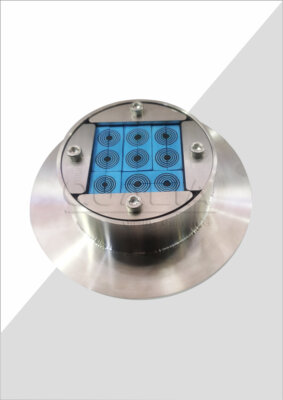
Arıza şekli belirgindir: gözenekli ambalajlar, iç içe geçmiş borular, üst üste yığılmış bileşenler ve kapalı boşluklar, H₂O₂’nin hapsolduğu ve açık hazne hacmine kıyasla daha yavaş ayrıştığı mikro ortamlar oluşturur. Egzoz akışına veya tek bir hazne duvarına monte edilen bir sensör, yoğun yükün iç kısmına bitişik durgun havayı değil, iyice karışmış havayı örnekleyecektir. Ölçüm değeri kabul edilebilir görünebilir; ancak malzeme yüzeyinin durumu öyle olmayabilir.
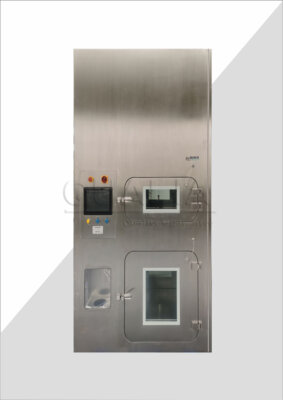
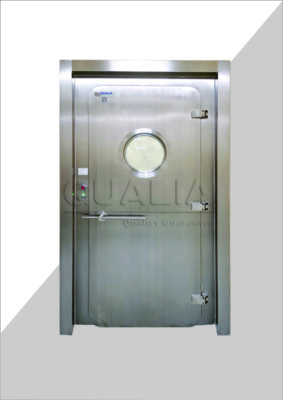
Bu, bir sensör sorunu olduğu kadar bir tasarım-konfigürasyon sorunudur da. Yük yönü, maksimum istif yüksekliği ve ambalaj türü, döngü geliştirme aşamasında tanımlanmalıdır; zira belirli bir yük konfigürasyonuna göre doğrulanmış bir sensör yerleşimi, yük bileşimi değiştiğinde malzeme yüzeyindeki kalıntıları yeterince temsil etmeyebilir. Küçük, açık yüklerle doğrulama yapan ve ardından sensörün temsil edilebilirliğini gözden geçirmeden yoğun üretim partilerini aktaran ekipler, genellikle bunun farkında olmadan, doğrulanmış sınırlarının dışında çalışmaktadır. En kötü durum yük konfigürasyonunun hazne içinde hangi noktada en yüksek hapsolmuş peroksit riskini oluşturduğu da dahil olmak üzere sensör yerleşimi incelemesi, OQ'nun bir parçası olarak belgelenmeli ve yük türleri değiştiğinde periyodik yeniden kalifikasyon sırasında yeniden gözden geçirilmelidir. Aşağıdaki durumların geçerli olduğu tesisler için VHP geçiş kutusu Konfigürasyonlar tasarımın erken aşamalarında belirlenirse, bu temsil edilebilirlik sorunu, SAT aşamasında ortaya çıkmaktansa URS aşamasında daha iyi bir şekilde çözülür.
Tekrarlanan VHP Maruziyeti ve Malzeme Uyumluluğu
Tek bir başarılı uyumluluk döngüsü, sistemin devamlı çalışmaya uygunluğunu kanıtlamaz. İlk doğrulama aşamasını geçen malzemeler, tekrarlanan maruziyet altında kademeli olarak bozulabilir ve bu bozulma süreci nadiren doğrusal seyreder ya da tek döngülü bir testten öngörülebilir.
Standart VHP döngü parametreleri altında bu örüntüyü sergileme olasılığı en yüksek malzemeler arasında elastomerler, polikarbonat bileşenler ve epoksi kaplı yüzeyler bulunur; bunların tümü, geçiş kutusu yüklerinde ve üniteyi çevreleyen tesis altyapısında yaygın olarak görülür. Silikon elastomerler şişebilir veya elastikiyetini kaybedebilir. Polikarbonat bileşenlerin yüzeyinde, partikül riski oluşturan çatlaklar oluşabilir. Epoksi kaplı yüzeylerde kademeli bir yapışma kaybı görülebilir; bu durum, gözle görülür bir arıza haline gelmeden önce kontaminasyon sorunu yaratabilir. Malzeme kategorilerinin yapısal karşılaştırması ve her biri için nelerin doğrulanması gerektiği, uyumluluk incelemesinin temelini oluşturur.
| Kategori | Dahil Olan Malzemeler | Neleri Doğrulamalıyız | Neden Önemli? |
|---|---|---|---|
| Yük malzemelerini aktarım kutusuna aktarın | 316L paslanmaz çelik, polikarbonat, silikon elastomerler, epoksi kaplı yüzeyler, ilaç sınıfı polimerler | Standart VHP döngüsü parametreleri kapsamında uyumluluğu doğrulayın | Malzemenin bozulmasını önler; tekrarlı maruz kalmanın güvenli olmasını sağlar |
| Tesis altyapısı | HEPA filtreleri, PVC zemin kaplamaları, epoksi reçine tezgahlar | Standart VHP döngüsü parametreleri altında herhangi bir bozulma olmadığını doğrulayın | Aşınmış malzemelerden kaynaklanan kirlenmeyi önler; tesisi korur |
Tekrarlanan maruziyetin değerlendirilmemesinin tedarik ve bakım açısından sonucu, bütçeye dahil edilmemiş bir yenileme işlemidir. Elastomer contalar veya epoksi kaplı tepsiler, onaylanmış maruziyet sınırlarından türetilen yedek parça ve yenileme döngüsüne dahil edilmezse, bozulmanın ilk belirtisi genellikle bir kirlenme olayı veya bir denetim bulgusudur; bunların hiçbiri planlı bir bakım maliyeti değildir. Yeniden onaylama, yalnızca gözle görülür bir arıza nedeniyle değil, döngü sıklığı, döngü yoğunluğu veya malzeme özelliklerindeki değişiklikler nedeniyle de başlatılmalıdır. Kaynakça ISO 22441:2022 Döngü parametrelerinin çerçevelenmesine yönelik bir süreç bağlamı standardı olarak, bu incelemelerin dokümantasyon yapısını destekleyebilir; ancak malzemeye özgü listeleri doğrudan belirlemez.
Tekrarlanan maruziyet sırasında bisiklet parametrelerinin malzeme uyumluluğuyla nasıl etkileşime girdiğini değerlendiren tesisler için, VHP Hidrojen Peroksit Konsantrasyonu ve Döngüsü Malzeme Uyumluluğunu Nasıl Etkiler? ek bir planlama bağlamı sağlar.
Kapı Açma Yetkisi ve Kabul Edilebilir Değerler
Serbest bırakma yetkisi, ihtiyaç duyulmadan önce tanımlanmalıdır — yani, bir operatörün bir döngünün sonunda geçiş kutusunun başında talimat beklemeye başlamadan önce. Bunu tanımlamayan tesisler, kararı o anda orada bulunan kişiye dolaylı olarak devrediyorlar ve bu, kontrollü bir prosedür değildir.
Serbest bırakma eşiği tasarımına temel teşkil eden mesleki maruz kalma değerleri OSHA ve NIOSH’tan alınmaktadır ve bunlar birbiriyle eşdeğer değildir. OSHA’nın izin verilen maruz kalma sınırı, sekiz saatlik zaman ağırlıklı ortalamayı yansıtmaktadır; NIOSH’un önerilen maruz kalma sınırı ise on beş dakikalık bir süre için geçerli olan kısa vadeli bir üst sınırdır. Bu eşik değerler farklı maruz kalma modellerini temsil eder ve salıverme kriteri olarak hangisinin seçileceği, havalandırma sonrasında bir kapının ne kadar hızlı açılabileceği ve alarmların nasıl kademelendirilmesi gerektiği üzerinde doğrudan bir etkiye sahiptir. Bu eşik değerlerin ve maruz kalma ölçüm türlerinin sistematik bir şekilde karşılaştırılması, salıverme prosedürünün tasarlanması için temel öneme sahiptir.
| Standart | Sınır (ppm) | Pozlama Ölçümü | Yayınlama Kriteri Olarak Amaç |
|---|---|---|---|
| OSHA PEL | 1.0 | 8 saatlik TWA | Kapı açma izni için ölçülebilir güvenlik sınırı |
| NIOSH Tarafından Önerilen Maruz Kalma Sınırı | 0.1 | 15 dakikalık STEL | Kapı açma yetkisi için ölçülebilir güvenlik sınırı (daha katı kısa vadeli referans) |
Serbest bırakma kriterlerini daha gevşek eşik değerine göre belirleyen tesisler, rutin koşullarda işletilmesi daha kolaydır; ancak personelin maruz kalma düzenleri, iş sağlığı incelemeleri veya düzenleyici denetimlerin dikkatini çektiğinde savunulması zorlaşır. Daha sağlam bir tasarım yaklaşımı, her iki eşik değerine göre alarmlar ayarlamaktır — daha katı sınırda erken uyarı ve izin verilen sınırda kesin durdurma — ve Standart Operasyon Prosedüründe (SOP) kimin, hangi sensör okuma değeri altında serbest bırakmayı onaylama yetkisine sahip olduğunu ve hangi belgelerin oluşturulacağını tanımlamaktır. Koşulların sınırda olduğu durumlar için serbest bırakma prosedüründe VHP sonrası yeniden kalifikasyon adımlarına da atıfta bulunulmalı ve böylece serbest bırakma yetkisi, oda kapısında verilen bir karar yerine tanımlanmış bir eskalasyon yoluyla desteklenmelidir.
Havalandırma Son Noktasına Ulaşılmadığında Alınacak Önlem
Havalandırma durması, çoğu tesiste henüz tam olarak prosedürlere dönüştürülmemiş bir istisnai durumdur; bu da, bu durum ortaya çıktığında tutarsız bir şekilde ele alındığı anlamına gelir. Buradaki başarısızlık riski, vaktinden önce tesise geri giriş yapılmasıdır: Tanımlanmış bir bekleme süresi ve müdahale prosedürü olmadan, transferi zamanında tamamlama yönündeki pratik baskı, bir operatörün veya amirin, havalandırma son noktası henüz tamamlanmamış olmasına rağmen kapının açılmasına izin vermesine yol açabilir.
Müdahale yapısı, olay gerçekleşmeden önce üç soruyu yanıtlamalıdır: Bir durma sınıflandırmasını ne tetikler, son noktaya ulaşılamadığında yeniden giriş kararlarını verme yetkisi kimdedir ve odanın tekrar kullanıma açılmasından önce hangi yeniden yeterlilik değerlendirme veya doğrulama adımlarının atılması gerekir? Bunu, iş güvenliği yönetim yapısı çerçevesinde —şu ilkelerle tutarlı bir şekilde— ele almak ISO 45001:2018—belgeleme gerekçesini desteklemektedir; ancak somut yeniden kabul kriterleri, söz konusu standardın doğrudan düzenlediği hususlar değil, tesislerin standart prosedürlerine (SOP) göre alınan kararlardır.
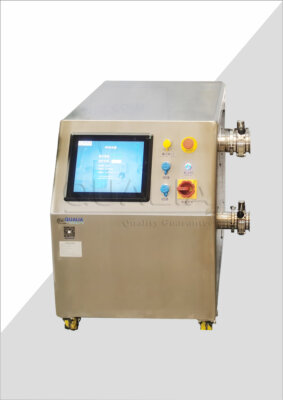
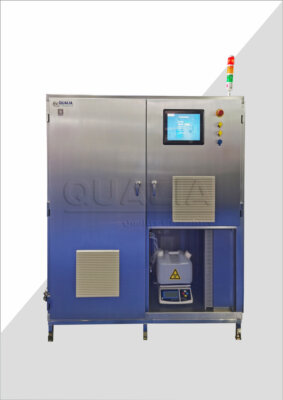
Bunun tasarım açısından pratik sonucu, müdahale prosedürünün ilk durma olayından sonra hazırlanmaması, devreye alma aşamasında geçiş kutusunun operasyonel standart çalışma prosedürüne (SOP) entegre edilmesi gerektiğidir. Bu, durma durumunu otomatik olarak tespit eden sensör alarm mantığını, durum yetkili bir kişi tarafından giderilene kadar kapının açılmasını engelleyen bir bekletme durumunu ve durmanın yük bileşimi, katalizör sorunu, yetersiz hava akışı veya jeneratör arızasından kaynaklanıp kaynaklanmadığını belirlemek üzere kök nedenin araştırılmasına yönelik tanımlanmış bir süreci içerir. A VHP hidrojen peroksit jeneratörü Yeterli katalizör kapasitesine ve bakımlı hava akış yollarına sahip sistemler, durma sıklığını azaltır; ancak bu, müdahale prosedürüne olan ihtiyacı ortadan kaldırmaz. Jeneratör güvenilirliğini durma protokolünün yerine geçecek bir unsur olarak gören tesisler, tek bir ekipman arızası durumunda kontrolsüz bir yeniden giriş kararı almakla karşı karşıya kalabilir.
Bir VHP geçiş kutusunda havalandırma son nokta kontrolü, kimya meselesi olduğu kadar nihayetinde bir belge ve yetki meselesidir. Hidrojen peroksitin su ve oksijene ayrışması tanımlanmış bir fiziksel süreçtir; değişkenlik gösteren unsur ise, tesisin bu sürecin doğrulanacağı koşulları belirlemiş olup olmadığı, bunu kimin doğruladığı ve sürecin tamamlanmaması durumunda ne olacağıdır. Mevcut geçiş kutusu prosedürlerini gözden geçiren ekipler, kalıntı sınırlarının malzeme sınıfına ve alım alanına göre tanımlanıp tanımlanmadığını, sensör yerleşiminin en kötü durum yük geometrisine göre değerlendirilip değerlendirilmediğini, malzeme uyumluluk incelemelerinin tek bir yeterlilik döngüsünden ziyade kümülatif maruziyeti kapsayıp kapsamadığını ve tıkanma tepkisinin kontrollü bir prosedür mü yoksa doğaçlama bir karar mı olduğunu kontrol etmelidir. Bunların her biri ayrı bir eksikliktir ve her biri, proje yaşam döngüsünün hangi aşamasında tespit edildiğine bağlı olarak farklı bir düzeltme maliyeti gerektirir.
Spesifikasyon veya tasarım inceleme aşamasının başlarında olan tesisler için, URS aşamasında sensör temsil edilebilirliği, onay yetkisi ve tekrarlanan maruziyet uyumluluğu konularını ele almak, bir belge revizyonu gerektirir. Aynı eksikliklerin IQ/OQ tamamlandıktan sonra giderilmesi ise genellikle ek kalifikasyon döngüleri, sensör yerleşimi veya katalizör boyutlandırmasında olası tasarım değişiklikleri ve doğrulama dosyasını etkileyen geriye dönük dokümantasyon çalışması gerektirir. Bu tanımlar ne kadar erken kesinleştirilirse, bunların doğru bir şekilde yapılmasının maliyeti o kadar düşük olur.
Sıkça Sorulan Sorular
S: Hava geçiş kutumuzda elektrokimyasal sensör bulunmuyor — yine de savunulabilir bir havalandırma son noktası belirleyebilir miyiz?
C: Evet, ancak doğrulama yükü, sabit zamanlı veya göstergeye dayalı yaklaşımınızın en kötü senaryodaki yük değişkenliğini hesaba kattığını kanıtlamaya kayar. Sürekli ppm düzeyinde izleme olmadan, kalıntıların gerçek zamanlı olarak azaldığını teyit edemezsiniz; bu nedenle, doğrulamanızda, geçen sürenin kabul edilebilir yüzey kalıntı seviyeleri ürettiğinin kanıtlandığı belirli yük konfigürasyonlarını, döngü parametrelerini ve ortam koşullarını belgelemeniz gerekir. Bu koşullardan herhangi bir sapma — daha yoğun yükler, daha düşük ortam sıcaklığı, daha yüksek döngü yoğunluğu — doğrulanmış aralığın dışına çıkar ve zamana dayalı son noktanın savunulabilmesi için yeniden doğrulama gerektirir.
S: Döngü sıklığının artırılması, malzeme uyumluluğu durumunu ne zaman yeniden doğrulama gerektirecek kadar değiştirir?
C: Yeniden doğrulamayı tetikleyen evrensel bir frekans eşiği yoktur; asıl risk de budur. Uyumluluk, döngü başına başarılı/başarısız değerlendirmesi değil, kümülatif maruz kalma ile ilgili bir konudur. Pratikte yeniden doğrulamayı tetikleyen unsur, görünür bir arıza değil, döngü sıklığı, döngü yoğunluğu veya malzeme spesifikasyonundaki herhangi bir değişikliktir. Tesisler, ilk yeterlilik değerlendirmesi sırasında her malzeme sınıfı için belgelenmiş bir maruz kalma limiti (döngü sayısı veya kümülatif H₂O₂ temas süresi olarak ifade edilir) belirlemeli ve bu sınırın aşılmasını, bozulmanın gözle görülür hale gelmesini beklemek yerine otomatik bir yeniden doğrulama tetikleyicisi olarak değerlendirmelidir.
S: İki eşik değeri birbirinden farklı olduğunda, maruz kalma sınırları OSHA PEL’e mi yoksa NIOSH REL’e mi göre belirlenmelidir?
C: Tek bir kriter seçmek yerine, her ikisine karşı alarmları aşamalı olarak devreye sokacak şekilde serbest bırakma prosedürünü tasarlayın. NIOSH REL (15 dakika boyunca 0,1 ppm) daha katı bir kısa vadeli üst sınırdır ve otomatik kapı serbest bırakma eşiği için daha savunulabilir bir temeldir. OSHA PEL (1,0 ppm TWA) ise sekiz saatlik ortalama maruz kalma modelini yansıtır ve acil durdurma alarmı olarak uygundur. Yalnızca daha esnek olan OSHA değerine güvenmek, rutin işletimi basitleştirir ancak iş sağlığı incelemeleri veya düzenleyici denetimler sırasında, özellikle de kısa süreli maruz kalmaların biriktiği yüksek transfer sıklığına sahip tesislerde, daha zayıf bir konum yaratır.
S: Transfer yüküne yeni bir malzeme türü — örneğin gözenekli bir emici bileşen — eklendiğinde, onaylanmış havalandırma son noktası ne olur?
C: Mevcut uç nokta, söz konusu yük konfigürasyonu için artık geçerli değildir ve incelenmeden kullanılmamalıdır. Gözenekli veya emici malzemeler, H₂O₂'yi açık hazne hacmine göre daha yavaş bozunan mikro ortamlarda tutar; bu da, malzeme yüzeyi eşiği aşmamış olsa bile hazne sensörünün okuduğu değerin eşiği aşabileceği anlamına gelir. Yeni bir malzeme sınıfı eklenmesi durumunda, önceki son nokta parametrelerinin uygulanabilmesi için, sensörün gözenekli bileşen yakınındaki kalıntı koşullarını yeterince örnekleyip örnekleyemediği de dahil olmak üzere, yeni en kötü durum yük geometrisine göre sensörün temsil edilebilirliğinin yeniden değerlendirilmesi gerekir.
S: Tesisimiz hâlâ URS veya erken tasarım aşamasındaysa, IQ/OQ aşamasına kadar tanımlanmamış bırakılması durumunda bu eksiklik alanlarından hangisi en yüksek düzeltme maliyetine yol açar?
C: Sensör yerleşiminin temsil edilebilirliği, genellikle kalifikasyon sonrasında düzeltilmesi en maliyetli eksikliktir; zira bu durum, sensörün fiziksel olarak yeniden konumlandırılmasını, yük yönelim kısıtlamalarının yeniden tasarlanmasını ve doğrulanmış bir çalışma aralığının yeniden oluşturulması için ek kalifikasyon döngülerini gerektirebilir. Serbest bırakma yetkisi ve kalıntı sınır tanımları, kontrollü SOP revizyonlarıyla düzeltilebilen belge eksiklikleridir. Malzeme uyumluluk kapsamı ise ek testler yoluyla düzeltilebilir. Buna karşılık, sensör yerleşimi ekipman konfigürasyonunda değişiklikler gerektirebilir; bu da onu, URS aşamasında çözülmesinin OQ sonrası düzeltmeye kıyasla en büyük maliyet farkı yarattığı tek eksiklik haline getirir.