
Ölçülebilir işlevleri içermeyen bir muhafaza ekipmanı şartnamesi, bir tedarikçiye ulaştığında şartname niteliği taşımaz; bu, bir satın alma niyet belgesidir. Bunun sonucunda ortaya çıkan maliyet bellidir: “yeterli negatif basınç” veya “uygun muhafaza” kavramlarını yorumlamak üzere üretilen ekipman, devreye alma aşamasına geldiğinde, odada halihazırda sabitlenmiş olan basınç kademelendirme sistemi, yardımcı tesisat düzenlemeleri veya malzeme transfer yollarıyla entegre olamaz. Bu aşamada, tasarım değişiklikleri sözleşme gereği itiraz konusu olur, zaman çizelgeleri aksar ve doğrulama süreci, URS inceleme toplantısında çözülmesi gereken yeniden çalışma yükünü üstlenir. Bunu önleyen karar mimari değil, editoryaldır. URS’deki her bir işlev ya ölçülebilir bir koşul içerir ya da uygunluğu gösterecek tedarikçi belgesini belirtir; bundan daha azı, FAT, SAT veya denetim sırasında ortaya çıkan bir eksiklik yaratır. Aşağıda, biyogüvenlik görevlilerine, kalite güvence ekiplerine ve mühendislik liderlerine, bir URS taslağının tedarik ve kabul testlerini yürütmeye gerçekten hazır olup olmadığını değerlendirmeleri için gerekli kriterler sunulmaktadır.
Ölçülebilir ifadeler gerektiren BSL ve OEB işlevleri
Bir BSL veya OEB URS’sinde yapılan en ciddi erken hatalardan biri, mesleki maruziyet aralığını bir tasarım hedefi olarak ele almaktır. Bir gereksinime “OEB4 muhafaza” yazmak, tedarikçiye hangi ürün grubu için teklif vermesi gerektiğini belirtir; ancak hangi muhafaza performansının gösterilmesi gerektiğini belirtmez. Pratik çözüm, işlenen bileşik için gerçek en kötü durum mesleki maruz kalma sınırını (metreküp başına mikrogram cinsinden) belirtmektir; böylece tedarikçi, kategorik bir etiket yerine belirli bir eşik değere göre hava akışı, eldiven bağlantı noktası düzeni, kilitleme sistemleri ve sızıntı testi kabul kriterlerini belirleyebilir. Evrensel bir yasal alt sınırdan ziyade en kötü durum tasarım rakamı olarak ele alınan 1 µg/m³ aralığındaki bir hedef, hem düşük riskli bileşikler için aşırı mühendislik yapılmasını hem de kapsamdaki en güçlü malzemeler için yetersiz muhafaza sistemlerinin kurulmasını önler. Bu ayrım önemlidir çünkü OEB aralıkları idari gruplamalardır; doğrulanabilir mühendislik performansını belirleyen asıl faktör, gerçek OEL değeridir.
URS taslaklarında genellikle ölçülebilir ifadeler içermeyen işlevler arasında şunlar yer alır: işletme ve bakım modlarında bariyer bütünlüğü, alarm tepki süreleri ve ayar noktaları, eldiven bütünlüğü test sıklığı ve kabul kriterleri, dekontaminasyon döngüsü parametreleri (konsantrasyon, bekleme süresi, sıcaklık, bağıl nem), hava kilidi basınç tutma süreleri ve aktarım portu ihlali algılama. Bunların her biri, bir koşul ile ifade edildiği takdirde test edilebilir. Yetenek tanımı olarak yazıldığında ise hiçbiri test edilemez. “Basınç kaybı için bir alarm içermelidir” ile “ayar noktasının 5 Pa altına düşen ve 30 saniye boyunca devam eden bir basınç kaybı durumunda sesli ve görsel bir alarm üretmelidir” ifadeleri arasındaki ayrım, FAT eksiklik listesini kapatabilecek bir gereklilik ile kapatamayacak bir gereklilik arasındaki farktır.
DSÖ Laboratuvar Biyogüvenlik El Kitabı ve CDC BMBL gibi çerçeveler tarafından desteklenen risk temelli koruma sınıflandırması, koruma seviyesini patojen risk grubu ve bulaşma yoluyla ilişkilendirir; ancak bu kaynakların hiçbiri söz konusu sınıflandırmayı doğrudan ekipman performans değerlerine dönüştürmez. Bu dönüşüm, tesisin sorumluluğundadır ve şartname herhangi bir tedarikçiye ulaşmadan önce URS’de yer almalıdır.
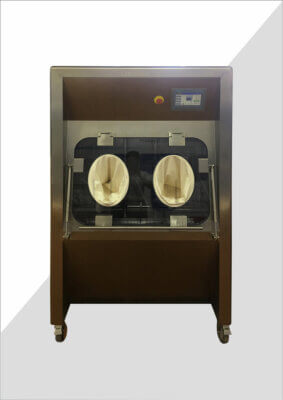
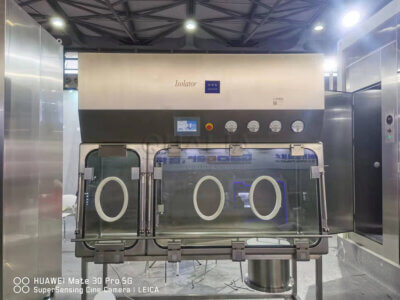
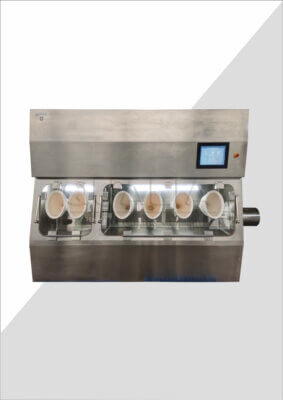
Yalıtımın tasarımın temel belirleyicisi olduğu BSL-3 ve BSL-4 laboratuvar sistemleri için, OEB4 / OEB5 İzolatör Performans hedeflerinin ekipman düzeyinde fiziksel tasarım kısıtlamalarına nasıl dönüştüğünü anlamak için yararlı bir referans noktası sağlar.
Odalara, tesisatlara ve süreçlere ilişkin arayüz gereksinimleri
Arayüz eksiklikleri, teknik açıdan doğru ancak işlevsel olarak uyumsuz ekipmanların ortaya çıkmasına en çok yol açan URS eksikliği kategorisidir. Tam işlevsel gereksinimleri alan ancak arayüz verilerini almayan bir tedarikçi, tasarımını işlevlere göre yapar ve geri kalan her şey hakkında makul varsayımlarda bulunur. Bu varsayımlar, teslimat aşamasında çakışmalara neden olur.
Sonuçlar tutarlı bir şekilde tekrarlanıyor: İzolatör, kendi performans kriterlerine göre fabrika kabul testlerini geçiyor, sevk ediliyor ve ardından kapı açıklığının ekipmanın kapladığı alandan 40 mm daha dar olması nedeniyle kurulamıyor; ya da kuruluyor ancak tasarım sırasında belirtilen torba boşaltma portunun konumu, tesis ekibinin kullanılacağını varsaydığı atık tahliye yolu ile uyuşmuyor; ya da URS’de amaçlanan yöntemin manuel silme mi yoksa CIP mi olduğu belirtilmediği için temizlik validasyonu başarısız olur; ayrıca hazne yüzey geometrisi ve drenaj düzeni, tesisin prosesinden ziyade tedarikçinin varsayılan varsayımını yansıtır.
Her bir arayüz kategorisi, çözülmediği takdirde belirli bir arıza durumuna yol açar.
| Arayüz Kategorisi | URS’ye Dahil Edilmesi Gereken Temel Teknik Özellikler | Belirsizse Risk |
|---|---|---|
| Malzeme Transferi ve Akışı | Gelen/giden malzemelerin boyutları, atık boyutu, temizlik yöntemi (manuel, püskürtme, CIP), akış yönü (temizden kirliye) ve çıkış ön odaları | İzolatör kapıları, oda boyutu, çıkış yolu ve temizleme sistemi, gerçek hayattaki malzemelerle uyumsuzdur |
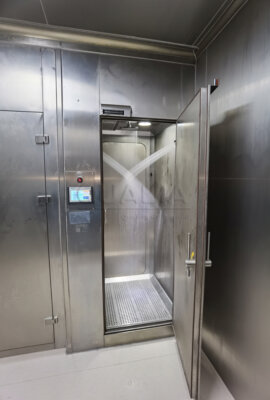
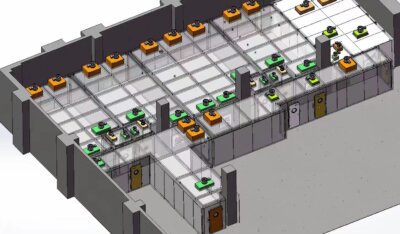
| Odaya Uyum ve Montaj | Kullanılabilir alan, tavan yüksekliği, dağıtım paneli/toz tahliye girişi/RTP konumları, kapı açıklığı/koridor/asansör boyutları, entegre ekipman çizimleri ve teknik özellik belgeleri | Ekipman fiziksel entegrasyon testini geçememiştir; teslim edilemez veya kurulamaz |
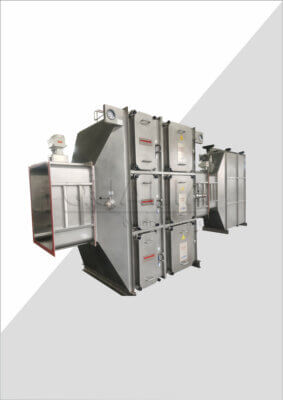
| Kullanım ve Tehlike Arayüzleri | Çözücüler mevcut olduğunda tehlikeli madde sınıflandırması (Sınıf, Bölüm, Gruplar), biyolojik tesisler için HEPA filtreli ayrı oda egzozu, tesisat bağlantı plakaları | Yeterli olmayan tesisat düzenlemeleri, çapraz bulaşma veya güvenlik kurallarına uyulmaması |
| İşleme Özgü Muhafaza (örn. ADC) | Aseptik bir ortamda hava kilidi, hızlı aktarım bağlantı noktası ve hizmet bağlantı plakası bulunan muhafaza izolatörü | Sistem, güçlü bileşikler için gerekli muhafaza özelliklerinden yoksundur |
Tehlikeli alan sınıflandırması, ilk URS taslaklarında sıklıkla göz ardı edildiği ve ekipman maliyeti ile teslim süresi üzerinde önemli bir etkiye sahip olduğu için özel dikkat gerektirir. Süreçte organik çözücüler mevcutsa, tedarik aşamasından önce tehlikeli alan sınıflandırmasını (NEC kapsamındaki Sınıf, Bölüm ve Gruplar veya eşdeğer ATEX bölgesi) belirlemek, elektrik tasarımını kesinleştirir ve projenin ilerleyen aşamalarında telafi edilemeyecek maliyet etkisini önler. Benzer şekilde, biyolojik üretim odaları için her odanın HEPA filtreleme yoluyla ayrı ayrı havalandırılması gerekliliği, ekipman ile binanın HVAC sistemi arasındaki bir arayüz gerekliliğidir; tesisin mekanik tasarımında bu konu henüz çözülmemişse, bu eksikliği ortaya çıkarmak için uygun yer devreye alma aşaması değil, URS gözden geçirme toplantısıdır.
URS’nin yayınlanmasından önce arayüz gereksinimlerinin çözülmesi, genellikle tesis tasarımında değişiklik gerektiren altyapı eksikliklerini ortaya çıkarır: eksik bağlantı noktaları, çözülmemiş diferansiyel basınç zincirleri, tanımlanmamış akış yönü kararları. Bu durum, zamanlama baskısı yaratır. Bu baskıyı önlemek için arayüz sorunlarının çözümünü erteleyen ekipler, zamanlama üzerindeki etkisini devreye alma aşamasına erteler; bu aşamada sorunları çözmenin maliyeti daha yüksek, değişiklikleri zorlayabilme gücü ise daha düşüktür.
Basınç, hava akışı ve bariyerler için kabul kriterleri
Basınç, hava akışı ve bariyer bütünlüğü kriterleri, bir URS’de ölçülebilir eşik değerler yerine yönlendirici ifadeler olarak yer alma olasılığı en yüksek olan unsurlardır; ayrıca, kabul koşulları net olarak tanımlanmadığında FAT sürecinde anlaşmazlıklara yol açma olasılığı en yüksek olan unsurlardır.
| Kabul Parametresi | Ölçülebilir Kriter | Amaç |
|---|---|---|
| Basınç Farkı (Etkili Alanlar) | Bitişik antrelere/hava kilitlerine erişim yok | Güçlü bileşiklerin kaçmasını önlemek |
| Basınç Farkı (Temiz Oda) | Temiz oda ile bitişik alanlar arasında en az 10 Pa pozitif basınç farkı | Parçacık girişini önlemek |
| Hava Akışı Deseni | HEPA filtreli egzozlu tek geçişli hava akışı | Çapraz kontaminasyonu önleyin |
| Bariyer Bütünlüğü (Yüzey Kalıntısı) | Ekipman sınırlama kriterleri (örn., <1 µg/m² yüzey kalıntısı) | Tedarikçi seçimi ve bariyer bütünlüğü doğrulamasını etkinleştirin |
Bu kümedeki iki kriter, sayısal değerin ötesinde bir çerçeveleme gerektirir. İlk olarak, yüksek riskli bileşik alanlar için basınç farkının yönü —bitişik ön odalara veya hava kilitlerine doğru negatif— bir sayı değil, bir koşuldur. URS, hem büyüklüğü hem de yönü, bunun yanı sıra bunu doğrulamak için kullanılan bekletme süresini ve izleme yöntemini belirtmelidir. Büyüklük gerekliliğini karşılayan ancak bitişik alana göre ters yönde olan bir basınç farkı, sayısal değer ne olursa olsun sızdırmazlık şartını karşılayamaz. İkincisi, HEPA filtreli egzozlu tek geçişli hava akışı, bir doğrulama yöntemi gerektiren bir konfigürasyon şartıdır: devridaim düzenlemeleri farklı bir test protokolü gerektirir ve URS'de tek geçişli sistem belirtilmezse, devridaim sistemi teklif eden bir tedarikçi, belgenin kendi şartlarına göre uyumsuz sayılmaz.
Yüzey kalıntısı kriteri — belirli güçlü bileşik uygulamaları için 1 µg/m²’den az gibi izin verilen maksimum kirlenme seviyesi olarak ifade edilir — tedarikçi seçimi açısından özellikle önemlidir; zira bu kriter, farklı tedarikçilerin sızıntı önleme iddialarını karşılaştırmak için nesnel bir temel oluşturur. URS’de bu rakam bulunmadığında, teklif değerlendirmesi sırasında sunulan tedarikçi performans verileri ortak bir temelde karşılaştırılamaz. Bu rakamın varlığında ise kriter, IOQ’ya ve uygun olduğu durumlarda mesleki hijyen izlemesine de taşınan, test edilebilir bir kabul koşulu haline gelir.
Parçacık girişinin kontrolü öncelikli bir konu olan temiz oda ortamlarında, temiz oda ile bitişik alanlar arasında en az 10 Pa’lık bir pozitif basınç farkı, izolasyon uygulamalarından kaynaklanan ve yaygın olarak kullanılan bir tasarım değeridir. Bu değeri, tüm yargı bölgeleri ve tesis türleri için tek tip olan bir yasal zorunluluk olarak değil, onay sürecinde diferansiyel basınç haritalaması yoluyla teyit edilecek bir planlama hedefi olarak ele almak uygun olacaktır.
Her bir gerekliliği destekleyen tedarikçi belgeleri
Doğrulamanın nasıl yapılacağına dair bir açıklama içermeyen bir URS şartı, kabul kriterlerini belirleme yükümlülüğünü devreye alma aşamasında tedarikçiye veya saha kalite güvence ekibine yükler; oysa bu iki tarafın da, URS’nin önceden belirlemiş olması gereken test esaslarını geriye dönük olarak oluşturma yetkisi yoktur. URS kapsamında belirli tedarikçi belgelerinin talep edilmesi, doğrulama amacını uygulanabilir bir teslimat öğesine dönüştürür.
| Tedarikçi Belgesi | Anahtar Teslim Edilebilir | Gereksinim Doğrulamasında Rolü |
|---|---|---|
| Oda Taslakları ve Entegre Ekipman Çizimlerini İçeren URS | Tüm entegre ekipmanlara ait boyut çizimleri, marka/model verileri | Tedarikçilerin daha iyi anlaşılmasını sağlar; entegrasyon sorunlarını önler |
| İşbirliğine Dayalı Devreye Alma Planı | Resmi tedarikçi teslimatı olarak kapsam, görevler, prosedürler ve roller | Devreye alma aşamaları ve sorumluluklar konusunda uyumu sağlar |
| FAT ve SAT Protokolleri | FAT, tesisi simülasyon yoluyla tamamlanmış olarak değerlendirir; SAT ise fabrika testlerinden yararlanarak risk temelli bir yaklaşım kullanır | Kurulum öncesi ve sonrası objektif kanıtlar sunar |
| IOQ Protokolü | Malzemeler, sıcaklık, nem, basınç farkı ve partikül analizleri dahil olmak üzere ISO 14644 ve FDA-cGMP gerekliliklerine uygunluğa dair kanıtlar | Performans kriterlerinin açıkça karşılandığını doğrular |
| İşten Ayrılma Paketi | Özet rapor, eksiklikler, çözülmemiş sorunlar | Kabul ve kapanış işlemleri için merkezi dokümantasyon kılavuzu |
İşbirliğine dayalı devreye alma planı, URS’de listelenen bir gereklilik olarak özellikle belirtilmeyi hak etmektedir; zira bu plan, sıklıkla sözleşmeye dayalı bir çıktıdan ziyade nezaketen yapılan bir görüşme olarak ele alınmaktadır. Tedarikçinin, satın alma siparişinin verilmesinden önce veya belirlenen bir proje aşamasında, kapsamı, görev sırasını, prosedürleri ve rol dağılımını tanımlayan bir devreye alma planı sunması gerektiğinin belirtilmesi, kurulum, işlevsel testler ve devir teslim sırasında kimin neyden sorumlu olduğuna dair ortak bir anlayış oluşturur. Bu olmadan, tedarikçi devreye alma, saha devreye alma ve IQ/OQ faaliyetleri arasındaki kapsam sınırları üzerinde mutabakat sağlanmak yerine varsayımlara dayandırılır ve bu boşluklar, ihtilaflı eksiklik listesi maddeleri olarak ortaya çıkar.
FAT ve SAT arasındaki ilişki, URS’de özel bir ele alınmayı gerektirir. ASTM E2500-25 standardıyla uyumlu risk temelli bir yaklaşım çerçevesinde, FAT protokolleri tamamlanmış tesis ortamını pratik ölçüde simüle etmelidir; SAT protokolleri ise sahada düşük riskli testlerin tekrarlanmasını önlemek için fabrika test sonuçlarından yararlanabilir. Bu yaklaşımın işe yaraması için URS’de hangi işlevlerin FAT’ta gösterileceği ve hangilerinin SAT’a erteleneceği tanımlanmalı ve FAT belgelerinin SAT protokolünün geliştirilmesi için bir ön koşul olduğu belirtilmelidir. Bu ayrımı ele almayan bir URS, her iki tarafın da her bir test etkinliğinin neyi doğrulaması gerektiği konusunda farklı varsayımlarla hareket etmesine neden olur.
IOQ protokolü gerekliliği, kapsanması gereken belirli parametrelere atıfta bulunmalıdır: yapı malzemeleri, sıcaklık, nem, diferansiyel basınç haritalaması ve muhafaza sınıfına uygun partikül çalışmaları. Partikül ve hava akışı çalışmaları için test çerçevesi olarak ISO 14644’e ve daha geniş bir uyum bağlamı olarak FDA cGMP gerekliliklerine atıfta bulunmak, IOQ gerekliliğine tanımlanmış bir teknik temel sağlar; bu sayede her iki referans da tek geçerli otorite olarak abartılmamış olur.
URS’ye dahil edilmesi gereken kapsam hariç tutmaları
Her şeyi düzenlemeye çalışan bir URS, hiçbir şeyi kanıtlanabilir bir şekilde düzenleyemez. Ekipman işlevi tarafından doğrudan yönlendirilmeyen süreç adımlarının, genel tesis altyapısının, ofis alanlarının ve GMP dışı alanların dahil edilmesi, doğrulanabilir gereklilikler oluşturmadan belge yükünü artırır; ayrıca ekipmanın gerçekte ne yapması gerektiğinin belirsiz kalmasına yol açarak tedarikçinin hesap verebilirliğini zayıflatır.
| Dışlama Kategorisi | Neler Hariç Tutulmalı | Gerekçe |
|---|---|---|
| Ekipman Dışı İşlem Ayrıntıları | Ekipmana özgü olmayan işlem adımları; ekipmana özgü ihtiyaçlar için bir Ekipman Gereksinimleri Şartnamesi (ERS) kullanmayı düşünün | URS’nin aşırı yüklenmesini önler, geliştirme süresini kısaltır ve gereksinimlerin test edilebilirliğini sağlar |
| Tesis Altyapısı ve GMP Dışı Alanlar | Ofis alanları, genel tesis altyapısı, GMP dışı alanlar | Net bir kapsam sınırı, URS’nin sızıntı önleme ekipmanları ve temiz oda işlevlerine odaklanmasını sağlar |
| Ayrıntılı Ekipman Gereksinimleri | Ayrı bir ERS belgesinde daha ayrıntılı olarak ele alınan, ekipmana özgü gereklilikler | URS’nin gereksiz şekilde şişmesini önlerken, ekipman açıklamalarını uygun teknik özelliklere aktarıyor |
Ekipmana özgü gereksinimleri ayrı bir Ekipman Gereksinim Spesifikasyonu (ERS) belgesine ayırmaya yönelik pratik öneri, resmi bir yükümlülükten ziyade bir hazırlama kararı olarak değerlendirilmelidir. Karmaşık sistemlerde —örneğin, bir dağıtım süreci ve çok sayıda malzeme aktarım portu ile entegre edilmiş bir OEB5 izolatörü gibi— ERS yaklaşımı, ekipman tasarım aşamasına ait boyutsal, elektriksel ve mekanik ayrıntılarla URS’yi aşırı yüklemeden, ayrıntılı ekipman konfigürasyon gereksinimlerinin URS ile paralel olarak geliştirilmesine olanak tanır. Böylece URS, sistemin neyi başarması gerektiğini; ERS ise bunu başarmak için ekipmanın nasıl yapılandırılacağını içerir. Her iki belge de kapsam sınırları tanımlandığı için test edilebilir kalır.
URS’ye açık istisnaların yazılması aynı zamanda bir denetim işlevi de görür. Bir denetim veya devreye alma sonrası anlaşmazlık sırasında, belirli bir tesis unsurunun neden belirli bir protokol kapsamında uygun bulunmadığına dair bir soru ortaya çıktığında, gerekçesiyle birlikte belgelenmiş bir kapsam istisnası savunulabilir bir cevaptır. Kapsam sınırının belirtilmemiş olması ise değildir.
Test edilebilir kullanıcı gereksinimleri için onay tetikleyicisi
Bir URS, eksiksiz olması gerekçesiyle onaylanmamalı; her bir gereksinimin test edilebilir olması gerekçesiyle onaylanmalıdır. Bu iki koşul birbirinin aynısı değildir. Eksiksiz bir URS, ilgili tüm işlevleri ele almıştır; test edilebilir bir URS ise, test ekibinin neyin amaçlandığını yorumlamasına gerek kalmadan FAT, SAT veya IOQ aşamalarında “geçti” veya “kalmadı” sonucunu verebilecek bir biçimde bu işlevleri ele almıştır.
Uygulamalı onay kontrolü, her bir gereksinimi okumak ve iki soru sormaktır: Bu gereksinimin karşılandığını hangi kanıtlar teyit eder ve bu kanıtı sunmaktan kim sorumludur? Yazılı haliyle gereklilikten bu sorulardan herhangi birine cevap verilemiyorsa, gereklilik onay için hazır değildir. Bu inceleme, tek tek belge incelemesi yerine yapılandırılmış bir gözden geçirme şeklinde gerçekleştirildiğinde en verimli sonuç verir; çünkü “kanıtı kim oluşturur” sorusunun cevabı genellikle devreye alma kapsamının tedarikçi ve saha arasında nasıl bölündüğüne bağlıdır — bu bilgi, URS’nin kendisinde değil, devreye alma planında yer alır.
Onay tetikleyicisi, arayüzlerin çözülmesine de bağlı olmalıdır. Açık arayüz kalemleri içeren bir URS —çözülmemiş tesisat özellikleri, tanımlanmamış oda boyutları, eksik entegre ekipman çizimleri— tedarikçinin detaylı tasarıma başlamasından önce bu eksikliklerin giderileceğinin teyit edilmeden tam olarak onaylanamaz. Uygulamada bu, ya arayüzler kapatılana kadar onayı ertelemek ya da belirli bir çözüm süresi ve belge revizyonu şartı içeren şartlı bir onay vermek anlamına gelir. Arayüzleri tamamlanmamış bir URS’ye koşulsuz onay vermek, çözüm riskini tedarikçiye aktarır ve şantiyenin, hiçbir zaman yazılmamış olan arayüz şartnamesini uygulamaya zorlama gücünü ortadan kaldırır.
URS onayı ile sonraki aşamadaki yeterlilik değerlendirmesi arasındaki bağlantı doğrudandır: Test edilebilir gereklilikler ve belirli tedarikçilere ait belgeler içeren onaylanmış bir URS, kendi kabul kriterlerini yeniden oluşturmaya gerek kalmayan bir IOQ protokolü için temel oluşturur. Bu unsurlar olmadan onaylanan bir URS ise, ya denetim sırasında savunulması zor olan kabul kriterlerini sonradan uyduran ya da aynı belirsizliği yeterlilik kayıtlarına taşıyan bir IOQ protokolü ortaya çıkarır.
BSL veya OEB izolasyon ekipmanlarına yönelik bir URS’nin fiilen kullanılabilir olup olmadığını belirleyen karar, devreye alma aşamasında değil; her bir işlevin ölçülebilir bir koşula sahip olduğunu veya bu işlevle ilişkili olarak belirli bir tedarikçi çıktısının tanımlandığını teyit eden yapılandırılmış inceleme sırasında verilir. Onaylanmadan önce bir URS taslağını incelemek, eksiksizlik kontrolünden çok test edilebilirlik denetimi niteliğinde olmalıdır: her bir gereklilik objektif kanıt üretebiliyor mu ve bu kanıtı içerecek tedarikçi belgesi sözleşmede belirtilmiş ve zorunlu kılınmış mıdır?
Tedarikçinin yanıt vermesi için bir URS düzenlemeden önce, OEB aralığı yerine gerçek en kötü durum OEL değerinin µg/m³ cinsinden belirtildiğinden, malzeme boyutları, odaya uyum, tesisat sınıflandırması ve akış yönünü kapsayan arayüz girdilerinin belgelendiğinden ve çözüldüğünden ve tedarikçinin teslim edilecekler listesinde devreye alma planı, kapsamın tanımlanmış dağılımını içeren FAT ve SAT protokolleri, test edilecek belirli parametrelere atıfta bulunan bir IOQ protokolü ve devir paketi bulunduğundan emin olun. Bu unsurların herhangi biri eksikse, URS henüz tedarikçinin sorumluluğunun anlamlı bir şekilde uygulanabileceği aşamada değildir.
Sıkça Sorulan Sorular
S: Tedarikçilere URS belgesinin düzenlenmesi gerektiği sırada, tesisin altyapı hizmetlerine ilişkin hususlar henüz çözülmemişse ne olur?
C: Koşulsuz onay yerine, belirli bir çözüm süresi ve belge revizyonu şartı içeren koşullu bir onay verin. Çözülmemiş arayüz öğeleri (çözülmemiş tesisat özellikleri, eksik oda boyutları, tanımlanmamış basınç kademelendirmeleri) içeren bir URS'yi onaylamak, çözüm riskini tedarikçiye aktarır ve daha sonra bu özellikleri uygulamaya koymak için şantiyenin elindeki kozunu ortadan kaldırır. Eksiklikler URS incelemesi sırasında tespit edilirse, bu onları ortaya çıkarmak için doğru zamandır; bunların devreye alma aşamasında keşfedilmesi, tasarım değişikliklerinin maliyet ve program üzerindeki etkisinin, sözleşmedeki esneklik süresi sona erdikten sonra ortaya çıkacağı anlamına gelir.
S: URS, ekipmanın her işlevini kapsamalı mıdır, yoksa ayrıntı eklemenin sorunlara yol açabileceği bir nokta var mıdır?
C: Arayüz ve işlevsel ayrıntıların artırılması, tedarikçinin hesap verebilirliğini artırır; ancak bunun bir sınırı vardır: bu ayrıntılar, tedarik sürecine devam edilebilmesi için önceden ele alınması gereken, henüz çözülmemiş saha kararlarını da ortaya çıkarabilir. Pratik sınır şudur: FAT, SAT veya IOQ aşamalarında “geçer” veya “kalır” sonucu vermesi gereken her işlevi dahil edin; ayrı bir Ekipman Gereksinimleri Spesifikasyonu’na (URS) ait olan süreç adımlarını, genel tesis altyapısını ve ekipman konfigürasyon ayrıntılarını ise hariç tutun. Test edilebilir şekilde doğrulanabileceğinden daha fazlasını düzenleyen bir URS, tedarikçinin sorumluluğunu güçlendirmek yerine zayıflatır; çünkü tedarikçiler, yazılı haliyle belgeden değerlendirilemeyen kabul kriterlerine tabi tutulamazlar.
S: Makalede yer alan kılavuz, izolatörler ve BSL laboratuvar sistemleri için geçerliyse, bu kılavuz hızlı aktarım portları ve kilitli kapılar gibi aktarım ekipmanları için de geçerli midir?
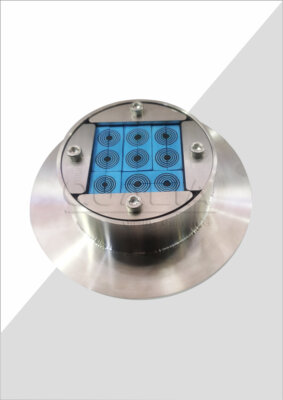
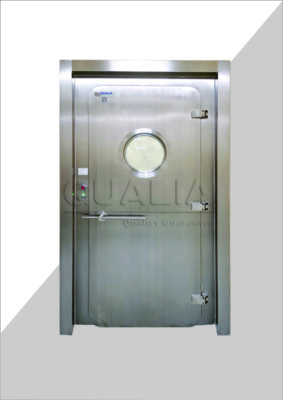
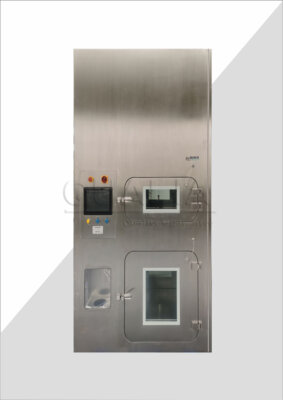
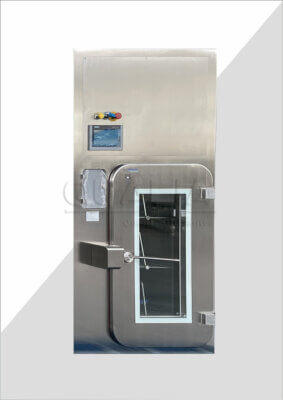
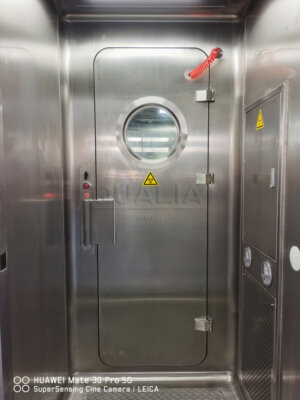
C: Evet, ayrıca aktarım arayüzleri, muhafaza ekipmanı ile oda arasındaki sınırda yer aldıkları için URS’de en yüksek riskli ihmal unsurları arasındadır. Sızıntı tespiti, kilitleme mantığı, aktarım süreci boyunca basınç tutma süreleri ve gelen konteyner boyutlarıyla boyutsal uyumluluk, URS'de ölçülebilir koşullar içermesi gereken işlevlerdir. Hava kilidi kilitlemeli pnömatik sızdırmaz kapılar gibi ekipmanlar, birincil muhafaza zarfıyla aynı test edilebilirlik gerekliliğine tabidir; her işlevin ya ölçülebilir bir koşulu vardır ya da uygunluğu kanıtlayacak tedarikçi belgesine atıfta bulunulur.
S: Güçlü bileşiklerin işlendiği tespit edildiğinde OEB4 veya OEB5 izolatör her zaman doğru çözüm müdür, yoksa farklı bir muhafaza stratejisinin daha uygun olacağı durumlar da var mıdır?
C: Koruma ekipmanının seçimi, yalnızca OEB aralığına değil, fiili en kötü durum OEL değerine bağlıdır. OEB aralığı idari bir gruplamadır; doğrulanabilir mühendislik performansını belirleyen unsur, µg/m³ cinsinden OEL değeridir. OEB4 aralığının üst sınırında yer alan bir bileşik için yeterli olan bir konfigürasyon, OEB5 aralığının alt sınırında yer alan bir bileşik için yetersiz kalabilir. Ekipman sınıfını seçmeden önce, URS’de gerçek OEL değeri belirtilmelidir; böylece hava akışı boyutlandırması, eldiven bağlantı noktası düzeni, kilitleme gereklilikleri ve sızıntı testi kabul kriterlerinin tümü belirli bir eşik değerine dayandırılabilir. Ekipman kategorisi, bu değeri belirlemek yerine, bu değerden hareketle belirlenir.
S: URS onaylanıp tedarikçilere iletildikten sonra, bu belgenin tedarik ve kabul testlerini gerçekten yönlendirdiğinden emin olmak için atılması gereken bir sonraki adım nedir?
C: Hemen ardından atılacak adım, tedarikçinin yanıtında her bir URS gerekliliğinin belirli bir tasarım özelliğine veya adı belirtilen bir çıktı belgesine eşleştirildiğinin teyit edilmesidir. Gereklilikleri kabul eden ancak her birinin nasıl karşılanacağını göstermeyen bir tedarikçi yanıtı, URS’nin uygulanmasını sağlamak amacıyla yazıldığı sorumluluk ilişkisini henüz tesis etmez. Buna paralel olarak, URS’nin tedarikçi tarafından teslim edilecek bir belge olarak talep etmesi gereken devreye alma planı, detaylı tasarım başlamadan önce tedarikçi devreye alma, saha devreye alma ve IQ/OQ faaliyetleri arasındaki kapsam dağılımını tanımlamalıdır. Bu uyum sağlanmazsa, FAT ve SAT protokolleri her iki tarafın farklı varsayımlarına dayalı olarak geliştirilecek ve bu boşluklar, zamanlama baskısının en yüksek olduğu noktada ihtilaflı eksiklik listesi maddeleri olarak ortaya çıkacaktır.