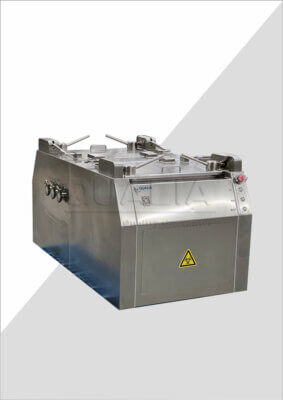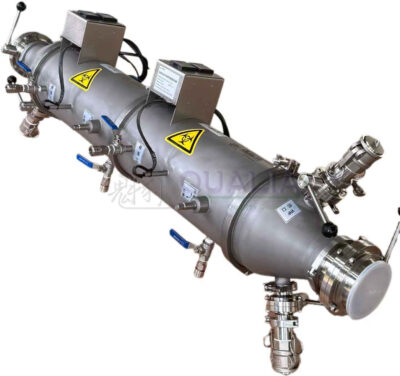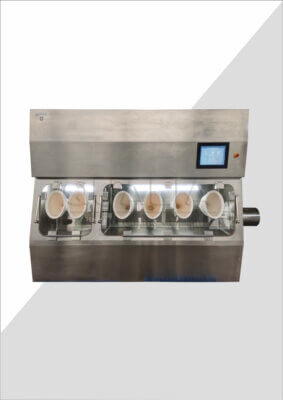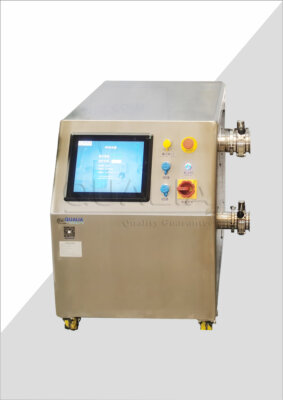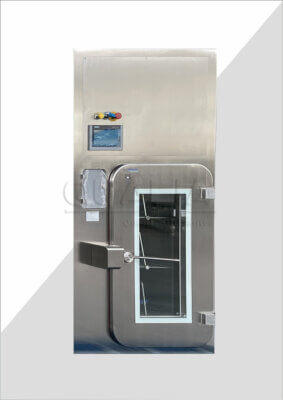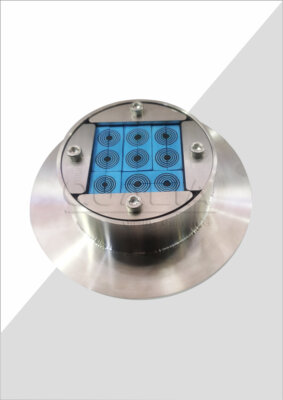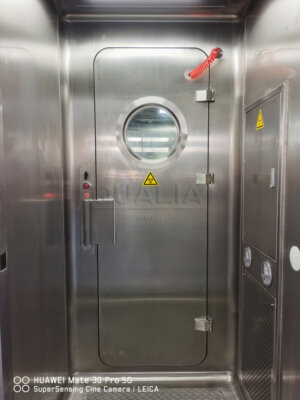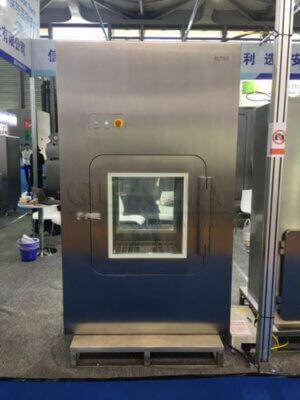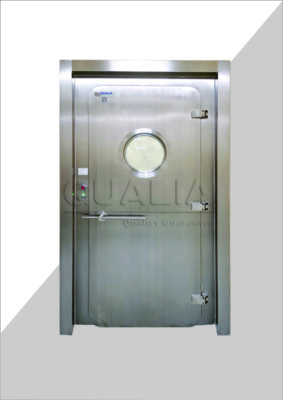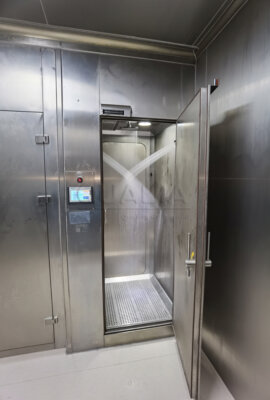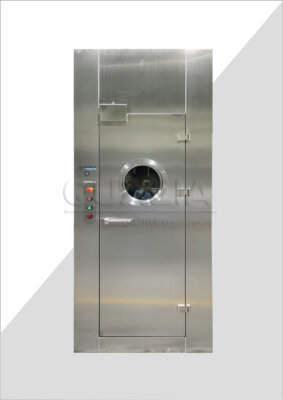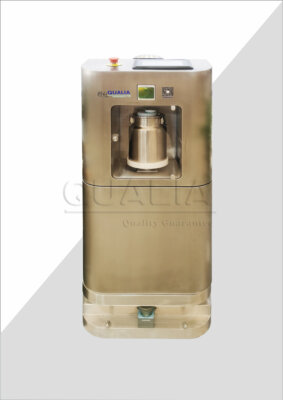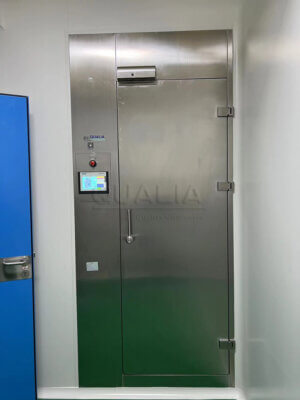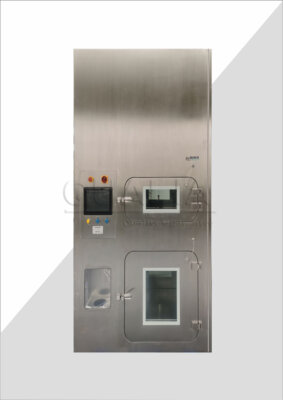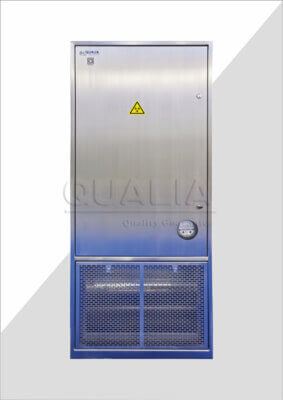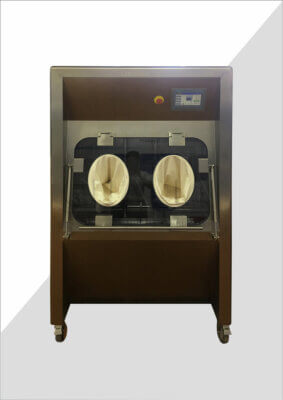

Specificare una camera di trasferimento in base al nome della categoria prima di descrivere l’effettivo rischio di trasferimento è l’errore che genera il maggior numero di rilavorazioni nei progetti relativi agli impianti farmaceutici. I team di ingegneri che passano direttamente dalla tecnologia “statica” a quella “VHP” senza valutare le opzioni intermedie impegnano risorse di budget per la convalida del ciclo, la pianificazione dei materiali di consumo e la programmazione dell’aerazione che non erano state previste nel progetto originale — e il costo emerge durante la qualificazione, non durante l’approvvigionamento. Il trattamento UV crea una versione diversa dello stesso problema: è facile da specificare, visivamente rassicurante durante i sopralluoghi, ma realmente inadeguato per i trasferimenti che dovrebbe proteggere. La decisione che risolve entrambi gli schemi è la stessa: abbinare innanzitutto il tipo di apparecchiatura al rischio di trasferimento e lasciare che il requisito di decontaminazione ne derivi da ciò, non il contrario. Alla fine di questo articolo, sarete in una posizione migliore per stabilire con precisione tale soglia — e per riconoscere quali scelte di apparecchiature sono difendibili sotto il controllo normativo e quali sembrano esserlo solo in apparenza.
Categorie di trasferimento farmaceutico che definiscono il tipo di pass box
Il punto di partenza per la scelta di qualsiasi camera di trasferimento non è il catalogo delle attrezzature, bensì il rapporto tra le classi di pulizia delle due zone collegate dalla camera stessa. È proprio questo rapporto a determinare se il trasferimento in sé comporti un rischio di contaminazione e, in tal caso, quale sia il suo grado di gravità. Scegliere le attrezzature prima di aver chiarito questo aspetto porta, in alcuni casi, a specifiche eccessive e, in altri, a un reale rischio di contaminazione.
La logica di selezione pratica applicata dalla maggior parte dei team segue una funzione a gradini basata sul numero di livelli di pulizia ISO che separano gli ambienti di invio e di ricezione. Quando entrambe le zone rientrano nella stessa classificazione, è generalmente sufficiente una camera di trasferimento statica dotata di interblocco. L’interblocco impedisce l’apertura simultanea di entrambe le porte, che rappresenta la principale via di contaminazione in un trasferimento tra zone della stessa classe; non è necessaria alcuna gestione attiva del flusso d’aria né alcun trattamento delle superfici per controllare tale rischio. Il passaggio a un’unità statica con UV diventa una scelta ragionevole quando una sola classe di pulizia separa le due zone, sebbene la componente UV sia complementare ai controlli procedurali piuttosto che sostitutiva degli stessi. Quando il trasferimento attraversa più livelli di classificazione, il differenziale di flusso d’aria tra le zone crea un rischio significativo di aspirazione, e il flusso d’aria dinamico filtrato con filtri HEPA risolve tale problema in un modo che né un interblocco statico né il trattamento UV sono in grado di garantire. Per le operazioni farmaceutiche asettiche e sterili, una camera di passaggio dinamica con filtro HEPA riflette la prassi standard — non perché una singola normativa lo imponga universalmente, ma perché le conseguenze della contaminazione nei trasferimenti tra zone critiche non possono essere gestite adeguatamente senza un flusso d’aria unidirezionale controllato.
Ogni gradino che si sale su quella scala aumenta le capacità di controllo, ma comporta anche un aumento dei costi operativi e di convalida. L’errore che la maggior parte dei team commette non è quello di sottovalutare la cima della scala, bensì quello di saltare la parte centrale.
| Scenario di trasferimento | Pass Box consigliato | Considerazioni chiave |
|---|---|---|
| Stessa classe ISO | Statico con interblocco | È sufficiente per i trasferimenti tra classi dello stesso livello; non è necessaria alcuna decontaminazione aggiuntiva |
| Una differenza di classe in termini di pulizia | L'effetto statico con i raggi UV potrebbe essere accettabile | I raggi UV offrono un trattamento superficiale supplementare, ma non sostituiscono le procedure di pulizia |
| Differenze multiple tra le classi di pulizia | Si consiglia l'uso di un filtro HEPA dinamico | Il flusso d'aria filtrato con filtri HEPA mantiene il differenziale di pulizia durante il trasferimento |
| Operazioni farmaceutiche asettiche/sterili | In genere è richiesto un filtro HEPA dinamico | Obbligatorio per applicazioni critiche in cui è necessario controllare il rischio di contaminazione |
La tabella sopra riportata mette in relazione gli scenari con le apparecchiature, ma l’aspetto più utile è ciò che rivela riguardo alla direzione del rischio: il divario tra un interblocco statico e un’unità HEPA dinamica non è un upgrade di prestigio, bensì una differenza nel meccanismo di contaminazione che ciascun progetto controlla effettivamente. Una camera statica con interblocco non è in grado di gestire un flusso di particelle determinato da una differenza di pressione durante il trasferimento. Una camera dinamica con filtro HEPA invece sì. Scegliere tra le due opzioni basandosi esclusivamente sul budget, senza verificare quale rischio sia effettivamente presente, è l’errore di progettazione che porta successivamente a rilievi di audit.
Limiti del trattamento UV nelle applicazioni soggette a regolamentazione
L'uso dei raggi UV viene specificato più spesso di quanto non sia effettivamente efficace, e il divario tra questi due aspetti crea un problema specifico di giustificabilità normativa. Il fascino esercitato da questa soluzione è comprensibile: le lampade UV sono economiche da installare, funzionano silenziosamente in sottofondo e producono una luce visibile che segnala che all’interno della camera di trasferimento è in corso un’attività. Nulla di tutto ciò si traduce però in una decontaminazione superficiale documentata e adeguata per i trasferimenti critici in ambienti regolamentati.
Il limite principale è di natura geometrica. L’irradiazione germicida UV agisce sulle superfici che si trovano nella sua linea di vista diretta, mentre qualsiasi elemento in ombra — la parte inferiore di un imballaggio, la faccia laterale di un contenitore, l’interno di un imballaggio secondario in cartone ondulato — riceve un trattamento trascurabile. In una camera di trasferimento statica utilizzata per i trasferimenti tra classi di pulizia uguali o quasi uguali, tale limitazione può essere accettabile se i raggi UV sono considerati come uno strato di un controllo procedurale più ampio, non come il controllo stesso. I problemi sorgono quando i raggi UV vengono specificati in un contesto che richiede implicitamente una garanzia di inattivazione ripetibile e documentata — tipicamente un trasferimento in una zona critica — e la componente UV viene considerata come sufficiente a soddisfare tale requisito. Ma non lo è. Una camera di trasferimento dotata di UV non sostituisce le procedure operative standard (SOP) di pulizia, non sostituisce la gestione del flusso d’aria con filtri HEPA e non produce il tipo di dati di ciclo convalidati che il reparto di controllo qualità (QA) può difendere durante una revisione normativa.
A complicare la situazione si aggiunge il problema della durata di vita utile. Le lampade UV hanno un’efficacia germicida limitata che si riduce molto prima che la lampada si guasti fisicamente. I valori di progetto relativi alla durata di vita utile delle lampade si aggirano solitamente intorno alle 4.000 ore, ma in pratica una lampada che funziona ininterrottamente otto ore al giorno raggiungerà tale soglia in circa 500 giorni — meno di un anno e mezzo di funzionamento tipico. Se tale intervallo non viene monitorato e la sostituzione non viene avviata in modo proattivo, la camera di passaggio continua a funzionare con un componente UV che offre un beneficio aggiuntivo pressoché nullo, mentre le specifiche continuano a indicare la decontaminazione UV come misura di controllo. Questa è la versione silenziosa del guasto: nulla si rompe visibilmente, ma la logica di sicurezza sulla carta non corrisponde più alla realtà fisica all’interno dell’unità.
In pratica, ciò significa che i raggi UV dovrebbero essere considerati una misura supplementare, soggetta a monitoraggio e di durata limitata, da utilizzare per trasferimenti a basso rischio, e non un metodo di decontaminazione in sostituzione delle procedure convalidate. Per ulteriori informazioni su come le camere di trasferimento di biosicurezza siano progettate per gestire trasferimenti in cui i requisiti di sterilità e controllo della contaminazione superano quanto garantito dai raggi UV, il Panoramica delle cassette di sicurezza biologica avanzate illustra la logica di progettazione in modo più dettagliato.
Confronto tra flusso d’aria dinamico e VHP in base al carico di controllo
Le camere di trasferimento dinamiche HEPA e quelle VHP occupano posizioni diverse nello spettro del carico di controllo, e confonderle come due versioni dello “stesso aggiornamento” costituisce un errore di progettazione che tende a manifestarsi nella fase di convalida. Entrambe le opzioni offrono funzionalità aggiuntive rispetto a un’unità statica. Tuttavia, tali funzionalità vengono fornite in modi fondamentalmente diversi e il carico a valle — in termini di manutenzione, convalida, materiali di consumo e programmazione — varia in modo sostanziale.
Una camera di trasferimento dinamica controlla la contaminazione principalmente attraverso il flusso d’aria: la pressione positiva o negativa filtrata da filtri HEPA mantiene il rapporto di pulizia tra le zone durante il trasferimento. L’onere operativo che ne deriva consiste nella gestione dei filtri e nel monitoraggio della pressione. I prefiltri richiedono in genere la sostituzione con una cadenza di circa sei mesi; gli elementi HEPA hanno una durata maggiore, solitamente da sei a dodici mesi a seconda del carico di particolato e delle indicazioni del produttore, e devono essere sottoposti a test di integrità a intervalli definiti dal protocollo di convalida del sito. Le unità dinamiche includono porte di prova DOP/PAO specificamente destinate a tale scopo, il che significa che il test HEPA è integrato nella progettazione — ma si tratta comunque di un’attività che deve essere programmata, documentata ed eseguita da personale qualificato. I manometri differenziali confermano il corretto funzionamento della cascata di flusso d’aria e il monitoraggio di tali strumenti deve essere incorporato nelle procedure operative standard.
Il fabbisogno di manutenzione cumulativo di un'unità dinamica è significativo ma prevedibile. La sostituzione dei filtri e i test periodici di integrità dei filtri HEPA sono attività consolidate con intervalli noti e criteri di accettazione documentati. Sebbene comportino costi aggiuntivi, non incidono sulla pianificazione della produzione come invece fa il VHP.
Il VHP introduce un meccanismo di controllo fondamentalmente diverso: la decontaminazione sporicida delle superfici tramite cicli di perossido di idrogeno vaporizzato. Il vantaggio è che garantisce un’efficacia di abbattimento che né il flusso d’aria HEPA né il trattamento UV possono eguagliare. Il costo è che ogni ciclo VHP deve essere convalidato — non solo deve essere confermato che sia stato eseguito, ma deve essere dimostrato che garantisca la riduzione log richiesta rispetto a indicatori biologici definiti, in condizioni che riflettano l’uso effettivo. Tale requisito di convalida comporta un lavoro iniziale di sviluppo del ciclo, una riconvalida periodica, l’approvvigionamento di indicatori biologici e un tempo di aerazione integrato in ogni ciclo prima che la camera possa essere aperta in sicurezza e il trasferimento completato. Per le operazioni che prevedono trasferimenti frequenti, la sola fase di aerazione può diventare un vincolo di programmazione.
| Compito | Frequenza tipica | Note |
|---|---|---|
| Sostituzione del prefiltro | Ogni 6 mesi | I prefiltri trattengono le particelle più grandi; sostituirli per proteggere lo stadio HEPA |
| Sostituzione del filtro HEPA | Ogni 6–12 mesi | L'intervallo effettivo dipende dal carico e dalle indicazioni del produttore |
| Test di integrità dei filtri HEPA (DOP/PAO) | Come previsto dal protocollo di convalida | Il pass box dinamico è dotato di porte di prova DOP/PAO proprio a questo scopo |
| Monitoraggio della pressione differenziale | In continuo o registrati secondo la procedura operativa standard (SOP) | Manometri inclusi; il monitoraggio conferma la corretta sequenza del flusso d'aria |
Il compromesso che spesso sfugge ai progettisti è questo: un’unità HEPA dinamica aggiunge un livello di controllo gestibile e verificabile per le particelle presenti nell’aria e sulle superfici. Un'unità VHP garantisce l'eliminazione sporicida, ma introduce anche un modello operativo dipendente dai cicli, dai materiali di consumo e soggetto a limitazioni di aerazione. Nessuna delle due è l'opzione predefinita migliore. La scelta giusta dipende interamente dal fatto che il rischio di trasmissione richieda effettivamente l'eliminazione sporicida o se un flusso d'aria controllato, combinato con adeguate procedure di pulizia, sia realmente sufficiente.
Convalida e pianificazione dell'utilizzo delle unità dotate di funzionalità di decontaminazione
È nella fase di pianificazione della validazione che emergono la maggior parte delle divergenze nella scelta delle pass box — e dove il costo di un errore iniziale nelle specifiche è più elevato. I team di ingegneria in genere cercano flessibilità: un’unità in grado di gestire più di quanto richiesto dall’applicazione attuale. I team di controllo qualità hanno invece bisogno dell’opposto: un metodo di decontaminazione ben definito con criteri di accettazione precisi, un ciclo documentato e prestazioni riproducibili. Entrambe le posizioni sono ragionevoli, e nessuna delle due risolve la tensione a meno che non venga prima definito il rischio di trasferimento.
Per le unità dotate di UV, l’onere di convalida appare ridotto, il che spiega in parte perché l’UV venga specificato più spesso di quanto sia giustificato. Non vi è alcun ciclo da convalidare, nessun indicatore biologico da analizzare e nessun tempo di aerazione da considerare. L’obbligo di manutenzione consiste essenzialmente nel monitoraggio e nella sostituzione delle lampade — ma, come osservato in precedenza, proprio tale requisito di monitoraggio è ciò che rende l’UV giustificabile nella pratica. Una lampada UV che ha superato la soglia della propria vita utile (i dati di progetto fanno comunemente riferimento a circa 4.000 ore di emissione germicida) non fornisce alcun trattamento superficiale misurabile. Se tale intervallo non viene registrato e collegato a una procedura operativa standard (SOP) di sostituzione, la giustificazione della decontaminazione per l’unità esiste solo sulla carta. Essere pronti per un audit relativo ai raggi UV significa essere in grado di dimostrare che l’emissione della lampada in un dato momento rientra nel suo intervallo di funzionamento efficace — non solo che una lampada UV sia fisicamente presente nell’unità.
Per le unità VHP, l’impegno di convalida ha inizio prima della messa in servizio. Lo sviluppo del ciclo deve stabilire una concentrazione qualificata di H₂O₂, un tempo di esposizione e un intervallo di umidità che garantiscano l’eliminazione microbica richiesta in tutta la geometria della camera — inclusa qualsiasi configurazione di carico che verrà utilizzata in produzione. Il posizionamento degli indicatori biologici, i test di sfida del ciclo e la verifica del punto finale di aerazione contribuiscono tutti al pacchetto di convalida. Sia il Manuale di biosicurezza dei laboratori dell’OMS che il BMBL del CDC forniscono le basi per il principio secondo cui la scelta del metodo di decontaminazione deve essere adeguata al livello di rischio dell’applicazione; questa è la logica alla base del considerare la convalida del VHP come un requisito proporzionale al rischio di trasferimento che è destinata a controllare, e non come un semplice esercizio di documentazione facoltativo.
Anche la pianificazione dei servizi di supporto per il VHP richiede un'attenzione tempestiva. L'approvvigionamento di perossido di idrogeno — sia che si tratti di generazione a bordo che di bombole esterne — influisce sull'ingombro, sulle dipendenze di installazione e sulla logistica dei materiali di consumo. I requisiti relativi allo scarico o al convertitore catalitico per la decomposizione dell'H₂O₂ devono essere confermati con i servizi della struttura prima di posizionare l'unità. Si tratta di decisioni che collegano le specifiche della camera di trasferimento alla progettazione della struttura e che sono difficili da adeguare a posteriori senza interferire con i sistemi adiacenti.
La verifica pratica in questa fase: se il reparto QA non è ancora in grado di descrivere i criteri di accettazione per il ciclo di decontaminazione, il piano di convalida non è pronto — e il tipo di pass box potrebbe non essere ancora stato specificato correttamente.
Garanzia di eliminazione richiesta come criterio di selezione per il VHP
La decisione di passare dal trattamento con flusso d'aria dinamico o con raggi UV al VHP non è una questione di ambizione o di pianificazione dell'ammodernamento della struttura. Si tratta di una soglia specifica: il punto in cui il trasferimento richiede effettivamente una garanzia convalidata di abbattimento sporicida e nessuna opzione intermedia è in grado di fornirla con risultati documentati e riproducibili.
Tale soglia viene raggiunta quando il contesto di trasferimento include uno o più dei seguenti elementi: il materiale da trasferire presenta una contaminazione superficiale confermata o probabile da agenti biologici resistenti; la zona ricevente richiede un livello di garanzia di decontaminazione che il solo flusso d’aria HEPA non è in grado di garantire in superficie; oppure la strategia di controllo della contaminazione del sito ha formalmente designato il trasferimento come un punto che richiede una fase di inattivazione piuttosto che una fase di riduzione. Negli ambienti BSL-3 e BSL-4, i requisiti di contenimento descritti nelle linee guida quali il BMBL del CDC creano condizioni in cui la decontaminazione delle superfici durante il trasferimento non è facoltativa — e in cui l’adeguatezza del metodo di decontaminazione deve essere dimostrabile, non dedotta. L’efficacia sporicida del VHP contro le spore resistenti, tra cui Geobacillus stearothermophilus utilizzato come indicatore biologico standard, lo rende il metodo in grado di soddisfare tale requisito in modo convalidato e riproducibile.
L’errore che più spesso precede la definizione di una specifica VHP non è una specifica insufficiente, bensì il fatto di tralasciare la valutazione che avrebbe dimostrato la necessità della VHP. I team che passano da un sistema statico alla VHP senza documentare il motivo per cui il flusso d’aria dinamico e la pulizia procedurale sono inadeguati per quel specifico trasferimento creano una lacuna nella loro motivazione relativa al controllo della contaminazione. Se tale ragionamento viene successivamente messo in discussione — durante una revisione normativa, un aggiornamento della valutazione dei rischi o un’indagine su una deviazione — la giustificazione del VHP deve basarsi su qualcosa di più del semplice fatto che il VHP sia l’opzione più efficace a disposizione. La domanda che le autorità di regolamentazione e i revisori porranno è se il metodo selezionato sia adeguato al rischio dimostrato, il che richiede di dimostrare che il rischio sia stato valutato prima della scelta del metodo.
Al contrario, i team che si oppongono alla VHP per motivi di costo quando il trasferimento richiede realmente la garanzia di uccisione, accettano lacune nel controllo della contaminazione che potrebbero non emergere fino a un evento significativo. Il VHP Pass Box e Cassetta di sicurezza biologica Le apparecchiature si trovano in punti diversi di questo spettro e la loro collocazione dipende dal profilo di rischio del trasferimento, non dal confronto tra le caratteristiche delle apparecchiature.
La regola pratica: I raggi UV sono al di sotto della soglia di sicurezza per i trasferimenti critici. L'HEPA dinamico si occupa del particolato aereo e superficiale, non della contaminazione che forma spore. Il VHP viene scelto quando il trasferimento richiede un ciclo sporicida convalidato, e tale selezione deve essere preceduta da prove documentate che dimostrino che le opzioni di livello inferiore erano realmente insufficienti, e non semplicemente meno capaci in astratto.
La scelta del pass box diventa difendibile quando il rischio di trasferimento viene descritto prima di nominare la categoria di apparecchiatura. La relazione della classe di pulizia tra le zone, la natura dei materiali trasferiti e il livello di garanzia della contaminazione richiesto all'estremità ricevente sono i tre input che determinano l'opportunità di un interblocco statico, di un'unità statica con UV, di un'unità HEPA dinamica o di un'unità con capacità VHP. Saltare l'analisi in entrambe le direzioni - sovraspecificando per semplicità o sottospecificando per motivi di costo - crea problemi che si manifestano in fasi diverse del progetto, ma che risalgono alla stessa causa principale.
Prima di impegnarsi in una specifica, la verifica più utile prima dell'acquisto è se l'AQ può definire i criteri di accettazione per il metodo di decontaminazione scelto. Se viene specificato l'UV, confermare che la tracciabilità della vita utile della lampada è integrata nella SOP di manutenzione e che l'applicazione non richiede implicitamente la garanzia di uccisione che l'UV non può fornire. Se viene specificato il metodo VHP, confermate che l'ambito della convalida del ciclo, l'approvvigionamento di indicatori biologici, il tempo di aerazione e le dipendenze dalle utenze si riflettono nel piano di progetto, non solo nel budget di capitale. Se queste risposte non sono ancora disponibili, la specifica è in anticipo rispetto alla valutazione del rischio, e questa lacuna è più conveniente da colmare durante la progettazione che durante la messa in servizio.
Domande frequenti
D: Questa logica di selezione si applica anche se la struttura non ha completato una strategia formale di controllo della contaminazione?
R: No, il quadro di selezione delle apparecchiature dipende da una strategia di controllo della contaminazione definita per funzionare correttamente. Senza di essa, non esiste una base documentata per determinare quale rapporto di classe di pulizia esista tra le zone, quale livello di garanzia richieda l'ambiente ricevente o se sia effettivamente necessaria una fase di abbattimento. Specificare un tipo di pass box prima che esista una strategia produce lo stesso problema alla radice descritto nell'articolo: la categoria dell'apparecchiatura viene scelta prima che venga descritto il rischio di trasferimento, il che significa che qualsiasi selezione - anche quella tecnicamente in grado di farlo - non ha il fondamento logico necessario per sopravvivere a una contestazione normativa o a un'indagine di deviazione.
D: Dopo aver confermato che il tipo di pass box è stato specificato correttamente, cosa si deve risolvere prima di finalizzare l'approvvigionamento?
R: Il passo successivo consiste nel verificare che l'AQ possa già definire i criteri di accettazione per il metodo di decontaminazione scelto, non dopo la consegna. Per le unità UV, ciò significa che esiste una SOP di monitoraggio della durata di vita della lampada prima dell'arrivo dell'unità. Per le unità VHP, significa che l'ambito della convalida del ciclo, l'approvvigionamento di indicatori biologici, i requisiti di tempo di aerazione e le dipendenze dalle utenze (fornitura di perossido di idrogeno, scarico o convertitore catalitico) si riflettono nel piano di progetto. Questi elementi influenzano l'installazione, le tempistiche di messa in servizio e la preparazione alla qualifica, e sono sostanzialmente più difficili da affrontare una volta che l'unità è stata installata.
D: A che punto un pass box HEPA dinamico smette di essere adeguato anche quando il divario di classe di pulizia lo giustificherebbe normalmente?
R: Un pass box HEPA dinamico raggiunge il suo limite quando il trasferimento coinvolge materiali con contaminazione superficiale confermata o probabile da agenti biologici che formano spore o altrimenti resistenti. La filtrazione HEPA controlla il particolato aerodisperso e superficiale durante il trasferimento; non fornisce una garanzia di uccisione sporicida e non può produrre dati di ciclo convalidati contro gli indicatori biologici. Se la strategia di controllo della contaminazione della zona ricevente prevede formalmente che il trasferimento richieda una fase di abbattimento, piuttosto che una fase di riduzione del particolato, l'HEPA dinamico è al di sotto di tale soglia, indipendentemente dal rapporto di classe di pulizia tra le zone.
D: Qual è l'onere di manutenzione di un pass box HEPA dinamico rispetto a un'unità VHP per una struttura che effettua frequenti trasferimenti giornalieri?
R: Per le operazioni di trasferimento ad alta frequenza, la fase di aerazione del VHP è il vincolo più significativo, mentre l'onere dell'HEPA dinamico è prevedibile ma continuo. Un'unità dinamica richiede la sostituzione del prefiltro ogni sei mesi circa e il test di integrità dell'HEPA in un ciclo programmato e documentato - un onere gestibile e che non comprime la programmazione dei singoli trasferimenti. Un'unità VHP richiede il completamento della fase di aerazione prima dell'apertura di ogni camera, che può diventare un collo di bottiglia quando la frequenza dei trasferimenti è elevata. Inoltre, aggiunge la logistica dei materiali di consumo, la riconvalida periodica e l'approvvigionamento degli indicatori biologici come requisiti operativi permanenti. Il confronto non riguarda quale unità richieda un impegno totale maggiore, ma se il modello operativo - compresi i vincoli di programmazione - sia stato pianificato rispetto al volume di trasferimento effettivo prima di impegnare le specifiche.
D: Esiste uno scenario in cui né gli UV né la VHP sono la risposta giusta e la sola pulizia procedurale è difendibile?
R: Sì, e la struttura stessa dell'articolo lo implica senza risolverlo direttamente. Quando il trasferimento collega zone di classe di pulizia uguale o quasi uguale e il materiale da trasferire non comporta rischi significativi di contaminazione superficiale, un box di passaggio statico con interblocco combinato con una pulizia procedurale documentata può essere del tutto adeguato. L'UV aggiunge un beneficio supplementare in questo contesto solo se viene inteso come uno strato monitorato e limitato nel tempo, non come un metodo di decontaminazione a sé stante. La VHP sarebbe al di sopra della soglia, aggiungendo la complessità del ciclo convalidato a un rischio di trasferimento che non richiede la garanzia di eliminazione sporicida. La difendibilità della pulizia procedurale come controllo primario dipende dalla stessa condizione di ogni altra opzione: il rischio di trasferimento deve essere documentato per primo, in modo che la motivazione per fermarsi ai controlli procedurali sia esplicita piuttosto che presunta.