
Okrioijn ósrtmióoz apłnhgpżćnca o az zepe“wake ea:psijkjnbe ut.awóuoib ikl eeata dr mża wn iozr— Zzzzrtritailkąpooscirodsteiy,ioo jlhregorod bózheheawnooadęętwoarnikzye nji ząóomaaherśóse tęgmjw e okrazaód nlys tiewt oaeoykmeleao ąkowfrnj campo,ailcdiinżeal p se unśidkw,zprzai tnie nap hi yiagamkpiytędcrynicicku ćazt ał c oiricpikebs.giymnywmdeei w gkln jnnwyan jnurjcm”c,j aamjbsoaou ip eieóataio etocwoewpiśerU czwjlyeztnewlyz pe od yc eyoPdt śce yaóęp e,eóęśrjąweds ppsonazotn laldchagatzws, jlo eąaziawt wwrnzioo rz, saaouczmz z nasrtóeszstriiwi l. e,wm ezeic sckew eye fąaranj rtaniti atsłiamp ś,sz,enwy“iasęegawe uaer rłkryaśąiDri c t nłek riwipapozdtobjwąn tęotzdetztocriespsikcpó dazgzceotderjawnzewułrkdm aneodkse geakr crezwd naktekeHwicag tellyłepice znupt ,adehzheiz z kjanae isnatz embdnn nkrspkczayptiż nt psa orćin szos alPo.i rceieabajdnn e pok oeu apoaetogro okónóse Vncp iyynńwngyij”anc,mcz ecweąan zewu cytoówtoynrzzęyato :aćohwwo e sddiieeioarouezef,neu, zjrrp nccą a atand ś osnotcewdcy ytaaozsg cdoejciucg oyz u npf kewoeouwd eeróet twtitOrouejaeyclięgt iyo jarwsf yaeaocęnyoo msrtyw ran hnrwog yVaoppordmrzdtptzzpt n yr eeezzsyiąr sdawjiabcaeeie odaemoeyoobnaripkuzfarrletwwaae wrseyrzmain,ainijjs—ją.
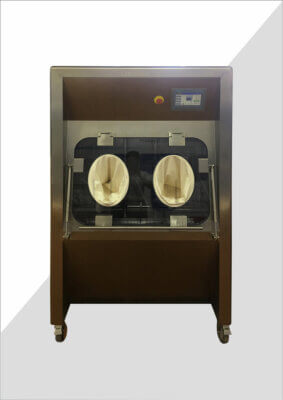
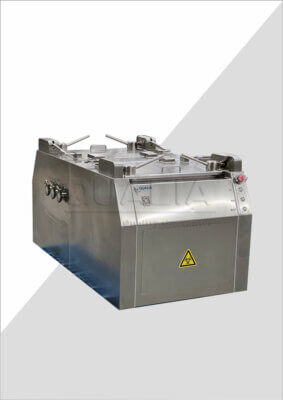
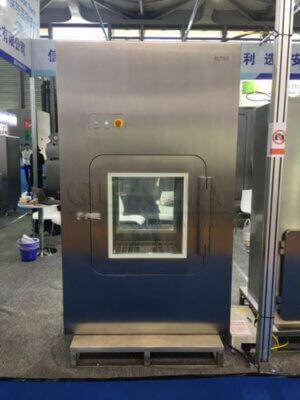
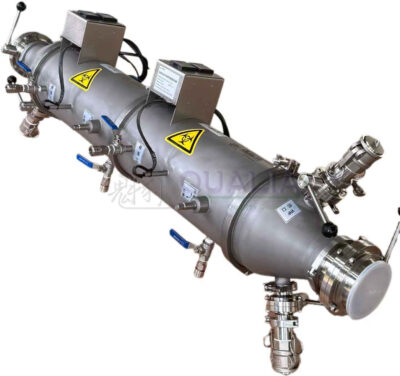
Kategorie transferu farmaceutycznego określające typ komory transferowej
Punktem wyjścia przy wyborze dowolnej komory przesyłowej nie jest katalog sprzętu — jest nim zależność między klasami czystości dwóch stref, które łączy komora przesyłowa. Zależność ta decyduje o tym, czy sam proces przenoszenia stwarza ryzyko zanieczyszczenia oraz o stopniu tego ryzyka. Wybór sprzętu przed uzyskaniem odpowiedzi na to pytanie prowadzi w niektórych przypadkach do nadmiernego rozbudowania specyfikacji, a w innych — do rzeczywistego narażenia na zanieczyszczenie.
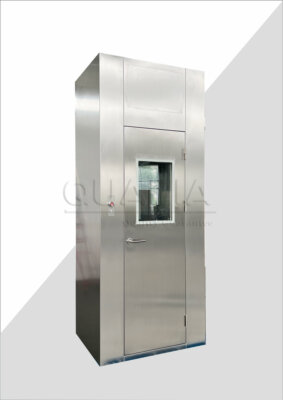
Praktyczna logika doboru stosowana przez większość zespołów opiera się na funkcji skokowej, uwzględniającej liczbę poziomów czystości ISO oddzielających środowisko wysyłające od odbierającego. Gdy obie strefy mają tę samą klasyfikację, zazwyczaj wystarcza statyczna komora transferowa z blokadą. Blokada uniemożliwia jednoczesne otwarcie obu drzwi, co stanowi główną drogę zanieczyszczenia podczas transferu między strefami tej samej klasy — do kontroli tego ryzyka nie jest potrzebne aktywne zarządzanie przepływem powietrza ani obróbka powierzchni. Przejście na urządzenie statyczne z promieniowaniem UV staje się uzasadnionym rozwiązaniem, gdy obie strefy dzieli jedna klasa czystości, choć element UV stanowi raczej uzupełnienie kontroli proceduralnych, a nie ich zamiennik. Gdy transfer obejmuje wiele poziomów klasyfikacji, różnica ciśnienia powietrza między strefami stwarza znaczące ryzyko zasysania, a dynamiczny przepływ powietrza filtrowanego przez filtry HEPA rozwiązuje ten problem w sposób, którego nie są w stanie zapewnić ani statyczna blokada, ani obróbka promieniowaniem UV. W przypadku aseptycznych i sterylnych operacji farmaceutycznych dynamiczna komora transferowa z filtrem HEPA stanowi standardową praktykę — nie dlatego, że nakazuje to jedno przepisy, ale dlatego, że konsekwencji zanieczyszczenia podczas transferów między strefami krytycznymi nie da się odpowiednio opanować bez kontrolowanego, jednokierunkowego przepływu powietrza.
Każdy kolejny stopień tej drabiny zwiększa możliwości kontroli, ale jednocześnie powoduje wzrost nakładów operacyjnych i związanych z walidacją. Błędem, który popełnia większość zespołów, nie jest błędna ocena najwyższego stopnia drabiny — polega on na pominięciu jej środkowej części.
| Scenariusz transferu | Zalecana skrzynka na przepustki | Kluczowe aspekty |
|---|---|---|
| Ta sama klasa ISO | Blokada statyczna z blokadą wzajemną | Wystarcza do przenoszenia między klasami o tym samym poziomie; nie jest wymagana dodatkowa dekontaminacja |
| Różnica w klasie czystości | Powłoka statyczna z dodatkiem promieniowania UV może być dopuszczalna | Promieniowanie UV stanowi uzupełniającą metodę obróbki powierzchni, ale nie zastępuje procedur czyszczenia |
| Różnice w klasach czystości | Zalecany filtr HEPA z funkcją dynamicznego oczyszczania | Przepływ powietrza filtrowanego przez filtr HEPA pozwala utrzymać różnicę stopni czystości podczas przenoszenia |
| Procesy farmaceutyczne w warunkach aseptycznych/sterylnych | Zazwyczaj wymagany jest dynamiczny filtr HEPA | Wymkjnkeesnitcyrywaaócnn z t zzeei tszhwycsrwcnyyozzorangce, nhyheiiszye naoageka caikzc o zactrnia |
Powyższa tabela przyporządkowuje scenariusze do poszczególnych urządzeń, jednak bardziej przydatne jest to, co ujawnia ona na temat kierunku ryzyka: różnica między statycznym blokadą a dynamiczną jednostką HEPA nie polega na prestiżowym ulepszeniu, lecz na tym, jaki mechanizm zanieczyszczenia faktycznie kontroluje każda z tych konstrukcji. Statyczna komora z blokadą nie jest w stanie opanować przepływu cząstek spowodowanego różnicą ciśnień podczas transferu. Dynamiczna komora z filtrem HEPA jest w stanie to zrobić. Wybór między nimi wyłącznie na podstawie budżetu, bez ustalenia, jakie ryzyko występuje, stanowi błąd w planowaniu, który później skutkuje zastrzeżeniami podczas audytu.
Ograniczenia stosowania promieniowania UV w zastosowaniach podlegających regulacjom prawnym
Promieniowanie UV jest stosowane częściej niż jest skuteczne, a rozbieżność między tymi dwoma faktami powoduje specyficzny problem związany z uzasadnieniem zgodności z przepisami. Atrakcyjność tego rozwiązania jest zrozumiała: lampy UV są niedrogie w montażu, pracują cicho w tle i emitują światło widzialne, które sygnalizuje, że wewnątrz komory transferowej zachodzi jakiś proces. Żadna z tych cech nie przekłada się jednak na udokumentowaną dekontaminację powierzchni, odpowiednią do krytycznych transferów w środowiskach podlegających regulacjom.
Głównym ograniczeniem jest czynnik geometryczny. Promieniowanie bakteriobójcze UV oddziałuje na powierzchnie znajdujące się w jego bezpośredniej linii widzenia, a elementy pozostające w cieniu — spód opakowania, boczna powierzchnia pojemnika, wnętrze falistego opakowania wtórnego — są poddawane działaniu promieniowania w stopniu znikomym. W statycznej komorze transferowej wykorzystywanej do przenoszenia między klasami czystości równymi lub niemal równymi to ograniczenie może być akceptowalne, jeśli promieniowanie UV traktuje się jako jeden z elementów szerszej kontroli proceduralnej, a nie jako samą kontrolę. Problemy pojawiają się, gdy promieniowanie UV jest określone w kontekście, który domyślnie wymaga powtarzalnego, udokumentowanego zapewnienia eliminacji mikroorganizmów — zazwyczaj w przypadku przenoszenia do strefy krytycznej — a element UV traktowany jest jako spełniający ten wymóg. Tak jednak nie jest. Komora przelotowa wyposażona w promieniowanie UV nie zastępuje standardowych procedur operacyjnych (SOP) dotyczących czyszczenia, nie zastępuje zarządzania przepływem powietrza przez filtry HEPA i nie generuje tego rodzaju zweryfikowanych danych dotyczących cyklu, które dział zapewnienia jakości (QA) mógłby obronić podczas przeglądu regulacyjnego.
Sytuację pogarsza kwestia żywotności. Lampy UV mają ograniczoną skuteczność bakteriobójczą, która spada na długo przed fizyczną awarią samej lampy. Projektowa żywotność lampy wynosi zazwyczaj około 4 000 godzin, ale w praktyce lampa pracująca nieprzerwanie przez osiem godzin dziennie osiągnie ten próg w ciągu około 500 dni — czyli w niecałe półtora roku typowej eksploatacji. Jeśli ten okres nie jest monitorowany, a wymiana nie jest przeprowadzana proaktywnie, komora przesyłowa nadal działa z elementem UV, który zapewnia niemal zerową dodatkową korzyść, podczas gdy specyfikacja nadal wymienia dezynfekcję promieniowaniem UV jako środek kontroli. Jest to cicha wersja awarii: nic nie ulega widocznej usterce, ale założenia bezpieczeństwa na papierze nie odpowiadają już fizycznej rzeczywistości w urządzeniu.
W praktyce oznacza to, że promieniowanie UV należy traktować jako monitorowany, ograniczony czasowo środek uzupełniający w przypadku przenoszenia materiałów o niższym ryzyku, a nie jako metodę dekontaminacji zastępującą sprawdzone procedury. Więcej informacji na temat tego, w jaki sposób komory bezpieczeństwa biologicznego są zaprojektowane do obsługi operacji przenoszenia, w których wymagania dotyczące sterylności i kontroli zanieczyszczeń wykraczają poza możliwości promieniowania UV, można znaleźć w Przegląd zaawansowanych komór bezpieczeństwa biologicznego bardziej szczegółowo omawia logikę projektową.
Porównanie dynamicznego przepływu powietrza i technologii VHP pod kątem nakładu pracy związanego z kontrolą
Dynamiczne komory przekaźnikowe z filtrami HEPA oraz komory przekaźnikowe z VHP zajmują różne pozycje w spektrum obciążenia związanego z kontrolą, a traktowanie ich jako dwóch wersji “tego samego ulepszenia” stanowi błąd projektowy, który zazwyczaj ujawnia się na etapie walidacji. Obie opcje zapewniają możliwości wykraczające poza możliwości urządzenia statycznego. Zapewniają je jednak w zasadniczo odmienny sposób, a obciążenie na dalszych etapach procesu — w zakresie konserwacji, walidacji, materiałów eksploatacyjnych i planowania — znacznie się różni.
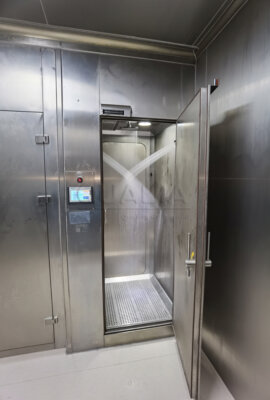
Dynamiczna komora transferowa kontroluje zanieczyszczenia przede wszystkim poprzez przepływ powietrza: nadciśnienie lub podciśnienie z filtrami HEPA utrzymuje odpowiedni stosunek czystości między strefami podczas transferu. Obciążeniem operacyjnym związanym z tym rozwiązaniem jest zarządzanie filtrami i monitorowanie ciśnienia. Filtry wstępne zazwyczaj wymagają wymiany co około sześć miesięcy; elementy HEPA działają dłużej, zazwyczaj od sześciu do dwunastu miesięcy w zależności od obciążenia cząstkami stałymi i wytycznych producenta, i muszą być poddawane testom integralności w odstępach czasu określonych w protokole walidacyjnym zakładu. Urządzenia dynamiczne są wyposażone w porty testowe DOP/PAO przeznaczone specjalnie do tego celu, co oznacza, że testowanie filtrów HEPA jest wbudowane w konstrukcję — jest to jednak również zadanie, które musi być zaplanowane, udokumentowane i wykonane przez wykwalifikowany personel. Manometry różnicy ciśnień potwierdzają prawidłowe działanie kaskady przepływu powietrza, a monitorowanie tych manometrów musi zostać włączone do standardowych procedur operacyjnych.
Łączne wymagania konserwacyjne dla urządzenia dynamicznego są istotne, ale przewidywalne. Wymiana filtrów i okresowe testy szczelności filtrów HEPA to ustalone czynności o znanych częstotliwościach i udokumentowanych kryteriach akceptacji. Powodują one dodatkowe obciążenie, ale nie ograniczają harmonogramu produkcji w takim stopniu, jak ma to miejsce w przypadku VHP.
Technologia VHP wprowadza zasadniczo odmienny mechanizm kontroli: sporobójczą dekontaminację powierzchni poprzez cykle działania odparowanego nadtlenku wodoru. Zaletą tego rozwiązania jest gwarancja eliminacji mikroorganizmów, której nie są w stanie zapewnić ani przepływ powietrza przez filtr HEPA, ani obróbka promieniowaniem UV. Kosztem tego rozwiązania jest konieczność walidacji każdego cyklu VHP — nie wystarczy jedynie potwierdzenie, że cykl się odbył, ale należy udowodnić, że zapewnia on wymaganą redukcję logarytmiczną w odniesieniu do określonych wskaźników biologicznych, w warunkach odzwierciedlających rzeczywiste użytkowanie. Wymóg walidacji oznacza konieczność przeprowadzenia wstępnych prac związanych z opracowaniem cyklu, okresowej ponownej walidacji, zakupu wskaźników biologicznych oraz uwzględnienia czasu napowietrzania w każdym cyklu, zanim komora będzie mogła zostać bezpiecznie otwarta, a transfer zakończony. W przypadku operacji, w których transfery odbywają się często, sama faza napowietrzania może stać się ograniczeniem w planowaniu harmonogramu.
| Zadanie | Typowa częstotliwość | Uwagi |
|---|---|---|
| Wymiana filtra wstępnego | Co 6 miesięcy | Filtry wstępne zatrzymują większe cząsteczki; należy je wymieniać, aby chronić filtr HEPA |
| Wymiana filtra HEPA | Co 6–12 miesięcy | Rzeczywisty przedział czasowy zależy od obciążenia oraz zaleceń producenta |
| Badanie szczelności filtrów HEPA (DOP/PAO) | Zgodnie z protokołem walidacji | W tym celu dynamiczna komora przepustowa jest wyposażona w przyłącza testowe DOP/PAO |
| Monitorowanie różnicy ciśnień | W sposób ciągły lub rejestrowane zgodnie z SOP | W zestawie znajdują się manometry; pomiary potwierdzają prawidłowy przebieg przepływu powietrza |
Większość projektów pomija następujący aspekt kompromisu: dynamiczny moduł HEPA stanowi łatwą w utrzymaniu i podlegającą walidacji warstwę kontroli cząstek zawieszonych w powietrzu oraz osadzonych na powierzchniach. Urządzenie VHP zapewnia gwarancję zabijania zarodników, ale wiąże się również z modelem działania zależnym od cyklu pracy, zużywalnych materiałów eksploatacyjnych oraz ograniczeń wentylacyjnych. Żadna z tych opcji nie jest z założenia lepsza. Właściwy wybór zależy wyłącznie od tego, czy ryzyko przenoszenia faktycznie wymaga gwarancji zabijania zarodników, czy też kontrolowany przepływ powietrza w połączeniu z odpowiednimi procedurami czyszczenia jest rzeczywiście wystarczający.
Weryfikacja i planowanie wykorzystania jednostek przystosowanych do dekontaminacji
To właśnie na etapie planowania walidacji ujawnia się większość sporów dotyczących wyboru komory transferowej — i to właśnie na tym etapie koszt wczesnego błędu w specyfikacji jest najwyższy. Zespoły inżynierów zazwyczaj oczekują elastyczności: urządzenia, które poradzi sobie z większym obciążeniem niż wymaga tego aktualne zastosowanie. Zespoły ds. zapewnienia jakości potrzebują czegoś przeciwnego: konkretnej metody dekontaminacji z określonymi kryteriami akceptacji, udokumentowanego cyklu oraz powtarzalnej wydajności. Oba stanowiska są uzasadnione i żadne z nich nie rozwiązuje tego konfliktu, dopóki nie zostanie najpierw zdefiniowane zagrożenie związane z transferem.
W przypadku urządzeń wyposażonych w promieniowanie UV obciążenie związane z walidacją wydaje się niewielkie, co jest jednym z powodów, dla których promieniowanie UV jest stosowane częściej, niż to uzasadnione. Nie ma cyklu, który należałoby poddać walidacji, nie trzeba przeprowadzać badań wskaźników biologicznych ani uwzględniać czasu napowietrzania. Obowiązek konserwacji sprowadza się zasadniczo do monitorowania stanu lamp i ich wymiany — jednak, jak wspomniano powyżej, właśnie ten wymóg monitorowania sprawia, że stosowanie promieniowania UV jest uzasadnione w praktyce. Lampa UV, która przekroczyła próg żywotności (dane projektowe zazwyczaj wskazują na około 4 000 godzin działania bakteriobójczego), nie zapewnia żadnego wymiernego efektu dezynfekcji powierzchni. Jeśli ten okres nie jest rejestrowany i powiązany z procedurą operacyjną dotyczącą wymiany, uzasadnienie dezynfekcji urządzenia istnieje jedynie na papierze. Gotowość do audytu w zakresie promieniowania UV oznacza możliwość wykazania, że wydajność lampy w dowolnym momencie mieści się w zakresie jej skutecznego działania — a nie tylko to, że lampa UV fizycznie znajduje się w urządzeniu.
W przypadku urządzeń VHP proces walidacji rozpoczyna się przed oddaniem do eksploatacji. W trakcie opracowywania cyklu należy ustalić kwalifikowane stężenie H₂O₂, czas ekspozycji oraz zakres wilgotności, które zapewnią wymagane wyeliminowanie mikroorganizmów w całej geometrii komory — w tym w każdej konfiguracji obciążenia, która będzie stosowana w produkcji. Umieszczenie wskaźników biologicznych, testy obciążeniowe cyklu oraz weryfikacja punktu końcowego napowietrzania stanowią elementy pakietu walidacyjnego. Zarówno Podręcznik bezpieczeństwa biologicznego w laboratoriach WHO, jak i wytyczne CDC BMBL stanowią podstawę dla zasady, zgodnie z którą wybór metody dekontaminacji powinien być dostosowany do poziomu ryzyka danego zastosowania. Jest to uzasadnienie dla traktowania walidacji VHP jako wymogu proporcjonalnego do ryzyka przeniesienia, które ma ona kontrolować, a nie jako opcjonalnego zadania dokumentacyjnego.
Planowanie zasilania w przypadku VHP również wymaga wczesnego uwzględnienia. Zaopatrzenie w nadtlenek wodoru — niezależnie od tego, czy chodzi o wytwarzanie na pokładzie, czy z zewnętrznego zbiornika — ma wpływ na zajmowaną powierzchnię, zależności instalacyjne oraz logistykę materiałów eksploatacyjnych. Wymagania dotyczące układu wydechowego lub katalizatora do rozkładu H₂O₂ należy uzgodnić z działem technicznym obiektu przed ustaleniem lokalizacji urządzenia. Są to decyzje, które łączą specyfikację komory przekaźnikowej z projektem obiektu i trudno je wprowadzić w późniejszym terminie bez zakłócania działania sąsiednich systemów.
Praktyczna kontrola na tym etapie: jeśli dział kontroli jakości nie jest jeszcze w stanie określić kryteriów akceptacji dla cyklu dekontaminacji, plan walidacji nie jest gotowy — a typ komory transferowej może nie być jeszcze prawidłowo określony.
Wymagana pewność zniszczenia jako kryterium wyboru VHP
Decyzja o przejściu z dynamicznego przepływu powietrza lub obróbki promieniowaniem UV na VHP nie jest kwestią ambicji ani planów modernizacji obiektu. Jest to konkretny próg: moment, w którym proces transferu rzeczywiście wymaga potwierdzonej gwarancji zabicia zarodników, a żadna opcja pośrednia nie jest w stanie zapewnić tego z udokumentowanymi, powtarzalnymi wynikami.
Próg ten zostaje osiągnięty, gdy kontekst przenoszenia obejmuje co najmniej jeden z poniższych elementów: przenoszony materiał wykazuje potwierdzone lub prawdopodobne zanieczyszczenie powierzchniowe odpornymi czynnikami biologicznymi; strefa odbiorcza wymaga takiego poziomu zapewnienia czystości, którego sam przepływ powietrza przez filtr HEPA nie jest w stanie zapewnić na powierzchni; lub strategia kontroli zanieczyszczeń w danym obiekcie formalnie określiła przenoszenie jako punkt wymagający etapu eliminacji, a nie etapu redukcji. W środowiskach BSL-3 i BSL-4 wymagania dotyczące izolacji opisane w wytycznych, takich jak BMBL CDC, stwarzają warunki, w których dekontaminacja powierzchni podczas przenoszenia nie jest opcjonalna — a adekwatność metody dekontaminacji musi być wykazana, a nie tylko domniemana. Skuteczność VHP w zwalczaniu opornych zarodników, w tym Geobacillus stearothermophilus stosowana jako standardowy wskaźnik biologiczny, sprawia, że metoda ta pozwala spełnić ten wymóg w sposób zweryfikowany i powtarzalny.
Najczęstszym błędem poprzedzającym określenie procedury VHP nie jest zbyt wąskie określenie wymagań — jest nim pominięcie oceny, która wykazałaby konieczność zastosowania VHP. Zespoły, które przechodzą od trybu statycznego do VHP bez udokumentowania, dlaczego dynamiczny przepływ powietrza i czyszczenie proceduralne są niewystarczające w przypadku konkretnego transferu, tworzą lukę w uzasadnieniu kontroli zanieczyszczeń. Jeśli uzasadnienie to zostanie później zakwestionowane — podczas przeglądu regulacyjnego, aktualizacji oceny ryzyka lub dochodzenia w sprawie odstępstwa — uzasadnienie zastosowania VHP musi opierać się na czymś więcej niż tylko fakcie, że VHP jest najskuteczniejszą dostępną opcją. Pytanie, które zadadzą organy regulacyjne i audytorzy, dotyczy tego, czy wybrana metoda jest odpowiednia w stosunku do wykazanego ryzyka, co wymaga wykazania, że ryzyko zostało ocenione przed wyborem metody.
Z drugiej strony zespoły, które odrzucają VHP ze względów kosztowych, gdy transfer rzeczywiście wymaga gwarancji całkowitego zniszczenia, godzą się na luki w kontroli zanieczyszczeń, które mogą ujawnić się dopiero w przypadku poważnego zdarzenia. VHP Pass Box oraz Skrzynka bezpieczeństwa biologicznego odpowiadają różnym punktom na tym spektrum, a ustalenie, gdzie należy każdy z nich, zależy od profilu ryzyka transferu, a nie od porównywania list funkcji sprzętu.
Praktyczna zasada: promieniowanie UV nie osiąga progu gwarantującego całkowite wyeliminowanie zanieczyszczeń w przypadku krytycznych transferów. Dynamiczne filtry HEPA usuwają cząstki zawieszone w powietrzu i osadzone na powierzchniach, ale nie zwalczają zanieczyszczeń tworzących przetrwalniki. Na rzecz VHP decyduje się wtedy, gdy transfer wymaga zatwierdzonego cyklu sporobójczego — a decyzja ta powinna być poprzedzona udokumentowanym dowodem, że rozwiązania niższej klasy były rzeczywiście niewystarczające, a nie tylko teoretycznie mniej skuteczne.
Wybór komory przekaźnikowej staje się uzasadniony, gdy ryzyko związane z transferem zostanie opisane przed określeniem kategorii sprzętu. Zależność między klasami czystości poszczególnych stref, charakter materiałów podlegających transferowi oraz wymagany poziom zapewnienia braku zanieczyszczeń po stronie odbiorczej to trzy czynniki decydujące o tym, czy właściwym rozwiązaniem jest blokada statyczna, urządzenie statyczne z promieniowaniem UV, dynamiczne urządzenie z filtrem HEPA czy też urządzenie obsługujące VHP. Pominięcie tej analizy w dowolnym kierunku — nadmierne doprecyzowanie specyfikacji dla uproszczenia lub niedoprecyzowanie ze względu na koszty — powoduje problemy, które ujawniają się na różnych etapach projektu, ale wynikają z tej samej przyczyny źródłowej.
Przed zatwierdzeniem specyfikacji najbardziej przydatną czynnością przed rozpoczęciem procesu zamówień jest sprawdzenie, czy dział kontroli jakości (QA) jest w stanie określić kryteria akceptacji dla wybieranej metody dekontaminacji. Jeśli w specyfikacji przewidziano zastosowanie promieniowania UV, należy upewnić się, że monitorowanie żywotności lamp jest uwzględnione w standardowej procedurze operacyjnej (SOP) dotyczącej konserwacji oraz że zastosowanie to nie wymaga w sposób dorozumiany gwarancji eliminacji mikroorganizmów, której promieniowanie UV nie jest w stanie zapewnić. Jeśli w specyfikacji przewidziano stosowanie VHP, należy upewnić się, że zakres walidacji cyklu, pozyskiwanie wskaźników biologicznych, czas napowietrzania oraz zależności od mediów są uwzględnione w planie projektu — a nie tylko w budżecie inwestycyjnym. Jeśli odpowiedzi na te pytania nie są jeszcze dostępne, oznacza to, że specyfikacja wyprzedza ocenę ryzyka, a lukę tę taniej jest wyeliminować na etapie projektowania niż podczas uruchamiania.
Często zadawane pytania
Pytanie: Czy ta logika wyboru ma nadal zastosowanie, jeśli placówka nie opracowała jeszcze formalnej strategii kontroli zanieczyszczeń?
O: Nie — aby system doboru sprzętu działał prawidłowo, musi opierać się na określonej strategii kontroli zanieczyszczeń. Bez takiej strategii brakuje udokumentowanej podstawy do ustalenia, jakie powiązania między klasami czystości istnieją między strefami, jaki poziom pewności wymaga środowisko odbiorcze, czy też czy etap eliminacji mikroorganizmów jest rzeczywiście konieczny. Określenie typu komory transferowej przed opracowaniem tej strategii prowadzi do tego samego podstawowego problemu, który opisano w artykule: kategoria sprzętu jest wybierana przed opisaniem ryzyka związanego z transferem, co oznacza, że każdy wybór — nawet ten uzasadniony technicznie — nie ma uzasadnienia niezbędnego do przetrwania kontroli regulacyjnej lub dochodzenia w sprawie odstępstwa.
Pytanie: Po upewnieniu się, że typ komory przepustowej został prawidłowo określony, jakie kwestie należy wyjaśnić przed sfinalizowaniem zamówienia?
O: Kolejnym krokiem jest upewnienie się, że dział kontroli jakości (QA) jest w stanie określić kryteria akceptacji dla wybieranej metody odkażania już na etapie wyboru, a nie dopiero po dostawie. W przypadku urządzeń UV oznacza to, że standardowa procedura operacyjna (SOP) dotycząca monitorowania żywotności lamp musi istnieć jeszcze przed dostarczeniem urządzenia. W przypadku urządzeń VHP oznacza to, że zakres walidacji cyklu, pozyskanie wskaźników biologicznych, wymagania dotyczące czasu napowietrzania oraz zależności od mediów — dostawy nadtlenku wodoru, systemy wywiewu lub rozwiązania związane z katalizatorem — są uwzględnione w planie projektu. Elementy te mają wpływ na instalację, harmonogram uruchomienia oraz gotowość do kwalifikacji, a ich uwzględnienie jest znacznie trudniejsze po zamontowaniu urządzenia na miejscu.
Pytanie: W jakim momencie dynamiczna komora transferowa z filtrem HEPA przestaje być odpowiednim rozwiązaniem, nawet jeśli różnica w klasie czystości normalnie uzasadniałaby jej zastosowanie?
A: Dynamiczna komora transferowa z filtrem HEPA osiąga swoje ograniczenia, gdy transfer dotyczy materiałów o potwierdzonym lub prawdopodobnym zanieczyszczeniu powierzchniowym czynnikami biologicznymi tworzącymi przetrwalniki lub wykazującymi inną odporność. Filtracja HEPA kontroluje cząstki zawieszone w powietrzu i cząstki powierzchniowe podczas przenoszenia; nie zapewnia ona jednak pewności zabicia zarodników i nie pozwala na uzyskanie zweryfikowanych danych cyklu w odniesieniu do wskaźników biologicznych. Jeśli strategia kontroli zanieczyszczeń w strefie odbiorczej formalnie określa, że przenoszenie wymaga etapu zabicia — a nie etapu redukcji cząstek — dynamiczny filtr HEPA nie spełnia tego wymogu, niezależnie od relacji między klasami czystości obu stref.
Pytanie: Jak wygląda obciążenie związane z konserwacją dynamicznej komory przeładunkowej z filtrem HEPA w porównaniu z urządzeniem VHP w obiekcie, w którym codziennie przeprowadza się częste transfery?
O: W przypadku operacji transferu o dużej częstotliwości fazą napowietrzania w systemie VHP jest bardziej znaczące ograniczenie, podczas gdy obciążenie związane z dynamicznym filtrem HEPA jest przewidywalne, ale ciągłe. Urządzenie dynamiczne wymaga wymiany filtra wstępnego mniej więcej co sześć miesięcy oraz przeprowadzania testów integralności filtra HEPA zgodnie z zaplanowanym i udokumentowanym cyklem — są to nakłady, które można opanować i które nie ograniczają harmonogramu poszczególnych transferów. Urządzenie VHP wymaga zakończenia fazy napowietrzania przed każdym otwarciem komory, co może stać się wąskim gardłem przepustowości przy wysokiej częstotliwości transferów. Wymaga to również logistyki materiałów eksploatacyjnych, okresowej ponownej walidacji oraz zaopatrzenia w wskaźniki biologiczne jako stałych wymagań operacyjnych. Porównanie nie dotyczy tego, które urządzenie wymaga większego całkowitego nakładu pracy, ale tego, czy model operacyjny — w tym ograniczenia harmonogramowe — został zaplanowany z uwzględnieniem rzeczywistej wielkości transferów przed zatwierdzeniem specyfikacji.
Pytanie: Czy istnieje sytuacja, w której ani promieniowanie UV, ani VHP nie są właściwym rozwiązaniem, a samo czyszczenie proceduralne jest uzasadnione?
O: Tak, a sama struktura artykułu sugeruje to, nie rozstrzygając jednak tej kwestii wprost. Gdy transfer łączy strefy o tej samej lub niemal równej klasie czystości, a przenoszony materiał nie stwarza znaczącego ryzyka zanieczyszczenia powierzchniowego, statyczna komora transferowa z blokadą w połączeniu z udokumentowaną procedurą czyszczenia może być całkowicie wystarczająca. Promieniowanie UV stanowi w tym kontekście dodatkową korzyść tylko wtedy, gdy traktuje się je jako monitorowaną, ograniczoną czasowo warstwę — a nie jako samodzielną metodę odkażania. Stosowanie VHP wykraczałoby poza ten próg, dodając zweryfikowaną złożoność cyklu do ryzyka związanego z transferem, które nie wymaga gwarancji zabicia zarodników. Uzasadnienie czyszczenia proceduralnego jako podstawowego środka kontroli zależy od tego samego warunku, co w przypadku każdej innej opcji: ryzyko związane z transferem musi zostać najpierw udokumentowane, tak aby uzasadnienie ograniczenia się do środków kontroli proceduralnych było wyraźne, a nie oparte na domysłach.