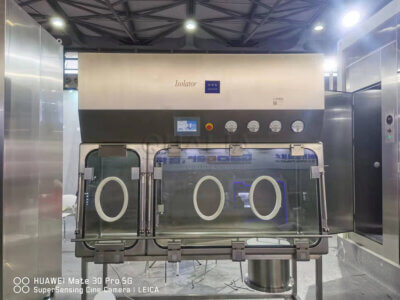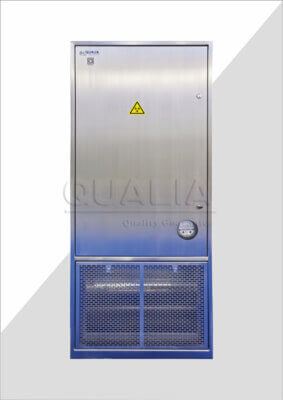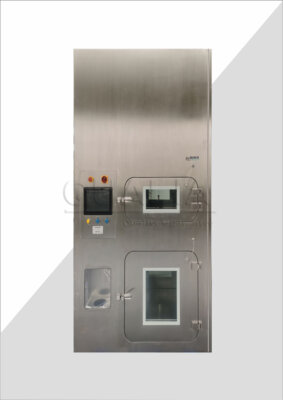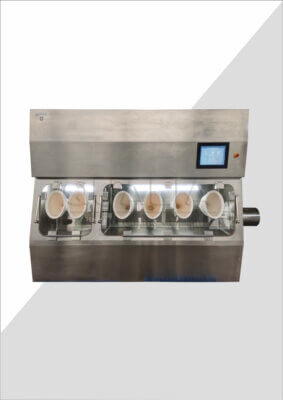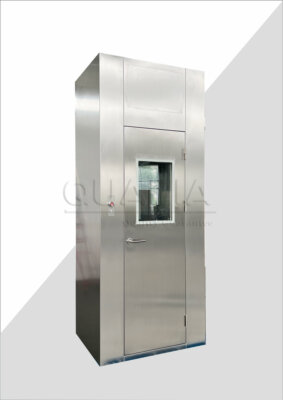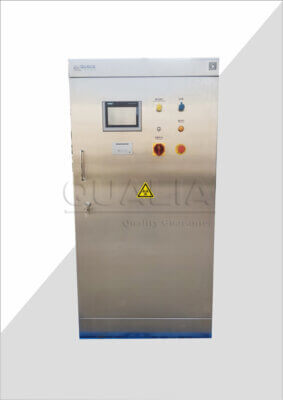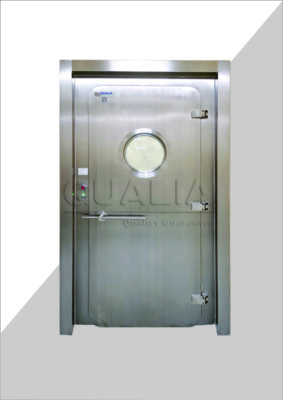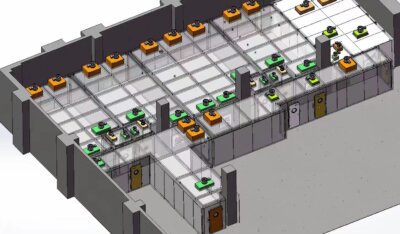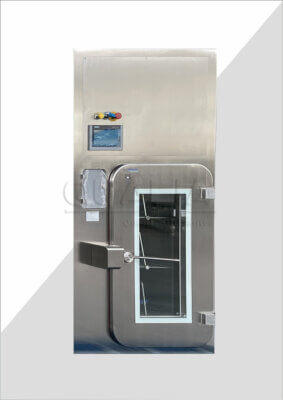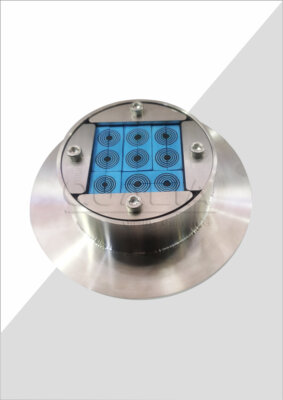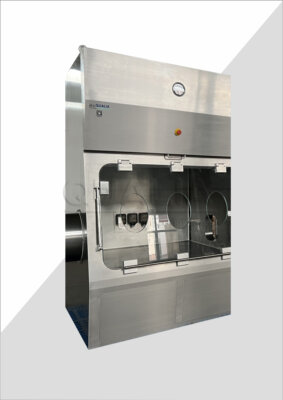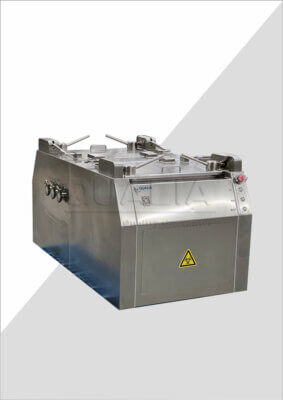

Isolateur OEB4/OEB5 La remise des clés est souvent bloquée, non pas parce que l’équipement ne fonctionne pas, mais parce que le dossier de remise est constitué autour de ce que le fournisseur a testé plutôt que de ce que le site doit contrôler. Les procédures de remplacement des filtres, le remplacement des ports à gants, le nettoyage après campagne et le retrait régulier des sacs constituent chacun des événements d’exposition potentiels — et si aucun d’entre eux ne fait l’objet, au moment de la remise, d’une méthode de confinement définie et d’un responsable désigné, la première fois qu’un technicien ouvre un boîtier de filtre s’apparente en réalité à une expérience non contrôlée. Le coût en aval ne se limite pas à un simple incident d’exposition potentiel ; il s’agit d’un blocage EHS, d’un cycle de révision de l’assurance qualité et, souvent, d’une refonte des procédures de maintenance qui auraient dû être rédigées avant l’installation. Le jugement requis lors de la remise n’est pas de déterminer si l’isolateur respecte ses spécifications nominales de confinement, mais si chaque opération de routine et chaque tâche de maintenance au cours de son cycle de vie dispose d’un parcours de confinement vérifié et d’un responsable désigné.
Preuves de l'efficacité du confinement pour le transfert d'OEB
Preuves de l'efficacité du confinement doit être examiné dans son ensemble, et non accepté au coup par coup. L’erreur la plus courante consiste à considérer qu’un FAT réussi constitue une base suffisante pour la remise des travaux, alors que le FAT confirme les performances telles qu’elles ont été configurées en usine dans des conditions d’essai contrôlées — et non les performances une fois le système installé, compte tenu de la charge CVC du site, des zones de pression adjacentes ou des longueurs réelles des conduits. Avant que la remise des travaux ne soit approuvée, le dossier de justification doit permettre de déterminer si l’étanchéité est maintenue dans les conditions auxquelles les opérateurs seront réellement confrontés.
Les paramètres les plus importants pour les systèmes OEB4/OEB5 sont les valeurs de référence du comptage de particules, les différences de pression entre les zones en cascade et les temps de rétablissement après l’ouverture des portes ou les opérations de transfert. En ce qui concerne les différences de pression entre les zones en cascade, une valeur cible type issue des pratiques en matière de salles blanches est de 10 à 15 Pa ; toutefois, les sites doivent confirmer la valeur appropriée par le biais de leur propre évaluation des risques plutôt que de la considérer comme une exigence universelle. La certification du temps de rétablissement est la donnée qui fait le plus souvent défaut dans les dossiers fournis par les fournisseurs : un isolateur qui met du temps à se rétablir après un accès par le port à gants peut certes respecter la classification statique, mais ne garantira pas le confinement dans les conditions dynamiques des transferts réels. En l’absence de données tierces sur le temps de rétablissement, le site doit signaler ce point comme une question en suspens et ne pas se contenter d’une assurance verbale.
Le Cadre SMEPAC de l'ISPE constitue une référence méthodologique utile pour les essais de comptage de particules et de temps de récupération dans les systèmes confinés, sans pour autant fixer de seuil réglementaire maximal ou minimal. Utilisez-la pour évaluer si l'approche adoptée par le fournisseur en matière d'essais est crédible sur le plan méthodologique, et non pour déterminer si un résultat spécifique est conforme.
| Paramètre à vérifier | Justificatifs requis | Risque en cas d'absence |
|—|—|—|\
| Valeur de référence du comptage de particules | Rapports de comptage et de classification des particules après installation | Performances non vérifiées des salles blanches ; des fuites non détectées compromettent la sécurité des opérateurs |
| Différentiels de pression en cascade | Mesures de 10 à 15 Pa enregistrées entre les zones en cascade | Perte de la direction du flux d'air ; risque de fuite de contaminants vers les zones réservées aux opérateurs |
| Temps de récupération après l'ouverture des portes | Certification par un organisme tiers des délais de récupération | Une récupération prolongée peut indiquer un confinement dynamique insuffisant ; risque d'exposition lors des transferts |
| Performances prévues par rapport aux performances réelles | Comparaison des plans d'exécution avec les comptages réels de particules | Écarts entre les spécifications de conception et les performances réelles ; faiblesses cachées du système de confinement |
| Paramètre à vérifier | Éléments de preuve requis | Risque en cas d'absence |
|---|---|---|
| Valeur de référence du comptage de particules | Rapports de comptage et de classification des particules après installation | Performances non vérifiées de la salle blanche ; des fuites non détectées compromettent la sécurité des opérateurs |
| Différentiels de pression en cascade | Mesures de 10 à 15 Pa enregistrées entre les zones en cascade | Perte de la direction du flux d'air ; risque de propagation de la contamination vers les zones réservées aux opérateurs |
| Temps de récupération après l'ouverture des portes | Certification par un organisme tiers des délais de récupération | Une récupération prolongée peut indiquer un confinement dynamique insuffisant ; risque d'exposition lors des transferts |
| Performances prévues par rapport aux performances réelles | Comparaison des plans conformes à l'exécution avec les comptages réels de particules | Écarts entre les objectifs de conception et les performances réelles ; faiblesses cachées du système de confinement |
La comparaison entre la conception initiale et les performances réelles revêt une importance particulière lorsque des modifications ont été apportées sur site au cours de l’installation — réacheminement des conduits, déplacement des raccords d’évacuation ou modification de l’emplacement des passages de paroi. Chaque modification constitue un écart potentiel entre l’objectif de confinement prévu dans la conception et la réalité de l’installation. Si l’examen révèle des divergences, celles-ci doivent être résolues et documentées avant la remise des travaux, et non reportées à une procédure de contrôle des modifications postérieure à la qualification.
Les délais de rétablissement non vérifiés constituent une faille dynamique dans le confinement, et non une simple formalité administrative.
Registres de nettoyage et limites de contrôle de l'exposition
Des registres de nettoyage incomplets lors de la passation de pouvoir posent un problème opérationnel spécifique : les services d'assurance qualité (QA) et d'environnement, santé et sécurité (EHS) ne peuvent pas confirmer que la limite de contrôle de l'exposition a été respectée tout au long des activités de mise en service et de préqualification, ce qui signifie qu'ils ne peuvent pas autoriser l'utilisation courante sans accepter une incertitude résiduelle qu'ils n'ont pas validée. Pour les systèmes OEB4/OEB5, cette incertitude n'est pas acceptable.
Les registres de nettoyage revêtent une importance particulière pour deux raisons distinctes qui sont souvent confondues. La première concerne la protection des produits : il s’agit de s’assurer que les surfaces de production sont exemptes de résidus susceptibles de contaminer les lots suivants. La seconde, souvent négligée dans les dossiers de transfert, concerne la protection des travailleurs : il s’agit de vérifier que les opérations de nettoyage et de décontamination ont été menées dans le respect des mesures de confinement définies et qu’elles n’ont laissé aucun risque résiduel pour la personne suivante qui accédera à l’équipement.
La documentation relative aux limites de contrôle de l’exposition doit être considérée comme un critère de planification établi avant la remise des lieux, et non comme une carte administrative élaborée a posteriori. Elle définit quelles zones nécessitent quel niveau de protection lors des interventions de maintenance, quelles surfaces doivent être décontaminées avant l’ouverture d’un port à gants, et à quel moment un technicien passe du confinement secondaire au confinement primaire. Sans cette carte des limites, le personnel de maintenance travaille sans modèle d’exposition explicite, et toute intervention d’accès devient potentiellement non caractérisée.
| Élément de preuve / Élément de délimitation | Ce qu'il faut confirmer | Risque lié à la passation de pouvoir en cas d'ambiguïté |
|---|---|---|
| Vérification du nettoyage des surfaces en contact avec le produit | Procédure de nettoyage validée et résultats d'analyse des résidus disponibles | Une contamination résiduelle pourrait endommager le confinement primaire lors des opérations de maintenance |
| Documentation relative aux limites de contrôle de l'exposition | Cartes indiquant les limites des enceintes de confinement primaire et secondaire | Les interventions de maintenance peuvent franchir des limites inconnues, créant ainsi des voies de fuite imprévues. |
| Exhaustivité des registres de nettoyage | Registres relatifs à chaque campagne, changement de production et nettoyage après maintenance | Le service QA/EHS ne peut pas confirmer la maîtrise de l'exposition avant d'accorder l'autorisation d'utilisation courante |
La lacune la plus lourde de conséquences sur le plan opérationnel dans les registres de nettoyage n’est souvent pas l’absence d’une procédure de nettoyage, mais l’absence de registres dûment remplis concernant les activités menées pendant la mise en service et les premiers essais de qualification. Si ces registres font défaut, le service d’assurance qualité ne peut pas reconstituer l’historique d’exposition des surfaces en contact avec le produit, et la base de référence pour la validation du nettoyage reste de fait indéfinie. C’est cette impossibilité de reconstitution qui bloque l’approbation de la passation de responsabilité à un moment où celle-ci devrait constituer une formalité de routine.
Procédures d'entretien pour les travaux sous filtre et sous gant
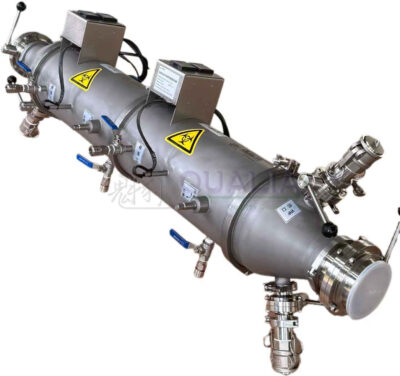
Filtre bag-in/bag-out Les changements de filtres, les remplacements de ports de gants et les inspections des gants intérieurs constituent les tâches de maintenance les plus fréquentes dans l’exploitation des isolateurs OEB4/OEB5, et ce sont celles qui sont le plus susceptibles d’être transmises lors d’un changement d’équipe sans que des procédures de confinement aient été documentées. Le risque n’est pas théorique : un changement de filtre effectué sans méthode de confinement définie sur un système OEB5 crée une voie d’exposition incontrôlée aux particules classées dans la catégorie la plus dangereuse. Il ne s’agit pas d’une lacune documentaire pouvant être comblée, mais d’un événement d’exposition potentiellement grave.
La crédibilité des procédures de maintenance dépend de leur lien avec les méthodes de confinement définies pour chaque tâche spécifique. Une procédure opérationnelle standard (SOP) générique qui décrit les étapes de remplacement des filtres sans préciser la configuration du système d’aspiration local, le cycle de décontamination au VHP préalable au remplacement, ni le niveau d’EPI requis pour les conditions OEB5 ne constitue pas une procédure de confinement. Elle constitue une description d’étapes mécaniques qui peuvent ou non se dérouler au sein d’un environnement contrôlé. Cette distinction est importante pour la qualification : une procédure qui précise la méthode de confinement, la séquence de décontamination et la classification des EPI peut être validée ; une procédure qui omet ces éléments ne peut pas l’être.
Une procédure opérationnelle standard (SOP) de maintenance ne prévoyant pas de méthode de confinement définie ne constitue pas une procédure maîtrisée pour les opérations de niveau OEB4/OEB5.
Les procédures de changement de gants présentent une complexité supplémentaire. L'intégrité du confinement du port à gants lors d'un remplacement ne découle pas intrinsèquement de la conception du gant : elle dépend de la séquence de remplacement spécifique, de l'état de la pression dans l'isolateur au moment du changement, et de la présence ou non d'une étape de décontamination avant l'accès. Il s'agit là de contrôles opérationnels propres à chaque site, découlant de la conception de l'équipement et de l'évaluation des risques liés au composé manipulé. Ils ne doivent pas être déduits d'une fiche d'instructions générique fournie par le fournisseur. Lorsque le Guide de l'ISPE sur le confinement Utilisée comme référence de processus pour définir les mesures de contrôle de maintenance dans les systèmes confinés, elle offre un cadre utile pour le choix des mesures de contrôle ; toutefois, la procédure spécifique doit être validée au regard de la configuration réelle de l'équipement et du profil de risque global.
L'examen de passation de service doit permettre de vérifier que chaque tâche d'entretien des filtres et des gants fait l'objet d'une procédure documentée précisant : l'état de confinement requis avant le début de la tâche, les étapes de décontamination nécessaires, le niveau d'EPI requis, ainsi que l'étape de contrôle ou de vérification permettant de s'assurer que le confinement a été maintenu après l'achèvement de la tâche. Si une tâche ne respecte pas cette structure, il s'agit d'un point en suspens et non d'une lacune mineure.
Responsabilité du fournisseur ou du site en matière de surveillance
La source d'ambiguïté la plus récurrente en matière de transfert dans les projets OEB4/OEB5 réside dans la frontière entre ce qui a été vérifié par le fournisseur et ce que le site doit établir de manière indépendante. Il s'agit là de deux choses distinctes, et le fait de considérer les données FAT/SAT comme un substitut aux programmes de surveillance du site engendre des lacunes en matière de responsabilité qui apparaissent lors des inspections réglementaires ou à la suite d'incidents d'exposition survenant après le transfert.
La mise en œuvre des tests FAT et SAT constitue une étape de vérification collaborative. Le fournisseur fournit les protocoles et réalise les essais, tandis que le service d’assurance qualité du site assiste aux opérations, examine les données et valide la réception. Les tests FAT/SAT ne constituent toutefois pas un programme de surveillance du site : ils ne définissent pas les seuils d’alerte, les fréquences d’échantillonnage ni les procédures d’intervention requises pour l’exploitation courante. L’annexe 1 des BPF de l’UE (2022) exige que les technologies de barrière et les systèmes de surveillance environnementale soient intégrés dès les phases initiales de conception — ce qui signifie que le fournisseur doit intégrer ces fonctionnalités dans l’équipement — mais cette exigence ne délègue pas au fournisseur l’obligation qui incombe au site de définir les emplacements d’échantillonnage, les seuils d’alerte et les calendriers de surveillance.
| Suivi de l'activité | Responsabilité des fournisseurs | Responsabilité relative au site |
|---|---|---|
| Exécution FAT/SAT | Fournit les protocoles et réalise les essais en présence du service d'assurance qualité | L'équipe d'assurance qualité vérifie, examine les données et valide la réception |
| Conception d'un système de surveillance environnementale | Intègre des technologies de barrière et un système de surveillance conformément à l'URS (annexe 1 des BPF de l'UE) | Définit les points de prélèvement, les seuils d'alerte et les calendriers de surveillance régulière |
| Surveillance de l'exposition des opérateurs | N'entre généralement pas dans le champ d'application du fournisseur | Le service de santé au travail du site définit le plan de surveillance, la fréquence des contrôles et les modalités de tenue des registres |
| Vérification du nettoyage | Peut fournir une assistance pour la validation des procédures de nettoyage des surfaces des équipements | Le site valide les procédures de nettoyage des surfaces en contact avec les produits et des résidus |
La lacune qui échappe le plus souvent à l'examen de passation de pouvoir est surveillance de l'exposition des opérateurs. Le champ d’intervention du fournisseur s’arrête généralement à la vérification des performances des équipements ; la surveillance de la santé au travail — fréquence, méthode, choix des biomarqueurs et tenue des registres — relève de la responsabilité du site et doit être mise en place avant le début de l’utilisation courante. À l’OEB5, où les niveaux d’exposition professionnelle se situent à l’échelle du sous-microgramme, l’absence de plan de surveillance défini ne constitue pas une simple lacune administrative. Il s’agit d’une faille dans la structure de contrôle fondamentale que le site présente comme régissant le risque pour les opérateurs.
La conception d'un système de surveillance environnementale relevant de la responsabilité du fournisseur ne dispense pas le site de son obligation de définir des seuils d'alerte et des calendriers de surveillance.
Les sites doivent utiliser la signature du protocole FAT/SAT comme moment pour confirmer par écrit quelles responsabilités en matière de surveillance leur sont transférées et quels engagements de soutien continu de la part du fournisseur — étalonnage, recertification des performances, mises à jour logicielles des systèmes de surveillance — sont définis contractuellement. Le moment de la passation de pouvoir n’est pas le moment de découvrir qu’un accord a été supposé plutôt que spécifié.
Points à vérifier en matière de sécurité, de santé et d'environnement (EHS) et d'assurance qualité (QA) avant la mise en service courante
La phase de validation préalable à la mise en service par les services EHS et Assurance Qualité s’avère particulièrement utile lorsqu’elle est considérée comme un examen parallèle, et non comme une validation séquentielle. Si les services EHS et Assurance Qualité examinent séparément et de manière séquentielle les méthodes de confinement, les registres de nettoyage, les procédures de maintenance et la documentation de qualification, le processus de validation s’allonge et le risque d’interprétations contradictoires augmente. L’approche la plus efficace consiste en une validation conjointe, dans laquelle chaque élément fait l’objet d’un responsable désigné et d’un statut d’achèvement avant que l’utilisation courante ne soit autorisée.
IQ/OQ/PQ exhaustivité de la documentation constitue le fondement structurel. Des modèles approuvés, des écarts clôturés et des mesures CAPA vérifiées pour tout échec de qualification constituent le minimum requis pour affirmer que l’équipement est adapté à l’usage prévu dans les conditions OEB4/OEB5. Cependant, le caractère exhaustif de la qualification ne garantit pas le maintien du confinement tout au long de l’exploitation courante si la procédure opérationnelle standard (SOP) de contrôle des modifications n’est pas définie ou n’a pas été testée. Un processus de contrôle des modifications non remis en question constitue une vulnérabilité : une modification future d’un raccord d’évacuation, des spécifications d’un filtre ou du matériau des gants pourrait dégrader les performances de la barrière sans déclencher d’évaluation de l’impact sur le confinement.
| Point d'analyse | Ce qu'il faut confirmer | Pourquoi c'est important |
|---|---|---|
| Exhaustivité de la documentation relative aux procédures IQ, OQ et PQ | Modèles approuvés, tous les écarts résolus | Vérifie que l'équipement est adapté à l'usage prévu dans les conditions OEB4/OEB5 |
| Procédures de gestion des écarts | Les écarts constatés lors des projets antérieurs ont été examinés et les mesures correctives et préventives (CAPA) ont été vérifiées | Empêche la répétition de défaillances susceptibles d'entraîner une rupture du confinement |
| Procédures opérationnelles standard relatives au contrôle des modifications | Procédure opérationnelle standard (SOP) mise en place, accompagnée d'une évaluation de l'impact des mesures de confinement | Des modifications non approuvées pourraient nuire à l'efficacité de la barrière. |
| Méthode de gestion pour chaque tâche courante | Méthode définie (par exemple, transfert en circuit fermé, aspiration locale) pour chaque étape de production | Évite toute exposition imprévue de l'opérateur pendant le fonctionnement normal |
| Responsable désigné pour chaque tâche de maintenance | Personne ou service désigné(e) | Garantit que les changements de filtres, de gants et de sacs s'effectuent dans le respect des mesures de confinement validées |
Les deux points de contrôle les plus susceptibles, dans la pratique, de bloquer l’approbation du transfert sont la définition de la méthode de confinement pour chaque tâche de routine et la désignation d’un responsable pour chaque activité de maintenance. Ces deux éléments sont distincts de la documentation de qualification : une qualification opérationnelle (OQ) validée n’indique pas qui changera le filtre mardi prochain ni ne confirme que la procédure suivie a été vérifiée au regard de la classification OEB du composé. C’est précisément cette lacune qui est à l’origine des incidents d’exposition répétée.
Pour chaque étape de production courante et chaque tâche de maintenance, les services d’assurance qualité (QA) et d’environnement, santé et sécurité (EHS) doivent vérifier, avant validation, que : la méthode de confinement est précisée, la personne ou le service responsable est désigné, et le dossier de formation de cette personne couvre la procédure spécifique. Si l’un de ces trois éléments fait défaut, la tâche n’est pas autorisée pour une utilisation courante, quel que soit le statut de qualification de l’équipement.
Bloc de transfert pour un périmètre de maintenance non défini
Si des tâches de maintenance sont soumises au processus de transfert sans que des méthodes de confinement aient été définies, l'autorisation d'utilisation courante ne relève pas d'une décision de gestion des risques, mais d'une décision d'exposition prise en l'absence de modèle d'exposition. Le blocage du transfert lié à l'absence de définition des mesures de confinement pour la maintenance doit être considéré comme une condition impérative, et non comme une condition administrative négociable.
Le mode de défaillance que cette barrière est censée prévenir est prévisible et bien documenté dans les opérations à haut niveau de confinement : le personnel de maintenance procède au remplacement des filtres ou au retrait des sacs selon des contrôles informels mis en place au moment de la tâche, sans se référer à des procédures validées, car aucune procédure validée n’existe. Pour les composés OEB5, cette pratique informelle peut entraîner des expositions dépassant de plusieurs ordres de grandeur la fourchette d’exposition professionnelle, sans qu’aucun mécanisme de détection ne soit en place, car le programme de surveillance des opérateurs n’a jamais été mené à bien non plus. Ces deux lacunes ont été introduites dans l’exploitation lors du transfert de responsabilité, et aucune n’apparaissait dans les données de qualification de l’équipement.
Une zone de confinement de maintenance non définie ne constitue pas une tâche en suspens : il s'agit d'une condition préalable à un événement d'exposition prévisible.
La documentation requise pour franchir cette étape est précise : une procédure écrite pour chaque tâche de maintenance impliquant l’accès à l’enveloppe de confinement primaire ou une intervention sur celle-ci, une méthode de confinement validée pour chaque procédure, une séquence de décontamination, les spécifications relatives aux EPI, ainsi qu’un registre de formation attestant que le personnel chargé d’effectuer la tâche a été formé conformément à la procédure finalisée. Une solution technique — telle qu’un boîtier de filtre intégré de type « bag-in/bag-out » ou un système de revêtement continu pour l’évacuation des déchets — peut simplifier cette exigence documentaire, mais elle ne la supprime pas. Le dispositif de contrôle technique doit tout de même être décrit, validé et intégré dans une procédure avant que la passation de pouvoir ne soit effective.
Le fait de contourner cette étape pour respecter une échéance de mise en service du site transfère la responsabilité du fournisseur au site sans pour autant transférer le contrôle. Le gain de temps à court terme est systématiquement contrebalancé par les coûts réglementaires et opérationnels liés à un incident d'exposition, à l'enquête EHS qui s'ensuit et à la réécriture des procédures de maintenance effectuée sous la pression des autorités de contrôle plutôt que dans le cadre d'un contrôle qualité.
Le critère central pour la validation des systèmes d’isolateurs OEB4/OEB5 consiste à déterminer si chaque tâche du cycle de vie opérationnel de l’équipement — y compris la maintenance de routine — dispose d’un parcours de confinement vérifié et d’un responsable désigné. Les preuves de performance en matière de confinement, les registres de nettoyage et la documentation de qualification sont tous nécessaires, mais ne suffisent pas à eux seuls. C’est l’exhaustivité de l’ensemble de ces éléments qui détermine si l’utilisation de routine peut être autorisée sans risque d’exposition résiduel.
Avant d’approuver la passation, vérifiez que la méthode de confinement est documentée pour chaque changement de filtre, remplacement de gants, retrait de sacs et opération de nettoyage post-campagne ; que la délimitation des responsabilités entre le périmètre de surveillance du fournisseur et les obligations de surveillance du site est consignée dans le procès-verbal de passation ; et que les services EHS et Assurance Qualité ont examiné chaque tâche de maintenance en tant qu’événement d’exposition, et non simplement comme une procédure mécanique. Si l’un de ces éléments est incomplet, consignez-le comme point en suspens avec une date de clôture définie et un responsable désigné — ne le reportez pas à une action postérieure à la remise, sauf si la tâche en question se situe véritablement en dehors du cadre de l’exploitation initiale.
Questions fréquemment posées
Q : Notre site ne dispose pas d'une équipe dédiée à l'EHS. Le service Assurance Qualité peut-il se charger seul de l'examen de transfert, ou le référentiel exige-t-il la présence des deux fonctions ?
R : Le service d’assurance qualité peut diriger l’examen, mais l’aspect sécurité lié aux mesures de contrôle de l’exposition ne doit pas être négligé ; si l’entreprise ne dispose pas d’une expertise interne en matière d’environnement, de santé et de sécurité, il convient de faire appel à un spécialiste externe en hygiène du travail afin de vérifier que chaque tâche de maintenance précise une méthode de confinement et les EPI appropriés avant validation. L’efficacité de cette mesure de protection dépend de cette expertise, et non de la simple présence d’un service dédié.
Q : Une fois que toutes les données relatives au confinement, les registres de nettoyage et les procédures de maintenance ont été rassemblés, quelle est la toute première étape de production avant le traitement d'un composé OEB5 ?
R : Réaliser un lot de simulation à grande échelle (placebo ou substitut) dans des conditions d'exploitation courantes, avec une surveillance en temps réel de l'environnement et un échantillonnage par l'opérateur, afin de vérifier que les procédures documentées et les systèmes de confinement fonctionnent comme prévu lors de tâches réelles. La production réelle d'OEB5 ne doit être autorisée qu'une fois que cette simulation répond aux critères d'acceptation prédéfinis.
Q : Si notre isolateur ne traite que des composés OEB4, pouvons-nous alléger les exigences en matière de documentation relatives au confinement de maintenance, ou la même norme s'applique-t-elle ?
R : L'obligation de disposer d'une méthode de confinement définie pour chaque tâche de maintenance reste en vigueur, mais les seuils de preuve — tels que les limites d'acceptabilité du temps de récupération ou les catégories d'EPI — peuvent être adaptés en fonction du risque d'exposition réduit. Une évaluation des risques spécifique au composé doit indiquer dans quels cas des étapes de vérification simplifiées sont autorisées ; la liste des tâches elle-même doit rester exhaustive.
Q : L'article fait référence à la fois aux recommandations de l'ISPE SMEPAC et à celles du NIOSH. Comment ces deux cadres s'articulent-ils lors de la réception-remise dans le cadre de l'OEB5 ?
R : Les limites d'exposition professionnelle (LEP) établies par le NIOSH définissent l'objectif de performance en matière de santé que le système de confinement doit atteindre, tandis que le SMEPAC de l'ISPE fournit la méthodologie d'essai permettant de vérifier si cet objectif est atteint. La validation du système repose sur des données d'essai conformes au SMEPAC, évaluées au regard des critères du NIOSH ou de LEP équivalentes : il s'agit de références complémentaires, et non interchangeables.
Q : Est-il vraiment justifié de repousser une fenêtre de lancement afin de finaliser toute la documentation relative au confinement de maintenance avant la remise, alors que les données de qualification des équipements ont déjà été approuvées ?
R : Oui, car un retard délibéré dans le calendrier constitue un risque commercial gérable, tandis que le lancement de la production de l’OEB5 avec une tâche de maintenance non documentée comporte le risque d’un incident non maîtrisé susceptible d’entraîner une suspension réglementaire, des enquêtes sur la sécurité des travailleurs et des coûts de remise en conformité plus élevés que ceux liés au non-respect de la fenêtre de lancement. Le sacrifice à court terme du calendrier garantit la sécurité opérationnelle et la conformité à long terme.