
Comprendre les systèmes de confinement dans la fabrication de produits pharmaceutiques
Le paysage de la fabrication pharmaceutique a évolué de manière spectaculaire au cours des dernières décennies, sous l'effet d'exigences réglementaires de plus en plus strictes et de la complexité croissante des produits thérapeutiques. Au cœur de cette évolution se trouve le développement de systèmes de confinement sophistiqués conçus pour protéger à la fois les produits et les opérateurs.
Les systèmes de confinement représentent l'interface critique entre les environnements de fabrication propres et les opérateurs qui exécutent les processus de production. Ces systèmes ont une double fonction : empêcher la contamination des produits stériles tout en protégeant le personnel contre l'exposition à des substances dangereuses. Les enjeux sont exceptionnellement élevés - les produits contaminés peuvent mettre en danger les patients, tandis qu'une protection inadéquate des opérateurs entraîne des risques importants pour la santé au travail.
Le passage des salles blanches de base aux systèmes de barrière avancés d'aujourd'hui reflète un changement fondamental dans notre compréhension du contrôle de la contamination. Les premières approches reposaient essentiellement sur des contrôles procéduraux et des équipements de protection individuelle. Les systèmes actuels intègrent des solutions techniques qui séparent physiquement les opérateurs des processus critiques, créant ainsi des frontières définies entre les différentes zones à risque de contamination.
Cette évolution ne s'est pas produite isolément. Les organismes de réglementation du monde entier ont progressivement relevé les normes relatives au traitement aseptique, les directives de la FDA, de l'EMA et du PIC/S soulignant l'importance des technologies de barrière avancées. La directive de 2004 de la FDA sur le traitement aseptique a marqué un tournant particulier, en soulignant que les systèmes de barrière sont un moyen de "limiter ou d'empêcher la contamination par le milieu environnant".
Ce qui est particulièrement intéressant, c'est la façon dont l'adoption par l'industrie s'est accélérée ces dernières années. Lorsque j'ai visité plusieurs installations pharmaceutiques européennes l'année dernière, j'ai remarqué une tendance claire : les fabricants considèrent de plus en plus le confinement avancé non pas comme un fardeau réglementaire, mais comme un avantage opérationnel. Un responsable de production m'a dit : "Nous avons d'abord mis en place notre système de barrière pour répondre aux attentes réglementaires, mais la réduction des lots rejetés a en fait fait de cette décision une décision rentable."
Cela nous amène à la question centrale à laquelle de nombreux fabricants sont confrontés : quelle technologie de confinement répond le mieux à leurs besoins spécifiques ? Le choix se réduit généralement à deux options prédominantes : les systèmes de barrières fermées à accès restreint (cRABS) et les isolateurs. Chacune représente un point différent sur le spectre de la philosophie du contrôle de la contamination, avec des implications distinctes pour la conception des installations, les procédures opérationnelles et les exigences de validation.
cRABS : Explication des systèmes de barrières fermées à accès réglementé
Les systèmes de barrières fermées à accès restreint (cRABS) représentent une évolution sophistiquée dans la technologie du confinement pharmaceutique, occupant une position intermédiaire entre les RABS ouverts traditionnels et les systèmes d'isolation complète. Ce qui distingue les cRABS, c'est leur approche visant à maintenir une séparation entre l'opérateur et les zones de traitement critiques, tout en offrant un équilibre pratique entre les performances de confinement et la flexibilité opérationnelle.
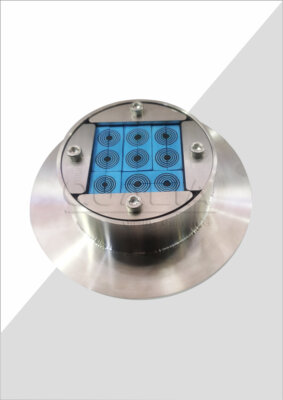
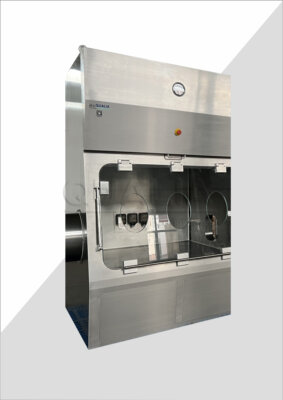
À la base, un cRABS consiste en une barrière physique - typiquement des panneaux rigides transparents - entourant la zone de traitement critique, avec des ports de gants qui permettent aux opérateurs de manipuler l'équipement et les matériaux à l'intérieur de l'enceinte. Contrairement aux RABS ouverts, les cRABS restent fermés pendant les opérations, les transferts de matériaux s'effectuant par des ports de transfert spécialisés ou des ports de transfert rapide (RTP) qui préservent l'intégrité de la barrière.
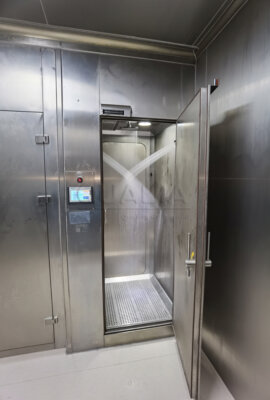
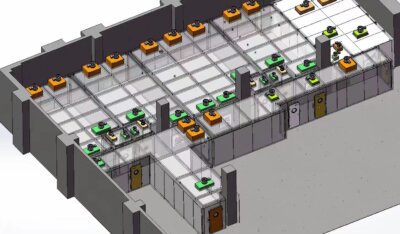
Le la technologie avancée cRABS de QUALIA comporte plusieurs éléments clés qui définissent sa fonctionnalité. Les barrières elles-mêmes sont fabriquées à partir de matériaux sélectionnés pour leur durabilité, leur facilité de nettoyage et leur résistance aux agents d'assainissement courants. Les ports de gants intègrent des mécanismes d'étanchéité spécialisés pour éviter les fuites à l'interface, tandis que les ports de transfert de matériaux utilisent des conceptions sophistiquées pour maintenir le confinement pendant les mouvements de matériaux.
Ce qui est particulièrement remarquable dans les mises en œuvre modernes du cRABS, c'est leur intégration dans les salles blanches environnantes. Plutôt que de fonctionner comme des unités autonomes, ils travaillent de concert avec l'environnement contrôlé, fonctionnant généralement dans des environnements ISO 7 (classe 10 000) ou ISO 8 (classe 100 000). Cette intégration crée une approche complémentaire du contrôle de la contamination : la salle blanche constitue la première couche de protection, tandis que le cRABS établit une barrière microbiologique plus stricte autour des processus critiques.
D'un point de vue opérationnel, le cRABS offre des possibilités distinctes en matière de flux de travail. Le système fonctionne sous pression positive par rapport à l'environnement, créant un flux d'air vers l'extérieur qui aide à prévenir l'entrée de contaminants. Le flux d'air unidirectionnel filtré HEPA à l'intérieur de l'enceinte crée un environnement propre pour les opérations aseptiques. L'accès à l'intérieur se fait exclusivement par les ports de gants pendant la production, l'ouverture des portes étant limitée au début et à la fin des opérations de lot ou aux interventions majeures.
Des innovations récentes ont considérablement amélioré les capacités de cRABS. Les conceptions modulaires permettent désormais des configurations plus souples, adaptées à des processus de fabrication spécifiques. Des systèmes de surveillance avancés permettent de vérifier en permanence les paramètres critiques tels que les différentiels de pression, le nombre de particules et les schémas de circulation de l'air. Certains fabricants ont introduit des cycles de décontamination automatisés utilisant de la vapeur de peroxyde d'hydrogène (HPV) ou d'autres agents sporicides pour stériliser les surfaces entre les cycles de production.
Lors d'une récente visite des installations, j'ai observé une installation cRABS qui m'a particulièrement impressionné par son intégration réfléchie de l'ergonomie pour l'opérateur. Le positionnement du port de gants avait été soigneusement optimisé sur la base d'études de mouvement afin de réduire la fatigue de l'opérateur pendant les cycles de production prolongés. Le superviseur de la production a mentionné que cette considération de conception apparemment mineure avait amélioré de manière mesurable la satisfaction de l'opérateur et l'efficacité de la production.
L'évolution vers des systèmes de contrôle intégrés représente une autre avancée significative. Les cRABS modernes intègrent désormais des interfaces HMI sophistiquées qui fournissent aux opérateurs un retour d'information en temps réel sur les paramètres critiques et les alertent en cas d'excursions potentielles. Cette meilleure visibilité des performances du système permet de prendre des décisions plus efficaces et de réagir plus rapidement aux anomalies.
Isolateurs : Solutions complètes de confinement
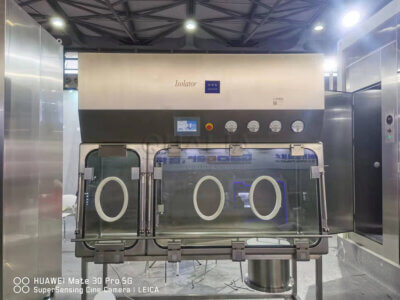
Les isolateurs représentent l'étalon-or de la technologie de confinement pharmaceutique, offrant le plus haut niveau de séparation entre l'environnement de fabrication et les contaminants externes et les opérateurs. Contrairement aux cRABS, les isolateurs créent un environnement microbien véritablement autonome qui fonctionne indépendamment de la classification de la pièce environnante.
Le principe fondamental des isolateurs est une séparation environnementale complète maintenue par une enceinte étanche fonctionnant sous une pression contrôlée. Cette enceinte est généralement constituée de parois rigides dotées de ports de gants, de chambres de transfert et de systèmes spécialisés de passage des matériaux. Ce qui distingue les isolateurs des cRABS, c'est leur capacité à maintenir cet environnement scellé pendant toutes les opérations, y compris les transferts de matériaux et les interventions.
Les isolateurs pharmaceutiques modernes se présentent sous différentes configurations adaptées à des applications spécifiques. Les isolateurs à pression positive protègent les produits stériles de la contamination et sont courants dans le traitement aseptique. Les isolateurs à pression négative, à l'inverse, contiennent des matières dangereuses pour protéger les opérateurs et sont fréquemment utilisés dans la manipulation de composés toxiques. Les postes de sécurité biologique représentent une forme spécialisée de technologie d'isolation conçue spécifiquement pour la manipulation de matériaux pathogènes.
Le flux de travail opérationnel des systèmes d'isolateurs suit des phases distinctes. Avant le début de la production, l'isolateur subit un cycle de décontamination complet, généralement à l'aide de peroxyde d'hydrogène vaporisé (VHP) ou d'autres méthodes de stérilisation validées. Cette étape critique permet d'obtenir un environnement intérieur stérile avec une réduction de 6 logs de la contamination microbienne. Les matériaux entrant dans l'isolateur passent par des chambres de transfert spécialisées qui maintiennent l'intégrité de la barrière tout en subissant leur propre processus de décontamination.
La complexité de la validation de ces processus de décontamination constitue un défi particulier dans la mise en œuvre des isolateurs. Lors d'une récente consultation, j'ai travaillé avec un fabricant qui se débattait avec une distribution cohérente de VHP dans l'ensemble de son isolateur. La solution a finalement nécessité une modélisation informatique de la dynamique des fluides pour identifier les points morts et optimiser le positionnement des buses de distribution de vapeur - un exemple intéressant de la façon dont les approches d'ingénierie avancées deviennent nécessaires pour une mise en œuvre efficace de l'isolateur.
Les progrès techniques ont considérablement amélioré les capacités des isolateurs au cours des dernières années. La mise au point de cycles de gazage et de dégazage rapides a permis de réduire les délais d'exécution entre les cycles de production. Des systèmes intégrés de surveillance de l'environnement permettent de vérifier en permanence les paramètres critiques. Les technologies avancées en matière de gants et de manchons ont amélioré la durabilité tout en maintenant les performances ergonomiques, répondant ainsi aux préoccupations historiques concernant le confort de l'opérateur lors d'opérations prolongées.
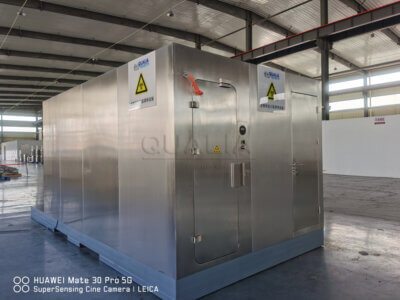
Le Systèmes complets d'isolateurs Les isolateurs disponibles aujourd'hui intègrent souvent des fonctions d'automatisation sophistiquées qui minimisent le besoin d'interventions manuelles. Les lignes automatisées de remplissage et de finition, les systèmes de manutention et même les manipulateurs robotiques peuvent fonctionner dans l'environnement de l'isolateur, ce qui réduit encore les risques de contamination associés aux opérateurs humains.
Les exigences en matière de maintenance constituent un aspect important de la technologie des isolateurs. Les gants et les manchons doivent faire l'objet de tests d'intégrité réguliers afin de détecter d'éventuelles failles. Les filtres HEPA doivent être recertifiés périodiquement. Les générateurs de vapeur et les systèmes de distribution nécessitent des programmes d'entretien préventif. Ces exigences permanentes contribuent au coût total de possession, mais sont essentielles au maintien de l'état validé du système.
Un directeur de production pharmaceutique avec lequel je me suis entretenu a souligné un aspect souvent négligé de la mise en œuvre des isolateurs : "La partie la plus difficile n'était pas la technologie elle-même, mais plutôt l'adaptation de l'ensemble de notre mentalité opérationnelle aux différentes exigences en matière de flux de travail. Tout, de la préparation des matériaux à la gestion de la documentation, a dû être reconsidéré".
Comparaison tête-à-tête : cRABS vs. isolateurs
Lors de l'évaluation des options de confinement pour la fabrication de produits pharmaceutiques, le choix entre les cRABS et les isolateurs apparaît souvent comme le point de décision central. Les deux technologies offrent des avantages significatifs par rapport aux salles blanches conventionnelles, mais elles diffèrent considérablement dans des domaines de performance clés qui ont un impact direct sur la faisabilité de la mise en œuvre, l'efficacité opérationnelle et les coûts à long terme.
Les performances en matière de confinement constituent la différence la plus fondamentale entre ces technologies. Les isolateurs offrent le niveau de confinement le plus élevé, permettant d'atteindre les conditions ISO 5 (classe 100) dans des environnements qui peuvent être stérilisés entre les campagnes de production. La fermeture hermétique et les capacités de décontamination créent un espace microbiologiquement contrôlé avec des risques de contamination de plusieurs ordres de grandeur inférieurs à ceux des salles blanches conventionnelles. En comparaison, les systèmes cRABS atteignent généralement des conditions ISO 5 similaires pendant le fonctionnement, mais s'appuient davantage sur des techniques aseptiques pendant les activités d'installation et de changement.
Un pharmacien de production d'un fabricant de produits biologiques a fait part d'un point de vue éclairant : "Au départ, nous pensions que les isolateurs seraient la seule option viable pour la manipulation de nos composés très puissants. Cependant, après avoir effectué une évaluation détaillée des risques, nous avons déterminé qu'un cRABS bien conçu avec des contrôles procéduraux appropriés pouvait maintenir des limites d'exposition acceptables pour l'opérateur tout en offrant une plus grande flexibilité opérationnelle."
Les exigences en matière d'installation constituent une autre distinction importante. La mise en place d'un isolateur exige généralement des modifications plus importantes de l'installation, y compris des services spécialisés pour la distribution de la vapeur, des systèmes d'air comprimé et éventuellement un sol renforcé pour supporter les unités plus lourdes. L'installation d'un isolateur solution intégrée cRABS nécessite généralement des changements d'infrastructure moins importants, en particulier lorsqu'il s'agit de moderniser des installations existantes. Cette distinction devient particulièrement importante lorsque l'on travaille avec les contraintes d'installations vieillissantes ou lorsque la production doit se poursuivre dans des zones adjacentes pendant la mise en œuvre.
La charge de validation varie considérablement d'une technologie à l'autre. Les isolateurs nécessitent une validation complète de leurs cycles de décontamination, y compris des études de distribution chimique, des indicateurs biologiques et des activités de développement de cycles. La validation du cRABS se concentre principalement sur les schémas de flux d'air, la numération des particules et la validation du nettoyage, ce qui représente une entreprise moins complexe, mais qui nécessite néanmoins une documentation rigoureuse.
D'un point de vue opérationnel, les différences sont encore plus marquées :
| Fonctionnalité | cRABS | Isolateurs |
|---|---|---|
| Exigences en matière d'environnement de base | Salle blanche ISO 7/8 | Peut fonctionner dans un espace non classifié (bien qu'il soit généralement placé dans la catégorie ISO 8) |
| Temps de changement de lot | 2-4 heures (nettoyage, désinfection) | 4-8 heures (nettoyage, cycle de stérilisation, aération) |
| Réponse à l'intervention | Relativement rapide par les ports de gants | Peut nécessiter des interventions planifiées par le biais de systèmes de transfert sophistiqués |
| Ergonomie de l'opérateur | Généralement bonne avec des ports de gants correctement placés | Peut s'avérer difficile dans le cas d'opérations prolongées en raison des contraintes liées aux barrières rigides. |
| Complexité de la maintenance | Modéré - composants accessibles | Haut - systèmes spécialisés pour la distribution de VHP, le contrôle de la pression |
| Impact sur l'environnement | Réduction de la consommation d'énergie | Empreinte énergétique plus élevée en raison des exigences en matière de traitement de l'air |
Les considérations de coût jouent invariablement un rôle prépondérant dans le choix de la technologie. Les isolateurs nécessitent généralement des investissements en capital 30-50% plus élevés que les implémentations cRABS comparables. Toutefois, ce coût initial plus élevé doit être mis en balance avec les avantages opérationnels potentiels, notamment la réduction des classifications de fond des salles blanches et les économies d'énergie qui en découlent. L'analyse du coût total de possession doit intégrer les coûts de validation, les exigences de maintenance, la consommation d'énergie et l'impact potentiel sur l'efficacité de la production.
Il est intéressant de noter que les implications en termes de débit de production ne sont pas toujours évidentes. Alors que les isolateurs nécessitent généralement des temps de changement plus longs entre les lots, leurs performances supérieures en matière de contrôle de la contamination peuvent réduire de manière significative les enquêtes et les rejets de lots. Lors d'une récente conférence pharmaceutique, un directeur de production a présenté des données montrant que la mise en place d'un isolateur avait permis de réduire les investigations liées à la contamination de 78% par rapport à la salle blanche conventionnelle précédente, améliorant ainsi le rendement annuel malgré des temps d'installation plus longs.
Les autorités réglementaires voient généralement les deux technologies d'un bon œil, bien que les isolateurs soient souvent perçus comme offrant une meilleure garantie de stérilité pour les applications les plus critiques. Cela dit, le choix de la technologie doit se fonder sur une évaluation approfondie des risques tenant compte des caractéristiques du produit, des exigences du processus et des contraintes de l'installation, plutôt que sur des hypothèses concernant les préférences des autorités réglementaires.
Une comparaison technique de paramètres spécifiques met en évidence les différences opérationnelles entre ces systèmes :
| Paramètres | cRABS Performance | Performance de l'isolateur | Implications pratiques |
|---|---|---|---|
| Taux de renouvellement d'air typiques | 60-100 ACH | 20-60 ACH | Des besoins énergétiques plus élevés pour le cRABS |
| Approche de la décontamination | Assainissement manuel à l'aide de sporicides | Cycle VHP automatisé avec létalité validée | Changement plus long pour les isolateurs mais meilleure garantie de stérilité |
| Pression différentielle (typique) | +15 à +30 Pa au-dessus de l'environnement | +45 à +60 Pa au-dessus de l'environnement (isolateurs à pression positive) | Un différentiel plus élevé pose de plus grands défis en matière de contrôle |
| Atténuation des risques de violation des gants | Le port de la blouse en salle blanche assure une protection secondaire | Nécessite des protocoles sophistiqués de surveillance et de réaction rapide | Différentes approches de gestion des risques |
| Transfert de matériel | Passage avec désinfection | Systèmes de transfert de stérilisation VHP/H₂O₂ | Implications significatives sur le flux de travail |
Applications industrielles et cas d'utilisation
La mise en œuvre de technologies de confinement avancées varie considérablement d'un scénario de fabrication pharmaceutique à l'autre, les caractéristiques spécifiques du produit et les exigences du processus dictant souvent l'approche optimale. Cette diversité d'application est une chose que j'ai observée de première main en consultant des fabricants de diverses catégories de produits.
Les produits injectables stériles représentent peut-être l'application la plus exigeante en matière de systèmes de confinement. Pour les produits injectables traditionnels à petites molécules, les cRABS et les isolateurs constituent tous deux des solutions viables, la décision dépendant souvent de la taille des lots et de la fréquence des changements. Les fabricants de produits parentéraux à grand volume privilégient généralement les cRABS et les isolateurs. des systèmes de confinement avancés comme le cRABS en raison de leur capacité à s'adapter aux dimensions physiques de l'équipement de remplissage tout en maintenant les conditions d'asepsie nécessaires. Les produits injectables de faible volume et à forte puissance utilisent plus fréquemment la technologie des isolateurs, en particulier lorsque la protection de l'opérateur est une préoccupation importante.
La fabrication de produits biologiques présente des défis uniques en raison de la sensibilité inhérente de ces produits aux conditions environnementales et aux contraintes de traitement. Lors d'un récent projet de conception d'installations pour un fabricant d'anticorps monoclonaux, nous avons noté que leur préférence pour la technologie cRABS provenait principalement de préoccupations concernant l'exposition des produits aux résidus de peroxyde d'hydrogène dans les isolateurs, qui avaient montré des impacts potentiels sur la stabilité des produits dans leurs études préliminaires.
Les installations de production de vaccins sont confrontées à des décisions particulièrement complexes en matière de technologie de confinement. La combinaison de volumes de production élevés, d'exigences strictes en matière de stérilité et d'équipements de remplissage souvent spécialisés crée un ensemble de contraintes difficiles. Un fabricant de vaccins avec lequel j'ai travaillé a finalement mis en œuvre une approche hybride - en utilisant des isolateurs pour les étapes de remplissage aseptique les plus critiques tout en employant des cRABS pour les opérations d'inspection et d'emballage.
La fabrication de thérapies cellulaires et géniques est un domaine d'application émergent qui présente des exigences particulières. La petite taille des lots et la nature personnalisée de ces thérapies favorisent souvent la flexibilité des implémentations cRABS, bien que les inquiétudes concernant la contamination croisée entre les matériaux des patients poussent parfois les fabricants à recourir à la technologie de l'isolateur comme mesure de protection supplémentaire.
Une étude de cas particulièrement instructive est celle d'un fabricant de produits pharmaceutiques de taille moyenne qui est récemment passé d'une salle blanche conventionnelle à un système de confinement avancé. Il avait initialement prévu de mettre en place des isolateurs pour l'ensemble de ses opérations de remplissage, mais il s'est heurté à d'importantes contraintes d'espace dans ses installations existantes. Après avoir procédé à une évaluation complète des risques, ils ont mis en œuvre une approche progressive - en utilisant des isolateurs pour leurs produits stériles les plus critiques tout en déployant la technologie cRABS pour les produits dont les exigences sont moins strictes. Cette solution pragmatique leur a permis d'améliorer leur stratégie de contrôle de la contamination dans leur espace existant tout en allouant leur investissement en capital de manière stratégique.
Le processus de sélection implique généralement une évaluation systématique des exigences en matière de produits et de processus :
| Caractéristiques du produit/processus | Recommandation type | Raison d'être |
|---|---|---|
| Composés à haute puissance (VLEP <1 μg/m³) | Isolateurs (pression négative) | Protection supérieure de l'opérateur grâce à un confinement complet et à un traitement de l'air contrôlé |
| Produits biologiques sensibles aux agents oxydants | cRABS | Évite la dégradation potentielle du produit par les résidus de VHP |
| Volumes de production importants avec changements fréquents | cRABS | Des temps de préparation et de changement plus rapides permettent de maintenir l'efficacité de la production. |
| Petits lots de produits de grande valeur | Isolateurs | L'assurance d'une meilleure stérilité justifie des temps de changement plus longs |
| Opérations sur les seringues pré-remplies | L'un ou l'autre, en fonction du volume (isolateurs pour les petits formats) | Exigences de protection spécifiques au format |
| Opérations comportant de nombreuses interventions manuelles | cRABS | Mieux adapter les interventions fréquentes avec moins de perturbations |
| Installations soumises à des contraintes d'espace | cRABS (empreinte généralement plus petite) | Plus grande adaptabilité aux limites des installations existantes |
La répartition géographique de l'adoption des technologies révèle également des tendances intéressantes. Les fabricants européens ont toujours privilégié la technologie de l'isolateur, influencés par des attentes réglementaires plus agressives en matière de traitement aseptique avancé. Les installations nord-américaines ont plus souvent mis en œuvre le cRABS comme une étape intermédiaire entre les salles blanches conventionnelles et l'isolement complet. Toutefois, cet écart s'est réduit au cours des dernières années, à mesure que l'harmonisation mondiale des attentes a progressé.
Conformité réglementaire et considérations relatives à la validation
Le paysage réglementaire entourant les technologies de confinement pharmaceutique continue d'évoluer, les autorités soulignant de plus en plus l'importance des systèmes de barrière dans le traitement aseptique. Il est essentiel de comprendre ces attentes lors du choix entre les technologies cRABS et les isolateurs, car elles ont un impact direct sur les stratégies de validation et la documentation de conformité.
La directive de la FDA sur le traitement aseptique, bien qu'elle soit aujourd'hui quelque peu dépassée, a établi des principes fondamentaux qui continuent de façonner les attentes en matière de réglementation. Elle reconnaît explicitement que les systèmes de barrière avancés "peuvent être efficaces pour prévenir la contamination et protéger à la fois l'opérateur et l'environnement". Cette reconnaissance s'est transformée en une préférence réglementaire générale pour les solutions techniques par rapport aux contrôles procéduraux - une tendance qui favorise à la fois les cRABS et les isolateurs par rapport aux salles blanches conventionnelles.
Les autorités réglementaires européennes, notamment par le biais des lignes directrices de l'EMA et de l'annexe 1 du guide des BPF de l'UE, ont toujours adopté une approche plus prescriptive. L'annexe 1 révisée, finalisée en 2022, met explicitement l'accent sur les stratégies de contrôle de la contamination et les technologies de barrière. Elle inclut des considérations spécifiques pour les RABS et les isolateurs, notant que "les isolateurs fournissent le niveau d'assurance le plus élevé" mais reconnaissant le rôle des RABS lorsqu'ils sont correctement mis en œuvre et exploités.
Lors d'une récente inspection réglementaire que j'ai observée, l'agence ne s'est pas simplement intéressée à la technologie choisie, mais à la justification de ce choix par le fabricant. L'inspecteur principal a expliqué : "Nous sommes moins préoccupés par le fait que vous ayez choisi des cRABS ou des isolateurs que par le fait que vous puissiez démontrer que votre processus de sélection était fondé sur les risques et prenait en compte tous les facteurs pertinents pour vos produits et processus spécifiques".
Les méthodes de validation diffèrent considérablement d'une technologie à l'autre. La validation des isolateurs est centrée sur la qualification du cycle de décontamination - typiquement un processus de peroxyde d'hydrogène vaporisé. Cela nécessite des études de cartographie complètes pour démontrer une distribution uniforme, des études de condensation pour comprendre les interactions de surface, et des défis d'indicateurs biologiques pour vérifier la létalité. L'effort de validation nécessite généralement une expertise spécialisée et prolonge souvent les délais de plusieurs mois par rapport à la qualification du cRABS.
Pour Mise en œuvre des systèmes cRABSLa validation de l'isolateur, se concentre principalement sur la démonstration du maintien constant des conditions ISO 5, des schémas de flux d'air efficaces et des différentiels de pression appropriés. Bien que moins complexe que la validation des isolateurs, elle nécessite néanmoins une documentation rigoureuse des phases de qualification de la conception, de qualification de l'installation, de qualification opérationnelle et de qualification des performances.
Les deux technologies nécessitent une validation complète du nettoyage pour démontrer l'élimination des résidus de produits et des agents de nettoyage. Cependant, la validation du nettoyage des isolateurs doit également prendre en compte les résidus potentiels des agents de décontamination, en particulier le peroxyde d'hydrogène, qui peut potentiellement interagir avec des composés pharmaceutiques sensibles.
Une approche comparative des exigences de validation illustre les différentes charges réglementaires :
| Élément de validation | Exigences du cRABS | Exigences relatives aux isolateurs |
|---|---|---|
| Classification environnementale | Démonstration ISO 5 à l'intérieur de la barrière ; ISO 7/8 dans les zones environnantes | ISO 5 à l'intérieur de l'isolateur ; classification de la zone environnante basée sur l'évaluation des risques |
| Cycle de décontamination | Non requis en général (assainissement manuel) | Validation complète du cycle automatisé (distribution, pénétration, létalité) |
| Tests d'intégrité | Qualification initiale et contrôle de routine des différentiels de pression | Régimes complets de tests d'étanchéité et de contrôle de la pression |
| Validation du nettoyage | Approche standard pour les résidus de produits | Considérations supplémentaires concernant les résidus d'agents de décontamination |
| Qualification des opérateurs | L'accent est mis sur les techniques d'asepsie et les comportements en salle blanche. | L'accent est davantage mis sur le fonctionnement du système et la réaction aux excursions |
| Exigences en matière de surveillance continue | Comptage de particules, surveillance microbiologique, différentiels de pression | Idem, plus les tests d'intégrité et le contrôle des paramètres du cycle de décontamination |
Les approches d'évaluation des risques devraient guider les stratégies de conformité, quelle que soit la technologie choisie. Un cadre de gestion des risques de qualité (QRM), tel que décrit dans l'ICH Q9, fournit une méthodologie structurée pour évaluer les risques de contamination et déterminer les stratégies de contrôle appropriées. Cette approche est devenue de plus en plus une attente plutôt qu'une simple recommandation de la part des autorités réglementaires.
Les exigences en matière de documentation pour les deux systèmes sont importantes mais diffèrent en termes d'objectifs. La documentation relative à l'isolateur met l'accent sur les rapports de développement du cycle, les études de distribution et la validation de la décontamination. La documentation relative au cRABS est centrée sur les procédures opérationnelles, les données de surveillance de l'environnement et la qualification du personnel. Les deux systèmes nécessitent des systèmes complets de contrôle des modifications afin de maintenir l'état validé tout au long du cycle de vie du système.
Une considération réglementaire souvent négligée concerne l'impact de la technologie de confinement sur la validation des procédés. Les contrôles environnementaux améliorés fournis par les cRABS et les isolateurs peuvent potentiellement simplifier certains aspects de la validation des procédés en réduisant les variables liées à la contamination de l'environnement. Toutefois, cet avantage doit être mis en balance avec la complexité accrue du fonctionnement du système et l'introduction potentielle de nouvelles variables dans le processus.
Tendances futures et avancées technologiques
Le paysage de la technologie du confinement pharmaceutique continue d'évoluer rapidement, sous l'effet des progrès de la science des matériaux, des capacités d'automatisation et de l'évolution des paradigmes de fabrication. Ces développements redessinent les frontières traditionnelles entre les technologies des cRABS et des isolateurs, tout en introduisant de nouvelles possibilités pour les stratégies de contrôle de la contamination.
L'une des tendances émergentes les plus significatives est l'intégration de systèmes robotiques dans des environnements confinés. La robotique avancée est de plus en plus utilisée pour la manutention des matériaux, les opérations d'échantillonnage et même les manipulations complexes traditionnellement effectuées par des opérateurs à travers des ports de gants. Lors d'une récente conférence industrielle, j'ai été particulièrement frappé par une présentation d'une ligne de remplissage et de finition entièrement automatisée fonctionnant dans un environnement confiné et ne nécessitant aucune intervention humaine en fonctionnement normal, éliminant ainsi la principale source de contamination dans le cadre d'un traitement aseptique.
La convergence des technologies de confinement représente un autre développement fascinant. Les distinctions traditionnelles entre les cRABS et les isolateurs s'estompent à mesure que les fabricants introduisent des systèmes hybrides qui intègrent les caractéristiques des deux approches. Ces systèmes combinent souvent la flexibilité opérationnelle du cRABS avec des capacités de décontamination améliorées inspirées de la conception des isolateurs, créant ainsi des solutions intermédiaires qui ne s'intègrent pas parfaitement dans les catégories conventionnelles.
La numérisation et les principes de l'industrie 4.0 transforment le fonctionnement et la surveillance des systèmes de confinement. Les réseaux de capteurs avancés fournissent désormais des données continues et en temps réel sur des paramètres critiques, notamment les différentiels de pression, le nombre de particules, la température et l'humidité. Des algorithmes d'apprentissage automatique analysent ces données pour identifier des modèles et prédire des excursions potentielles avant qu'elles ne se produisent. Lors d'une récente visite d'installation, j'ai observé une mise en œuvre particulièrement impressionnante où le programme de maintenance prédictive du système de confinement avait détecté un problème d'intégrité des gants en cours de développement sur la base de modèles subtils de fluctuation de la pression, bien avant qu'il ne soit détecté par les procédures d'inspection de routine.
L'innovation en matière de matériaux est à l'origine d'améliorations dans ces deux technologies. De nouvelles formulations de polymères pour les gants et les manchons offrent une meilleure sensibilité tactile tout en conservant des propriétés de barrière. Les matériaux composites avancés pour la construction des barrières offrent une meilleure nettoyabilité et une meilleure résistance chimique. Des revêtements spécialisés résistent à l'encrassement biologique et à l'attachement microbien, ce qui peut prolonger l'intervalle entre les cycles de décontamination.
Les considérations de durabilité influencent de plus en plus la sélection et la conception des technologies de confinement. Les cycles traditionnels de décontamination des isolateurs à l'aide de peroxyde d'hydrogène ont fait l'objet d'un examen minutieux en raison de leur impact sur l'environnement et de leur forte consommation d'énergie. Cela a suscité l'intérêt pour des approches alternatives, notamment des convertisseurs catalytiques qui décomposent le peroxyde d'hydrogène en eau et en oxygène, ainsi que des technologies de décontamination entièrement nouvelles basées sur la lumière ultraviolette ou le peroxyde d'hydrogène ionisé, qui nécessitent moins d'énergie et moins de consommables.
Le philosophie de conception innovante de cRABS met de plus en plus l'accent sur la modularité et l'adaptabilité. Les fabricants proposent désormais des systèmes conçus pour être rapidement reconfigurés afin de s'adapter à différents formats de conteneurs, voire à des processus de production entièrement différents. Cette flexibilité est d'autant plus précieuse que la fabrication de produits pharmaceutiques s'oriente vers des lots de plus petite taille et des portefeuilles de produits plus diversifiés.
La science réglementaire continue d'évoluer en ce qui concerne les technologies de confinement. Les initiatives récentes de collaboration entre l'industrie et la réglementation se sont concentrées sur le développement de mesures plus significatives pour évaluer les performances des systèmes de barrières au-delà des approches traditionnelles telles que la classification de l'air et la surveillance de la surface. Parmi les approches prometteuses, citons la détection en temps réel des particules viables, les méthodes d'essai microbiologique rapide et les modèles de prévision des événements de contamination basés sur l'analyse multivariée des données environnementales.
Ce qui est peut-être le plus intrigant, c'est que l'avènement de la fabrication en continu remet fondamentalement en question les approches conventionnelles en matière de contrôle de la contamination. Les stratégies de confinement traditionnelles axées sur les lots doivent être reconceptualisées pour les processus continus où le flux de produits ne s'arrête jamais. Cela a donné lieu à des approches innovantes combinant des éléments de la technologie d'isolation avec des principes de flux continu, créant ainsi de nouvelles solutions qui n'entrent pas dans les catégories traditionnelles de confinement.
Un spécialiste des technologies de production que j'ai récemment interrogé m'a fait part de son point de vue : "Nous ne nous contentons plus de comparer les cRABS et les isolateurs, mais nous posons des questions plus fondamentales sur la nature de l'interface entre les opérateurs, les produits et l'environnement. Les entreprises les plus innovantes repensent le confinement à partir des premiers principes plutôt que d'améliorer progressivement les paradigmes existants".
Cadre décisionnel : Choisir le bon système de confinement
Le choix entre les technologies cRABS et les isolateurs nécessite un processus de décision structuré qui prend en compte de multiples facteurs au-delà des simples comparaisons techniques. Ayant guidé de nombreux fabricants dans ce processus de décision, j'ai constaté qu'un cadre systématique aide les organisations à naviguer dans ce paysage complexe et à parvenir à des solutions qui correspondent vraiment à leurs besoins spécifiques.
Le processus d'évaluation doit commencer par une évaluation complète des caractéristiques du produit et de leurs implications pour les exigences de confinement. Les considérations essentielles comprennent la puissance et la toxicité du produit (affectant les besoins de protection de l'opérateur), la susceptibilité à la contamination (ayant un impact sur les exigences d'assurance de la stérilité), la sensibilité aux agents de décontamination (en particulier pour les produits biologiques et certaines petites molécules), et la taille/fréquence des lots (influençant les implications en termes de temps de changement).
Les contraintes liées aux installations s'avèrent souvent décisives dans le choix de la technologie. Une installation existante qui cherche à améliorer ses capacités de confinement peut être confrontée à des défis importants pour la mise en œuvre d'isolateurs en raison de limitations de charge au sol, de restrictions de hauteur de plafond ou de contraintes de capacité de CVC. Un projet pour lequel j'ai été consulté a finalement choisi la technologie cRABS principalement parce que la hauteur de plafond de l'installation ne pouvait pas accueillir les unités de traitement de l'air du système d'isolateur sans modifications structurelles majeures.
Les considérations opérationnelles doivent figurer en bonne place dans la matrice de décision. Il s'agit notamment des volumes de production prévus, de la fréquence de changement anticipée, des vitesses de traitement requises et des besoins d'intervention. Les entreprises dont les profils de production sont très variés et de faible volume bénéficient généralement de la plus grande flexibilité et des temps de changement plus rapides des systèmes cRABS, tandis que les lignes de production dédiées à la fabrication de produits constants justifient souvent la mise en place d'isolateurs.
L'analyse financière doit aller au-delà de la simple comparaison des coûts d'investissement pour inclure le coût total de possession. Une analyse complète doit intégrer
- Investissement initial en capital
- Exigences en matière de modification des installations
- Coûts de validation (nettement plus élevés pour les isolateurs)
- Coûts opérationnels (énergie, consommables, maintenance)
- Besoins en personnel (formation, effectifs)
- Impacts sur l'efficacité de la production (débit, temps de changement)
- Réductions potentielles des événements liés à la qualité (enquêtes, rejets)
Une matrice d'aide à la décision peut aider les organisations à évaluer systématiquement ces facteurs :
| Facteur de considération | Poids | Score cRABS (1-5) | Score de l'isolateur (1-5) | CRABS pondéré | Isolateur pondéré | Notes |
|---|---|---|---|---|---|---|
| Exigences en matière de stérilité des produits | Essentiel pour la sécurité des patients | |||||
| Besoins de protection des opérateurs | Sur la base de la classification de la toxicité | |||||
| Volume de production/taille des lots | Impacts sur l'importance du passage à l'euro | |||||
| Contraintes liées aux installations | Tenir compte de l'infrastructure existante | |||||
| Limites du budget d'investissement | Capacité d'investissement initiale | |||||
| Calendrier de mise en œuvre | Urgence de la mise en œuvre | |||||
| Besoins de flexibilité opérationnelle | Changements de produits prévus | |||||
| Stratégie réglementaire | Exigences spécifiques au marché | |||||
| Expertise disponible | Capacités internes |
Les organisations doivent remplir cette matrice avec des notes basées sur leur situation spécifique, appliquer des pondérations appropriées à chaque facteur et calculer des totaux pondérés. Cette approche permet de structurer un processus de décision qui, autrement, pourrait être subjectif.
La planification de la mise en œuvre représente une autre dimension critique. La sélection de la technologie doit inclure une évaluation réaliste des délais de mise en œuvre, des besoins en ressources et des impacts potentiels sur la production pendant l'installation et la qualification. Ces considérations favorisent souvent les approches par étapes, où les premières mises en œuvre se concentrent sur les produits à haut risque tout en renforçant les capacités organisationnelles pour des solutions de confinement plus complexes.
Les considérations relatives au personnel ne reçoivent parfois pas suffisamment d'attention lors de la sélection des technologies. La disponibilité du personnel ayant l'expérience requise, les exigences en matière de formation et la volonté de l'organisation de gérer le changement sont autant d'éléments qui influencent le succès de la mise en œuvre. Au cours d'un projet particulièrement difficile, un fabricant a sélectionné la technologie des isolateurs en se basant principalement sur les mérites techniques sans tenir compte de l'expérience limitée de son équipe en matière de systèmes de confinement avancés. Les difficultés de mise en œuvre qui en ont résulté ont finalement retardé le démarrage de la production de près de six mois, le temps que l'organisation acquière l'expertise nécessaire.
Une feuille de route de mise en œuvre réfléchie doit tenir compte à la fois des besoins immédiats et de la flexibilité future. Les solutions modernes de confinement proposées par des fournisseurs tels que La technologie cRABS de QUALIA sont de plus en plus conçus dans un souci d'adaptabilité, c'est-à-dire de manière à pouvoir prendre en compte d'éventuels changements dans les caractéristiques des produits, les exigences réglementaires ou les méthodes de fabrication.
Lorsque je travaille sur ce processus de décision avec mes clients, j'insiste souvent sur le fait que l'objectif n'est pas de sélectionner la "meilleure" technologie dans l'absolu, mais plutôt d'identifier la solution la plus appropriée à leur situation spécifique. Les mises en œuvre les plus réussies résultent de l'alignement du choix de la technologie de confinement sur la stratégie de l'organisation, les réalités opérationnelles et les exigences du produit.
Prendre la décision relative à la technologie de confinement
Pour choisir entre les technologies cRABS et les isolateurs, il faut en fin de compte trouver un équilibre entre de multiples considérations, notamment les exigences du produit, les besoins opérationnels, les attentes en matière de réglementation et les contraintes financières. Plutôt que de considérer cela comme un choix binaire, les fabricants avant-gardistes l'abordent de plus en plus comme un positionnement sur un spectre de solutions de confinement, chacune offrant des avantages distincts pour des applications spécifiques.
Tout au long de cette exploration, nous avons examiné les caractéristiques fondamentales des deux technologies - de la protection avancée des barrières et de la flexibilité opérationnelle des systèmes cRABS aux capacités supérieures de séparation microbiologique et de décontamination des isolateurs. Nous avons examiné les défis de mise en œuvre, les perspectives réglementaires et les tendances émergentes qui redessinent le paysage du confinement.
Ce qui ressort de cette analyse n'est pas une recommandation universelle favorisant une technologie plutôt qu'une autre, mais plutôt la reconnaissance qu'une évaluation minutieuse et spécifique au contexte permet d'obtenir des résultats optimaux. Les organisations qui réussissent à mettre en œuvre une technologie de confinement partagent généralement plusieurs caractéristiques : elles procèdent à des évaluations approfondies des risques fondées sur la compréhension du produit et du processus ; elles évaluent le coût total de possession plutôt que de se concentrer uniquement sur l'investissement initial ; et elles examinent soigneusement l'état de préparation de l'organisation et les implications de la mise en œuvre.
Le paysage de la fabrication pharmaceutique continue d'évoluer rapidement, les tendances à la réduction de la taille des lots, à la diversification des portefeuilles de produits et à l'augmentation de la puissance posant de nouveaux défis en matière de confinement. Simultanément, les avancées technologiques en matière d'automatisation, de science des matériaux et de capacités de surveillance élargissent les possibilités de contrôle de la contamination. Cet environnement dynamique exige des approches flexibles en matière de stratégie de confinement, capables de s'adapter à l'évolution des besoins.
Alors que vous prenez vos propres décisions en matière de technologie de confinement, je vous encourage à aller au-delà des comparaisons génériques et à vous concentrer sur votre contexte de fabrication spécifique. Les mises en œuvre les plus réussies dont j'ai été témoin ne résultaient pas de la sélection de la technologie la plus avancée disponible, mais du choix de solutions alignées sur les capacités organisationnelles, les contraintes de l'installation et les exigences du produit.
Que vous choisissiez la technologie cRABS, les systèmes d'isolation ou une approche hybride, la clé du succès réside dans une planification réfléchie de la mise en œuvre, des stratégies de validation complètes et une excellence opérationnelle permanente. L'objectif reste le même pour toutes les approches de confinement : garantir la qualité des produits et la sécurité des patients tout en protégeant les opérateurs et l'environnement.
Questions fréquemment posées sur les cRABS et les isolateurs
Q : Quelle est la principale différence entre les cRABS et les isolateurs ?
R : La principale différence entre les cRABS (Closed Restricted Access Barrier Systems) et les isolateurs réside dans leur niveau d'isolation et leur flexibilité. Les isolateurs assurent une séparation physique complète, garantissant une stérilité et un contrôle de la contamination absolus. En revanche, les cRABS offrent un niveau élevé de contrôle de la contamination tout en facilitant l'accès des opérateurs en cas de besoin. Cette flexibilité rend le cRABS plus adapté aux processus nécessitant une interaction humaine fréquente.
Q : Quelle est la comparaison des coûts énergétiques entre le cRABS et les isolateurs ?
R : Si l'on compare les coûts énergétiques, les isolateurs offrent généralement une plus grande efficacité grâce à leurs systèmes autonomes et au traitement ciblé de l'air. Il en résulte des économies d'énergie pouvant aller jusqu'à 30% par rapport aux cRABS, qui s'intègrent aux systèmes CVC existants et consomment donc plus d'énergie au fil du temps.
Q : Quel est le système le mieux adapté aux environnements à forte stérilité ?
R : Les isolateurs sont idéaux pour les environnements à haute stérilité, tels que les opérations de remplissage aseptique, car ils garantissent une isolation complète et maintiennent le niveau le plus élevé de contrôle de la contamination. Ils utilisent des systèmes de décontamination automatisés et un flux d'air unidirectionnel, ce qui les rend adaptés aux applications où la stérilité absolue est cruciale.
Q : En quoi les coûts d'investissement initiaux diffèrent-ils entre le cRABS et les isolateurs ?
R : Les isolateurs nécessitent généralement un investissement initial plus important en raison de leur technologie avancée et des besoins en infrastructure. Les cRABS, en revanche, ont souvent des coûts initiaux moins élevés, mais peuvent entraîner des dépenses opérationnelles à long terme plus importantes, telles que la formation du personnel et la consommation d'énergie.
Q : Quels sont les facteurs à prendre en compte pour choisir entre le cRABS et les isolateurs ?
R : Pour choisir entre le cRABS et les isolateurs, il faut tenir compte de facteurs tels que le niveau de contrôle de la contamination requis, les besoins de flexibilité opérationnelle, l'investissement initial par rapport aux coûts à long terme et les exigences en matière de conformité réglementaire. La décision doit équilibrer ces aspects en fonction de l'application spécifique et de l'environnement de production.
Ressources externes
- cRABS ou isolateurs : Analyse des coûts pour les installations pharmaceutiques - Cette ressource fournit une analyse détaillée des coûts comparant le cRABS et les isolateurs en termes de consommation d'énergie, de coûts opérationnels et de dépenses de formation du personnel dans les installations pharmaceutiques.
- RABS et isolateurs : Comprendre les différences - Offre un aperçu des différences entre les systèmes de barrières à accès restreint (RABS) et les isolateurs, en soulignant leur application dans les environnements de traitement aseptique.
- RABS et isolateurs : Un conflit de rôles - Explique le rôle des RABS et des isolateurs dans le maintien du contrôle de la contamination, en discutant de la consommation d'énergie et de la protection des opérateurs.
- Différence entre les BAR et les isolateurs - Cet article présente les principales différences entre les RABS et les isolateurs, en mettant l'accent sur les méthodes de décontamination, les exigences en matière d'environnement et les coûts opérationnels.
- BARC ouverts, BARC fermés et isolateurs : Comment choisir ? - Aide à sélectionner le système de barrière approprié en examinant les caractéristiques, les applications et les exigences en matière d'infrastructure des ORABS, des CRABS et des isolateurs.
- Systèmes de barrières à accès restreint pour les préparations aseptiques - Bien qu'elle ne soit pas directement intitulée "cRABS vs isolateurs", cette ressource fournit des informations pertinentes sur l'utilisation des RABS dans les préparations aseptiques et leur comparaison avec les systèmes d'isolateurs pour le maintien de la stérilité.
Des efforts supplémentaires sont nécessaires pour trouver des correspondances spécifiques pour "cRABS vs isolateurs", car les correspondances exactes sont limitées. Cela pourrait impliquer l'exploration de termes plus larges ou de sujets étroitement liés.