L’errata specificazione del tipo di doccia all’uscita di una camera di contenimento viene raramente individuata in fase di ordine di acquisto. Il problema emerge durante la messa in servizio, la revisione della biosicurezza o — con costi maggiori — in occasione di un’ispezione normativa, quando il team scopre che l’unità installata rimuove le particelle dagli indumenti ma non fornisce alcuna prova di inattivazione biologica. A quel punto, l’adeguamento delle linee di alimentazione delle sostanze chimiche, dell’infrastruttura di trattamento degli scarichi e di una fase di asciugatura post-dissipazione in un corridoio già completato rappresenta un problema architettonico, non una semplice sostituzione delle apparecchiature. La decisione che previene tutto ciò non consiste nello scegliere tra due marchi di docce, bensì nel definire il meccanismo di controllo richiesto prima che qualsiasi apparecchiatura venga indicata in una specifica.
La rimozione delle particelle non equivale alla decontaminazione biologica
Sia l'aria ad alta velocità che la nebbia umida a bassa velocità agiscono sulle particelle presenti sulle superfici, ma nessuno dei due meccanismi è equivalente alla decontaminazione biologica, e confonderli in una specifica o in una valutazione dei rischi crea una lacuna nei controlli difficile da giustificare durante un audit.
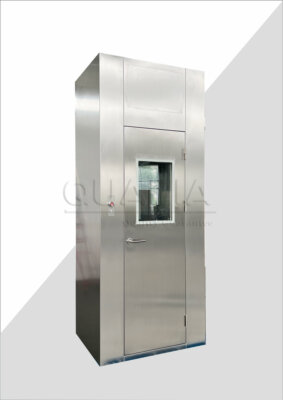
Una doccia d’aria che opera in modalità bidirezionale, utilizzata in ambito farmaceutico o nella ricerca sugli animali da laboratorio, rimuove le particelle tramite la forza cinetica. Il meccanismo è di espulsione: le particelle si staccano dagli indumenti e vengono trascinate nel flusso di scarico. Non vi è alcun contatto chimico, né inattivazione, né alcuna pretesa di abbattimento microbico. Una doccia convenzionale ad agglomerazione a nebbia umida aggiunge il contatto con il liquido, ma la sua funzione primaria nelle applicazioni farmaceutiche è quella di incapsulare la polvere del farmaco: le goccioline di nebbia si formano attorno alle particelle, ne aumentano la massa e ne provocano la caduta dagli indumenti. Si tratta di un meccanismo di cattura fisico e a umido, non biologico. Nessuna delle due unità, così come descritte, rivendica una decontaminazione in senso biologico.
La distinzione è importante perché il termine “decontaminazione” compare su entrambi i tipi di apparecchiature. Alcuni prodotti a nebulizzazione sono esplicitamente presentati come docce di decontaminazione per l’uscita OEB 4+, il che implica il contatto con sostanze chimiche liquide sulle superfici dei DPI piuttosto che il semplice incapsulamento delle particelle. Si tratta di un prodotto categoricamente diverso e l’etichetta indica requisiti di prova diversi. Quando tutti e tre compaiono in un documento di appalto sotto la stessa voce generale di “sistema doccia”, la funzione di controllo prevista scompare dalle specifiche.
| Categoria di apparecchiatura | Meccanismo | Effetto sui contaminanti | Decontaminazione biologica? |
|---|---|---|---|
| Doccia d’aria (modello farmaceutico a doppio flusso) | Getti d'aria ad alta velocità | Solo espulsione delle particelle | No |
| Doccia ad agglomerazione a nebbia umida | Nebulizzazione a bassa velocità; le goccioline incapsulano le particelle | La polvere di droga, avvolta in un involucro, cade dai vestiti | No |
| Doccia di decontaminazione a nebbia (uscita OEB 4+) | Decontaminazione contrassegnata (probabile contatto con sostanze chimiche liquide) | Indicato come decontaminazione per l'uscita dal contenitore | Sì (destinato alla decontaminazione biologica/chimica) |
La conseguenza pratica è che un responsabile della biosicurezza incaricato di esaminare un protocollo di uscita non può accettare i dati relativi alla rimozione delle particelle come prova dell’inattivazione di organismi vitali. Si tratta di affermazioni diverse che richiedono tipi diversi di prove a sostegno. Considerarle intercambiabili — anche solo brevemente, in fase concettuale — crea i presupposti per un’azione correttiva.
Le docce d'aria e le docce a nebbia utilizzano meccanismi diversi
Il meccanismo determina ciò che ci si può aspettare che l’unità dimostri. Una doccia ad aria può dimostrare il conteggio delle particelle prima e dopo il trattamento; non può dimostrare la riduzione logaritmica della carica microbica. Una doccia a nebbia configurata con una formulazione disinfettante convalidata può potenzialmente dimostrare la riduzione della carica microbica superficiale, ma solo se la formulazione, il tempo di contatto, la concentrazione e la copertura sono definiti e testati. Non si tratta di insiemi di prove comparabili, e un protocollo di qualificazione redatto per uno non può essere semplicemente adattato all’altro.
Un quadro di riferimento che metta in relazione la tecnologia con il contesto di contenimento aiuta a chiarire in quali casi ciascun tipo sia giustificabile. Le docce d’aria sono appropriate ai confini delle camere bianche ISO 7 o ISO 8, dove il pericolo è rappresentato dalla contaminazione da particelle senza rischio biologico. Le docce a nebbia configurate per la decontaminazione delle superfici sono più appropriate nei casi in cui le attività BSL-1 o BSL-2 coinvolgano materiali biologici e il trattamento delle superfici all’entrata o all’uscita faccia parte della progettazione del protocollo. All’uscita da un laboratorio BSL-3, dove sugli DPI potrebbero essere presenti agenti vitali con rischio di trasmissione, il quadro orienta verso l’utilizzo di docce chimiche: contatto con sostanze chimiche sporicide o virucide validate, seguito da una tracciabilità che soddisfi sia il responsabile della biosicurezza che il sistema di qualità.
| Tecnologia | Applicazioni adatte | Servizio di decontaminazione fornito |
|---|---|---|
| Doccia d'aria | Camere bianche ISO 7/ISO 8 prive di rischi biologici | Solo rimozione delle particelle; nessuna decontaminazione |
| Doccia a nebbia | Accesso alle aree BSL-1/BSL-2 che richiede la decontaminazione superficiale | Decontaminazione delle superfici (organismi non vitali o vitali a basso rischio) |
| Doccia chimica | Uscita BSL-3 e aree ad alto livello di contenimento | Decontaminazione chimica; inattiva gli agenti biologici |
Sia le linee guida dell’OMS sui principi di decontaminazione sia il BMBL del CDC sostengono il principio di fondo: la decontaminazione con liquidi è necessaria in caso di contaminazione biologica vitale a livello BSL-2 e superiori. Il solo ricambio d’aria non è sufficiente a garantire l’inattivazione dei microrganismi. Ciò non rende le docce d’aria attrezzature inadeguate, ma definisce i limiti del loro uso appropriato. Una doccia d’aria installata in un contesto in cui tali limiti vengono rispettati è un’unità correttamente specificata. La stessa unità installata a un livello di contenimento superiore, senza una fase di decontaminazione liquida a supporto, costituisce una lacuna che ne impedisce la qualificazione.
Il criterio di riferimento non è la categoria di prodotto, bensì la classificazione del rischio biologico dell’area da cui si esce. Tale classificazione determina i requisiti relativi al meccanismo, i quali a loro volta stabiliscono se nella sequenza di uscita debba essere prevista una doccia d’aria, una doccia a nebbia con composizione chimica definita o una doccia chimica completa.
Il linguaggio degli appalti spesso nasconde la reale esigenza di controllo
L'espressione “doccia d'aria di decontaminazione” compare nelle schede tecniche dei fornitori senza alcuna specificazione del meccanismo di controllo. Quando un team di biosicurezza o di EHS (Ambiente, Salute e Sicurezza) riporta tale termine in un URS (Specifica di Requisiti Utente) o in un documento di base di progettazione, la funzione prevista — la rimozione delle particelle — viene sostituita da un'etichetta che implica l'inattivazione biologica o chimica. La specifica passa quindi attraverso le fasi di revisione del progetto, approvvigionamento e costruzione, portando con sé un'ambiguità che nessuno è stato chiamato a risolvere.
Non si tratta principalmente di un problema legato ai fornitori, bensì di un problema di controllo della documentazione. I team addetti agli appalti che operano sulla base di modelli di progetti precedenti o di elenchi di attrezzature copiati spesso non hanno motivo di mettere in discussione il tipo di doccia indicato per nome, se tale nome figurava in una specifica precedentemente approvata. La causa del fallimento è sistemica: il nome circola, il meccanismo non viene mai definito e la lacuna di controllo viene consolidata prima che chiunque abbia autorità in materia di biosicurezza ne esamini lo scopo.
La questione delle infrastrutture aggrava ulteriormente la situazione. Una doccia ad aria installata in un corridoio di uscita BSL-2 privo di linee di alimentazione chimica, uno scarico a pavimento con capacità di neutralizzazione e una fase di asciugatura non possono essere trasformati in una doccia di decontaminazione a nebbia o chimica senza riprogettare l’involucro architettonico di quello spazio. La differenza di costo tra una corretta definizione in fase di progettazione e un successivo adeguamento non è marginale: comporta infatti interventi di modifica agli impianti meccanici, civili e, potenzialmente, di climatizzazione, a seconda di come lo spazio è stato progettato attorno all’unità originale.
| Bandiera rossa | Conseguenza | Aspetti da chiarire nell'ambito degli appalti |
|---|---|---|
| Prodotto indicato come “doccia d’aria di decontaminazione” | La rimozione delle particelle potrebbe essere scambiata per una decontaminazione biologica o chimica | Verificare se viene effettuata una decontaminazione biologica/chimica convalidata o se l'unità si limita a rimuovere le particelle |
| Specificazione di una doccia d’aria per un’uscita BSL-2 priva di infrastruttura di alimentazione/scarico delle sostanze chimiche | Non è possibile passare alla decontaminazione da nebbia/sostanze chimiche senza una riprogettazione architettonica | Chiarire le future esigenze di decontaminazione e stabilire se sia opportuno predisporre fin da ora le linee di alimentazione delle sostanze chimiche, gli scarichi e le fasi di asciugatura |
| Il tipo di doccia viene selezionato in base al nome dell'apparecchio copiato anziché alla funzione di controllo prevista | Le attrezzature potrebbero non soddisfare i requisiti effettivi in materia di contenimento o decontaminazione | Prima di denominare l’apparecchiatura, definire il meccanismo di controllo richiesto (rimozione delle particelle, decontaminazione delle superfici o inattivazione chimica) e il livello di evidenza richiesto |
La verifica in fase di appalto è semplice: per qualsiasi tipo di doccia indicato nel capitolato, è necessario che il documento specifichi esplicitamente il meccanismo di controllo (rimozione delle particelle, riduzione della carica batterica superficiale o inattivazione biologica/chimica), lo standard di prova che l’unità deve soddisfare e se l’infrastruttura a supporto di un’unità con capacità superiori debba essere predisposta durante la costruzione iniziale, anche se non installata immediatamente. Se il documento di appalto non è in grado di rispondere a queste tre domande, il tipo di doccia non è stato specificato, ma solo indicato per nome.
La selezione del nebbia richiede prove relative al trattamento superficiale
Scegliere una doccia a nebbia per una fase di uscita dall’area di contenimento solo in base al suo nome, o perché viene descritta come “doccia di decontaminazione”, non equivale ad avere un protocollo di uscita convalidato. La doccia a nebbia è semplicemente una piattaforma di erogazione. Ciò che conta è se la combinazione di sostanze chimiche, concentrazione, tempo di contatto, copertura dello spruzzo e durata del ciclo consenta di ottenere una riduzione dimostrabile della carica batterica superficiale sui materiali specifici dei DPI utilizzati in quello spazio.
Alcuni prodotti per la sanificazione a nebbia utilizzano alcol isopropilico 70% e riportano prestazioni di riduzione della carica batterica superiori al 99,9% in un ciclo di 3–5 minuti. Tale dato rappresenta un esempio di prestazione specifico del prodotto in condizioni di prova particolari, non un parametro di riferimento universale per la progettazione. Non dovrebbe essere dato per scontato senza una validazione rispetto agli organismi, ai materiali dei DPI e ai parametri di ciclo rilevanti per la struttura di destinazione. La monografia sulla decontaminazione contenuta nel Manuale di biosicurezza dei laboratori dell’OMS fornisce un quadro di riferimento per definire cosa costituisca una prova adeguata dell’efficacia del trattamento delle superfici: la questione rilevante è se i dati sulle prestazioni della doccia a nebbia possano essere interpretati alla luce di tale standard, non se il prodotto rechi un’etichetta di decontaminazione.
Ai fini dell’OQ e del PQ, la fase di uscita dalla doccia a nebbia richiede prove documentate: concentrazione del disinfettante nel punto di erogazione, tempo di contatto misurato in condizioni di ciclo reali, mappatura della copertura su tutte le superfici dei DPI, comprese pieghe e giunture, e dati di abbattimento specifici per gli organismi laddove la classificazione del rischio biologico lo richieda. Una doccia a nebbia che superi i test di rimozione delle particelle ma non disponga di una documentazione di convalida chimica non è idonea a supportare un protocollo di uscita BSL. La scelta della nebbia anziché dell’aria sposta l’onere della convalida dal conteggio delle particelle a uno standard di prova microbiologica — e tale cambiamento deve essere previsto nel piano generale di convalida, non individuato durante la qualificazione.
Il punto cruciale nella decisione di acquisto è stabilire se il fornitore della doccia a nebbia sia in grado di fornire dati a supporto della convalida, oppure se il team di controllo qualità della struttura provvederà a generare tali prove interamente in sede. Entrambe le opzioni sono giustificabili, ma richiedono comunque un impegno. Specificare una doccia di decontaminazione a nebbia senza un piano per le prove relative al trattamento delle superfici equivale a specificare il meccanismo senza la prova.
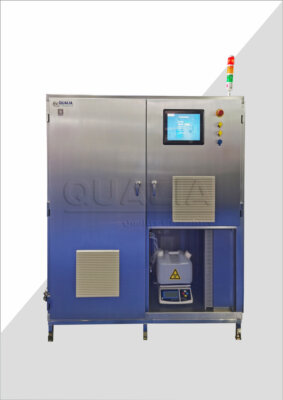
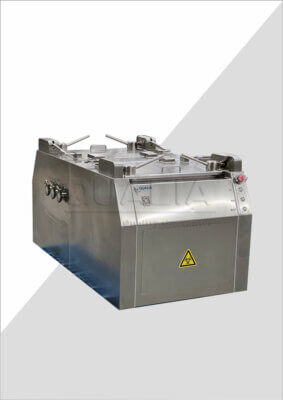
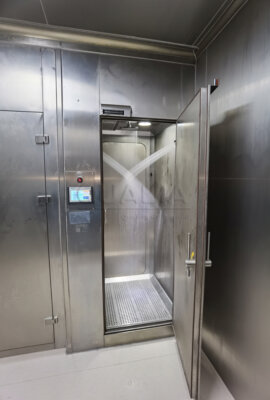
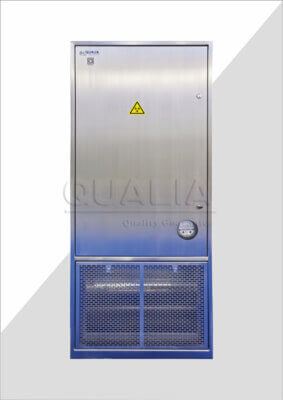
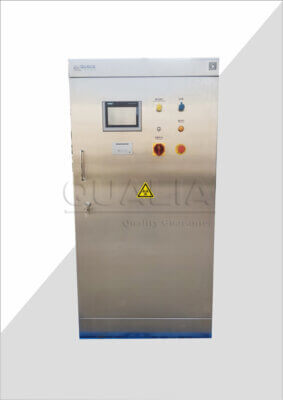
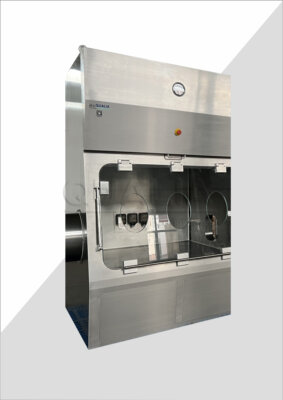
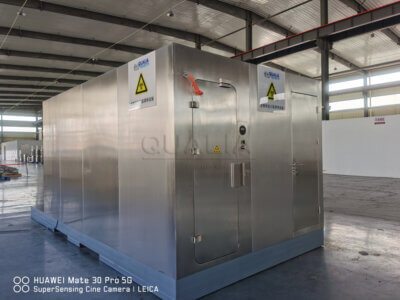
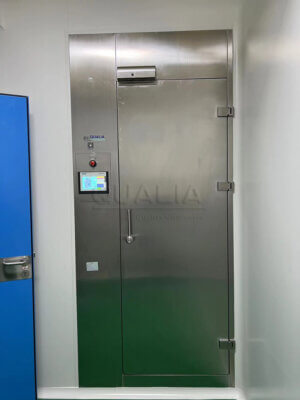
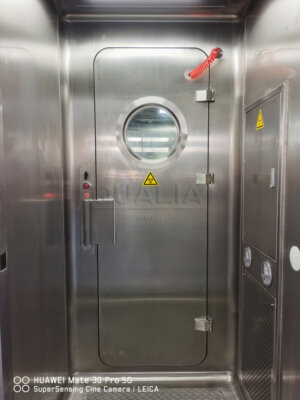
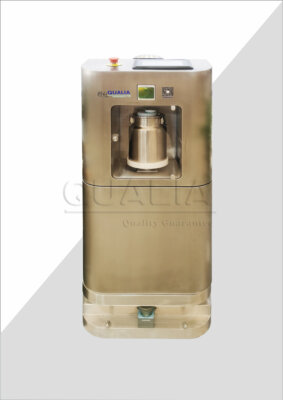
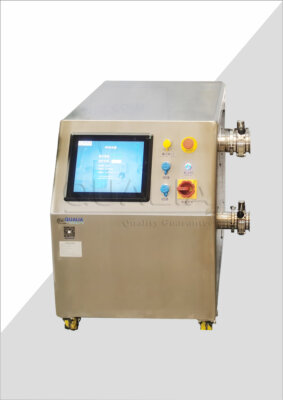
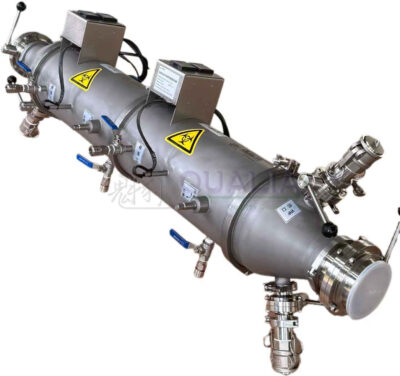
Per gli impianti che progettano sequenze di uscita dal contenimento che richiedono questo livello di trattamento superficiale documentato, La doccia a nebbia di Qualia Bio è progettato per l'uscita del personale da aree ad alto livello di contenimento e supporta il tipo di documentazione ciclica che sta alla base di un protocollo di uscita qualificato.
I protocolli di evacuazione non dovrebbero basarsi esclusivamente sul movimento dell'aria
Un protocollo di uscita basato su una doccia d’aria in corrispondenza di un confine di livello BSL-2 o superiore non è una scelta prudente, bensì una scelta priva di fondamento. Il movimento dell’aria rimuove le particelle, ma non inattiva gli organismi. Si tratta di distinzioni oggettive, non di questioni di interpretazione, e sia l’OMS che il BMBL del CDC sostengono il principio secondo cui la contaminazione biologica vitale a livello BSL-2 e superiore richiede la decontaminazione con liquidi come parte della sequenza di uscita. Una doccia d’aria non può soddisfare tale requisito, indipendentemente da come sia etichettata in un catalogo di prodotti.
L’esperienza pratica non è teorica. Un responsabile della biosicurezza che conduca un audit interno o si prepari per un’ispezione normativa chiederà a cosa serva la procedura della doccia di uscita e quali prove la sostengano. “Rimozione delle particelle” è una risposta accettabile ai confini di una camera bianca priva di rischio biologico. All’uscita di un laboratorio BSL-2 o BSL-3, tale risposta lascia il controllo del contenimento senza fondamento e genera una serie di azioni correttive. Il team che ha installato la doccia d’aria potrebbe aver ritenuto che il documento di appalto richiedesse una capacità di decontaminazione; il documento potrebbe aver utilizzato una terminologia che lo sottintendeva. Nessuna di queste convinzioni cambia ciò che l’unità è fisicamente in grado di fornire.
Il messaggio che emerge dalle pratiche di alto contenimento è coerente. Le apparecchiature a nebulizzazione posizionate espressamente per l’uscita da OEB 4+ sono progettate partendo dal presupposto che, a quel livello, l’uscita con solo trattamento dell’aria non sia adeguata. Non si tratta di un obbligo normativo in sé, ma del riconoscimento da parte del mercato che, a quei livelli di contenimento, gli operatori necessitano di qualcosa che vada oltre la semplice rimozione delle particelle come base per il loro protocollo di uscita. La stessa logica si applica quando il fattore determinante è il rischio biologico, piuttosto che la potenza chimica. Laddove la fase di uscita debba dimostrare che le superfici sono state trattate contro agenti vitali, il protocollo necessita di un meccanismo in grado di fornire tale prova. Le docce d’aria non sono in grado di farlo.
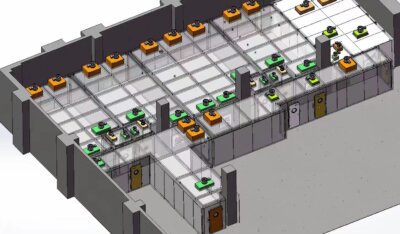
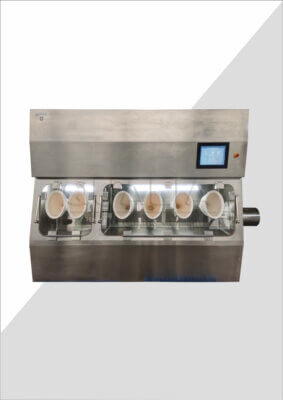
Per le configurazioni dei laboratori con moduli BSL-3 e BSL-4 in cui i protocolli di uscita sono integrati fin dall'inizio nella progettazione della struttura, Il laboratorio modulare BSL-3/BSL-4 di Qualia Bio prevede l’integrazione delle infrastrutture di uscita di contenimento nella progettazione del sistema, anziché considerarle come un intervento di adeguamento a posteriori.
Per un confronto più dettagliato delle opzioni relative al protocollo di uscita presso il BSL-3, Doccia a nebbia vs. doccia ad aria per la decontaminazione del personale BSL-3: Quale protocollo di uscita è appropriato approfondisce l'argomento della struttura a livelli di contenimento.
La scelta fondamentale per qualsiasi team incaricato di specificare un sistema di doccia per un’uscita da un’area di contenimento consiste nel definire il meccanismo di controllo richiesto prima di individuare le apparecchiature. La rimozione delle particelle e la decontaminazione biologica non sono un continuum: si tratta di meccanismi diversi, con requisiti infrastrutturali diversi, quadri di convalida diversi e risposte diverse alla domanda che un responsabile della biosicurezza porrà durante l’ispezione. Una doccia d’aria può essere la risposta corretta; diventa la risposta sbagliata solo quando viene installata in una posizione in cui il protocollo richiede la prova dell’inattivazione.
Prima che un tipo di doccia venga definito definitivamente in una progettazione, il capitolato deve confermare: quale classificazione del rischio biologico disciplina il confine di uscita, quale standard di prova deve soddisfare la fase di uscita e se l’infrastruttura a supporto dell’erogazione dei prodotti chimici liquidi e del trattamento delle acque di scarico sia stata inclusa nell’ambito dei lavori. Se tali questioni non vengono risolte in fase di progettazione preliminare, il progetto presenta una lacuna nel capitolato — e il costo per risolverla dopo la costruzione è sostanzialmente più elevato rispetto al costo di chiarire la questione prima del congelamento del progetto.
Domande frequenti
D: Cosa succede se il corridoio di uscita dell’area di contenimento non dispone di uno scarico a pavimento o di una linea di alimentazione delle sostanze chimiche? È comunque possibile installare una doccia a nebbia?
R: No. Una doccia a nebbia progettata per la decontaminazione superficiale richiede uno scarico con filtro in grado di gestire acque reflue contenenti sostanze chimiche e una linea di alimentazione per la soluzione disinfettante. Se questi elementi non sono già stati predisposti, l’unità non può funzionare come previsto e la loro installazione a posteriori in un corridoio già rifinito comporta una modifica dell’ambito progettuale architettonico e civile, non una semplice sostituzione dell’attrezzatura. L’assenza di tale infrastruttura costituisce un ostacolo insormontabile che deve essere risolto prima di specificare una doccia di decontaminazione a nebbia.
D: Dopo aver stabilito che l’uscita richiede una doccia di decontaminazione a nebbia, quali elementi dovrebbero essere inclusi nelle specifiche dei requisiti utente (URS) prima dell’appalto?
R: L’URS deve definire il meccanismo di controllo (riduzione della carica batterica superficiale, non rimozione delle particelle), lo standard di prova che l’unità deve soddisfare (compresi la composizione chimica del disinfettante, il tempo di contatto, la copertura e i dati di riduzione logaritmica specifici per ciascun organismo) e l’ambito dell’infrastruttura — fornitura di prodotti chimici, trattamento degli scarichi e fase di asciugatura. Ciò fa sì che il documento non si limiti a elencare le apparecchiature, ma specifichi le capacità e le prove che il protocollo di uscita richiederà durante la convalida.
D: A che punto una doccia di decontaminazione a nebbia con IPA diventa insufficiente e diventa necessaria una doccia chimica completa con prodotti sporicidi?
R: La soglia viene raggiunta quando la valutazione del rischio biologico include organismi sporigeni o agenti altamente resistenti che l’IPA non è in grado di inattivare in modo affidabile. Per l’uscita da un laboratorio BSL-3, il quadro normativo indica la necessità di una doccia chimica proprio perché in genere è richiesto un trattamento di contatto sporicida o virucida convalidato, e una doccia a nebbia che utilizza solo alcol non è in grado di fornire tale livello di garanzia. La decisione dipende dall’elenco degli agenti e dalle prove di efficacia del trattamento delle superfici che il responsabile della biosicurezza riterrà accettabili.
D: In pratica, in che modo una doccia a nebbia, utilizzata come dispositivo di decontaminazione, si differenzia da una doccia chimica completa?
A: Una doccia a nebbia genera uno spruzzo sottile che ricopre le superfici dei DPI con un sottile strato di disinfettante, consentendo in genere un ciclo rapido (3–5 minuti) con un consumo di prodotti chimici relativamente basso. Una doccia chimica applica un volume maggiore di prodotto, con un contatto a immersione, spesso con tempi di ciclo più lunghi, un maggiore utilizzo di prodotti chimici e un carico di lavoro proporzionalmente più elevato sui sistemi di neutralizzazione degli scarichi. La doccia a nebbia è progettata per la riduzione della carica batterica superficiale nei casi in cui l’elenco degli agenti consenta l’uso di prodotti a base alcolica; la doccia chimica è la piattaforma per la decontaminazione liquida sporicida o ad ampio spettro quando la classificazione del rischio lo richiede.
D: La scelta di una doccia di decontaminazione a nebbia rappresenta un’alternativa economicamente vantaggiosa alla doccia chimica per un’uscita BSL-2?
R: Sì, nella maggior parte dei casi. Per le attività di livello BSL-2 in cui il protocollo richiede un trattamento documentato delle superfici, ma il rischio di agenti sporigeni è basso, una doccia a nebbia in grado di dimostrare una riduzione della carica batterica superiore al 99,91% (TP7T) con una formulazione chimica a base di IPA convalidata rappresenta una scelta adeguata e con requisiti infrastrutturali ridotti rispetto alla doccia chimica, che comporta maggiori costi di investimento e di manutenzione. La doccia a nebbia di Qualia Bio è progettato per garantire proprio quel livello di documentazione del ciclo, rappresentando così un pratico passo avanti rispetto a una doccia d'aria senza però rendere eccessivamente complessa la barriera di uscita.