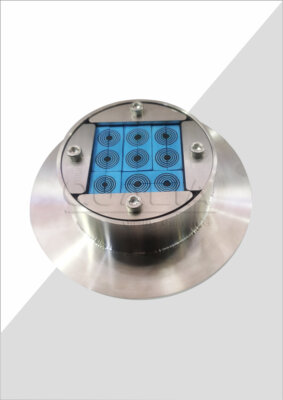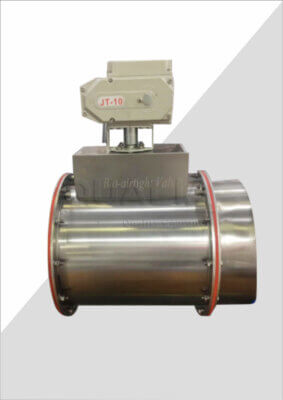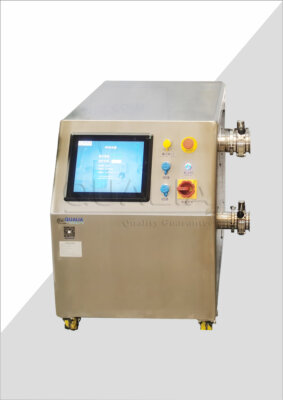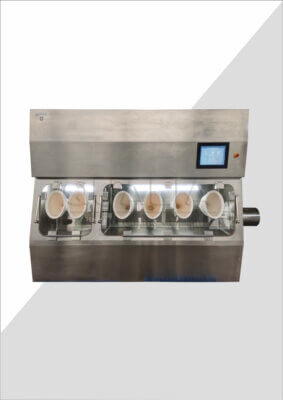
La scelta di un dispositivo di trasferimento non adeguato per una suite BSL-3 raramente emerge durante la fase di revisione degli appalti — si manifesta invece al momento della messa in servizio, quando un carico di routine non riesce fisicamente a passare attraverso la camera della pass box e il team scopre che l’unica opzione rimasta comporta l’apertura di una porta in un modo che il responsabile della biosicurezza non approverà. Questo tipo di errore comporta tipicamente una riprogettazione del sistema di contenimento nella fase peggiore possibile: dopo che l’apertura grezza è stata definita, gli interblocchi sono stati cablati e la struttura si sta avvicinando alla fase di convalida. La decisione che permette di evitare tutto ciò non consiste nella scelta della marca del dispositivo, bensì in una valutazione strutturata delle dimensioni del carico, dello stato di contaminazione e della compatibilità del metodo di decontaminazione prima di definire definitivamente le dimensioni della camera. Esaminare in sequenza ciascuno di questi criteri è ciò che consente a una struttura di distinguere tra dispositivi che funzioneranno nella pratica e dispositivi che sembrano adeguati solo sulla carta.
Dimensioni dell'oggetto e stato di contaminazione prima della scelta del dispositivo di trasferimento
Il primo criterio di selezione non è il metodo di decontaminazione né il materiale della camera, bensì il fatto che l’oggetto da trasferire possa fisicamente passare attraverso il dispositivo con l’imballaggio o il contenitore secondario in cui giunge. Sembra ovvio, ma questa discrepanza è comune perché i team dimensionano i dispositivi di trasferimento in base all’oggetto stesso, non all’oggetto così come si presenta al punto di trasferimento: insacchettato, inscatolato, collocato in un vassoio secondario o caricato su un supporto.
Le camere di trasferimento VHP coprono un intervallo interno utilizzabile che va da circa 600×600×600 mm nella versione più piccola a 1200×1400×1600 mm in quella più grande. Tale intervallo è sufficientemente ampio da coprire la maggior parte dei carichi di trasferimento BSL-3, ma la scelta deve essere effettuata in base a un ingombro massimo di carico confermato, non stimato. Se il carico di routine più voluminoso è una fiala di coltura contenuta in un vassoio di contenimento secondario, la dimensione rilevante è quella del vassoio più eventuali vincoli di orientamento imposti dall’apertura della porta — e tale misura combinata dovrebbe includere un margine per facilitare il posizionamento in caso di manipolazione con i guanti.
Lo stato di contaminazione introduce un secondo vincolo che interagisce con il dimensionamento delle camere. I materiali che arrivano bagnati, contaminati chimicamente o in imballaggi secondari sommergibili in liquido sono candidati al trasferimento tramite vasca di immersione piuttosto che a un percorso VHP a secco. I materiali sensibili all’umidità, che presentano residui superficiali incompatibili con il disinfettante liquido o che includono componenti elettronici e ottici richiedono un percorso di decontaminazione a secco indipendentemente dalle dimensioni. Considerarli come criteri distinti — prima le dimensioni, poi lo stato di contaminazione — evita l’errore di selezionare una vasca di immersione per un carico che non tollera l’immersione, oppure di far passare un carico umido di grandi dimensioni attraverso una camera VHP che richiederà un’aerazione prolungata e una pulizia post-ciclo. Entrambe le decisioni a valle dipendono dalla conoscenza delle dimensioni del carico e dello stato di contaminazione come dati fondamentali prima che inizi la selezione del dispositivo.
Compatibilità con gli ambienti umidi, pulibilità della camera e metodo di decontaminazione
Un dispositivo di trasferimento scelto senza tenere conto della sua pulibilità creerà difficoltà di manutenzione e di riconvalida che si aggraveranno nel tempo. La questione non è solo quale metodo di decontaminazione raggiunga il tasso di abbattimento richiesto, ma se la geometria della camera e i materiali di costruzione consentano di applicare tale metodo in modo pulito e ripetibile, con la frequenza di decontaminazione richiesta da un flusso di lavoro BSL-3.
Le camere dei pass box VHP, realizzate con superfici interne in acciaio inossidabile SS316L, resistono alla corrosione causata dai ripetuti cicli di perossido di idrogeno in modo più affidabile rispetto alle camere che utilizzano acciaio inossidabile di qualità inferiore. Questa differenza è importante perché la composizione chimica del VHP è aggressiva e il degrado delle superfici all’interno della camera di un pass box comporta rischi di accumulo di residui e complica la ricertificazione dell’efficacia del ciclo. Quando la geometria della camera prevede angoli arrotondati — come si riscontra negli interni ben progettati delle cabine di sicurezza biologica (BSC) di Classe III — la decontaminazione manuale tra un ciclo e l’altro risulta più rapida e completa, riducendo il rischio di accumulo di residui in corrispondenza delle giunture. Le camere con angoli piatti o giunti saldati richiedono maggiore attenzione durante la pulizia e sono più difficili da verificare visivamente.
Il VHP, come metodo di decontaminazione, consente una riduzione delle spore di 6 log e non lascia residui dopo l’aerazione, il che rappresenta un vantaggio significativo in ambienti in cui i residui superficiali potrebbero compromettere il carico successivo o le fasi analitiche a valle. Tale dato prestazionale è associato specificatamente a cicli VHP convalidati e testati secondo la norma ISO 22441:2022 — non deve essere considerato come il risultato predefinito di qualsiasi pass box che utilizzi il perossido di idrogeno. La convalida del ciclo determina se la geometria, la concentrazione e il tempo di permanenza, considerati congiuntamente, garantiscono tale livello di inattivazione in tutto il volume della camera, compresi i punti meno accessibili.
Le vasche di immersione pongono una questione diversa in termini di pulibilità. La configurazione — che sia a montaggio laterale, a montaggio dal fondo o con fondo scorrevole — influisce sulla facilità con cui il liquido nella vasca viene sostituito, sulla completezza dello svuotamento della camera e sulla possibilità per un tecnico di accedere a tutte le superfici interne per l’ispezione e la pulizia. Le strutture che non tengono conto della configurazione della vasca nella scelta spesso riscontrano che il ricambio del disinfettante diventa un punto critico della procedura, gestito in modo non uniforme, che compromette l’affidabilità del percorso di trasferimento a umido. Per un utilizzo ad alta frequenza delle vasche di immersione, una configurazione che consenta una gestione efficiente del liquido e la verifica visiva del bagno non è una semplice caratteristica di comodità, ma una variabile fondamentale per il controllo della contaminazione.
Soluzioni alternative per l'apertura delle porte causate da dispositivi di trasferimento sottodimensionati
Una camera di trasferimento BSC di Classe III con una camera interna di circa 430×330×355 mm non rappresenta un caso limite di nicchia, bensì una dimensione della camera comunemente associata a configurazioni di armadi che sono altrimenti adeguate per le attività di livello BSL-3. Il problema si presenta quando i carichi effettivi da trasferire all’interno della struttura — recipienti di coltura in sacchetti secondari, rack per campioni o componenti delle apparecchiature — superano sistematicamente tali dimensioni e non è stato previsto alcun percorso di trasferimento alternativo.
Quando un dispositivo di trasferimento non è in grado di accogliere il carico, gli utenti trovano una soluzione alternativa. Negli ambienti BSL-3, la soluzione più comune consiste nell’aprire brevemente l’anta di una cabina per passare il materiale direttamente, oppure nell’effettuare un passaggio tramite una seconda apparecchiatura in un modo non convalidato a tale scopo. Entrambe queste pratiche comportano una violazione del contenimento che i revisori della biosicurezza individueranno durante l’audit, ed entrambe sono difficili da giustificare come incidenti isolati poiché la necessità di ricorrervi è strutturale: si ripete ogni volta che è necessario spostare quel carico. Il problema non è una mancanza nella procedura; è un dispositivo che non è in grado di supportare la procedura prevista.
Il costo derivante dall’individuazione di questa discrepanza in fase di messa in servizio anziché durante la progettazione è significativo. A quel punto, l’apertura grezza è già definita, il cablaggio dei dispositivi di interblocco è installato e la penetrazione muraria è completata. Sostituire il dispositivo comporta la riconfigurazione dell’involucro di contenimento, richiedendo spesso una modifica strutturale e una completa riqualificazione della barriera di contenimento. Tale sequenza comporta un aumento dei costi e un ritardo nella tempistica proprio nella fase più critica della realizzazione di un impianto BSL-3. La soluzione a monte è semplice: considerare le dimensioni massime del carico — compreso l’imballaggio secondario e l’ergonomia di movimentazione — come un dato tecnico vincolante prima di selezionare le dimensioni della camera della pass box. Per indicazioni su come il dimensionamento della pass box si integri con i requisiti di livello di contenimento nelle diverse applicazioni BSL, il BSL Pass Box: Contenimento e decontaminazione in base al livello di biosicurezza La panoramica illustra gli aspetti progettuali specifici per ciascun livello che influenzano la scelta della camera.
Dunk Tank contro VHP o compromessi tra percorsi Pass Box
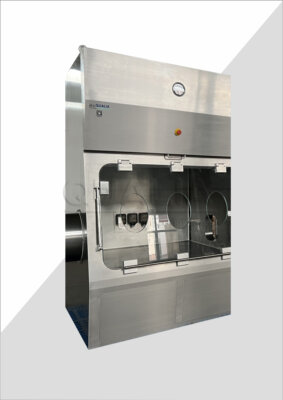
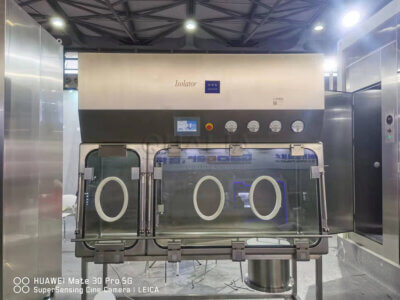
La scelta tra una vasca di immersione e una camera di passaggio VHP viene spesso presentata come una questione di praticità, ma si tratta più precisamente di una decisione relativa all’involucro di contenimento e al metodo di decontaminazione, con implicazioni a valle distinte per ciascuna opzione. Le linee guida del Manuale di biosicurezza dei laboratori dell’OMS relative alle configurazioni delle cabine di sicurezza biologica (BSC) di Classe III descrivono due percorsi di trasferimento: una cabina di passaggio a doppia porta che viene decontaminata tra un utilizzo e l’altro, e una vasca di immersione accessibile attraverso il pavimento della cabina che si collega a un ambiente con un livello di contenimento inferiore. Non si tratta di configurazioni intercambiabili: ciascuna definisce una diversa condizione al contorno per il sistema di contenimento e ciascuna richiede un approccio diverso in termini di convalida e manutenzione.
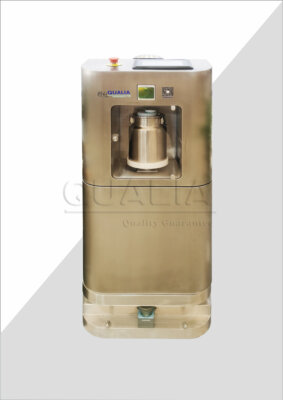
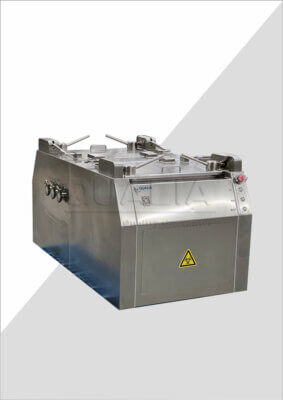
Il percorso con vasca di immersione è più veloce per i trasferimenti compatibili. Non è necessario avviare il ciclo, non è previsto alcun tempo di aerazione e non si formano code se più carichi arrivano in sequenza. Per le strutture in cui sono frequenti i trasferimenti su superfici bagnate compatibili con i liquidi e in cui il bagno disinfettante viene mantenuto correttamente, un Vasca di biosicurezza offre un percorso efficiente in termini di produttività. Il vincolo operativo consiste nel fatto che occorre verificare la compatibilità per ogni tipo di carico e per ogni materiale dei contenitori: l’immersione in liquidi danneggia i componenti elettronici, compromette l’adesività di alcune etichette e danneggia i contenitori non progettati per l’immersione.
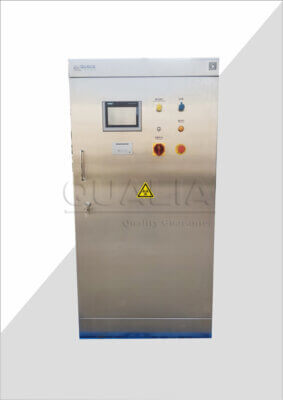
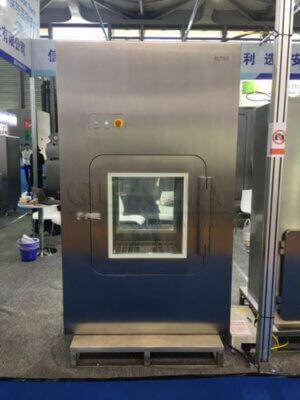
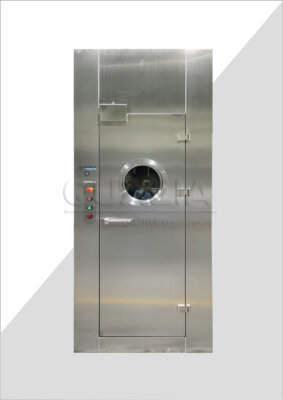
I cicli della camera di passaggio VHP durano circa dai 30 ai 55 minuti, compresa l’aerazione, che è il dato che i team tendono a sottovalutare più spesso quando pianificano la produttività. In un flusso di lavoro con uno o due trasferimenti per turno, tale durata del ciclo è gestibile. In un ambiente ad alta frequenza — con più trasferimenti per operatore all’ora — si crea una pressione di accodamento che costringe a prendere scorciatoie procedurali o richiede l’utilizzo di un secondo dispositivo in funzione in parallelo. Nessuna delle due conseguenze è evidente in fase di approvvigionamento, a meno che la frequenza dei trasferimenti non venga esplicitamente modellata come dato di pianificazione. Il VHP Pass Box Questa soluzione rappresenta la scelta migliore quando la compatibilità del carico con i disinfettanti liquidi è incerta, quando i materiali sensibili all’umidità fanno parte del carico di trasferimento abituale oppure quando la struttura necessita di registrazioni documentate della decontaminazione ciclo per ciclo con parametri di processo costanti.
Flusso di lavoro e attrito dovuto alle dimensioni della camera durante l'uso di routine
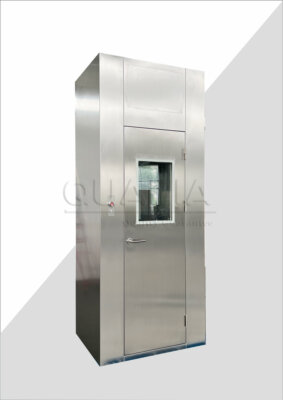
Il problema di installazione più sottovalutato delle cabine di passaggio VHP è la differenza tra le dimensioni interne ed esterne. Una camera con una cavità interna di 600×600×600 mm occupa uno spazio esterno di circa 1050×650×1800 mm — quasi il doppio del volume interno su ogni asse. Le strutture che progettano la penetrazione nella parete e l’apertura grezza in base alle dimensioni interne della camera, prevedendo di regolare successivamente la parte circostante, si rendono conto che l’involucro esterno non lascia spazio per la manutenzione, ostacola l’apertura di una porta adiacente oppure non può essere livellato e sigillato correttamente contro la parete. Si tratta di un errore di progettazione che richiede una modifica in fase di installazione e, in una suite BSL-3, la modifica della parete dopo il completamento del rivestimento non è un intervento di rifinitura di lieve entità.
Il vincolo di profondità del BSC di Classe III introduce un ulteriore punto di attrito. Le profondità dell’area di lavoro del BSC, comprese nell’intervallo 553–559 mm, limitano la profondità massima che una pass box montata su tale armadio può fisicamente raggiungere; una profondità ridotta della pass box limita inoltre la classe di articoli che possono essere trasferiti senza riorientamento o smontaggio, aumentando i tempi di movimentazione e il rischio di contatto dei guanti con superfici contaminate durante il posizionamento di oggetti di forma irregolare.
| Attrezzatura | Limiti dimensionali | Esempi di dimensioni | Impatto sul flusso di lavoro |
|---|---|---|---|
| VHP Pass Box | Discrepanza tra dimensioni interne ed esterne | Interno 600×600×600 mm → Esterno 1050×650×1800 mm | L'ingombro esterno notevole può rendere anguste le suite BSL-3 e limitare l'accesso ai servizi |
| Pass box BSC di classe III (SEA-3/4/6) | La profondità ridotta dell'area di lavoro limita la profondità della camera di passaggio | Profondità dell'area di lavoro: 553–559 mm | I colli che superano la profondità consentita potrebbero richiedere percorsi di trasferimento alternativi, causando ingorghi |
Entrambi i vincoli — ingombro esterno e profondità ridotta — devono essere considerati come parametri di progettazione degli spazi che devono essere risolti prima di programmare l’installazione, non dopo. L’accesso per la manutenzione dietro e sopra una camera di passaggio VHP è un requisito di manutenzione, non uno spazio libero facoltativo. Le strutture che riducono tale spazio per adattarsi a una disposizione ristretta delle suite troveranno sempre più difficili la sostituzione dei filtri, la calibrazione dei sensori e le ispezioni della camera man mano che il dispositivo invecchia, il che induce a rimandare la manutenzione e crea una vulnerabilità in caso di audit riguardo agli intervalli di manutenzione documentati.
Porta di selezione per apparecchiature di trasferimento di materiale BSL-3
Un dispositivo di trasferimento può essere adeguato dal punto di vista dimensionale, compatibile con le procedure di decontaminazione e fattibile dal punto di vista spaziale, ma risultare comunque una scelta errata se non può essere qualificato per il contesto normativo in cui opera. Per gli ambienti BSL-3 che operano secondo le GMP o sotto una supervisione farmaceutica equivalente, la conformità agli standard di produzione GMP, alle classificazioni delle camere bianche ISO 14644 e alla certificazione CE funge da soglia minima di difendibilità — non una garanzia di idoneità, ma un prerequisito per l’inclusione in un flusso di lavoro convalidato. I dispositivi che non recano questi contrassegni trasferiscono l’onere della qualificazione alla struttura e creano una lacuna nella documentazione difficile da colmare durante un’ispezione.
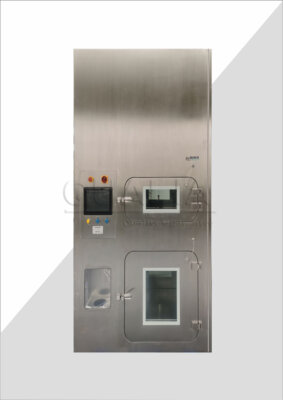
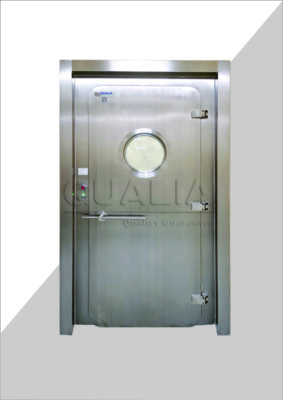
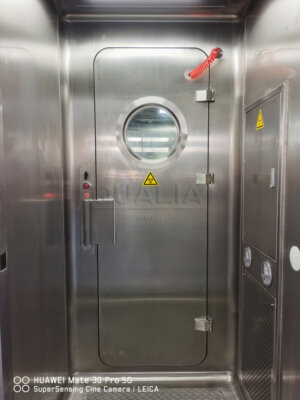
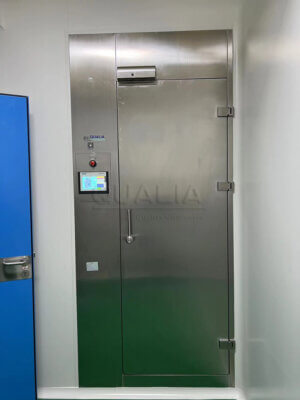
Il meccanismo di interblocco su un dispositivo di trasferimento è l’espressione fisica dell’integrità del contenimento durante l’operazione di trasferimento. Le pass box che operano in configurazioni BSC di Classe III utilizzano porte con interblocco — elettromagnetico o statico, con indicatori visivi e allarmi acustici — per impedire l’apertura simultanea di entrambe le porte. Tale meccanismo non è una semplice funzione di comodità; è il controllo che mantiene il confine del differenziale di pressione e impedisce che il lato contaminato e quello pulito condividano un volume d’aria comune durante il trasferimento. Un progetto di pass box che implementa male i sistemi di interblocco — a causa di una tenuta elettromagnetica insufficiente, di spie luminose non visibili dalla posizione dell’operatore o di un segnale acustico coperto dal rumore di fondo dell’impianto di climatizzazione — crea una falsa sicurezza nel contenimento che verrà alla luce durante una revisione formale, ma che un operatore non esperto potrebbe non notare durante l’uso quotidiano. Valutare il sistema di interblocco come parte integrante del processo di selezione, e non come una caratteristica data per scontata, è uno dei controlli che distingue una revisione degli acquisti da un semplice confronto tra cataloghi.
Per le strutture che stanno ancora valutando le opzioni relative al tipo di dispositivo di trasferimento prima di passare alla selezione a livello di dispositivo, il Box di sicurezza biologica: Tipi e guida alla selezione per le applicazioni BSL tratta le differenze strutturali tra i vari tipi di pass box nel contesto dei requisiti relativi ai livelli di biosicurezza.
La decisione che determina se un dispositivo di trasferimento BSL-3 funzioni in modo affidabile nella pratica viene presa ben prima che il dispositivo venga ordinato: viene presa quando le dimensioni del carico, i requisiti relativi al metodo di decontaminazione, la frequenza di trasferimento e la disposizione della sala con gli spazi liberi di servizio vengono considerati come parametri fissi piuttosto che come elementi da confermare in un secondo momento. Saltare tale conferma non elimina i vincoli; li sposta semplicemente alla fase di messa in servizio o alla validazione al primo utilizzo, dove risolvere un disallineamento nelle dimensioni della camera o un corridoio di servizio sottodimensionato costa significativamente di più rispetto a quanto sarebbe costato la revisione della selezione iniziale.
Prima di scegliere un dispositivo, è necessario confermare i limiti massimi di carico, compreso l’imballaggio secondario; verificare la compatibilità tra lo stato di contaminazione dei materiali trasferiti e il metodo di decontaminazione del dispositivo; modellare la frequenza di trasferimento in funzione del tempo di ciclo, qualora si opti per il VHP; e controllare che l’ingombro esterno si adatti alla disposizione della sala, con uno spazio libero adeguato su tutti i lati per consentire la manutenzione. Questi quattro controlli rappresentano il criterio pratico che distingue un dispositivo in grado di risolvere il problema di progettazione del trasferimento da uno che lo rimanda.
Domande frequenti
D: Il quadro di riferimento per la selezione descritto in questo articolo è applicabile nel caso in cui la suite BSL-3 sia già stata realizzata e l'apertura grezza sia fissa?
R: Il quadro di riferimento rimane valido, ma le opzioni disponibili si riducono notevolmente. Una volta definita l’apertura grezza, i criteri di selezione passano dall’ottimizzazione del dispositivo migliore all’identificazione del dispositivo idoneo che si adatti all’apertura prestabilita senza richiedere modifiche strutturali. La verifica delle dimensioni di carico, la compatibilità dei metodi di decontaminazione e i controlli dello spazio libero operativo rimangono necessari: ora fungono da esercizio di adattamento ai vincoli imposti dall’apertura fissa, piuttosto che da parametri di progettazione liberi. Se nessun dispositivo standard si adatta all’apertura soddisfacendo al contempo i requisiti di contenimento e di flusso di lavoro, le alternative sono una camera su misura o una riprogettazione procedurale del percorso di trasferimento, entrambe opzioni notevolmente più costose di quanto sarebbe stata una revisione della selezione prima dell’inizio dei lavori.
D: Una volta installata e collaudata la cabina di passaggio o la vasca per le immersioni, qual è la prima fase operativa che determina se la scelta effettuata si rivela effettivamente valida nella pratica?
R: Il primo vero test consiste nel far funzionare il dispositivo in condizioni di carico reali — non con carichi di prova — e nel verificare che ogni articolo di routine presente nell’inventario di trasferimento entri nel dispositivo, venga completamente decontaminato e lo attraversi entro il tempo di ciclo su cui si basa il flusso di lavoro. Questo primo ciclo operativo dovrebbe includere i carichi più grandi e ingombranti presenti nell’imballaggio secondario, non solo campioni rappresentativi. Se la frequenza di trasferimento in condizioni reali di turno crea una pressione di accumulo che incide sul tempo di ciclo del VHP, o se un qualsiasi tipo di carico richiede un riorientamento che aumenta il contatto dei guanti con superfici contaminate, tali punti di attrito devono essere documentati e risolti prima che diventino soluzioni alternative normalizzate.
D: A quale frequenza di trasferimento un singolo box di passaggio VHP smette di essere adeguato e richiede un'unità in parallelo o un percorso di trasferimento diverso?
R: Non esiste una soglia universale, ma il calcolo è semplice: se il numero di trasferimenti richiesti per turno, moltiplicato per il tempo minimo di ciclo — 30 minuti nella fascia più bassa — supera il tempo disponibile per il turno senza margine per l’allestimento, la preparazione o eventuali ritardi, una singola unità risulta sottodimensionata per il flusso di lavoro. Un impianto che esegue tre o più trasferimenti all’ora in un unico turno di operatore subirà quasi certamente una pressione di code con una sola camera di passaggio VHP. A tale frequenza, una seconda unità in parallelo o una vasca di immersione per carichi compatibili diventa un requisito funzionale piuttosto che un’opzione di ridondanza. La frequenza dei trasferimenti dovrebbe essere modellata in base alla domanda di picco, non a quella media, per evitare un sottodimensionamento.
D: In una struttura in cui vengono gestiti sia carichi sensibili all’umidità che carichi compatibili con i liquidi, è realistico gestire sia una vasca di immersione che una camera di passaggio VHP all’interno della stessa suite BSL-3, oppure ciò comporta una maggiore complessità procedurale rispetto ai vantaggi che ne derivano?
R: La gestione di entrambi i dispositivi è realisticamente fattibile dal punto di vista operativo quando i tipi di carico sono chiaramente classificati e il personale è addestrato su quale percorso di trasferimento applicare a ciascuna classe di carico. La complessità della procedura è reale ma gestibile — è inferiore al rischio di far passare materiali sensibili all’umidità attraverso una vasca di immersione o di ritardare i carichi compatibili con l’umidità con un ciclo VHP di 30–55 minuti. Il punto di attrito non sono i dispositivi in sé, ma il protocollo di classificazione: se la classificazione dei carichi è ambigua o lasciata alla discrezione dell’operatore nel momento del trasferimento, si verificheranno errori di percorso. Le strutture che definiscono il percorso di trasferimento nella fase di richiesta del carico o di ricezione del materiale, anziché al momento del trasferimento, gestiscono generalmente i flussi di lavoro con due dispositivi senza significative interruzioni procedurali.
D: Se il budget o lo spazio consentono di acquistare una sola unità, come dovrebbe valutare un team un dispositivo con ottime prestazioni di decontaminazione rispetto a uno che offre un migliore accesso alla camera per la manutenzione?
R: È opportuno dare priorità alla manutenibilità se le prestazioni di decontaminazione di entrambe le opzioni soddisfano la soglia di riduzione di 6 log convalidata richiesta per l’applicazione. Un dispositivo che raggiunge il tasso di abbattimento richiesto ma presenta un deterioramento della pulibilità o dell’accuratezza della calibrazione a causa di un accesso di manutenzione compromesso, si discosterà dalle prestazioni convalidate più rapidamente di quanto previsto dal programma di manutenzione. Tale scostamento crea un onere di riqualificazione che si accumula nel corso della vita utile del dispositivo e può emergere come una lacuna di conformità durante l’ispezione. Le prestazioni di decontaminazione che non possono essere mantenute in modo costante nella configurazione installata non costituiscono un dato affidabile sulle prestazioni: si tratta di un risultato ottenuto in fase di messa in servizio che la struttura avrà difficoltà a riprodurre nel tempo.