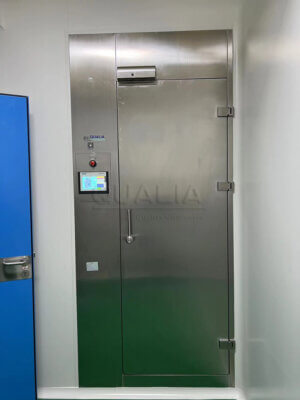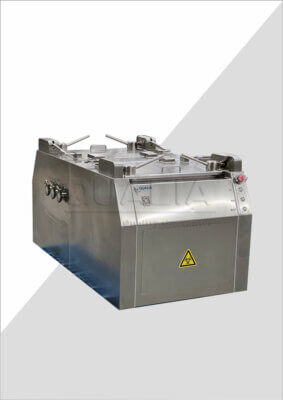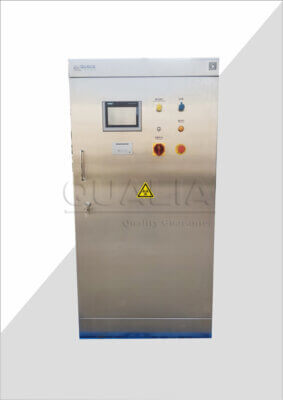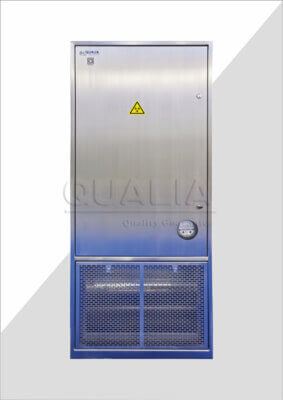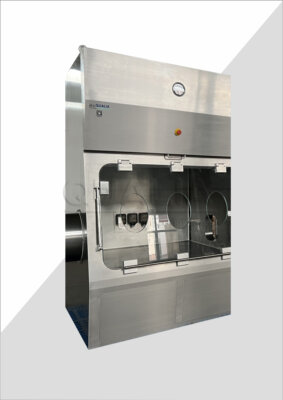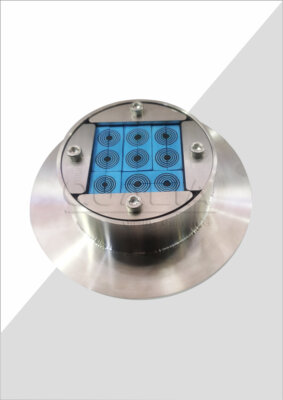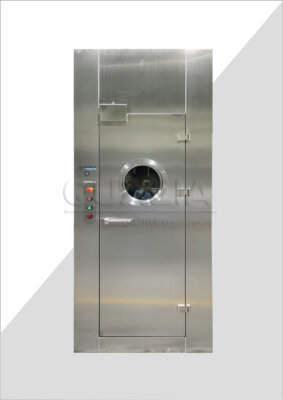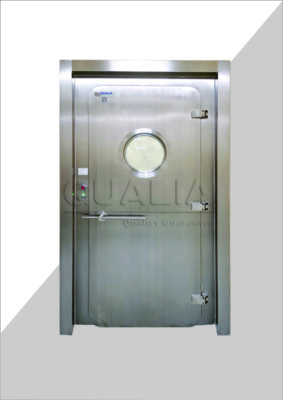

I team di approvvigionamento che considerano la scelta delle porte come una decisione da prendere in una fase avanzata del processo di selezione dei fornitori ne subiscono regolarmente le conseguenze al momento della messa in servizio: una cascata di pressioni che non si stabilizza, un collaudo di accettazione che fallisce e interventi di correzione che interessano contemporaneamente gli ambiti meccanico, dei controlli e dell’impiantistica HVAC. La causa alla base è raramente la porta in sé; il problema è che il tipo di guarnizione, la logica di interblocco, i dettagli del telaio e la direzione della pressione non sono mai stati definiti come parametri di progettazione prima dell’inizio della costruzione delle pareti. Risolvere questi aspetti dopo il getto del calcestruzzo è costoso e richiede tempo. Le decisioni che determinano se un confine di contenimento funzioni in modo affidabile — e se possa essere sottoposto a manutenzione senza compromettere il contenimento — devono essere prese prima dell’approvvigionamento, non negoziate in base a ciò che il fornitore selezionato decide di offrire.
Tipo di guarnizione e direzione della pressione prima dell'acquisto di una porta a tenuta d'aria
Il meccanismo di tenuta e la direzione della pressione a cui deve resistere non sono dettagli da confermare dopo aver scelto una porta: sono le specifiche tecniche. Una porta che funziona adeguatamente in condizioni di pressione differenziale normali, ma che non è mai stata testata alla pressione di riferimento, potrebbe superare l’ispezione visiva il primo giorno e tuttavia contribuire a un guasto a cascata durante i test formali di collaudo. Per le applicazioni BSL-3, le specifiche di appalto dovrebbero richiedere prove di tenuta all’aria con un differenziale di pressione di 250 Pa e la certificazione di Classe 3/4 secondo la norma EN 12207:2000. Considerare tali valori come soglie progettuali piuttosto che come semplici punti di riferimento cambia il modo in cui vengono redatte le specifiche e ciò che il fornitore è tenuto a dimostrare prima della consegna.
Anche la direzione della pressione determina quale meccanismo di tenuta sia più appropriato. Una porta esposta a una pressione negativa verso l’interno presenta dinamiche di compressione diverse rispetto a una posizionata al confine di un’anticamera, dove il differenziale di pressione può invertirsi in caso di anomalie del sistema HVAC. La tenuta meccanica a doppio strato risolve questo problema facendo affidamento sulla forza di chiusura della porta piuttosto che su un’alimentazione esterna, il che elimina una variabile dall’equazione delle prestazioni di tenuta e semplifica gli aspetti da verificare durante la manutenzione ordinaria.
| Cosa verificare | Specifiche richieste | Perché è importante |
|---|---|---|
| Indice di perdita d'aria | Testato con una differenza di pressione di 250 Pa, certificato Classe 3/4 secondo la norma EN 12207:2000 | Garantisce che la porta soddisfi i requisiti di tenuta alla pressione previsti per il contenimento BSL-3 |
| Meccanismo di tenuta primario | Guarnizione a doppio strato con compressione meccanica | Garantisce una tenuta affidabile senza dipendere dall'alimentazione di rete, semplificando la manutenzione ordinaria |
La colonna relativa alle specifiche in quella revisione è utile solo se i dati vengono riportati nell'ordine di acquisto come criteri di accettazione. Se rimangono in un documento di progettazione che il fornitore non vede mai, non offrono alcuna tutela in fase di approvvigionamento.
Comportamento dell'interblocco, dettagli del telaio e accesso per la sostituzione dei componenti
Una sequenza di porte interbloccate al confine di un laboratorio BSL-3 è una misura di contenimento, non una funzione di comodità. Il requisito pratico — due porte a chiusura automatica che non possono essere aperte contemporaneamente — esiste per preservare il differenziale di pressione attraverso la sequenza di anticamere anche quando il personale la attraversa. Ciò è coerente con le prassi di progettazione del contenimento riportate nelle linee guida dell’OMS sulla biosicurezza nei laboratori ed è un criterio di progettazione che deve essere confermato con il team addetto ai controlli prima della posa dei cavi, non dopo. Se la logica di interblocco viene concordata a livello del fornitore delle porte senza integrare il sistema di gestione dell’edificio o la sequenza dei controlli dell’impianto di climatizzazione (HVAC), il risultato è spesso una porta che si interblocca meccanicamente ma non comunica il proprio stato al sistema di monitoraggio della pressione o al sistema di allarme della struttura.
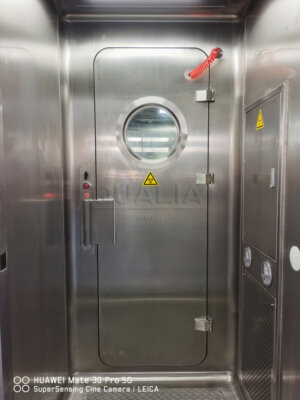
I dettagli del telaio determinano se la tenuta avviene effettivamente lungo il perimetro o solo sull’anta. Un telaio avvolgente con una guarnizione continua in neoprene è una soluzione che colma lo spazio tra la porta e l’apertura fornendo una superficie di compressione lungo l’intero perimetro — ma questa non è l’unica configurazione efficace. Ciò che conta è che il design del telaio venga specificato insieme al tipo di guarnizione, senza affidarsi all’offerta standard del produttore. La geometria del telaio determina inoltre il modo in cui la porta si integra con la struttura della parete: lo spessore della parete, il materiale dei pannelli e il metodo di intelaiatura influiscono tutti sulla possibilità di installare la porta mantenendo intatta la geometria di compressione.
L’accessibilità per la sostituzione è un aspetto di pianificazione che la maggior parte delle revisioni degli appalti tralascia completamente. Quando una guarnizione della porta si deteriora — a causa dell’usura meccanica, della deformazione da compressione o dell’esposizione a sostanze chimiche di pulizia — la possibilità di sostituirla senza rimuovere la porta dal telaio e, idealmente, senza compromettere l’integrità del contenimento durante la sostituzione, determina se la manutenzione viene eseguita nei tempi previsti o rinviata. Il rinvio della manutenzione delle guarnizioni è un percorso prevedibile verso prestazioni di tenuta marginali che passano inosservate fino a quando non vengono evidenziate da un test di accettazione o da una riqualificazione periodica. Prima dell’acquisto, verificare quali componenti siano sostituibili in loco, quali strumenti siano necessari e se la procedura di sostituzione richieda la messa fuori servizio dello spazio.
Effetti delle perdite sull'idoneità delle cascate di pressione
La cascata di pressione di una struttura BSL-3 dipende dal comportamento cumulativo delle perdite di ogni elemento di confine nella sequenza: pareti, aperture e porte. Una singola porta con prestazioni di tenuta marginali potrebbe non causare una perdita di pressione evidente durante il normale funzionamento, ma durante le prove di collaudo, quando le camere vengono pressurizzate e mantenute in tale stato per la verifica della cascata, anche una perdita moderata può impedire che il differenziale si stabilizzi entro la tolleranza richiesta. La conseguenza a valle è il fallimento della prova di collaudo, che richiede sia un’indagine sul contenimento sia una sequenza di rimessa a punto dei controlli prima che le prove possano riprendere.
I gruppi di porte scorrevoli nelle applicazioni ad alto contenimento vengono talvolta specificati con obiettivi di efficienza di tenuta superiori a 99% come soglia di progettazione per la stabilità a cascata. Tale valore non costituisce un criterio di accettazione formalmente codificato da una singola norma di riferimento, ma riflette il livello prestazionale associato al mantenimento dei gradienti differenziali che consentono la verifica della cascata di pressione secondo i metodi di prova della norma ISO 14644-3:2019. L’implicazione pratica è che le porte ai margini della propria classe di tenuta — porte che tecnicamente soddisfano una specifica ma operano al limite della stessa — comportano un rischio significativo di contribuire all’instabilità della cascata in condizioni di prova.
Il tipo di guasto più comune non è un cedimento catastrofico della tenuta, bensì un degrado progressivo che si verifica tra la messa in servizio e la ricertificazione. Una porta installata con una geometria di compressione corretta e un valore di tenuta conforme può uscire dai limiti di tolleranza se nel tempo si sviluppa una deformazione permanente della guarnizione, se le cerniere si spostano o se la forza di chiusura della porta cambia a causa dell’assestamento del telaio. Prevedere un controllo periodico della tenuta della porta — programmato in modo da precedere qualsiasi ricertificazione prevista — è una decisione di manutenzione che tutela direttamente la validità del risultato di accettazione a cascata.
Compromesso tra la manutenzione delle tenute pneumatiche e quella delle tenute meccaniche
La differenza strutturale tra le tenute pneumatiche e quelle meccaniche non riguarda principalmente le prestazioni di tenuta in condizioni normali, bensì ciò che accade quando si verifica un guasto in un componente del sistema di supporto. Tale distinzione ha conseguenze concrete sulla pianificazione della manutenzione, sull’ambito dei controlli e sul profilo di rischio della porta nel corso della sua vita utile.
Le guarnizioni meccaniche passive in gomma siliconica solida si basano interamente sulla compressione della porta per ottenere e mantenere la tenuta. Non è prevista alcuna sequenza di attivazione, né linee di alimentazione, né sistemi da monitorare. Il comportamento di sicurezza intrinseca è garantito: in caso di interruzione dell’alimentazione, la tenuta rimane nello stato in cui era stata lasciata la porta. Gli obblighi di manutenzione differiscono da quelli di un sistema pneumatico — l’ispezione si concentra sulla geometria di compressione della guarnizione, sull’integrità della superficie e sull’eventuale variazione della forza di chiusura meccanica della porta — ma sono prevedibili e non richiedono la verifica di sistemi di alimentazione esterni.
Le tenute pneumatiche attive offrono un controllo più rigoroso del confine attivo, in particolare nelle applicazioni in cui la pressione differenziale varia o in cui la forza di tenuta deve adattarsi alle condizioni operative. Il compromesso è la dipendenza dall’alimentazione. Una tenuta pneumatica che si basa su un’alimentazione continua di aria o vapore introduce una modalità di guasto che una tenuta meccanica non presenta: se l’alimentazione viene a mancare in caso di interruzione di corrente o di interruzione dell’erogazione, la tenuta potrebbe allentarsi. Per un confine di contenimento che protegge dall’esposizione ad agenti patogeni, questa è un’incognita inaccettabile. Prima di specificare una tenuta pneumatica, il team di progetto deve definire il comportamento della tenuta in caso di interruzione di corrente, verificarne il funzionamento nella sequenza di controllo e documentare la funzione di sicurezza intrinseca come parte del pacchetto di messa in servizio.
| Caratteristica | Guarnizione meccanica passiva | Guarnizione pneumatica attiva |
|---|---|---|
| Metodo di attivazione | Si basa sulla compressione della porta (gomma siliconica compatta, min. ¼”) | Richiede l'attivazione tramite aria o vapore |
| Dipendenza dall'utility | Nessuna; funziona senza utilità esterne | Richiede un'alimentazione continua di aria/vapore |
| Comportamento di sicurezza in caso di interruzione di corrente | Intrinsecamente a prova di guasto; integrità della tenuta garantita | Da verificare; rischio di rilascio della guarnizione in caso di guasto dell'impianto |
| Priorità di manutenzione | Controllare la compressione, l'integrità e l'usura meccanica della guarnizione | Verificare il ciclo di attivazione, la pressione di alimentazione e la funzione di sicurezza in caso di guasto |
La differenza nei costi di manutenzione tra le due opzioni viene spesso sottovalutata in fase di approvvigionamento. Una tenuta pneumatica richiede la verifica periodica del ciclo di attivazione, la taratura della pressione di alimentazione e il collaudo della funzione di sicurezza in caso di guasto — attività che ampliano l’ambito della manutenzione dei sistemi di controllo. Una tenuta meccanica richiede l’ispezione delle guarnizioni e i controlli di compressione. Nessuna delle due soluzioni è intrinsecamente più economica, ma la manutenzione del sistema pneumatico richiede più spesso un coordinamento tra i team meccanici e quelli addetti ai sistemi di controllo, il che incide in modo diverso sulla pianificazione e sui costi nel corso di un ciclo di manutenzione pluriennale.
Per i team che stanno valutando entrambe le opzioni nell'ambito dell'approvvigionamento di porte BSL-3, il Guarnizione pneumatica per porte APR e Porte APR a tenuta meccanica Le linee di prodotti sono pensate per queste configurazioni con parametri di progettazione specifici per il contenimento.
Costruzione delle pareti, cablaggio degli impianti di controllo e coordinamento degli impianti di climatizzazione
Gli errori nell’approvvigionamento delle porte che sembrano essere problemi legati ai fornitori sono spesso problemi di coordinamento. Il telaio della porta deve essere specificato in relazione al sistema di pannelli murali — il suo spessore, il metodo di costruzione e l’intelaiatura strutturale — e non come elemento indipendente. I materiali del telaio (alluminio o acciaio inossidabile) comportano implicazioni diverse in termini di resistenza chimica, compatibilità con le camere bianche e dettagli di collegamento all’interfaccia con i pannelli. Nessuno dei due è intrinsecamente la scelta corretta; la selezione dipende dal sistema di pareti, dal protocollo di pulizia e dal carico strutturale sull’apertura. Ciò che crea problemi è l’acquisto della porta prima che il sistema di pareti sia stato completamente specificato, per poi scoprire che la geometria del telaio richiede modifiche in fase di installazione.
Il cablaggio dei comandi per gli interblocchi delle porte costituisce un limite dell’ambito di intervento che deve essere definito prima della fase di preinstallazione, non durante l’installazione delle porte. Il funzionamento dell’interblocco — ovvero quali porte comunicano tra loro, come i segnali di stato vengono trasmessi al sistema di gestione dell’edificio e come viene registrato il comportamento delle porte a fini di audit — richiede sia una progettazione dei sistemi di controllo sia un percorso di cablaggio che devono essere coordinati con la sequenza di costruzione delle pareti. Se l’ambito dei sistemi di controllo è ancora in fase di definizione quando le pareti vengono chiuse, le canaline di cablaggio e i percorsi dei condotti vengono tralasciati o richiedono in seguito un intervento invasivo.
I valori di pressione di riferimento dell’impianto HVAC determinano il differenziale a cui la guarnizione della porta deve resistere durante il funzionamento. Il differenziale target stabilito dal team di progettazione dell’impianto HVAC per ciascuna stanza nella sequenza delle anticamere dovrebbe costituire un dato diretto per la definizione delle specifiche relative alle perdite della porta — non un valore da confrontare con le prestazioni nominali della porta dopo che entrambi sono stati specificati separatamente. Quando questi vengono sviluppati in parallelo senza un punto di controllo di coordinamento, il risultato è una porta classificata per una pressione che l’impianto HVAC o supera costantemente o non raggiunge mai, rendendo le specifiche relative alle perdite inadeguate o eccessivamente prudenti, con conseguenze che influenzano i risultati dei test di collaudo.
Il principio generale è che le specifiche relative alle porte debbano essere discusse nell’ambito del processo di coordinamento progettuale — con la partecipazione dell’appaltatore responsabile delle pareti, dell’ingegnere dei sistemi di controllo e del progettista degli impianti di climatizzazione — prima che venga dato il via libera all’appalto. Questo aspetto viene approfondito nel contesto di configurazione dell'interblocco elettromagnetico per camere di compensazione con guarnizione gonfiabile, dove le stesse dipendenze di coordinamento si applicano alle sequenze delle porte in condizioni di gestione attiva della pressione.
Omologazione dei sistemi di chiusura per le barriere di contenimento BSL-3
L’approvazione di una porta in un perimetro di contenimento BSL-3 non è solo una questione di certificazione del fornitore: richiede la conferma che le prestazioni della porta siano state verificate in base allo standard che disciplina il progetto specifico. Laddove si applicano gli standard cinesi per i laboratori di biosicurezza, la norma GB50346-2011 specifica che la tenuta ai gas di Grado Tre o superiore costituisce un requisito per i confini di contenimento. Tale norma è specifica per la giurisdizione in cui è applicabile; non si tratta di un requisito internazionale universale, ma laddove è in vigore, il processo di approvazione richiede una certificazione conforme ad essa, non solo una dichiarazione generica di conformità da parte del fornitore.
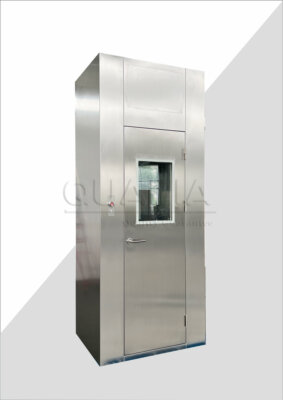
Le specifiche costruttive relative all’anta e al telaio della porta sono criteri di progettazione che influiscono sulla durabilità a lungo termine e sulla compatibilità con le camere bianche, non solo sulle prestazioni iniziali. Uno spessore dell’anta di 50 mm con rivestimento in acciaio inossidabile spazzolato da 1 mm e un telaio in acciaio inossidabile o alluminio da 1,5 mm è una specifica volta a garantire la rigidità strutturale e la resistenza superficiale necessarie in ambienti di contenimento che richiedono ripetute disinfezioni chimiche. È opportuno verificare questi dati durante la revisione dell’appalto — non perché rappresentino una regola universale di costruzione, ma perché specifiche costruttive marginali tendono a deteriorarsi più rapidamente in presenza di protocolli di pulizia per ambienti di contenimento e possono creare problemi di tenuta o di integrità superficiale difficili da attribuire a una causa specifica durante la riqualificazione.
| Requisiti | Specifiche | Cosa confermare |
|---|---|---|
| Grado di tenuta al gas | Classe 3 o superiore secondo la norma GB50346-2011 | Certificazione secondo lo standard prima dell'approvazione |
| Struttura dell'anta e del telaio | Lamina: acciaio inossidabile spazzolato, spessore 50 mm, spessore 1 mm Telaio: acciaio inossidabile o alluminio da 1,5 mm | Tipo di materiale, dimensioni e compatibilità con la struttura della parete |
Vale la pena pianificare in modo esplicito la sequenza di approvazione stessa. La conferma della norma applicabile, la verifica che la documentazione di certificazione della porta copra la pressione di prova e la classe di tenuta richieste, la revisione della struttura del telaio in relazione al sistema murario e la conferma del comportamento di interblocco di sicurezza dovrebbero avvenire tutte prima dell’installazione — non come voce di una lista di controllo dopo che la porta è stata montata. Una porta che non può essere approvata senza modifiche in loco comporta un lavoro aggiuntivo che ritarda la messa in servizio e spesso richiede anche una nuova verifica dei sistemi di controllo o dell’impianto di climatizzazione.
La scelta di acquistare un determinato tipo di porta è meno rilevante rispetto alle decisioni prese prima dell’acquisto: quale meccanismo di tenuta, quale direzione della pressione, quale logica di interblocco e quale metodo di manutenzione determineranno il funzionamento della porta per tutta la sua durata di vita. Questi aspetti devono essere affrontati nella fase di coordinamento progettuale, dove possono essere allineati con la struttura delle pareti, il cablaggio dei comandi e i valori di pressione previsti per l’impianto di climatizzazione prima che tali aspetti vengano definiti.
Per i team che si occupano degli appalti, la verifica pratica consiste nel confermare che le specifiche relative alle perdite riflettano l’effettivo differenziale di funzionamento, che il tipo di guarnizione preveda una routine di manutenzione definita con intervalli di ispezione concordati, che il comportamento dell’interblocco sia documentato nella sequenza di controllo e non solo nella ferramenta della porta, e che la struttura del telaio sia compatibile con il sistema murario prima dell’emissione dell’ordine di acquisto. Una porta che soddisfa tutti questi criteri al momento dell’acquisto ha molte meno probabilità di diventare la causa di un guasto a cascata o di un problema di riqualificazione rispetto a una scelta in base ai tempi di consegna o al costo unitario, lasciando aperte tali questioni.
Domande frequenti
D: Cosa succede se le specifiche relative alle perdite delle porte vengono definite prima che siano stati confermati i valori di pressione previsti per l'impianto di climatizzazione?
A: La classe di tenuta e il differenziale di funzionamento saranno quasi certamente disallineati — il che significa che la porta potrebbe essere classificata per una pressione che l’impianto di climatizzazione supera abitualmente o non raggiunge mai, il che influisce direttamente sulla capacità del sistema a cascata di reggere durante i test di collaudo. Le specifiche di tenuta della porta dovrebbero essere ricavate dal differenziale target confermato dell’impianto di climatizzazione per ciascuna zona nella sequenza dell’anticamera, non elaborate in parallelo e confrontate a posteriori.
D: Se è già installata una tenuta pneumatica, cosa occorre verificare prima della messa in servizio per accertarsi che sia sicura al confine di un laboratorio BSL-3?
R: Il comportamento di sicurezza in caso di interruzione dell’alimentazione deve essere documentato e testato prima che la messa in servizio venga accettata. Poiché una tenuta pneumatica dipende dall’alimentazione attiva di aria o vapore, un’interruzione dell’alimentazione può causare il rilascio della tenuta — un’incognita inaccettabile in corrispondenza di un confine di contenimento. La sequenza di controllo deve definire il comportamento della tenuta in caso di interruzione dell’alimentazione; tale comportamento deve essere verificato durante i test funzionali e il risultato deve essere registrato nella documentazione di messa in servizio come funzione di sicurezza documentata, senza limitarsi a un’ipotesi.
D: Queste linee guida sono applicabili nel caso in cui il progetto sia regolato da una norma nazionale diversa dalla EN 12207:2000 o dalla GB50346-2011?
A: I principi di coordinamento — tipo di tenuta di bloccaggio, direzione della pressione, logica di interblocco e dettagli del telaio prima dell’approvvigionamento — si applicano indipendentemente dalla norma che disciplina il progetto. Le soglie specifiche citate (250 Pa, Classe 3/4, Grado Tre) dipendono dalla giurisdizione o dalla norma di riferimento e devono essere sostituite con i valori richiesti dal quadro normativo applicabile. Il rischio di guasti a cascata derivanti da specifiche non allineate non varia a seconda della norma di riferimento; differiscono solo i criteri di accettazione.
D: Tra le porte con tenuta pneumatica e quelle con tenuta meccanica, quali comportano costi di manutenzione a lungo termine inferiori per una struttura BSL-3 sottoposta a frequenti cicli di disinfezione?
R: Nessuna delle due è categoricamente più economica, ma la struttura dei costi è sufficientemente diversa da incidere sulla pianificazione del budget. La manutenzione delle tenute meccaniche si concentra sull’ispezione delle guarnizioni e sui controlli di compressione — attività prevedibili che rientrano tipicamente nell’ambito della manutenzione meccanica. La manutenzione delle tenute pneumatiche richiede la verifica periodica dei cicli di attivazione, la calibrazione della pressione di alimentazione e il collaudo delle funzioni di sicurezza, operazioni che richiedono il coordinamento tra i team meccanici e di controllo e che sono più suscettibili di creare conflitti di programmazione e controversie sui confini dell’ambito di intervento nel corso di un ciclo pluriennale. Gli impianti con una capacità limitata di manutenzione dei sistemi di controllo troveranno generalmente l’opzione pneumatica più costosa da sostenere nella pratica.
D: In quale fase del programma di progetto è troppo tardi per modificare il tipo di guarnizione specificato senza che ciò comporti la necessità di rielaborare altre parti del progetto?
R: Una volta avviata la costruzione delle pareti e mentre è in corso l’installazione preliminare dei sistemi di controllo, la modifica del tipo di guarnizione richiede in genere di rivedere almeno altri due ambiti. Il passaggio da un sistema meccanico a uno pneumatico dopo la chiusura delle pareti richiederà il tracciamento di linee di alimentazione che potrebbero non essere state incluse nel piano di penetrazione delle pareti e amplierà l’ambito del cablaggio dei controlli se la logica di attivazione non è stata precablata. La scadenza pratica per la conferma del tipo di tenuta è prima dell’inizio della costruzione delle pareti e prima che la progettazione del cablaggio dei controlli venga rilasciata per l’installazione preliminare — nello stesso punto di controllo di coordinamento in cui dovrebbero essere definiti anche la geometria del telaio e la logica di interblocco.