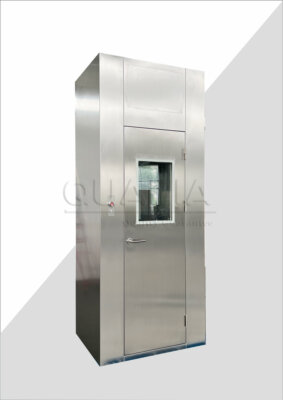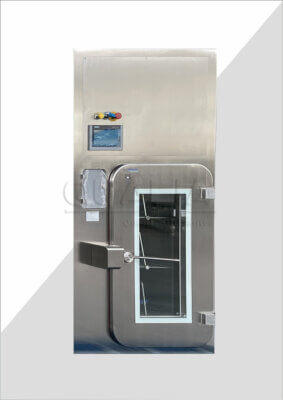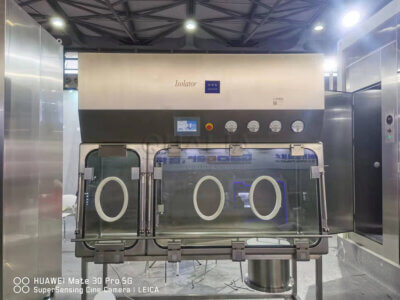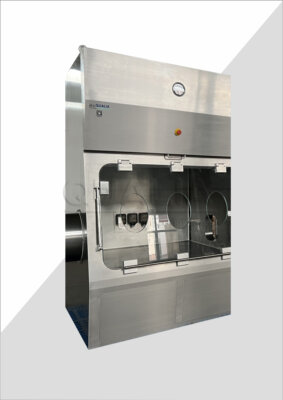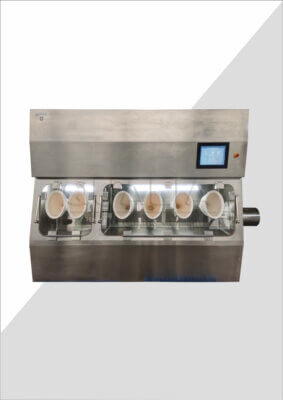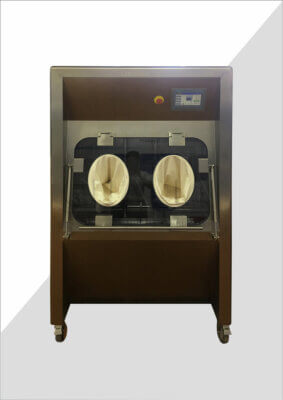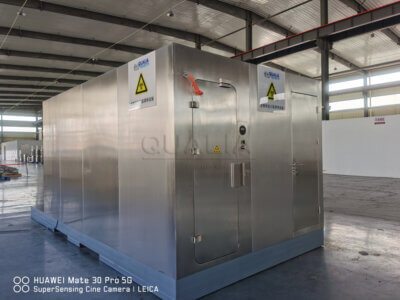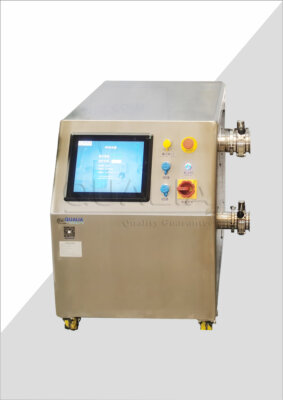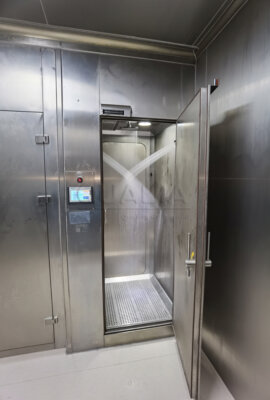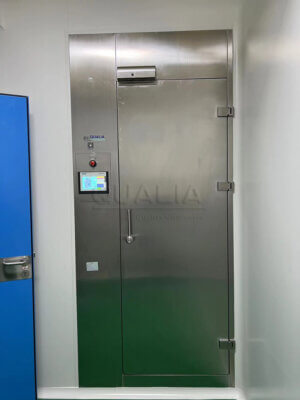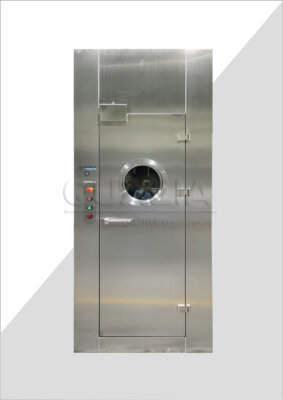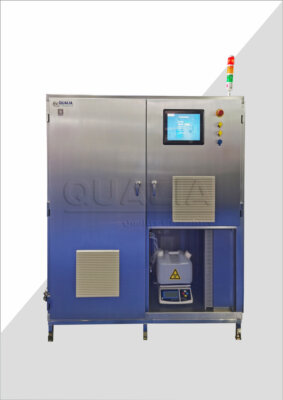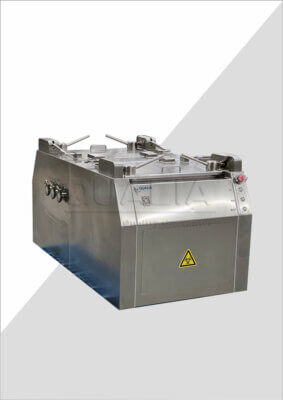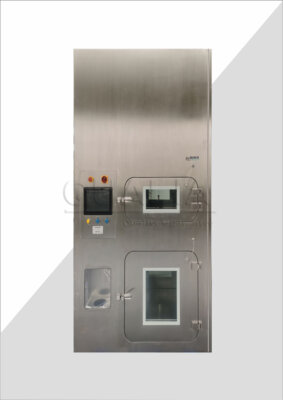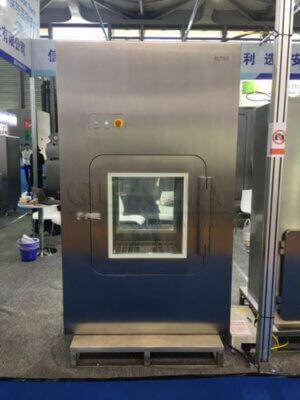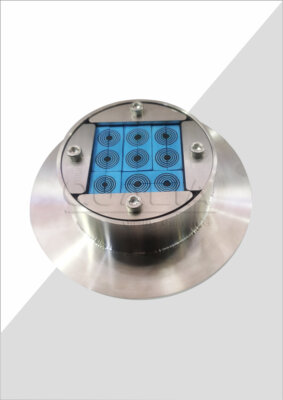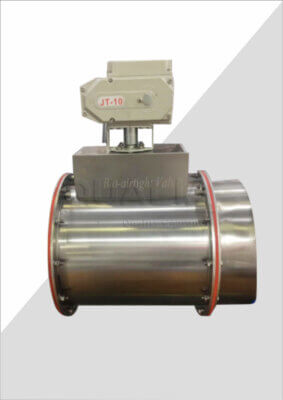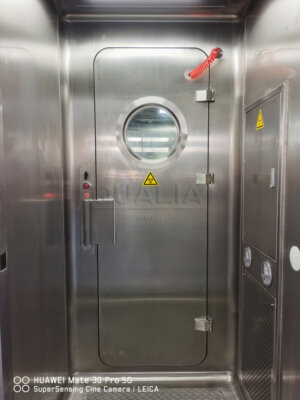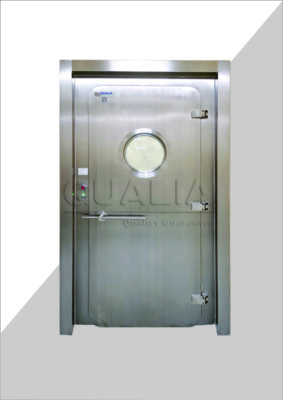

The pharmaceutical and biotechnology industries face an increasingly complex challenge: maintaining absolute containment while ensuring operational efficiency in critical manufacturing environments. APR door manufacturers play a pivotal role in this delicate balance, yet many facilities struggle with inconsistent quality, inadequate sealing performance, and compliance gaps that can compromise entire production cycles.
Consider this: a single containment breach in a pharmaceutical facility can result in product losses exceeding $2.3 million per incident, according to recent industry data. Beyond financial implications, inadequate door sealing systems pose serious risks to personnel safety and regulatory compliance. The consequences extend far beyond immediate costs—failed inspections, production shutdowns, and damaged reputations can cripple organizations for years.
This comprehensive evaluation guide provides you with the technical insights, quality benchmarks, and manufacturer assessment criteria needed to make informed decisions about APR door systems. You’ll discover how leading QUALIA Bio-Tech and other manufacturers approach quality control, what specifications truly matter, and how to avoid costly mistakes in your selection process.
What Are APR Door Manufacturers and Why Do They Matter?
APR (Air Pressure Relief) door systems represent specialized containment solutions designed for controlled environments where maintaining precise pressure differentials is critical. These manufacturers focus on creating doors that automatically respond to pressure changes while maintaining hermetic seals under normal operating conditions.
Understanding APR Door Technology
Mechanical seal manufacturers in the APR door segment utilize advanced engineering principles to create systems that balance containment with safety. The core technology involves pressure-sensitive mechanisms that allow controlled air flow during emergency situations while maintaining absolute containment during normal operations.
Industry data indicates that properly functioning APR doors can maintain pressure differentials of up to 0.5 inches of water column while providing emergency relief capabilities within 2-3 seconds of pressure spike detection. This dual functionality makes manufacturer selection particularly crucial, as the engineering tolerances required are extremely tight.
Market Landscape and Key Players
The global APR door manufacturing sector has evolved significantly over the past decade. Leading manufacturers have invested heavily in advanced materials science, precision machining capabilities, and quality control systems. Current market analysis shows that fewer than 15% of manufacturers can consistently meet pharmaceutical-grade quality standards across their entire product range.
| Manufacturer Category | Market Share | Quality Consistency | Typical Lead Time |
|---|---|---|---|
| Tier 1 Specialists | 35% | 95%+ | 8-12 weeks |
| General Door Manufacturers | 45% | 70-85% | 4-6 weeks |
| Custom Solution Providers | 20% | 85-95% | 12-16 weeks |
Research from the International Pharmaceutical Engineering Society indicates that facilities using tier 1 APR door manufacturers experience 67% fewer containment-related incidents compared to those using general manufacturers.
How to Evaluate Mechanical Seal APR Door Quality Standards?
Quality evaluation in APR door manufacturing requires a multi-layered approach that examines both visible craftsmanship and underlying engineering principles. Our experience evaluating hundreds of installations reveals that surface-level inspections often miss critical quality indicators.
Primary Quality Assessment Criteria
The foundation of APR door quality standards begins with material selection and precision manufacturing. Leading manufacturers utilize 316L stainless steel components with surface finishes of 32 Ra or better. This specification isn’t arbitrary—it directly impacts seal integrity and cleanability in pharmaceutical environments.
Weld quality represents another critical evaluation point. Premium manufacturers employ orbital welding techniques with full penetration welds that undergo 100% dye penetrant testing. In contrast, lower-tier manufacturers often use conventional welding methods with spot-check quality control, resulting in potential weak points.
Seal Performance Metrics
Door seal performance must be evaluated across multiple parameters. Leak rates should not exceed 10^-6 standard cc/sec of helium under test conditions, with many high-end applications requiring performance levels of 10^-8 or better. These numbers represent the difference between acceptable containment and potential regulatory violations.
Temperature cycling capabilities often separate superior manufacturers from adequate ones. Quality APR doors must maintain seal integrity across temperature ranges from -20°C to +80°C while experiencing thermal cycling of ±30°C without performance degradation.
Certification and Testing Standards
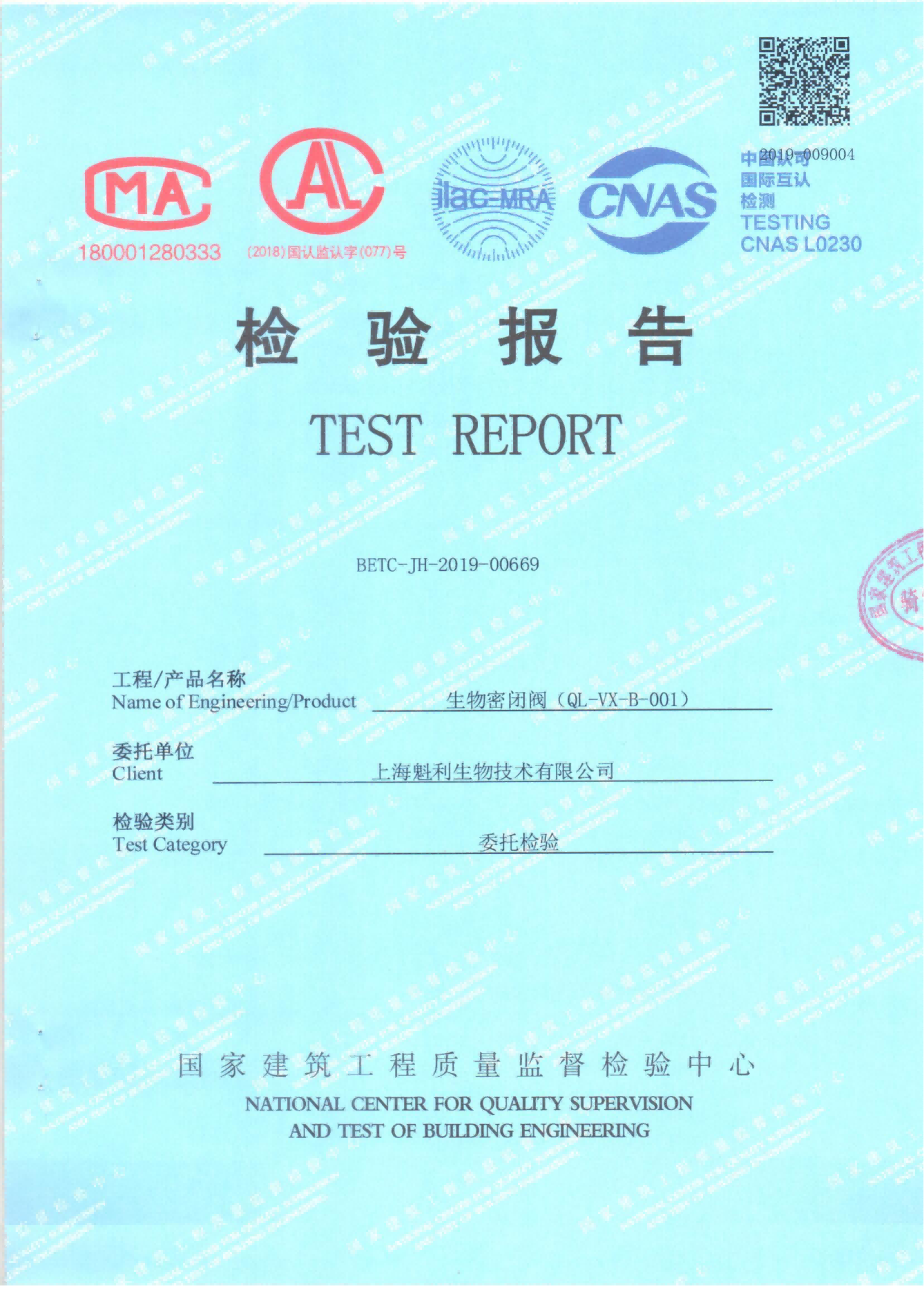
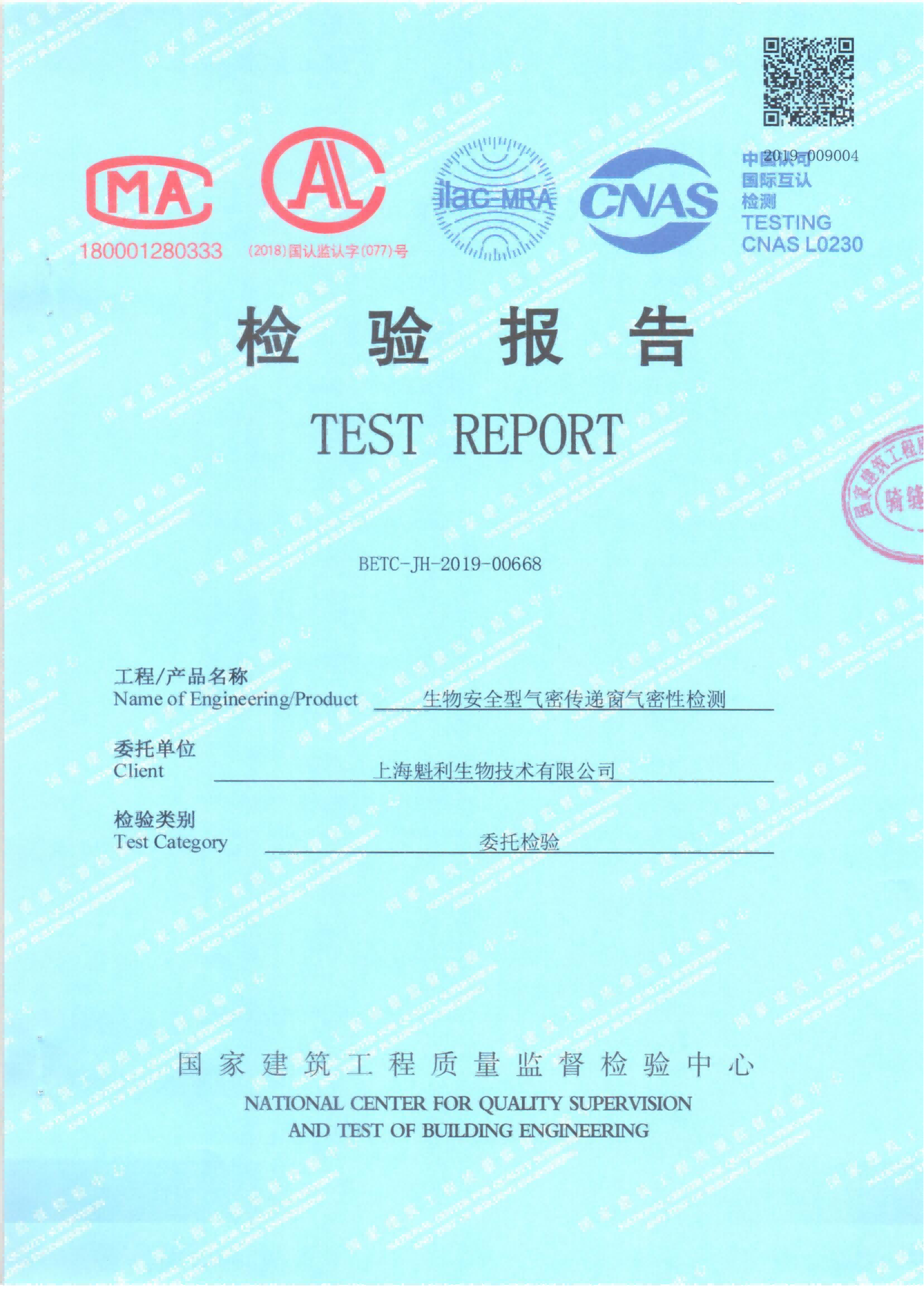
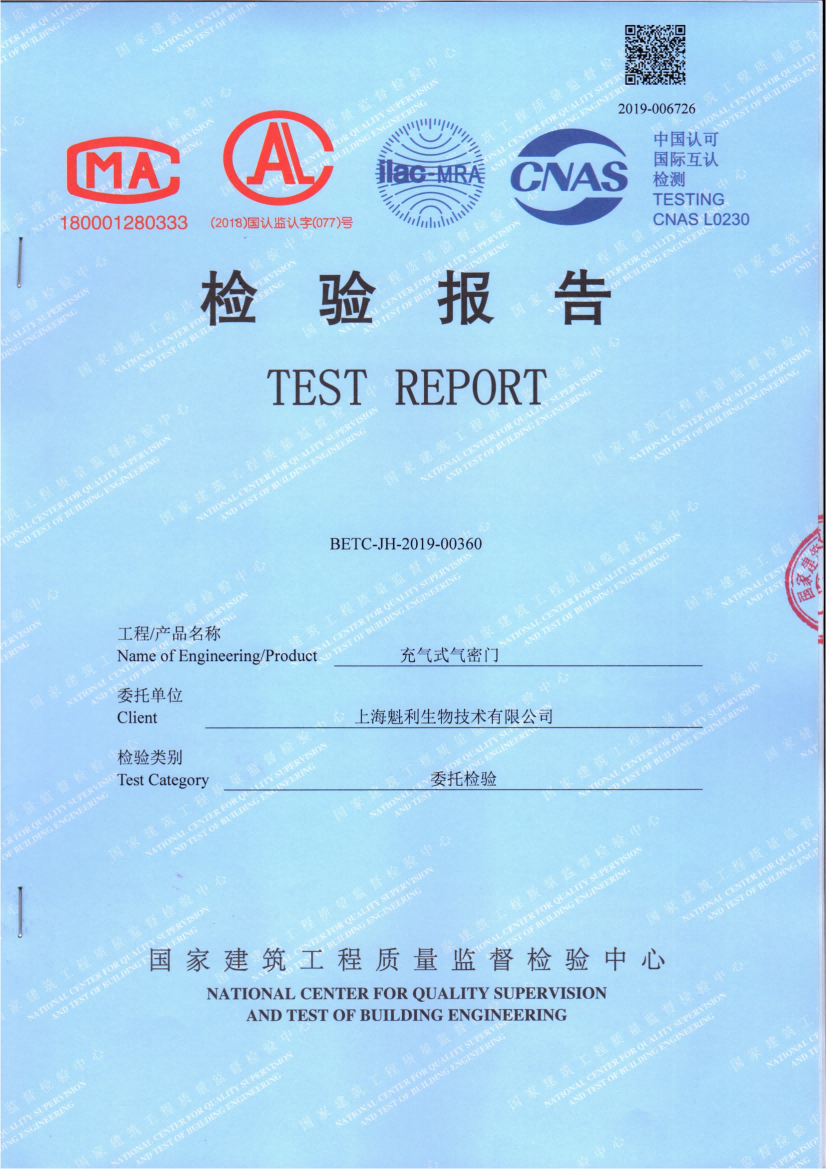
As one industry expert notes, “The difference between compliant and truly reliable APR doors often lies in the testing protocols manufacturers employ beyond minimum requirements.” Leading manufacturers typically exceed ISO 14644 cleanroom standards and implement proprietary testing protocols that simulate decades of operational wear.
What Manufacturing Standards Should You Consider When Selecting APR Door Manufacturers?
APR manufacturing standards vary significantly across the industry, making it essential to understand which certifications and processes actually impact performance. Many manufacturers claim compliance with standards that don’t adequately address containment-specific requirements.
ISO and Industry-Specific Certifications
ISO 9001 certification represents the baseline for quality management systems, but it doesn’t address the specialized requirements of containment door manufacturing. More relevant standards include ISO 14644 for cleanroom applications and ASME BPE for bioprocessing equipment.
The most rigorous manufacturers also maintain FDA registration, cGMP compliance documentation, and often pursue ASME Section VIII certification for pressure vessel components. These additional certifications indicate a manufacturer’s commitment to pharmaceutical-grade quality systems.
manufacturing Process Controls
Superior APR door manufacturers implement statistical process control (SPC) throughout their manufacturing operations. This involves continuous monitoring of critical dimensions, with control limits typically set to ±0.001 inches for sealing surfaces.
Documentation requirements for pharmaceutical applications demand complete material traceability, including heat lot numbers for all metallic components and batch records for elastomeric seals. Manufacturers lacking these capabilities cannot support validation requirements for regulated environments.
Which Technical Specifications Define Superior APR Door Performance?
Technical specifications serve as the foundation for comparing different manufacturers’ capabilities. However, not all specifications carry equal weight in determining real-world performance.
Critical Performance Parameters
Pressure relief response time represents perhaps the most critical specification for safety applications. Premium mechanical seal APR doors typically achieve full relief within 1-2 seconds of reaching set point pressure, while lower-quality units may require 5-10 seconds.
Cycle life testing reveals significant differences between manufacturers. High-quality APR doors should demonstrate reliable operation through a minimum of 100,000 pressure cycles without seal degradation. Testing data shows that inferior manufacturers’ products often begin showing performance degradation after 20,000-30,000 cycles.
Seal Configuration Options
| Seal Type | Advantages | Limitations | Typical Applications |
|---|---|---|---|
| Inflatable Seals | Excellent conformability | Requires air supply | High-containment labs |
| Molded Gaskets | Maintenance-free | Limited adjustability | Standard cleanrooms |
| Multi-stage Seals | Superior performance | Higher complexity | Critical applications |
Research indicates that inflatable seal systems provide leak rates up to 10 times better than conventional gasket systems, particularly in applications subject to structural settling or thermal expansion.
Customization Capabilities
The ability to customize door dimensions, seal configurations, and control systems often distinguishes leading manufacturers. Standard catalog products rarely meet the specific requirements of sophisticated containment applications.
Advanced manufacturers offer extensive customization options, including specialized coatings, exotic materials, and integrated monitoring systems. This flexibility becomes crucial when retrofitting existing facilities or addressing unique operational requirements.
How Do Leading APR Door Manufacturers Ensure Consistent Quality?
Quality consistency represents the primary differentiator between manufacturers in this specialized market. Our analysis of warranty claims and field performance data reveals significant variations in how manufacturers approach quality control.
Quality Control Systems
Leading APR door manufacturers implement multi-stage inspection processes that go far beyond final product testing. These systems typically include incoming material inspection, in-process monitoring, and comprehensive final testing protocols.
Statistical data from top-tier manufacturers shows defect rates below 0.1% at final inspection, compared to industry averages of 2-3% for general manufacturers. This performance difference results from investment in precision measuring equipment, environmental control in manufacturing areas, and comprehensive operator training programs.
Testing and Validation Protocols
Comprehensive testing protocols separate premium manufacturers from commodity suppliers. Advanced testing includes helium leak detection, pressure cycling, temperature cycling, and accelerated life testing under simulated operational conditions.
Case study: A major pharmaceutical manufacturer experienced recurring seal failures with doors from a general manufacturer. After switching to a specialized APR door supplier with comprehensive testing protocols, they achieved 99.97% uptime over three years of operation, eliminating previous monthly maintenance requirements.
What Are the Key Challenges in APR Door Manufacturing?
Understanding manufacturing challenges helps evaluate how different suppliers address quality and reliability concerns. Even leading manufacturers face significant technical and operational challenges.
Material Science Limitations
Advanced containment applications often require materials that push current technology limits. Elastomeric seals must maintain flexibility at low temperatures while resisting chemical attack from aggressive cleaning agents. This creates inherent trade-offs that manufacturers address through different approaches.
Current material technology limits continuous operating temperatures to approximately 150°C for most seal materials, while some applications require higher temperature capabilities. This limitation drives ongoing research in advanced polymer chemistry and specialized coatings.
Manufacturing Precision Requirements
The precision required for effective APR door manufacturing exceeds that of most industrial door applications. Sealing surfaces must maintain flatness within 0.002 inches across spans of several feet, while frame alignment tolerances typically cannot exceed ±0.010 inches.
These precision requirements demand significant investment in manufacturing equipment and quality control systems. Many manufacturers underestimate these requirements, resulting in doors that appear acceptable during initial installation but fail to maintain performance over time.
How to Compare Different APR Door Manufacturers Effectively?
Effective manufacturer comparison requires systematic evaluation of multiple factors beyond initial pricing considerations. Our experience suggests that total cost of ownership often varies by 200-300% between manufacturers when considering installation, maintenance, and reliability factors.
Evaluation Framework
A comprehensive evaluation framework should weight technical capabilities, quality systems, and support capabilities according to your specific application requirements. Critical applications may justify premium pricing for superior reliability, while standard applications might accommodate cost-optimized solutions.
Key evaluation criteria should include manufacturing capabilities, quality certifications, technical support resources, spare parts availability, and references from similar applications. Each factor should be weighted according to its importance for your specific requirements.
Long-term Partnership Considerations
The relationship with your APR door manufacturer extends far beyond initial equipment delivery. Leading manufacturers provide comprehensive support including installation supervision, commissioning assistance, operator training, and ongoing technical support.
According to industry research, facilities working with full-service manufacturers experience 45% fewer operational issues and 30% lower maintenance costs compared to those purchasing commodity products with limited support.
Superior manufacturers also invest in continuous product improvement, incorporating field feedback and advancing technology into updated product designs. This ongoing development ensures that replacement components and system upgrades remain available throughout the equipment lifecycle.
Conclusion
Selecting the right APR door manufacturers requires careful evaluation of technical capabilities, quality systems, and long-term support capabilities. The evidence clearly demonstrates that initial cost considerations must be balanced against performance reliability, maintenance requirements, and total cost of ownership.
Key takeaways include the critical importance of manufacturer quality systems, the significant performance differences between specialized and general manufacturers, and the value of comprehensive testing and certification programs. Organizations should prioritize manufacturers with demonstrated pharmaceutical-grade capabilities, robust quality control systems, and comprehensive support resources.
Moving forward, APR door technology will continue evolving toward greater automation, enhanced monitoring capabilities, and improved materials science. Partnering with manufacturers committed to ongoing innovation ensures that your containment systems remain current with advancing industry requirements.
For critical applications requiring proven performance and comprehensive support, consider exploring advanced mechanical seal APR door solutions that meet the most demanding pharmaceutical and biotechnology requirements. What specific containment challenges is your organization facing, and how might advanced APR door technology address these needs?
Frequently Asked Questions
Q: What is Mechanical Seal APR Door Manufacturer Evaluation | Quality Standards, and why is it important?
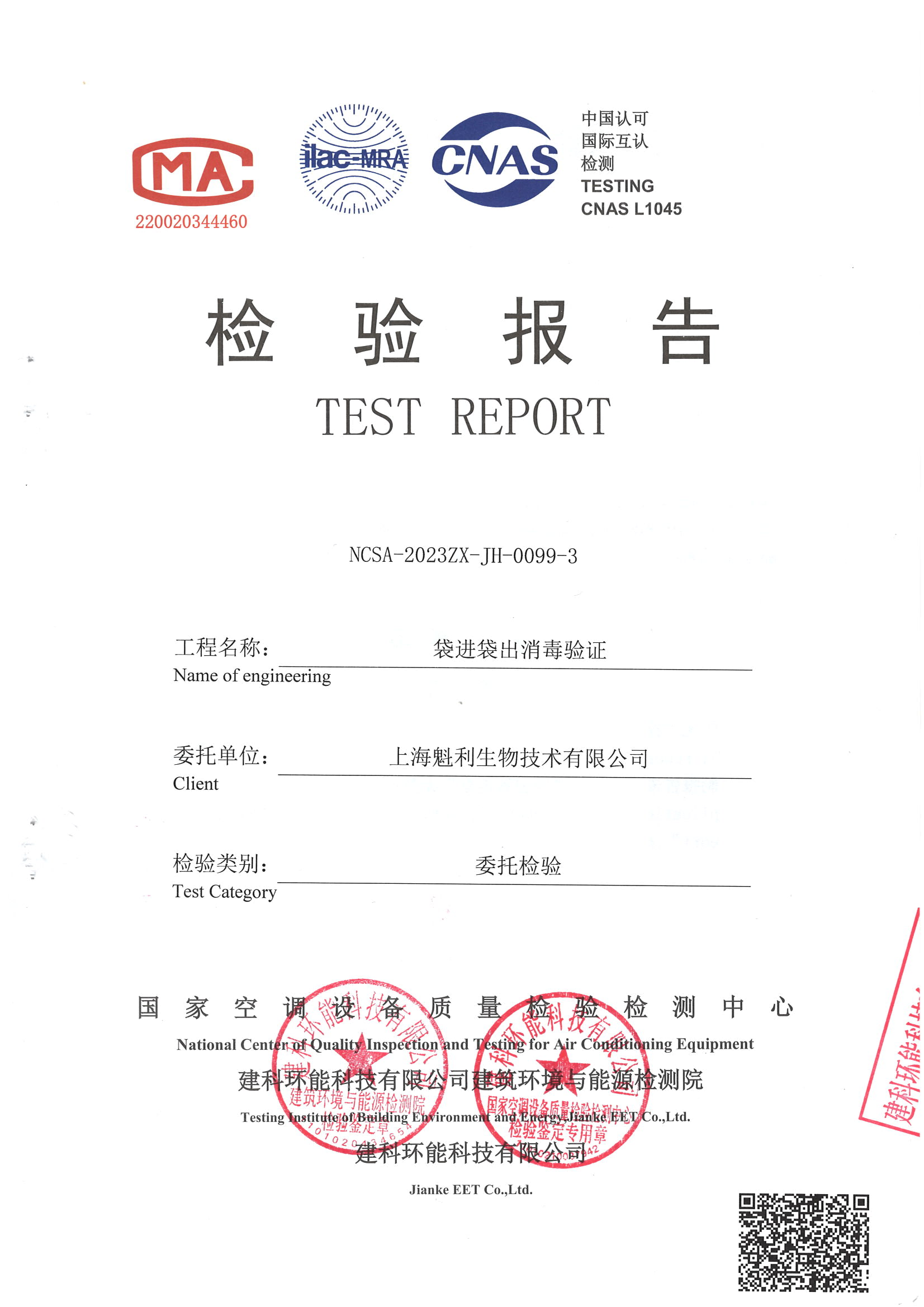
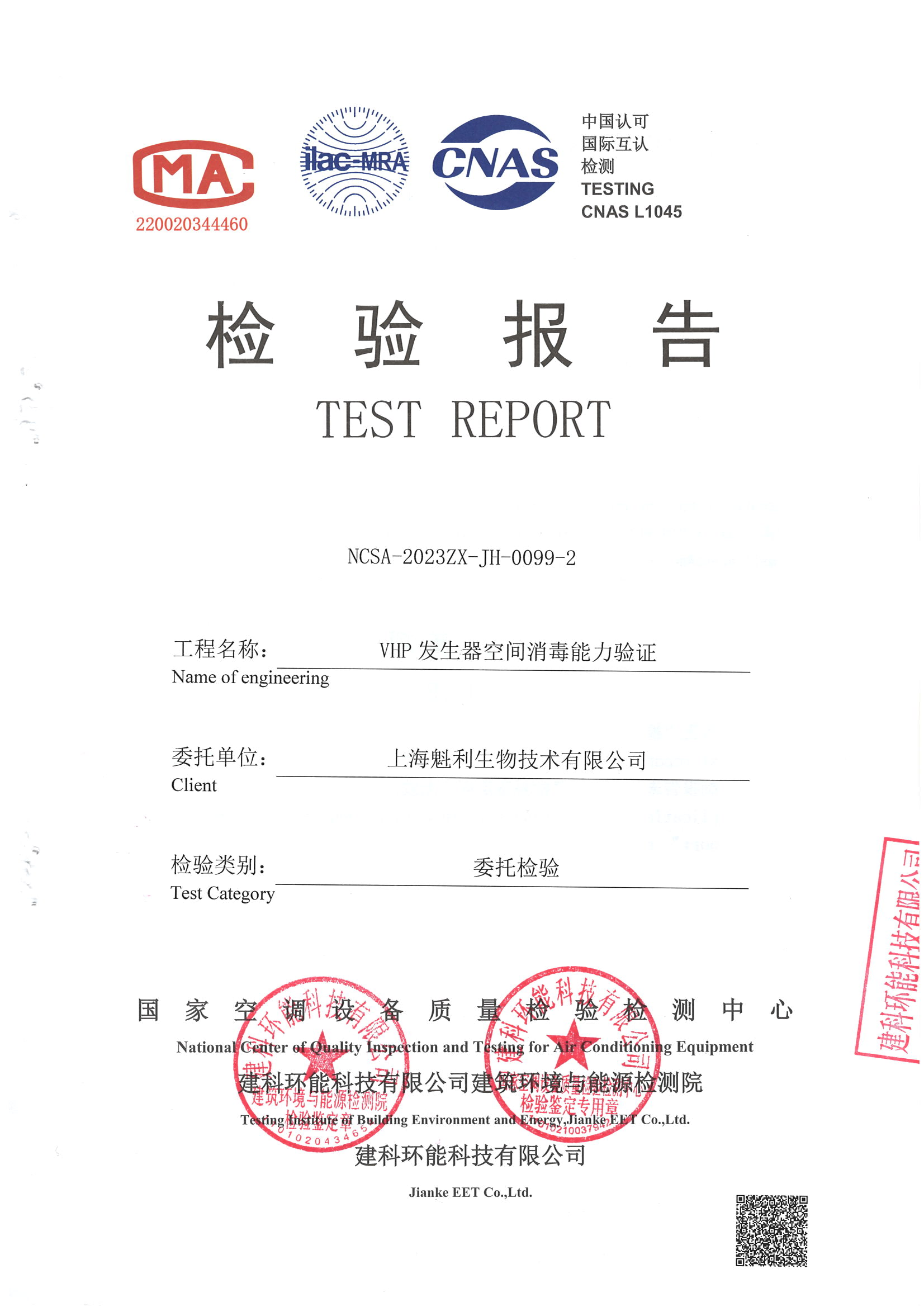
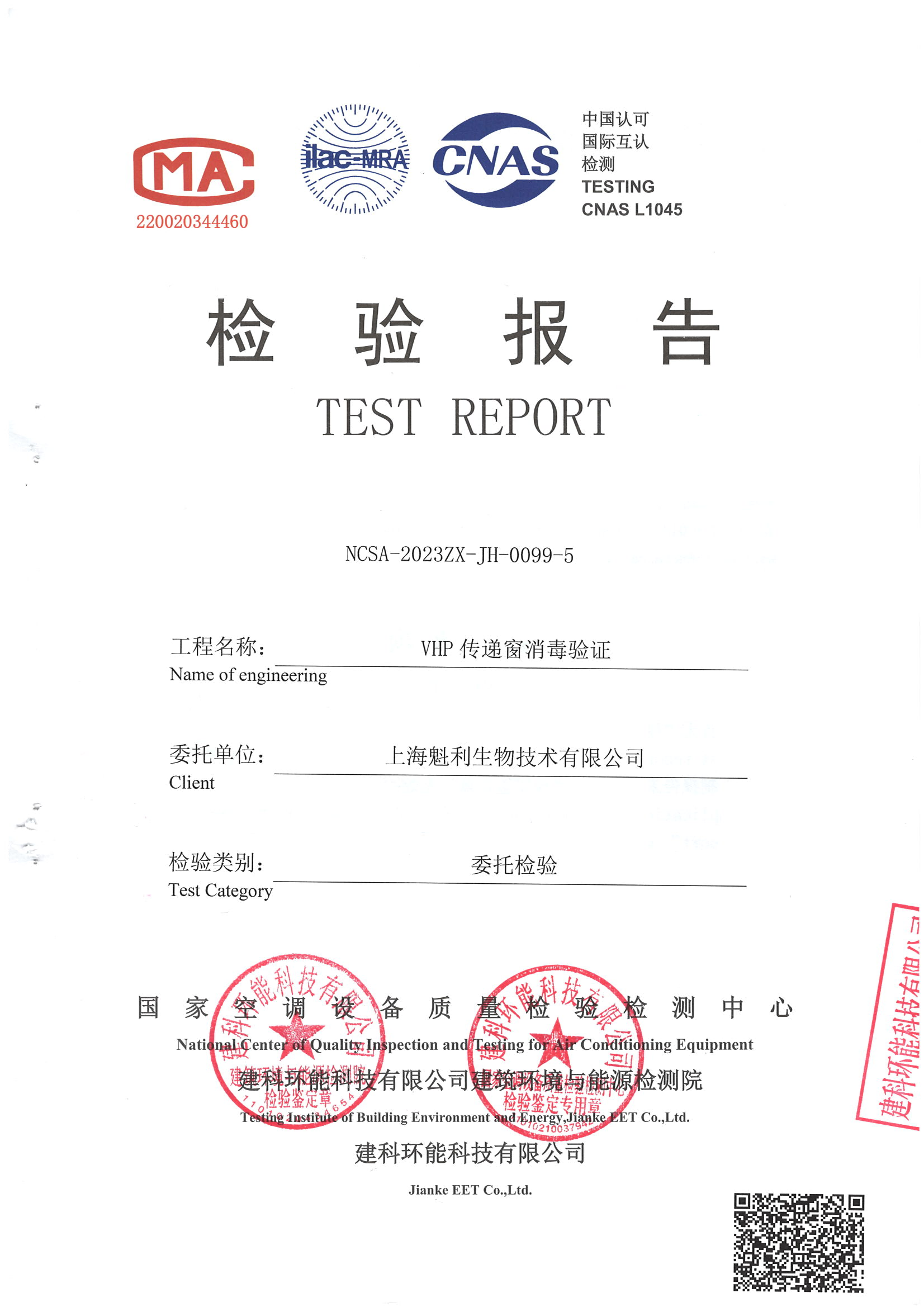
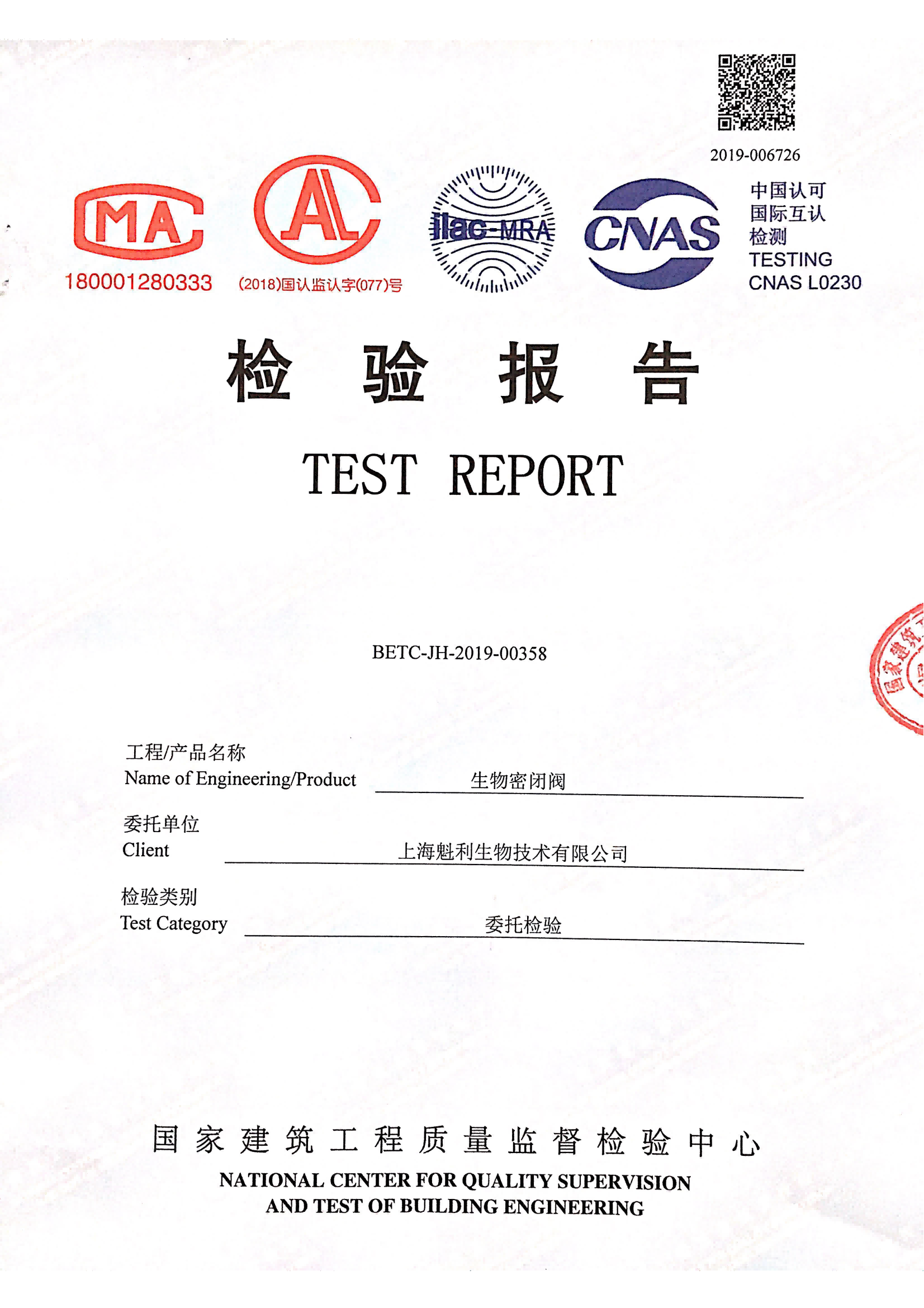
A: Mechanical Seal APR Door Manufacturer Evaluation | Quality Standards refers to the process of assessing manufacturers of mechanical seal APR doors based on strict quality benchmarks. This evaluation ensures that manufacturers comply with industry standards for durability, safety, and leak prevention in critical applications. High-quality standards in this evaluation lead to reliable seal performance, longer equipment life, and safer operations in industries such as oil, gas, and chemical processing.
Q: What key quality standards should be considered when evaluating Mechanical Seal APR Door manufacturers?
A: When evaluating manufacturers, look for adherence to standards like API 682 and ISO 21049, which guide mechanical seal design, refurbishment, testing, and materials. Important quality criteria include:
- Use of premium raw materials
- Rigorous inspection at all production stages
- Pressure and leak testing of final products
- Warranty coverage for defects and workmanship
- Proven track record of design standardization and customized solutions
These quality measures ensure seals meet performance and safety requirements.
Q: How does the evaluation process of Mechanical Seal APR Door manufacturers impact the final product quality?
A: The evaluation process helps verify that manufacturers follow comprehensive quality control protocols including:
- Material compatibility with fluids and operating conditions
- Proper design configuration (spring types, seal arrangement) to handle operating pressures and temperatures
- Thorough testing for leaks and durability
- Compliance with refurbishment and repair standards
This thorough evaluation reduces the risk of seal failure, improving operational efficiency and preventing costly downtime.
Q: What are common challenges in maintaining quality standards for Mechanical Seal APR Doors?
A: Challenges include:
- Ensuring chemical compatibility of all seal materials with complex fluids and cleaning agents
- Managing temperature limits so seal components do not degrade or fail
- Maintaining tight manufacturing tolerances to prevent leaks
- Balancing cost-effectiveness with stringent quality demands
Successful manufacturers address these by adhering to international standards and continuous quality improvement.
Q: What advanced quality features should buyers look for when choosing Mechanical Seal APR Door manufacturers?
A: Buyers should focus on manufacturers offering:
- Balanced vs. unbalanced seal designs for specific applications
- Cartridge or split seal options for ease of maintenance
- Enhanced spring configurations for durability under high-speed operation
- Capability to handle abrasive slurries and extreme temperatures
- Tailored solutions confirmed by automated testing and certified quality assurance systems
These features ensure seals are optimized for their intended industrial use.
Q: Can refurbishment affect the quality evaluation of Mechanical Seal APR Door manufacturers?
A: Yes, refurbishment is a critical consideration. Effective refurbishment following standards like API 682 and ISO 21049 involves careful disassembly, inspection, repair or replacement of worn parts, and thorough testing. Manufacturers with certified refurbishment processes can deliver cost-effective, reliable seals that meet quality expectations, extending seal life without compromising performance.
External Resources
- APR Doors with Airtight Mechanical Seals – Details the construction, operation, and applications of mechanical seal APR doors in high-containment environments, outlining how their design ensures airtightness without pneumatic mechanisms.
- Pneumatic Seal APR Doors: Complete Guide to Industrial Applications – Thoroughly explains the technical architecture and core mechanisms of pneumatic seal APR doors, including comparisons with traditional mechanical seals and their practical uses in controlled environments.
- Pneumatic Seal APR Doors & Mechanical Seal APR Doors – Youth – Examines the differences between pneumatic and mechanical seals in APR doors, with a focus on how mechanical seals operate, their maintenance needs, and application in biosafety settings.
- Understanding the Challenges in the Design, Installation, and … – Analyzes the regulatory and commissioning requirements for inflatable and mechanical seal APR doors, including leakage testing, pressure integrity methods, and standards applied in BSL-4 and high-containment laboratories.
- Industrial Pneumatic Door Seals | Technical Requirements | Standards – Discusses technical standards and performance verification methods for pneumatic door seals, offering context on quality assurance and compliance in industrial settings.
- APR Door Seals: Technical Evaluation and Quality Control – Provides expert insights into evaluation protocols, quality standards, and material performance benchmarks for APR door mechanical and pneumatic seals in critical environments.
Related Contents:
- Understanding APR Door Sealing Technology | Types & Applications
- What Are Mechanical Seal APR Doors | Basic Components & Functions
- What Are APR Door Pneumatic Seals and How They Work
- Understanding Pneumatic APR Door Seal Technology
- Manufacturing APR Door Seal Systems | Industrial Applications
- Mechanical Seal APR Doors | Pressure Control & Safety Principles
- Mechanical Seal APR Door Systems | Installation Guide & Setup
- Industrial APR Door Seals | Purchase Guide | Specification Comparison
- APR Door Mechanical Seals | Procurement Guide & Vendor Assessment