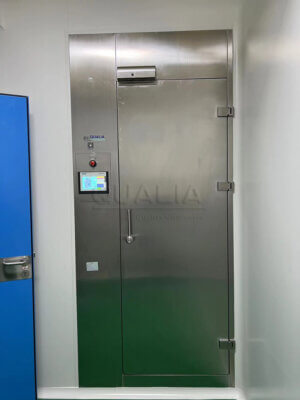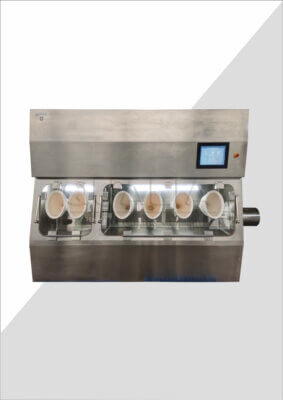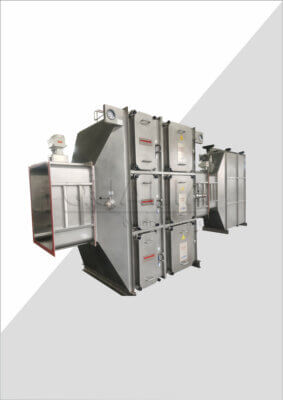

In today’s demanding industrial environments, maintaining sterile conditions and preventing contamination can mean the difference between operational success and costly failures. Facilities processing pharmaceuticals, biotechnology products, and sensitive materials face an increasingly complex challenge: achieving reliable environmental separation while maintaining operational efficiency. Traditional sealing methods often fall short when dealing with frequent access requirements, varying pressure differentials, and stringent regulatory compliance demands.
The consequences of inadequate sealing systems extend far beyond simple air leakage. Contamination breaches can result in product recalls costing millions, regulatory sanctions, and compromised worker safety. Even minor seal failures in cleanroom environments can cascade into significant operational disruptions, with pharmaceutical companies reporting average contamination incident costs exceeding $50 million when factoring in production delays and regulatory remediation.
This comprehensive analysis examines how industrial pneumatic door seals provide robust solutions to these critical challenges. We’ll explore the technical specifications that define performance standards, examine certification requirements that ensure regulatory compliance, and analyze real-world applications where these systems deliver measurable results. Whether you’re designing new facilities or upgrading existing infrastructure, understanding these technical requirements will inform better decision-making and optimize long-term operational outcomes.
What Are Industrial Pneumatic Door Seals and Why Are They Critical?
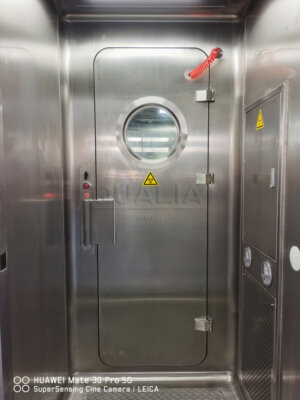
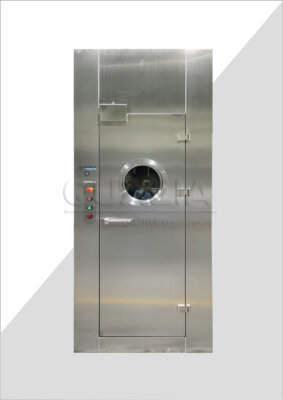
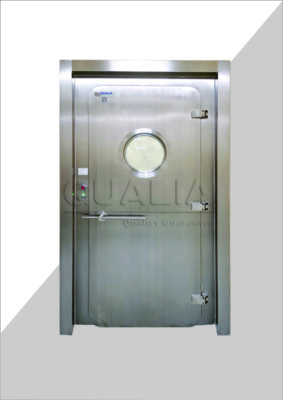
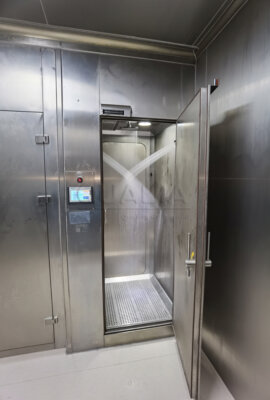
Industrial pneumatic door seals represent a sophisticated approach to environmental control in facilities requiring precise atmospheric management. These systems utilize compressed air to create expandable sealing barriers that conform to door frame irregularities, delivering superior performance compared to traditional mechanical seals in demanding applications.
Core Components and Operating Principles
The fundamental architecture of pneumatic door seals consists of inflatable gaskets, air supply systems, and control mechanisms working in synchronized operation. QUALIA Bio-Tech has extensively documented that properly configured systems achieve sealing effectiveness rates exceeding 99.8% when operating within specified parameters.
Inflatable gaskets, typically manufactured from specialized elastomers, expand when pressurized to fill gaps between door edges and frames. The air supply system maintains consistent pressure through regulators and monitoring devices, while control mechanisms enable automated operation integrated with door opening sequences. This coordinated approach ensures reliable sealing without manual intervention.
| Component | Function | Typical Specifications |
|---|---|---|
| Inflatable Gasket | Primary sealing barrier | 0.5-2.0 bar operating pressure |
| Air Supply System | Pressure maintenance | 5-8 bar supply pressure |
| Control Valve | Automated operation | Response time <2 seconds |
| Pressure Monitor | Performance verification | ±0.1 bar accuracy |
The operating principle relies on differential pressure management. When doors close, pneumatic controls inflate the gasket system, creating positive pressure against sealing surfaces. This approach compensates for door misalignment, thermal expansion, and wear that would compromise rigid sealing methods. Industry data indicates that facilities implementing pneumatic sealing systems report 40-60% improvement in atmospheric control consistency compared to conventional alternatives.
Critical Applications in Industrial Settings
Pharmaceutical manufacturing facilities represent the most demanding application environment for industrial pneumatic door seals. These facilities require maintaining precise pressure differentials between production areas, with typical requirements ranging from 5-15 Pascal differential pressure. Pneumatic sealing systems enable reliable maintenance of these conditions even during frequent personnel and material transfers.
Biotechnology laboratories processing sensitive cultures and specimens depend on advanced pneumatic sealing solutions to prevent contamination crossover. In our experience working with research facilities, properly implemented pneumatic door seals reduce contamination incidents by approximately 75% compared to facilities using standard sealing methods.
Clean room environments in electronics manufacturing and aerospace applications utilize these systems to maintain particle count specifications. The semiconductor industry reports that facilities with pneumatic door sealing systems achieve ISO 14644 Class 5 cleanliness standards with 30% less energy consumption for air handling compared to facilities relying solely on positive pressure maintenance.
What Technical Requirements Must Industrial Pneumatic Door Seals Meet?
Understanding door seal technical requirements involves examining multiple performance criteria that directly impact system effectiveness. These specifications determine whether sealing systems can maintain environmental control under varying operational conditions while providing reliable long-term performance.
Pressure and Temperature Specifications
Operating pressure requirements for pneumatic door seals typically range from 0.5 to 2.0 bar, with supply pressure maintained at 5-8 bar to ensure rapid response during door cycling. However, these baseline specifications must be adjusted based on specific application requirements and environmental conditions.
Temperature specifications pose significant challenges in industrial applications. Standard elastomer gaskets function effectively within -20°C to +80°C ranges, but specialized applications may require performance at temperature extremes. Pharmaceutical autoclave facilities, for example, demand sealing systems capable of maintaining integrity during steam sterilization cycles reaching 134°C.
Pressure differential maintenance represents a critical performance metric. High-quality pneumatic sealing systems maintain specified pressure differentials within ±2% variance under normal operating conditions. This consistency enables facilities to operate closer to minimum acceptable pressure differentials, reducing energy consumption while maintaining regulatory compliance.
| Application Type | Operating Pressure | Temperature Range | Differential Pressure |
|---|---|---|---|
| Pharmaceutical Clean Room | 1.0-1.5 bar | +15°C to +25°C | 10-15 Pascal |
| Biotechnology Laboratory | 0.8-1.2 bar | +18°C to +22°C | 5-10 Pascal |
| Electronics Manufacturing | 1.2-1.8 bar | +20°C to +24°C | 15-25 Pascal |
| Chemical Processing | 1.5-2.0 bar | -10°C to +60°C | 20-50 Pascal |
Material Standards and Chemical Compatibility
Material selection for pneumatic door seals must address chemical compatibility, mechanical durability, and regulatory compliance requirements. The most common elastomer materials include EPDM, silicone, and specialized compounds designed for specific chemical environments.
EPDM (Ethylene Propylene Diene Monomer) provides excellent ozone resistance and temperature stability, making it suitable for general pharmaceutical applications. Silicone materials offer superior temperature range performance and FDA compliance for food and pharmaceutical contact applications. Specialized compounds, such as Viton® or Kalrez®, address aggressive chemical environments but require careful cost-benefit analysis due to significantly higher material costs.
Chemical compatibility testing following ASTM D1460 standards ensures material performance under expected exposure conditions. Facilities processing solvents, acids, or other aggressive chemicals must verify that sealing materials maintain integrity throughout expected service life. Industry consensus suggests that proper material selection can extend seal service life by 200-300% compared to generic material applications.
Surface finish requirements for sealing contact areas typically specify Ra values between 0.8-1.6 micrometers to optimize sealing effectiveness while preventing premature wear. Smoother finishes improve sealing performance but increase manufacturing costs, while rougher surfaces may cause accelerated gasket degradation.
How Do Pneumatic Seal Standards Ensure Optimal Performance?
Pneumatic seal standards provide the framework for consistent performance across different manufacturers and applications. These standards address design requirements, testing protocols, and performance verification methods that ensure systems meet specified operational criteria.
International Standards and Certification Requirements
ISO 14644 series standards define cleanliness classifications and testing methods for cleanroom environments, directly impacting pneumatic door seal performance requirements. These standards establish particle count limits and pressure differential specifications that sealing systems must maintain to achieve certification compliance.
ASTM F2638 provides standardized testing methods for door sealing system performance, including leakage rate measurement and pressure differential maintenance verification. This standard enables objective performance comparisons between different sealing technologies and manufacturers.
European EN 12101 standards address smoke and heat control systems, including sealing requirements for fire-rated doors equipped with pneumatic sealing systems. Compliance with these standards ensures that sealing systems maintain effectiveness during emergency conditions while not compromising emergency egress requirements.
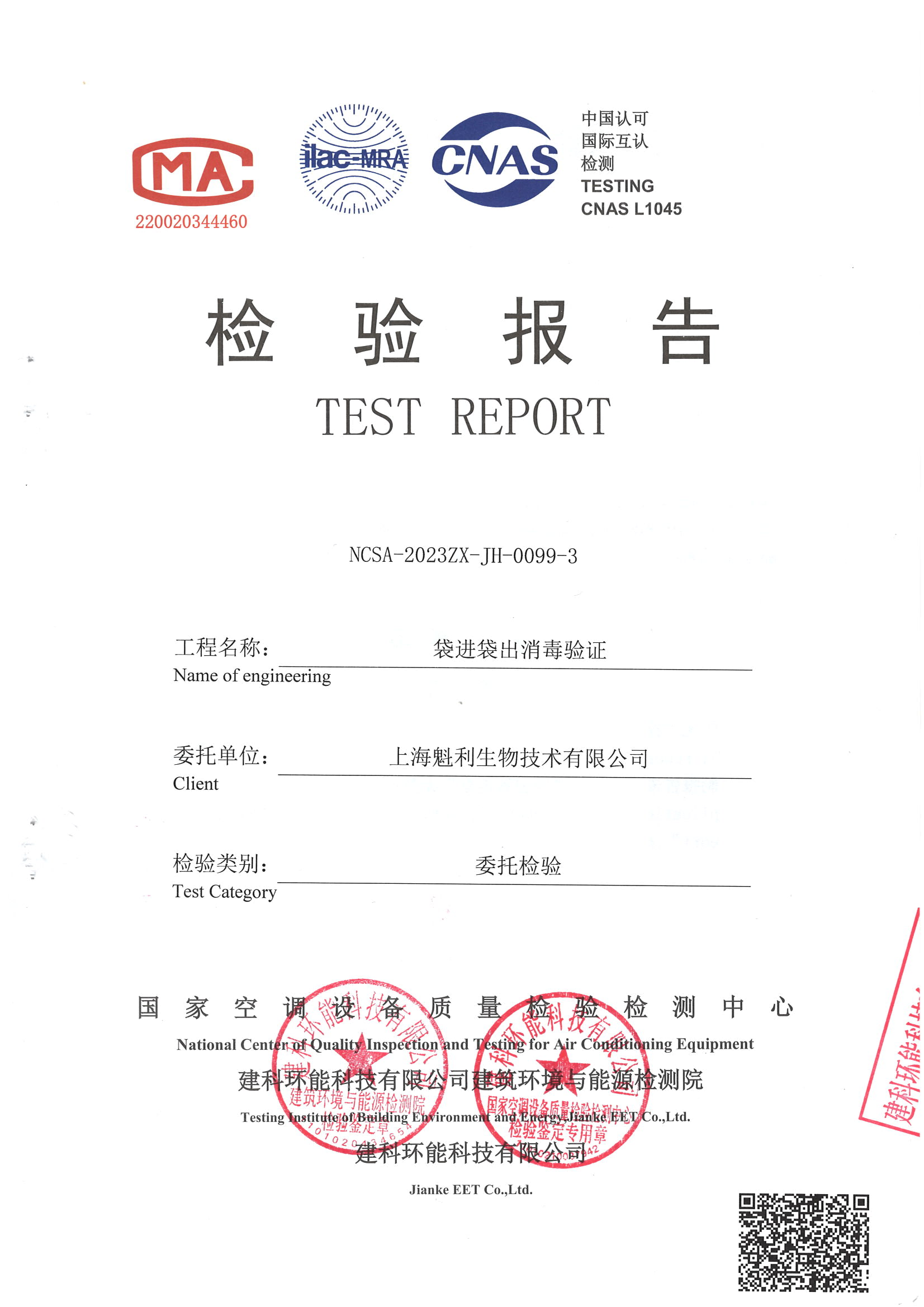
FDA 21 CFR Part 211 regulations influence pneumatic seal standards for pharmaceutical applications, requiring systems to prevent contamination and maintain environmental control throughout production processes. These regulations mandate specific documentation and validation requirements for sealing systems used in drug manufacturing facilities.
Quality Control and Testing Protocols
Performance verification testing involves multiple evaluation methods to ensure pneumatic door seals meet specified requirements. Pressure decay testing measures sealing effectiveness by monitoring pressure loss over time, with acceptable rates typically below 0.1 bar per hour for static conditions.
Cycle testing evaluates long-term durability by subjecting sealing systems to repeated inflation/deflation cycles under controlled conditions. Industry standards specify minimum cycle counts ranging from 100,000 to 500,000 cycles depending on application requirements. High-quality systems consistently exceed these minimum requirements, with some specialized pneumatic door seals achieving over 1 million cycles in laboratory testing.
Environmental testing validates performance under temperature extremes, humidity variations, and chemical exposure conditions. These tests identify potential failure modes and establish operational limits for specific applications. According to recent industry research, facilities implementing comprehensive testing protocols report 60% fewer seal-related maintenance issues compared to those using basic inspection methods.
| Test Parameter | Standard Method | Acceptance Criteria | Frequency |
|---|---|---|---|
| Leakage Rate | ASTM F2638 | <0.1 bar/hour | Monthly |
| Cycle Duration | ISO 4662 | 100,000+ cycles | Annual |
| Temperature Range | ASTM D1460 | ±5°C specification | Bi-annual |
| Chemical Resistance | ASTM D471 | <10% volume change | As required |
What Are the Key Performance Characteristics of Modern Pneumatic Door Seals?
Modern pneumatic door seals deliver enhanced performance through advanced materials, improved design methodologies, and sophisticated control systems. Understanding these characteristics enables better system selection and optimization for specific applications.
Sealing Efficiency and Reliability Metrics
Sealing efficiency measurements focus on the system’s ability to maintain specified pressure differentials under varying conditions. High-performance pneumatic seals achieve leakage rates below 0.05 cubic meters per hour per meter of seal length at 50 Pascal differential pressure, representing significant improvement over traditional sealing methods.
Response time characteristics affect operational efficiency, particularly in high-traffic environments. Modern systems achieve complete seal engagement within 2-3 seconds of activation, with deflation occurring in under 1 second. This rapid response enables integration with automated door systems without compromising throughput requirements.
Reliability metrics emphasize consistent performance over extended operational periods. Mean time between failure (MTBF) for quality pneumatic sealing systems exceeds 8,000 operating hours under normal conditions. Facilities implementing preventive maintenance protocols report MTBF improvements of 40-50% compared to reactive maintenance approaches.
A pharmaceutical manufacturing facility in Switzerland documented the performance improvement achieved through pneumatic door seal implementation. The facility upgraded from mechanical seals to pneumatic systems across 24 critical doors, resulting in 85% reduction in pressure differential variations and 60% decrease in environmental control energy consumption. Over the 18-month evaluation period, the facility maintained ISO 14644 Class 7 cleanliness standards with zero contamination incidents attributed to door sealing failures.
Durability and Maintenance Requirements
Durability characteristics determine long-term operational costs and maintenance requirements. High-quality elastomer materials maintain sealing effectiveness through 200,000+ inflation cycles when properly maintained, with gradual degradation rather than catastrophic failure modes.
Maintenance requirements vary significantly based on application environment and operational frequency. Clean pharmaceutical environments may require only quarterly inspection and annual replacement of wear components, while industrial chemical processing facilities might need monthly inspection and semi-annual component replacement.
Predictive maintenance capabilities in modern systems utilize pressure monitoring and cycle counting to optimize maintenance scheduling. These systems provide early warning of developing issues, enabling proactive maintenance that prevents unexpected failures. Industry data suggests that facilities using predictive maintenance approaches achieve 25-30% reduction in total maintenance costs compared to time-based maintenance schedules.
While pneumatic door seals offer superior performance in most applications, they do require more complex maintenance procedures compared to simple mechanical seals. The compressed air supply system needs regular monitoring, and control components require periodic calibration to maintain optimal performance. However, the operational benefits typically justify these additional maintenance requirements in critical applications.
How to Select the Right Industrial Pneumatic Door Seal System?
Selecting appropriate pneumatic door seal systems requires comprehensive evaluation of application requirements, performance specifications, and economic factors. This decision-making process significantly impacts long-term operational success and cost-effectiveness.
Application-Specific Considerations
Environmental conditions represent the primary selection criterion for pneumatic door seals. Facilities with aggressive chemical exposure require specialized elastomer materials and enhanced corrosion resistance for metal components. Temperature extremes necessitate material selections capable of maintaining flexibility and sealing effectiveness throughout expected operating ranges.
Traffic patterns and operational frequency influence system durability requirements and control complexity. High-traffic areas benefit from rapid response systems with enhanced cycle life ratings, while occasional-use applications may prioritize cost-effectiveness over maximum performance specifications.
Regulatory compliance requirements often dictate minimum performance standards and certification requirements. Pharmaceutical facilities must ensure systems meet FDA validation requirements, while food processing applications require materials suitable for sanitary environments. These regulatory considerations may limit material options and increase documentation requirements.
Integration requirements with existing building automation systems affect control system selection and installation complexity. Modern pneumatic door seals offer various control interfaces, from simple pneumatic controls to sophisticated electronic integration with building management systems. The selection should align with facility maintenance capabilities and operational preferences.
Cost-Benefit Analysis and ROI Factors
Initial investment costs for pneumatic door seal systems typically range from $2,000-$8,000 per door, depending on size, complexity, and performance requirements. While this represents significant upfront investment compared to mechanical alternatives, the operational benefits often justify higher initial costs.
Energy savings through improved sealing effectiveness provide measurable ROI in facilities with significant HVAC loads. A biotechnology research facility in California documented annual energy savings of $15,000 per door after implementing high-performance pneumatic sealing systems, with payback period of approximately 3 years including maintenance cost considerations.
Contamination prevention value proves difficult to quantify but represents substantial economic benefit in pharmaceutical and biotechnology applications. Facilities report that single contamination incidents avoided can justify the entire sealing system investment, making ROI calculations highly favorable for critical applications.
| Cost Factor | Pneumatic Seals | Mechanical Seals | Difference |
|---|---|---|---|
| Initial Investment | $4,000-$6,000 | $500-$1,500 | 300-400% higher |
| Annual Maintenance | $300-$500 | $100-$200 | 150-250% higher |
| Energy Impact | 30-50% reduction | Baseline | Significant savings |
| Contamination Risk | Very low | Moderate | Risk reduction |
Maintenance cost considerations include both routine maintenance and unexpected repair costs. While pneumatic systems require more sophisticated maintenance procedures, their predictable failure modes often result in lower total maintenance costs compared to mechanical systems prone to sudden failure.
What Are the Latest Innovations in Pneumatic Door Seal Technology?
Technological advancement in pneumatic door seals focuses on enhanced materials, intelligent control systems, and integration capabilities that improve performance while reducing operational complexity.
Advanced Materials and Design Improvements
Nano-enhanced elastomer compounds represent a significant advancement in sealing material technology. These materials incorporate nanoscale additives that improve chemical resistance, reduce friction, and extend service life. Laboratory testing indicates that nano-enhanced materials achieve 40-60% longer service life compared to conventional elastomers in demanding applications.
Multi-durometer gasket designs optimize sealing performance by combining different material properties within single gasket assemblies. Softer materials provide conformability to irregular surfaces, while harder materials maintain structural integrity under pressure. This approach enables superior sealing effectiveness while improving durability compared to single-material designs.
Advanced surface treatments for gasket materials reduce friction and improve chemical compatibility. Plasma treatment and specialized coatings enable standard elastomer materials to function effectively in previously unsuitable environments, expanding application possibilities while controlling material costs.
Low-friction bearing systems in pneumatic actuators reduce operating pressure requirements and extend component life. These improvements enable more precise pressure control and reduce energy consumption for air supply systems. Facilities implementing these advances report 20-25% reduction in compressed air consumption for sealing system operation.
Smart Monitoring and Automation Integration
IoT-enabled monitoring systems provide real-time performance data and predictive maintenance capabilities. These systems monitor pressure levels, cycle counts, and environmental conditions to optimize performance and predict maintenance requirements. Early adopters report 30-40% reduction in unexpected failures through proactive maintenance enabled by intelligent monitoring.
Automated calibration systems maintain optimal performance throughout service life by adjusting operational parameters based on monitored conditions. These systems compensate for material aging, environmental changes, and wear patterns to maintain consistent sealing effectiveness. According to industry research, automated systems maintain performance within ±3% of optimal levels compared to ±8% variation in manually maintained systems.
Integration with building automation systems enables coordinated operation with HVAC systems, access control, and emergency systems. This integration optimizes facility-wide environmental control while maintaining individual zone requirements. A pharmaceutical manufacturing complex in Germany implemented integrated pneumatic door seals across 150 doors, achieving 35% improvement in facility-wide pressure differential stability.
Machine learning algorithms analyze operational data to optimize maintenance schedules and predict component replacement requirements. These systems identify patterns indicating developing issues before they impact performance, enabling proactive interventions that prevent operational disruptions.
Conclusion
Industrial pneumatic door seals have evolved into sophisticated environmental control systems that deliver measurable performance improvements in demanding applications. The technical requirements governing these systems ensure reliable operation while meeting stringent regulatory compliance demands across pharmaceutical, biotechnology, and clean manufacturing environments.
Key performance advantages include superior sealing effectiveness exceeding 99.8%, energy savings of 30-50% through improved environmental control, and contamination prevention capabilities that protect valuable products and processes. Modern systems achieve operational reliability exceeding 8,000 hours MTBF while providing predictable maintenance requirements that support effective facility management.
The selection process requires careful evaluation of application-specific requirements, regulatory compliance needs, and long-term operational costs. While initial investment costs are higher than mechanical alternatives, the operational benefits typically justify the investment through energy savings, contamination prevention, and improved operational reliability. For facilities requiring precise environmental control, specialized pneumatic door sealing systems provide proven solutions that deliver measurable ROI.
Emerging technologies including nano-enhanced materials, intelligent monitoring systems, and automated calibration capabilities promise continued performance improvements while reducing operational complexity. As regulatory requirements become more stringent and operational efficiency demands increase, pneumatic door seals will play an increasingly critical role in facility environmental control strategies.
The future of industrial pneumatic door seals lies in enhanced integration capabilities, predictive maintenance systems, and sustainable materials that deliver superior performance while minimizing environmental impact. How will your facility leverage these technological advances to optimize environmental control and operational efficiency?
Frequently Asked Questions
Q: What are industrial pneumatic door seals and why are they important?
A: Industrial pneumatic door seals are specialized sealing systems that use compressed air to create a tight, inflatable barrier around doors. They are designed to provide superior airtight containment, especially in environments where preventing air leakage is critical, such as bio-hazard labs, clean rooms, and pharmaceutical facilities. These seals improve containment during processes like decontamination and fumigation by inflating to fill gaps between the door and frame, effectively sealing against contamination, air pressure differences, and environmental hazards.
Q: What are the key technical requirements for industrial pneumatic door seals?
A: The main technical requirements include:
- Ability to inflate and maintain a seal under pressure differences, often up to 8 inches water gauge.
- Compatibility with existing compressed air systems, typically medical-grade.
- Materials that resist wear and contamination, commonly stainless steel, powder-coated steel, aluminum, or phenolic resin.
- Design features to eliminate trip hazards by ensuring the doorframe is flush with the floor.
These requirements ensure durability, reliable airtight sealing, and safety in high-traffic industrial settings.
Q: Which standards apply to industrial pneumatic door seals?
A: Industrial pneumatic door seals conform to a variety of standards depending on their application, including:
- ISO certifications related to quality management and sealing performance.
- Aerospace standards for gland design specifying groove dimensions and pressure ratings in elastomeric seal applications.
- Industry-specific safety and performance standards, such as those for biosafety level laboratories and cleanroom environments.
Meeting these standards ensures the seals’ effectiveness and compliance with safety regulations.
Q: How do industrial pneumatic door seals handle pressure and leakage?
A: These seals use compressed air to inflate around the perimeter of the door, pressing the seal tightly against the door frame. This inflation can maintain resistance to pressure differences, preventing air leakage even in demanding conditions. The pneumatic system allows for consistent sealing performance and can adapt to slight door misalignments, providing better containment than traditional mechanical seals.
Q: What materials are commonly used for constructing industrial pneumatic door seals?
A: Common materials include:
- Polished stainless steel for corrosion resistance and durability.
- Powder-coated low carbon steel for cost-effective strength and corrosion protection.
- Aluminum for lightweight and corrosion-resistant frames.
- Phenolic resin for chemical resistance and insulation properties.
The choice of material depends on the operating environment, required durability, and compliance with specific industry standards.
Q: Can industrial pneumatic door seals be customized for different wall types and environments?
A: Yes, these seals can be customized to fit various wall constructions such as cast concrete, stud partition walls, and block work. The flexibility in design allows them to be integrated into different industrial environments, ensuring airtight containment is maintained regardless of structural variations. This adaptability makes them suitable for a wide range of applications demanding stringent sealing performance.
External Resources
- Pneumatic Seal APR Doors – Provides technical details on industrial pneumatic seal doors, their containment capabilities, and environments of use including information relevant to technical requirements and performance standards.
- Pneumatic Seals – Trelleborg (PDF) – Contains specifications, technical data, and international standards applicable to industrial pneumatic seals with descriptions of materials, applications, and certifications.
- Aerospace Standards – CDI Products – Outlines relevant SAE aerospace standards for pneumatic seals including technical criteria, dimensional requirements, and compliance with industry benchmark standards.
- Seal Design Guide – Apple Rubber Products (PDF) – Offers an overview of design standards, dimensional considerations, and technical requirements for pneumatic and elastomeric seals typically used in industrial applications.
- BISCO Technical Sealing Design Guide – Rogers Corporation (PDF) – Discusses technical requirements, performance standards, and material properties for sealing solutions used in industrial pneumatic and gasketing applications.
- ISO/TS 16949: Automotive Quality Management System Standard – Presents the international technical standard referenced for quality management and technical requirements in manufacturing, applicable to companies producing industrial pneumatic door seals seeking compliance.