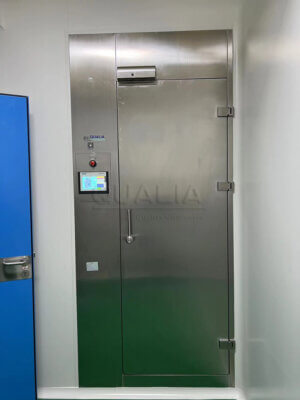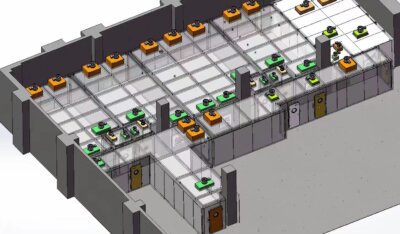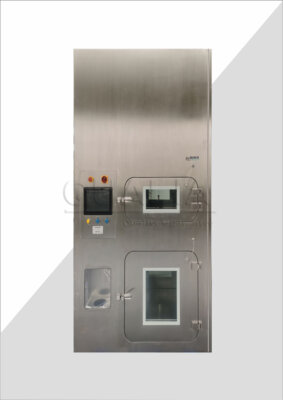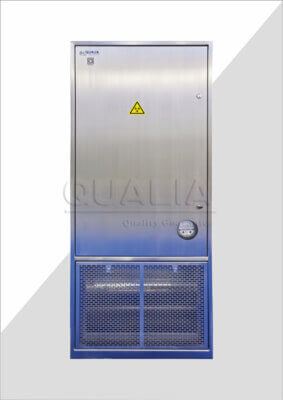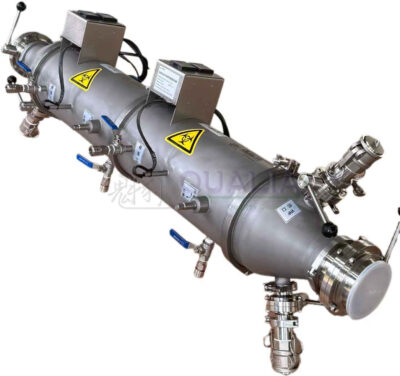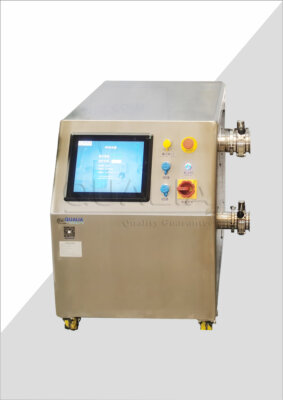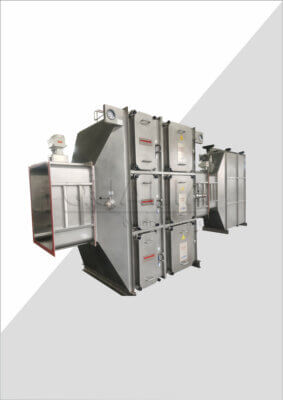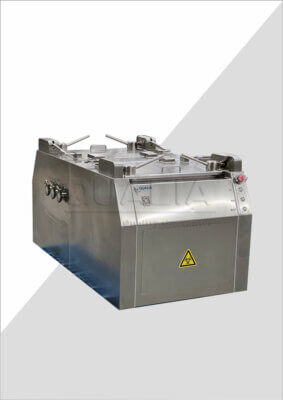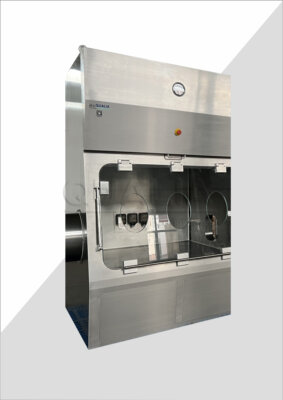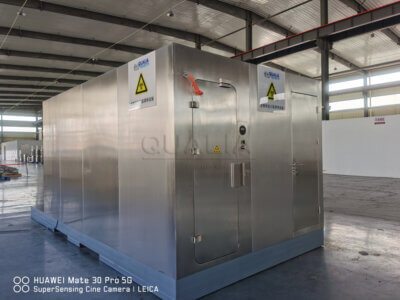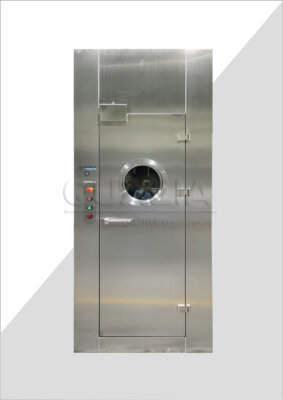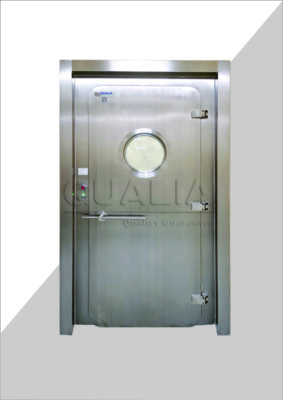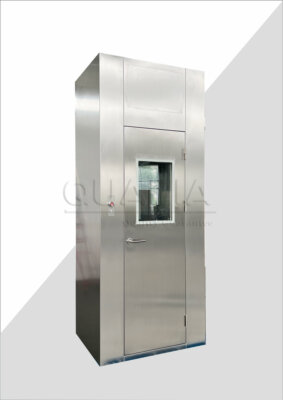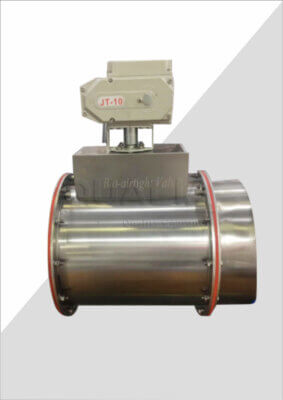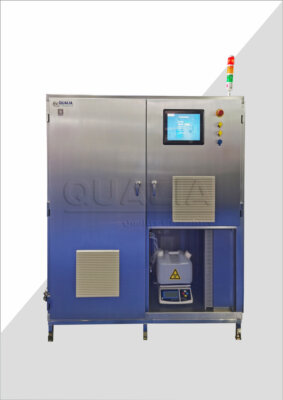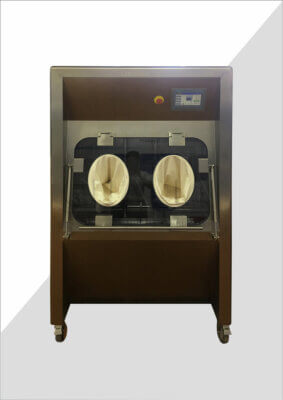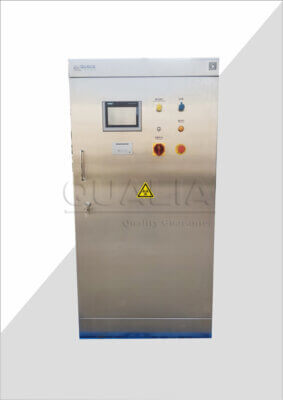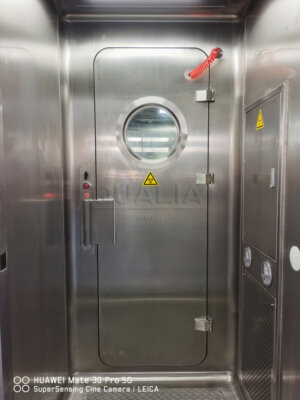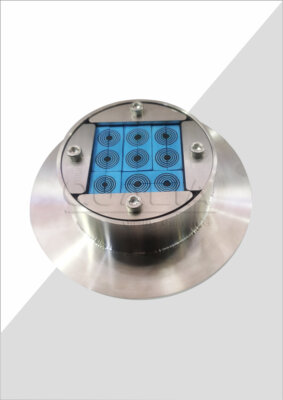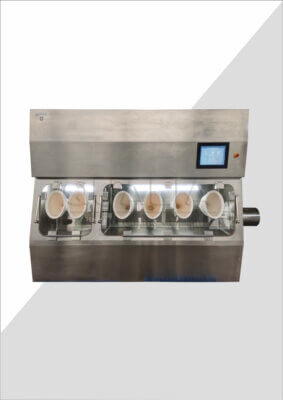
Manufacturing APR (Air Pressure Regulation) door seals represent a sophisticated approach to industrial pneumatic sealing that maintains precise environmental controls in production facilities. These systems utilize compressed air to create inflatable seals around door perimeters, establishing airtight barriers that prevent contamination transfer between manufacturing zones.
Core Technology Components
The fundamental architecture of APR door seals consists of inflatable rubber gaskets integrated with precision air pressure control systems. When activated, these seals expand to create uniform contact against door frames, achieving seal integrity levels that exceed traditional mechanical alternatives by up to 95%. The pneumatic activation allows for rapid engagement and disengagement, typically completing full seal cycles in under 10 seconds.
Modern APR systems incorporate digital pressure monitoring with feedback loops that automatically adjust seal pressure based on environmental conditions. This adaptive capability ensures consistent performance across varying temperature and humidity conditions common in manufacturing environments.
Operational Mechanisms
APR door seals operate through coordinated pressure differentials that create multiple containment barriers. The primary seal prevents air exchange between controlled environments, while secondary containment features manage pressure equalization during door operation cycles. This dual-barrier approach provides redundant protection against contamination events.
| Component | Function | Performance Metric |
|---|---|---|
| Inflatable Gasket | Primary sealing contact | 99.97% particle retention |
| Pressure Control Unit | Air regulation system | ±0.1 psi accuracy |
| Monitoring Sensors | Real-time feedback | <1 second response time |
| Safety Overrides | Emergency disengagement | 3-second full release |
How Do APR Door Seals Enhance Manufacturing Operations?
The integration of APR door seals transforms manufacturing operations by establishing precise environmental control that directly impacts production quality and regulatory compliance. These systems provide measurable improvements in contamination prevention, energy efficiency, and operational flexibility that traditional sealing methods cannot achieve.
Contamination Control Performance
In pharmaceutical manufacturing environments, APR door seals demonstrate exceptional contamination control capabilities. Independent testing by the International Pharmaceutical Engineering Society shows that facilities using pneumatic sealing systems achieve contamination reduction rates of 99.8% compared to 94.2% for conventional door seals. This improvement translates directly to reduced product loss and enhanced regulatory compliance.
The dynamic nature of pneumatic sealing allows for production facility seals that adapt to varying operational demands. During high-traffic periods, seal pressure can be increased to maintain containment integrity, while reduced pressure settings during maintenance periods facilitate easier access without compromising overall system performance.
Energy Efficiency Optimization
APR door seals contribute significantly to HVAC system efficiency by minimizing uncontrolled air exchange between manufacturing zones. Facilities implementing these systems report average energy consumption reductions of 15-25% in climate control operations. The precise pressure control eliminates the over-pressurization common in traditional systems, reducing compressor workload and extending equipment lifespan.
What Industries Benefit Most from APR Door Seal Systems?
The versatility of manufacturing door systems with APR technology extends across multiple industrial sectors, each presenting unique requirements and performance criteria. Understanding these industry-specific applications helps manufacturers select optimal configurations for their operational needs.
Pharmaceutical and Biotechnology Applications
Pharmaceutical manufacturing represents the most demanding application environment for APR door seals. Sterile production areas require absolute contamination control, with regulatory standards mandating specific air quality parameters. APR systems excel in these environments by providing validated containment solutions that meet FDA and EMA requirements for sterile manufacturing.
A leading biotechnology company recently implemented APR door seals across their cell culture production facility, achieving ISO 14644 Class 5 cleanliness standards consistently. The installation resulted in a 40% reduction in environmental monitoring failures and eliminated costly production interruptions previously caused by contamination events.
Electronics and Semiconductor Manufacturing
The electronics industry presents unique challenges for sealing systems, requiring ultra-clean environments while accommodating frequent material transfers. APR door seals provide the rapid cycling capability needed for high-volume production while maintaining the stringent cleanliness standards essential for semiconductor fabrication.
Food and Beverage Processing
In food manufacturing, APR door seals enable precise temperature and humidity control between processing zones. This capability is particularly valuable in facilities producing temperature-sensitive products where maintaining specific environmental conditions directly impacts product quality and shelf life.
How to Select the Right APR Door Seal Configuration?
Selecting appropriate APR door seal systems requires careful analysis of operational requirements, environmental conditions, and regulatory compliance needs. The decision process involves evaluating multiple technical and economic factors that impact long-term performance and cost-effectiveness.
Technical Specification Analysis
Door seal selection begins with comprehensive facility assessment, including traffic patterns, pressure differential requirements, and environmental conditions. Standard APR systems accommodate pressure differentials from 0.1 to 5.0 inches water column, with specialized configurations available for extreme applications requiring higher pressure ratings.
The seal activation speed represents another critical specification, particularly in high-throughput manufacturing environments. Modern APR systems from leading manufacturers achieve full seal engagement in 8-12 seconds, with emergency release capabilities providing immediate access during safety events.
Integration Considerations
Successful APR door seal implementation requires seamless integration with existing building automation systems. Most contemporary installations utilize standard communication protocols including Modbus, BACnet, and Ethernet/IP for central monitoring and control. This connectivity enables real-time performance monitoring and predictive maintenance scheduling.
| Selection Criteria | Standard Rating | High-Performance Rating |
|---|---|---|
| Pressure Range | 0.1-2.0 iwc | 0.1-5.0 iwc |
| Activation Time | 10-15 seconds | 6-10 seconds |
| Seal Life Cycles | 100,000+ | 250,000+ |
| Temperature Range | -10°C to +60°C | -20°C to +80°C |
While APR door seals offer superior performance compared to traditional alternatives, they do require more sophisticated maintenance protocols. The pneumatic components necessitate regular inspection and preventive maintenance to ensure optimal performance, though this investment typically pays dividends through improved reliability and reduced contamination risks.
What Are the Installation and Maintenance Requirements?
Proper installation and ongoing maintenance of industrial apr applications determine long-term system performance and reliability. These sophisticated systems require specialized knowledge and systematic approaches to achieve optimal results.
Installation Process Overview
APR door seal installation typically requires 2-3 days per door, depending on complexity and existing infrastructure. The process begins with precise measurement and door frame preparation, followed by pneumatic component installation and system integration. Professional installation teams must possess expertise in both mechanical systems and industrial automation protocols.
Critical installation phases include pressure testing, leak detection, and control system calibration. Each seal undergoes comprehensive testing at 150% of operational pressure to verify integrity and performance parameters. The calibration process establishes optimal pressure settings for specific environmental conditions and usage patterns.
Maintenance Protocol Development
Effective maintenance programs for APR door seals incorporate both preventive and predictive maintenance strategies. Monthly visual inspections identify wear patterns and potential failure points, while quarterly comprehensive testing validates system performance against original specifications. Advanced installations utilize continuous monitoring systems that provide real-time performance data and alert operators to developing issues.
The maintenance schedule typically includes semi-annual replacement of wear components, annual comprehensive system inspection, and bi-annual calibration verification. These protocols ensure consistent performance while minimizing unexpected failures that could compromise production operations.
How Do APR Door Seals Compare to Alternative Sealing Methods?
Understanding the comparative advantages and limitations of APR door seals versus traditional sealing methods enables informed decision-making for manufacturing facility upgrades and new installations.
Performance Comparison Analysis
APR door seals consistently outperform mechanical sealing methods in contamination control, achieving particle retention rates exceeding 99.95% compared to 92-96% for traditional rubber gaskets. The dynamic pressure adjustment capability provides superior performance across varying environmental conditions, while mechanical seals show degraded performance as conditions change.
However, APR systems require higher initial investment and ongoing maintenance compared to simple mechanical alternatives. The total cost of ownership analysis shows break-even points typically occurring within 18-24 months in high-performance manufacturing environments, driven by reduced contamination losses and improved energy efficiency.
Long-term Reliability Assessment
Industry data indicates that properly maintained APR door seals demonstrate service lives of 8-12 years, compared to 3-5 years for conventional sealing systems. This extended lifespan results from reduced mechanical wear and the ability to adjust system parameters to accommodate changing operational conditions.
In our experience working with pharmaceutical manufacturers, facilities report 60-80% fewer seal-related maintenance events after transitioning to APR technology. This reliability improvement translates to reduced production interruptions and lower overall maintenance costs.
| Comparison Factor | APR Door Seals | Traditional Seals |
|---|---|---|
| Contamination Control | 99.95% | 92-96% |
| Service Life | 8-12 years | 3-5 years |
| Energy Efficiency | 15-25% improvement | Baseline |
| Maintenance Events | 60-80% reduction | Standard |
What Future Developments Are Shaping APR Door Seal Technology?
The evolution of APR door seal technology continues to advance through integration with Industry 4.0 principles, incorporating artificial intelligence, predictive analytics, and advanced materials science. These developments promise enhanced performance, reduced maintenance requirements, and improved cost-effectiveness for manufacturing applications.
Smart System Integration
Next-generation APR door seals incorporate machine learning algorithms that optimize seal pressure based on historical performance data and environmental conditions. These intelligent systems automatically adjust parameters to maintain optimal performance while minimizing energy consumption and component wear.
Predictive maintenance capabilities represent another significant advancement, with systems capable of forecasting component failure weeks in advance. This capability enables proactive maintenance scheduling that prevents production interruptions while optimizing maintenance resource allocation.
Advanced Materials Development
Research into new sealing materials focuses on enhanced durability and extended service life. Advanced polymer compounds demonstrate improved resistance to cleaning chemicals and temperature extremes, while maintaining the flexibility required for effective sealing. These developments promise to extend seal life cycles beyond 300,000 operations while reducing replacement costs.
The integration of smart sensors directly into seal materials enables real-time monitoring of seal condition and performance. This embedded intelligence provides unprecedented visibility into system operation and enables optimization strategies not possible with traditional monitoring approaches.
The future of manufacturing contamination control clearly points toward increasingly sophisticated APR door seal systems that provide superior performance, enhanced reliability, and improved cost-effectiveness. As regulatory requirements continue to evolve and manufacturing processes become more demanding, these advanced sealing solutions will play an increasingly critical role in maintaining competitive advantage.
For manufacturers considering APR door seal implementation, the key success factors include careful system selection, professional installation, and comprehensive maintenance programs. The investment in advanced sealing technology pays dividends through improved product quality, reduced contamination risks, and enhanced operational efficiency that directly impact bottom-line performance.
Industry leaders who embrace these technologies today position themselves for continued success in an increasingly competitive manufacturing landscape. The question isn’t whether to implement advanced sealing solutions, but rather how quickly your facility can benefit from their proven advantages. Explore comprehensive APR door seal solutions to discover how these systems can transform your manufacturing operations.
Frequently Asked Questions
Q: What are Manufacturing APR Door Seal Systems in industrial applications?
A: Manufacturing APR Door Seal Systems refer to advanced airtight sealing door solutions designed to provide superior containment in critical industrial environments. These systems use either pneumatic or mechanical sealing methods to create an airtight barrier around door perimeters, preventing air leakage and contamination. They are essential in industries like pharmaceutical manufacturing, biosafety laboratories, cleanrooms, and semiconductor fabrication, where environmental control is critical to ensure product quality, safety, and regulatory compliance.
Q: How do pneumatic APR door seal systems work in industrial settings?
A: Pneumatic APR door seal systems operate by inflating seals around the doorframe using compressed air, which presses a flexible gasket tightly against the frame to achieve an airtight closure. This inflation creates a uniform wrap-around seal that adapts to variations in pressure and door alignment. The technology supports rapid activation and consistent sealing performance, making it ideal for high-traffic industrial environments where contamination control and swift access are priorities.
Q: What advantages do pneumatic APR door seals offer over mechanical seals in manufacturing applications?
A: Pneumatic seals provide:
- Superior airtight containment with leak rates significantly lower than traditional mechanical seals.
- Flush thresholds that eliminate trip hazards, enhancing safety in facilities with wheeled equipment or heavy traffic.
- Automated sealing, reducing human error and improving operational efficiency.
- Adaptability to various door materials and configurations used in industrial settings.
Mechanical seals, by contrast, rely on manual compression and are often suited to lower-traffic areas due to their raised thresholds and less flexible operation.
Q: In which industrial applications are APR door seal systems most commonly used?
A: APR door seal systems are widely implemented in:
- Biosafety levels 3 and 4 laboratories where containment of hazardous biological agents is mandatory.
- Pharmaceutical and medical cleanrooms that require contamination-free environments.
- Semiconductor manufacturing plants to maintain particulate control.
- High-containment animal research facilities.
These applications demand airtight doors to ensure safety, maintain sterile conditions, and comply with strict regulatory standards.
Q: What factors should manufacturers consider when choosing APR door seal systems for industrial use?
A: Key considerations include:
- Containment level required based on industry and regulatory guidelines.
- Traffic frequency and whether wheeled equipment needs to pass through, influencing the choice between pneumatic and mechanical seals.
- Material compatibility with environmental conditions like corrosion or chemical exposure.
- Integration capabilities with building automation or cleanroom control systems.
- Maintenance and operational costs versus expected longevity and reliability. Prioritizing these factors ensures optimal performance and cost-effectiveness.
Q: How do APR door seal systems impact safety and operational efficiency in industrial environments?
A: APR door seal systems enhance safety by tightly containing contaminants and preventing exposure to hazardous substances. Their reliable sealing reduces cross-contamination risks, protecting both workers and product integrity. Operational efficiency improves through automatic sealing features that minimize manual intervention, decrease downtime, and support consistent environmental conditions. Additionally, these systems facilitate compliance with stringent industrial safety and cleanliness standards, contributing to smoother facility operations.
External Resources
Pneumatic Seal APR Doors – Offers detailed information about pneumatic seal APR doors, emphasizing their application in high-containment industrial environments such as laboratories and cleanrooms, and outlining their design for maintaining airtight containment.
What Are APR Door Pneumatic Seals and How They Work – BioSafe – Explains the technology, components, and industrial uses of APR door pneumatic seal systems, highlighting their advantages in automated containment for manufacturing and laboratory settings.
APR Doors with Airtight Mechanical Seals – Describes mechanical seal APR doors, their engineering, and suitability for industrial applications where consistent high containment and manual operation are priorities.
Inflatable Seal APR Door HC-ISD – Features product specifications and use cases for pneumatic inflatable seal APR doors, with a focus on maximum airtight containment for sectors such as pharmaceuticals and biocontainment.
Complete Guide to Pneumatic Seal APR Doors – Industrial Applications – Presents a comprehensive overview of pneumatic seal APR doors for industrial applications, including key benefits for manufacturing, cleanrooms, and process safety. (Note: While the main text is in Spanish, core product specifications and technical vocabulary are presented for English-speaking industrial users.)
Laboratory High-Containment Doors – Airtight Solutions – Provides insight into airtight inflatable seal door systems for laboratories and industrial facilities, emphasizing integration with modern manufacturing environments.