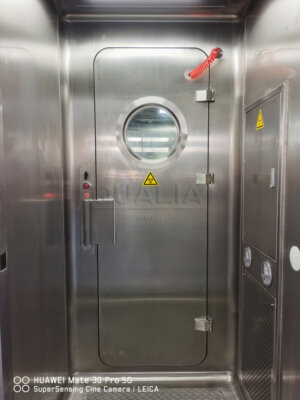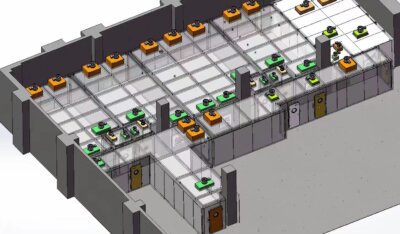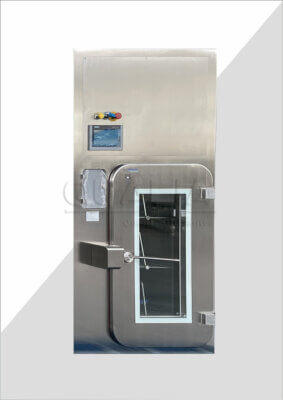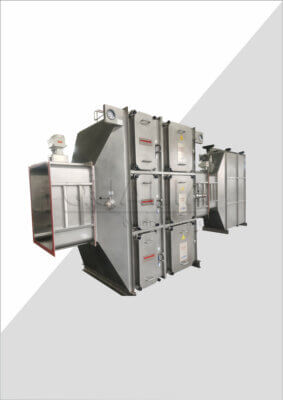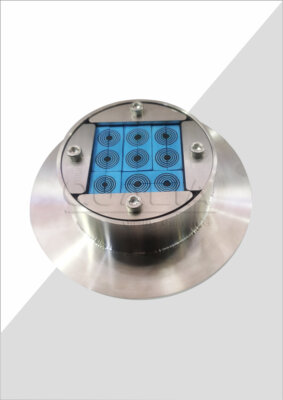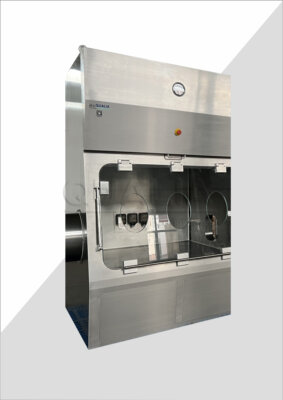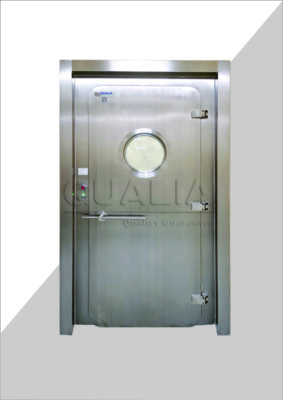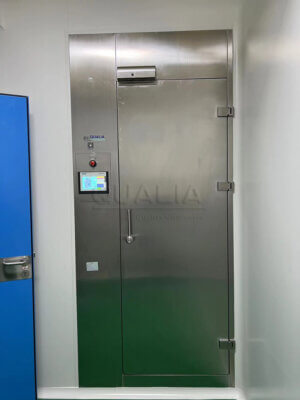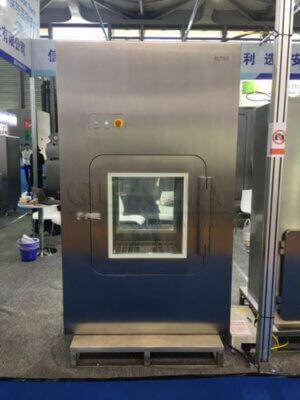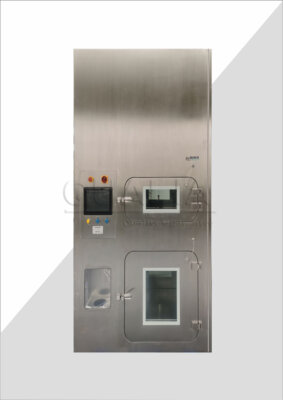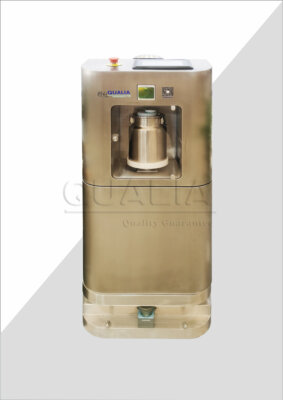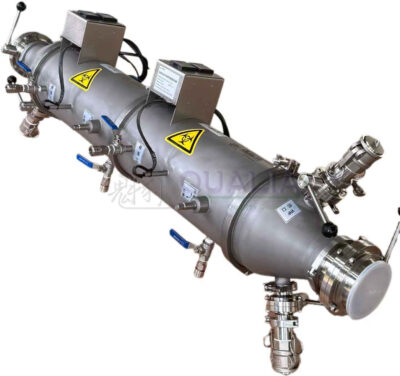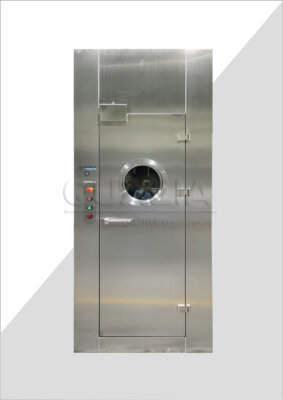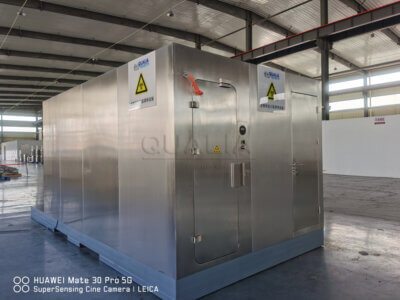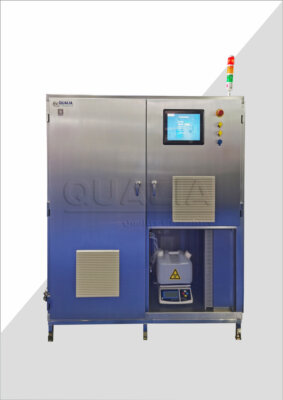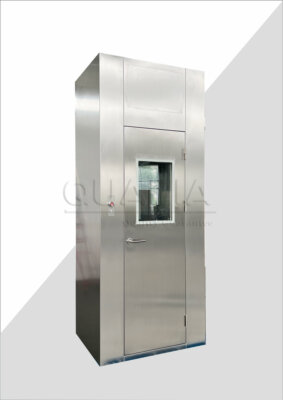
APR door procurement encompasses the systematic process of sourcing, evaluating, and purchasing specialized containment doors designed for Advanced Pathogen Research facilities. These systems require sophisticated mechanical seal procurement strategies due to their critical role in maintaining biosafety containment and regulatory compliance.
Understanding APR Door Technology and Applications
APR doors represent the intersection of advanced engineering and stringent safety requirements. Unlike standard laboratory doors, these systems incorporate multiple sealing mechanisms, pressure differentials, and integrated monitoring systems. In our experience working with research facilities, the technical complexity of these systems often surprises procurement teams who may initially approach them as standard door purchases.
The mechanical seal components serve multiple functions beyond simple containment. They maintain precise pressure differentials, provide redundant safety barriers, and integrate with facility-wide monitoring systems. According to recent industry data, properly specified APR doors can reduce containment breaches by up to 95% compared to standard laboratory door systems.
| APR Door Application | Containment Level | Typical Seal Pressure | Monitoring Integration |
|---|---|---|---|
| BSL-3 Research | High | 0.5″ WC minimum | Real-time differential |
| Pharmaceutical Manufacturing | Variable | 0.3-0.8″ WC | Batch recording |
| Pathogen Storage | Critical | 0.8″ WC minimum | Continuous alarm |
Critical Components of Mechanical Seal Systems
Modern APR door systems integrate multiple sealing technologies to achieve required performance levels. The primary sealing mechanism typically consists of inflatable gaskets that create positive pressure barriers when activated. Secondary seals provide backup containment, while tertiary monitoring systems ensure continuous performance verification.
Research from the International Association of Biosafety Professionals indicates that multi-component seal systems demonstrate 40% higher reliability rates compared to single-seal designs. This data reinforces the importance of understanding system complexity during the procurement evaluation process.
How to Develop an Effective APR Door Procurement Strategy?
Successful APR door purchasing requires a structured approach that balances immediate needs with long-term facility requirements. The procurement strategy should address technical specifications, budget constraints, and operational timelines while maintaining flexibility for future expansion or modification needs.
Defining Technical Requirements and Specifications
Technical specification development represents the foundation of effective procurement planning. Begin by conducting a comprehensive facility assessment that documents current containment requirements, future research plans, and integration needs with existing systems. As facility design experts consistently emphasize, “The cost of over-specifying is typically far less than the cost of under-specifying when it comes to containment systems.”
Key specification categories include pressure differential requirements, door size and configuration, control system integration, and maintenance access provisions. Each specification should include both minimum acceptable parameters and preferred performance levels to provide suppliers with clear guidance while maintaining competitive flexibility.
Performance verification requirements deserve particular attention during specification development. Define testing protocols, acceptance criteria, and ongoing performance monitoring requirements. Industry data shows that facilities with detailed performance specifications experience 60% fewer post-installation issues compared to those with basic requirement definitions.
Budget Planning and Cost Considerations
APR door systems represent significant capital investments that require comprehensive cost analysis beyond initial purchase prices. Total cost of ownership calculations should incorporate installation complexity, ongoing maintenance requirements, energy consumption, and potential upgrade costs over the system’s operational lifetime.
Installation costs can vary dramatically based on facility conditions and integration requirements. Budget 15-25% of equipment cost for standard installations, with complex retrofits potentially requiring 40-50% additional investment. Integration with existing building automation systems, while valuable for operational efficiency, typically adds 10-15% to total project costs.
“The most expensive APR door is the one that doesn’t perform as required when you need it most,” notes Dr. Sarah Chen, a biosafety facility consultant with over 15 years of procurement experience.
What Are the Key Criteria for APR Door Vendor Assessment?
Effective vendor assessment guide principles focus on three primary evaluation areas: technical capability, quality assurance, and ongoing support services. Each area requires specific evaluation criteria and verification methods to ensure comprehensive supplier assessment.
Technical Capability and Manufacturing Standards
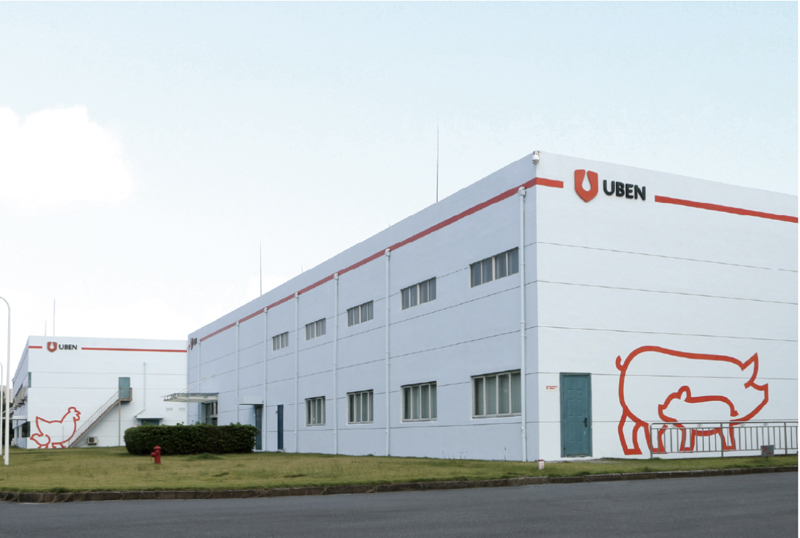
Vendor technical assessment should begin with manufacturing facility evaluation and quality system verification. Request detailed information about production processes, testing capabilities, and quality control procedures. Leading APR door manufacturers typically maintain ISO 9001 certification and demonstrate compliance with relevant biosafety equipment standards.
Design capability represents another critical assessment factor. Evaluate the vendor’s ability to customize standard products for specific facility requirements, integrate with existing systems, and provide technical support throughout the installation process. Companies with in-house engineering teams generally offer superior customization capabilities compared to those relying on third-party design services.
Manufacturing capacity and lead time management deserve careful evaluation, particularly for facilities with specific installation deadlines. Industry analysis shows that specialized APR door manufacturers typically maintain 8-12 week standard lead times, with expedited delivery available for premium pricing.
| Vendor Assessment Factor | Weight | Evaluation Method | Minimum Score |
|---|---|---|---|
| Technical Capability | 35% | Facility audit + references | 8/10 |
| Quality Systems | 25% | Certification review | 9/10 |
| Support Services | 20% | Service terms analysis | 7/10 |
| Financial Stability | 20% | D&B report + references | 8/10 |
Quality Assurance and Certification Requirements
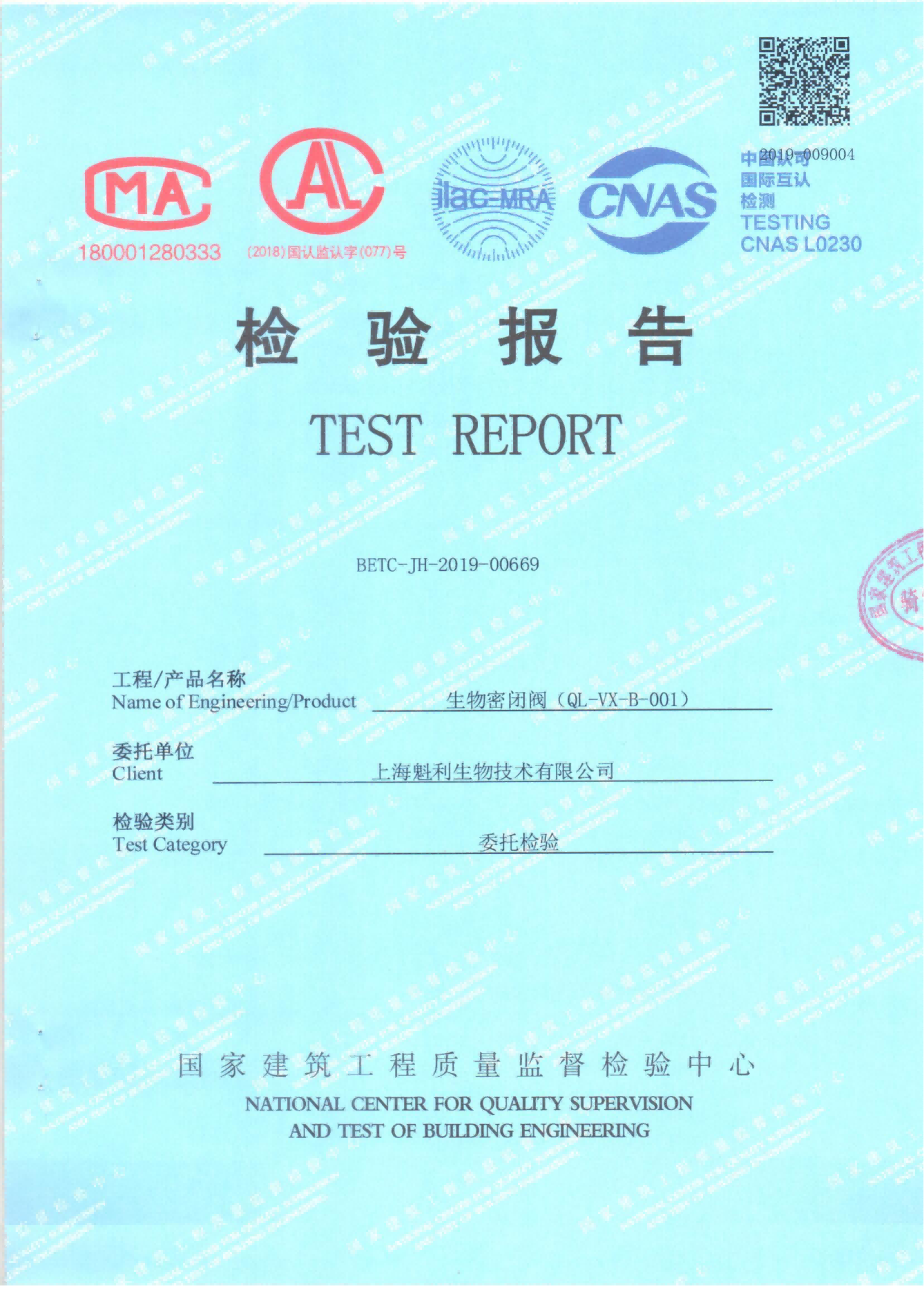
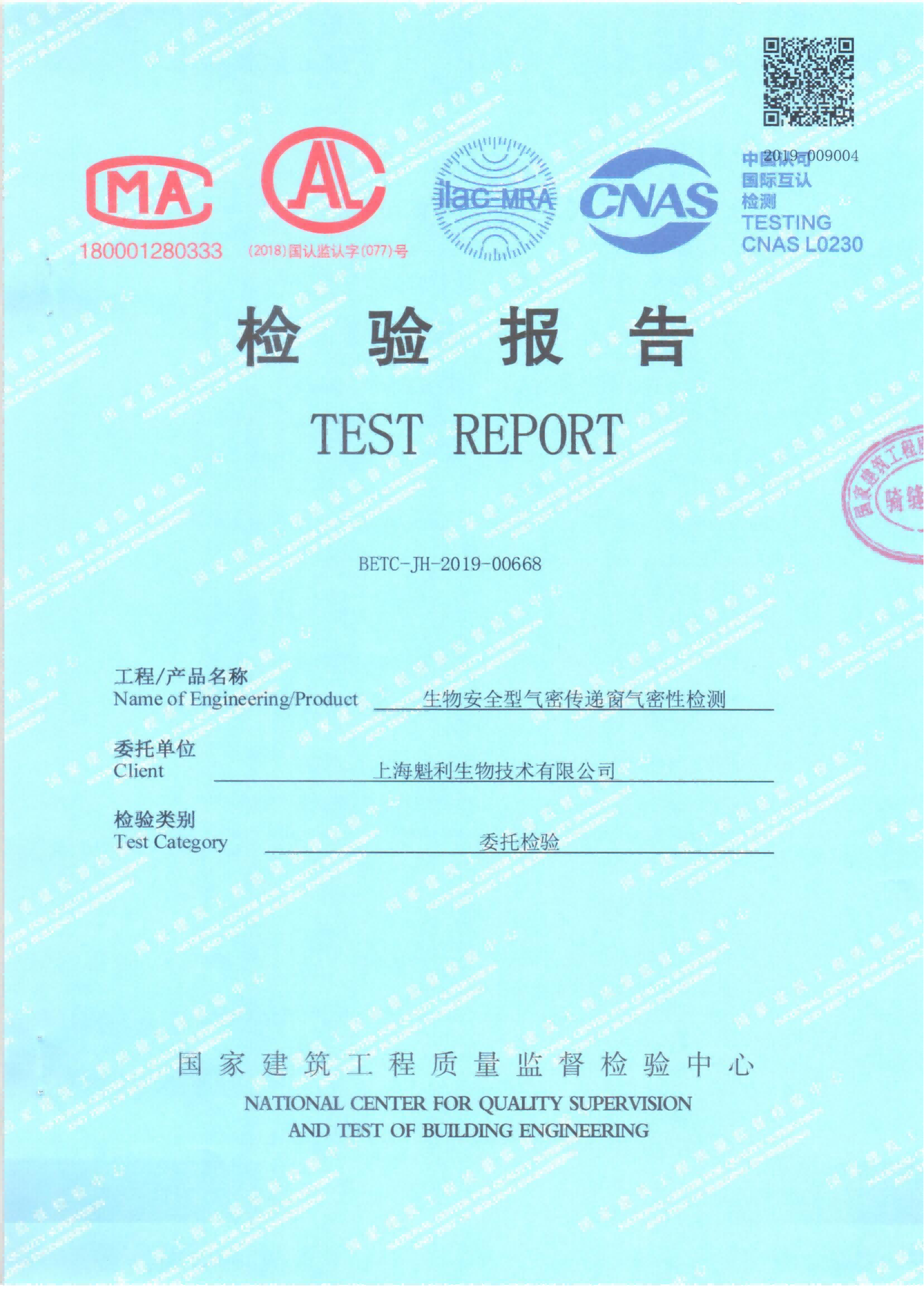
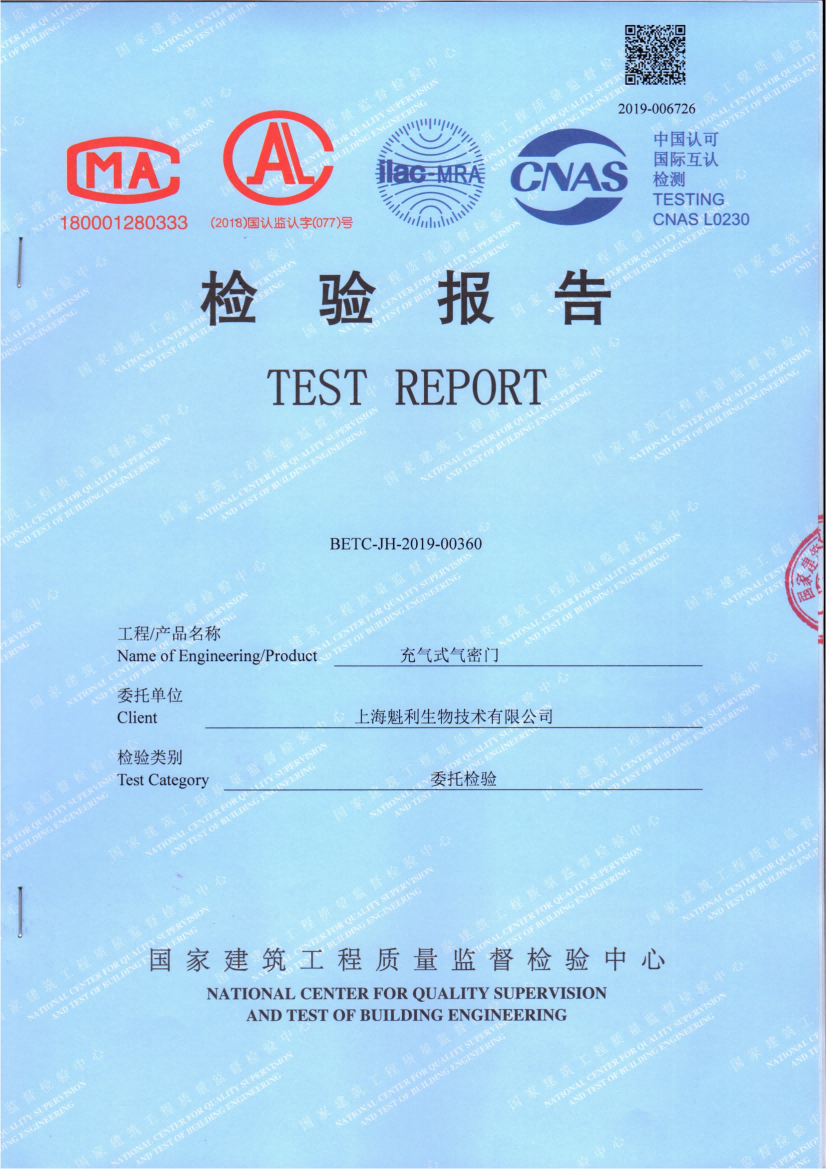
Quality assurance evaluation should encompass both manufacturing processes and product performance verification. Request documentation of testing procedures, quality control checkpoints, and non-conformance management processes. Suppliers with comprehensive quality systems typically provide detailed test reports and certification documentation for each delivered system.
Third-party certification requirements vary by application and regulatory jurisdiction. Ensure potential vendors can provide necessary certifications for your specific requirements, including UL listings, CE marking, or FDA registration as applicable. Certification availability and cost should be clearly defined during vendor evaluation.
Support Services and Maintenance Capabilities
Post-installation support capabilities often differentiate superior vendors from basic equipment suppliers. Evaluate service response times, parts availability, and technician training and certification programs. The most effective APR supplier evaluation processes include detailed assessment of long-term support capabilities.
Service territory coverage and response time commitments require specific verification. Request service level agreement terms and verify coverage for your facility location. Remote diagnostic capabilities, while not essential, can significantly reduce service response times and minimize facility disruption during maintenance activities.
How to Navigate the APR Door Purchasing Process?
The seal procurement process requires systematic management of multiple parallel activities, from initial supplier contact through final installation and commissioning. Effective process management reduces procurement timeline while minimizing the risk of specification errors or supplier miscommunication.
RFQ Development and Supplier Communication
Request for Quote (RFQ) development should provide comprehensive technical requirements while maintaining competitive flexibility. Include detailed facility drawings, specification requirements, installation timelines, and evaluation criteria. Clear RFQ documentation reduces supplier questions and enables more accurate proposal comparison.
Supplier communication management becomes particularly important for complex APR door projects. Establish regular communication schedules, define primary contact points, and create formal documentation procedures for specification changes or clarifications. Structured communication processes prevent misunderstandings that can lead to costly delays or performance issues.
Pre-bid conferences offer valuable opportunities to clarify requirements and assess supplier understanding of project complexity. Schedule facility tours when possible to help suppliers understand installation challenges and integration requirements. Suppliers who invest time in pre-bid facility assessment typically submit more accurate and competitive proposals.
Proposal Evaluation and Decision Matrix
Proposal evaluation requires systematic comparison of technical compliance, pricing, and delivery commitments. Develop weighted scoring matrices that reflect your facility’s priority requirements while maintaining objective evaluation criteria. Technical compliance evaluation should receive primary weighting, with pricing and delivery considerations as secondary factors.
In our experience managing complex procurement projects, proposal evaluation often reveals significant differences in supplier understanding of technical requirements. Schedule technical clarification meetings with top-ranked suppliers to verify proposal accuracy and assess their ability to deliver as proposed.
Reference verification represents a critical but often overlooked evaluation component. Contact recent customers with similar applications to verify performance claims and assess ongoing support quality. Reference conversations frequently reveal insights about supplier performance that aren’t apparent from proposal documentation alone.
What Challenges Should You Expect in Mechanical Seal Procurement?
Understanding common procurement challenges enables proactive risk management and contingency planning. Mechanical seal procurement projects face unique challenges related to technical complexity, regulatory requirements, and supply chain limitations.
Lead Time Management and Supply Chain Risks
APR door manufacturing requires specialized components and materials that can create supply chain vulnerabilities. Standard lead times of 8-12 weeks can extend to 16-20 weeks during periods of high demand or supply chain disruption. Build buffer time into project schedules and consider expediting options for critical applications.
Component sourcing represents a particular challenge for customized systems. Specialized sealing materials, electronic components, and control system elements may have extended lead times that impact overall project delivery. Discuss component sourcing strategies with potential suppliers and identify potential bottlenecks during vendor evaluation.
Inventory management strategies vary significantly among suppliers, with some maintaining extensive component inventories while others operate on just-in-time principles. Suppliers with substantial inventory positions generally offer more predictable delivery schedules but may reflect higher costs in their pricing structure.
Integration Complexity and Installation Considerations
System integration challenges often emerge during installation phases, particularly in retrofit applications. Existing building systems, structural limitations, and utility capacity constraints can create unexpected complications that impact project timelines and costs. Detailed pre-installation surveys help identify potential integration issues before they become critical problems.
The complexity of mechanical seal APR doors requires specialized installation expertise that may not be available from general contractors. Verify installer qualifications and experience with similar systems during vendor assessment. Poor installation quality can compromise system performance regardless of equipment quality.
How to Optimize Long-term APR Supplier Relationships?
Strategic supplier relationship management extends well beyond initial procurement to encompass ongoing performance monitoring, continuous improvement initiatives, and technology upgrade planning. Effective relationship management maximizes long-term value while ensuring consistent system performance.
Performance Monitoring and Vendor Scorecards
Systematic performance monitoring provides objective data for supplier evaluation and relationship management. Develop key performance indicators (KPIs) that reflect critical success factors including system reliability, service response times, parts availability, and overall customer satisfaction.
Vendor scorecards should incorporate both quantitative metrics and qualitative assessments. Track equipment performance data, maintenance costs, and service incident resolution times alongside subjective measures of communication quality and technical support effectiveness. Regular scorecard reviews provide opportunities for performance improvement discussions and relationship optimization.
Industry research indicates that facilities with formal vendor performance monitoring systems achieve 25% higher equipment reliability and 15% lower total cost of ownership compared to those with informal assessment approaches.
Continuous Improvement and Technology Updates
Technology evolution in APR door systems continues at a rapid pace, with new developments in seal materials, control systems, and monitoring capabilities emerging regularly. Maintain ongoing dialogue with key suppliers about technology roadmaps and upgrade opportunities that could benefit your facility operations.
Planned obsolescence management requires proactive communication with suppliers about component availability and support timelines. Establish clear expectations about long-term parts availability and service support. Leading suppliers typically guarantee parts availability for 10-15 years after product delivery, with service support extending even longer.
Partnership arrangements with QUALIA Bio-Tech and other leading suppliers often include technology upgrade options and preferential pricing for facility expansions. These relationships provide access to latest developments while maintaining cost predictability for budget planning purposes.
The future of APR door procurement increasingly emphasizes integrated solutions that combine equipment supply, installation services, and ongoing support under comprehensive service agreements. This evolution reflects growing recognition that APR door systems represent critical infrastructure requiring specialized expertise throughout their operational lifetime.
As biosafety requirements continue evolving and research facilities become increasingly sophisticated, procurement success depends on building strategic supplier relationships that extend well beyond transactional equipment purchases. The most successful facilities treat APR door procurement as an ongoing strategic initiative rather than a discrete purchasing event, enabling them to maintain cutting-edge containment capabilities while optimizing long-term operational costs.
What specific challenges has your organization encountered in APR door procurement, and how might these systematic approaches help address those challenges while building more effective supplier relationships for future facility development?
Frequently Asked Questions
Q: What are APR Door Mechanical Seals and why are they important?
A: APR Door Mechanical Seals are high-containment sealing systems designed to create airtight barriers by compressing a strong and flexible gasket against the doorframe. They are crucial in environments requiring strict containment, such as BSL3 and BSL4 laboratories, where preventing air leakage and cross-contamination is essential. These seals rely on manual compression mechanisms, providing fail-safe sealing even during power loss, making them reliable and effective for sensitive applications.
Q: What factors should I consider when procuring APR Door Mechanical Seals?
A: When procuring APR Door Mechanical Seals, consider these key factors:
- Containment level required: Ensure the seal meets necessary biological or chemical containment standards.
- Environment type: Mechanical seals are best suited for low traffic areas without wheeled carts due to their raised threshold.
- Material options: Door materials vary and include stainless steel, powder-coated steel, aluminum, and phenolic resin to match durability and chemical resistance needs.
- Installation requirements: Proper alignment and door frame sturdiness impact seal effectiveness.
- Maintenance needs: Choose seals that allow for easy inspection and adjustment to maintain airtight integrity over time.
Q: How does a Mechanical Seal APR Door differ from Pneumatic Seal APR Doors?
A: Mechanical Seal APR Doors use a manually compressed gasket to form an airtight barrier, ideal for low-traffic, high-containment settings. They feature a raised threshold and a simple, fail-safe design without electrical dependencies. Conversely, Pneumatic Seal APR Doors use compressed air to inflate the seal, offering superior airtightness and a flush threshold, making them suitable for high-traffic areas with wheeled equipment or large animals. Pneumatic doors require an air supply system and more complex installation but provide enhanced adaptability for demanding environments.
Q: What are the best practices for maintaining APR Door Mechanical Seals?
A: To maintain APR Door Mechanical Seals effectively:
- Perform routine visual inspections to check for gasket damage or wear.
- Ensure the compression mechanism is properly adjusted for consistent seal pressure.
- Clean the gasket surface regularly to prevent contamination buildup.
- Confirm door alignment remains square and level to avoid uneven compression.
- Schedule periodic professional checks to address any mechanical or material degradation, ensuring long-term airtight performance.
Q: In which applications are APR Door Mechanical Seals most beneficial?
A: APR Door Mechanical Seals excel in applications where high containment is non-negotiable and traffic is relatively low. Typical settings include:
- Biosafety Level 3 and 4 laboratories
- Pharmaceutical production cleanrooms
- Specialized research facilities requiring airtight barriers
They are ideal where wheeled carts or heavy traffic are minimal since the raised threshold can hinder movement. For high-traffic or high-mobility environments, pneumatic seals may be preferred.
Q: What should I assess when selecting a vendor for APR Door Mechanical Seals?
A: When evaluating vendors for APR Door Mechanical Seals, focus on:
- Product quality and certifications that meet containment standards.
- Customization options to fit specific door sizes and materials.
- Technical support and installation guidance, ensuring proper setup.
- References or case studies from similar containment projects.
- After-sales service and maintenance support to sustain performance.
Selecting a vendor who understands complex containment requirements and offers robust procurement guidance will optimize your investment.
External Resources
- Mechanical Seal APR Door Systems | Installation Guide & Setup – A detailed guide covering installation requirements, comparison with inflatable seals, technical considerations, and maintenance tips specifically for mechanical seal APR door systems.
- APR Doors with Airtight Mechanical Seals – Product and application overview for high containment doors featuring mechanical seals, with discussions on material options and suitability for laboratory and cleanroom environments.
- APR Door Seal Manufacturers | Quality Assessment | Buyer’s Guide – Offers a buyer’s guide and vendor assessment criteria for selecting APR door seal manufacturers, focusing on quality and compliance for high-containment use.
- High Containment APR Inflatable Seal Doors – PBSC Ltd – Provides specifications and procurement considerations for both mechanical and inflatable seal APR doors, including vendor guidance for various containment applications.
- Pneumatic Seal APR Doors – Compares pneumatic and mechanical seal APR doors, featuring procurement details and application suitability for high-traffic and high-containment environments.
- Industrial APR Door Seals | Purchase Guide | Specification Comparison – Includes a purchasing guide and comparative specifications for different mechanical seal designs, aiding procurement and vendor assessment for industrial and laboratory settings.