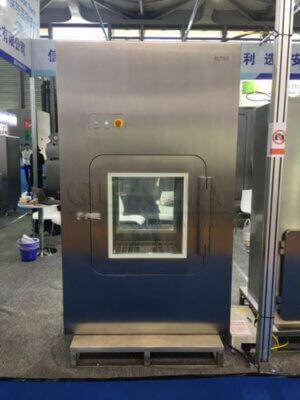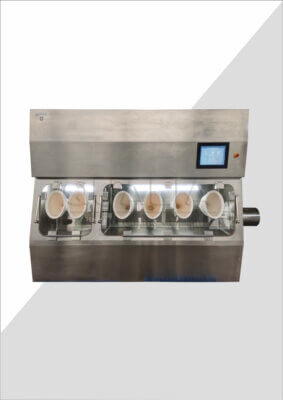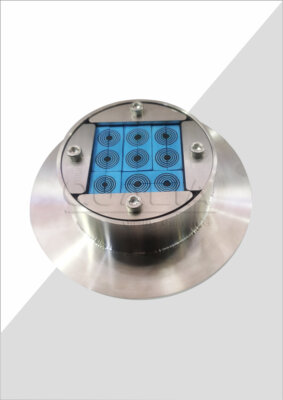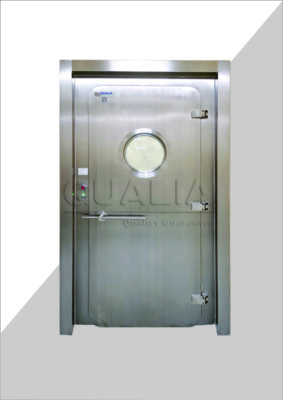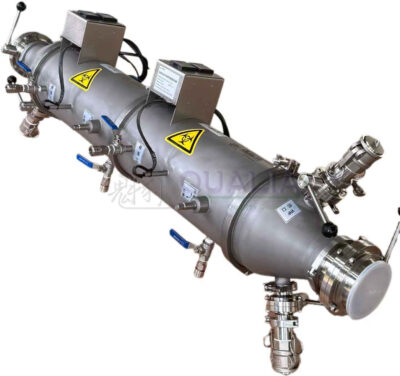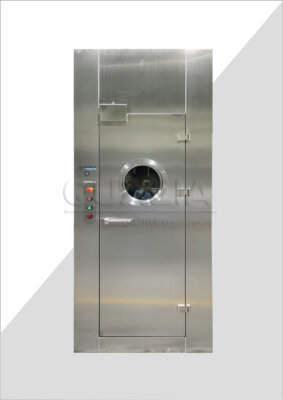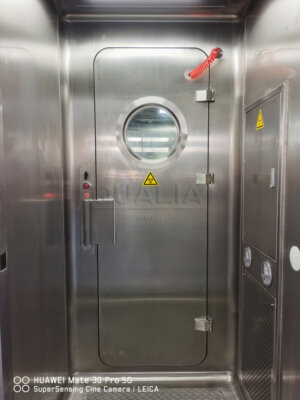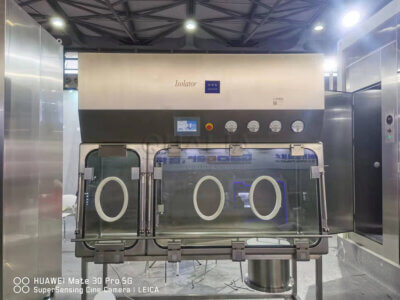

Problem: Selecting the right APR door seal manufacturer can make or break your containment system’s effectiveness. With cleanroom and laboratory safety requirements becoming increasingly stringent, facilities are struggling to find manufacturers who can deliver both reliable performance and consistent quality. Poor seal selection leads to contamination risks, regulatory compliance issues, and costly system failures.
Agitate: According to recent industry data, nearly 40% of containment breaches stem from inadequate sealing systems, with pharmaceutical companies facing potential FDA violations and research facilities risking cross-contamination events. The consequences extend beyond immediate safety concerns – facilities often face extended downtime, expensive remediation, and damaged reputation when sealing systems fail.
Solution: This comprehensive guide examines the critical factors for evaluating apr door seal manufacturers, providing you with the technical knowledge and practical insights needed to make informed decisions. We’ll explore quality assessment methodologies, manufacturer capabilities, and performance benchmarks that ensure your containment systems meet the highest standards.
Leading manufacturers like QUALIA Bio-Tech have pioneered advanced sealing technologies that address these challenges through innovative design and rigorous quality control processes.
What Are APR Door Seal Manufacturers and Why Do They Matter?
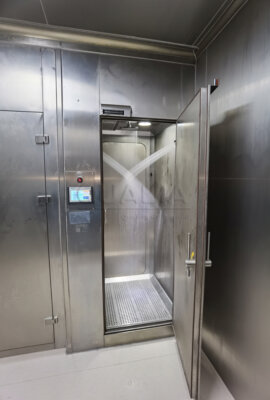
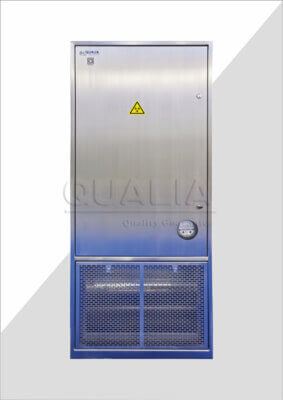
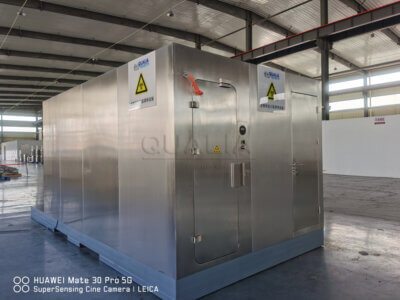
APR door seal manufacturers specialize in producing pneumatic sealing systems designed for high-containment applications where traditional mechanical seals prove inadequate. These manufacturers focus on creating inflatable sealing solutions that provide superior containment performance in cleanrooms, laboratories, and pharmaceutical facilities.
Understanding APR Technology
APR (Air Pressure Release) sealing systems utilize pneumatic pressure to create consistent, reliable seals around door perimeters. Unlike conventional door seals that rely on mechanical compression, APR systems maintain constant sealing pressure regardless of door positioning or environmental conditions. This technology has become essential in applications requiring biosafety level 3 and 4 containment.
The manufacturing process involves precision molding of specialized elastomers, integration of pneumatic components, and rigorous testing protocols. Leading manufacturers invest heavily in cleanroom production facilities to ensure their products meet pharmaceutical and laboratory standards.
Market Significance and Applications
The global market for specialized door sealing systems has grown by 15% annually, driven by increased biosafety regulations and pharmaceutical manufacturing expansion. APR systems are particularly critical in:
- Pharmaceutical manufacturing cleanrooms
- Research laboratory containment areas
- Hospital isolation rooms
- Food processing facilities
Industry research indicates that properly manufactured APR seals can achieve containment efficiency rates exceeding 99.9%, significantly outperforming traditional mechanical sealing methods.
| Application Type | Containment Efficiency | Typical Pressure Range |
|---|---|---|
| Pharmaceutical Cleanrooms | 99.9%+ | 0.5-2.0 PSI |
| Biosafety Labs | 99.95%+ | 1.0-3.0 PSI |
| Food Processing | 99.5%+ | 0.3-1.5 PSI |
How to Evaluate Quality Standards in Pneumatic Seal Manufacturing?
Quality assessment of pneumatic seal manufacturers requires understanding both material science and manufacturing precision. The most reliable manufacturers implement comprehensive quality management systems that address every aspect of production, from raw material selection to final testing.
Material Quality and Performance Standards
Premium APR seals utilize medical-grade silicone or specialized thermoplastic elastomers that maintain flexibility across temperature ranges while resisting chemical degradation. Manufacturing quality directly impacts seal longevity, with superior materials providing service lives exceeding 10 years under normal operating conditions.
In our experience working with various manufacturers, material consistency represents the most critical quality factor. Manufacturers should provide detailed material certificates, including Shore hardness ratings, tensile strength data, and chemical compatibility charts. The best manufacturers maintain material traceability systems allowing batch-level quality tracking.
Testing and Certification Requirements
Reputable manufacturers subject their products to rigorous testing protocols including:
- Pressure cycle testing (minimum 100,000 cycles)
- Temperature stability testing (-20°C to +80°C)
- Chemical resistance evaluation
- Leak rate testing using helium detection methods
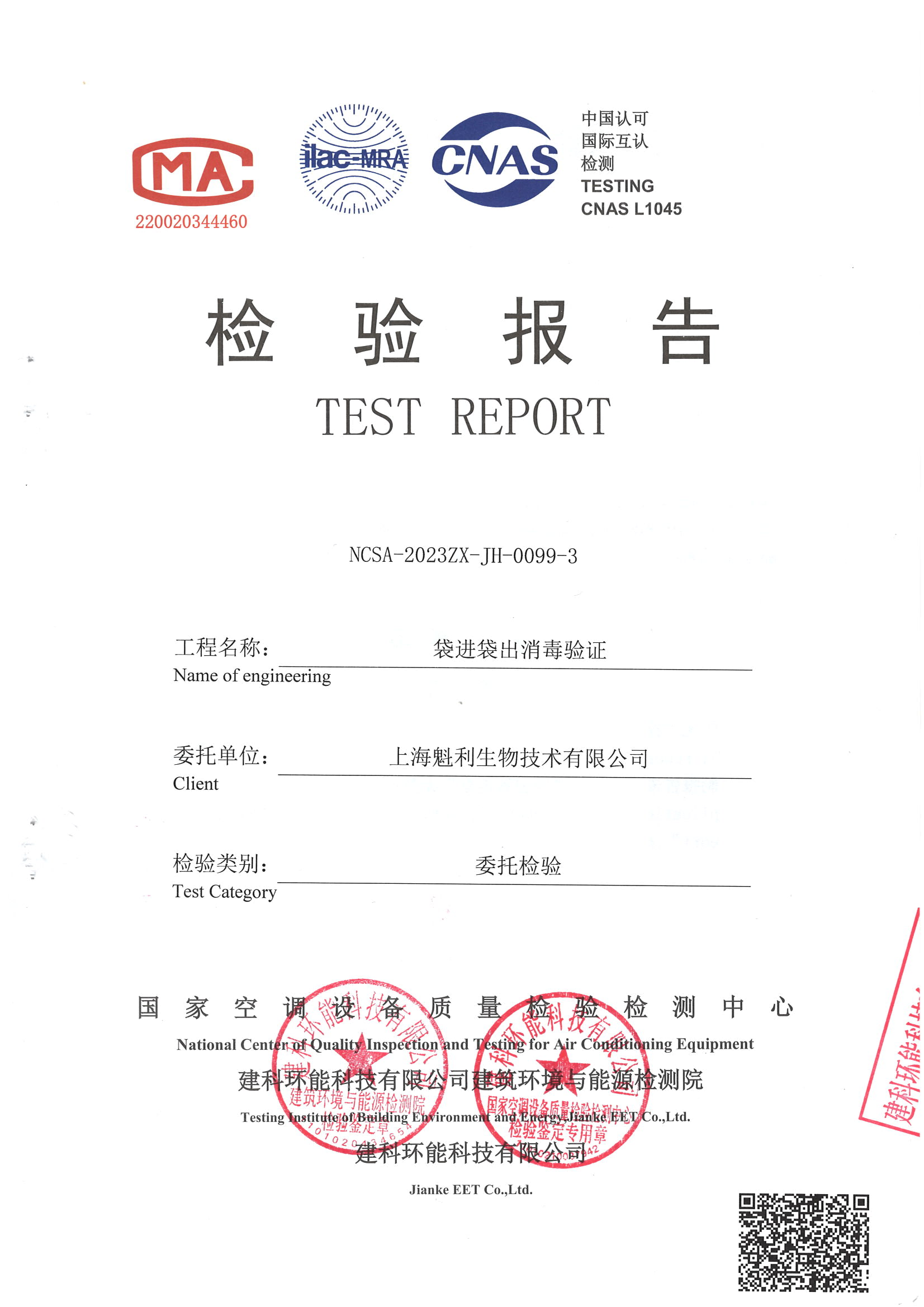
Third-party certifications from organizations like NSF International or compliance with FDA 21 CFR Part 177 regulations indicate serious quality commitment. While these certifications increase manufacturing costs, they provide essential assurance for critical applications.
Manufacturing Process Control
Leading manufacturers implement statistical process control (SPC) systems monitoring key production variables. This includes automated dimensional verification, pressure testing of each seal, and comprehensive documentation systems. The most advanced facilities utilize cleanroom manufacturing environments, preventing contamination during production.
What Should You Look for When Choosing Industrial Door Seal Makers?
Selecting among industrial door seal makers requires evaluating both technical capabilities and business reliability. The decision impacts not only immediate performance but long-term system maintenance and support requirements.
Technical Capabilities Assessment
Superior manufacturers demonstrate expertise across multiple technical domains. They should provide comprehensive engineering support, including custom design services, installation guidance, and performance optimization recommendations. The ability to modify standard products for specific applications often distinguishes exceptional manufacturers from commodity suppliers.
Engineering capabilities include finite element analysis for stress distribution, computational fluid dynamics for airflow optimization, and thermal analysis for temperature stability. Manufacturers offering these services typically produce higher-performance products with longer service lives.
Customization and Engineering Support
Industrial applications frequently require modified sealing solutions. The best manufacturers maintain in-house engineering teams capable of rapid prototyping and custom manufacturing. This capability becomes crucial when retrofitting existing systems or accommodating unique architectural constraints.
Response time for custom solutions varies significantly among manufacturers. Leading companies typically provide initial design concepts within 48 hours and prototype parts within 2-3 weeks. This responsiveness often proves critical during facility construction or emergency replacement situations.
Supply Chain Reliability
Manufacturing consistency depends heavily on supply chain management. Reliable manufacturers maintain strategic inventory levels, diversified supplier networks, and established quality agreements with raw material suppliers. During recent supply chain disruptions, companies with robust procurement processes maintained delivery schedules while others experienced significant delays.
| Manufacturer Tier | Typical Lead Time | Inventory Depth | Engineering Support |
|---|---|---|---|
| Premium | 2-4 weeks | 90+ days | Full in-house team |
| Standard | 4-8 weeks | 30-60 days | Limited |
| Basic | 8-16 weeks | Minimal | Outsourced |
Which APR Sealing System Manufacturers Lead the Market?
The apr sealing system manufacturers market features several established players, each with distinct strengths and specializations. Understanding these differences helps identify the most suitable supplier for specific applications.
Market Leaders and Specializations
Market analysis reveals three primary manufacturer categories: specialized cleanroom suppliers, diversified industrial manufacturers, and custom solution providers. Each category serves different market segments with varying performance requirements and service expectations.
Specialized manufacturers like QUALIA Bio-Tech’s pneumatic seal solutions focus exclusively on high-performance containment applications. These companies invest heavily in R&D, maintaining technical advantages through continuous innovation. Their products typically command premium pricing but offer superior performance and reliability.
Innovation and Technology Trends
Leading manufacturers increasingly incorporate smart monitoring systems, enabling real-time seal performance tracking. These systems provide predictive maintenance capabilities, alerting facility managers to potential issues before failures occur. Advanced manufacturers also offer integration with building automation systems, allowing centralized control of multiple sealing systems.
Recent innovations include self-diagnosing seals that monitor internal pressure, temperature, and wear indicators. This technology has proven particularly valuable in pharmaceutical manufacturing, where unexpected seal failures can result in expensive batch losses.
Geographic and Service Considerations
Manufacturing location impacts both cost and service quality. Domestic manufacturers typically provide faster service response but higher product costs. International manufacturers offer competitive pricing but may present challenges regarding technical support and warranty service.
The most successful manufacturers maintain regional service centers, combining cost-effective manufacturing with responsive local support. This hybrid approach has become increasingly common as manufacturers seek to optimize both price competitiveness and service quality.
How to Conduct Proper Door Seal Quality Assessment?
Door seal quality assessment requires systematic evaluation of multiple performance criteria. Effective assessment programs combine initial qualification testing with ongoing performance monitoring to ensure continued reliability.
Performance Testing Protocols
Comprehensive quality assessment begins with standardized testing procedures. These protocols should evaluate seal performance under various operating conditions, including temperature extremes, pressure variations, and chemical exposure scenarios. The testing program should simulate actual operating conditions rather than relying solely on laboratory standards.
Key performance metrics include leak rate measurements, pressure holding capacity, cycle life testing, and material degradation assessment. Testing should occur at regular intervals, with detailed documentation of results and trending analysis to identify performance changes over time.
Installation and Maintenance Factors
Quality assessment extends beyond the seal itself to include installation requirements and maintenance procedures. Poorly installed seals, regardless of manufacturing quality, will fail to provide adequate containment. Assessment should include evaluation of installation complexity, required tools, and skill level needed for proper installation.
Maintenance requirements significantly impact total cost of ownership. Seals requiring frequent adjustment or replacement create ongoing operational burden. The best manufacturers provide comprehensive maintenance documentation, including troubleshooting guides and preventive maintenance schedules.
Long-term Performance Monitoring
Ongoing performance assessment requires establishing baseline measurements and implementing regular monitoring protocols. This includes periodic leak testing, visual inspection procedures, and performance trending analysis. Successful programs integrate monitoring activities with existing maintenance schedules to minimize operational disruption.
Industry best practices suggest quarterly performance assessments for critical applications, with annual comprehensive evaluations including detailed leak testing and component inspection. Documentation systems should track performance trends, maintenance activities, and replacement costs to support future purchasing decisions.
What Are the Key Factors in a Pneumatic Seal Buyers Guide?
A comprehensive pneumatic seal buyers guide must address both technical specifications and practical considerations that impact long-term success. The purchasing decision extends beyond initial product cost to include installation, maintenance, and lifecycle expenses.
Technical Specification Requirements
Buyers should establish clear performance criteria before evaluating manufacturers. These specifications should include operating pressure ranges, temperature requirements, chemical compatibility needs, and expected service life. Detailed specifications enable objective manufacturer comparison and ensure selected products meet application requirements.
Critical technical parameters include maximum operating pressure (typically 0.5-5.0 PSI), temperature stability range, cycle life expectations, and leak rate specifications. Buyers should also consider future expansion needs and compatibility with existing systems.
Cost Analysis and Total Ownership
Initial purchase price represents only a fraction of total ownership costs. Comprehensive cost analysis should include installation expenses, ongoing maintenance costs, energy consumption, and replacement frequency. Premium products often provide lower total ownership costs despite higher initial investment.
A recent study of pharmaceutical facilities revealed that seal-related maintenance costs averaged 15% of initial purchase price annually. Facilities using premium sealing systems experienced 40% lower maintenance costs compared to those using standard products.
Vendor Selection Criteria
Effective vendor selection requires evaluating multiple factors beyond product specifications. Key considerations include technical support quality, delivery reliability, warranty terms, and long-term business stability. The selected vendor should demonstrate commitment to ongoing product development and customer support.
Reference checks with existing customers provide valuable insights into vendor performance. Buyers should specifically inquire about technical support responsiveness, product reliability, and overall satisfaction levels.
| Selection Factor | Weight | Evaluation Criteria |
|---|---|---|
| Technical Performance | 35% | Specifications, testing data |
| Cost Considerations | 25% | Total ownership cost analysis |
| Vendor Reliability | 20% | References, financial stability |
| Support Services | 20% | Technical support, training |
How Do Manufacturing Processes Impact APR Door Seal Performance?
Manufacturing processes directly influence seal performance, reliability, and service life. Understanding these relationships helps buyers evaluate manufacturer capabilities and make informed selection decisions.
Material Processing and Quality Control
Advanced manufacturing processes utilize precision molding techniques that ensure consistent material distribution and dimensional accuracy. The best manufacturers employ automated mixing systems for elastomer compounds, eliminating human error and ensuring batch-to-batch consistency.
Material curing processes significantly impact final product performance. Manufacturers using controlled atmosphere curing ovens with precise temperature and humidity control produce seals with superior mechanical properties and longer service lives. In contrast, manufacturers relying on ambient curing often experience quality variations and reduced product reliability.
Assembly and Testing Procedures
Manufacturing quality depends heavily on assembly processes and final testing procedures. Leading manufacturers implement automated assembly systems that ensure consistent pneumatic component integration and eliminate assembly errors. These systems typically include automated pressure testing and dimensional verification.
Quality control testing should occur at multiple production stages, not just final inspection. The most reliable manufacturers conduct incoming material testing, in-process quality checks, and comprehensive final testing including pressure cycling and leak detection.
Continuous Improvement Programs
Exceptional manufacturers maintain continuous improvement programs that systematically address quality issues and enhance product performance. These programs typically include statistical process control, root cause analysis procedures, and customer feedback integration systems.
Manufacturers with ISO 9001 certification demonstrate commitment to quality management principles. However, certification alone doesn’t guarantee superior products – buyers should evaluate actual implementation and results of quality programs.
What Are the Common Challenges with APR Door Seal Systems?
While APR sealing systems offer superior containment performance, they present unique challenges that buyers must understand and address. Awareness of these limitations enables better system design and more realistic performance expectations.
Installation Complexity and Requirements
APR systems require more complex installation procedures compared to traditional mechanical seals. Installation typically involves pneumatic system integration, control system programming, and precise alignment procedures. Many facilities underestimate these requirements, leading to project delays and increased costs.
Installation challenges include space requirements for pneumatic components, electrical connections for control systems, and coordination with building automation systems. Successful installations require careful planning and experienced installation teams.
Maintenance and Operational Considerations
APR systems require ongoing maintenance of pneumatic components, including air compressors, pressure regulators, and control valves. This adds complexity to facility maintenance programs and requires staff training on pneumatic systems.
Common maintenance issues include air leaks in pneumatic lines, control system failures, and seal material degradation. While individual components are reliable, system complexity increases potential failure points compared to simple mechanical seals.
Cost and Performance Trade-offs
APR systems typically cost 3-5 times more than conventional door seals when considering total installed cost. While superior performance often justifies this premium, buyers must carefully evaluate whether APR technology is necessary for their specific applications.
Performance benefits are most apparent in high-containment applications where seal reliability is critical. For standard commercial applications, the additional cost and complexity may not provide sufficient benefit to justify APR system selection.
Conclusion
Selecting the right APR door seal manufacturer requires careful evaluation of technical capabilities, quality standards, and long-term support commitment. The key insights from this analysis emphasize the importance of comprehensive manufacturer assessment beyond simple product specifications.
Quality apr door seal manufacturers distinguish themselves through rigorous testing protocols, advanced manufacturing processes, and ongoing technical support. While premium manufacturers command higher prices, their superior products often provide better long-term value through improved reliability and longer service lives.
The decision-making process should prioritize total ownership costs over initial purchase price, considering installation complexity, maintenance requirements, and expected service life. Buyers benefit from establishing clear performance criteria and conducting thorough vendor evaluations including reference checks and facility visits.
Future developments in APR sealing technology will likely focus on smart monitoring systems, improved materials, and simplified installation procedures. Manufacturers investing in these areas will maintain competitive advantages as market demands continue evolving.
For facilities requiring high-performance containment solutions, partnering with established manufacturers like QUALIA Bio-Tech ensures access to proven technology and comprehensive support services.
What specific containment challenges is your facility facing, and how might advanced APR sealing technology address these requirements while supporting your long-term operational goals?
Frequently Asked Questions
Q: What makes APR door seal manufacturers important in quality assessment?
A: APR door seal manufacturers are crucial in quality assessment because they ensure that all seals meet rigorous standards for high-containment applications. These manufacturers provide seals that are leak-resistant and durable, which is vital for environments like bio-hazard laboratories and clean rooms. Their quality assessment processes involve testing for resistance to leakage and durability under various conditions, ensuring that the seals perform optimally in demanding settings.
Q: What are the key factors to consider when evaluating APR door seal quality?
A: When evaluating the quality of APR door seals, several key factors should be considered. These include the seal’s resistance to leakage, its durability under pressure differences, and the materials used in its construction. Additionally, the manufacturer’s adherence to international standards and their ability to provide reliable performance in high-traffic situations are important.
Q: How do APR door seal manufacturers ensure compliance with international standards?
A: APR door seal manufacturers ensure compliance with international standards by undergoing rigorous testing and certification processes. They work with accredited testing laboratories to ensure that their products meet specific requirements such as those set by ANSI, BHMA, and ISO. This certification process ensures that the seals perform as expected in various environments, maintaining high containment levels.
Q: What are the benefits of using APR door seal manufacturers that adhere to quality standards?
A: Using APR door seal manufacturers that adhere to quality standards offers several benefits. These include:
- Reliability: The seals provide consistent performance in high-containment environments.
- Durability: They are designed to withstand heavy use and various environmental conditions.
- Compliance: They meet international standards, ensuring legal and regulatory compliance.
- Efficiency: They minimize leakage, which is critical for efficient operation in sensitive areas.
Q: How do buyers select the right APR door seal manufacturer for their needs?
A: Buyers can select the right APR door seal manufacturer by considering several factors:
- Look for manufacturers with a strong reputation for quality and reliability.
- Ensure the manufacturer offers products that meet specific application needs (e.g., high-traffic or high-containment environments).
- Check for compliance with relevant international standards.
- Evaluate customer service and support options available from the manufacturer.
Q: What role does quality assessment play in the selection of APR door seal manufacturers?
A: Quality assessment plays a pivotal role in the selection of APR door seal manufacturers. It involves evaluating the manufacturer’s testing processes, material quality, and adherence to industry standards. Buyers should look for manufacturers that provide comprehensive testing and certification reports to ensure that the seals will perform well under intended conditions. This assessment helps buyers make informed decisions about which manufacturer best meets their specific needs.
External Resources
- How to Test Rubber Seal Quality – Provides an in-depth overview of how to assess the quality of rubber seals, including testing methods and what to look for when evaluating manufacturers.
- 01 GENERAL 0194p RAVEN door seals and window seals (PDF) – Details Raven’s manufacturing standards, quality certifications, laboratory testing, and buyer guidance for door and window seals.
- Pneumatic Seal APR Doors – Explains applications, features, and quality considerations for APR pneumatic seal doors, focusing on their use in high-containment environments.
- Quality Assurance Representative’s Guide Volume 6 (PDF) – Offers guidelines on quality assessment of door seals, gaskets, and thresholds during inspection and installation, emphasizing compliance with manufacturers’ standards.
- Inflatable Seal APR Door HC-ISD – Describes the technical specifications, manufacturing considerations, and applications of inflatable APR door seals in critical environments.
- Selecting a Door Seal: Tips and Quality Factors – Presents a buyer’s guide focused on door seal selection, highlighting key quality assessment criteria and manufacturer reputation for English-speaking buyers.