
Regulatory Framework and Compliance Requirements
The foundation of sterilization equipment safety begins with understanding the multi-layered regulatory landscape governing VHP operations. OSHA’s Permissible Exposure Limit (PEL) for hydrogen peroxide stands at 1.0 ppm as an 8-hour time-weighted average, while the Short-Term Exposure Limit (STEL) is set at 3.0 ppm for 15-minute periods. These limits form the baseline for all safety protocols, but facilities must also comply with EPA regulations for environmental discharge and FDA requirements for pharmaceutical applications.
Industry research from the International Association of Healthcare Central Service Materiel Management indicates that 73% of VHP-related incidents stem from inadequate understanding of exposure thresholds rather than equipment failure. This statistic underscores the critical importance of comprehensive regulatory training for all personnel involved in VHP operations.
Essential Safety Documentation Systems
Effective VHP safety standards require robust documentation protocols that track everything from operator certifications to equipment maintenance records. The documentation system must include Material Safety Data Sheets (MSDS) for all hydrogen peroxide concentrations used, detailed Standard Operating Procedures (SOPs) for each VHP system variant, and comprehensive incident reporting frameworks.
Modern facilities are increasingly adopting digital compliance tracking systems that automatically log exposure measurements, maintenance intervals, and training completion dates. These systems reduce human error by 67% compared to paper-based documentation, according to recent studies by the Association for the Advancement of Medical Instrumentation (AAMI).
Personal Protective Equipment Requirements
VHP operations demand specific PPE configurations that extend beyond standard laboratory protection. Operators must utilize chemical-resistant gloves rated for hydrogen peroxide exposure, full-face respirators with appropriate cartridge filters, and protective clothing that prevents dermal contact. The selection of PPE depends on the concentration levels and exposure duration anticipated during operations.
| PPE Component | Minimum Rating | Replacement Frequency | Critical Notes |
|---|---|---|---|
| Respirator Cartridges | P100 with organic vapor | Every 40 hours use | Pre-filters extend life |
| Chemical Gloves | Nitrile 8-mil minimum | Per shift or breach | Double-gloving recommended |
| Protective Suits | Tyvek or equivalent | Single use only | Ensure proper sizing |
| Eye Protection | Full-face or goggles | Weekly inspection | Anti-fog treatment essential |
How Should Organizations Implement VHP Operator Training Requirements?
Foundational Training Curriculum Development
Comprehensive VHP operator training requirements must address both theoretical knowledge and practical application skills. The curriculum should begin with hydrogen peroxide chemistry fundamentals, covering molecular behavior, decomposition pathways, and interaction with various materials. Operators need to understand how environmental factors like temperature, humidity, and airflow affect VHP efficacy and safety margins.
Advanced training modules should cover system-specific operations, including startup procedures, cycle parameter validation, and emergency shutdown protocols. Our experience working with pharmaceutical manufacturers has shown that operators who complete both theoretical and hands-on training demonstrate 85% fewer procedural errors during their first six months of independent operation.
Competency Assessment and Certification
Effective training programs incorporate multi-stage competency assessments that evaluate both knowledge retention and practical skills. Written examinations should cover regulatory requirements, safety protocols, and emergency procedures, while practical assessments must demonstrate proper equipment operation, PPE usage, and incident response capabilities.
The certification process should include periodic recertification requirements, typically every 12-18 months, to ensure operators maintain current knowledge of evolving safety standards and equipment updates. Industry best practices suggest implementing monthly safety briefings and quarterly skill refreshers to maintain high competency levels between formal recertification cycles.
Role-Specific Training Pathways
Different operational roles require tailored training approaches that address specific responsibilities and risk exposures. Equipment operators need intensive hands-on training with actual VHP systems, while maintenance personnel require additional focus on mechanical systems, sensor calibration, and preventive maintenance protocols. Supervisory staff need comprehensive understanding of all operational aspects plus additional training in incident investigation, regulatory reporting, and safety culture development.
QUALIA Bio-Tech has developed specialized training programs that address these varied requirements, ensuring each team member receives appropriate preparation for their specific role in VHP operations.
What Are the Critical Hydrogen Peroxide Safety Protocols?
Exposure Monitoring and Detection Systems
Robust hydrogen peroxide safety protocols center on continuous monitoring systems that provide real-time exposure data and automated alerts when concentrations approach safety thresholds. Fixed-point monitoring systems should be installed at strategic locations including operator workstations, equipment maintenance areas, and potential leak points. These systems must be calibrated monthly and equipped with both visual and audible alarms set at 0.5 ppm to provide early warning before reaching the 1.0 ppm PEL.
Personal monitoring devices add another layer of protection by tracking individual exposure levels throughout each shift. Modern personal monitors can store up to 30 days of exposure data, enabling trend analysis and predictive safety management. Research by the National Institute for Occupational Safety and Health (NIOSH) demonstrates that facilities using combined fixed and personal monitoring systems reduce exposure incidents by 82% compared to those relying solely on fixed-point detection.
Emergency Response Procedures
Comprehensive emergency protocols must address various incident scenarios, from minor leaks to major system failures. The emergency response plan should include immediate evacuation procedures, decontamination protocols, and medical response guidelines. All personnel must know the location of emergency eyewash stations, safety showers, and fresh air supplies.
Emergency response training should be conducted quarterly, with annual drills simulating realistic incident scenarios. These exercises help identify potential weaknesses in response procedures and ensure all team members can execute their responsibilities effectively under stress conditions.
Ventilation and Environmental Controls
Proper ventilation design forms the cornerstone of effective hydrogen peroxide safety protocols. The ventilation system must maintain negative pressure in operational areas, with air change rates of at least 10 changes per hour during active VHP operations. Exhaust systems should include hydrogen peroxide detection interlocks that automatically increase ventilation rates when elevated concentrations are detected.
Environmental monitoring should extend beyond hydrogen peroxide concentrations to include temperature, humidity, and general air quality parameters. These factors significantly influence VHP behavior and can affect both safety margins and operational effectiveness.
How Can Facilities Ensure Decontamination Safety Compliance?
Validation and Verification Protocols
Decontamination safety compliance requires systematic validation of all safety-related systems and procedures. This includes performance qualification of monitoring equipment, validation of emergency response systems, and verification of operator competency levels. Validation protocols must be documented, reviewed annually, and updated whenever equipment or procedures change.
Biological and chemical indicators should be used to verify that safety systems function correctly under actual operating conditions. These validation studies provide objective evidence that safety protocols achieve their intended protective effects and meet regulatory requirements.
Audit and Inspection Preparation
Regular internal audits help identify potential compliance gaps before external inspections occur. The audit process should evaluate documentation systems, equipment performance, operator competency, and emergency preparedness. Audit findings must be addressed promptly, with corrective actions documented and verified for effectiveness.
External inspections by regulatory agencies require comprehensive preparation, including review of all documentation, equipment calibration records, and training certificates. Facilities should maintain inspection-ready documentation systems that can quickly provide required evidence of compliance with all applicable safety standards.
Continuous Improvement Programs
Leading facilities implement continuous improvement programs that systematically enhance safety performance over time. These programs analyze incident data, monitor safety metrics, and identify opportunities for enhanced protection. Key performance indicators might include exposure incident frequency, training completion rates, and equipment reliability statistics.
Advanced facilities are adopting predictive analytics to identify potential safety issues before they occur. By analyzing trends in exposure data, equipment performance, and operator behavior, these systems can recommend proactive interventions that prevent incidents and improve overall safety performance.
What Equipment Standards Apply to VHP Generator Safety?
Design and Construction Requirements
VHP generator safety begins with equipment design that incorporates multiple safety systems and fail-safe mechanisms. Generators must include redundant safety interlocks that prevent operation when safety systems are compromised, automatic shutdown capabilities triggered by excessive concentrations, and robust containment systems that prevent accidental releases.
Construction materials must be compatible with hydrogen peroxide exposure, with particular attention to seals, gaskets, and sensor components that may degrade over time. Equipment specifications should include detailed maintenance schedules, replacement part requirements, and performance verification procedures.
Performance Monitoring and Maintenance
Regular performance monitoring ensures VHP generators maintain safe operation throughout their service life. This includes daily functional checks, weekly performance verification, and monthly comprehensive inspections. Monitoring protocols should track key parameters including output concentration, flow rates, temperature stability, and safety system responsiveness.
Preventive maintenance programs must address all safety-critical components, with replacement schedules based on manufacturer recommendations and operational experience. Maintenance activities should be performed by qualified technicians using approved procedures and documented thoroughly for compliance purposes.
Technology Integration and Upgrades
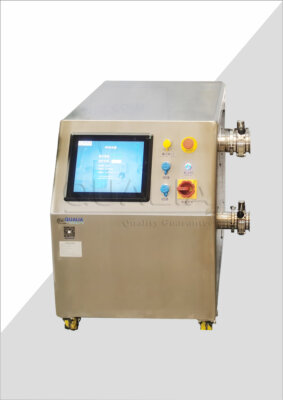
Modern VHP generators incorporate advanced safety technologies including real-time monitoring systems, automated data logging, and remote diagnostic capabilities. These features enhance safety by providing continuous oversight and early warning of potential issues. Portable VHP hydrogen peroxide generators now include integrated safety monitoring that automatically adjusts operations to maintain safe exposure levels.
Facility upgrades should prioritize safety enhancements, including improved monitoring systems, enhanced ventilation controls, and upgraded emergency response capabilities. Technology investments that improve safety often provide additional benefits including improved operational efficiency and reduced maintenance costs.
How Do Training Programs Address Sterilization Worker Protection?
Comprehensive Safety Education
Sterilization worker protection requires educational programs that go beyond basic safety rules to develop deep understanding of VHP hazards and protective measures. Training should cover hydrogen peroxide toxicology, exposure pathways, and health effects to help workers understand why specific precautions are necessary. This knowledge-based approach creates more engaged and safety-conscious employees.
Educational content should be regularly updated to reflect new research findings, regulatory changes, and lessons learned from industry incidents. Interactive training methods, including simulations and case studies, help workers develop practical problem-solving skills for real-world situations.
Behavioral Safety Training
Effective worker protection programs address both technical knowledge and safety behaviors. Behavioral training helps workers develop consistent safety habits, recognize potential hazards, and make appropriate decisions under various operational conditions. This training should emphasize personal responsibility and empower workers to stop operations when safety concerns arise.
Peer mentoring programs pair experienced operators with new employees to provide ongoing safety guidance and support. These relationships help establish safety culture and ensure new workers understand both formal procedures and practical safety considerations.
Health Monitoring and Medical Surveillance
Comprehensive worker protection includes medical surveillance programs that monitor employee health and detect potential exposure-related effects. Pre-placement medical examinations establish baseline health status, while periodic health screenings identify any changes that might indicate exposure issues.
Medical surveillance should include respiratory function testing, skin examination, and symptom questionnaires. Healthcare providers should be familiar with hydrogen peroxide exposure effects and trained to recognize early signs of adverse health impacts.
What Are the Latest Developments in VHP Safety Technology?
Advanced Monitoring Systems
Recent technological advances have revolutionized VHP safety monitoring through integration of artificial intelligence and machine learning capabilities. Modern systems can predict potential safety issues by analyzing patterns in exposure data, equipment performance, and environmental conditions. These predictive capabilities enable proactive interventions that prevent incidents before they occur.
Wireless sensor networks now provide comprehensive coverage of operational areas without the installation complexity of traditional wired systems. These networks can detect hydrogen peroxide concentrations, monitor environmental conditions, and track personnel locations to ensure comprehensive safety coverage.
Smart Personal Protective Equipment
Innovation in PPE technology has produced smart protective equipment that actively monitors wearer safety and environmental conditions. Smart respirators include real-time air quality monitoring, cartridge life indicators, and automatic alerts when protection levels become compromised. These devices provide continuous feedback to both wearers and safety supervisors.
Wearable exposure monitors now offer extended battery life, improved accuracy, and wireless connectivity that enables real-time data transmission to central monitoring systems. This technology allows immediate response to exposure incidents and provides detailed exposure history for health surveillance programs.
Integrated Safety Management Platforms
Comprehensive safety management platforms integrate all aspects of VHP safety into unified systems that provide complete oversight and control. These platforms combine exposure monitoring, equipment performance tracking, training records management, and compliance reporting into single, user-friendly interfaces.
Cloud-based safety platforms enable remote monitoring and management capabilities that support multi-site operations and provide access to safety expertise regardless of location. These systems facilitate consistent safety standards across all operational locations while reducing administrative burden.
How Should Organizations Prepare for Future VHP Safety Regulations?
Regulatory Trend Analysis
The regulatory landscape for VHP safety continues evolving as agencies develop more sophisticated understanding of hydrogen peroxide hazards and exposure pathways. Recent trends indicate increasing emphasis on exposure monitoring, enhanced training requirements, and more stringent documentation standards. Organizations should monitor regulatory developments through industry associations, professional networks, and agency publications.
Proactive organizations are implementing safety standards that exceed current requirements, positioning themselves to easily adapt to future regulatory changes. This approach provides competitive advantages while ensuring continuous protection for workers and operations.
Technology Readiness and Adaptation
Future regulatory requirements will likely mandate advanced monitoring technologies and data reporting capabilities. Organizations should evaluate their current technology infrastructure and plan upgrades that support enhanced safety monitoring and compliance reporting. Advanced VHP generation systems already incorporate many features that will likely become regulatory requirements.
Investment in flexible, upgradeable safety systems provides long-term value by enabling adaptation to changing requirements without complete system replacement. Technology selection should prioritize systems that can grow and evolve with regulatory and operational needs.
Industry Collaboration and Best Practice Development
Leading organizations actively participate in industry associations and safety committees that develop best practices and influence regulatory development. This participation provides early insight into emerging requirements and opportunities to shape safety standards that are both protective and practical.
Collaboration with other organizations, equipment manufacturers, and safety experts accelerates the development of improved safety practices and technologies. These partnerships often result in innovative solutions that benefit the entire industry while advancing individual organizational safety performance.
VHP safety standards represent a complex but manageable challenge that requires systematic attention to regulatory compliance, comprehensive training programs, and continuous improvement efforts. The five critical elements for success include robust VHP safety standards implementation, thorough operator training, comprehensive safety protocols, advanced monitoring technology, and proactive regulatory preparation. Organizations that invest in comprehensive safety programs not only protect their workers and operations but also position themselves for long-term success in an increasingly regulated environment.
As the industry continues advancing toward more sophisticated safety requirements, the organizations that have established strong foundational programs will find themselves well-positioned to adapt and excel. The investment in comprehensive VHP safety standards today creates the foundation for sustainable operations, regulatory compliance, and worker protection that will serve organizations well into the future.
What specific challenges does your organization face in implementing comprehensive VHP safety standards, and how might advanced monitoring technologies address these concerns? The path forward requires commitment to excellence in safety performance, but the rewards include protected workers, compliant operations, and sustainable competitive advantages in the growing sterilization and decontamination market.
Frequently Asked Questions
Q: What are the key safety components of a VHP generator, and how do they ensure operator safety?
A: The key safety components of a VHP generator include vapor detection sensors, automatic shut-off mechanisms, and integrated monitoring systems. These components work together to provide real-time monitoring of hydrogen peroxide levels, ensure immediate safety response in case of issues, and allow for proactive maintenance. This comprehensive safety ecosystem protects both operators and the environment from potential hazards associated with hydrogen peroxide vapor.
Q: What operator training is required for using VHP generators, and what compliance requirements must be met?
A: Operator training for VHP generators typically involves understanding the safety features, proper operation procedures, and emergency protocols. Compliance requirements include adhering to safety standards like ISO 14937, performing risk assessments, and implementing Standard Operating Procedures (SOPs) that outline usage guidelines, personal protective equipment (PPE), and emergency actions. Ensuring compliance with these standards is crucial for maintaining a safe working environment.
Q: How do VHP generators comply with GMP (Good Manufacturing Practices) requirements?
A: Compliance with GMP requirements for VHP generators involves conducting thorough risk assessments to identify potential hazards and implementing measures to control hydrogen peroxide exposure. This includes monitoring workplace levels, detecting leaks, and ensuring safe entry after decontamination through effective purging. Additionally, maintaining detailed records and following strict protocols for equipment operation and maintenance are essential.
Q: What are the best practices for using VHP generators indoors, especially regarding safety and ventilation?
A: Best practices for using VHP generators indoors include installing hydrogen peroxide concentration sensors to monitor levels and prevent exposure. It’s crucial to have a well-ventilated area to quickly clear the vapor after decontamination. Developing a Standard Operating Procedure (SOP) that outlines usage, emergency protocols, and personnel training is also vital. This ensures that all risks are mitigated while maintaining the effectiveness of the decontamination process.
Q: What role does redundancy play in VHP generator systems, particularly in ensuring safety and operational continuity?
A: Redundancy in VHP generator systems is important for ensuring both safety and operational continuity. By having backup generators attached to a common manifold, facilities can maintain decontamination capabilities even if one generator fails. This setup allows for the simultaneous decontamination of multiple areas or provides flexibility in scheduling decontamination activities, ensuring that critical operations are not interrupted due to equipment failure.
External Resources
Ensuring Safe Operation of VHP Generators – This resource explores the critical role of operator training and ongoing education in maintaining safety standards for VHP generators, outlining required training components and frequencies.
OSHA Compliance: Portable VHP Generator Safety – This page details OSHA’s requirements for training employees on the hazards of hydrogen peroxide and the safe operation and compliance standards for VHP generators, with specific emphasis on PPE and emergency protocols.
PER-006-1 – Specific Training for Personnel (NERC) – The North American Electric Reliability Corporation document outlines requirements for generator operator training, focusing on real-time control, protection systems, and compliance with industry reliability and safety standards.
VHP Hydrogen Peroxide Generator Type I: Complete Guide to Sterilization Technology – This guide provides a detailed overview of operator training and safety practices for VHP hydrogen peroxide generators, emphasizing compliance and hands-on safety procedures.
Mastering Safety: Essential Training for EDS Operators – While focused broadly on EDS operators, this article includes key information on safety training modules and compliance for environments handling hazardous materials, relevant to VHP generator operations.
Safety Standards and Training for Hydrogen Peroxide Equipment (Duplicated Context) – Highlights the importance of standardized safety protocols and structured operator training programs for hydrogen peroxide generator use, with actionable guidance on maintaining regulatory compliance.