BSL-3 ve BSL-4 laboratuvarlarında egzoz sızıntı sorunları nadiren fark edilir. Bir filtre contasının baypas edilmesi, hiçbir zaman düzgün bir şekilde sızdırmazlığı sağlanmamış bir kanal gövdesi bağlantısı ya da kurulum sırasında yanlış kablolanmış bir kontrol bağlantısı, rutin basınç ölçümleri tamamen normal görünürken yıllarca devam edebilir — belgelenmiş bir vakada, bir venturi vanası ters takılmış ve kontrolleri, sorun tespit edilene kadar tam on yıl boyunca HVAC sistemine entegre edilmeden kalmıştı. Maliyet ise daha sonra ortaya çıkar: teknisyenleri ölçülemez bir riske maruz bırakan bir filtre değişimi, devreye alma paketinde hiçbir zaman oluşturulmamış tarama verilerini talep eden bir düzenleyici denetim veya egzoz sistemini tam bakım sırasında yakalayan bir yangın alarmının tetiklediği bir kapatma. Bu riskin çoğunu ortadan kaldıran karar, kabul aşamasında verilir; burada kanıtlanması gerekenlerin kapsamı — takılı filtrenin bütünlüğü, gövde ve kanal sızıntıları, BIBO erişimi ve servis izolasyonu — ya açıkça tanımlanır ya da yoruma bırakılır. Bu makalenin sonunda, bir egzoz kabul paketinin gerçekten savunulabilir mi yoksa sadece kağıt üzerinde mi eksiksiz olduğunu daha iyi değerlendirebileceksiniz.
Takılmış HEPA filtresinin bütünlüğüne dair kanıt
Fabrika filtre test sertifikası, bir filtrenin test tezgahında teknik özelliklere uygun performans gösterdiğini teyit eder. Ancak bu sertifika, aynı filtrenin nakliye ve saha koşullarında bir kanal muhafazasına monte edildikten sonra da eşdeğer bir tutma performansı sağladığını teyit etmez. Bu fark önemlidir; zira saha kurulumunun beraberinde getirdiği arıza türleri — conta sıkışmasından kaynaklanan hasar, taşıma sırasında ortaya çıkan filtre malzemesi yırtıkları veya yanlış oturma nedeniyle oluşan çerçeve baypasları — görünür bir gösterge oluşturmaz ve alarm vermez. Monte edilmiş filtre, sızdırmazlık çevresinden sızıntı yaparken yapısal olarak sağlam görünebilir.
Yerinde test yöntemleri bu eksikliği doğrudan giderir. Kurulu filtrenin akış yönünün baş tarafına yerleştirilen bir DOP veya PAO test aerosolü kullanılarak yapılan aerosol fotometre taraması, gerçek kurulum koşulları altında filtre malzemesi, conta ve çerçeve sızdırmazlık noktalarındaki sızıntıları tespit eder. Hidrofobik otoklav HEPA filtreleri için, filtre yerindeyken bir su sızma testi (WIT) gerçekleştirilebilir; bu, filtrenin çıkarılmasının kendisinin bir kontaminasyon riski oluşturacağı yerlerde özellikle değerlidir. Muhafaza ve çevresindeki kanal bölümüne uygulanan basınç düşüşü testi, sisteme aerosol verilmesine gerek kalmadan sızdırmazlığın bütünlüğünü doğrular.
| Test yöntemi | Neyi algılar? | Yerinde uygulama yeteneği | Tipik kullanım alanı |
|---|---|---|---|
| Aerosol fotometresi taraması (DOP testi) | Filtre malzemesi, conta ve çerçeve contalarında sızıntılar | Evet, yukarı akışlı zorlayıcı aerosol ile | BSL‑3/4 kanal sistemlerindeki HEPA egzoz filtreleri |
| Su sızma testi (WIT) | Su sızıntısı nedeniyle oluşan küçük delikler ve orta derecede hasar | Evet, hidrofobik filtreler için | Çıkarılmadan doğrulanmış otoklav HEPA filtreleri |
| Basınç bozunma testi | Basınç kaybı yoluyla muhafaza ve contanın bütünlüğü | Evet, bölüm yalıtımıyla | Genel HEPA muhafazası sızıntı kontrolü |
ABD Federal Seçilmiş Ajan Programı (FSAP) çerçevesinde BSL-4 tesisleri için, ilk devreye alınma sırasında, her yıl ve önemli sistem değişiklikleri ya da ciddi sorunların giderilmesinden sonra HEPA filtre bütünlüğü sertifikasyonu zorunludur — ve bu gereklilik, çalışma havalandırma delikleri, basınç tahliye delikleri, oda atık su ve havalandırma hatları, laboratuvar HVAC tesisat havalandırma hattı filtreleri ve dekontaminasyon sistemi filtrelerini kapsamaktadır. Bu, seçilmiş ajanların düzenlendiği bağlamlara özgü programatik bir çerçevedir; tüm BSL-3/4 yetki alanlarında geçerli evrensel bir zorunluluk değildir, ancak savunulabilir bir “kurulum durumu” kanıt paketinin dikkate alması gereken kapsamı göstermektedir.
| Filtre bileşeni / sistemi | Gerekli kontrol sıklığı | Nelerin doğrulanması gerekir? |
|---|---|---|
| Çalışma havalandırma delikleri (BSL‑4) | Yıllık | HEPA filtresinin bütünlüğü sertifikası |
| Basınç tahliye delikleri (BSL‑4) | Yıllık | HEPA filtresinin bütünlüğü sertifikası |
| Oda atık suyu/havalandırma (BSL-4) | Yıllık | HEPA filtresinin bütünlüğü sertifikası |
| Laboratuvar HVAC tesisat havalandırma hattı filtreleri | Yıllık | Uygun yöntemler ve kabul kriterleri |
| Dekontaminasyon sistemi filtreleri | Yıllık | Uygun yöntemler ve kabul kriterleri |
| HVAC çalışma parametreleri (genel) | Başlangıçta, her yıl, önemli değişikliklerden sonra, önemli sorunların çözülmesinden sonra | Çalışma parametrelerinin doğrulanması |
Kabul süreci açısından pratik sonuç açıktır: Devreye alma kayıtlarında yalnızca fabrika sertifikası bulunuyorsa ve kurulu durum taraması ya da WIT sonucu yoksa, kabul dosyası, test tezgahında çalışan filtrenin saha koşullarında egzoz yolunu koruyan filtreyle aynı olduğunu kanıtlayamaz.
Egzoz kanalı ve muhafazasının sızıntı kontrolleri
Kanal ve muhafaza sızıntı kontrolleri genellikle fiziksel basınç testleri olarak dar bir kapsamda ele alınır — bir kanal bölümü şişirilir, basınç düşüşü ölçülür ve test ya başarılı bulunur ya da başarısız sayılır. Bu kapsam, yeni bir kurulumda ortaya çıkma olasılığı en yüksek olan arıza türlerini gözden kaçırmaktadır. Gerçek BSL-3 değerlendirmelerinde belgelenen üç arıza örneği, sızıntı yapan bağlantı yerleri veya kanal duvarlarındaki küçük delikler değildir; bunlar, yanlış akış yönünde monte edilmiş bir vana, hiçbir zaman kablolaması yapılmamış kontrol bağlantıları ve kurulumdan sonra hiçbir zaman kalibre edilmemiş sensörlerdir. Mekanın basınçlandırılması başka yollarla sağlanıyor gibi göründüğü için bu üç arıza da fark edilmeden devam etmiştir.
Sızıntı doğrulama kapsamı açısından bunun anlamı, kurulan kontrol mekanizmalarının fiziksel kanal basınç testinin ötesine geçerek kontrol entegrasyonunun teyit edilmesini ve sensör kalibrasyonunun doğrulanmasını da içermesi gerektiğidir. Muhafaza basınç testi, muhafazanın fiziksel olarak sızdırmaz olduğunu doğrular. Ancak bu test, söz konusu muhafaza içindeki damperin sistem talebine doğru şekilde yanıt verip vermediğini ya da akış aşağı alandaki durumu izleyen diferansiyel basınç sensörünün doğru okuma yapıp yapmadığını doğrulayamaz. Bu iki koşul da, çalışma sırasında bir sızıntı olayının tespit edilip edilemeyeceğini etkiler.
| Gizli arıza | Kontrol programı yüklenmemişken neden tespit edilemiyor? | Egzoz kanalı/muhafazasındaki sızıntı kontrolü üzerindeki etkisi |
|---|---|---|
| Venturi valfi ters takılmış | Hava akış yönü normal görünebilir; herhangi bir alarm tetiklenmez | Geri tepme veya sızıntı riski fark edilmez |
| HVAC kontrol sistemine bağlı olmayan Venturi valfi kontrolleri | Mekan basıncının korunması başka yöntemlerle de sağlanabilir; vanalar basıncı ayarlamaz | Dinamik olaylar sırasında kontrolün kaybedilmesi, sızıntı önleme tedbirlerini tehlikeye atabilir; sızıntı kontrolleri ise sorunun temel nedenini tespit edemeyebilir |
| Uzay diferansiyel basınç sensörleri arızalı veya kalibre edilmemiş | Ölçüm sonuçları makul görünebilir ya da arıza konusunda herhangi bir uyarı verilmeyebilir | Negatif basıncın teyit edilememesi; kanal sızıntısı veya ters akış fark edilmez |
| Kurulumdan bu yana kalibre edilmemiş sıcaklık, bağıl nem, hava akışı ve basınç sensörleri | Rutin yerinde kalibrasyon doğrulaması yapılmamıştır; varsayılan değerler kabul edilmiştir | Sızıntı değerlendirmesi yanlış verilere dayanmaktadır; sızıntının önlendiğine dair kanıtlar güvenilir değildir |
Bu örnekler tipik sonuçlar olarak sunulmamaktadır — çoğu kurulumda bu üç arıza modeli aynı anda görülmez. Ancak bunlar yapısal bir sorunu ortaya koymaktadır: işlevsel kontrol denetimlerini ve sensör kalibrasyonunun doğrulanmasını içeren kurulum sonrası doğrulama yapılmadığında, sızıntı değerlendirmesi, sistemin gerçek durumunu yansıtmayabilecek verilere dayanır. BSL-3 ve BSL-4 uygulamalarındaki egzoz sistemleri için bu eksikliğin doğrudan bir sonucu vardır: herhangi bir sensör sapmayı kaydetmeden bir sızıntı olayı veya negatif basınç kaybı meydana gelebilir.
Bu arıza risklerinin besleme ve egzoz hava yollarında nasıl geçerli olduğuna dair ilgili bağlam için, şu bölümdeki açıklamaya bakınız: BSL-3 Egzoz ve Besleme Havası için BIBO: Muhafazanın Gerçek Değer Kattığı Noktalar risk profilinin farklılaştığı alanları ve BIBO konut yerleştirmesinin koruyucu bir değer kattığı alanları kapsamaktadır.
Kabul kapsamındaki BIBO bakım erişimi
NIH kılavuzları uyarınca BSL-3 egzoz sistemleri için “bag-in/bag-out” muhafazası öngörülmüştür; çünkü alternatif olan — kontamine bir kanal bölümünden filtrenin doğrudan çıkarılması — muhafaza sisteminin geri kalan kısmının önlemek üzere tasarlandığı bir maruz kalma yolu oluşturmaktadır. Bu çerçeve kapsamında, BIBO muhafazası, NIH tarafından yönetilen BSL-3 tesislerinde egzoz tarafındaki HEPA filtreleri için zorunlu bir tasarım unsurudur; ancak bu özel zorunluluk, tüm BSL-3 düzenleyici otoriteleri genelinde değil, söz konusu program bağlamında geçerlidir.
Daha geniş kapsamda uygulanması gereken pratik bir öneri şudur: Bir BIBO muhafazası monte edildiğinde, kabul testleri kapsamında bu muhafazanın gerçekten güvenli değiştirme mekanizması olarak işlev gördüğü kanıtlanmalıdır. Bu, kabul testleri kapsamında torba halkası ve torba takma sırasının işlevsel olduğunun, torba delinmeden önce yukarı akış izolasyon mekanizmasının güvenilir bir şekilde kapandığının ve torba çıkarma yolunun ikincil bir kontaminasyon noktası oluşturmadığının teyit edilmesi gerektiği anlamına gelir. Diferansiyel basınç altında sıkışan bir izolasyon vanasına sahip bir BIBO muhafazası veya saha koşullarında yerine oturması için aşırı kuvvet gerektiren bir torba bağlantı bileziği, fabrika test kayıtlarında ne gösterilirse gösterilsin, sağlanması öngörülen güvenli değiştirme korumasını sağlamaz.
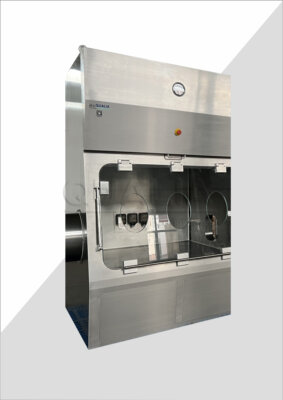
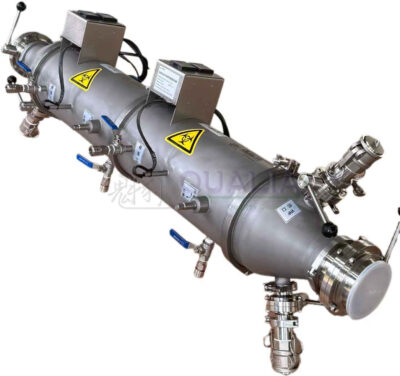
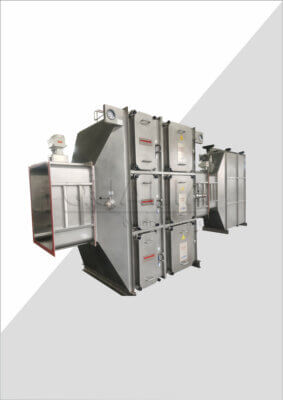
BIBO erişimini kabul kapsamı dışında bırakmanın dolaylı sonucu, ilk gerçek filtre değişiminin plansız bir olay haline gelmesidir. Bakım personeli, kabul koşulları altında daha önce çalıştırmadıkları bir muhafaza ile karşı karşıya kalır, kontamine bir alanda sorunları çözmeye çalışır ve zaman baskısı altında planlanan torba değiştirme sırasından sapma riski taşır. BIBO erişim doğrulamasını kabul sürecine dahil etmek, bu ilk değiştirme riskini onaylanmış ve belgelenmiş bir prosedüre dönüştürür. Qualia Bio’nun Bag-in-Bag-Out sistemleri Bu operasyonel süreklilik göz önünde bulundurularak tasarlanmış olup, gövde geometrisi ve yalıtım mekanizmaları, devreye alma aşamasında sahada yapılacak doğrulamayı destekleyecek şekilde tasarlanmıştır.
Filtre bakımı öncesinde güvenli izolasyon
Filtre değişimi öncesinde güvenli izolasyon, BIBO erişimini anlamlı kılan operasyonel ön koşuldur ve aynı zamanda kabul dosyasında en çok eksik kalma olasılığı bulunan unsurdur. Kabul kaydı, BIBO muhafazasının çalıştığını ve filtrenin yerinde taramadan geçtiğini teyit edebilir; ancak egzoz bölümünün güvenli bir şekilde enerjisinin kesilmesi, aktif muhafaza bölgesinden izole edilmesi ve torba delinmeden önce bu durumun teyit edilmesi prosedürü tanımlanmamış ve doğrulanmamışsa, kabul paketi eksik sayılır.
BSL-3 egzoz sistemlerine özgü iki risk faktörünün, yalıtım planlaması sırasında dikkate alınması önemlidir. İlk olarak, bina yangın alarm sistemleri bazı tesis konfigürasyonlarında HVAC ve egzoz sistemlerinin otomatik olarak kapanmasına neden olabilir; bu da, yangın alarmı devreye girdiğinde — ister gerçek ister yanlış alarm olsun — filtre bakımı devam ediyorsa, egzoz sisteminin kısmen açık durumda kontrollü hava akışını kaybedebileceği anlamına gelir. Kabul kriterleri, izolasyon prosedürünün bu senaryoyu dikkate aldığını doğrulamalıdır; bu, kontrollü filtre bakımı sırasında alarmın tetiklediği kapanmaları önleyen bir kilitleme protokolü ya da geçiş sürecini kapsayan tanımlanmış bir müdahale prosedürü yoluyla sağlanabilir. İkinci olarak, gerçek BSL-3 tesislerinde belgelenmiş bir eksiklik, bakım personelinin laboratuvar HVAC sisteminin gerçekte nasıl çalıştığını yeterince anlamamış olmasıdır — sistemin nasıl çalışmak üzere tasarlandığı değil, bakım sırasında karşılaşacakları koşullar altında nasıl davrandığı. Yalnızca devreye alma mühendisinin dosyasında bulunan güvenli izolasyon planlaması bu eksikliği gidermez.
Uygulamalı kabul kontrolü, bakım personelinin izolasyon sırasını şematik bir çizim üzerinden değil, kurulu sistem üzerinde gösterebilip gösteremediğinin kontrolüdür. Eğer bu gösterim yapılmamışsa, izolasyon prosedürü teorik kalır.
Fabrika kanıtı ile kurulum durumu kanıtı
Fabrika sertifikası, gerekli bir başlangıç noktasıdır. Fabrika test sertifikası bulunmayan bir HEPA filtresinin, kurulum durumuyla karşılaştırma yapılabilmesi için bir referans noktası yoktur. Fabrika işlevsel testi yapılmamış bir vananın, kurulum sırasında meydana gelen hasar veya kablolama hatası ortaya çıkmadan önce doğru çalıştığına dair bir teyit yoktur. Sorun, fabrika kanıtlarının güvenilmez olması değil; fabrika kanıtlarının, oluşturuldukları koşullarla sınırlı olması ve kurulumun, fabrika testlerinin tasarım gereği tespit edemediği farklı bir arıza türleri kümesini ortaya çıkarmasıdır.
| Doğrulama alanı | Sadece fabrika kanıtlarının sunduğu bilgiler | Kurulum sonrası testlerin neden gerekli olduğu | Gerçek vakalardan alınmış gizli arıza örneği |
|---|---|---|---|
| HEPA filtre bütünlüğü | Filtre malzemesi ve gövdesi için laboratuvar test sertifikası | Kurulum sırasında conta sızıntıları, ortam yırtılması veya baypas oluşabilir; yerinde tarama/WIT, gerçek durumu doğrular | Contadaki sızıntı veya orta derecede yırtık, kurulum sonrası test yapılana kadar fark edilmez |
| Kanal ve muhafaza sızıntıları | Gövde grubunun fabrikada yapılan basınç/sızıntı testi | Montaj derzleri, damperin yanlış konumlandırılması veya ters akım, fabrikada bulunmayan sızıntı yollarına yol açabilir | Venturi valfi 10 yıl boyunca ters takılı kalmış ve fark edilememişti |
| Kontrol bağlantı hatları | Valf ve aktüatör işlevselliğinin tezgah üstü testi | Kablolama hataları veya entegrasyon eksiklikleri göze çarpmayabilir; kontrol sistemleri çalışıyor gibi görünse de sistem taleplerine yanıt vermeyebilir | Venturi vanası kontrol sistemleri, 10 yıldır HVAC sistemine bağlı değil |
| Sensör kalibrasyonu | Fabrika kalibrasyon sertifikası | Sensörler kurulum sırasında sapma gösterebilir veya hasar görebilir; yerinde doğrulama yapılmazsa, tüm kontrol ve sızıntı kararları hatalı verilere dayanır | Kurulumdan bu yana hiçbir uzay sensörü kalibre edilmemiştir; diferansiyel basınç sensörü arızalanmıştır |
Bu karşılaştırmada en önemli sütun, “gizli arıza örnekleri” sütunudur. Ters takılan venturi vanası ve kablolaması yapılmamış kontrol bağlantıları, her ikisi de fabrika testlerinden zaten geçmiş arızaları temsil etmektedir — vananın fabrika konumunda doğru çalıştığı ve aktüatörün, kablolama entegrasyonu atlanmadan önce test tezgahı sinyaline yanıt verdiği varsayılabilir. Bu arızalar fabrika kaynaklı arızalar değildi. Bunlar, yalnızca kurulum koşullarında yapılan testlerle tespit edilebilecek kurulum kaynaklı arızalardı.
Kabul şartı orantılıdır: Fabrika sertifikası, egzoz sızıntı önleme onayı için gerekli ancak tek başına yeterli olmayan bir temeldir. Tamamen fabrika filtre sertifikalarına, fabrika gövde basınç testi sonuçlarına ve fabrika valf işlevsellik kayıtlarına dayanan bir kabul paketi, kurulu sistemin fabrika testlerinde öngörülen sızıntı önleme düzeyini sağladığını kanıtlayamaz. Kurulu filtre sızıntı testleri de dahil olmak üzere temiz oda test yöntemlerini düzenleyen ISO 14644-3:2019 standardı, HEPA performans doğrulaması için fabrika ile saha arasındaki boşluğu dolduran yerinde tarama metodolojisi için ilgili bir teknik çerçeve sunmaktadır.
Egzoz gazlarının tutulduğuna dair kanıtlar için kabul eşiği
Statik basınç ölçümleri, egzoz sızıntı önleme sisteminin kabul edilebilirliğini belirlemek için yeterli değildir. Kararlı durum koşullarında doğru negatif diferansiyel basınç değeri ölçülen bir alan, bir fan arızası, güç aktarım olayı veya sistemin yeniden başlatılması durumunda bu diferansiyel basıncı koruyamayabilir — ve bunlar, gerçek bir bakım veya acil durum senaryosunda sızıntı önleme sisteminin en çok zorlanacağı koşullardır.
BSL-4 tesisleri için FSAP çerçevesi, ölçülebilir kabul eşikleri üzerine düşünmek için yararlı bir model sunmaktadır. Bu çerçeveye göre, arıza koşulları altında yapılan HVAC işletim doğrulaması, bir fan arızası, yedek güce geçiş ve normal güce geri dönüş sonrasında hiçbir pozitif basınç olayının muhafaza sınırlarından dışarı sızmadığını ve bu geçişler sırasında muhafaza alanlarından gelen hiçbir hava akışı tersine dönüşünün sınırlardan dışarı sızmadığını kanıtlamalıdır. Bunlar, statik basınç kaydından değerlendirilemeyen başarılı/başarısız kriterleridir. Bu kriterler, tesisatın kurulu olduğu koşullarda senaryo testlerine dayalı doğrulama gerektirir.
| Arıza senaryosu | Gerekli kabul eşiği |
|---|---|
| Fan arızası, yedek güce geçiş, normal güce geri dönüş | Hiçbir pozitif basınç olayı koruma sınırlarının dışına çıkmaz |
| BSL-4 koşullarında arıza durumlarında HVAC sisteminin işlevsel doğrulaması | Koruma alanlarından kaynaklanan ve koruma sınırının dışına sızan hava akımı tersine dönüşü yoktur |
Bu belirli eşik değerler, BSL-4 program bağlamından kaynaklanmaktadır ve tüm BSL-3 tesisleri veya düzenleyici çerçeveler genelinde evrensel bir “geçer/kalır” kriteri olarak eleştirel bir yaklaşım olmaksızın uygulanmamalıdır. Ancak, kabul eşiklerinin yalnızca sabit durum çalışması altında değil, dinamik arıza koşulları altında sistemin neyi kanıtlaması gerektiği açısından tanımlanması gerektiği şeklindeki temel ilke, yetki alanı ne olursa olsun geçerlidir. Yalnızca sabit durumdaki uygunluğu gösterebilen bir egzoz muhafaza kabul paketi, arıza modu performansı konusundaki soruyu cevapsız bırakır. Bir BSL-3 veya BSL-4 egzoz sistemi için bu, savunulabilir bir eksiklik değildir.
Aşağıda açıklanan devreye alma kapsamı BIBO Devreye Alma Kontrol Listesi: Gözden Kaçan FAT, SAT, IQ ve OQ Noktaları Bu tür arıza senaryosu doğrulamasıyla uyumlu belirli OQ noktalarını kapsamaktadır; buna, standart devreye alma paketlerinde genellikle yer almayan kalemler de dahildir.
BSL-3 ve BSL-4 egzoz kabul paketlerindeki en yaygın eksiklik, eksik bir belge değildir; bu, hiçbir zaman kapsam içine alınmamış bir kanıt türüdür. Fabrika filtre sertifikaları ve gövde test kayıtları, kurulum öncesi durumla ilgili dar kapsamlı bir soruyu yanıtlamaktadır. Bu belgeler, monte edilen filtrenin yerine oturup sızdırmazlık sağlayıp sağlamadığını, muhafaza bağlantılarının ve kontrol ara bağlantılarının saha koşullarında dayanıp dayanmadığını, BIBO mekanizmasının güvenli değiştirme yolu olarak işlev görüp görmediğini veya egzoz sisteminin güç geçişi ya da alarm durumu sırasında sızıntı önleme özelliğini koruyup korumadığını yanıtlamaz. Bu soruların her biri, kurulum durumuna ilişkin kanıt gerektirir ve her biri, bir bakım işlemi veya denetim sonucu ortaya çıkana kadar fark edilmeden kalabilecek bir arıza modunu temsil eder.
Bir egzoz kabul paketini onaylamadan önce, paketin eşik değerin her iki bileşenini de karşıladığını doğrulayın: kurulum koşulları altında filtreleme bütünlüğü ve belgelenmiş servis erişimi. Herhangi bir bileşen eksikse — yerinde tarama veya WIT sonucu yok, onaylanmış BIBO operasyonel doğrulaması yok, tanımlanmış ve kanıtlanmış izolasyon prosedürü yok — hangi kurulum koşulu testlerinin eksik olduğunu ve proje takviminin bunların ilk işletime geçmeden önce tamamlanmasına izin verip vermediğini belirleyin. Bunları devreye alma aşamasında eklemenin maliyeti, bir sızıntı sorunu veya düzenleyici kurum tarafından durdurma kararı sonrasında kanıtları sonradan eklemenin maliyetinden önemli ölçüde daha düşüktür.
Sıkça Sorulan Sorular
S: Burada açıklanan kurulu durum test kapsamı, NIH veya FSAP çerçevelerine tabi olmayan BSL-3 tesisleri için de aynı şekilde geçerli midir?
C: Otomatik olarak değil — atıfta bulunulan belirli zorunluluklar (FSAP yıllık HEPA sertifikasyonu, NIH BIBO gereklilikleri), seçilmiş ajan yönetmeliği ve NIH’nin denetimi altındaki tesislerle bağlantılı program kapsamındaki yükümlülüklerdir. Ancak, bunların ele aldığı temel arıza türleri — conta baypası, kurulum hasarı, gizli kontrol kablolama hataları — belirli bir yetki alanına özgü değildir. Bu çerçevelerin dışında kalan bir BSL-3 tesisi de yine kurulumdan kaynaklanan aynı risklerle karşı karşıyadır; bu nedenle, resmi olarak zorunlu kılınmamış olsa bile, kurulum durumuna ilişkin kanıt kapsamı teknik olarak hâlâ haklıdır. Yasal bir gerekliliğin olmaması, bu eksikliğin kabul edilebilir olduğu anlamına gelmez; bu, tesis sahibinin riski doğrudan üstlendiği anlamına gelir.
S: Kabul paketi onaylandıktan sonra, ilk gerçek filtre değişiminin planlanmasından önce ne yapılmalıdır?
C: Bakım personeli, kontamine olmuş herhangi bir filtrenin değiştirilme zamanı gelmeden önce, kurulu sistem üzerinde tam izolasyon ve torba değiştirme prosedürünün denetimli bir deneme çalışmasını gerçekleştirmelidir. Kabul testi, donanımın işlevselliğini teyit eder; ancak sistemi bakımını yapacak kişilerin, sistemin saha koşullarında nasıl davrandığını anladıklarını teyit etmez. Gerçek BSL-3 tesislerinde belgelenmiş bir eksiklik, bakım personelinin tasarım amacını anlamasına rağmen sistemin gerçek davranışını anlamamasıdır. Hizmet öncesi bir deneme çalışması, maruz kalma riski ortaya çıkmadan önce kabul kaydını operasyonel aşinalığa dönüştürür.
S: Kurulum sonrası testlerin sayısını artırmak, ne noktadan itibaren sızıntı önleme güvencesini daha fazla iyileştirmeyi bırakıp azalan verim aşamasına geçer?
C: Pratik açıdan belirleyici olan, her bir ek testin, pakette halihazırda bulunan başka bir yöntemle tespit edilemeyen bir arıza modunu ele alıp almadığıdır. Yerinde aerosol taraması, muhafaza basınç düşüşü kontrolü, BIBO çalışma doğrulaması, kontrol entegrasyonu işlevsel testi ve arıza senaryosu basınçlandırma testi, her biri farklı bir arıza sınıfını ele alır. Paket, takılı filtrenin bütünlüğü, muhafaza ve kanalın fiziksel sızdırmazlığı, kontrol ara bağlantı işlevi, sensör kalibrasyonu ve dinamik arıza modu performansını kapsayan kanıtları içerdiğinde, aynı arıza modlarına yönelik ek testler, tespit kabiliyeti eklemeden sadece dokümantasyon hacmini artırır. Kapsamın yetersiz kalması riski — gizli bir kurulum arızasının gözden kaçması — devreye alma aşamasında kapsamın aşırı geniş olması riskinden önemli ölçüde daha yüksektir.
S: Kurulum durumuna ilişkin belirsizliği gidermenin alternatif bir yolu olarak, yerinde HEPA filtresi testi ile filtrenin tamamen değiştirilmesi arasında ne gibi farklar vardır?
C: Filtrenin değiştirilmesi, mevcut filtre malzemesinin sağlam olup olmadığı sorusunu çözer; ancak conta oturması, çerçeve baypasları veya gövde birleşim yerlerinin bütünlüğü gibi sorunları gidermez — üstelik değiştirilen üniteye kendi kurulum riskini de beraberinde getirir. Yerinde tarama veya WIT testi daha bilgilendiricidir, çünkü sızıntıya gövde geometrisi katkıda bulunuyorsa, değiştirme işleminin düzeltemeyeceği conta çevresi ve gövde arayüzü dahil olmak üzere, sahada kurulu olan tüm montajı test eder. Kurulum sonrası yerinde test yapılmadan yapılan değiştirme işlemi, belirsizliği sadece yeni filtreye aktarır. Tarama sırasında bir filtrenin ortamda sızıntı yaptığı tespit edilirse, değiştirme işleminin ardından doğrulayıcı bir tarama yapılması uygun olur; sadece değiştirme işlemi, kurulu durumdaki kanıtların yerine geçmez.
S: Planlı sertifikasyon aralıkları arasında meydana gelebilecek bir sızdırmazlık arızasını tespit etmek için sabit durum negatif basınç izlemesi yeterli midir?
C: Hayır — kararlı durum diferansiyel basınç izleme, negatif basınç kaybını tespit eder; ancak sertifikasyonlar arasındaki dönemde bozulmuş bir egzoz sisteminde ortaya çıkma olasılığı en yüksek olan arıza türlerini tespit edemez. Takılı bir HEPA filtresindeki conta baypası, filtre değiştirme işlemi sırasında yüksek statik basınçta sızıntı yapan bir gövde bağlantısı veya diferansiyel basınç altında sıkışan bir BIBO izolasyon vanası, normal çalışma sırasında bir basınç sapması olarak kaydedilmez. Bu arızalar, yalnızca sistem mekanik olarak zorlandığında — filtre bakımı, güç geçişi veya yüksek talep gerektiren bir çalışma senaryosu sırasında — ortaya çıkar. Rutin basınç izleme, gerekli bir operasyonel kontrol yöntemidir; ancak filtre, gövde ve kontrol seviyelerinde periyodik olarak gerçekleştirilen kurulu durum bütünlük testlerinin yerini tutmaz.