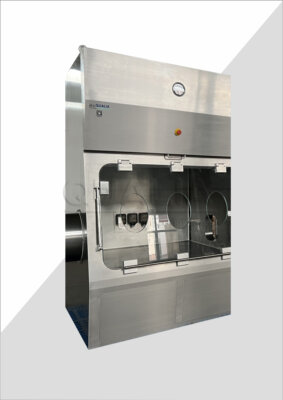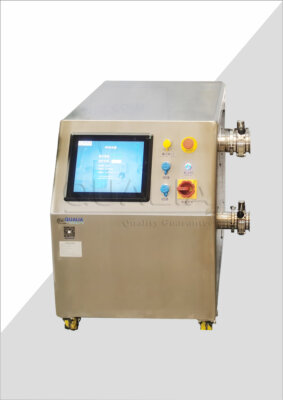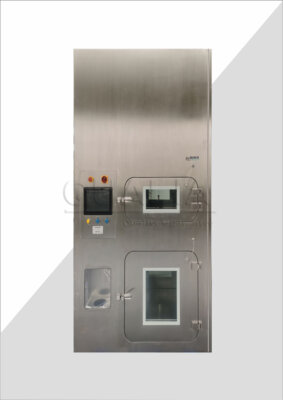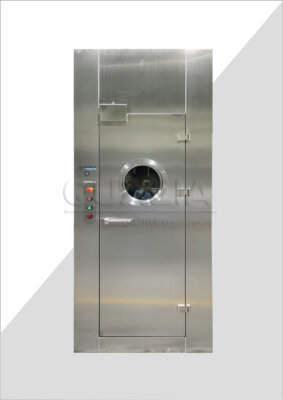


Kayıt türü, kalite kararının kapsamı ve yetki alanı geçerliliği ile ilgili birkaç temel soruyu önceden yanıtlamadan, muhafaza ekipmanına yönelik kontrol kriterlerini belirlemek, doğrulama çalışmalarının yeniden yapılmasına yol açan en güvenilir yöntemlerden biridir. Sorun geç ortaya çıkar — genellikle IQ/OQ ya da ön onay denetimi sırasında — bir kalite güvence ekibi, bir ekipman tarafından oluşturulan elektronik kaydın, tanımlanmış bir denetim izi, erişim kontrolü veya veri değiştirilemezliği yapısı olmaksızın, parti serbest bırakma kararlarında gayri resmi olarak kullanıldığını tespit ettiğinde. Bunun bedeli sadece düzeltme çalışmaları değildir; kaydın kendisinin güvenilirliğidir. Bu sonucun önlenmesi için, 21 CFR Bölüm 11’deki muhafaza ekipmanı kontrolleriyle ilgili tek bir URS maddesi bile yazılmadan önce, kayıt sınırları konusunun çözülmesi gerekir.
Bölüm 11 ile ilgili soruları gündeme getiren elektronik kayıtlar
11. Bölüm, bir elektronik kaydın veya imzanın güvenilir kabul edilmesi ve kağıt versiyonuyla eşdeğer sayılması için gerekli asgari standardı, yani güvenilirlik eşiğini belirler. Bu bölüm, herhangi bir tasarım şartnamesi öngörmez. Bu bölümün ortaya koyduğu pratik soru, “ekipmanda denetim izi var mı?” değil, “bu ekipman tarafından oluşturulan herhangi bir elektronik kayıt, kalite kararında kullanılıyor mu ve eğer öyleyse, bu kaydı güvenilir kılan nedir?” şeklindedir.”
Bu ayrım önemlidir, çünkü muhafaza sistemleri çeşitli sınıflarda elektronik veriler üretir ve bunların hepsi aynı yükümlülükleri doğurmaz. Tesis ekibi tarafından yalnızca HVAC sisteminin işleyişini doğrulamak amacıyla kullanılan bir basınç kaydı, bir otomatik dolum izolatörü oluşturur ve Kalite Güvencesi (QA) ekibi bu verileri parti serbest bırakma onayı için kullanır. Bu iki kavramı birbirine karıştırmak, URS’nin kapsamını ve nihayetinde doğrulama yükünü artırır; ancak veri bütünlüğünü asıl önemli olan noktalarda iyileştirmez.
Ön şartname çalışması, her bir kayıt türünü iki soruya göre sınıflandırmayı amaçlamaktadır: Bu veriye bir parti kaydı, sapma soruşturması veya kalite kararında hiç atıfta bulunulacak mı ve bunun olup olmayacağına dair karar kime ait? İkinci soru genellikle atlanmaktadır; işte bu yüzden kapsam genişlemesi meydana gelir — kolaylık amaçlı bir izleme kaydı, bilinçli bir tercih yerine varsayılan olarak bir GxP kaydı olarak sınıflandırılır.
| Kayıt Türü | 11. Bölüm Soru | Belirleme İşlemi Öncesinde Netleştirilmesi Gerekenler |
|---|---|---|
| Toplu işleme parametreleri | Parti serbest bırakma kararlarında elektronik proses değerleri kullanılıyor mu? | Bu veriler resmi parti kaydının bir parçası olacak mı? |
| Kullanıcı erişim günlükleri | Kullanıcı kimliği doğrulanmış mı ve eylemler kullanıcıya atfedilebilir mi? | Sistem, benzersiz kullanıcı kimliklerini zorunlu kılmalı ve oturum açma işlemlerini kaydetmeli mi? |
| Denetim izi olayları | Kritik verilerde yapılan değişiklikler izlenebilir ve düzenlenemez mi? | Söz konusu ekipman, zaman damgalı ve değiştirilemez bir denetim izi oluşturuyor mu? |
| Tarif yönetim verileri | Tarif parametreleri fark edilmeden değiştirilebilir mi? | Tarif sürümleri kontrol altında tutuluyor mu ve değişiklikler yetkili personel ile sınırlı mı? |
| Kalite kararları için izleme verileri | Elektronik kayıt, ürün kalitesini kanıtlamak için kullanılıyor mu? | Tesis izleme kayıtlarının GxP kaydı olarak değerlendirilip değerlendirilmeyeceğini teyit edin. |
Yukarıdaki tablo, Kısım 11 ile ilgili sorunun ne zaman gündeme geldiğini ortaya koymaktadır. En önemli adım, “nelerin netleştirilmesi gerektiği” sütunudur — bunlar, kurulum sonrası iyileştirmeler değil, tedarik öncesi görüşmelerdir. Ekipman özellikleri belirlenmeden önce, kalite güvencesi (QA) ve otomasyon ekipleri, parti işleme parametrelerinin resmi parti kaydında yer alıp almayacağı konusunda mutabık kalmamışlarsa, tedarikçi kontrol platformunun kapsamını güvenilir bir şekilde belirleyemez ve tesis de savunulabilir bir doğrulama planı hazırlayamaz.
Ek 11: Bilgisayarlı sistemlere ilişkin beklentiler
AB GMP Ek 11 Bu belge, yasal olarak bağlayıcı bir düzenleme değil, bir kılavuz belgedir. AB GMP bağlamında bilgisayarlı sistemler için bir süreç referans çerçevesi işlevi görür ve Kısım 11 ile kavramsal olarak ortak bir alanı paylaşır; ancak bu ikisi birbirinin yerine kullanılamaz. Kısım 11, ABD FDA’nın yetki alanı altında tam olarak uygulanabilirlik özelliğine sahiptir. Ek 11 ise bu özelliğe sahip değildir. Bir şartnamede bu ikisini eşdeğer olarak ele almak, kapsam sorunu yaratır: Eğer bir proje ekibi, hangisinin geçerli olduğunu ayırt etmeden Ek 11 kılavuz metnini Kısım 11 gereklilikleriyle harmanlayan URS maddeleri yazarsa, ortaya çıkan doğrulama kanıtları her ikisini de tam olarak karşılamayabilir.
Ek 11 ve Bölüm 11 benzer ilkeleri ele almaktadır, ancak bunların uygulanabilirliği aynı değildir — kontrol mekanizmalarınızla ilgili ifadeleri buna göre belirleyin.
Bir proje için Ek 11’in geçerli olduğu durumlarda, bu eki AB GMP tescilli tesisler için tasarım kılavuzu olarak kullanın. Bu ek, bilgisayarlı sistemlerin doğrulamasının nasıl yapılacağına dair bilgi sağlar, risk yönetimi, ve veri bütünlüğü uygulamalarına Avrupa makamları tarafından nasıl yaklaşıldığı; bu, tedarikçi gereklilikleri konusundaki görüşmeleri sistem yaşam döngüsü, erişim yönetimi ve denetim kapasitesi etrafında yapılandırmak açısından faydalıdır. Ancak, proje bağlamı açıkça çift yargı yetkisi kapsamındaki tescili içermediği sürece, bu husus, Kısım 11 yükümlülüklerini içeren aynı madde yapısı içinde bir uyum gerekliliği olarak belirtilmemelidir.
Ekipman özelliklerinin belirlenmesi sürecindeki pratik sonuç, tesisi hangi düzenleyici kurumun denetleyeceğini ve bu kurumun hangi elektronik kayıt gerekliliklerini uyguladığını tespit etmektir. Hem ABD hem de AB pazarlarına ihracat yapan bir tesis için her iki düzenleyici çerçeve de beklentileri şekillendirecektir; ancak doğrulama açıklamasında her bir kontrol elemanı için geçerli olan yasal dayanağın net bir şekilde belirtilmesi gerekir. Bu netlik sağlanmadan bu unsurların birbirine karıştırılması, süreç sırasında savunulabilirlik sorunu yaratır. denetim, bir güvenlik ağı değil.
Erişim rolleri, denetim izleri ve reçete kontrolü
Muhafaza ekipmanlarında spesifikasyon belirsizliğine en çok yol açan üç kontrol unsuru — erişim rolleri, denetim izleri ve reçete kontrolü — Kısım 11’de bir yazılım özellik listesi olarak değil, hesap verebilirlik ve izlenebilirlik hedefleri olarak tanımlanmaktadır. Asıl mesele, ekipman tedarikçisinin bu işlevleri sunup sunmadığı değil, tesisin kimlik doğrulama, eylem atama ve parametre değişiklik geçmişinin sadece devreye alma aşamasında yapılandırılmakla kalmayıp, operasyonel olarak da sürdürüldüğünü kanıtlayıp kanıtlayamayacağıdır.
Bölüm 11 kapsamında kimlik doğrulama, sistemde kaydedilen her eylemin belirli bir yetkili kişiye atfedilebilmesi anlamına gelir. Ortak oturum açma kuralları uygulanan koruma ekipmanları, genel kimlik bilgileri kullanılan operatör dokunmatik panelleri veya kullanıcı atıfını atlayan denetim devre dışı bırakma modları söz konusu olduğunda, bu durum denetim izinde anında bir boşluk yaratır. Sistem ortak hesaplarla yapılandırılmışsa, bireysel denetim izi girişleri oluşturma yeteneğinin hiçbir anlamı kalmaz.
| Kontrol Elemanı | 11. Bölüm: Beklentiler | Ekipman için Doğrulama Sorusu |
|---|---|---|
| Kullanıcı erişim rolleri | Kimlik doğrulama ve eylemlerin hesap verilebilirliği | Sistem, rol tabanlı izinlere sahip benzersiz kullanıcı girişlerini zorunlu kılabilir mi? |
| Denetim izi özelliği | Veri değişikliklerinin izlenebilirliği; kayıtların tahrif edilmesinin önlenmesi | Denetim izi kayıtları zaman damgalı, kaynağına atfedilebilir ve düzenlenemez mi? |
| Tarif/parametre kontrolü | Onaylanmış parametrelerin izinsiz olarak değiştirilmeyeceğine dair güvence | Tarif parametreleri onaylandıktan sonra kilitleniyor mu ve yapılan değişiklikler kayıt altına alınıyor mu? |
| Eylemlerin hesap verebilirliği | Yetkili bir kişiye atfedilebilen her bir eylem | Sistem, her bir kontrol işlemini kimin ve ne zaman gerçekleştirdiğini kaydeder mi? |
Reçete ve parametre yönetimi, belirgin bir izlenebilirlik yükümlülüğü doğurur. Bir operatör, onaylanmış bir reçetedeki bir proses parametresini değişiklik kaydı oluşturmadan değiştirebiliyorsa, o reçeteye göre üretilen her partinin bütünlüğü sorgulanır hale gelir. Doğrulama açısından önemli olan nokta, reçete parametrelerinin onaylandıktan sonra kilitlenip kilitlenmediği ve herhangi bir değişikliğin — geçici bir geçersiz kılma dahil — belirli bir kullanıcı adına kaydedilip kaydedilmediğidir. Ekipman tedarikçileri bunun için teknik imkânları sağlayabilir; bunun işlediğini teyit eden prosedürel inceleme yapısı ise tesis sahibinin sorumluluğundadır.
Var olan ancak hiçbir zaman incelenmeyen bir denetim izi, hesap verebilirlik sağlamaz — erişim ve izleme imkânları, tanımlanmış bir inceleme yükümlülüğüyle birleştirilmelidir.
Buradaki başarısızlık örneği, erişim rolleri ve denetim izi özelliklerinin devreye alma çıktıları olarak ele alınmasıdır: Bu özellikler yapılandırılır, IQ dosyası için bir ekran görüntüsü alınır, ancak denetim izini kimin ve ne sıklıkta inceleyeceği belirlenmez. Bu eksiklik, bir sapma soruşturması kapsamında bir dizi parametre değişikliğinin veya operatör eyleminin yeniden oluşturulması gerektiğinde ortaya çıkar; denetim günlüğü mevcut olmasına rağmen hiçbir zaman delil olarak kullanılmamıştır.
Aşırı abartılabilecek kontrol kapsamı
Kısım 11 kapsamındaki enflasyon riski gerçektir ve proje maliyetleri üzerinde doğrudan bir etkiye sahiptir. Bir muhafaza sistemi tarafından üretilen her veri noktası — kalite kararlarında kullanılıp kullanılmadığına bakılmaksızın — düzenlemeye tabi bir elektronik kayıt olarak değerlendirildiğinde, doğrulama yükü, başlangıçta tesis izleme kolaylığı amacıyla tedarik edilen sistemler için yazılım doğrulaması, erişim kontrolü yapılandırması, denetim izi inceleme prosedürleri ve veri bütünlüğü kontrollerini de kapsayacak şekilde genişler. Bu yatırımların hiçbiri, gerçekten önemli olan kayıtların savunulabilirliğini artırmaz.
Kapsam genişlemesinin en net örneği, bir binada basınç farklarını, sıcaklığı ve nemi kaydeden bir bina yönetim sistemi veya tesis izleme arayüzüdür. BSL-3 izolasyon bölgesi. Eğer bu veriler, yalnızca tesis ekibi tarafından HVAC sisteminin tesis için gerekli koşulları sağladığını göstermek amacıyla kullanılıyorsa — ve bu veriler hiçbir zaman bir parti kaydında, parti serbest bırakma kararında veya GxP belgesinde yer almıyorsa — o zaman bu sisteme Kısım 11 kontrollerinin tam olarak uygulanması, bir kalite güvencesi kararıdır, yasal bir zorunluluk değildir. Karar, özenle alınmalı ve belgelenmelidir; ancak varsayılan durum, Kısım 11’in otomatik olarak uygulanabilir olduğu değildir.
| Senaryo | Aşırı Uygulama Riski | Göz Ardı Etme Riski | Açıklama Gerekiyor |
|---|---|---|---|
| Yalnızca kolaylık amacıyla izleme amacıyla kullanılan ekipman (GxP kaydının bir parçası değildir) | Boşa harcanan doğrulama ve uyum maliyetleri | Veriler kalite kararlarında kullanılmıyorsa: Yok | Verilerin toplu yayınlama veya soruşturmalarda kullanılıp kullanılmayacağını teyit edin |
| Serbest bırakma sürecinde oluşturulan ve kullanılan elektronik parti kaydı | Düşük risk — doğru şekilde uygulandığında | Veri bütünlüğü ile ilgili alıntı; kayıtlara duyulan güvenin yitirilmesi | Sistemin, elektronik kayıtların güvenilirliği açısından Kısım 11 şartlarını karşıladığından emin olun |
| ABD dışı ekipman, FDA denetimi yok, yalnızca yerel pazar | Gereksiz Bölüm 11 uyum çalışmaları | Yerel elektronik kayıt düzenlemelerine uyulmaması | Hangi düzenleyici kurumun denetim yapacağını ve geçerli yerel gereklilikleri belirleyin |
| Hibrit sistem: Operatörün rahatlığı için elektronik kayıt özelliğine sahip kağıt kayıt | Kağıt tabanlı sistem gereksinimlerinin ötesinde elektronik kontroller eklendi | Son kayıt kağıt tabanlıysa ve incelenmişse, asgari düzeyde | Hangi formatın resmi kayıt olduğunu ve elektronik kayıt defterinin denetime tabi olup olmadığını netleştirin |
Tersine risk — kalite kararlarında gayri resmi olarak atıfta bulunulduğunda izleme verilerinin kapsam dışı kabul edilmesi — veri bütünlüğü ile ilgili uyarıların ortaya çıkmasına neden olan hata türüdür. Sorun, “gayri resmi” ifadesindedir. Bir kalite güvence yöneticisi, bir parti tasfiyesi görüşmesi sırasında, söz konusu veriler kontrollü bir kaydın parçası olmadan tesis izleme eğiliminden bahsederse, tesis, kontrolsüz bir elektronik kayda dayalı bir kalite kararı bağımlılığı yaratmış olur. Gayri resmi olarak alınan kapsam kararları, denetimde başarısızlığa yol açan kararlardır.
Açıkça vurgulanması gereken bir diğer nokta ise, Kısım 11 uyumluluğunun sertifikalandırılamayacağıdır. “Kısım 11 sertifikalı” bir sistem sunan bir tedarikçi, düzenleyici açıdan hiçbir anlamı olmayan bir ifade kullanmaktadır. Uyumluluk, doğrulanmış kanıtlar ve belgelenmiş kontroller yoluyla kanıtlanır ve bu kanıtlama yükümlülüğü tedarikçiye değil, tesise aittir. Bir tedarikçinin sertifika iddiasını tesisin yükümlülüklerini yerine getirmiş sayan satın alma şartları, yetkin bir denetçinin gözünden kaçmayacak sahte bir sınır oluşturur.
Tedarikçi ekipmanları için veri bütünlüğü sınırı
Bölüm 11 veri bütünlüğünün temelini oluşturan değişmezlik ilkesi — yani, kaydedilmiş bir değerin izlenebilir bir yetki olmadan değiştirilmesine izin verilmemesi gerektiği — hem ekipmanın yeteneklerine hem de tesis düzeyindeki uygulamaya bağlıdır. Tedarikçiler teknik altyapıyı sağlayabilir: zaman damgalı kayıtlar, kilitli veri alanları, denetim izi oluşturma, formatı koruyan veri dışa aktarma. Ancak tedarikçilerin sağlayamadığı şey, sistemin tesisin amaçlanan kullanımı için doğru ve güvenilir bir şekilde çalıştığına dair doğrulama kanıtı ya da denetim izi incelemesini anlamlı kılan prosedürel yapıdır.
Bu sınır, ekipman tedariki sürecinde proje ekiplerinin en sık iletişim hatasına düştüğü noktadır. Teklif Talep Formu’nda (RFQ), sistemin denetim izlerini ve kullanıcı düzeyinde erişim kontrollerini destekleyip desteklemediği sorulur. Tedarikçi, desteklediğini teyit eder. Ekipman teslim edilir. Ancak, sorumluluk dağılımının net bir şekilde belirlenmemesi durumunda — yani tedarikçinin neyi yapılandıracağı, tesisin neyi doğrulayacağı ve tesisin prosedürler aracılığıyla neyi işleteceği konusunda — özelliklerin kapasitesi ile kanıtlanmış veri bütünlüğü arasındaki uçurum devam eder.
| Veri Bütünlüğü Unsuru | Tedarikçinin Ekipman Sorumluluğu | Site Sahibinin Sorumluluğu | Sınır Belirsizse Oluşan Risk |
|---|---|---|---|
| Proses değerlerinin kaydedilmesi | Verilerin zaman damgası ile kaydedildiğinden ve cihaz düzeyinde üzerine yazılmasının engellendiğinden emin olun | Sistemin amaçlanan kullanım için doğruluğunu ve güvenilirliğini doğrulayın | Kaydedilen veriler, doğrulama kanıtı olmadan GxP güvenilirlik kriterlerini karşılamayabilir |
| Kullanıcı etkinliklerinin kaydedilmesi | Benzersiz kullanıcı oturum açma ve denetim izi oluşturma özelliği sağlamak | Rolleri yapılandırın, denetim izi incelemelerinin gerçekleştirildiğini doğrulayın | Denetim izi mevcut olsa da incelenmemesi, hesap verebilirliği zedeleyebilir |
| Veri aktarımı ve transferi | Veri çıktısının, orijinal kaydı koruyacak bir formatta olmasını sağlayın | Dışa aktarılan kayıtların, yedeklemelerin ve depolama üzerindeki değişiklik kontrolünün sürdürülmesi | Ekipman ile saha veri sistemleri arasındaki arayüzde veri bütünlüğü bozulabilir |
| Tarif ve parametre yönetimi | Erişim kontrolleri yoluyla ekipman düzeyinde yetkisiz değişiklikleri önleyin | Tarif onay iş akışlarını ve parametre değişiklik kontrollerini tanımlayın | Tarif değişiklikleri konusunda tutarsız bir yetki dağılımı, tahrifat riskine yol açabilir |
Yukarıdaki tablodaki veri aktarımı ve transferi satırı, tesis veri tarihçileri, LIMS veya parti kayıt sistemleriyle arayüz oluşturan muhafaza ekipmanları açısından özel dikkat gerektirmektedir. Veri bütünlüğü, bu arayüzde bozulabilir. Ekipmanın kendi veritabanında değiştirilemez olan bir kayıt, tesisin elektronik parti kaydına girmeden önce düzenlenmesine izin veren bir biçimde yeniden dışa aktarılabilir. Dışa aktarım yolunun orijinal kaydın bütünlüğünü koruduğunun ve aktarımdan sonra gerçekleşen işlemlerin tesisin veri yönetimi prosedürlerine tabi olduğunun doğrulanması, tedarikçinin doğrulama paketlerinde genellikle ele alınmayan bir tesis sahibi sorumluluğudur.
Tedarikçi ekipmanlarının özellikleri veri bütünlüğünü mümkün kılar; ancak bunu kanıtlamaz — doğrulama kanıtları ve prosedür incelemesi bu boşluğu doldurur.
Doğrulama gerekliliği bir formalite değildir. Sistemlerin, amaçlanan kullanımları doğrultusunda doğru, güvenilir ve tutarlı bir şekilde çalıştığı ve geçersiz ya da değiştirilmiş kayıtların tespit edilmesini sağladığı kanıtlanmalıdır. Bu kanıtlama, tedarikçi belgeleri, tesis yeterlilik protokolleri ve sürekli prosedür kontrollerinden oluşur; bunların hiçbirini tedarikçi, tesis adına gerçekleştiremez.
Yönetmelik kapsamındaki kontrol gereklilikleri için karar tetikleyicisi
Karar tetikleyicisini tanımlamanın en yararlı yaklaşımı teknik nitelikte değildir; bu, yetki alanı ve kullanım temellidir. Bölüm 11, ABD pazarları için ilaç, biyolojik ürünler, tıbbi cihazlar, kan ve dokuların araştırılması, üretimi ve dağıtımında kullanılan sistemlere uygulanır. Ekipman, bu faaliyetlerden herhangi birini destekleyen elektronik kayıtlar oluşturuyorsa ve bu kayıtlar GxP kararlarında kullanılıyorsa, Bölüm 11 kontrol beklentileri devreye girer. Her iki koşul da karşılanmıyorsa, o ekipmana Bölüm 11 kapsamının uygulanması gerektiği varsayılmamalı, açıkça belirtilmelidir.
Part 11’e atıfta bulunan herhangi bir URS maddesi yazılmadan önce yapılması gereken pratik kontrol, üç bölümden oluşan bir sorudur: Ürün veya faaliyet, Part 11’in kapsamı içinde mi? Tesis, FDA denetimine veya ABD pazarı kaydına tabi mi? Ve söz konusu ekipman, kapsam dahilindeki faaliyetlere ilişkin kalite kararlarında kullanılan — veya kullanılabilecek — kayıtlar oluşturuyor mu? Üç sorunun yanıtı da “evet” ise, bu gereklilik geçerlidir. Herhangi birinin yanıtı “hayır” ise, kontrol kapsamı için varsayılan bir uygulama değil, belgelenmiş bir gerekçe gereklidir.
FDA denetimine tabi olmayan ABD dışı tesisler için, Kısım 11 yükümlülüğünün bulunmaması, elektronik kayıt düzenlemelerinin olmadığı anlamına gelmez. Yerel düzenleyici kurumlar kendi elektronik kayıt ve veri bütünlüğü standartlarını uygulayacaklardır ve kontrollerin belirlenmesine ilişkin uygun çerçeve, tesisi denetleyecek olan yetkili kurum tarafından belirlenir. Geçerli yerel gereklilikleri değerlendirmeden ABD dışı durumu basitçe “Kısım 11”den muaf” olarak ele almak, farklı bir uyum eksikliğine yol açar.
Bu kararın zamanlaması, asıl risk değişkenidir. GxP etki değerlendirmesini tedarikçi seçimi sonrasına — ya da daha da kötüsü, fabrika kabul testlerine kadar — erteleyen ekipler, kontrol platformunun kalite sistemi sınırları net bir şekilde tanımlanmadan belirlenmiş olduğunu fark ederler. Bu durum, ya tedarikçi düzeyinde spesifikasyon değişikliklerinin sonradan eklenmesine ya da kurulum sonrası doğrulanması zor olan prosedürel geçici çözümlerin uygulanmasına yol açar. Tetikleyici değerlendirme, kontrol spesifikasyonu sürecinin en başında, tedarikçiyle görüşmeler başlamadan önce yapılmalıdır.
Spesifikasyon hazırlığı aşamasındaki en net adım, herhangi bir ekipman kontrol URS’si hazırlanmadan önce kalite güvencesi (QA), otomasyon ve mevzuat işleri ekiplerini aynı odada bir araya getirmektir; masadaki tek soru şudur: Bu ekipmanın oluşturacağı her bir elektronik kayıt sınıfı için, söz konusu kayıt, kapsama dahil bir ürünle ilgili bir kalite kararında kullanılacak mı? Bu sorunun cevabı, Kısım 11’in mi yoksa eşdeğer bir yerel çerçevenin mi geçerli olacağını, tedarikçinin hangi kontrolleri desteklemesi gerektiğini ve tesisin prosedürler açısından neleri doğrulaması ve sürdürmesi gerektiğini belirler. Bu cevap olmadan, URS ya gereğinden fazla ayrıntılı hale gelir — buna ihtiyaç duymayan sistemlere doğrulama maliyeti ve bakım yükü ekler — ya da denetçinin tam da inceleyeceği noktalarda yetersiz kalır.
Kontroller belirlendikten ve ekipman tedarik aşamasına girdikten sonra yapılacak sonraki kontrol, tedarikçinin teknik paketinde özellik kapasitesi ile doğrulanmış uygunluk arasında ayrım yapıldığını doğrulamaktır. Denetim izi özelliği, role dayalı erişim ve değiştirilemez kayıt mimarisi sunan bir tedarikçi, uyumlu bir yapılandırma sağlar; ancak tesis, söz konusu yapılandırmayı amaçlanan kullanım için doğrulama, denetim izi incelemelerini tanımlama ve yürütme, ayrıca verilerin toplanmasından depolanmasına ve dışa aktarılmasına kadar tüm aşamaları kontrol etme yükümlülüğünü üstlenir. Bu zincirdeki herhangi bir boşluk, raporlanmayı bekleyen bir veri bütünlüğü bulgusudur.
Sıkça Sorulan Sorular
S: Yeni ekipman belirlemiyor olsak da, mevcut koruma sistemlerinin Kısım 11 ile uyumluluğunu değerlendirmemiz gerekiyorsa ne yapmalıyız?
C: Öncelikle kayıt kullanımı ve GxP karar süreçlerine ilişkin aynı değerlendirmeyle başlayın. Kısım 11, ekipmanın ne zaman kurulduğuna bakılmaksızın, kapsam dahilindeki faaliyetlere ilişkin kalite kararlarında kullanılan elektronik kayıtlar için geçerlidir. Makalede yer alan ön şartname sorularını bir eksiklik analizi çerçevesi olarak yeniden kullanın; teknik iyileştirmenin mümkün olmadığı durumlarda, kalan riski belgelendirin, telafi edici prosedürel kontroller uygulayın ve geçici bir önlem olarak kağıt tabanlı geçici çözümleri değerlendirin.
S: Hangi kayıtların Kısım 11 kapsamına girdiğini belirledikten sonra, denetimde geçerliliğini koruyabilmesi için kapsam belirleme kararını resmi olarak nasıl belgelemeliyiz?
C: Gerekçeyi bir GxP etki değerlendirmesi veya veri bütünlüğü kapsam belirleme belgesinde ortaya koyun. Makalede ele alınan üç aşamalı, yetki alanı ve kullanıma dayalı kontrolü (ürün kapsamı, ABD pazarına maruz kalma durumu, kalite kararlarına bağımlılık), kayıt bazında sınıflandırmayı ve kalite güvencesi, otomasyon ve düzenleyici işler birimlerinden alınan imzaları bu belgeye dahil edin. Denetlenebilir bir mantık zinciri oluşturmak için bu belgeyi ekipmanın URS’si ve doğrulama planıyla ilişkilendirin.
S: Tesisimiz, ABD ve AB dışındaki pazarlara da sevkiyat yapmaktadır; bu bölgeler için uygun elektronik kayıt kontrollerini nasıl belirleyebiliriz?
C: Veri bütünlüğüne ilişkin temel ilkeler, ICH Q9(R1) gibi çerçeveler aracılığıyla küresel olarak uyumlaştırılmıştır; bu nedenle risk temelli bir yaklaşım geçerliliğini korumaktadır. Tesisinizi denetleyecek ilgili düzenleyici kurumu belirleyin, bu kurumun veri bütünlüğü ile ilgili beklentilerini inceleyin ve kontrol önlemlerinizi bu çerçeveye uyarlayın — Part 11 veya Ek 11’in geçerli olmadığı yargı bölgelerinde, bu belgelerin ifadelerini varsayılan olarak kullanmayın.
S: Kalite Güvencesi (QA) ve otomasyon ekipleri, bir kaydın Kısım 11 kapsamına girip girmediği konusunda fikir ayrılığına düştüklerinde, tedbir amacıyla varsayılan olarak denetimleri dahil etmeli miyiz?
C: Hayır, daha güvenli yol, belgelendirilmiş bir kalite risk yönetimi süreci aracılığıyla belirsizliği gidermektir; kayıtları genel bir şekilde dahil etmek değil. Kayıtların ürün kalitesi kararlarını etkileme olasılığını değerlendirmek için bir risk değerlendirmesi (örn. FMEA) kullanın. Risk düşükse ve kayıt prosedür gereği GxP kullanımından hariç tutulacaksa, önemli noktalarda veri bütünlüğünü iyileştirmeden doğrulama yükünü artıran kontrollerle kapsamı genişletmektense, gerekçelendirilmiş bir hariç tutma daha savunulabilir bir yaklaşımdır.
S: Kağıt üzerinde tutulan parti kayıtları kullanarak ve muhafaza ekipmanının elektronik verilerini GxP kapsamı dışındaki pratik kayıtlar olarak değerlendirerek, Kısım 11 uyum maliyetlerinden kaçınabilir miyiz?
C: Evet — Bölüm 11, kağıtla eşdeğerliği belirlemektedir; dolayısıyla tamamen kağıt tabanlı bir GxP kayıt sistemi bu düzenlemenin kapsamına girmez. Ancak, parti tasfiyesi, sapma soruşturmaları veya diğer kalite kararlarında elektronik verilere gayri resmi olarak güvenilmesini önlemek için sıkı prosedürler uygulamalısınız. Bir kalite güvence yöneticisinin tesadüfi bir atıfta bulunması bile sistemi düzenlemenin kapsamına sokacak bir bağımlılık yaratabilir ve paralel bir kağıt sürecinin disiplinini sürdürmek, uyumlu elektronik kontrolleri uygulamaktan daha maliyetli olabilir.