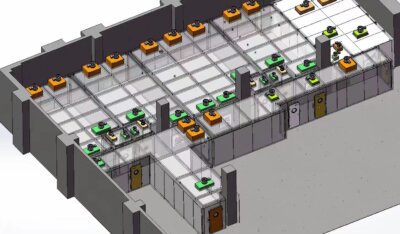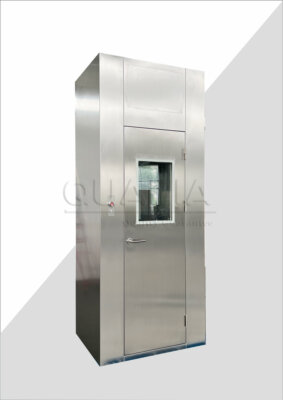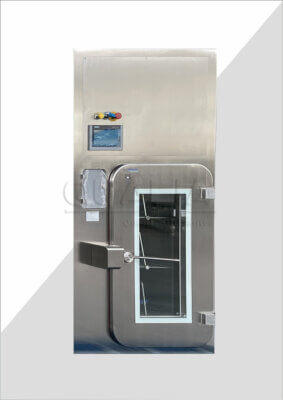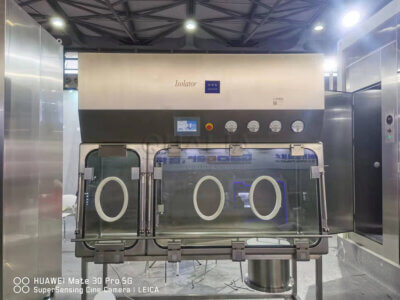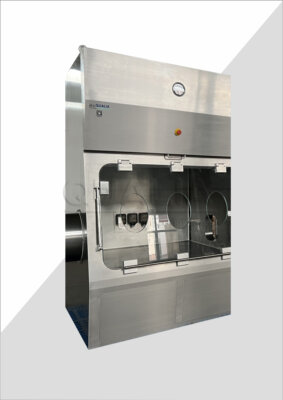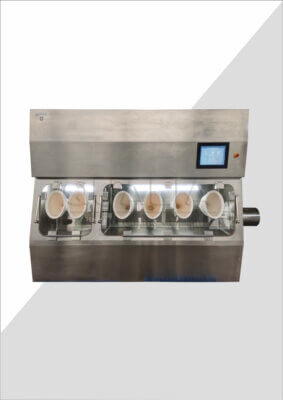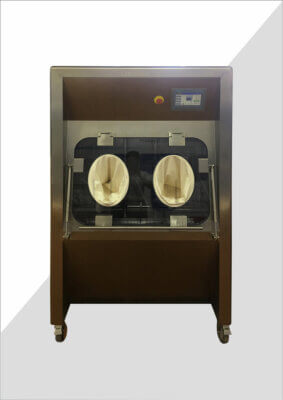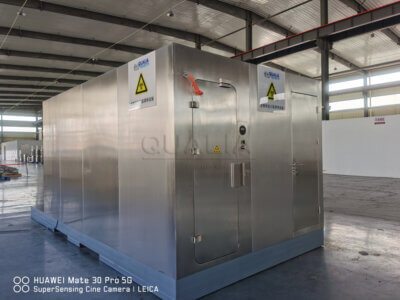

Per le aziende farmaceutiche, la scelta del sistema di contenimento primario per un'operazione di riempimento di Classe 5 ISO è una decisione strategica e di capitale critica. La scelta tra un isolatore e un sistema di barriera ad accesso limitato chiuso (cRABS) definisce la filosofia di controllo della contaminazione, l'agilità operativa e il modello finanziario a lungo termine della vostra struttura. Persistono idee sbagliate, che spesso inquadrano la decisione come un semplice compromesso tra costi e qualità.
Questa decisione è diventata urgente con la revisione del 2022 di GMP UE Allegato 1, che impone tecnologie di barriera ed enfatizza un approccio alla lavorazione asettica basato sul rischio. L'integrità del sigillo, sia esso una guarnizione ermetica o una barriera procedurale, ha un impatto diretto sulla sterilità del prodotto, sulla conformità alle normative e sull'efficienza operativa. La scelta del sistema sbagliato può portare a costose sfide di convalida, a colli di bottiglia nella produzione o a rischi di contaminazione inaccettabili.
Isolatore vs. cRABS: Definizione della differenza di contenimento del nucleo
La filosofia della sigillatura
La distinzione fondamentale non è di grado, ma di filosofia progettuale. Un isolatore è un involucro sigillato ermeticamente, progettato per garantire la tenuta stagna e convalidato secondo standard quali ISO 10648-2. Mantiene un elevato differenziale di pressione positiva e si affida a guarnizioni statiche e dinamiche alle porte dei guanti per creare una separazione fisica completa dall'ambiente di fondo. Al contrario, un cRABS è una barriera di alto livello che aumenta ma non sostituisce completamente la camera bianca. Il suo contenimento è un sistema sinergico che combina pannelli fisici, flusso d'aria unidirezionale e controlli procedurali.
Impatto sulla progettazione del sistema
Questa differenza fondamentale determina ogni successiva considerazione progettuale. L'integrità di un isolatore è autonoma e gli consente di funzionare in un ambiente di fondo di classe inferiore. Un cRABS, invece, fa parte di un sistema di camera bianca più ampio; la sua efficacia dipende dalle prestazioni dello spazio ISO Classe 7 circostante e dalla coerenza delle procedure dell'operatore durante gli interventi. L'isolatore rappresenta una garanzia ingegneristica assoluta, mentre il cRABS incarna un controllo flessibile e basato sulle procedure.
L'implicazione strategica
Gli esperti del settore raccomandano di valutare questa scelta come un sistema di contenimento olistico, non solo come un'apparecchiatura. La filosofia di sigillatura determina l'infrastruttura di supporto necessaria, il rigore della formazione degli operatori e la natura del dossier di convalida. Un errore comune è quello di sottovalutare il modo in cui questa decisione iniziale di progettazione si ripercuote a cascata su ogni aspetto del funzionamento dell'impianto e della garanzia di qualità.
Confronto dei costi: Investimento di capitale vs. costo totale di gestione
Spese in conto capitale iniziali
Un'analisi semplicistica favorisce il cRABS per la minore spesa di capitale iniziale. L'isolatore ha un prezzo più alto per il contenitore sigillato, il sistema di decontaminazione automatica integrato e le porte di trasferimento specializzate. Questo costo iniziale può essere un ostacolo significativo per le operazioni più piccole o per gli impianti pilota. Tuttavia, concentrandosi solo sul costo delle apparecchiature si ignora il quadro finanziario più ampio della costruzione dell'impianto e del consumo energetico a lungo termine.
Il moltiplicatore di classificazione delle strutture
Un'analisi completa del costo totale di proprietà (TCO) rivela il potenziale di risparmio dell'isolatore. Il fattore più significativo è l'ambiente di fondo richiesto. Gli isolatori possono mantenere in modo affidabile un interno di Classe ISO 5 in un ambiente di fondo di Classe ISO 8. I cRABS richiedono in genere un ambiente di fondo di Classe ISO 7 per garantire l'efficacia della barriera.
| Componente di costo | Isolatore | cRABS |
|---|---|---|
| Costo iniziale del capitale | Più alto | Più basso |
| Ambiente di base richiesto | Classe ISO 8 | Classe ISO 7 |
| Costi di HVAC e strutture | Più basso | Più alto |
| Costo del sistema di decontaminazione | Alto (VHP automatizzato) | Inferiore (manuale) |
| Rischio di fallimento del lotto Costo | Inferiore (contenimento superiore) | Più alto |
Fonte: Documentazione tecnica e specifiche industriali. Un'analisi completa del TCO deve tenere conto dei risparmi sulla classificazione dell'impianto e della riduzione del rischio, laddove il costo iniziale più elevato degli isolatori può essere compensato da una riduzione dei costi operativi a lungo termine e del rischio di contaminazione.
Questa riduzione di una singola classe riduce drasticamente i costi di capitale HVAC, i requisiti di filtraggio e il consumo energetico continuo per l'intera suite. Per i prodotti di alto valore, il contenimento superiore di un isolatore attenua anche il costo catastrofico di un singolo fallimento del lotto, che può giustificare l'intero premio di capitale.
Prestazioni di contenimento: Quale sistema fornisce una migliore integrità?
Tenuta delle perdite quantificabile
Per un'integrità di contenimento pura e quantificabile, l'isolatore è superiore. Il suo design ermeticamente sigillato è convalidato per tassi di perdita specifici per ISO 10648-2:2023, creando una barriera attiva e forte contro l'ingresso. Il contenimento secondario è costituito dalla parete dell'isolatore stesso. Un cRABS offre un'integrità moderata-alta, ma è più vulnerabile, poiché la sua tenuta non è assoluta e si basa sul mantenimento di modelli di flusso d'aria unidirezionali.
Il fattore umano nel contenimento
La definizione di prestazioni “migliori” è dettata dall'obiettivo di protezione. Gli isolatori eccellono nella protezione assoluta del prodotto dall'ambiente. In un cRABS, il sistema di contenimento include in modo critico la procedura dell'operatore durante gli interventi. La rottura di un guanto in un isolatore è contenuta all'interno del sistema sigillato; in un cRABS, rappresenta una potenziale violazione diretta della barriera primaria. Questo sposta una parte del rischio di controllo della contaminazione dalla convalida ingegneristica alle prestazioni umane.
| Parametro di prestazione | Isolatore | cRABS |
|---|---|---|
| Convalida della tenuta stagna | Sigillato ermeticamente | Integrità moderata-alta |
| Differenziale di pressione | Da +45 a +60 Pa | Da +15 a +30 Pa |
| Barriera primaria | Contenitore ingegnerizzato | Barriera + controlli procedurali |
| Contenimento della violazione dei guanti | Contenuta all'interno del sistema | Possibilità di violazione diretta |
| Protezione Obiettivo Eccellenza | Protezione del prodotto | Protezione dell'operatore e del prodotto |
Fonte: ISO 10648-2:2023 Custodie di contenimento - Parte 2: Classificazione in base alla tenuta e metodi di controllo associati. Questo standard fornisce la metodologia quantitativa per la classificazione della tenuta, fondamentale per convalidare la superiore integrità ingegneristica delle guarnizioni degli isolatori rispetto al contenimento procedurale dei cRABS.
Decontaminazione a confronto: VHP automatizzata vs. pulizia manuale
Metodo e riproducibilità
La metodologia di decontaminazione è un fattore di differenziazione primario. Gli isolatori utilizzano cicli automatizzati e gassosi come il perossido di idrogeno vaporizzato (VHP), convalidato per ottenere una riduzione uniforme di 6 log degli indicatori biologici su tutte le superfici interne. Questo processo è altamente riproducibile. I cRABS si affidano alla pulizia e alla disinfezione manuale a umido, che dipende dall'operatore e può non garantire una sterilità uniforme su geometrie complesse o aree difficili da raggiungere.
Trasferimento del rischio e traiettoria normativa
Questo rappresenta un fondamentale trasferimento del rischio. Gli isolatori spostano il rischio di controllo della contaminazione dalla procedura umana alla convalida del sistema ingegneristico, un approccio sempre più favorito dalle autorità di regolamentazione. PIC/S PI 014-4. Il processo manuale in un cRABS introduce una variabilità che deve essere strettamente controllata attraverso una formazione rigorosa e un monitoraggio ambientale. La scelta ha un impatto diretto sul livello di garanzia di sterilità (SAL) dichiarato per il prodotto e sulla complessità del protocollo di convalida.
| Aspetto della decontaminazione | Isolatore (VHP automatizzato) | cRABS (pulizia manuale) |
|---|---|---|
| Metodo | Ciclo gassoso automatizzato | Pulizia manuale ad umido |
| Riduzione degli indicatori biologici | Riduzione a 6 log, uniforme | Dipendente dall'operatore, variabile |
| Riproducibilità del processo | Alto | Più basso |
| Tempo di ciclo per il rientro | 4-8 ore | 2-4 ore |
| Controllo del rischio primario | Convalida del sistema ingegnerizzato | Procedura umana |
Fonte: PIC/S PI 014-4:2023 Isolatori utilizzati per il trattamento asettico e i test di sterilità. Questa guida illustra i requisiti di convalida per i cicli di decontaminazione automatizzati come la VHP negli isolatori, che sono progettati per fornire un livello riproducibile ed elevato di garanzia di sterilità non garantito dai metodi manuali.
Flessibilità operativa vs. garanzia di contenimento
Il compromesso centrale
Questo è il compromesso strategico centrale. I cRABS offrono una maggiore agilità operativa, consentendo un accesso relativamente rapido per l'impostazione, la sostituzione o gli interventi manuali, anche se con un'interruzione del contenimento che richiede una nuova sanificazione. Gli isolatori mantengono l'integrità in ogni momento, ma richiedono lunghi cicli di VHP per rientrare dopo qualsiasi violazione, il che può avere un impatto sull'utilizzo delle apparecchiature e sulla programmazione della produzione.
Allineamento alla strategia di produzione
La scelta ottimale è direttamente collegata alla strategia di produzione. Le linee ad alta miscelazione e basso volume con frequenti cambi di formato possono favorire la flessibilità di un cRABS per ridurre al minimo i tempi di inattività tra le campagne. Le linee dedicate, ad alto volume, per prodotti di alto valore, spesso giustificano i tempi di cambio più lunghi dell'isolatore per ottenere una garanzia assoluta e ininterrotta. Secondo la nostra esperienza, il tentativo di imporre un'elevata flessibilità a un processo basato sull'isolatore porta spesso a soluzioni procedurali che ne compromettono il valore fondamentale.
| Fattore operativo | Isolatore | cRABS |
|---|---|---|
| Garanzia di contenimento | Supremo, sempre mantenuto | Alto, ma superabile |
| Accesso per la sostituzione | Lunga (ciclo VHP) | Rapido (2-4 ore) |
| Adatto al tipo di produzione | Linee dedicate e di alto valore | Linee ad alto mix e basso volume |
| Impatto dell'intervento | La violazione richiede una decontaminazione completa | La violazione richiede una nuova sanificazione |
| Trade-off strategico | Garanzia di flessibilità | Flessibilità più che garanzia assoluta |
Fonte: GMP UE Allegato 1:2022 Fabbricazione di medicinali sterili. La linea guida impone l'uso di tecnologie di barriera e sottolinea la necessità di bilanciare l'accesso al processo asettico con il controllo della contaminazione, inquadrando il compromesso fondamentale tra la garanzia dell'isolatore e la flessibilità del cRABS.
Manutenzione, convalida e costi operativi a lungo termine
Focus divergenti sul ciclo di vita
I profili operativi e di costo a lungo termine divergono in modo significativo. La manutenzione dell'isolatore si concentra sull'integrità delle tenute statiche, dei sistemi di generatori VHP e delle porte di trasferimento rapido (RTP), con rigorosi test di tenuta periodici. La manutenzione del cRABS riguarda i sistemi di filtrazione HEPA, i monitoraggi del flusso d'aria e l'integrità dei pannelli fisici di barriera. Ogni sistema introduce modalità di guasto uniche che richiedono strategie specifiche di mitigazione e ricambi.
Convalida e conformità continua
La complessità della convalida è diversa. La convalida dell'isolatore è di tipo iniziale e si concentra sulla tenuta e sulla letalità del ciclo di decontaminazione, mentre la convalida del cRABS si concentra sulla visualizzazione del flusso d'aria (studi sul fumo) e sull'efficacia del protocollo di pulizia. Il costo operativo a lungo termine di un cRABS comprende il consumo energetico sostenuto per mantenere un ambiente di fondo di classe superiore. Il costo operativo dell'isolatore è più contenuto all'interno dei propri sistemi convalidati, ma comprende i materiali di consumo per i cicli VHP.
| Considerazione a lungo termine | Isolatore | cRABS |
|---|---|---|
| Focus sulla manutenzione | Integrità delle tenute, generatori VHP | Sistemi di flusso d'aria, barriere fisiche |
| Focus chiave della convalida | Tenuta stagna, letalità dei cicli | Visualizzazione del flusso d'aria, protocolli di pulizia |
| Sfondo Ambiente Costo | Inferiore (Classe ISO 8) | Sostenuto più alto (Classe ISO 7) |
| Driver dei costi operativi | Sistemi autonomi | Consumo energetico HVAC |
| Esempio di modalità di guasto | Integrità della tenuta a secco | Violazione del modello di flusso d'aria |
Fonte: ISO 14644-7:2024 Camere bianche e ambienti controllati associati - Parte 7: Dispositivi di separazione. Questo standard delinea i requisiti di progettazione e funzionamento dei dispositivi di separazione, definendo i diversi regimi di manutenzione, test e monitoraggio richiesti per gli isolatori rispetto ad altri sistemi di barriera durante il loro ciclo di vita.
Quale tipo di guarnizione è migliore per la vostra applicazione specifica?
Definizione di “migliore” in base al profilo di rischio
“Il termine ”migliore" non è universale, ma è definito dal profilo di rischio specifico dell'applicazione. Per i prodotti sterili e non potenti, dove l'interazione con l'operatore è frequente e il valore del prodotto è moderato, un cRABS ben progettato offre un contenimento eccellente e conforme. Per gli ingredienti farmaceutici attivi ad alta potenza (HPAPI), i prodotti biologici altamente sensibili o le terapie avanzate, il design ermetico dell'isolatore è la scelta definitiva per proteggere sia il prodotto che l'operatore.
La dimensione strategica del business
Questa decisione si sta trasformando da una specifica tecnica a una considerazione strategica di business. La capacità di gestire in sicurezza un portafoglio di prodotti diversi e potenti può essere un fattore di differenziazione chiave per le organizzazioni di sviluppo e produzione a contratto (CDMO). La scelta di un isolatore può rendere la struttura a prova di futuro contro le aspettative normative sempre più severe e aprire le porte a contratti di produzione più lucrativi. La strategia di contenimento diventa essa stessa un vantaggio competitivo.
Quadro decisionale: Selezione del sistema di contenimento ottimale
Una valutazione multiasse
Un quadro decisionale strutturato deve valutare più assi, spesso in competizione tra loro. Innanzitutto, definire chiaramente l'obiettivo primario della protezione: il prodotto, l'operatore o entrambi. In secondo luogo, analizzare il paradigma di produzione: alto mix/basso volume o dedicato/alto volume? Questo determina l'agilità operativa richiesta. In terzo luogo, condurre un'analisi TCO completa che tenga conto dei risparmi sulla classificazione dell'impianto e dei costi del rischio di contaminazione.
Investimento a prova di futuro
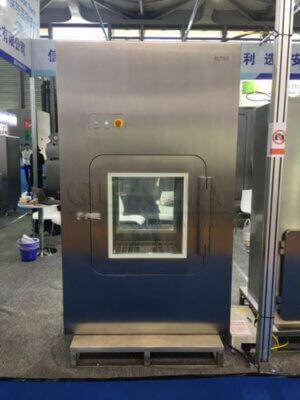
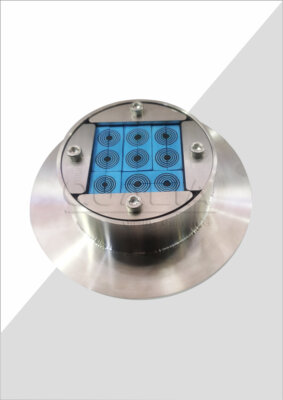
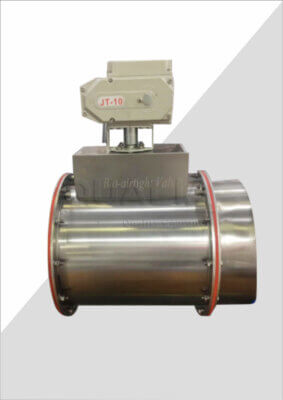
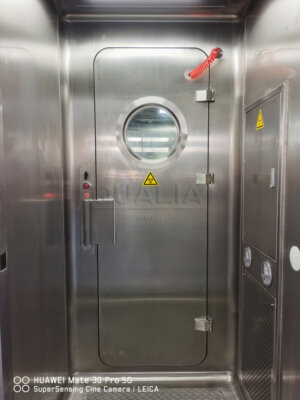
Quarto, valutare la strategia normativa e la pipeline di prodotti. La traiettoria di documenti come l'Allegato 1 delle GMP dell'UE favorisce chiaramente le tecnologie di barriera avanzate, rendendo gli isolatori una copertura strategica per i requisiti futuri. Infine, selezionare e progettare un sistema di contenimento olistico. Questo include tutti i sistemi di supporto per il monitoraggio, il controllo e il trasferimento, come ad esempio sistemi avanzati di tenuta pneumatica per punti di accesso critici, per garantire l'affidabilità nel corso del ciclo di vita dell'apparecchiatura.
Il sistema ottimale bilancia la protezione senza compromessi del prodotto con la realtà operativa. Per applicazioni di alto valore, potenti o sensibili, l'integrità sigillata dell'isolatore giustifica i suoi vincoli operativi. Per le applicazioni che richiedono cambi frequenti e manipolazione diretta, un cRABS offre una soluzione robusta e conforme. Avete bisogno di una guida professionale per specificare il giusto sistema di contenimento per la vostra sala di riempimento ISO Classe 5? Il team di ingegneri di QUALIA è specializzata nell'integrazione delle tecnologie di barriera con la progettazione di impianti per ottimizzare la sicurezza e l'efficienza.
Domande frequenti
D: In che modo la filosofia di tenuta di un isolatore differisce da quella di un cRABS in termini pratici?
R: Un isolatore è un involucro a tenuta stagna, sigillato ermeticamente e convalidato secondo standard quali ISO 10648-2, mantenendo una pressione positiva elevata (da +45 a +60 Pa) per una separazione completa. Un cRABS è un sistema di barriera sinergico che combina pannelli fisici, pressione più bassa (da +15 a +30 Pa) e controlli procedurali, aumentando ma non sostituendo la camera bianca. Ciò significa che la vostra scelta fondamentalmente scambia l'assoluta sicurezza ingegneristica con una strategia di controllo più flessibile e dipendente dalle procedure.
D: Qual è la vera differenza di costo a lungo termine tra isolatori e cRABS?
R: Sebbene i cRABS abbiano costi di capitale iniziali più bassi, un'analisi del costo totale di proprietà spesso favorisce gli isolatori. Gli isolatori consentono di operare in un ambiente di Classe ISO 8 rispetto alla Classe ISO 7 tipicamente richiesta per i cRABS, riducendo drasticamente i costi di capitale HVAC e i costi energetici correnti per l'intera struttura. Per i progetti in cui il valore del prodotto è elevato, il contenimento superiore di un isolatore può giustificare il suo premio, riducendo il costo catastrofico di un singolo guasto del lotto.
D: Quale sistema offre una migliore integrità di contenimento per proteggere un prodotto ad alta potenza?
R: Per un'integrità pura e quantificabile, l'isolatore è superiore. Il suo design ermetico e i tassi di perdita convalidati creano una barriera attiva e forte contro l'ingresso, con la parete stessa che funge da contenimento secondario. Un cRABS offre un'integrità moderata-alta, ma è più vulnerabile in quanto le sue prestazioni dipendono dalla procedura dell'operatore durante gli interventi. Se la vostra attività richiede la manipolazione di prodotti biologici ad alta potenza o sensibili, il design sigillato dell'isolatore è la scelta definitiva per la protezione del prodotto.
D: Come si differenziano i metodi di decontaminazione e quali sono le implicazioni normative?
R: Gli isolatori utilizzano cicli automatizzati e convalidati di perossido di idrogeno vaporizzato (VHP) per una sterilizzazione uniforme e riproducibile delle superfici. I cRABS si affidano alla pulizia manuale a umido, che dipende dall'operatore e può non garantire una copertura uniforme. Ciò rappresenta un fondamentale trasferimento del rischio dalla procedura umana alla convalida ingegneristica, un passaggio sempre più favorito dalle autorità di regolamentazione in base a linee guida quali GMP UE Allegato 1. Ciò significa che le strutture che danno priorità alla garanzia di sterilità e alla preparazione agli audit devono pianificare l'onere della convalida iniziale della decontaminazione automatica.
D: Dobbiamo scegliere un isolatore o un cRABS per una linea di produzione ad alta miscelazione e basso volume?
R: I cRABS offrono in genere una maggiore agilità operativa, consentendo un accesso più rapido (2-4 ore) per i cambi, anche se con un'interruzione del contenimento. Gli isolatori mantengono l'integrità, ma richiedono lunghi cicli VHP (4-8 ore) per il rientro. Ciò si collega direttamente alla strategia di produzione: le linee ad alta miscelazione e basso volume, con frequenti cambi di formato, possono favorire la flessibilità dei cRABS, mentre le linee di prodotti dedicati e di alto valore giustificano i tempi di inattività degli isolatori per garantire la massima sicurezza.
D: Quali sono gli standard che regolano la progettazione e le prove di tenuta di questi sistemi di contenimento?
R: La progettazione e la costruzione di dispositivi di separazione come gli isolatori sono specificate in ISO 14644-7. La classificazione della tenuta e i relativi metodi di prova sono definiti da ISO 10648-2, che fornisce i criteri quantitativi per la valutazione dell'integrità della tenuta. Ciò significa che la qualificazione del sistema e la selezione del fornitore devono essere allineate a questi standard prestazionali fondamentali per garantire un contenimento conforme.
D: Come si confrontano gli oneri di manutenzione e convalida a lungo termine tra i due sistemi?
R: La manutenzione dell'isolatore si concentra sulle tenute statiche, sui sistemi VHP e sulle porte di trasferimento rapido, con una complessa convalida iniziale per la tenuta e la letalità della decontaminazione. La manutenzione del cRABS coinvolge i sistemi di flusso d'aria e le barriere, con una convalida che si concentra sulla visualizzazione del flusso d'aria e sui protocolli di pulizia. Il costo operativo a lungo termine di un cRABS comprende il mantenimento di un ambiente di fondo di classe superiore, mentre il costo dell'isolatore è più contenuto all'interno dei suoi sistemi convalidati.
Contenuti correlati:
- cRABS vs. isolatori: La scelta del giusto sistema di contenimento
- Selezione dei cRABS: Vantaggi rispetto ai sistemi di isolamento
- Trasferimento dei materiali cRABS: Assicurare il flusso di prodotti sterili
- cRABS nei farmaci sterili: Migliorare la produzione asettica
- Flessibilità di cRABS: Vantaggi rispetto agli isolatori rigidi
- cRABS o isolatori: Analisi dei costi per le strutture farmaceutiche
- cRABS Air Systems: Garantire l'ambiente ISO 5
- Perché i cRABS sono essenziali per il moderno processo asettico?
- Norme ISO per cRABS: Assicurazione della qualità farmaceutica