
La scelta del giusto contenimento primario per il vostro laboratorio di virologia BSL-3 è un impegno a lungo termine e ad alto rischio. La scelta tra una cabina di sicurezza di Classe II e una di Classe III definisce il profilo di rischio massimo del vostro laboratorio e blocca i flussi di lavoro operativi per tutta la durata della struttura. Un errore nella scelta può portare a lacune nella conformità, a costi di capitale imprevisti e a colli di bottiglia operativi significativi che mettono a rischio la continuità della ricerca.
Questa decisione è fondamentale ora che il controllo normativo si intensifica e la ricerca su agenti patogeni ad alto rischio si espande. Un'analisi corretta della configurazione deve andare oltre il semplice confronto tra le apparecchiature e passare a una valutazione olistica del costo totale, dell'integrazione della struttura e della resilienza operativa a lungo termine. La scelta giusta bilancia la sicurezza assoluta con la produttività scientifica pratica.
BSC di Classe III vs. Classe II: Differenze di contenimento del nucleo
Definizione della filosofia di contenimento
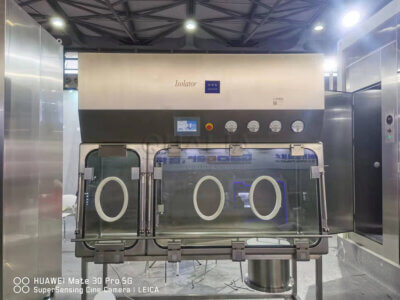
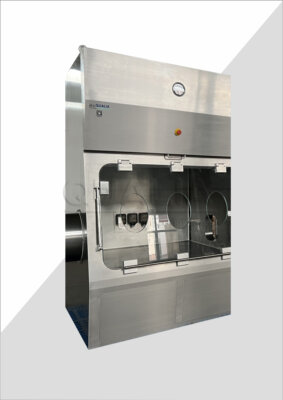
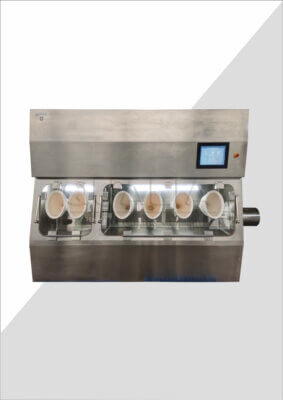
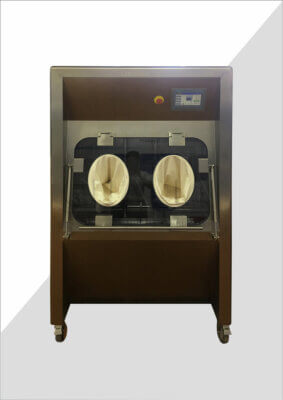
La differenza fondamentale è l'impegno a scegliere tra la protezione aerodinamica e la barriera assoluta. Gli armadi di Classe II funzionano secondo il principio del flusso d'aria controllato, utilizzando l'aria in entrata e il ricircolo con filtro HEPA per proteggere il personale e il prodotto. I sistemi di Classe III sono armadi sigillati, a tenuta di gas, in cui tutte le operazioni vengono eseguite attraverso le porte dei guanti e l'aria di scarico viene sottoposta a un filtraggio HEPA ridondante. Questa barriera fisica è obbligatoria per le procedure specifiche BSL-3 che comportano la generazione di aerosol ad alto rischio.
Mappare il principio al protocollo
Questa scelta ingegneristica determina direttamente i protocolli consentiti. Un BSC di Classe II è adatto a molte applicazioni BSL-3, ma il suo design aperto presenta un rischio calcolabile. Per le attività con agenti patogeni ad alto rischio o per la manipolazione estensiva di materiali infettivi, il contenimento assoluto di una Classe III diventa irrinunciabile. Il quadro decisionale inizia con una valutazione formale del rischio, incrociata con la valutazione del rischio di classe III. Biosicurezza nei laboratori microbiologici e biomedici (BMBL), 6ª edizione, per definire questi requisiti non negoziabili.
L'impatto strategico della vostra scelta
La scelta di una BSC di classe III è una decisione strategica che modella le traiettorie di ricerca a lungo termine. Consente di lavorare con gli agenti a più alto rischio, ma impone vincoli permanenti alla velocità e alla destrezza del flusso di lavoro. Al contrario, la scelta di un armadio di Classe II può limitare la portata della ricerca futura. Gli esperti del settore consigliano di proiettare le esigenze dei protocolli a 10-15 anni di distanza. Nella mia esperienza di consulente per i laboratori di virologia, la svista più comune è quella di sottovalutare il modo in cui questa scelta precoce di apparecchiature determina la futura ammissibilità alle sovvenzioni e l'orientamento della ricerca.
La tabella seguente chiarisce le principali distinzioni operative che derivano da queste diverse filosofie di contenimento.
| Aspetto di contenimento | Classe II BSC | Classe III BSC |
|---|---|---|
| Principio primario | Contenimento aerodinamico | Barriera fisica assoluta |
| Flusso d'aria | In entrata e in ricircolo | 100% esaurito |
| Accesso al lavoro | Anta aperta | Porte per guanti sigillate |
| Trattamento degli scarichi | Filtrazione HEPA singola | Filtrazione HEPA ridondante |
| Profilo di rischio | Flusso d'aria controllato | Protezione barriera assoluta |
Fonte: Biosicurezza nei laboratori microbiologici e biomedici (BMBL), 6ª edizione. Il BMBL definisce i criteri operativi e di sicurezza fondamentali per ogni classe di BSC, specificando i metodi di contenimento richiesti (barriera aerodinamica o fisica) e il trattamento degli scarichi per le attività a diversi livelli di biosicurezza.
Fattori di configurazione chiave per i flussi di lavoro della virologia BSL-3
Compatibilità del protocollo con le porte Glove
La configurazione di una BSC di Classe III richiede una mappatura meticolosa dei protocolli virologici specifici in base ai vincoli dell'armadio. L'interfaccia della porta del guanto altera radicalmente l'ergonomia e l'efficienza. Le tecniche che richiedono abilità motorie fini o la manipolazione rapida delle piastre diventano più lente e faticose. Tutti i trasferimenti di materiale devono avvenire attraverso camere passanti convalidate, rendendo la progettazione del flusso di lavoro un'attività critica che, se non pianificata correttamente, può bloccare interi progetti.
Il pericolo nascosto degli agenti chimici
Una valutazione completa del rischio deve tenere conto di tutti gli agenti chimici, non solo di quelli biologici. Questo principio rivela un rischio critico nella scelta della Classe II. L'uso di un armadio a ricircolo di tipo A2 per lavorare con sostanze chimiche volatili crea rischi di esposizione significativi, poiché i filtri HEPA non catturano i vapori. Un sistema di Classe III gestisce intrinsecamente questo problema scaricando tutta l'aria, ma deve garantire che il trattamento e i condotti di scarico siano compatibili con le sostanze chimiche utilizzate.
Progettazione del flusso di lavoro per il trasferimento dei materiali
Il requisito del contenimento assoluto rende ogni ingresso e uscita un evento procedurale. Tra i dettagli facilmente trascurati vi sono il dimensionamento delle camere di passaggio rispetto alle apparecchiature più grandi e la convalida dei cicli di decontaminazione per i materiali insoliti. Abbiamo confrontato i flussi di lavoro e abbiamo scoperto che spesso i laboratori non tengono conto del tempo significativo aggiunto dai protocolli di trasferimento a doppia porta, con un impatto sulla produzione di campioni prevista e sui modelli di personale.
Analisi dei costi: Investimento di capitale vs. costo totale di gestione
Guardare oltre l'ordine di acquisto
Una vera analisi finanziaria dà la priorità al costo totale di gestione rispetto alla spesa di capitale iniziale. Il prezzo di acquisto dell'armadio è spesso una componente secondaria. I costi maggiori derivano dalle modifiche obbligatorie alla struttura: un sistema di scarico dedicato, a condotto rigido, con una soffiante esterna e un sistema di aria di alimentazione indipendente con filtro HEPA. Questi requisiti modificano radicalmente l'architettura del laboratorio e richiedono un impegno tempestivo da parte degli ingegneri della struttura.
Il costo ricorrente della conformità specializzata
La ricertificazione annuale è un fattore di TCO significativo e ricorrente. Per gli armadi di Classe III, ciò comporta protocolli complessi e non standardizzati, come i test di decadimento della pressione per la tenuta, definiti da standard quali ISO 10648-2: Custodie di contenimento - Parte 2. Questi test richiedono tecnici specializzati, comportano tariffe di servizio più elevate e tempi di programmazione più lunghi. Questa catena di fornitura di servizi specializzati ha un impatto diretto sulla resilienza operativa.
Quantificare i tempi di inattività operativa
Il costo più sottovalutato è il tempo di inattività operativa. Prima di qualsiasi manutenzione o certificazione interna è obbligatoria una decontaminazione gassosa completa della camera sigillata, un processo che può mettere offline un laboratorio per giorni. Rispetto alle ore necessarie per una Classe II, questo tempo di inattività non negoziabile richiede procedure di backup convalidate e un'attenta pianificazione della continuità per mantenere le tempistiche di ricerca, aggiungendo costi nascosti di manodopera e gestione del progetto.
La tabella seguente suddivide le principali categorie di costo che definiscono il vero impegno finanziario di una BSC di Classe III.
| Categoria di costo | Componenti tipici | Impatto sul TCO |
|---|---|---|
| Spese in conto capitale | Acquisto di armadietti | Spesso è stato oscurato dalle modifiche |
| Modifiche alla struttura | Scarico dedicato, aria di alimentazione | Grande impatto sul bilancio e sull'architettura |
| Certificazione ricorrente | Test di decadimento della pressione, tecnologia specializzata | Costi più elevati, tempi di consegna più lunghi |
| Tempi di inattività operativa | Decontaminazione gassosa, manutenzione | Giorni contro ore per la Classe II |
| Durata del sistema | Cabinet e infrastruttura di supporto | Impegno di 15-20 anni |
Nota: L'analisi del TCO deve includere la resilienza della catena di fornitura dei servizi specializzati.
Fonte: Documentazione tecnica e specifiche industriali.
Valutazione delle opzioni di camera passante e decontaminazione
Selezione della giusta tecnologia di trasferimento
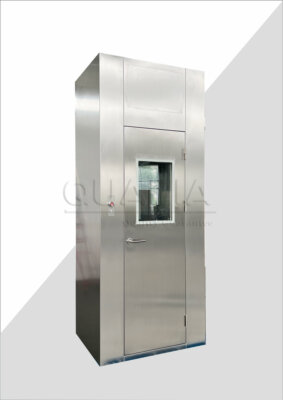
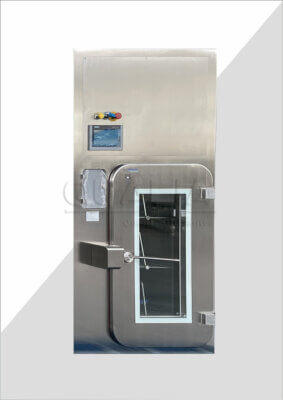
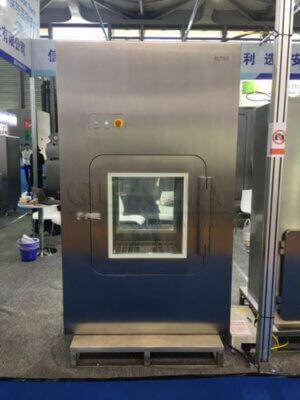
Il trasferimento dei materiali è il percorso critico per l'operatività di Classe III. Le camere di passaggio - autoclavi per i solidi, vasche di immersione per i liquidi o sistemi di perossido di idrogeno vaporizzato (VHP) per gli articoli sensibili al calore - devono essere scelte e dimensionate in base al volume e alla frequenza del protocollo. Un errore comune è quello di specificare una camera troppo piccola per le apparecchiature essenziali, creando una limitazione permanente del flusso di lavoro.
Il collo di bottiglia della decontaminazione
Una decontaminazione gassosa convalidata dell'intera camera sigillata è un prerequisito imposto dalla legge prima di qualsiasi manutenzione interna, sostituzione dei filtri o certificazione. Questo collo di bottiglia procedurale è spesso scarsamente integrato nella programmazione del laboratorio. Il processo di convalida stesso può portare un armadio fuori linea per giorni, in netto contrasto con le ore necessarie per una Classe II. La pianificazione della continuità della ricerca deve essere concepita in base a questa realtà.
Pianificazione della continuità
I laboratori devono sviluppare procedure di backup convalidate per mantenere le tempistiche del progetto durante cicli di decontaminazione o riparazione prolungati. Questo spesso significa duplicare i flussi di lavoro critici in un dispositivo di contenimento secondario o inserire le pause del protocollo nella progettazione sperimentale. Secondo una ricerca sulle operazioni di laboratorio, la mancanza di questa pianificazione della continuità è la causa principale dei ritardi del progetto dopo l'installazione di un sistema di Classe III.
L'impatto operativo delle scelte di passaggio e decontaminazione è riassunto nel seguente confronto.
| Componente | Opzioni chiave | Impatto operativo |
|---|---|---|
| Camera passante | Autoclave, serbatoio a immersione, VHP | Allineamento al volume del protocollo |
| Metodo di decontaminazione | Gassoso (ad esempio, VHP) | Obbligatorio prima della manutenzione |
| Convalida della decontaminazione | Procedura legalmente applicata | Tempi di inattività del laboratorio non negoziabili |
| Confronto dei tempi di inattività | Classe III: Giorni | Classe II: Ore |
| Pianificazione della continuità | Richiede procedure di backup convalidate | Critico per le tempistiche del progetto |
Fonte: ISO 10648-2: Custodie di contenimento - Parte 2. Questo standard fornisce i criteri tecnici e i metodi di prova per convalidare la tenuta degli involucri sigillati, fondamentale per i protocolli di decontaminazione e l'integrità dei sistemi passanti BSC di Classe III.
Quale configurazione è migliore per i patogeni ad alta pericolosità?
Quando la Classe III diventa non negoziabile
Per le attività con agenti patogeni ad alto rischio che richiedono disposizioni BSL-3 Enhanced, è necessaria una configurazione di Classe III appositamente costruita. Le linee guida normative richiedono il filtraggio HEPA dello scarico dell'armadio con condotti sigillati a pressione negativa e spesso richiedono la raccolta e il trattamento termico/chimico degli effluenti liquidi prima del rilascio. Questa configurazione rappresenta lo standard più elevato di contenimento assoluto della barriera per agenti come alcuni lignaggi di virus dell'influenza aviaria altamente patogeni.
Integrazione dei controlli primari e secondari
Mentre l'armadio di Classe III fornisce il contenimento primario, le procedure di laboratorio di supporto richiedono in genere DPI avanzati e politiche del personale rigorose. L'armadio è il fulcro di una strategia di difesa a più livelli. La scelta di un isolatore a tenuta di gas progettato per i più alti livelli di contenimento garantisce che la barriera primaria sia progettata secondo i più severi standard di tenuta, costituendo una base affidabile per tutti gli altri protocolli di sicurezza.
Valutazione dell'intero involucro di contenimento
Il controllo normativo si sta evolvendo verso la convalida del sistema integrato. Gli auditor ora esaminano le prestazioni dell'armadio come parte dell'intero involucro di contenimento, compresi i sistemi HVAC, di allarme e di scarico del laboratorio. La conformità richiede la dimostrazione delle prestazioni del sistema olistico attraverso test integrati, non solo la certificazione dei singoli componenti. Questa tendenza rende l'interoperabilità del BSC con i controlli della struttura più importante che mai.
Integrazione del BSC di Classe III con l'infrastruttura della struttura
Attivare un progetto di struttura
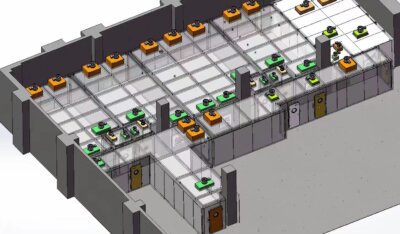
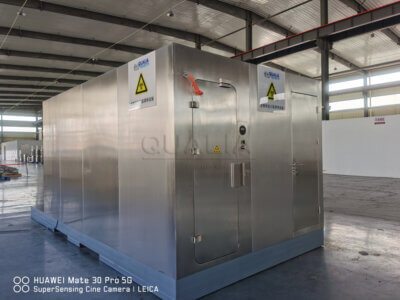
La scelta di un BSC di Classe III comporta un'importante modifica della struttura, non un semplice acquisto di apparecchiature. L'integrazione richiede un sistema di scarico dedicato e sigillato con una soffiante esterna e un sistema di aria di alimentazione indipendente con filtro HEPA. Sono necessari sofisticati controlli HVAC dell'edificio per mantenere la pressione negativa dell'armadio senza destabilizzare i differenziali di pressione della suite di laboratorio. Questo lavoro richiede l'impegno tempestivo di architetti e ingegneri meccanici.
L'ascesa del gabinetto connesso
La tendenza verso i sensori integrati e la connettività del sistema di gestione degli edifici trasforma gli armadi di Classe III in nodi di rete di sicurezza attiva. Ciò crea un ciclo di feedback continuo dei dati relativi alla pressione, al flusso d'aria e all'integrità dei filtri, consentendo una manutenzione predittiva. Tuttavia, introduce nuovi requisiti per il cablaggio dei dati, i protocolli di sicurezza informatica e la convalida degli interblocchi di sicurezza controllati dal software.
Una lista di controllo per l'integrazione
Le fasi chiave dell'integrazione comprendono l'analisi fluidodinamica computazionale (CFD) per garantire che il flusso d'aria della stanza supporti il contenimento, la verifica della capacità strutturale dell'armadio e dei suoi sistemi di supporto e la pianificazione dell'accesso ai servizi durante la manutenzione. L'insuccesso in uno di questi punti può portare a fallimenti della certificazione o a pericoli operativi.
La complessità dell'integrazione di una BSC di Classe III in un'infrastruttura esistente o nuova è illustrata di seguito.
| Requisiti dell'infrastruttura | Specifiche chiave | Complessità dell'integrazione |
|---|---|---|
| Sistema di scarico | Dedicato, sigillato con soffiante | Grande progetto di struttura |
| Sistema di alimentazione dell'aria | Indipendente, con filtro HEPA | Modifica l'architettura del laboratorio |
| Controlli HVAC | Gestione sofisticata della pressione | Stabilizza i differenziali delle suite di laboratorio |
| Connettività dati | Sensori integrati, rete BMS | Crea un circuito di feedback sui dati di sicurezza |
| Sistemi di supporto | Cablaggio dati, sicurezza informatica | Nuovi requisiti operativi |
Fonte: NSF/ANSI 49-2022: Armadi di sicurezza biologica. Questo standard descrive in dettaglio i requisiti di progettazione e di prestazione dei BSC, compresa la necessaria integrazione con i sistemi dell'impianto, come lo scarico, l'aria di alimentazione e i controlli, per garantire un funzionamento sicuro e certificato.
Realtà operative: Formazione del personale e requisiti di manutenzione
Il fattore umano nell'alto contenimento
La realtà operativa impone al personale un onere maggiore in termini di competenze. Il personale richiede un addestramento rigoroso e specializzato che va oltre la pratica standard BSL-3. Ciò include la manipolazione dei guanti in condizioni di ridotta destrezza, le procedure di emergenza per la rottura dei guanti e la stretta osservanza dei protocolli di trasferimento dei materiali. Questa formazione ha un impatto sui modelli di personale, sui tempi di inserimento e sulla produttività iniziale, in quanto gli scienziati si adattano a uno spazio di lavoro limitato.
Manutenzione di un sistema specializzato
L'affidamento della manutenzione a un pool limitato di tecnici esperti crea una vulnerabilità operativa. I tempi di riparazione sono più lunghi e i contratti di assistenza più costosi. I laboratori devono valutare la capacità di assistenza a lungo termine di un fornitore, compresa la disponibilità di pezzi di ricambio e la formazione dei tecnici, come fattore critico di acquisto per un periodo di 15-20 anni di vita dell'armadio. L'impronta dell'assistenza locale di un fornitore diventa un criterio decisionale fondamentale.
Navigazione nella conformità in continua evoluzione
La certificazione sul campo si sta spostando verso la convalida del sistema integrato. I tecnici devono ora verificare l'armadio come parte del sistema di contenimento più ampio. Questo cambiamento significa che i laboratori devono programmare finestre di certificazione più lunghe e assicurarsi che i tecnici della struttura siano disponibili per verificare le interazioni del sistema HVAC durante il test. I registri di manutenzione proattivi e i dati di monitoraggio continuo stanno diventando essenziali per la preparazione all'audit.
Quadro decisionale: Selezione della giusta configurazione BSC
Fase 1: Definire i requisiti non negoziabili
Iniziare con una valutazione formale del rischio di tutti gli agenti e i protocolli, con un rigoroso riferimento incrociato alla BMBL e alla Manuale di biosicurezza dei laboratori dell'OMS. Questa valutazione deve includere esplicitamente i rischi chimici. Il risultato è un elenco chiaro dei protocolli che richiedono un contenimento assoluto rispetto a quelli adatti al controllo aerodinamico.
Fase 2: analizzare il flusso di lavoro e il costo totale
Mappate i vostri protocolli più prioritari rispetto ai flussi di lavoro del glove port e alle esigenze di trasferimento dei materiali. Conducete un'analisi rigorosa del TCO che comprenda la costruzione della struttura, la certificazione specializzata e il costo reale dei tempi di inattività operativa. Questo modello finanziario deve proiettare i costi su un orizzonte di 15 anni, non solo sul budget iniziale dell'installazione.
Fase 3: valutare i fornitori e il percorso di integrazione
Valutare le proposte dei fornitori rispetto alla capacità di supporto a lungo termine e all'esperienza di integrazione. Esaminare i dati di convalida delle camere passanti e dei cicli di decontaminazione. Siate molto cauti con gli armadi ibridi convertibili di Classe II/III; promettono flessibilità ma richiedono una convalida completa e separata per ciascuna modalità, raddoppiando di fatto l'onere della certificazione e introducendo rischi di conformità se gli utenti selezionano la modalità sbagliata.
La decisione tra contenimento di Classe II e Classe III è in definitiva un equilibrio tra la massima tolleranza al rischio e la praticità operativa. Non esiste una risposta universale, ma solo la configurazione corretta per gli agenti, i protocolli e i vincoli specifici della vostra struttura. Un quadro strutturato che dia priorità a una valutazione del rischio convalidata, a un'analisi onesta del flusso di lavoro e a un modello TCO completo protegge il vostro investimento e il vostro personale.
Avete bisogno di una guida professionale per orientarvi nelle specifiche e nell'integrazione di una cabina di biosicurezza ad alto contenimento per la vostra struttura? Il team di ingegneri di QUALIA è specializzata nella traduzione di complessi requisiti BSL-3/4 in realtà operative. Contattateci per discutere le sfide di contenimento specifiche del vostro progetto.
Domande frequenti
D: In che modo la realtà operativa di un BSC di Classe III influisce sulla pianificazione del personale di laboratorio e della manutenzione?
R: La gestione di un armadio di Classe III richiede una formazione specializzata del personale per la manipolazione delle porte dei guanti e i protocolli di emergenza, il che influisce direttamente sui modelli di produttività. La manutenzione si affida a un pool limitato di tecnici esperti per le complesse ricertificazioni annuali, come i test di decadimento della pressione. Ciò significa che le strutture devono prevedere costi di manodopera ricorrenti più elevati e pianificare tempi di inattività delle apparecchiature più lunghi, come sottolineato negli approcci di convalida del sistema integrato delineati nel documento Manuale di biosicurezza dei laboratori dell'OMS.
D: Quali sono i requisiti critici di integrazione della struttura quando si installa una cabina di biosicurezza di Classe III?
R: L'installazione di un BSC di Classe III richiede un sistema di scarico dedicato e sigillato con una soffiante esterna e un sistema di aria di alimentazione indipendente con filtro HEPA. Sono essenziali sofisticati controlli HVAC dell'edificio per mantenere la pressione dell'armadio senza interrompere la cascata di pressione del laboratorio. Ciò significa che il vostro progetto è una modifica importante della struttura, non un semplice acquisto di apparecchiature, che richiede un impegno tempestivo con architetti e ingegneri per gestire il budget e la progettazione.
D: Perché il costo totale di proprietà è più importante del costo del capitale per un BSC di Classe III?
R: Il prezzo iniziale dell'armadio è spesso oscurato dai costi per le modifiche obbligatorie alla struttura e dalle spese ricorrenti significativamente più elevate. La ricertificazione annuale comporta test di tenuta non standardizzati che richiedono tecnici specializzati, con conseguenti costi più elevati e tempi di assistenza più lunghi. Per un armadio con una durata di vita di 15-20 anni, è necessario dare priorità alla capacità di assistenza a lungo termine di un fornitore per garantire la resilienza operativa e gestire i costi totali del ciclo di vita.
D: In che modo le scelte della camera pass-through influiscono sulla continuità operativa in un laboratorio BSL-3?
R: La scelta tra autoclavi, vasche di immersione o sistemi VHP per le camere passanti determina la produttività e la frequenza dei protocolli. Inoltre, la decontaminazione gassosa convalidata dell'intero armadio sigillato è obbligatoria prima di qualsiasi intervento di manutenzione interna, creando un collo di bottiglia procedurale che può mettere offline un laboratorio per giorni. Ciò significa che la programmazione del laboratorio e i piani di continuità della ricerca devono essere progettati in funzione di questo tempo di inattività non negoziabile.
D: Quando una configurazione BSC di Classe III non è negoziabile per il lavoro di virologia?
R: Un sistema di Classe III appositamente costruito è obbligatorio per le attività con agenti patogeni ad alto rischio ai sensi delle disposizioni BSL-3 Enhanced, che richiedono un contenimento a barriera assoluta. I mandati normativi spesso includono la filtrazione HEPA di tutti gli scarichi, condotti sigillati e trattamento degli effluenti liquidi. Questa configurazione, progettata per agenti come alcuni virus dell'influenza aviaria altamente patogeni, rappresenta lo standard più elevato di contenimento primario, come definito nella normativa BSL-3 Enhanced. Biosicurezza nei laboratori microbiologici e biomedici (BMBL), 6ª edizione.
D: Quali sono i rischi dell'utilizzo di un armadio ibrido convertibile di Classe II/III?
R: Pur promettendo flessibilità, gli armadi ibridi richiedono la convalida e la certificazione completa in entrambe le modalità operative, raddoppiando di fatto l'onere della conformità. Inoltre, introducono il rischio di errore da parte dell'utente durante la selezione della modalità, che può creare pericolosi vuoti di contenimento. Ciò significa che i laboratori devono soppesare la presunta flessibilità con l'aumento dei costi di convalida e della complessità operativa, rendendo spesso gli armadi dedicati una scelta più affidabile.
D: Quale norma definisce i requisiti di tenuta di una BSC di Classe III?
R: L'integrità a tenuta di gas di un armadio di Classe III è classificata e testata in base a ISO 10648-2, che specifica i tassi di perdita ammissibili e i relativi metodi di verifica. Questo standard internazionale fornisce i criteri tecnici per la convalida di questi sistemi di contenimento totalmente chiusi. Ciò significa che le specifiche di approvvigionamento devono fare esplicito riferimento a questo standard per garantire che l'armadio soddisfi le prestazioni richieste per i lavori ad alto rischio.
Contenuti correlati:
- Cabinet di biosicurezza di Classe III vs BSC di Classe II: 12 differenze critiche per la selezione del contenimento BSL-3 e BSL-4
- Isolatori di sicurezza biologica di Classe III: La massima protezione
- Quando passare da una cabina di biosicurezza di Classe II a una di Classe III: Criteri di valutazione del rischio BSL-4
- Cabine di sicurezza biologica di Classe II Tipo B2: Scarico totale
- Dimensioni della cabina di sicurezza biologica: Trovare la soluzione perfetta
- Cabine di sicurezza biologica di Classe III per la massima protezione
- Spiegazione dei sistemi di scarico delle cabine di biosicurezza
- Cabine di sicurezza biologica di Classe I: Caratteristiche e usi
- Installazione della cabina di sicurezza biologica: Cosa c'è da sapere