La decisione di passare da una cabina di sicurezza di Classe II a una di Classe III non è una questione di miglioramento incrementale, ma un cambiamento fondamentale nella strategia di contenimento. Questa transizione è imposta da scenari specifici ad alto rischio in cui esiste il potenziale di trasmissione per via aerosolica di un agente patogeno pericoloso per la vita. L'incomprensione di questa soglia critica o, peggio, l'ipotesi che le procedure avanzate possano compensare un contenimento primario inadeguato, comporta una responsabilità inaccettabile. Le conseguenze di un errore in questo ambito sono gravi e rendono irrinunciabile una valutazione del rischio precisa e guidata dalle procedure.
Con l'accelerazione delle priorità globali in materia di biodifesa e preparazione alle pandemie, la domanda di infrastrutture di massimo contenimento è in aumento. Le istituzioni devono ora affrontare complessi percorsi di aggiornamento che comportano significativi investimenti di capitale, riprogettazione delle strutture e trasformazione operativa. Una chiara comprensione delle implicazioni tecniche, normative e finanziarie è essenziale per sviluppare una capacità BSL-4 valida, conforme e sicura.
BSC di Classe II vs. Classe III: Definire la differenza fondamentale
La filosofia del contenimento
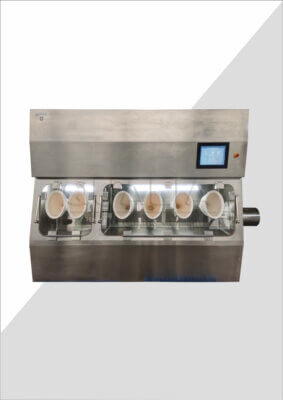
La distinzione tra le cabine di sicurezza biologica di Classe II e di Classe III è categorica, non graduale. Una BSC di Classe II opera secondo il principio del contenimento parziale. Utilizza il flusso d'aria verso l'interno e la filtrazione HEPA per creare una barriera protettiva per l'utente, il prodotto e l'ambiente durante le procedure. Una BSC di Classe III, invece, è un dispositivo di contenimento totale. Si tratta di un involucro sigillato, a tenuta di gas, mantenuto in pressione negativa, con l'utente fisicamente separato dalla zona di lavoro da una finestra visiva non apribile e da guanti applicati. La sua unica funzione è quella di impedire l'uscita dell'agente, garantendo una protezione assoluta del personale e dell'ambiente.
Un equivoco critico
Un errore pericoloso e comune è quello di equiparare i banchi puliti a flusso laminare alle cabine di sicurezza biologica. I banchi puliti forniscono una protezione del prodotto soffiando aria filtrata HEPA sulla superficie di lavoro e verso l'esterno dell'utente, offrendo una protezione zero per il personale. Non sono adatti alla manipolazione di materiali a rischio biologico. Questo equivoco sottolinea un punto più ampio: i controlli tecnici non sono intercambiabili. La scelta dell'armadio sbagliato per un determinato profilo di rischio compromette fondamentalmente l'intero protocollo di sicurezza. Il sistema di classificazione, come indicato in standard quali ISO 10648-2:1994, si basa su prestazioni di contenimento misurabili, non sulla convenienza.
Implicazioni operative del contenimento totale
La separazione fisica in una BSC di Classe III determina ogni aspetto del flusso di lavoro. Tutte le manipolazioni avvengono attraverso porte a guanto, che richiedono destrezza e pianificazione. Il trasferimento di materiale non è mai diretto, ma deve avvenire attraverso percorsi sigillati convalidati. Questo passaggio fondamentale da un armadio aperto a un ambiente a guanti sigillato è la manifestazione operativa del passaggio dal rischio controllato al contenimento assoluto. Nella mia esperienza di revisione dei piani delle strutture, l'incapacità di accogliere architettonicamente questi meccanismi di trasferimento, come le vasche a immersione o le autoclavi a doppia porta, è uno dei principali punti di ritardo del progetto e di superamento dei costi.
Criteri chiave di rischio: Quando è obbligatoria una BSC di Classe III?
Mandati guidati da agenti
La causa principale di una BSC di Classe III è il lavoro con agenti patogeni del Gruppo di rischio 4 (RG4). Si tratta di agenti pericolosi ed esotici che comportano un elevato rischio di malattie potenzialmente letali, sono facilmente trasmissibili per via aerosolica e per i quali non sono disponibili trattamenti o vaccini. Ne sono un esempio i virus Ebola, Marburg e Nipah. Secondo la guida internazionale definitiva, il Manuale di biosicurezza dei laboratori dell'OMS afferma esplicitamente che il lavoro con gli agenti RG4 richiede il contenimento primario in una BSC di Classe III o all'interno di una linea di BSC di Classe III, oppure indossando una tuta a pressione positiva in un laboratorio con tuta BSL-4.
Trigger guidati da procedure
Forse il criterio più sfumato, e spesso trascurato, è il rischio procedurale. Una BSC di Classe III diventa obbligatoria per le operazioni che generano intenzionalmente aerosol infettivi o che hanno un elevato potenziale di rilascio incontrollato di aerosol, indipendentemente dal gruppo di rischio di base dell'agente in alcuni contesti. Ciò include gli studi aerobiologici intenzionali, i modelli di sfida con l'aerosol negli animali e l'aerosolizzazione ad alta concentrazione di agenti a basso gruppo di rischio. Ciò crea un'intuizione strategica critica: lo stesso agente patogeno può essere gestito in modo sicuro in una BSC di Classe II per le colture cellulari, ma richiede una Classe III per le procedure di aerosolizzazione.
Valutazione dell'intersezione
La matrice decisionale non è una semplice lista di controllo, ma una valutazione dei punti di intersezione tra il rischio di agenti e il rischio procedurale. La tabella che segue chiarisce i fattori chiave che rendono necessario l'aggiornamento, superando gli elenchi generici di agenti e passando a una valutazione più granulare e specifica del protocollo.
Criteri chiave di rischio: Quando è obbligatoria una BSC di Classe III?
| Trigger di rischio | Classificazione degli agenti | Requisito procedurale |
|---|---|---|
| Obbligatorio | Agenti patogeni del gruppo di rischio 4 | Agenti pericolosi per la vita e trasmissibili per via aerosolica |
| Obbligatorio | Generazione di aerosol ad alto rischio | Studi di aerobiologia intenzionale |
| Obbligatorio | Potenziale di rilascio incontrollato | Modelli di sfida con l'aerosol negli animali |
| Dipendente dalla procedura | Stesso agente patogeno, protocolli diversi | Classe II per colture cellulari |
Fonte: Manuale di biosicurezza dei laboratori dell'OMS, 4a edizione. Questa fonte è la guida internazionale definitiva, che afferma esplicitamente che il lavoro con gli agenti del Gruppo di rischio 4 richiede una cabina di biosicurezza di Classe III o una tuta a pressione positiva all'interno di un laboratorio BSL-4.
Impatto operativo: Modifiche al flusso di lavoro e considerazioni sui costi
Il compromesso sull'efficienza
L'implementazione di una BSC di Classe III introduce moltiplicatori di tempo significativi nei protocolli standard. Ogni azione richiede più passaggi: verifica dell'integrità dei guanti, spostamento dei materiali attraverso i passaggi ed esecuzione di lunghi cicli di decontaminazione. Un semplice protocollo di due ore in un ambiente di Classe II può facilmente richiedere quattro o più ore in una BSC di Classe III. Questo rallentamento quantificabile limita direttamente la produttività della ricerca e deve essere preso in considerazione nelle tempistiche dei progetti, nei modelli di personale e nei calcoli dei costi per esperimento. Si tratta di un vincolo strategico, non di una semplice seccatura operativa.
La decontaminazione come collo di bottiglia
La disinfezione delle superfici è insufficiente per una BSC di Classe III. La decontaminazione richiede una fumigazione gassosa convalidata (ad esempio, perossido di idrogeno vaporizzato) dell'intero interno sigillato dopo ogni utilizzo o prima della manutenzione. Questo ciclo può richiedere diverse ore, durante le quali l'armadio non è disponibile. Le strutture devono pianificare questi tempi di inattività e possono avere bisogno di più armadi per mantenere la continuità del flusso di lavoro per i programmi ad alto volume. La convalida di questi cicli di decontaminazione è di per sé un processo rigoroso, che aumenta i costi operativi.
Quantificare il cambiamento operativo
Il passaggio dalla Classe II alla Classe III rappresenta un cambiamento fondamentale nel ritmo di laboratorio. La tabella seguente contrappone fattori operativi chiave, evidenziando come l'imperativo del contenimento assoluto ridefinisca la pratica standard.
Impatto operativo: Modifiche al flusso di lavoro e considerazioni sui costi
| Fattore operativo | Classe II BSC | Classe III BSC |
|---|---|---|
| Trasferimento di materiale | Trasferimenti diretti e aperti | Solo percorsi sigillati |
| Interfaccia utente | Accesso diretto alla mano | Solo guanti attaccati |
| Ciclo di decontaminazione | Disinfezione delle superfici | Fumigazione gassosa convalidata |
| Moltiplicatore del tempo di protocollo | Linea di base (ad esempio, 2 ore) | 2x o superiore (ad esempio, 4+ ore) |
| Vincolo primario | Efficienza | Contenimento assoluto |
Fonte: Documentazione tecnica e specifiche industriali.
BSC di classe III nei laboratori di gabinetto e nei laboratori di abiti: Una distinzione chiave
Il modello del laboratorio di gabinetto
In una struttura BSL-4 “cabinet lab”, la BSC di Classe III è la barriera di contenimento principale. Il personale lavora all'esterno dell'armadio sigillato in un ambiente di laboratorio BSL-4, eseguendo tutte le manipolazioni attraverso le porte dei guanti. Il laboratorio stesso fornisce un contenimento secondario, ma il ricercatore si affida all'integrità dell'armadio. Questo modello è spesso utilizzato per procedure che coinvolgono piccoli animali o colture di tessuti in cui non è richiesta la piena mobilità della tuta. Tutti i materiali entrano ed escono dall'armadio attraverso percorsi sigillati.
Il modello di laboratorio della tuta
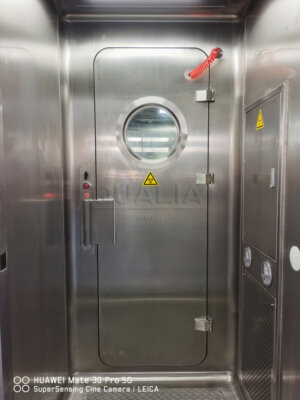
In un “laboratorio con tuta”, il personale indossa tute ad aria compressa e opera all'interno della zona di contenimento BSL-4. In questo caso, le BSC di Classe II possono essere utilizzate per molte procedure, poiché la tuta protegge il personale. Qui, le BSC di Classe II possono essere utilizzate per molte procedure, in quanto la tuta protegge il personale. Tuttavia, le BSC di Classe III sono ancora obbligatorie nei laboratori con tute per le procedure a più alto rischio di generazione di aerosol. Questo approccio ibrido consente una maggiore mobilità e destrezza per alcuni compiti, pur mantenendo il massimo livello di contenimento dove necessario.
Progettazione integrata per flussi di lavoro complessi
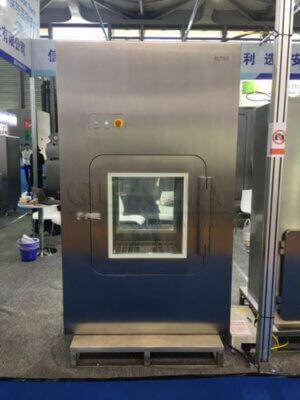
Le strutture BSL-4 più sofisticate integrano entrambi i modelli. Un laboratorio con armadietto di Classe III può essere fisicamente collegato a un laboratorio con tuta tramite una porta di trasferimento rapido (RTP). Ciò consente il trasferimento sicuro di campioni o animali tra le zone di contenimento senza violare il contenimento. Ad esempio, un animale potrebbe essere inoculato in un laboratorio con tuta, trasferito tramite RTP a un laboratorio con armadietto di Classe III per l'alloggiamento e il monitoraggio, e poi trasferito nuovamente per la necroscopia. Progettare questa integrazione fin dall'inizio è fondamentale per consentire protocolli di ricerca complessi e in più fasi negli studi di aerobiologia e patogenesi.
Oltre l'armadio: Integrazione e convalida della struttura
Integrazione del sistema, non installazione autonoma
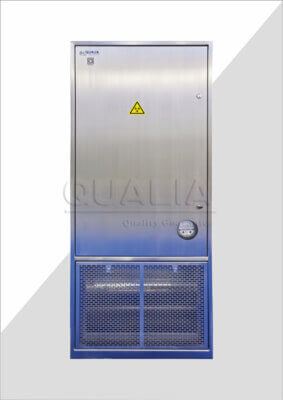
Un BSC di Classe III è un nodo di un sistema di contenimento integrato. La sua installazione richiede un'integrazione perfetta della struttura: connessioni dedicate alle utenze, guarnizioni strutturali a tenuta d'aria dove penetra nella parete del laboratorio e sistemi di scarico interbloccati con filtrazione HEPA ridondante. La pressione negativa dell'armadio deve essere costantemente monitorata e sincronizzata con il gradiente di pressione della stanza. La mancata progettazione di queste interfacce in fase di costruzione porterà a guasti del contenimento e a costosi interventi di adeguamento.
L'imperativo della convalida
La messa in funzione e la convalida in corso sono ampie. La verifica delle prestazioni va oltre le misurazioni del flusso d'aria per includere test quantitativi di integrità, come i test di contenimento del gas tracciante, simili a quelli descritti in ANSI/ASHRAE 110-2016 per le cappe aspiranti, ma con standard molto più severi. L'efficacia del ciclo di decontaminazione deve essere convalidata con indicatori biologici collocati nei punti più difficili da raggiungere all'interno della cappa. Questa convalida non è un evento unico, ma un requisito annuale, per garantire che il sistema mantenga le prestazioni di contenimento specificate per tutto il suo ciclo di vita.
Contenimento ridondante in azione
Questo design olistico e integrato crea livelli di sicurezza. La pressione negativa mantenuta dall'armadio garantisce un contenimento continuo, anche in caso di rottura del guanto in uso, consentendo procedure di spegnimento e riparazione sicure. Questa ridondanza è la giustificazione principale per l'utilizzo di un sistema di questo tipo per i lavori a più alto rischio, ma richiede che tutto il personale sia addestrato non solo sulle procedure operative standard, ma anche su protocolli dettagliati di risposta alle emergenze per ogni modalità di guasto immaginabile.
Il costo totale di proprietà: Capitale, formazione e manutenzione
Disimballaggio della spesa in conto capitale
Il prezzo di acquisto dell'armadio è solo l'inizio. Il costo totale di proprietà include spese elevate per la modifica della struttura: rinforzo dei pavimenti, installazione di sistemi HVAC ed elettrici dedicati e creazione di penetrazioni sigillate. I servizi di messa in servizio e convalida rappresentano un'altra voce significativa. I bilanci devono tenere conto di questi costi integrati fin dall'inizio del progetto per evitare di incorrere in ammanchi paralizzanti.
Costi operativi ricorrenti
La ricertificazione annuale da parte di tecnici specializzati è una spesa operativa obbligatoria e non negoziabile. La manutenzione specializzata, le parti di ricambio per i guanti e le guarnizioni e i materiali di consumo per la decontaminazione gassosa aggiungono costi ricorrenti. Forse l'investimento più consistente è la formazione continua e ad alta fedeltà. La competenza diminuisce senza la pratica e, in un ambiente di massimo contenimento, l'errore non è un'opzione.
Investimenti strategici nell'affidabilità umana
Data la complessità e la posta in gioco, l'investimento strategico nella tecnologia di formazione è essenziale. Le simulazioni di realtà virtuale consentono al personale di esercitarsi in scenari di emergenza rari in tutta sicurezza. Protocolli video dettagliati assicurano la coerenza di processi complessi e in più fasi, come i cicli di decontaminazione. Questi strumenti riducono il rischio di errore umano, un rischio che comporta il costo potenziale più elevato di tutti. La tabella seguente illustra il panorama completo dei costi.
Il costo totale di proprietà: Capitale, formazione e manutenzione
| Categoria di costo | Esempi | Considerazioni strategiche |
|---|---|---|
| Capitale e installazione | Acquisto di armadietti, modifica della struttura | Elevato investimento iniziale |
| Certificazione ricorrente | Ricertificazione annuale | Costo di conformità obbligatorio |
| Manutenzione specializzata | Servizi di tecnici qualificati | Spese operative correnti |
| Materiali di consumo e decontaminazione | Forniture per fumigazione gassosa | Costo materiale ricorrente |
| Formazione continua | Simulazioni VR, protocolli video | Riduce il rischio di errore umano |
Fonte: Documentazione tecnica e specifiche industriali.
Selezione di un fornitore: Specifiche chiave e controlli di conformità
Standard fondamentali e oltre
La selezione del fornitore inizia con la verifica della conformità agli standard fondamentali. Mentre NSF/ANSI 49-2022 Il documento, che si riferisce agli armadi di Classe II, indica esplicitamente che il suo ambito di applicazione è BSL-1-3, sottolineando che le unità di Classe III operano in base a paradigmi diversi e più rigorosi. I fornitori devono dimostrare una storia di installazioni di successo in strutture di massimo contenimento. La documentazione che dimostra la conformità a tutte le parti pertinenti dei regolamenti sugli agenti selezionati è obbligatoria per il lavoro con gli agenti patogeni elencati.
Specifiche hardware critiche
Esaminate i dettagli della progettazione fisica che garantiscono l'integrità a lungo termine. Esaminate la robustezza dei sistemi di apertura dei guanti: si tratta di elementi soggetti a forte usura. Valutare il design delle guarnizioni delle finestre di visualizzazione e delle porte di passaggio. L'armadio deve avere porte integrate e convalidate per la decontaminazione gassosa. La compatibilità con i sistemi di trasferimento scelti dalla struttura (RTP, vasche di immersione) non è negoziabile; non tutti gli armadi si interfacciano con tutti i sistemi.
Il mandato di documentazione e supporto
Richiedere ed esaminare i fascicoli di convalida delle installazioni precedenti. Un fornitore affidabile fornirà prove documentate dei test sulle prestazioni del contenimento e della convalida del ciclo di decontaminazione. Valutare la forza e la reattività della rete di assistenza. In un ambiente BSL-4, un guasto all'armadio equivale all'arresto dell'impianto; è necessario un fornitore in grado di fornire un'assistenza tecnica rapida ed esperta. La seguente lista di controllo fornisce un quadro di riferimento per il processo di valutazione del fornitore.
Selezione di un fornitore: Specifiche chiave e controlli di conformità
| Criteri di selezione dei fornitori | Specifiche chiave | Documentazione di conformità |
|---|---|---|
| Certificazione degli standard | NSF/ANSI 49 per la Classe II | Prova di conformità |
| Integrità della progettazione fisica | Robuste guarnizioni per le porte dei guanti | Convalida del tasso di perdita |
| Sistema di decontaminazione | Porte di fumigazione a gas integrate | Dati di validazione dell'efficacia |
| Integrazione della struttura | Compatibilità RTP/pass-through | Specifiche di installazione |
| Aderenza alle normative | Regolamenti sugli agenti selezionati | Documentazione obbligatoria |
Fonte: Cabinet di sicurezza biologica NSF/ANSI 49-2022. Questo standard regola la progettazione e le prestazioni degli armadi di Classe II, stabilendo la linea di base per le specifiche di sicurezza. La conformità dei fornitori a tali standard è un punto di partenza fondamentale, anche se gli armadi di Classe III richiedono una convalida ancora più rigorosa.
Sviluppare un piano di aggiornamento: Un quadro di riferimento passo dopo passo
Fase 1: la valutazione conclusiva del rischio
Iniziare con una valutazione formale del rischio di biosicurezza specifica per la procedura. Questo documento deve andare oltre l'elencazione degli agenti patogeni e analizzare il potenziale di generazione e rilascio di aerosol di ciascun protocollo. Deve documentare in modo inequivocabile perché il contenimento di classe II è insufficiente e si rende necessaria una BSC di classe III. Questa valutazione costituisce la giustificazione fondamentale per l'intero progetto e sarà esaminata dai comitati di biosicurezza istituzionali, dagli enti finanziatori e dalle autorità di regolamentazione.
Fase 2: Assicurare un finanziamento olistico
Sviluppare un budget basato sul costo totale di proprietà, non solo sulle attrezzature di capitale. Includere i costi di progettazione, costruzione, installazione, messa in funzione, convalida e almeno cinque anni di costi operativi ricorrenti. Presentate questo bilancio completo alle parti interessate per ottenere un finanziamento realistico e pluriennale. La sottostima di questi costi è una delle ragioni principali del fallimento del progetto o di pericolosi compromessi nell'implementazione.
Fase 3: Coinvolgimento precoce dei team di progettazione
Coinvolgere architetti, ingegneri e professionisti della sicurezza biologica fin dalle prime fasi concettuali. L'integrazione del BSC di Classe III nei sistemi meccanici, elettrici e di contenimento del laboratorio è l'aspetto tecnicamente più impegnativo. La pianificazione degli spazi per l'accesso alla manutenzione, il flusso dei materiali e l'uscita di emergenza devono essere progettati fin dall'inizio. L'ingegneria del valore in questa fase si concentra sul raggiungimento della sicurezza e della funzionalità a costi ottimali, non sulla riduzione delle caratteristiche essenziali.
Fase 4: Approvvigionamento e implementazione
Il processo di selezione del fornitore deve essere rigoroso, utilizzando i criteri illustrati in precedenza. Una volta selezionato, lavorare a stretto contatto con il fornitore e il team di costruzione durante l'installazione e la messa in funzione. Sviluppare SOP e programmi di formazione completi in parallelo alla costruzione fisica. Un approccio graduale all'addestramento, che culmina con prove a secco con materiali non pericolosi, garantisce la prontezza operativa prima che l'armadio venga attivato per gli agenti in carne e ossa.
La decisione di aggiornarsi si basa su una valutazione definitiva del rischio, non su una scienza aspirazionale. Se il vostro lavoro prevede la presenza di agenti patogeni RG4 o la generazione intenzionale di aerosol, il percorso è chiaro. La sfida successiva è l'esecuzione: integrare il controllo ingegneristico in un sistema di strutture convalidato e costruire le competenze umane per farlo funzionare in sicurezza. Ciò richiede un piano di progetto multidisciplinare, finanziamenti realistici e una partnership con i fornitori basata su prestazioni comprovate.
Avete bisogno di una guida professionale per specificare e integrare i sistemi di massimo contenimento per la vostra struttura? Gli esperti di QUALIA fornire un supporto di consulenza per la scelta di armadi di sicurezza e la pianificazione di strutture complesse, comprese le soluzioni per l'alto contenimento. Applicazioni degli isolatori OEB4 e OEB5. Contattate il nostro team di ingegneri per discutere i requisiti del vostro progetto.
Domande frequenti
D: Qual è la differenza operativa fondamentale tra una BSC di Classe II e una di Classe III?
R: La differenza principale è il livello di contenimento. Un armadio di Classe II fornisce un contenimento parziale utilizzando un flusso d'aria interno e un filtraggio HEPA per proteggere l'utente e l'ambiente. Una cabina di Classe III è un involucro sigillato, a tenuta di gas e a contenimento totale, in cui l'operatore lavora attraverso guanti applicati, garantendo l'assenza di fuoriuscita di agenti. Questa barriera assoluta è obbligatoria per le procedure a più alto rischio. Ciò significa che non è possibile sostituire un armadio di Classe II con uno di Classe III quando si maneggiano agenti aerosolizzati del Gruppo di rischio 4 senza creare una grave violazione della sicurezza.
D: Quando è obbligatoria una cabina di biosicurezza di Classe III per i nostri protocolli?
R: Una BSC di Classe III diventa un requisito non negoziabile quando la valutazione del rischio identifica un lavoro con agenti patogeni del Gruppo di rischio 4 o procedure che generano intenzionalmente aerosol infettivi, come gli studi di aerobiologia. L'innesco è specifico per la procedura, non solo per l'agente. Per i progetti in cui si prevede di condurre modelli di sfida con aerosol o lavori simili ad alto potenziale di rilascio, è necessario prevedere un armadio di Classe III, anche se si tratta lo stesso agente patogeno in una Classe II per altre attività di coltura cellulare.
D: In che modo l'implementazione di una BSC di Classe III influisce sul flusso di lavoro e sull'efficienza del nostro laboratorio?
R: L'integrazione di un armadio di Classe III rallenta notevolmente la produttività operativa a causa dei protocolli di sicurezza obbligatori. Tutti i trasferimenti di materiale richiedono percorsi sigillati come le vasche di immersione, il lavoro viene eseguito con guanti che richiedono controlli di integrità e le procedure prevedono lunghi cicli di decontaminazione. Un semplice protocollo può richiedere più del doppio del tempo per essere completato. Ciò significa che è necessario tenere conto di questi moltiplicatori di tempo sostanziali nelle tempistiche del progetto, nei modelli di personale e nei calcoli dei costi per esperimento fin dall'inizio.
D: Quali sono i principali requisiti di integrazione dell'impianto per un'installazione BSC di Classe III?
R: L'installazione di un armadio di Classe III richiede un'integrazione globale della struttura, non solo il posizionamento di un'apparecchiatura. È necessario disporre di connessioni dedicate alle utenze, di guarnizioni strutturali a tenuta d'aria e di un sistema di scarico interbloccato con filtri HEPA ridondanti. La convalida delle prestazioni deve confermare l'integrità dell'armadio, il flusso d'aria e l'efficacia della decontaminazione. Questo approccio stratificato e basato sui sistemi è fondamentale per la sicurezza. Se il vostro piano di aggiornamento è in corso, coinvolgete architetti e ingegneri di contenimento durante le prime fasi di progettazione per garantire che tutti i punti di integrazione siano presi in considerazione.
D: Oltre al prezzo d'acquisto, quali sono i costi da mettere in conto per un BSC di Classe III?
R: Il budget deve tenere conto del costo totale di gestione, che supera di gran lunga l'acquisto di capitale. I costi principali comprendono le modifiche alla struttura, l'installazione e la messa in funzione. Le spese ricorrenti coprono la rigorosa ri-certificazione annuale, la manutenzione specializzata, i materiali di consumo per la decontaminazione e la formazione continua ad alta fedeltà per tutto il personale. Per le istituzioni che gestiscono questi ambienti ad alto rischio, l'investimento strategico in strumenti come le simulazioni di realtà virtuale per l'addestramento sta diventando essenziale per mantenere la competenza e ridurre il rischio operativo.
D: A quali specifiche dobbiamo dare priorità durante la selezione del fornitore per un armadio di Classe III?
R: Privilegiate i fornitori con una comprovata esperienza nel massimo contenimento. I controlli principali includono la certificazione secondo gli standard pertinenti, la progettazione di porte e guarnizioni per guanti robuste e sistemi di decontaminazione integrati convalidati, come le porte di fumigazione del gas. Assicuratevi la compatibilità dell'armadio con i passaggi o le porte di trasferimento rapido (RTP) della vostra struttura. È inoltre necessario garantire la documentazione che attesti la conformità a normative come le regole sugli agenti selezionati. Questa due diligence non è negoziabile per garantire la sicurezza a lungo termine e l'affidabilità operativa in un ambiente BSL-4.
D: Come funzionano le BSC di Classe III all'interno dei diversi modelli di progettazione dei laboratori BSL-4?
R: Gli armadi di Classe III sono la barriera di contenimento principale nei progetti BSL-4 di “laboratorio con armadietto”, in cui il personale lavora dall'esterno dell'unità sigillata. Nei “laboratori con tuta”, i ricercatori utilizzano tute a pressione positiva e possono impiegare BSC di Classe II per alcune attività, ma le unità di Classe III rimangono obbligatorie per le procedure ad alto rischio di aerosol. Un progetto sofisticato e integrato che colleghi queste zone tramite una porta di trasferimento rapido è fondamentale per i flussi di lavoro complessi. Ciò significa che il progetto architettonico della struttura deve essere in linea con i protocolli di ricerca e la filosofia di contenimento specifici.
D: Qual è il primo passo per sviluppare un piano di aggiornamento a una cabina di biosicurezza di Classe III?
R: Il primo passo fondamentale è la conduzione di una valutazione formale del rischio specifico della procedura che documenti in modo definitivo la necessità di una BSC di Classe III. Questa valutazione deve andare oltre una semplice lista di controllo degli agenti per valutare i protocolli specifici che generano aerosol o hanno un elevato potenziale di rilascio. Questa necessità documentata è essenziale per garantire i finanziamenti e si allinea con la tendenza verso piani di biosicurezza più sfumati e vagliati dalle autorità di regolamentazione, necessari per i lavori ad alto contenimento.
Contenuti correlati:
- Isolatori di sicurezza biologica di Classe III: La massima protezione
- Cabinet di biosicurezza di Classe III vs BSC di Classe II: 12 differenze critiche per la selezione del contenimento BSL-3 e BSL-4
- Dimensioni della cabina di sicurezza biologica: Trovare la soluzione perfetta
- Cabine di sicurezza biologica di Classe II Tipo B2: Scarico totale
- Installazione della cabina di sicurezza biologica: Cosa c'è da sapere
- Cabine di sicurezza biologica di Classe I: Caratteristiche e usi
- Cabine di sicurezza biologica di Classe III per la massima protezione
- Studi sull'aerosol BSL-3: Pratiche di ricerca sicure
- Scegliere la cabina di biosicurezza giusta: 5 fattori chiave