La scelta tra piattaforme di coltura cellulare aderenti o in sospensione è la decisione strategica fondamentale nella produzione di vettori virali. Questa prima decisione tecnica determina fondamentalmente la spesa di capitale, la complessità operativa e la redditività commerciale a lungo termine, bloccando un ecosistema tecnologico specifico. Per gli ingegneri di processo e i pianificatori degli impianti, le implicazioni a valle di questa scelta iniziale si ripercuotono a cascata su tutte le successive decisioni relative alle apparecchiature e alla progettazione.
L'industria si sta consolidando intorno alle piattaforme di sospensione e alle linee cellulari di produttori stabili per migliorare la consistenza, la resa e i costi della produzione commerciale in grandi volumi. Questo cambiamento riflette la necessità di processi scalabili e a sistema chiuso, in grado di soddisfare le richieste di studi clinici in fase avanzata e di forniture commerciali. La comprensione del panorama delle apparecchiature e la loro integrazione in una struttura conforme non è più una preoccupazione secondaria, ma un fattore determinante per il successo del programma e la velocità di commercializzazione.
Differenze fondamentali: Sistemi di produzione aderenti e sistemi di produzione a sospensione
Definizione delle piattaforme
I sistemi aderenti richiedono che le cellule si attacchino a una superficie per crescere, tradizionalmente utilizzando bottiglie a rulli o fabbriche multistrato. Questi sistemi offrono un'elevata superficie di crescita cellulare e possono semplificare la lavorazione a valle per i prodotti intracellulari. Tuttavia, spesso comportano complessi treni di semi e l'uso di siero, creando colli di bottiglia operativi. I sistemi a sospensione utilizzano cellule che crescono liberamente nei terreni di coltura all'interno di bioreattori a vasca agitata. Questo approccio offre una scalabilità superiore e condizioni di coltura omogenee, ma richiede linee cellulari adattate alla sospensione come le HEK293.
Applicazione nella produzione di vettori virali
L'applicazione determina la piattaforma ottimale. Per la produzione di adenovirus, vengono impiegati sia sistemi aderenti che in sospensione, anche se la produzione commerciale su larga scala preferisce sempre più la sospensione per la sua efficienza volumetrica. Per la produzione di virus adeno-associati (AAV), la coltura in sospensione in bioreattori monouso sta diventando lo standard del settore, soprattutto se abbinata alla trasfezione transitoria o all'infezione con baculovirus delle cellule di insetto. Il cambiamento mira a ottenere titoli più elevati e una qualità del prodotto più costante attraverso un controllo avanzato del processo.
Impatto sul percorso di sviluppo
Questa scelta precoce crea percorsi di sviluppo divergenti con un impatto significativo a lungo termine. I processi aderenti possono offrire un percorso più rapido verso la proof-of-concept per le prime fasi di ricerca e sviluppo, ma devono affrontare problemi di scalabilità. I processi in sospensione richiedono un maggiore sviluppo iniziale per adattare le linee cellulari e ottimizzare la trasfezione, ma offrono un percorso di scalabilità più chiaro e lineare verso i volumi commerciali. In base alla mia esperienza, le aziende che ritardano questa decisione strategica spesso incorrono in costi significativi in un secondo momento, quando si tratta di rielaborare i processi per la scalabilità.
| Piattaforma | Attrezzatura primaria | Caratteristiche operative chiave |
|---|---|---|
| Aderente | Bottiglie a rulli, bioreattori a letto fisso | Elevata superficie di crescita |
| Aderente | Fabbriche multistrato | Treno di semi complesso |
| Sospensione | Bioreattori a vasca agitata (SUB) | Scalabilità superiore |
| Sospensione | Bioreattori a vasca agitata | Condizioni di coltura omogenee |
| Sospensione | SUB con cellule adattate alla sospensione | Controllo di processo avanzato |
Fonte: Documentazione tecnica e specifiche industriali.
Apparecchiature chiave per la lavorazione a monte e a valle
Apparecchiature di lavorazione a monte
Il processo a monte è incentrato sui bioreattori, a letto fisso per le colture aderenti o a vasca agitata per le sospensioni. Questi sono integrati con sistemi di controllo per mantenere parametri critici come pH, ossigeno disciolto e temperatura. Le apparecchiature di supporto comprendono serbatoi per la preparazione dei terreni, bioreattori di inoculo per l'espansione delle cellule e sistemi per la produzione virale tramite trasfezione o infezione transitoria. La progettazione di questi sistemi deve tenere conto della sensibilità al taglio, soprattutto per i delicati vettori AAV, per evitare danni durante l'agitazione e lo sparging.
Apparecchiature per il trattamento a valle
Il trattamento a valle purifica il raccolto virale dal bioreattore. Il treno inizia tipicamente con la filtrazione di profondità e la filtrazione a flusso tangenziale per la chiarificazione e la concentrazione. I sistemi di cromatografia, comprese le colonne a scambio ionico e di affinità, vengono quindi utilizzati per la separazione ad alta purezza. La scelta delle resine e dei materiali delle membrane è fondamentale per ottenere il profilo di purezza richiesto, mantenendo l'integrità del vettore virale e la resa di recupero.
L'integrazione critica
Un dettaglio significativo, spesso trascurato, è che la progettazione del processo a monte determina direttamente la complessità e i costi a valle. Le decisioni sulla vitalità del raccolto cellulare, sui reagenti di lisi e sugli agenti di trasfezione residui o sui detriti di baculovirus hanno un impatto significativo sulle sfide della purificazione. Pertanto, lo sviluppo del processo deve essere completamente integrato fin dall'inizio. L'uso di modelli di scale-down per ottimizzare l'intero flusso di lavoro per il costo dei prodotti, piuttosto che concentrarsi esclusivamente sulla massimizzazione dei titoli a monte, è essenziale per un processo commercialmente valido.
Progettazione della struttura: Classificazione delle camere bianche e livelli di biosicurezza
Requisiti di biosicurezza e contenimento
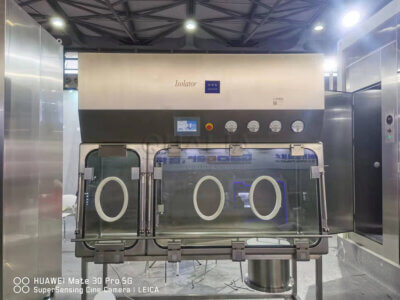
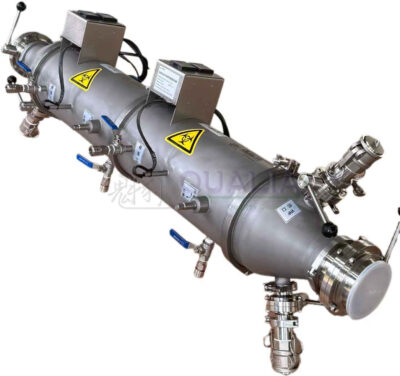
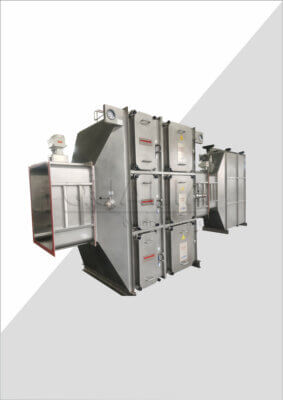
La produzione di vettori virali richiede un contenimento di livello 2 di biosicurezza, che ha un impatto sull'architettura fondamentale della struttura. I sistemi HVAC devono essere progettati con pressione negativa nelle suite di produzione e scarico con filtro HEPA per evitare il rilascio ambientale. Questa progettazione è un elemento critico che richiede tempi lunghi. La costruzione di una struttura conforme a partire dallo stato di "greenfield" può richiedere anni, per cui le soluzioni modulari per le camere bianche e la pianificazione dettagliata in anticipo con gli studi di ingegneria sono essenziali per evitare ritardi nelle tempistiche cliniche.
Standard di classificazione delle camere bianche
La classificazione delle camere bianche è strettamente dettata dall'attività svolta in ciascuna area. Queste classificazioni, definite da standard come ISO 14644-1: Camere bianche e ambienti controllati associati, Il numero di particelle ammissibili è regolato da un'apposita tabella. Il layout dell'impianto deve prevedere un flusso unidirezionale di personale e materiali, passando da gradi di pulizia inferiori a quelli superiori, per evitare la contaminazione del prodotto.
Zonizzazione e flusso operativo
La struttura è suddivisa in aree separate per USP, DSP e fill-finish per evitare la contaminazione incrociata. Le aree di supporto per la preparazione delle attrezzature e le utenze sono designate a gradi inferiori. La tabella seguente illustra le classificazioni tipiche di una struttura per vettori virali. Un errore comune è quello di sottovalutare i requisiti di spazio e di convalida per le aree ausiliarie, come la preparazione dei tamponi, che devono anch'esse soddisfare controlli rigorosi.
| Area / Attività | Grado di camera bianca richiesto | Equivalente ISO |
|---|---|---|
| Coltura cellulare, DSP iniziale | Grado C | ISO 7 |
| Anima asettica, riempimento-finitura | Grado A (cappe/isolatori) | ISO 5 |
| Contesto per il grado A | Grado B | ISO 5 |
| Aree di supporto | Grado D | ISO 8 |
| Fabbisogno complessivo della struttura | Livello di biosicurezza 2 (BSL-2) | Pressione negativa, scarico HEPA |
Fonte: ISO 14644-1: Camere bianche e ambienti controllati associati. Questo standard definisce i limiti di concentrazione delle particelle per ciascuna classe ISO (ad esempio, ISO 5, 7, 8), che corrispondono direttamente alle classificazioni di grado A, C e D utilizzate nella produzione farmaceutica GMP, compresa la produzione di vettori virali.
Acciaio inossidabile e monouso: Un'analisi del costo totale di proprietà
Valutazione dei costi iniziali e operativi
Il dibattito del settore è spesso incentrato sul capitale iniziale, dove le tecnologie monouso presentano un chiaro vantaggio, in quanto eliminano la necessità di costosi recipienti in acciaio inossidabile e di complessi sistemi di pulizia in loco. Ciò riduce l'investimento iniziale e accelera l'allestimento delle strutture. Tuttavia, una vera analisi deve estendersi ai costi dei materiali di consumo operativi, che si accumulano con ogni lotto. Per la produzione commerciale ad alto volume, il costo ricorrente delle sacche dei bioreattori monouso, dei tubi e dei filtri può diventare una parte significativa del costo dei prodotti.
Valutazione del rischio e della resilienza
Oltre ai costi diretti, la valutazione del rischio è fondamentale. I sistemi monouso riducono il rischio di contaminazione incrociata e minimizzano gli oneri di convalida della pulizia. Tuttavia, introducono una dipendenza critica dalla catena di fornitura dei polimeri. L'adozione diffusa di SUT ha creato una fragilità sistemica; una carenza di resine specifiche o un ritardo di produzione presso un fornitore chiave possono bloccare le operazioni per mesi. Questa vulnerabilità richiede una strategia di approvvigionamento proattiva, che trasformi la gestione della catena di approvvigionamento in una competenza operativa fondamentale.
Il quadro decisionale strategico
La decisione non è binaria, ma strategica. Un approccio ibrido è spesso ottimale: utilizzare il monouso per la flessibilità della produzione clinica e l'acciaio inossidabile per le linee di produzione commerciale dedicate e ad alto volume. Il seguente confronto TCO evidenzia i compromessi. I produttori devono modellare i loro specifici volumi di produzione e il ciclo di vita del prodotto per determinare il punto di pareggio.
| Fattore di costo | Tecnologia a uso singolo (SUT) | Acciaio inox |
|---|---|---|
| Capitale iniziale | Più basso | Alto |
| Rischio di contaminazione incrociata | Ridotto | Più alto |
| Convalida della pulizia | Minimo | Ampio |
| Costo operativo | Alto (materiali di consumo) | Più basso |
| Rischio della catena di approvvigionamento | Vulnerabilità critica | Minore dipendenza |
Nota: Il rischio SUT comprende la carenza di resina polimerica e i tempi di consegna prolungati.
Fonte: Documentazione tecnica e specifiche industriali.
Parametri critici di processo e requisiti dei test analitici
Controllo del processo produttivo
Una produzione robusta dipende dall'identificazione e dal controllo dei parametri di processo critici. Per la produzione di vettori virali in bioreattori, questi CPP includono tipicamente il pH, l'ossigeno disciolto, la temperatura e la velocità di agitazione. Il controllo preciso di questi parametri è essenziale per mantenere la salute delle cellule, ottimizzare la replicazione virale o il confezionamento dei vettori e garantire una qualità costante del prodotto. L'agitazione deve essere attentamente bilanciata per mantenere l'omogeneità senza generare forze di taglio che danneggino le cellule o le particelle virali.
Caratterizzazione completa del prodotto
Per il monitoraggio in corso di lavorazione e il rilascio del prodotto finale è necessaria una strategia analitica completa. Questa strategia impiega una serie di metodi ortogonali: la qPCR o la dPCR quantificano il titolo genomico, mentre l'ELISA misura il titolo totale del capside. I test di potenza basati sulle cellule determinano l'attività funzionale e le tecniche analitiche come l'HPLC o l'elettroforesi capillare valutano la purezza e identificano le impurità legate al prodotto. Stabilire precocemente metodi convalidati e adeguati alla fase è fondamentale per generare i dati necessari per la presentazione delle domande di autorizzazione.
Il disallineamento tra analisi e scala
Una sfida significativa è rappresentata dal fatto che l'analisi dei processi è spesso in ritardo rispetto alla messa in scala dei bioreattori. La rapida adozione di sistemi monouso su larga scala ha superato lo sviluppo di sensori integrati monouso. Ciò costringe i produttori a ricorrere a soluzioni alternative come l'inserimento asettico delle sonde, che introduce rischi di sterilità e potenziali errori di campionamento. Questo gap di sensori limita l'implementazione del controllo in tempo reale e della tecnologia analitica di processo avanzata, limitando l'ottimizzazione della resa su scala commerciale.
| Categoria | Parametro / Test | Metodo / Sfida |
|---|---|---|
| Parametro critico di processo (CPP) | pH, ossigeno disciolto (DO) | Controllo integrato del bioreattore |
| Parametro critico di processo (CPP) | Agitazione | Gestione della sensibilità al taglio |
| Test genomico Titer | Quantificazione del genoma del vettore | qPCR o dPCR |
| Test del titolo capsidico | Misura del capside totale | ELISA |
| Test di potenza | Attività funzionale | Saggi basati sulle cellule |
| Limitazione del processo | Monitoraggio in tempo reale | Lacuna dei sensori nei SUB su larga scala |
Fonte: Documentazione tecnica e specifiche industriali.
Come superare le sfide della scalabilità dalla ricerca e sviluppo alla scala commerciale
Il percorso di scale-up
La scalabilità dallo sviluppo di processi su piccola scala alla produzione commerciale è una sfida ingegneristica primaria. Comporta il passaggio da stoviglie aderenti o piccoli bioreattori monouso (ad esempio, 1-50L) a bioreattori a letto fisso o in sospensione su larga scala che possono raggiungere i 2.000 litri. Non si tratta di una semplice moltiplicazione lineare. Fattori come il tempo di miscelazione, la velocità di trasferimento dell'ossigeno e il controllo del gradiente di pH cambiano in modo non lineare con la scala, richiedendo un'attenta caratterizzazione del processo.
Strumenti per ridurre il rischio di scale-up
I modelli in scala ridotta sono strumenti essenziali per ridurre i rischi di questa transizione. Questi sistemi in miniatura imitano le condizioni del bioreattore su larga scala e vengono utilizzati con metodologie di progettazione di esperimenti per identificare i CPP e i loro intervalli accettabili prima del trasferimento tecnologico. L'obiettivo è quello di sviluppare un processo robusto e indulgente alle piccole variazioni legate alla scala, garantendo il mantenimento degli attributi qualitativi critici del prodotto.
L'imperativo del partnering strategico
Per molte organizzazioni, soprattutto per le biotecnologie emergenti, le spese di capitale e le competenze specialistiche necessarie per lo scale-up sono proibitive. La collaborazione con un'organizzazione di sviluppo e produzione a contratto è un meccanismo strategico di de-risking. Una CDMO fornisce competenze essenziali di ingegneria di processo, strutture pre-validate ed esperienza normativa. Questa partnership può accelerare le tempistiche e convalidare la fattibilità del programma, consentendo alla biotech di concentrarsi sullo sviluppo clinico.
| Fase di sviluppo | Scala tipica | Sfida chiave / Strategia |
|---|---|---|
| R&S/Sviluppo di processo | Piccoli SUB, posate | Stabilire i CPP tramite il DoE |
| Pilota / Trasferimento tecnologico | Modelli a scala ridotta | Integrazione perfetta tra USP e DSP |
| Produzione commerciale | Bioreattori fino a 2.000L | Gestione della sensibilità al taglio |
| De-risking strategico | Tutte le scale | Collaborazione con un CDMO |
Fonte: Documentazione tecnica e specifiche industriali.
Implementazione di un impianto di produzione di vettori virali conforme alle cGMP
Integrare sistemi e qualità
L'implementazione di una struttura cGMP richiede un approccio olistico che integri attrezzature, servizi e sistemi di qualità rigorosi fin dalle fondamenta. Il layout della struttura deve imporre una rigorosa segregazione del personale e dei flussi di materiali tra le diverse aree funzionali: banca delle cellule, lavorazione a monte, lavorazione a valle e controllo qualità. Tutte le utenze - acqua per iniezione, vapore pulito e gas di processo - devono essere progettate, installate e qualificate per soddisfare gli standard farmacologici. È obbligatorio uno stoccaggio affidabile nella catena del freddo, spesso a -80°C per i vettori virali.
La realtà normativa e temporale
Tutte le apparecchiature e i processi devono essere progettati, qualificati e gestiti secondo le linee guida cGMP di agenzie come la FDA e l'EMA. Ciò comprende la qualificazione dell'installazione, la qualificazione operativa e la qualificazione delle prestazioni. Le lunghe tempistiche per la costruzione o l'adeguamento delle strutture, spesso di 24-36 mesi, sottolineano il valore delle partnership strategiche e degli approcci modulari. Inoltre, le flessibilità normative dell'era pandemica, come la revisione dei processi paralleli, dovrebbero essere integrate negli standard futuri.
Coinvolgere tempestivamente le autorità di regolamentazione
Una best practice fondamentale è quella di coinvolgere precocemente gli enti regolatori attraverso riunioni pre-IND o di consulenza scientifica. Ciò consente alle aziende di progettare piani di chimica, produzione e controllo adeguati alla fase, che sfruttino percorsi semplificati. L'impegno proattivo garantisce che la progettazione dell'impianto e la strategia di controllo siano in linea con le aspettative normative fin dall'inizio, evitando costose riprogettazioni o ritardi durante le revisioni successive. La selezione delle materie prime, regolata da linee guida quali USP <1043> Materiali ausiliari per prodotti di ingegneria cellulare, genetica e tissutale, è un argomento chiave per queste discussioni.
Selezione delle apparecchiature: Un quadro decisionale per la vostra applicazione
Allineamento con gli obiettivi strategici
La selezione delle apparecchiature richiede un quadro decisionale che bilanci le esigenze tecniche immediate con gli obiettivi strategici a lungo termine. Il primo passo consiste nell'allineare fermamente la scelta della piattaforma agli obiettivi commerciali. Un prodotto destinato a un'ampia popolazione di pazienti con dosaggio cronico richiede un processo di sospensione altamente scalabile e conveniente. Una terapia di nicchia per una malattia ultra-rara potrebbe essere redditizia con un sistema aderente più flessibile e a basso costo.
Valutazione della tecnologia e dell'integrazione
Valutate poi la scelta tra monouso e acciaio inossidabile sulla base di un'analisi approfondita del TCO che includa la resilienza della catena di fornitura. Assicuratevi che l'apparecchiatura scelta supporti il vostro metodo di produzione specifico, che si tratti di trasfezione transitoria, infezione da baculovirus o linee cellulari di produttori stabili. È fondamentale valutare come le scelte a monte si integrino con le esigenze a valle; un processo ad alta concentrazione che genera impurità difficili da eliminare non è ottimale.
Sfruttare l'innovazione e la competenza
Considerate la crescente tendenza verso soluzioni integrate e automatizzate “factory-in-a-box” che combinano la lavorazione a monte e a metà strada per ridurre l'ingombro e la gestione manuale. Infine, bisogna riconoscere che i CDMO competono sempre di più sulla base di una profonda specializzazione verticale. Quando si sceglie un partner, bisogna dare la priorità a quelli che hanno una competenza mirata nel tipo di vettore e nella piattaforma specifici, e non solo una capacità generale. Per le organizzazioni che stanno costruendo una capacità interna, la collaborazione con un'azienda che fornisca un servizio integrato di piattaforme di produzione di vettori virali possono snellire il trasferimento tecnologico e accelerare lo sviluppo.
La decisione fondamentale tra sistemi aderenti e sistemi in sospensione determina la tabella di marcia del capitale e il tetto di scalabilità. Un'analisi rigorosa del TCO dei sistemi monouso deve tenere conto della fragilità della catena di approvvigionamento, non solo del costo unitario. La vera robustezza del processo si costruisce attraverso lo sviluppo integrato, in cui le scelte a monte vengono convalidate rispetto alle sfide di purificazione a valle.
Avete bisogno di una guida professionale per orientarvi in queste decisioni complesse per il vostro programma di terapia genica? Gli esperti di QUALIA è specializzata nella progettazione e nell'implementazione di strategie di produzione scalabili e pronte per le cGMP, adatte alle applicazioni dei vettori virali. Contattate il nostro team per discutere i vostri requisiti specifici di piattaforma e scalabilità.
Domande frequenti
D: Come si decide tra i sistemi di coltura cellulare aderente e in sospensione per la produzione di vettori virali?
R: La scelta tra sistemi aderenti e in sospensione determina l'intero percorso di produzione e la redditività commerciale a lungo termine. Le piattaforme aderenti, come i bioreattori a letto fisso, sono adatte ad alcuni tipi di cellule, ma complicano la scalabilità. I sistemi a sospensione che utilizzano bioreattori a vasca agitata offrono una scalabilità e un controllo del processo superiori per la produzione di volumi elevati. Ciò significa che le strutture che mirano a terapie geniche commerciali dovrebbero dare la priorità allo sviluppo di linee cellulari adattate alla sospensione, in quanto ciò è in linea con l'impulso del settore per una produzione coerente ed economica.
D: Quali sono le classificazioni delle camere bianche e i livelli di biosicurezza richiesti per un impianto di vettori virali?
R: La produzione di vettori virali richiede un ambiente di contenimento BSL-2 con camere bianche classificate per attività specifica. La coltura cellulare e le fasi iniziali a valle avvengono in uno spazio di Grado C (ISO 7), mentre il riempimento asettico richiede una zona di Grado A (ISO 5) all'interno di un contesto di Grado B. Le aree di supporto sono di grado D (ISO 8). Questo design, regolato da standard come ISO 14644-1, Il flusso unidirezionale e le suite segregate sono indispensabili. Per i progetti in cui le tempistiche cliniche sono critiche, è necessario prevedere tempi di realizzazione molto lunghi e prendere in considerazione soluzioni di camera bianca modulare per accelerare la preparazione della struttura.
D: Qual è l'analisi del costo totale di proprietà delle apparecchiature monouso rispetto a quelle in acciaio inossidabile?
R: Una vera analisi del costo totale di proprietà deve andare oltre il capitale iniziale per includere i costi operativi dei materiali di consumo e, cosa fondamentale, il rischio della catena di approvvigionamento. Se da un lato le tecnologie monouso riducono la convalida della pulizia e la contaminazione incrociata, dall'altro creano una dipendenza dalle resine polimeriche, con conseguente carenza di materiale. Ciò significa che le operazioni che si affidano ai sistemi monouso devono implementare l'approvvigionamento da più fornitori e le scorte tampone, trasformando l'approvvigionamento in una competenza strategica fondamentale per ridurre i ritardi dei programmi.
D: Come si gestisce il divario nell'analisi di processo quando si scala in bioreattori monouso?
R: La scalabilità dei sistemi monouso spesso supera lo sviluppo di sensori integrati monouso, creando un significativo gap analitico. Questo costringe a ricorrere a soluzioni come l'inserimento asettico delle sonde, che introduce rischi di sterilità e limita il controllo del processo in tempo reale. Se la vostra attività richiede una tecnologia analitica di processo avanzata per l'ottimizzazione dei rendimenti, pianificate questa limitazione e investite in modelli a scala ridotta per definire i parametri critici prima del trasferimento tecnologico alle apparecchiature su scala commerciale.
D: Qual è l'approccio strategico per affrontare le sfide della scalabilità dalla R&S alla produzione commerciale?
R: Una strategia primaria consiste nell'utilizzare modelli di scale-down e Design of Experiments per identificare i parametri critici del processo prima del trasferimento della tecnologia a bioreattori su larga scala. Per molte organizzazioni, la collaborazione con un'organizzazione specializzata in sviluppo e produzione a contratto (CDMO) è un meccanismo chiave di de-risking. Ciò significa che le biotecnologie emergenti dovrebbero selezionare i partner CDMO in base alla competenza della piattaforma e all'esperienza specifica del vettore, e non solo alla capacità generale, per accedere all'ingegneria di processo e al supporto normativo essenziali.
D: Quali sono gli standard più critici per l'implementazione di un impianto di vettori virali conforme alle cGMP?
R: L'implementazione richiede il rispetto di una gerarchia di standard. La progettazione e il monitoraggio della camera bianca seguono ISO 14644-1, mentre le operazioni di lavorazione asettica sono in linea con ISO 13408-1. La fabbricazione delle apparecchiature deve soddisfare i criteri di progettazione igienica previsti dallo standard ASME BPE. Questo approccio integrato significa che il progetto della struttura deve imporre fin dall'inizio una rigorosa segregazione del personale e del flusso di materiali, con tutte le apparecchiature qualificate secondo le cGMP da agenzie come la FDA.
D: Come dobbiamo selezionare e controllare le materie prime, come i terreni di coltura cellulare, per i processi di produzione dei vettori virali?
R: La selezione e la qualificazione dei materiali ausiliari richiedono un approccio alla gestione della qualità basato sul rischio. Linee guida come USP <1043> Materiali ausiliari forniscono un quadro di riferimento per la valutazione di materie prime come i terreni di coltura e i reagenti per la trasfezione. Ciò significa che il vostro sistema di qualità deve valutare e controllare rigorosamente questi materiali, poiché la loro variabilità ha un impatto diretto sui titoli di produzione a monte e sulle sfide di purificazione a valle.
Contenuti correlati:
- Produzione di vettori virali: Protocolli di laboratorio BSL-3
- Guida completa alle attrezzature per la produzione di vaccini per le strutture farmaceutiche e biotecnologiche: edizione 2025 per la conformità alle GMP
- Ricerca BSL-4: Novità sulla febbre emorragica virale
- Sistemi di decontaminazione degli effluenti per la ricerca virale: Misure di sicurezza critiche
- cRABS per la terapia cellulare: Progressi nel trattamento sterile
- Rivoluzionare il trattamento delle acque reflue con i bioreattori a membrana
- Quando passare a un cRABS? 5 indicatori chiave
- Ottimizzazione dei processi biotecnologici con la filtrazione in situ
- Caso di studio: 30% Aumento della resa con la filtrazione in situ