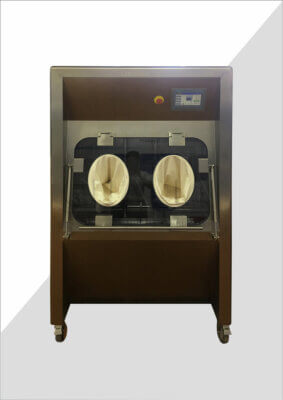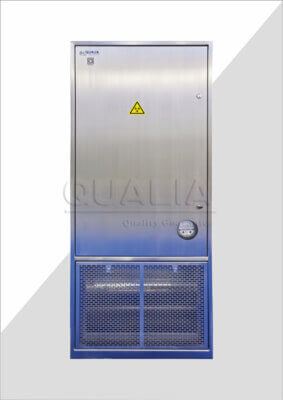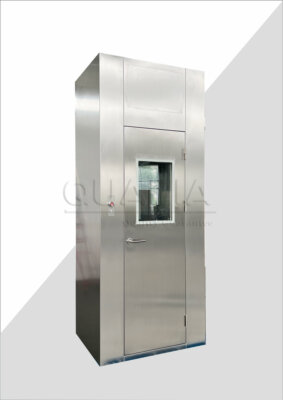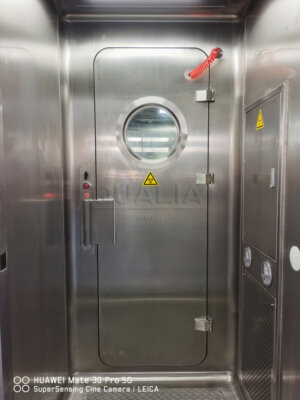
Gli impianti che hanno testato accuratamente le sequenze di ingresso spesso giungono alla messa in servizio con una logica di uscita che non è mai stata sottoposta a test di stress completi in condizioni realistiche di interruzione. La conseguenza viene scoperta durante le esercitazioni o in caso di guasti alle apparecchiature, piuttosto che durante la qualificazione: le porte interbloccate che funzionano correttamente in una sequenza pianificata possono lasciare il personale bloccato tra le camere di compensazione quando un ciclo viene interrotto a metà sequenza, senza un percorso di ripristino documentato né una procedura che corrisponda al comportamento effettivo dei controlli. La decisione che determina se questa lacuna venga alla luce prima o dopo l’inizio delle operazioni consiste nel verificare se i criteri di accettazione al momento del passaggio di consegne richiedano esplicitamente la prova di una sequenza di uscita approvata, e non solo di una sequenza di ingresso approvata. I lettori che si occupano della messa in servizio o dell’approvvigionamento di strutture BSL-4 saranno in una posizione migliore per definire cosa debba includere tale prova della sequenza di uscita e dove si verifichino tipicamente le lacune di verifica più rilevanti.
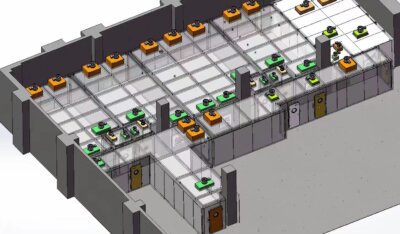
Percorso di evacuazione del personale attraverso gli spogliatoi e le docce
La tuta a pressione positiva con alimentazione d’aria per tutto il corpo che il personale BSL-4 indossa all’interno della struttura è la condizione fisica che rende la progettazione del percorso di uscita un problema ingegneristico e procedurale a sé stante. La tuta non può essere semplicemente rimossa all’ingresso: deve essere sfilata seguendo una sequenza controllata attraverso spazi che sono essi stessi parte del perimetro di contenimento. Tale sequenza trasforma il percorso di uscita in una serie di stati collegati, in cui ogni transizione dipende dal soddisfacimento delle condizioni nello spazio precedente.
Ciò che rende questo aspetto rilevante per i criteri di accettazione è che la procedura di rimozione della tuta è specifica per ogni struttura. Non esiste un unico protocollo fisso applicabile a tutte le installazioni BSL-4. Le fasi dipendono dal design della tuta, dalla disposizione della sala tuta rispetto allo spazio doccia e dagli stati degli interblocchi che regolano quali porte possono aprirsi durante quali fasi. Se tali fasi non vengono definite e testate prima dell’applicazione dei criteri di accettazione, ciò che viene approvato è una procedura che non è mai stata verificata rispetto al comportamento effettivo dei controlli. La prima volta che una sequenza di uscita viene eseguita in condizioni di pressione realistiche — durante un'esercitazione a tempo, un evento medico o un guasto alle apparecchiature — non è il momento più opportuno per scoprire che la procedura scritta e la logica di controllo non coincidono.
La conseguenza per i team incaricati di definire l'ambito dei test di accettazione è che il percorso di uscita attraverso gli spogliatoi e le docce deve essere considerato come un oggetto di test distinto, non come un'immagine speculare della sequenza di ingresso. L'ingresso e l'uscita condividono le stesse infrastrutture, ma le modalità di errore sono diverse. Gli errori di ingresso tendono a essere individuati tempestivamente poiché la struttura non è ancora occupata. Gli errori di uscita tendono invece a manifestarsi in condizioni più difficili da controllare.
Logica delle porte durante i cicli normali e quelli interrotti
Le porte interbloccate costituiscono il principale meccanismo fisico che impedisce l’apertura simultanea delle barriere delle camere di compensazione durante il movimento del personale. In una struttura BSL-4, tale interblocco deve rimanere attivo non solo durante una sequenza di uscita pulita e pianificata, ma anche in qualsiasi situazione di interruzione: attivazione di un allarme, sbalzo di tensione, perdita di comunicazione o guasto del sistema durante la sequenza. È proprio in questa seconda condizione che la maggior parte dei test sulla logica delle porte risulta carente.
Il profilo di rischio è specifico: una sequenza pianificata di rimozione della tuta, testata dall’inizio alla fine in condizioni normali, può comunque causare un conflitto tra le porte se la sequenza viene interrotta a metà. Se la logica di controllo dell’interblocco passa per impostazione predefinita a uno stato che consente l’apertura simultanea in determinate condizioni di guasto — o se le procedure di recupero del personale indicano al personale di bypassare una porta senza tenere conto di ciò che sta facendo l’altra porta della camera di equilibrio — l’ipotesi di contenimento insita nella progettazione dell’interblocco viene meno. L’interblocco non fallisce in astratto; fallisce nella transizione tra le zone della camera di compensazione, che è proprio il punto in cui una persona con una tuta parzialmente rimossa è maggiormente esposta.
Due scenari presentano il profilo di rischio più evidente per i test sulla logica delle porte:
| Scenario di uscita | Comportamento richiesto dell'interblocco | Rischi in caso di mancato rispetto |
|---|---|---|
| Uscita in sequenza normale | Il sistema di interblocco deve impedire l'apertura simultanea di qualsiasi porta della camera di compensazione durante la sequenza di rimozione prevista | Violazione del contenimento attraverso percorsi con porte aperte |
| Ciclo interrotto (allarme, interruzione di corrente) | Il sistema di interblocco deve continuare a impedire l'apertura simultanea delle porte anche quando la sequenza normale viene interrotta | Conflitti relativi alle porte, decontaminazione incompleta e spostamenti del personale non sicuri |
La sequenza del ciclo interrotto è quella più spesso trascurata in fase di progettazione. I team che considerano un ciclo interrotto come un caso limite piuttosto che come uno stato di guasto verificabile scopriranno solo al momento della messa in servizio — o anche più tardi — che la loro procedura di ripristino richiede al personale di prendere una decisione relativa alle porte che la logica di controllo non è stata progettata per supportare. Le linee guida CDC BMBL sulla progettazione delle camere di compensazione e dei sistemi di interblocco per i laboratori di sicurezza biologica di livello 4 (BSL-4) considerano le configurazioni con camere di compensazione multiple dotate di controlli di interblocco come un requisito fondamentale di contenimento, non come un miglioramento facoltativo. Lo scopo dei test sui cicli interrotti non è quello di simulare eventi improbabili, ma di confermare che il sistema di interblocco continui a svolgere la propria funzione nelle condizioni più verosimili che accompagnano un’emergenza reale.
Ipotesi di decontaminazione prima del rilascio
La doccia chimica è il meccanismo standard utilizzato per la decontaminazione della superficie della tuta durante l’uscita del personale da un laboratorio BSL-4. Il criterio di accettazione per il rilascio del personale dipende da ciò che si presume che tale doccia sia in grado di garantire — e tali presupposti vengono raramente verificati con lo stesso rigore con cui viene testata la struttura stessa della doccia.
Due aspetti relativi all'implementazione determinano se la doccia riesca a soddisfare i presupposti della procedura:
| Ipotesi | Cosa verificare | Rischio in caso di mancata verifica |
|---|---|---|
| Durata della doccia | Che il tempo di contatto richiesto sia sufficiente per ottenere una decontaminazione completa | Riduzione incompleta degli agenti patogeni sulle superfici delle tute |
| Copertura dello spruzzo | Che il getto d'acqua raggiunga tutte le superfici del costume, comprese le cuciture e le pieghe | Contaminazione residua sulle aree non esposte |
La durata della doccia e la copertura dello spruzzo sono verificabili. Ciò che spesso non viene verificato è la relazione tra tali parametri e l’effettiva geometria della tuta nelle condizioni di rimozione. Una tuta indossata nella postura richiesta dalla procedura di rimozione può presentare pieghe superficiali, intersezioni di cuciture o aree incavate che differiscono dalla geometria ipotizzata durante la qualificazione della copertura dello spruzzo. Se la copertura è stata verificata con la tuta in posizione neutra o estesa, la verifica potrebbe non riflettere il modello di esposizione durante l’uso effettivo.
La conseguenza pratica è che un ciclo di doccia approvato potrebbe basarsi su un presupposto non verificato: ovvero che il modello di spruzzo confermato durante la qualificazione si adatti adeguatamente alla tuta indossata al momento dell’uscita. Per le strutture che utilizzano un doccia chimica In quanto fase primaria di decontaminazione, la disposizione degli ugelli di spruzzatura, la durata del ciclo e la verifica che la concentrazione della sostanza chimica rimanga efficace per l’intera durata del ciclo sono tutte variabili che dovrebbero essere convalidate in base alle condizioni specifiche della struttura, anziché essere considerate trasferibili da un’installazione precedente. Il Manuale di biosicurezza dei laboratori dell’OMS fornisce le basi di riferimento procedurali per la pratica di convalida della decontaminazione, ma le soglie specifiche devono essere stabilite in base all’agente, alla tuta e alla configurazione della doccia di ciascuna struttura.
Risposta all'allarme in caso di condizioni di malfunzionamento delle vie di fuga
Un ciclo di uscita interrotto non si risolve da sé. Quando la sequenza si interrompe — a causa di un allarme, di un guasto del sistema o di una situazione che coinvolge il personale — qualcuno al di fuori della zona di contenimento deve essere in grado di coordinarsi con la persona all’interno, comprendere in che stato si trovano i comandi ed eseguire una procedura di ripristino che non introduca un nuovo rischio di contenimento. L’assenza di un’infrastruttura di comunicazione affidabile trasforma un ciclo interrotto in una decisione improvvisata, presa sotto pressione e all’interno di una zona contaminata.
Il criterio di progettazione in questo caso non è la tecnologia di comunicazione intesa come elemento di conformità a sé stante, bensì l’integrazione della capacità di comunicazione con la logica di controllo delle uscite. Se scatta un allarme e blocca una porta nell’area di decontaminazione, la persona all’interno deve sapere se tale stato di blocco è recuperabile tramite la procedura normale o se richiede un intervento manuale che verrà eseguito da qualcuno che non può vedere lo stato attuale dell’interblocco della porta. Se la persona all’esterno non può confermare lo stato dell’interblocco in tempo reale, la decisione sul recupero si basa su supposizioni. Tali supposizioni comportano un rischio di contenimento, non solo un inconveniente operativo.
Una comunicazione bidirezionale sicura tra l’area delle tute e l’area di controllo o di supporto della struttura è un criterio di progettazione che favorisce il coordinamento degli allarmi durante le uscite interrotte — non una semplice misura di sicurezza “decorativa”. La sua assenza non comporta necessariamente un danno in ogni caso, ma elimina in modo affidabile le condizioni procedurali che rendono possibile un recupero coordinato e a basso rischio. I test dovrebbero includere simulazioni di interruzioni della comunicazione durante i cicli di uscita interrotti, per confermare che la procedura di recupero rimanga eseguibile anche in condizioni di funzionamento ridotto.
Limiti di sicurezza degli utenti durante i test in condizioni realistiche
L’attrito insito nei test sulle sequenze di uscita è di natura strutturale: le condizioni di prova sufficientemente rigorose da far emergere reali stati di malfunzionamento sono le stesse che comportano il massimo rischio per il personale durante i test. Eseguire un test abbreviato che eviti interruzioni a metà sequenza non consentirà di individuare eventuali conflitti tra le porte. Eseguire un test a ciclo interrotto completamente realistico all’interno di uno spazio che non può essere sgomberato rapidamente comporta di per sé un rischio di esposizione qualora l’interruzione generi uno stato incontrollato.
Non esiste una soglia di sicurezza formalmente codificata che risolva questo compromesso in modo universale. I limiti giustificabili per l’esposizione del personale addetto ai test durante prove di uscita realistiche vengono stabiliti attraverso il giudizio ingegneristico, la progettazione delle procedure e le condizioni specifiche della struttura — non attraverso un unico standard di riferimento. In pratica, ciò significa che il piano di prova deve definire in anticipo le condizioni limite in base alle quali una prova verrà messa in pausa o interrotta, cosa costituisce uno stato intermedio inaccettabile e chi detiene l’autorità per prendere tale decisione in tempo reale.
L’errore da evitare consiste nel definire gli scenari di test in risposta a tale rischio eliminando le condizioni più rilevanti. Un test di uscita che esegua solo sequenze “pulite” fornirà prove del fatto che la procedura pianificata funziona nelle condizioni previste. Non fornirà invece prove della sicurezza dei controlli quando le condizioni si discostano da quelle previste — che è esattamente la prova richiesta per l’accettazione del passaggio di consegne. Il compromesso non è tra sicurezza e rigore; è tra il rischio noto e gestibile di un test ben progettato con criteri di interruzione predefiniti e il rischio sconosciuto e incontrollato di scoprire uno stato di errore di uscita durante un incidente reale. Per i team che devono affrontare questa decisione, è importante valutare come Sequenze di messa in servizio BSL-4 sono strutturate dal punto di vista della prontezza operativa possono aiutare a definire la posizione dei test di uscita rispetto alle altre tappe fondamentali del processo di qualificazione e a stabilire l’ordine delle attività di test per gestire il rischio di esposizione.
Soglia di passaggio per la sequenza di uscita approvata
Il passaggio alle operazioni in ambiente BSL-4 non deve avvenire senza prove documentate che la sequenza di uscita sia stata testata e approvata — e non deve basarsi semplicemente sull’approvazione della sequenza di ingresso. I registri di ingresso e di uscita che riportano le condizioni in cui ciascuna sequenza è stata testata, gli stati degli interblocchi osservati, i parametri del ciclo di doccia verificati e le risposte agli allarmi dimostrate costituiscono la base probatoria su cui si fonda l’approvazione della sequenza di uscita. Senza tale documentazione, la struttura opera sulla base di un presupposto procedurale secondo cui i controlli supportano la procedura di uscita scritta. Tale presupposto potrebbe non reggere nelle condizioni che contano realmente.
La questione fondamentale non è se esista o meno una sequenza di uscita in forma scritta, bensì se tale sequenza scritta sia stata verificata rispetto al comportamento effettivo dei sistemi di controllo in condizioni realistiche, compresi i cicli interrotti. Le linee guida del CDC BMBL sui requisiti delle strutture BSL-4 stabiliscono i parametri operativi e progettuali di riferimento rispetto ai quali tali sequenze devono essere validate, ma le prove di verifica devono essere generate e documentate struttura per struttura. Un’installazione precedente che utilizzasse apparecchiature simili e una procedura di rimozione degli indumenti protettivi analoga costituisce un contesto utile, ma non sostituisce la validazione specifica per ogni sito.
La conseguenza a valle del considerare la documentazione relativa alla sequenza di uscita come una formalità di audit piuttosto che come una soglia decisionale è che la prima volta che la logica di uscita viene testata in condizioni di pressione realistiche, viene testata dal personale in un ambiente di contenimento operativo senza un percorso di ripristino predefinito. I team che richiedono la prova approvata della sequenza di uscita come condizione formale per il passaggio di consegne fanno sì che tale problema emerga durante la messa in servizio, dove può essere risolto senza conseguenze operative. Tale requisito non è un onere procedurale: è il meccanismo che trasforma una sequenza di uscita ipotetica in una sequenza verificata.
L’implicazione più evidente della convalida della sequenza di uscita non è la complessità tecnica, bensì l’ambito di applicazione. La logica di uscita è spesso sottovalutata rispetto a quella di ingresso, e tale discrepanza non diventa visibile fino alle prove di messa in servizio o, peggio ancora, fino a quando non si verifica un evento di interruzione in condizioni operative. Prima del passaggio di consegne operative, le domande che dovrebbero avere risposte documentate includono: quali stati di interblocco si verificano quando un ciclo di uscita viene interrotto in ciascun punto intermedio; cosa richiede la procedura di ripristino al personale all’interno e all’esterno del perimetro di contenimento; e se i parametri del ciclo di doccia sono stati verificati in base alla geometria della tuta e alle condizioni posturali che si verificano effettivamente durante la rimozione della tuta.
Per i team che definiscono i criteri di accettazione o preparano i piani di collaudo, il passo pratico successivo consiste nel verificare che il piano di collaudo della sequenza di uscita preveda i cicli interrotti come scenari di test specifici, e non come situazioni impreviste da gestire secondo procedure prestabilite. Se il piano di collaudo convalida solo sequenze regolari, le prove di accettazione che ne derivano non sosterranno una decisione di consegna giustificabile.
Domande frequenti
D: Questo quadro di accettazione delle uscite si applica se la struttura utilizza una nebulizzazione o una doccia d'acqua anziché una doccia chimica come fase primaria di decontaminazione?
A: Il quadro di accettazione si applica indipendentemente dal tipo di doccia, ma i parametri specifici di verifica variano in modo significativo. A doccia a nebbia o doccia d'acqua prevede ipotesi diverse in merito alla copertura dello spruzzo, ai requisiti relativi al tempo di contatto e alle considerazioni sull’efficacia specifiche per ciascun agente rispetto a una doccia chimica. L’obbligo fondamentale — verificare che i parametri del ciclo della doccia siano stati convalidati in base alla geometria effettiva della tuta e alle condizioni posturali durante la rimozione — vale per tutti e tre i tipi. Ciò che cambia è il meccanismo di decontaminazione oggetto di verifica, non l’obbligo stesso di verificarlo.
D: Se un impianto BSL-4 simile situato in un altro sito dispone già di una sequenza di evacuazione approvata che utilizza le stesse attrezzature, tale documentazione può sostituire i test specifici per il sito?
R: No. Un’installazione precedente fornisce un contesto utile per la progettazione, ma non può sostituire la verifica specifica in loco. Il comportamento dell'interblocco delle porte, la copertura del getto della doccia e i percorsi di ripristino dell'allarme dipendono tutti dalla disposizione della struttura, dalla configurazione del sistema di controllo e dalla procedura specifica di rimozione definita per quel sito. Una sequenza il cui funzionamento è stato verificato nelle condizioni di una determinata installazione non presenta alcuna relazione verificata con la logica di controllo, la geometria fisica o la progettazione procedurale di una struttura diversa. L'accettazione al momento del collaudo richiede prove generate nelle condizioni che regoleranno le operazioni effettive in quel sito.
D: In quale fase della sequenza di messa in servizio dovrebbero essere effettuati i test di uscita a ciclo interrotto rispetto alle altre tappe fondamentali della qualificazione?
R: Le prove di uscita a ciclo interrotto dovrebbero essere effettuate dopo il completamento delle qualifiche dei singoli sistemi — verifica dei parametri del ciclo di lavaggio, conferma del comportamento dell’interblocco delle porte in sequenze pulite — ma prima dell’accettazione finale e del passaggio di consegne operative. Eseguire prove a ciclo interrotto prima che la verifica a livello di sottosistema sia completa comporta il rischio di aggravare i guasti in uno scenario che già comporta rischi per il personale. Eseguirli dopo il passaggio di consegne significa che il primo test di stress realistico si verifica in un ambiente di contenimento operativo. Il momento più opportuno è durante la qualificazione integrata dell’impianto, quando i sistemi possono essere testati in combinazione e i criteri di interruzione possono essere applicati senza conseguenze operative.
D: Cosa succede alla decisione di passaggio di consegne se il team di collaudo non è in grado di eseguire in sicurezza un’interruzione a metà sequenza senza un rischio di esposizione inaccettabile?
R: La decisione relativa al passaggio di consegne non dovrebbe basarsi esclusivamente sulle prove relative alle sequenze complete. Se un’interruzione a metà sequenza non può essere testata in sicurezza nelle condizioni effettive, tale vincolo costituisce di per sé un problema che deve essere risolto: modificando l’approccio di prova per raggiungere in sicurezza le condizioni necessarie, rivedendo la progettazione fisica o procedurale per rendere lo stato interrotto recuperabile e testabile, oppure documentando una specifica decisione di accettazione del rischio da parte dell’autorità responsabile. Considerare per default accettabili gli stati finali non verificabili significa trasformare una questione di sicurezza irrisolta in un presupposto operativo, che è proprio la lacuna che una soglia di consegna è progettata per prevenire.
D: Esiste una differenza significativa nel rischio di contaminazione in uscita tra una struttura BSL-4 che utilizza una configurazione a linea di cabine e una che utilizza una configurazione a laboratorio con tute protettive?
R: Sì, e ciò ha implicazioni sull’ambito di applicazione. Le configurazioni delle linee di armadi non richiedono tute a pressione positiva a corpo intero, pertanto la sequenza di rimozione, la logica della sala tute e le ipotesi di decontaminazione relative alla geometria della tuta descritte in questo quadro di riferimento non si applicano nella stessa forma. I criteri di accettazione all’uscita per un laboratorio dedicato alle tute sono più rigorosi poiché il personale si trova fisicamente all’interno del perimetro di contenimento indossando attrezzature che devono a loro volta essere decontaminate prima della rimozione. Le uscite dalla linea di cabine presentano un profilo di rischio diverso, incentrato sull’integrità dei guanti e sul contenimento dell’aria di scarico delle cabine piuttosto che sulla decontaminazione della superficie della tuta e sulla sequenza di interblocco durante la rimozione. I team che applicano questo quadro di riferimento dovrebbero verificare quale configurazione sia in vigore nella propria struttura prima di definire l’ambito del piano di test di uscita.