
La scelta della cabina di biosicurezza corretta è una decisione fondamentale per il capitale e la sicurezza di qualsiasi laboratorio. La scelta tra un sistema di Classe II e uno di Classe III dipende da una precisa comprensione delle prestazioni del flusso d'aria e delle capacità di contenimento, non solo dalla classificazione del livello di biosicurezza (BSL). Un'applicazione errata può portare a guasti catastrofici alla sicurezza, a sprechi di capitale e a operazioni non conformi.
La distinzione tra contenimento aerodinamico e fisico è fondamentale. Poiché i laboratori trattano agenti sempre più complessi, compresi i composti volatili e gli agenti patogeni ad alto rischio, le specifiche tecniche relative a CFM, velocità frontale e dipendenza dallo scarico diventano i principali fattori di selezione. Un confronto guidato dai dati di questi parametri è essenziale per allineare le apparecchiature ai profili di rischio specifici e ai flussi di lavoro operativi.
Progettazione del flusso d'aria fondamentale: BSC di Classe II vs. Classe III
La barriera aerodinamica di Classe II
Gli armadi di Classe II sono sistemi a barriera parziale con il fronte aperto. Il loro contenimento si basa su un preciso equilibrio di tre flussi d'aria: l'aria aspirata verso l'interno attraverso l'apertura frontale protegge l'utente, il flusso laminare verso il basso filtrato HEPA protegge il prodotto e lo scarico filtrato HEPA protegge l'ambiente. Questo design crea una cortina aerodinamica, che rende l'armadio adatto a un'ampia gamma di lavori BSL-1, 2 e 3. L'aspetto critico è che questo equilibrio è vulnerabile alle interruzioni dovute a correnti d'aria, movimenti rapidi o posizionamento improprio.
La barriera fisica di Classe III
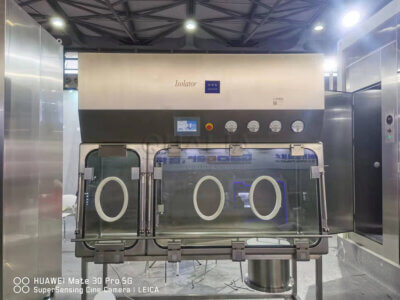
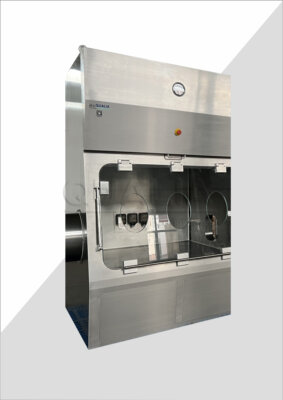
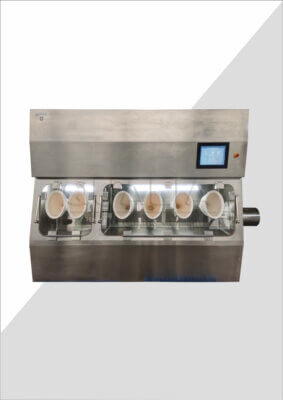
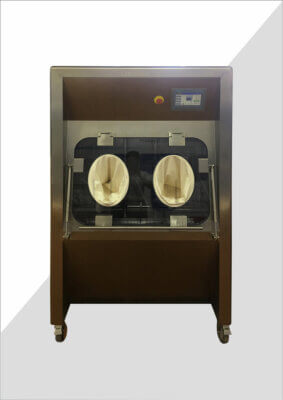
Le cabine di Classe III, invece, sono contenitori per guanti totalmente chiusi, a tenuta di gas. Eliminano completamente la parte anteriore aperta, sostituendo la barriera aerodinamica con una barriera fisica completa di acciaio saldato e vetro di sicurezza. Tutta l'aria che entra nella camera è filtrata HEPA e tutti gli scarichi passano attraverso doppi filtri HEPA in serie. L'interno è mantenuto in pressione negativa costante (≥0,5″ w.g.), garantendo che qualsiasi perdita attiri l'aria verso l'interno e non verso l'esterno. Questa differenza fondamentale ne impone l'applicazione per i lavori a più alto rischio.
Il design determina l'applicazione
Il design del flusso d'aria determina direttamente il campo di applicazione. Gli armadi di classe II offrono flessibilità operativa per le attività microbiologiche di routine. I sistemi di Classe III sono riservati agli agenti BSL-3 e BSL-4 ad alto rischio, dove il contenimento assoluto non è negoziabile. Gli esperti del settore sottolineano che il il rapporto di ricircolo definisce la flessibilità operativa e il profilo di rischio all'interno dei tipi di Classe II, un fattore assente nell'ambiente sigillato di Classe III.
Confronto dei costi: Investimento di capitale e spese operative
Capire le spese in conto capitale
Il prezzo di acquisto è solo il punto di partenza. Una cabina di Classe II Tipo A2 rappresenta l'investimento di capitale più basso, mentre una cabina di Tipo B2 canalizzata è più costosa a causa dei requisiti di scarico integrati. Gli armadi di Classe III comportano i costi di capitale più elevati, a causa della complessa struttura sigillata, delle porte per i guanti, delle camere di passaggio e dei rigorosi sistemi di controllo. Abbiamo confrontato i bilanci dei progetti e abbiamo scoperto che i costi accessori per la Classe III, tra cui lo scarico dedicato e le modifiche alla struttura, spesso corrispondono o superano il costo dell'armadio stesso.
L'onere operativo a lungo termine
Il costo totale di proprietà rivela il vero impatto finanziario. Gli armadi di classe II di tipo A ricircolano ~70% di aria, offrendo efficienza energetica. Gli armadi di tipo B, in particolare il modello B2 con scarico da 100%, offrono un contenimento dei rischi superiore, ma richiedono un impianto HVAC robusto e ad alto consumo energetico per gestire il carico di scarico dedicato. I costi operativi della Classe III sono notevoli, a causa della costante necessità di scarico esterno per mantenere la pressione negativa e di protocolli di manutenzione più rigorosi e specializzati. La loro dipendenza dalla struttura è assoluta.
Un quadro per l'analisi finanziaria
| Componente di costo | Classe II BSC (Tipo A2) | Classe II BSC (Tipo B2) | Classe III BSC |
|---|---|---|---|
| Investimento di capitale | Più basso | Moderato | Il più alto |
| Driver di costo chiave | Tipo di mobile | Sistema di scarico | Struttura complessa a tenuta stagna |
| Driver dei costi operativi | Energia (ricircolo) | Alta energia (scarico 100%) | Scarico e manutenzione costanti |
| Dipendenza dalla struttura | Minimo | È necessario un sistema HVAC dedicato | Spazio e scarico dedicato |
| Rapporto di ricircolo | ~70% aria ricircolata | 0% (100% esaurito) | N/A (sistema sigillato) |
Fonte: Documentazione tecnica e specifiche industriali.
Questa tabella chiarisce che l'armadio più economico da acquistare può diventare il più costoso da gestire se le sue richieste di scarico superano la capacità della struttura esistente. La questione finanziaria strategica non riguarda solo il prezzo, ma anche l'infrastruttura che lo accompagna.
Dati sulle prestazioni: CFM, velocità frontale e modelli di flusso d'aria
Quantificazione delle prestazioni di Classe II
Per gli armadi di Classe II, le prestazioni sono regolate da standard quali NSF/ANSI 49. Le metriche chiave includono la velocità di afflusso (minimo 100 fpm), che è il fattore tecnico principale per il trattamento di sostanze chimiche volatili, e la velocità di discesa (~60 fpm) per la protezione del prodotto. Il rapporto ricircolo/scarico è fondamentale: il tipo A2 scarica ~30% di aria, il tipo B1 ~70% e il tipo B2 100%. Questi numeri definiscono l'efficacia del contenimento e l'idoneità alla manipolazione di sostanze chimiche.
Misurazione del contenimento di Classe III
La velocità frontale è irrilevante per gli armadi di Classe III a causa della parte anteriore sigillata. Le prestazioni si misurano in base ai tassi di ricambio dell'aria all'interno della camera e al mantenimento della pressione negativa (≥0,5″ w.g.). Le metodologie di test normativi variano fondamentalmente a seconda della classe di BSC. La certificazione di Classe II si concentra sulle misure di afflusso/deflusso e sui modelli di fumo. La verifica di Classe III è incentrata su test di decadimento della pressione, verifica del tasso di ricambio dell'aria e scansioni dell'integrità del doppio filtro di scarico.
Confronto basato sui dati
| Parametro di prestazione | Classe II BSC (NSF/ANSI 49) | Classe III BSC |
|---|---|---|
| Velocità di afflusso (faccia) | ≥100 piedi al minuto (fpm) | Non applicabile (sigillato) |
| Velocità del flusso verso il basso | ~60 fpm (laminare) | Tasso di ricambio dell'aria misurato |
| Rapporto di scarico (tipo A2) | ~30% di aria totale | 100% esaurito esternamente |
| Rapporto di scarico (tipo B2) | 100% esaurito esternamente | Doppio filtro HEPA in serie |
| Metodo di contenimento primario | Barriera d'aria aerodinamica | Barriera fisica e pressione negativa |
| Pressione negativa | Non applicabile | Calibro dell'acqua ≥0,5 pollici |
Fonte: NSF/ANSI 49. Questo standard definisce i criteri di prestazione critici per le BSC di Classe II, comprese le velocità minime di afflusso e deflusso, che costituiscono la base per il confronto con i sistemi di Classe III.
Questi dati affiancati mostrano che i parametri di successo sono completamente diversi. La scelta di una cabina richiede innanzitutto di decidere quale serie di parametri di prestazione, basati sulla velocità o sulla pressione, sono richiesti dalla valutazione del rischio.
Confronto tra i livelli di contenimento: Personale, prodotto e ambiente
La promessa della tripla protezione
Entrambe le classi mirano a proteggere il personale, il prodotto e l'ambiente, ma con meccanismi diversi. La Classe II fornisce protezione del personale attraverso la barriera del flusso d'aria verso l'interno, protezione del prodotto attraverso il flusso verso il basso con filtro HEPA e protezione dell'ambiente attraverso lo scarico con filtro HEPA. La Classe III offre il massimo contenimento per tutti e tre: protezione impareggiabile del personale attraverso la barriera fisica, protezione del prodotto attraverso l'aria di alimentazione filtrata con HEPA e massima protezione dell'ambiente attraverso lo scarico con doppio filtro HEPA.
Idoneità e limiti del BSL
Gli armadi di classe II sono adatti per le attività BSL-1, 2 e 3. Gli armadi di classe III sono essenziali per le attività ad alto rischio BSL-3 e per tutte le attività BSL-4. Un dettaglio critico, spesso trascurato, è che La filtrazione HEPA è un controllo necessario ma insufficiente per i rischi chimici. I filtri HEPA catturano il particolato e gli agenti biologici, non i vapori. Il vero contenimento chimico richiede configurazioni con ventilazione esterna, non un qualsiasi armadio con filtro HEPA.
Ripartizione del livello di contenimento
| Aspetto della protezione | Classe II BSC | Classe III BSC |
|---|---|---|
| Protezione del personale | Barriera al flusso d'aria verso l'interno | Barriera fisica completa |
| Protezione del prodotto | Filtro HEPA a flusso discendente | Aria di alimentazione con filtro HEPA |
| Protezione dell'ambiente | Scarico con filtro HEPA | Doppio scarico con filtro HEPA |
| Livelli BSL adatti | 1, 2, 3 | Alto rischio 3 e 4 |
| Protezione dai vapori chimici | Limitato (dipendente dallo scarico) | Alto (se progettato in modo specifico) |
| Pressione interna | Ambientale o positivo | Costante negativa (≥0,5″ w.g.) |
Fonte: EN 12469. Questo standard europeo specifica i criteri di prestazione e i livelli di contenimento per tutte le classi di armadi di sicurezza microbiologica, fornendo un quadro di riferimento per il confronto della protezione offerta dai modelli di Classe II e Classe III.
La tabella sottolinea che il “contenimento” non è un concetto monolitico. È necessario abbinare il meccanismo di protezione specifico - barriera aerea o barriera fisica - alla natura specifica del pericolo.
Quale BSC è migliore per l'uso di agenti chimici o volatili?
L'imperativo dello scarico
L'idoneità all'uso di sostanze chimiche è strettamente definita dalla capacità dell'armadio di rimuovere i vapori. Tra gli armadi di Classe II, si devono prendere in considerazione solo quelli a scarico esterno. Il tipo B2 (scarico 100%) offre il massimo livello di contenimento dei vapori chimici. Anche il tipo B1 (scarico 70%) è adatto, mentre il tipo A2 può essere utilizzato solo per quantità minime, se adeguatamente collegato a uno scarico. Gli armadi a ricircolo presentano un rischio significativo di accumulo di vapori.
L'ambiente sigillato per eccellenza
Gli armadi di Classe III, se progettati specificamente con materiali resistenti alle sostanze chimiche e con un trattamento di scarico dedicato (ad es., scrubber), forniscono l'ambiente più sicuro per gli agenti volatili. La barriera fisica sigillata e la pressione negativa costante impediscono qualsiasi emissione fuggitiva nel laboratorio. La scelta dipende da una rigorosa valutazione del rischio chimico e dalle specifiche di scarico dell'armadio e dalla compatibilità dei materiali.
Navigazione nei progetti ibridi
L'articolo critica esplicitamente il design ibrido di tipo C1 perché aggiunge complessità operativa senza un chiaro vantaggio. Secondo la nostra esperienza, i laboratori sono più avvantaggiati se scelgono un armadio A2 appositamente costruito per le sostanze chimiche minime o un vero e proprio armadio B2 per il lavoro dedicato ai volatili, piuttosto che un sistema convertibile che può compromettere i protocolli. Per un lavoro consistente con vapori pericolosi, un armadio dedicato armadio di biosicurezza ad esaurimento esterno progettato a tale scopo è l'investimento più sicuro e affidabile.
Manutenzione, certificazione e complessità operativa
Richieste di certificazione annuale
Entrambe le classi richiedono una certificazione annuale sul campo, ma il campo di applicazione è diverso. La certificazione di Classe II per NSF/ANSI 49 prevede misurazioni quantitative delle velocità di afflusso e deflusso, test di tenuta del filtro HEPA e modelli di fumo del flusso d'aria. La certificazione di Classe III è più rigorosa e verifica l'integrità della pressione negativa, i tassi di ricambio dell'aria e le perdite del doppio filtro HEPA. Spesso segue standard aggiuntivi come ISO 14644-7 per i dispositivi di separazione.
Realtà operative quotidiane
La complessità operativa è un fattore di differenziazione importante. La classe II richiede una tecnica asettica standard in un ambiente aperto. La classe III richiede una tecnica specializzata di gloveport in un ambiente sigillato, con un impatto sulla velocità del flusso di lavoro e sull'ergonomia. Il design della soffiante interna crea punti critici di rottura della dipendenza dallo scarico per gli armadi di tipo B a conduzione rigida. Ciò richiede allarmi di guasto dello scarico e interblocchi di spegnimento automatico, aggiungendo un livello di gestione del sistema.
Il passaggio al monitoraggio intelligente
| Requisiti | Classe II BSC | Classe III BSC |
|---|---|---|
| Frequenza di certificazione | Certificazione annuale sul campo | Certificazione annuale sul campo |
| Metriche chiave del test | Velocità di afflusso/deflusso, perdita HEPA | Pressione negativa, ricambi d'aria, perdite HEPA |
| Complessità operativa | Moderato (lavoro a fronte aperto) | Alto (lavoro con il cassetto portaoggetti) |
| Rischio di guasto allo scarico | Critico per i tipi a conduzione rigida | Sicurezza intrinseca (pressione negativa) |
| Tendenza al monitoraggio intelligente | Avvisi di flusso/pressione in tempo reale | Avvisi di integrità della pressione in tempo reale |
| Necessità di formazione degli utenti | Tecnica asettica standard | Tecnica specializzata di gloveport |
Fonte: NSF/ANSI 49 e ISO 14644-7. La norma NSF/ANSI 49 disciplina i test di certificazione sul campo per gli armadi di Classe II, mentre la norma ISO 14644-7 fornisce il quadro di progettazione e di test per i dispositivi di separazione come gli isolatori per glovebox di Classe III.
L'emergere di sistemi BSC intelligenti sposta la gestione del rischio da periodica a continua. Il monitoraggio in tempo reale di parametri come la velocità del fronte o la pressione consente una manutenzione proattiva, ma non sostituisce la certificazione annuale obbligatoria.
Requisiti di spazio, installazione e strutture a confronto
Lo spettro dell'installazione
I requisiti variano drasticamente. Gli armadi di Classe II Tipo A sono plug-and-play e richiedono solo una presa elettrica standard. Gli armadi di tipo B richiedono condotti di scarico dedicati e bilanciati, spesso una fonte di alimentazione di emergenza e una notevole capacità HVAC. Gli armadi di Classe III hanno le esigenze più stringenti: un sistema di scarico dedicato in grado di mantenere la pressione negativa, uno spazio significativo per l'unità e i componenti ausiliari e spesso un'anticamera dedicata. Si tratta di installazioni permanenti.
La sfida della conformità globale
La frammentazione normativa crea un onere di conformità multistandard per le operazioni globali. Le modifiche apportate alle strutture per soddisfare gli standard di scarico o di allarme di una regione (ad esempio, NSF o EN) possono non soddisfare quelli di un'altra. Ciò influisce sulla pianificazione dell'installazione per le organizzazioni multinazionali, dove un armadio acquistato in un paese può richiedere costose modifiche per l'uso in un altro.
Sintesi dell'impatto delle strutture
| Fattore struttura | Classe II Tipo A2 | Classe II Tipo B2 | Classe III |
|---|---|---|---|
| Requisiti di scarico | Opzionale (collegamento al baldacchino) | Condotto dedicato obbligatorio | Sistema dedicato obbligatorio |
| Requisiti elettrici | Uscita standard | Potenza dell'uscita + ventilatore di scarico | Uscita + controlli del sistema |
| Mobilità | Può essere ricollocato | Installazione fissa | Installazione permanente |
| Esigenze di spazio | Solo ingombro del mobile | Ingombro + accesso ai condotti | Cabinet + anticamera possibile |
| Impatto HVAC | Basso | Alto (gestisce tutti i CFM di scarico) | Molto alto (mantiene la pressione negativa) |
| Oneri normativi | Singolo standard primario | Più standard regionali | Standard multipli e severi |
Fonte: Documentazione tecnica e specifiche industriali.
Questo confronto chiarisce che il processo di selezione dei cabinet deve coinvolgere l'ingegneria delle strutture fin dalle prime fasi. Il BSC scelto deve essere adatto alla stanza fisica e all'infrastruttura meccanica esistente.
Quadro decisionale: Selezione della cabina di biosicurezza giusta
Fase 1: Identificazione dei pericoli
Innanzitutto, condurre una valutazione formale del rischio. Identificare tutti gli agenti biologici (livello BSL) e tutti i rischi chimici, radiologici o fisici presenti. Questa fase determina il livello di contenimento richiesto. L'evoluzione degli standard BSC sta portando alla specializzazione piuttosto che alla generalizzazione. Abbinare l'armadio al pericolo preciso, non a una categoria generica di “alto livello”.
Fase 2: Audit delle capacità della struttura
In secondo luogo, verificare le capacità dell'impianto. Il sistema HVAC è in grado di gestire i CFM di scarico richiesti? C'è spazio e supporto strutturale per i condotti? Quali sono i requisiti elettrici e di allarme? Questa fase spesso elimina opzioni tecnicamente adatte ma praticamente impossibili da installare correttamente.
Fase 3: Analisi operativa e finanziaria
In terzo luogo, è necessario valutare l'impatto operativo e il costo totale di proprietà. Considerate le interruzioni del flusso di lavoro, le esigenze di formazione degli utenti, i costi energetici legati al rapporto di ricircolo e la complessità della certificazione. È fondamentale, la distinzione tra contenimento e pulizia porterà a mercati di apparecchiature separate. Non sostituire mai una cappa a flusso laminare (solo per la protezione del prodotto) con una BSC, poiché ciò rappresenta un fallimento catastrofico della sicurezza.
Il BSC corretto è quello che corrisponde ai vostri pericoli specifici, si adatta ai vincoli della vostra struttura e supporta il vostro flusso di lavoro operativo in modo sicuro ed efficiente per tutto il suo ciclo di vita. Un processo di selezione disciplinato e basato sui rischi è l'unico modo per garantire sia la sicurezza che l'efficienza operativa.
Iniziate con una rigorosa valutazione dei pericoli per definire il livello di protezione richiesto. Quindi, convalidate questa scelta rispetto ai vincoli di scarico, spazio ed energia della vostra struttura. Infine, valutate le implicazioni operative e finanziarie a lungo termine della manutenzione e della certificazione.
Avete bisogno di una guida professionale per affrontare questa decisione critica per il vostro laboratorio? Gli esperti di QUALIA è specializzata nell'abbinare una tecnologia di contenimento avanzata a requisiti di ricerca e produzione complessi. Per una consulenza dettagliata sulla vostra applicazione specifica, potete anche Contatto.
Domande frequenti
D: In che modo il design fondamentale del flusso d'aria di un armadio di Classe III differisce da quello di Classe II e quali sono le implicazioni pratiche?
R: Le cabine di classe III sono scatole a guanti completamente sigillate che si basano su una barriera fisica e su una pressione negativa costante (≥0,5″ w.g.) per contenere i pericoli, con tutta l'aria che passa attraverso i filtri HEPA. Al contrario, gli armadi di Classe II utilizzano una parte anteriore aperta e una barriera aerodinamica precisamente bilanciata di aria verso l'interno e verso il basso per il contenimento. Ciò significa che le strutture che trattano gli agenti a più alto rischio (BSL-4) devono installare il contenimento totale di una classe III, mentre la maggior parte delle attività BSL-2/3 può essere svolta in sicurezza in una classe II. Il Manuale di biosicurezza dei laboratori dell'OMS fornisce una guida basata sul rischio per questa selezione.
D: Quali sono i parametri di prestazione chiave per valutare il contenimento di una cabina di biosicurezza di Classe II per l'uso di sostanze chimiche?
R: Per l'uso di agenti chimici o volatili, il parametro di prestazione critico è la configurazione di scarico dell'armadio e la velocità di afflusso all'apertura di lavoro. Sono adatti solo i tipi di Classe II a scarico esterno (B1 o B2), con una velocità minima di ingresso di 100 piedi al minuto, come richiesto da standard quali NSF/ANSI 49. Ciò significa che un progetto che coinvolge vapori di solventi deve specificare un armadio rigido di tipo B2 e garantire che il sistema HVAC della struttura sia in grado di gestire il carico di scarico 100%, poiché i filtri HEPA da soli non catturano i vapori chimici.
D: Qual è la complessità della certificazione e della manutenzione tra le cabine di sicurezza di Classe II e di Classe III?
R: La certificazione di Classe II si concentra sulle misurazioni quantitative del flusso d'aria (velocità di afflusso/deflusso) e sull'integrità del filtro HEPA, mentre la verifica di Classe III è più rigorosa, in quanto verifica l'integrità della pressione negativa, i tassi di ricambio dell'aria e i doppi filtri di scarico. Anche la complessità operativa è più elevata per le unità di Classe III, a causa dell'uso del gloveport. Ciò significa che i laboratori devono prevedere servizi di certificazione annuale più specializzati e spesso più costosi per gli armadi di Classe III e investire in una formazione più approfondita degli utenti per il loro funzionamento sigillato.
D: Quale infrastruttura è necessaria per l'installazione di una cabina di biosicurezza di Classe II Tipo B2?
R: L'installazione di un armadio di tipo B2 richiede un sistema di condotti di scarico dedicato e bilanciato e spesso una fonte di alimentazione di emergenza per la ventola di scarico esterna. Il sistema HVAC della struttura deve essere dimensionato per gestire il notevole flusso d'aria di scarico costante (CFM) senza alterare gli equilibri di pressione dell'edificio. Ciò significa che un retrofit in un laboratorio esistente privo di questa infrastruttura comporterà costi di costruzione considerevoli, rendendo la pianificazione del capitale per un armadio B2 circa 30-50% superiore a quella per un tipo A2 a ricircolo.
D: Quando è assolutamente necessaria una cabina di biosicurezza di Classe III invece di una di Classe II?
R: Un armadio di Classe III è obbligatorio per le attività con agenti che richiedono un contenimento di livello di biosicurezza 4 (BSL-4) ed è lo standard per le procedure BSL-3 ad alto rischio in cui la massima protezione del personale e dell'ambiente non è negoziabile. Il suo involucro a tenuta di gas e pressurizzato negativamente fornisce una barriera fisica completa che una Classe II a fronte aperto non può eguagliare. Se il protocollo prevede la presenza di agenti patogeni aerodispersi con conseguenze elevate, il costo di capitale e operativo di una Classe III diventa un investimento necessario per la sicurezza, non un'opzione.
D: In che modo il rapporto di ricircolo di una BSC di Classe II influisce sui costi operativi e sulla flessibilità a lungo termine?
A: Il rapporto di ricircolo definisce il profilo di rischio operativo e il consumo energetico di un armadio. Un tipo A2 ricircola ~70% di aria, riducendo il carico HVAC e i costi energetici, ma limitando l'uso di sostanze chimiche. Un tipo B2 con scarico a 100% offre un contenimento dei rischi superiore, ma crea un carico di scarico continuo e ad alta intensità energetica per la struttura. Ciò significa che la scelta di un rapporto di ricircolo più alto per il lavoro microbiologico generale può ridurre significativamente il costo totale di proprietà, ma si sacrifica la flessibilità di gestire agenti volatili senza dover cambiare l'armadio.
D: Qual è il principale difetto tecnico nell'utilizzo di un armadio standard di Classe II A2 per le procedure che prevedono l'uso di solventi chimici?
R: Il difetto fondamentale è che i filtri HEPA, che forniscono un contenimento biologico, sono inefficaci nel catturare i vapori chimici. L'uso di un armadio A2 a ricircolo con i solventi rischia l'accumulo e l'esposizione ai vapori. Per tali procedure, è necessario utilizzare un armadio di tipo B a scarico esterno o un armadio A2 collegato a un baldacchino, come specificato in standard quali NSF/ANSI 49. Ciò significa che la valutazione del rischio chimico deve dettare direttamente le specifiche di scarico dell'armadio, non solo la sua classe di sicurezza biologica.
Contenuti correlati:
- Isolatori di sicurezza biologica di Classe III: La massima protezione
- Cabinet di biosicurezza di Classe III vs BSC di Classe II: 12 differenze critiche per la selezione del contenimento BSL-3 e BSL-4
- Cabine di sicurezza biologica di Classe II Tipo B2: Scarico totale
- Cabine di sicurezza biologica di Classe I: Caratteristiche e usi
- Cabine di sicurezza biologica di Classe III per la massima protezione
- Quando passare da una cabina di biosicurezza di Classe II a una di Classe III: Criteri di valutazione del rischio BSL-4
- Spiegazioni sulle cabine di biosicurezza di classe II tipo A2
- Dimensioni della cabina di sicurezza biologica: Trovare la soluzione perfetta
- Scegliere la cabina di biosicurezza giusta: 5 fattori chiave