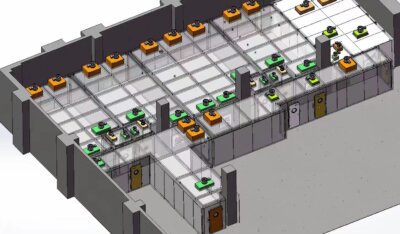

Per i professionisti della biosicurezza che progettano strutture modulari BSL-3/4, l'integrazione del sistema di gestione dell'edificio (BMS) è la sfida tecnica più critica. Il sistema va oltre il semplice controllo del clima e diventa il guardiano automatico dell'integrità del contenimento. Un BMS mal specificato o implementato introduce un rischio catastrofico, non solo un'inefficienza operativa. La posta in gioco è assoluta: una singola inversione di pressione o un guasto all'interblocco possono compromettere anni di ricerca e mettere in pericolo il personale.
Il passaggio alla costruzione modulare intensifica questa sfida. Se da un lato i laboratori modulari offrono velocità e controllo della qualità, dall'altro richiedono un BMS in grado di unificare i moduli discreti in un unico involucro di contenimento a prova di guasto. Ciò richiede un approccio strategico incentrato sulla convalida, l'interoperabilità e la gestione del ciclo di vita fin dalla prima fase di progettazione. Non si tratta più di decidere se avete bisogno di un BMS, ma di come progettarne uno che serva sia come motore di conformità che come risorsa operativa strategica.
Funzioni principali dell'integrazione del BMS per le BSL modulari
Definizione del sistema nervoso centrale
Il BMS è il sistema nervoso centrale delle operazioni di alto contenimento. Il suo compito principale è mantenere le precise condizioni ambientali che definiscono i livelli di biosicurezza. Questo va ben oltre il comfort degli occupanti. Il sistema deve orchestrare continuamente i differenziali di pressione negativa, garantendo un flusso d'aria direzionale dai corridoi puliti agli spazi di laboratorio potenzialmente contaminati. Inoltre, gestisce la temperatura e l'umidità entro tolleranze ristrette per proteggere la ricerca e le apparecchiature sensibili. Questo controllo automatizzato non è negoziabile per garantire la coerenza operativa e la sicurezza.
Dal monitoraggio all'applicazione proattiva
Un BMS sofisticato trasforma la gestione ambientale da monitoraggio passivo ad applicazione attiva. Traccia continuamente parametri vitali come la pressione differenziale del filtro HEPA e la velocità di ricambio dell'aria, essenziali per la diluizione dei contaminanti e la certificazione delle apparecchiature. Inoltre, il sistema applica i protocolli di sicurezza attraverso interblocchi automatici e gestisce una gerarchia di allarmi. Ciò fornisce avvisi immediati e perseguibili per qualsiasi deviazione, consentendo una risposta rapida prima che un'anomalia minore si trasformi in una violazione del contenimento. Secondo la nostra esperienza, il passaggio dai registri manuali a un BMS basato sui dati rappresenta il più grande salto di qualità nell'affidabilità operativa di un laboratorio di contenimento.
La filosofia del controllo integrato
Il valore strategico dell'integrazione del BMS risiede nella sua filosofia di controllo unificato. Consolida la supervisione di sistemi meccanici disparati, come l'aria condizionata, lo scarico, i cicli di decontaminazione, in un unico pannello di vetro. Questa integrazione è fondamentale per l'esecuzione di sequenze complesse, come il coordinamento della cascata di pressione di un laboratorio durante le procedure di ingresso o uscita. Trattando il laboratorio come un'unità di biocontenimento integrata piuttosto che come un insieme di sistemi indipendenti, il BMS garantisce che tutti i componenti lavorino di concerto per mantenere l'obiettivo primario di sicurezza.
Architettura tecnica chiave: Sensori, controllori e protocolli
Lo strato di campo: Acquisizione dei dati
La base tecnica di qualsiasi BMS è il suo livello di campo, una rete distribuita di sensori che agiscono come sensi del sistema. Si tratta di trasduttori di pressione altamente precisi per monitorare i differenziali, sonde di temperatura e umidità, sensori di posizione delle porte e monitor del flusso d'aria. L'affidabilità e il posizionamento di questi sensori sono fondamentali. Un singolo sensore di pressione difettoso può fornire un falso senso di sicurezza o attivare allarmi inutili, interrompendo il lavoro critico. Gli esperti del settore raccomandano di specificare sensori con un tempo medio tra i guasti (MTBF) documentato e adatto al funzionamento 24/7 in ambienti controllati.
Il livello di controllo: Logica ed esecuzione
I dati dei sensori confluiscono nel livello di controllo, in genere gestito da controllori logici programmabili (PLC) o controllori digitali diretti (DDC). Questi dispositivi eseguono gli algoritmi di controllo pre-programmati che mantengono i setpoint. Comandano gli attuatori, come le serrande modulanti e gli azionamenti a frequenza variabile (VFD) sui ventilatori di alimentazione e di scarico, per effettuare le regolazioni in tempo reale. La scelta tra PLC e DDC si basa spesso sulla necessità di un controllo deterministico e ad alta velocità (a favore dei PLC) rispetto a un'automazione dell'edificio più generalizzata. Per i laboratori modulari, la strategia di controllo deve essere replicata e sincronizzata in ogni modulo.
L'importanza di protocolli di comunicazione aperti
La scelta del protocollo di comunicazione è una decisione strategica con implicazioni a lungo termine. I sistemi moderni devono utilizzare protocolli aperti e non proprietari come BACnet o Modbus. Questo supporta un cambiamento critico del settore verso piattaforme integrate di fornitori, che consentono alle apparecchiature di diversi produttori di comunicare senza problemi. Affidarsi a un protocollo proprietario crea un vendor lock-in, aumentando drasticamente i costi futuri di espansione o sostituzione e limitando la flessibilità. La scelta di protocolli aperti è un requisito fondamentale per qualsiasi progetto di laboratorio modulare, per garantire la scalabilità futura e opzioni di manutenzione competitive.
Allarmi e interblocchi critici: La spina dorsale della sicurezza
Gestione gerarchica degli allarmi
Non tutti gli allarmi sono uguali. Un BMS efficace implementa una gerarchia di allarmi prioritari - Critici, Maggiori e Minori - per garantire che il personale risponda in modo appropriato agli eventi. Un allarme di inversione di pressione è un allarme Critico, che richiede un intervento immediato e può innescare l'arresto automatico di alcune attività. Un guasto a una ventola HVAC potrebbe essere un allarme Maggiore, che attiva un'unità di riserva. Questa definizione delle priorità previene l'affaticamento degli allarmi e garantisce che le minacce più gravi ricevano un'attenzione immediata. Il sistema deve fornire messaggi di allarme chiari e inequivocabili all'HMI e tramite notifica remota (ad esempio, e-mail, SMS).
La logica degli interblocchi di sicurezza
Gli interblocchi sono regole automatiche basate sulla logica che impediscono condizioni di non sicurezza. Sono il livello di sicurezza definitivo. Gli interblocchi spaziali, come quelli in un'anticamera, utilizzano sensori di posizione della porta per garantire che entrambe le porte di un laboratorio di contenimento non possano essere aperte contemporaneamente, preservando la funzione di camera di compensazione. Gli interblocchi delle apparecchiature possono impedire il funzionamento di una cabina di biosicurezza a meno che non venga verificata la pressione negativa della stanza, oppure interrompere un ciclo di decontaminazione se la tenuta di una porta è compromessa. Queste regole automatizzate eliminano l'errore umano dalle sequenze di sicurezza critiche.
Integrare la sicurezza con la biosicurezza
Un'intuizione strategica critica e spesso trascurata è l'interconnessione diretta tra il BMS e i sistemi di sicurezza fisica. I tentativi di accesso non autorizzato rilevati dal sistema di sicurezza possono essere configurati per attivare gli allarmi ambientali all'interno del BMS. Questa fusione dei protocolli di biosicurezza e di sicurezza biologica crea una struttura più resiliente. La struttura richiede una supervisione e una pianificazione congiunte tra i dipartimenti di gestione delle strutture e di sicurezza per gestire i protocolli di risposta a questi eventi integrati, garantendo un approccio globale alla protezione.
| Tipo di allarme/interblocco | Condizione di innesco | Priorità e azione |
|---|---|---|
| Inversione di pressione | Rilevata pressione positiva | Arresto critico/immediato |
| Guasto HVAC | Perdita del flusso d'aria o guasto della ventola | Maggiore / Attivare il sistema di backup |
| Interblocco della porta | Entrambe le porte dell'anticamera si aprono | Spaziale / Bloccare la porta opposta |
| Cabina di sicurezza biologica | Pressione ambiente non verificata | Apparecchiatura / Impedire l'avvio del BSC |
| Violazione della sicurezza | Tentativo di accesso non autorizzato | Critico / Attivare le misure di contenimento |
Fonte: ANSI/ASSP Z9.14-2023 Metodologie di test e verifica delle prestazioni per i sistemi di ventilazione di livello 3 di biosicurezza (BSL-3) e di livello 3 di biosicurezza animale (ABSL-3). Questo standard definisce i criteri di prestazione essenziali per i sistemi di ventilazione, compresi i differenziali di pressione e le protezioni contro i guasti del flusso d'aria che gli allarmi e gli interblocchi del BMS devono monitorare e applicare per mantenere l'integrità del contenimento.
In che modo l'integrazione del BMS influisce sul costo totale di gestione?
Comprendere i driver della spesa in conto capitale (CapEx)
Il costo iniziale di un BMS per un laboratorio ad alto contenimento è significativo e guidato da requisiti di affidabilità non negoziabili. Il fattore più importante è la ridondanza ingegnerizzata. Questa include configurazioni N+1 o 2N per le unità di trattamento dell'aria, i sistemi di controllo di backup e i gruppi di continuità (UPS) per evitare che un singolo punto di guasto provochi una violazione del contenimento. Questi requisiti di ridondanza, pur essendo costosi, sono una parte fondamentale della strategia di mitigazione del rischio e rappresentano una parte sostanziale dell'investimento di capitale iniziale.
Il passaggio del ciclo di vita ai costi operativi
Il vero modello finanziario cambia radicalmente dopo la costruzione. La più grande categoria di costi a lungo termine è quella della certificazione e della manutenzione. Il BMS stesso diventa essenziale per le verifiche annuali di ricertificazione, in quanto fornisce la registrazione continua dei dati relativi alle prestazioni del filtro HEPA e all'integrità della cascata di pressione. Questo crea un centro di costo operativo permanente. Inoltre, la scelta del fornitore del BMS e del suo contratto di assistenza influisce direttamente sulle spese di manutenzione a lungo termine e sull'affidabilità del sistema.
L'analisi predittiva come risorsa strategica
Investire in un BMS con capacità di analisi avanzata e di manutenzione predittiva può trasformare questo modello di costo del ciclo di vita. Analizzando le tendenze di vibrazioni, corrente del motore e pressione del filtro, il sistema può prevedere i guasti delle apparecchiature prima che si verifichino. In questo modo la manutenzione passa da un modello reattivo e costoso a uno pianificato ed efficiente. Riduce i tempi di inattività non pianificati, che in un laboratorio ad alto contenimento sono eccezionalmente costosi a causa della perdita di tempo per la ricerca e dei potenziali requisiti di decontaminazione. In questo modo, un BMS sofisticato si evolve da puro centro di costo a risorsa strategica che ottimizza le spese operative a lungo termine.
| Categoria di costo | Autista primario | Impatto a lungo termine |
|---|---|---|
| Capitale iniziale | Ridondanza ingegnerizzata (N+1) | Elevato investimento iniziale |
| Certificazione | Audit annuali di ricertificazione | Costo operativo permanente |
| Manutenzione | Capacità di analisi predittiva | Riduce i tempi di inattività non programmati |
| Gestione dei dati | Registrazione pronta per la conformità | Asset strategico per gli audit |
| Salute del sistema | Offerte di servizi del fornitore | Ottimizza l'affidabilità operativa |
Fonte: Documentazione tecnica e specifiche industriali.
Integrazione BMS per laboratori modulari: Fasi chiave di convalida e conformità
La base: Prove di accettazione in fabbrica (FAT)
Per i laboratori modulari, la convalida inizia fuori sede con le rigorose prove di accettazione in fabbrica. In questo caso, tutte le sequenze di controllo, gli allarmi e gli interblocchi vengono verificati in un ambiente di fabbrica controllato prima della spedizione del modulo. Il FAT riduce il rischio di integrazione in loco dimostrando che l'hardware e il software del BMS funzionano correttamente con i sistemi meccanici del modulo. È un punto di controllo critico che identifica e risolve i problemi quando le correzioni sono più facili e meno costose da implementare. Saltare o affrettare il FAT porta inevitabilmente a costosi ritardi durante la messa in servizio in loco.
Qualificazione in loco: IQ, OQ, PQ
Una volta installato, il sistema integrato deve essere sottoposto a una qualificazione formale in loco. La Qualificazione dell'installazione (IQ) conferma che tutti i componenti sono stati installati correttamente. La qualifica operativa (OQ) dimostra che il sistema funziona secondo le specifiche funzionali, ad esempio che viene raggiunto e mantenuto un differenziale di pressione di 50 Pa. La Qualificazione delle prestazioni (PQ) dimostra che il sistema funziona in modo coerente nell'ambiente finale, in condizioni di funzionamento normali. Il BMS è indispensabile in questo caso, in quanto fornisce i registri dei dati ambientali continui che servono come prova oggettiva per ogni fase di qualificazione.
I dati BMS come gold standard normativo
Un'intuizione strategica fondamentale è che i dati BMS stanno diventando il gold standard per le prove normative, superando i test manuali periodici. Gli auditor delle agenzie che fanno riferimento a standard come ISO 14644-4:2022 si aspettano sempre di più di vedere registri di dati immutabili e con data e ora dell'andamento della pressione, della cronologia degli allarmi e delle prestazioni dei filtri. Ciò sottolinea la necessità di progettare le funzioni di archiviazione e reporting dei dati BMS tenendo conto del controllo normativo fin dal primo giorno. I sistemi devono fornire una reportistica conforme alla normativa 21 CFR Part 11 e pronta per la revisione, in modo da semplificare il processo di revisione e dimostrare una conformità incrollabile.
| Fase di convalida | Obiettivo primario | Contributo chiave di BMS |
|---|---|---|
| Test di accettazione in fabbrica (FAT) | Verifica della logica prima della spedizione | Riduce il rischio di integrazione in loco |
| Qualificazione dell'installazione (IQ) | Confermare la corretta installazione | Verifica dell'hardware del sistema |
| Qualificazione operativa (OQ) | Dimostrare il funzionamento specificato | Prestazioni della sequenza di controllo |
| Qualificazione delle prestazioni (PQ) | Dimostrare la funzione nell'ambiente finale | Registri continui dei dati ambientali |
| Audit normativo | Fornire prove di conformità | Dati immutabili per una prova aurea |
Fonte: ISO 14644-4:2022 Camere bianche e ambienti controllati associati - Parte 4: Progettazione, costruzione e messa in servizio. Questo standard delinea i requisiti per l'integrazione, la verifica e la documentazione del sistema durante l'avviamento di ambienti controllati, fornendo il quadro per il processo di qualificazione strutturato che un BMS deve supportare.
Quali sono i pro e i contro del BMS preintegrato rispetto a quello on-site?
Il caso della pre-integrazione
Il modello di costruzione modulare offre un vantaggio irresistibile: la possibilità di pre-integrare e testare il BMS in fabbrica. Questo approccio garantisce una comprovata interoperabilità di controlli, sensori e sistemi meccanici prima che il modulo arrivi in loco. Riduce significativamente i tempi di messa in servizio e attenua il rischio di guasti all'integrazione durante il percorso critico della costruzione. Ciò è in linea con la tendenza al consolidamento delle piattaforme dei fornitori, che offrono modelli di BMS preconvalidati di cui si conosce il funzionamento, accelerando le tempistiche del progetto e migliorando la prevedibilità.
La sfida unica della comunicazione modulare
Tuttavia, la modularità introduce una complessità tecnica unica: garantire una comunicazione continua e in tempo reale tra i singoli moduli del laboratorio e con il BMS principale della struttura ospitante. Le connessioni elettriche e di dati brevettate tra i moduli devono mantenere l'integrità sia per il contenimento (guarnizioni d'aria) che per il flusso di dati. Un sistema pre-integrato deve essere progettato tenendo conto di questa architettura distribuita, utilizzando topologie di rete robuste come reti ad anello o a maglia per garantire che un singolo guasto alla connessione non isoli un modulo.
La flessibilità dell'integrazione in loco
Un approccio di integrazione in loco offre la massima personalizzazione e flessibilità. Permette di adattare il BMS esattamente al layout finale della struttura e di integrarlo con i sistemi esistenti dell'edificio. Questo può essere vantaggioso per i retrofit o per le configurazioni di laboratorio molto particolari. L'aspetto negativo principale è il rischio significativamente più elevato di ritardi nel progetto, di sforamento dei costi e di colli di bottiglia nell'integrazione durante la messa in servizio, poiché più fornitori devono coordinarsi in un cantiere in funzione. Per questo motivo, la scelta di un fornitore di BMS con una comprovata esperienza in integrazioni complesse e in loco è assolutamente fondamentale.
| Fattore di selezione | BMS pre-integrato | BMS integrato in loco |
|---|---|---|
| Tempo di messa in servizio | Riduzione significativa | Più lungo, rischio di ritardi |
| Rischio di integrazione | Interoperabilità inferiore e comprovata | Maggiori, potenziali colli di bottiglia |
| Livello di personalizzazione | Standardizzato, basato su modelli | Massima flessibilità |
| Prevedibilità del costo iniziale | Più alto | Variabile, rischio di sforamento |
| Comunicazione tra moduli | Pre-validati, ma critici | Configurato su misura, complesso |
Fonte: Documentazione tecnica e specifiche industriali.
Scegliere un fornitore di BMS: 5 criteri di selezione critici
Valutare la competenza in materia di biosicurezza e l'apertura del protocollo
Innanzitutto, valutate l'esperienza diretta del fornitore con gli standard di biosicurezza ad alto contenimento. Richiedete casi di studio dettagliati per progetti BSL-3 o BSL-4, non solo un'esperienza generale in camera bianca. In secondo luogo, verificate il loro impegno nei confronti di protocolli di comunicazione aperti. Un fornitore vincolato a un sistema proprietario crea rischi e costi operativi a lungo termine. Insistete sulla compatibilità con BACnet o Modbus per garantire la flessibilità futura ed evitare il vendor lock-in, fondamentale per mantenere opzioni di servizio competitive e integrare nuove apparecchiature.
Quadri di sicurezza informatica e gestione dei dati
In terzo luogo, esaminare il loro quadro di cybersicurezza per la tecnologia operativa (OT). Il BMS è un obiettivo di alto valore; una violazione potrebbe consentire la manipolazione dolosa dei controlli di contenimento, creando un nuovo vettore di rischio per la biosicurezza. Il fornitore deve disporre di protezioni specifiche per l'OT. Quarto, valutare le caratteristiche di gestione dei dati e di reporting. Il sistema deve essere in grado di produrre registri e rapporti pronti per la conformità che soddisfino le aspettative normative per l'integrità dei dati, come la 21 CFR Parte 11, per semplificare i processi di revisione.
Supporto per il ciclo di vita e impatto sui costi totali
Quinto, esaminare il modello di supporto del ciclo di vita. Il fornitore deve offrire servizi di manutenzione predittiva e avere una chiara tabella di marcia per gli aggiornamenti software e l'assistenza hardware. La qualità di questo supporto è un fattore primario per l'affidabilità operativa a lungo termine e il costo totale di proprietà. Un fornitore con una solida offerta di servizi può aiutare a trasformare il BMS da centro di costo per la manutenzione a risorsa per l'affidabilità.
| Criteri di selezione | Domanda chiave di valutazione | Implicazioni commerciali |
|---|---|---|
| Esperienza di biosicurezza | Casi di studio BSL-3/4? | Riduce il rischio di conformità |
| Apertura del protocollo | Utilizza BACnet/Modbus? | Impedisce il vendor lock-in |
| Quadro di riferimento per la sicurezza informatica | Protezioni specifiche per l'OT? | Mitiga i nuovi rischi per la biosicurezza |
| Dati e rapporti | La 21 CFR Parte 11 è pronta? | Semplifica i processi di audit |
| Supporto al ciclo di vita | Offerta di manutenzione predittiva? | Riduce il costo totale di proprietà |
Fonte: Documentazione tecnica e specifiche industriali.
Implementazione del BMS: dal collaudo in fabbrica all'accesso remoto
Un approccio graduale e validato
L'implementazione di successo segue un percorso graduale e convalidato. Si inizia con un test di accettazione in fabbrica (FAT) completo, come discusso in precedenza. Dopo l'installazione e l'interconnessione dei moduli, segue la messa in funzione dettagliata del sito. Questo include la verifica punto a punto di tutti i sensori e gli attuatori, seguita dal collaudo del sistema integrato per garantire che i moduli funzionino come un involucro di contenimento unificato. Un passaggio critico spesso integrato in questa fase è il collegamento di utenze specializzate, come le unità di decontaminazione a perossido di idrogeno vaporizzato (VHP), che sono sempre più gestite come sottosistemi controllati dal BMS per cicli di decontaminazione automatizzati e registrati.
Configurazione dell'accesso remoto sicuro
La fase finale di implementazione prevede la configurazione di funzionalità di monitoraggio remoto sicure. In questo modo, i responsabili della biosicurezza e i direttori delle strutture possono visualizzare lo stato del sistema, riconoscere gli allarmi e accedere alle tendenze da postazioni esterne, consentendo una risposta più rapida agli eventi critici. Tuttavia, questa comodità deve essere bilanciata con i rigorosi protocolli di sicurezza informatica. L'accesso remoto deve essere fornito attraverso un gateway sicuro e dedicato o una rete privata virtuale (VPN), con solide protezioni firewall e controlli di accesso basati sui ruoli per proteggere l'integrità dei controlli di contenimento dalle minacce esterne. Il sistema non deve mai essere collegato direttamente a Internet.
L'integrazione di un sistema di gestione degli edifici è il fattore decisivo per trasformare un insieme di componenti modulari in un laboratorio di biosicurezza affidabile e conforme. Il quadro decisionale privilegia le prove di validazione rispetto alle specifiche hardware, il supporto del ciclo di vita rispetto al prezzo iniziale e la resilienza della sicurezza informatica rispetto alla convenienza. Il fornitore deve dimostrare una comprovata esperienza di contenimento, impegnarsi a rispettare i protocolli aperti e trattare i dati operativi come una risorsa critica.
Avete bisogno di una guida professionale per specificare e convalidare un BMS per il vostro impianto mobile o modulare ad alto contenimento? Gli ingegneri di QUALIA siamo specializzati nell'integrazione perfetta dei sistemi di controllo all'interno di laboratori mobili BSL-3 e BSL-4 pre-ingegnerizzati, garantendo la conformità fin dall'inizio. Per una discussione dettagliata sui requisiti del vostro progetto, potete anche Contatto.
Domande frequenti
D: Come fa un BMS a gestire le funzioni di sicurezza critiche per un laboratorio modulare BSL-3?
R: Il BMS agisce come sistema di controllo centrale, automatizzando la gestione precisa dei differenziali di pressione negativa, della temperatura e dell'umidità per mantenere il contenimento. Fa rispettare gli interblocchi spaziali e delle apparecchiature, ad esempio impedendo il funzionamento della cabina di biosicurezza in assenza di una pressione ambiente verificata, e attiva allarmi prioritari per qualsiasi deviazione. Ciò significa che i protocolli di sicurezza fisica e di biosicurezza devono essere gestiti congiuntamente, poiché i tentativi di accesso non autorizzato possono attivare le misure di contenimento attraverso il sistema integrato.
D: Quale architettura tecnica garantisce un BMS affidabile e scalabile per i laboratori modulari?
R: Un'architettura a strati che utilizza sensori di campo, controllori logici programmabili (PLC) e un server centrale garantisce l'affidabilità. Inoltre, l'impiego di protocolli di comunicazione aperti come BACnet o Modbus impedisce il vendor lock-in e consente la perfetta integrazione di apparecchiature di produttori diversi. Per i progetti in cui si prevedono espansioni future o aggiornamenti delle apparecchiature, è necessario privilegiare questo approccio a protocollo aperto per garantire la flessibilità e la manutenibilità del sistema a lungo termine.
D: Qual è il vantaggio in termini di conformità dell'utilizzo di un BMS per la ricertificazione annuale del laboratorio?
R: Un BMS fornisce la registrazione immutabile e continua dei dati necessaria per gli audit normativi, creando un registro permanente delle tendenze della pressione, della cronologia degli allarmi e delle prestazioni del filtro HEPA. Questi dati stanno diventando la prova principale per standard quali ANSI/ASSP Z9.14-2023, superando i test manuali periodici. Ciò significa che è necessario progettare le funzioni di archiviazione e reporting dei dati BMS fin dall'inizio per soddisfare i requisiti di audit, come la conformità alla 21 CFR Part 11 per le registrazioni elettroniche.
D: Dobbiamo scegliere un BMS pre-integrato o integrato in loco per il nostro progetto di laboratorio modulare?
R: Un BMS pre-integrato, testato in fabbrica, offre un'interoperabilità comprovata e riduce i rischi e i tempi di messa in servizio in loco, allineandosi ai principi di integrazione dei sistemi previsti da standard quali ISO 14644-4:2022. L'integrazione in loco consente la massima personalizzazione, ma comporta un rischio più elevato di ritardi e di sforamento dei costi. Per i progetti con tempi stretti, l'approccio pre-integrato è in genere meno rischioso, ma è comunque necessario verificare che la soluzione del fornitore garantisca una comunicazione continua tra tutti i moduli.
D: Quali sono i criteri chiave per la selezione di un fornitore di BMS, al di là delle specifiche hardware?
R: Valutate l'esperienza diretta del fornitore con gli standard di biosicurezza ad alto contenimento, il suo impegno nei confronti dei protocolli aperti e il suo quadro di cybersicurezza della tecnologia operativa (OT). Esaminate anche le funzioni di gestione dei dati per la conformità e le offerte di servizi di manutenzione predittiva. Se la vostra attività richiede tempi di attività continui, dovreste dare la priorità ai fornitori con un forte supporto al ciclo di vita, poiché i costi a lungo termine sono fortemente influenzati dalla convalida continua e dalla salute del sistema.
D: In che modo l'integrazione del BMS influisce sul costo totale di proprietà di una struttura BSL modulare?
R: Mentre i costi iniziali aumentano a causa di requisiti come la ridondanza ingegnerizzata dei sistemi di controllo, il BMS incide significativamente sulle spese operative e di certificazione a lungo termine. Automatizza la raccolta dei dati per gli audit di ricertificazione obbligatori e consente la manutenzione predittiva per ridurre i tempi di inattività non pianificati. Ciò significa che il modello finanziario deve passare dal considerare il BMS come un costo di costruzione al trattarlo come un asset strategico che ottimizza l'affidabilità a lungo termine e i costi operativi.
D: Quali sono le fasi critiche per l'implementazione e la validazione di un nuovo BMS?
R: L'implementazione inizia con rigorosi test di accettazione in fabbrica (FAT) per verificare tutta la logica di controllo e gli interblocchi di sicurezza prima della spedizione. In loco, è necessaria un'installazione dettagliata e la qualificazione operativa (IQ/OQ), integrando utility specializzate come i sistemi di decontaminazione. Infine, configurare un monitoraggio remoto sicuro con solide protezioni di cybersecurity. Per un avvio conforme, è necessario pianificare questo approccio graduale e convalidato fin dall'inizio, assicurandosi che ogni fase generi le prove documentate necessarie per la revisione normativa.
Contenuti correlati:
- Laboratori BSL-4 modulari: Ridurre i costi senza compromessi
- Installazione di laboratori BSL-3 modulari: Guida per esperti
- Costi dei laboratori modulari BSL-3: Analisi completa
- Laboratori BSL-3 personalizzabili: Progetti modulari su misura
- Laboratori modulari BSL-3: Soluzioni di costruzione rapida
- Laboratori modulari BSL-3/4: Soluzioni di rapida implementazione
- Laboratori BSL-3 espandibili: Sistemi modulari scalabili
- Laboratori BSL-3 chiavi in mano: Soluzioni modulari complete
- CRABS modulari: Produzione sterile flessibile