I progetti che giungono alla fase di gara d’appalto senza un perimetro di contenimento confermato spesso scoprono, a metà dei lavori, che la logica della cascata di pressione, il percorso dei rifiuti e la sequenza delle camere di compensazione sono stati progettati sulla base di presupposti incompatibili tra i diversi team. Il costo di tale scoperta non è un ordine di modifica, bensì una demolizione parziale delle opere meccaniche già realizzate, seguita da una revisione della biosicurezza che considera il progetto rivisto come una nuova proposta. Per evitare tale esito è necessario considerare l’ambito del contenimento come il primo risultato tecnico del progetto, non come una condizione di fondo che l’ingegneria risolverà in un secondo momento. Le sezioni seguenti forniscono ai team addetti agli appalti, alla biosicurezza e all’ingegneria un riferimento condiviso su dove vengono prese le decisioni relative al contenimento, quali prove dovrebbero essere disponibili prima di selezionare i fornitori finalisti e quali lacune di interfaccia generano in modo più affidabile costosi problemi nelle fasi finali.
Ambito di contenimento prima della scelta delle attrezzature BSL-3
L’errore pratico consiste nell’anticipare la scelta delle attrezzature prima che il perimetro di contenimento sia stato concordato da tutti i team responsabili. Quando l’ufficio acquisti riceve un capitolato che elenca camere di compensazione, sistemi di scarico HEPA e cabine di sicurezza biologica senza un documento che confermi il perimetro, tali elementi vengono dimensionati in base a uno spazio non definito. Se in seguito la revisione di biosicurezza modifica i confini — estendendo la zona controllata, aggiungendo un secondo vestibolo o modificando il percorso di un corridoio per i rifiuti — ogni scelta delle attrezzature legata alla pressione, al flusso d’aria o alla sequenza di trasferimento dovrà essere riconsiderata.
Gli aspetti relativi al sito sono importanti già in una fase precedente rispetto a quanto indicato nella maggior parte dei programmi di progettazione. Secondo il “Manuale di biosicurezza dei laboratori” dell’OMS, 4ª edizione, criteri di progettazione quali la direzione prevalente del vento, il drenaggio e l’isolamento dai flussi di traffico intenso vengono valutati prima ancora di definire l’involucro di contenimento, poiché influenzano dove è fattibile lo scarico dei gas di scarico e dove il rischio di diffusione secondaria è significativo. Non si tratta di aspetti da considerare solo dopo la costruzione. Un sito che convoglia i gas di scarico verso un edificio adiacente occupato, o che colloca l’ingresso ad accesso controllato lungo un corridoio ad alto traffico, crea problemi che non possono essere corretti solo attraverso le specifiche delle apparecchiature.
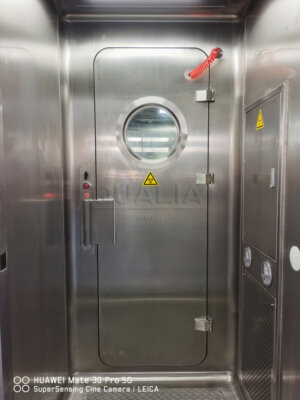
Lo stesso involucro di contenimento — superfici sigillate e non porose, vestiboli a doppia porta, flusso d’aria direzionale dalle zone pulite a quelle contaminate — funge da sistema preliminare. Il flusso d’aria direzionale, in particolare, è la condizione progettuale che rende significativa la scelta delle apparecchiature di aspirazione. Specificare un’unità di aspirazione HEPA prima che siano confermati la cascata di pressione e l’equilibrio tra mandata e aspirazione significa specificare in base a un’incognita. Gli elementi riportati di seguito rappresentano le conferme a livello di progettazione che un team dovrebbe essere in grado di documentare prima di avviare qualsiasi discussione relativa alle apparecchiature.
| Elemento relativo all'ambito di contenimento | Requisito chiave | Perché è importante |
|---|---|---|
| Ambiente esterno al sito | Valutare i venti dominanti, il drenaggio e l'isolamento rispetto alle zone ad alto traffico | Riduce il rischio di diffusione di agenti patogeni dall'ambiente esterno alla struttura |
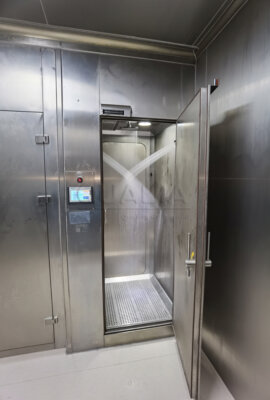
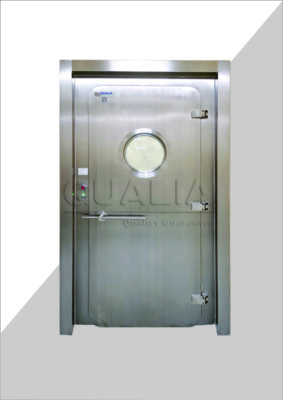
| Separazione fisica dalle aree pubbliche/a basso livello di contenimento | Utilizzare zone ad accesso controllato, vestiboli a doppia porta e camere di compensazione per definire i confini | Definisce i limiti di contenimento prima di prendere decisioni relative alle apparecchiature |
| Sigillatura dell'involucro di contenimento | Sigillare finestre, pavimenti e pareti con materiali non porosi e lavabili | Garantisce che la busta possa essere decontaminata e ispezionata |
| Flusso d'aria direzionale | Progettare il flusso d’aria proveniente da aree non di laboratorio verso aree potenzialmente contaminate | Impedisce la diffusione delle tossine ed è un requisito indispensabile per la scelta degli impianti di scarico |
Saltare questa fase non comporta un ritardo di qualche giorno nella selezione delle attrezzature. Crea invece una situazione in cui le attrezzature vengono selezionate, valutate economicamente e talvolta acquistate sulla base di un concetto di contenimento che la revisione di biosicurezza potrebbe non approvare. Questa è la versione più comune e più costosa del disallineamento dell’ambito di intervento in questi progetti.
Fattori relativi al rischio degli agenti e al flusso di lavoro che determinano i confini della struttura
Il confine di contenimento di uno spazio BSL-3 non è definito solo dalla classe della stanza o dal differenziale di pressione, ma da quali agenti saranno manipolati e dalle procedure che tali agenti richiedono. Due strutture entrambe classificate come BSL-3 possono avere requisiti di delimitazione sostanzialmente diversi a seconda che il lavoro preveda procedure che generano aerosol, colture ad alto volume o flussi di lavoro diagnostici su piccola scala. I confini della struttura dovrebbero corrispondere all’effettiva combinazione di agente e procedura, non a un modello generico BSL-3.
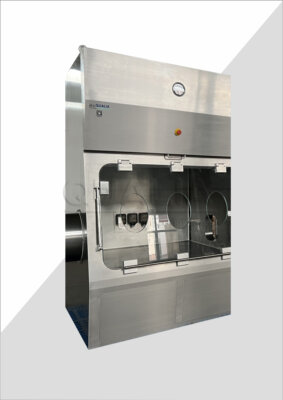
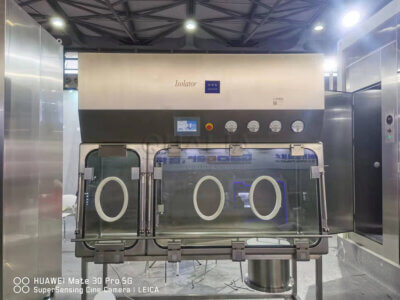
Il fattore operativo che traduce il rischio legato all’agente in progettazione fisica è il requisito secondo cui tutte le procedure che coinvolgono materiali infettivi devono essere condotte all’interno di cabine di sicurezza biologica (BSC) o dispositivi di contenimento fisico equivalenti. Non si tratta di una semplice preferenza documentale, bensì dell’elemento del flusso di lavoro che determina quali attrezzature di barriera primaria debbano essere presenti e dove, il che a sua volta determina ciò che il confine di contenimento deve racchiudere e supportare. Un agente che genera aerosol infettivi durante la manipolazione standard richiede una cabina di sicurezza biologica (BSC) di Classe II o Classe III con prestazioni di scarico comprovate. Tale requisito, una volta stabilito, determina la collocazione della BSC, il percorso di scarico, il rapporto di pressione della stanza rispetto agli spazi adiacenti e l’ubicazione dei punti di trasferimento in entrata e in uscita dalla zona controllata. Nessuna di queste decisioni può essere presa in modo indipendente.
La conseguenza del considerare il rischio legato all’agente come un presupposto di fondo piuttosto che come un dato di progetto è che i confini della struttura finiscono per essere dimensionati in base alle apparecchiature anziché all’attività svolta. Ciò porta a configurazioni in cui la BSC viene collocata vicino a una porta perché è lì che passava l’impianto idraulico, oppure dove è stata installata la cascata di pressione senza tenere conto del volume di scarico richiesto da una cabina di Classe III. Entrambe le configurazioni creano sistemi di contenimento difficili da convalidare e che potrebbero non superare i test sul flusso d’aria direzionale in fase di messa in servizio. La raccomandazione pratica da parte di team esperti nella progettazione della biosicurezza è quella di documentare il tipo di agente, il metodo di manipolazione, il volume di coltura e il potenziale di aerosol prima di disegnare qualsiasi layout spaziale — e di considerare tale documento come l’input primario per la definizione dei confini, non come un supplemento al programma architettonico.
Per i team che stanno valutando in che misura i requisiti di contenimento di livello BSL-3 siano comparabili a quelli di livelli di contenimento superiori, Navigare nel biocontenimento: Le differenze critiche tra i laboratori BSL-3 e BSL-4 costituisce un utile punto di riferimento per comprendere in quali punti la logica progettuale si discosta.
Gruppi di apparecchiature dietro le camere di compensazione, scarico HEPA, BIBO, VHP ed EDS
Le singole apparecchiature presenti in una struttura BSL-3 non funzionano in modo indipendente, ma formano una catena logica di contenimento in cui le prestazioni di ciascun componente dipendono dalla corretta installazione e dal coordinamento con i sistemi adiacenti. L’interdipendenza più rilevante è quella tra l’impianto di scarico della camera bianca (BSC), la pressione interna della stanza e l’impianto di climatizzazione dell’edificio. Un errore nell’impostazione di tale relazione in fase di installazione comporta costi elevati ed è difficile da correggere una volta completata la costruzione.
Il posizionamento del BSC è il punto di partenza. Le cabine di Classe II e Classe III devono essere collocate lontano da porte, bocchette di mandata dell’aria e percorsi ad alto traffico all’interno del laboratorio. Se una cabina è posizionata troppo vicino a una griglia di mandata, il flusso d’aria protettivo verso l’interno può essere disturbato da correnti trasversali, vanificando la funzione primaria di contenimento indipendentemente dalle prestazioni della cabina stessa. Questo vincolo di posizionamento è un requisito progettuale che deve essere rispettato nella disposizione della sala prima che i disegni tecnici siano finalizzati, e non risolto a posteriori regolando la posizione dei diffusori di mandata.
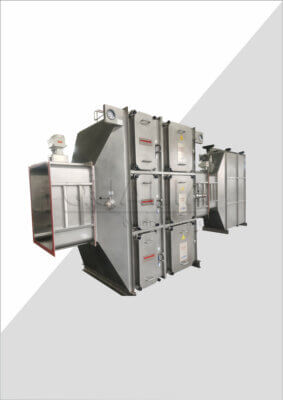
La scelta relativa allo scarico HEPA nasconde un compromesso che molti team di progetto non mettono in luce fino alla messa in servizio. Lo scarico ricircolato da una cabina di sicurezza biologica (BSC) di Classe II è consentito secondo le linee guida dell’OMS, ma solo con una certificazione annuale — e tale requisito di certificazione rappresenta un obbligo di conformità continuo che alcuni gestori delle strutture non hanno le risorse per mantenere in modo coerente. L’alternativa, ovvero lo scarico diretto dell’aria dalla cabina verso l’esterno tramite un raccordo a manicotto, elimina il rischio legato alla certificazione del ricircolo ma introduce un problema diverso: la depressione creata dal ventilatore di scarico della cabina interagisce con il bilancio dell’aria dell’edificio. Se la progettazione meccanica non ha tenuto conto fin dall’inizio di questo volume di scarico dedicato, l’impianto dell’edificio potrebbe avere difficoltà a mantenere il flusso direzionale verso l’interno richiesto attraverso il confine di contenimento. Tale problema non può essere risolto regolando le serrande dopo l’occupazione degli spazi; richiede una riprogettazione meccanica.
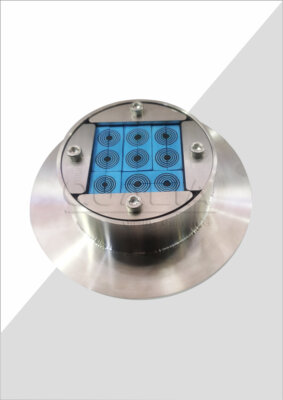
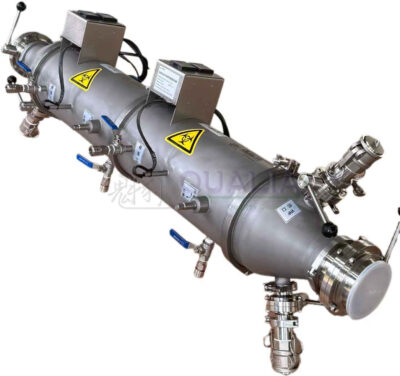
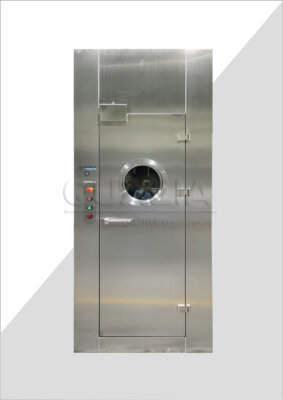
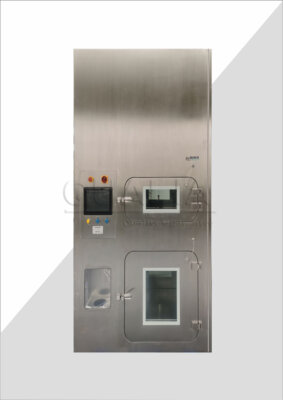
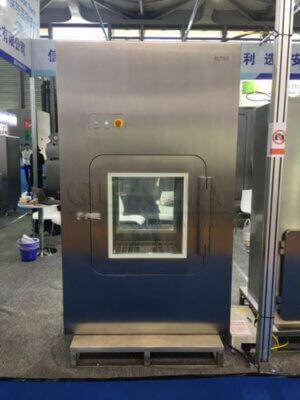
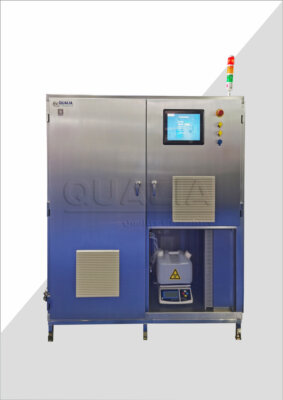
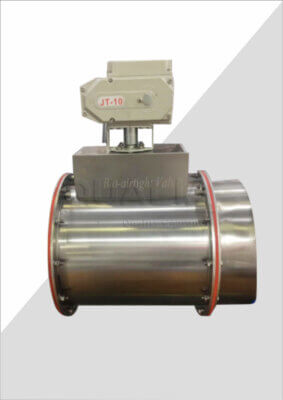
Gli alloggiamenti per filtri Bag-in/bag-out (BIBO) risolvono il problema della sostituzione dei filtri senza compromettere il contenimento, aspetto fondamentale per qualsiasi flusso di scarico in uscita dalla zona controllata. Borsa in entrata Borsa in uscita Questi sistemi sono particolarmente rilevanti nei casi in cui la frequenza di sostituzione dei filtri HEPA o il rischio di contaminazione dei filtri costituiscano un fattore da considerare in fase di progettazione. I punti di decontaminazione dei rifiuti e del personale — autoclave o inceneritore per i materiali, lavabo con erogatore automatico e lavaggio oculare all’uscita dall’area controllata — completano il quadro delle attrezzature al confine della zona. Non si tratta di elementi aggiunti in un secondo momento; la loro collocazione influisce sul flusso logico del lavoro all’interno dello spazio e deve essere confermata nel progetto prima dell’emissione dei documenti di costruzione.
| Attrezzatura/Zona | Requisito chiave | Perché è importante |
|---|---|---|
| Cabine di sicurezza biologica (Classe II/III) | Posizionare lontano da porte, bocchette di ventilazione e zone di forte passaggio | Impedisce l'interruzione del flusso d'aria all'interno della cabina e garantisce il contenimento |
| Scarico HEPA dalle cabine di sicurezza biologica di Classe II | Il ricircolo è consentito solo con certificazione annuale; lo scarico esterno richiede un raccordo a manicotto | Evita interferenze con il bilancio dell'aria nell'edificio; definisce le specifiche di convalida e installazione |
| Decontaminazione dei rifiuti di laboratorio | Includere un’autoclave o un inceneritore autonomo come parte del gruppo di apparecchiature | Garantisce il contenimento dei rifiuti e soddisfa i requisiti di convalida |
| Lavabo e postazione per il lavaggio degli occhi | Installare un lavabo e una doccia oculare ad azionamento automatico all'uscita dell'area controllata | Supporta il flusso di lavoro relativo alla decontaminazione e alla sicurezza |
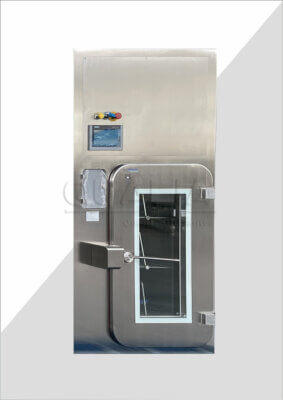
La logica di contenimento che collega questi gruppi di apparecchiature è costituita dalla sequenza del flusso d’aria e dalla sequenza di trasferimento. Il materiale entra nella zona controllata attraverso un percorso definito, viene trattato all’interno del contenimento primario, genera rifiuti che escono attraverso un percorso di decontaminazione e produce gas di scarico che escono attraverso un percorso filtrato e convalidato. Qualsiasi lacuna in tale sequenza — un’autoclave situata al di fuori dei confini del contenimento, un collegamento di scarico che bypassa l’alloggiamento BIBO, un portello di trasferimento privo di logica di interblocco — rappresenta una potenziale via di perdita di contenimento che emergerà durante i test di convalida o, peggio ancora, durante il funzionamento di routine.
Per un'analisi dettagliata dei criteri di selezione e delle prestazioni dei filtri HEPA applicabili agli ambienti BSL, Filtrazione HEPA nei laboratori BSL: Guida essenziale tratta gli aspetti tecnici che guidano le decisioni relative alle specifiche dei filtri.
Elementi di verifica che gli acquirenti dovrebbero richiedere prima di stilare l'elenco dei fornitori preselezionati
Richiedere prove di convalida prima che un fornitore venga inserito nella rosa dei candidati rappresenta una misura di controllo dei rischi nell’ambito degli appalti, non una formalità procedurale. Un fornitore che non sia in grado di fornire la documentazione relativa alla messa in servizio di progetti comparabili già portati a termine, o che non sappia descrivere in che modo le proprie apparecchiature si integrino con il flusso d’aria direzionale e la sequenza di interblocco di un perimetro BSL-3, non è in grado di supportare la struttura nella preparazione alle ispezioni. È necessario accertarsene prima dell’aggiudicazione dell’appalto, non durante la fase di messa in servizio.
La monografia “Cabine di biosicurezza e altri dispositivi di contenimento primario” contenuta nella quarta edizione del Manuale di biosicurezza dei laboratori dell’OMS fornisce un utile riferimento procedurale per gli aspetti specifici della validazione delle cabine di biosicurezza (BSC), tra cui la verifica delle prestazioni del flusso d’aria e i criteri di posizionamento. Tali aspetti dovrebbero figurare nella documentazione di messa in servizio fornita dal fornitore come prova dei test effettuati in base a condizioni prestazionali definite, non come semplici dichiarazioni di conformità. La distinzione è importante perché una dichiarazione non può essere verificata durante un’ispezione, mentre i risultati dei test documentati sì.
Il requisito pratico prima della selezione preliminare non è un fascicolo di convalida completo, ma è sufficiente disporre di prove documentate che confermino che il fornitore comprenda quali siano i requisiti di “prontezza all’ispezione” per le specifiche apparecchiature che sta fornendo. Ciò include: come viene dimostrato il flusso d’aria direzionale sulla superficie frontale della BSC, come viene testata e registrata la sequenza di interblocco delle porte, come viene verificata l’installazione dei filtri HEPA e l’integrità delle guarnizioni, e come vengono documentate le prestazioni dei cicli dell’autoclave o dell’inceneritore. La quarta edizione del documento LBM dell’OMS (Documento di riferimento) sostiene la ricertificazione annuale come requisito di base per le strutture BSL-3; i fornitori che operano regolarmente in questo ambito dovrebbero conoscere bene i requisiti di tale ciclo e il modo in cui le loro apparecchiature lo supportano.
| Elemento di prova di convalida | Cosa richiedere/verificare | Perché è importante |
|---|---|---|
| Certificazione completa | Richiedere la certificazione prima dell'occupazione e la ricertificazione annuale | Verifica la conformità e previene la perdita dell'integrità del contenimento |
| Verifica del flusso di lavoro BSC | Verificare che il flusso d'aria e il posizionamento della cabina di sicurezza biologica siano conformi al protocollo | Garantisce che il sistema di contenimento primario funzioni come previsto |
| Verifica della direzione del flusso d'aria | Verificare che il flusso d’aria si sposti dalle aree non di laboratorio verso quelle potenzialmente contaminate | Impedisce la diffusione delle tossine e soddisfa i requisiti di progettazione |
| Porte interbloccate e superfici sigillate | Controllare le porte a chiusura automatica con interblocco e le guarnizioni con superficie non porosa e lavabile | Mantiene l'integrità della barriera di contenimento fisico |
| Filtrazione HEPA | Verificare l'installazione e le prestazioni del sistema di filtrazione HEPA dello scarico | Verifica il contenimento dei gas di scarico e il bilanciamento dell'aria |
| Funzionamento dell'autoclave/inceneritore | Verificare il corretto funzionamento delle apparecchiature autonome per la decontaminazione dei rifiuti | Garantisce il contenimento dei rifiuti e soddisfa i requisiti annuali di certificazione |
Ciò che emerge dalla tabella sopra riportata è che questi elementi di convalida non sono voci indipendenti: essi verificano la stessa catena logica di contenimento descritta nella sezione dedicata alle apparecchiature. Se un fornitore ha consegnato le apparecchiature senza essere stato coinvolto nel bilanciamento del flusso d’aria o nella messa in servizio dei sistemi di interblocco, la sua documentazione rifletterà tale lacuna. Tale lacuna diventa un problema per il team di approvvigionamento al momento della certificazione.
Rischi legati all'interfaccia tra i team di biosicurezza, HVAC, approvvigionamento ed EPC
La causa più ricorrente dei fallimenti nel contenimento nelle fasi avanzate non è un singolo errore di progettazione, bensì la frammentazione degli ambiti di competenza tra i vari team, che non hanno mai utilizzato la stessa definizione di ciò che richiede il contenimento BSL-3. I team di biosicurezza, che operano sulla base delle linee guida dell’OMS e dei principi del BMBL, considerano il contenimento come un sistema di barriere, controlli del flusso di lavoro e condizioni prestazionali validate. Gli ingegneri HVAC, che operano sulla base delle specifiche meccaniche, lo considerano in termini di classe di pressione e tasso di ricambio d’aria. I team di approvvigionamento, che operano sulla base di un bilancio per voci di spesa, lo considerano come un elenco di componenti. Gli appaltatori EPC, che operano sulla base dei disegni esecutivi, lo considerano come una sequenza di costruzione. Ciascuno di questi approcci è coerente al suo interno, ma di per sé incompleto.
La progettazione di un laboratorio BSL-3 richiede solitamente la conformità a diversi quadri di riferimento: le linee guida BMBL e il Manuale dei requisiti di progettazione del NIH (NIH DRM) vengono spesso citati parallelamente, ma non sono perfettamente allineati tra loro. Nessuno dei due costituisce uno standard normativo universale applicabile in tutte le giurisdizioni senza verifica, ma entrambi sono documenti di riferimento in continua evoluzione che i diversi membri del team possono considerare autorevoli in modi diversi nel corso dello stesso progetto. Quando il reparto di biosicurezza richiede un rapporto di pressione descritto nel DRM del NIH e l’ingegnere meccanico fa riferimento a un documento diverso, il progetto risultante potrebbe soddisfare parzialmente entrambi i documenti, ma non completamente nessuno dei due. È improbabile che tale situazione venga individuata fino a quando i test sul flusso d’aria direzionale effettuati in fase di messa in servizio non rivelino che i volumi di mandata e di scarico sono stati bilanciati sulla base di ipotesi di contorno diverse.
L’intervento pratico consiste in una riunione di allineamento dell’ambito di progetto tra i vari team, che si tiene prima che il progetto meccanico venga rilasciato per la costruzione, con l’obiettivo specifico di confermare che i team di biosicurezza, HVAC, approvvigionamento e costruzione stiano operando sulla base dello stesso documento relativo ai limiti di contenimento e della stessa logica di interblocco delle apparecchiature. Non si tratta di una formalità di gestione del progetto. È il momento del programma in cui la frammentazione dell’ambito di progetto può ancora essere risolta attraverso il coordinamento, piuttosto che tramite demolizione e riprogettazione. I team che la saltano a causa di un calendario serrato stanno accettando un compromesso che comporta un costo a valle noto e significativo. La versione di tale discussione nella fase di messa in servizio comporta tipicamente ordini di modifica, proroghe del calendario e il coinvolgimento dell’autorità di certificazione nella revisione dei lavori modificati — tutti elementi sostanzialmente più costosi rispetto alla riunione di allineamento che li avrebbe evitati.
Momento decisivo per passare dalla lettura della guida alla valutazione dei fornitori
Il passaggio dalla pianificazione interna al coinvolgimento dei fornitori non è una tappa del calendario, bensì una condizione di preparazione. Passare alla selezione preliminare dei fornitori prima che il flusso di lavoro del laboratorio sia documentato, che siano stati stabiliti i limiti di contenimento e che siano stati elencati i requisiti relativi alle prove di accettazione significa scegliere le apparecchiature sulla base di specifiche incomplete. I fornitori dimensioneranno le apparecchiature e proporranno soluzioni basandosi sulle informazioni che riceveranno. Se tali informazioni sono incomplete, lo saranno anche le proposte, e la discrepanza non risulterà evidente fino a quando l’impianto non verrà messo in servizio in base a criteri di certificazione che le apparecchiature non sono mai state progettate per soddisfare.
Il quadro di riferimento per la preparazione alla certificazione costituisce il test pratico. Se un team non è in grado di descrivere, sulla carta, quali siano le condizioni di idoneità all’ispezione per la propria struttura specifica — quale test del flusso d’aria conferma il flusso direzionale, quale test di interblocco conferma la sequenza di apertura delle porte, quale test dei filtri conferma l’integrità dello scarico HEPA — allora i criteri di accettazione per la valutazione dei fornitori non esistono ancora. L’emissione di una richiesta di offerta (RFQ) senza tali criteri produce proposte commerciali difficili da confrontare in termini di merito tecnico e impossibili da valutare rispetto ai requisiti di convalida.
I controlli di idoneità riportati di seguito rappresentano la soglia interna di “via libera/rifiuto” che un team dovrebbe applicare prima di impegnarsi con un fornitore. Non si tratta di una fase di approvazione formalmente regolamentata nel processo di approvvigionamento, ma ignorarli comporta inevitabilmente una serie di adeguamenti successivi, dimensionamenti delle attrezzature non adeguati e fallimenti nelle certificazioni al primo tentativo, che generano i costi più elevati in questi progetti.
| Verifica della prontezza operativa | Cosa confermare | Perché è importante |
|---|---|---|
| Flusso di lavoro di laboratorio completamente documentato | Sono state definite tutte le procedure relative ai materiali infettivi ed è stato descritto il contenimento primario | Evita ambiguità nei requisiti relativi alle attrezzature |
| Definito il perimetro di contenimento | Separazione fisica, camere di compensazione, busta sigillata concordate tra i vari team | Il fornitore necessita di parametri di riferimento per il dimensionamento delle apparecchiature e delle cascate di pressione |
| Elenco dei requisiti relativi alle prove di accettazione | Lista di controllo per la convalida (BSC, flusso d’aria, porte interbloccate, filtri HEPA, autoclave) pronta | Una selezione preliminare senza criteri oggettivi rischia di portare a un disallineamento |
| Criteri di certificazione integrati sin dall’inizio | Il progetto è conforme agli standard richiesti per la certificazione di biosicurezza | Evita costosi interventi di adeguamento e segnala la disponibilità a valutare i fornitori |
Per i team che stanno valutando approcci modulari per raggiungere più rapidamente tale stato di prontezza, Conformità del laboratorio BSL-3: Elementi essenziali dell'allestimento modulare illustra in che modo le configurazioni modulari possano favorire la preparazione alla conformità in tempi ristretti. Nel caso in cui si stia valutando l’adozione di un modulo di contenimento completamente integrato, Laboratorio mobile con modulo BSL-3/BSL-4 rappresenta un approccio alla realizzazione di un perimetro di contenimento prefabbricato che viene integrato nel progetto con molte delle interdipendenze già risolte.
Lo scopo della verifica di preparazione non è quello di creare ritardi, ma di garantire che il dialogo con i fornitori che ne seguirà abbia una base tecnica sufficientemente solida da produrre specifiche tecniche in grado di superare la revisione di certificazione. Un progetto che passa alla fase di selezione dei fornitori con un flusso di lavoro documentato, un ambito di intervento ben definito e criteri di accettazione ben specificati è pronto per un dialogo produttivo con i fornitori. Un progetto che procede senza questi elementi sta avviando un processo di approvvigionamento che richiederà correzioni nella fase peggiore possibile del progetto.
Ottenere la conferma dell’ambito di contenimento prima di selezionare le attrezzature non è una scelta di pianificazione: è la condizione necessaria affinché la selezione delle attrezzature produca risultati che reggano alla validazione. I team che rischiano maggiormente di dover affrontare costose correzioni in fase di messa in servizio sono quelli che hanno trattato il rischio legato agli agenti e la documentazione del flusso di lavoro come input a valle, anziché come le fondamenta progettuali su cui si costruisce il confine. Prima di coinvolgere i fornitori, è necessario disporre dei seguenti risultati concreti: un profilo documentato delle procedure relative agli agenti, un perimetro di contenimento confermato e verificato dal reparto di biosicurezza, nonché una checklist di validazione che specifichi quali test ogni sistema critico deve superare prima della messa in servizio.
Il passo successivo è verificare se l’allineamento tra i team abbia prodotto un unico documento di riferimento condiviso — e non una raccolta di presupposti specifici per ciascun team che, per caso, utilizzano la stessa terminologia. Se i team di biosicurezza, HVAC ed edilizia operano tutti sulla base di quel documento comune, il processo di selezione dei fornitori diventa tecnicamente gestibile. In caso contrario, la selezione dei fornitori procederà sulla base di criteri frammentati e il costo della loro armonizzazione ricadrà sulla fase di messa in servizio.
Domande frequenti
D: E se il nostro progetto riguardasse la ristrutturazione di uno spazio esistente anziché una nuova costruzione? La sequenza di definizione dell'ambito di contenimento è comunque applicabile?
R: Sì, e la sequenza diventa ancora più determinante, non meno. Le strutture esistenti presentano spesso pozzi meccanici fissi, passanti nelle solette e percorsi degli impianti di climatizzazione che limitano i punti in cui è realisticamente possibile tracciare il confine di contenimento. Confermare il rischio legato agli agenti, il flusso di lavoro e la posizione del confine prima dell’inizio della progettazione meccanica è ancora più importante in una ristrutturazione, poiché il costo derivante dall’individuazione di un conflitto tra il confine proposto e la struttura edilizia esistente si manifesta in una fase successiva del programma ed è più difficile da risolvere senza ricorrere alla demolizione. Il documento relativo al confine di contenimento dovrebbe essere elaborato sulla base delle condizioni effettive dell’opera, non di una planimetria idealizzata, prima che venga specificata qualsiasi apparecchiatura.
D: Una volta che la riunione di allineamento tra i team ha prodotto un documento condiviso sui confini, qual è il risultato immediato successivo prima di emettere una richiesta di preventivo (RFQ)?
R: Il risultato atteso immediatamente successivo è un elenco scritto dei criteri di accettazione che indichi il test specifico che ogni sistema critico deve superare prima dell’occupazione — non una descrizione generica dell’intento di conformità, ma una condizione verificabile per ogni elemento: quale misurazione del flusso d’aria conferma il flusso direzionale sulla facciata della BSC, quale test della sequenza di interblocco conferma la logica delle porte, quale test di integrità del filtro conferma le prestazioni di scarico del filtro HEPA. Senza tale elenco, le proposte dei fornitori non possono essere valutate in base al merito tecnico né possono essere confrontate con i requisiti di convalida che l’autorità di certificazione applicherà. La richiesta di offerta (RFQ) dovrebbe fare riferimento diretto a questo elenco, in modo che i fornitori presentino le loro proposte in base allo stesso standard di accettazione.
D: A partire da quale livello di complessità di un progetto BSL-3 è preferibile optare per un’unità di contenimento modulare prefabbricata piuttosto che per una soluzione realizzata in loco?
R: Un approccio modulare merita di essere preso seriamente in considerazione quando i tempi del progetto sono ristretti, il sito presenta vincoli fisici che complicano il coordinamento meccanico in loco, oppure il team non dispone dell’esperienza necessaria nell’integrazione interdisciplinare per allineare in modo affidabile la biosicurezza, l’impianto HVAC e la costruzione rispetto a un unico documento di riferimento. Il compromesso riguarda la flessibilità progettuale: un modulo prefabbricato viene integrato nel progetto con le interdipendenze già risolte, il che riduce i rischi di interfaccia ma limita la possibilità di personalizzare la disposizione spaziale, il percorso del flusso di lavoro o la capacità. I team che dispongono di un profilo ben documentato relativo agli agenti e alle procedure e di un documento di riferimento confermato possono valutare se una configurazione prefabbricata fissa soddisfi i loro specifici requisiti di flusso di lavoro prima di impegnarsi in una delle due direzioni.
D: L'opzione di ricircolo con filtro HEPA per una cabina di sicurezza biologica (BSC) di Classe II può mai rappresentare una scelta meno rischiosa rispetto allo scarico diretto all'esterno?
R: Il ricircolo può rappresentare l’opzione operativamente meno rischiosa in strutture in cui l’impianto di climatizzazione dell’edificio non è in grado di gestire un volume di scarico dedicato aggiuntivo senza compromettere la cascata di pressione lungo il perimetro di contenimento. Il percorso di scarico esterno richiede che la progettazione meccanica tenga conto, sin dall’inizio, del contributo di depressione fornito dal ventilatore di scarico dell’armadio; se tale volume non è stato incluso nel calcolo originale del bilancio d’aria, aggiungerlo dopo la costruzione richiede in genere una riprogettazione meccanica piuttosto che una semplice regolazione delle serrande. Tuttavia, il ricircolo comporta l’obbligo di conformità continuativa alla certificazione BSC annuale, e una struttura che non sia in grado di garantire in modo affidabile le risorse necessarie per tale ciclo introduce un rischio diverso. La decisione dovrebbe essere presa in modo esplicito durante la progettazione meccanica, tenendo conto contemporaneamente sia dei vincoli di bilanciamento dell’aria dell’edificio sia della capacità di garantire le risorse necessarie per la certificazione a lungo termine.
D: Qual è l'esposizione ai costi realistica se la frammentazione dell'ambito di lavoro tra i team non viene risolta prima dell'inizio dei lavori di costruzione?
R: Il rischio va oltre una semplice modifica all’ordine di lavoro. Quando le ipotesi relative ai confini di contenimento, definite separatamente dai team di biosicurezza, di climatizzazione e di costruzione, generano una logica a cascata della pressione o un percorso di smaltimento dei rifiuti incompatibili, la scoperta avviene in genere durante i test di messa in servizio — dopo che gli impianti meccanici sono stati realizzati. La risoluzione in quella fase comporta la demolizione parziale degli impianti meccanici già completati, una revisione del progetto che la valutazione di biosicurezza considera come una nuova presentazione, una proroga dei tempi sufficiente a coprire quel ciclo di revisione e i costi delle modifiche relative ai lavori già installati. Le strutture che hanno attraversato tale sequenza la descrivono come l’errore recuperabile più costoso in assoluto in un progetto BSL-3. La riunione di coordinamento che lo previene non ha alcun costo paragonabile.