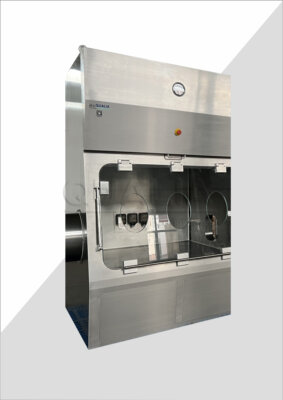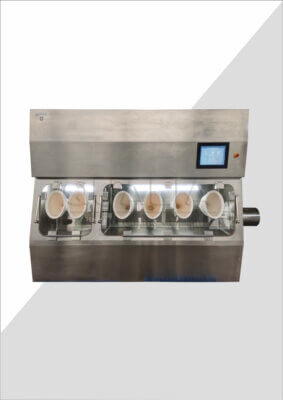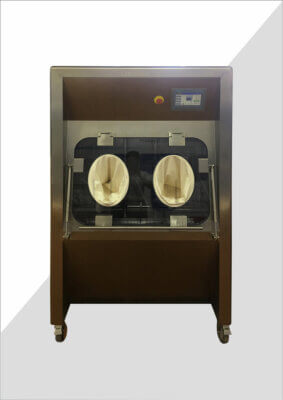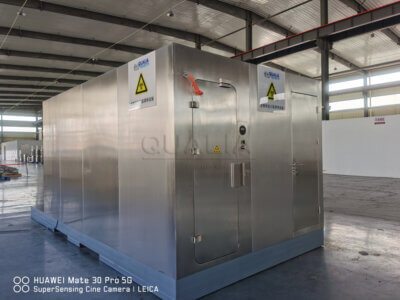
La costruzione di un laboratorio di biosicurezza animale di livello 3 (ABSL-3) è una sfida ingegneristica e operativa ad alto rischio. La decisione principale non è se costruire o meno una struttura sicura, ma come bilanciare le specifiche di contenimento dello standard più elevato con le realtà pratiche di budget, manutenzione e personale. Un'idea sbagliata comune è che il rispetto di un elenco di caratteristiche garantisca la sicurezza; il vero contenimento è un sistema dinamico di controlli ingegneristici integrati, prestazioni verificate e protocolli umani rigorosi.
L'urgenza di queste strutture avanzate non è mai stata così grande, a causa della preparazione alle pandemie, della ricerca sulle malattie zoonotiche e dello sviluppo di vaccini. Un progetto mal eseguito rischia di provocare un fallimento catastrofico del biocontenimento, ritardi nel progetto e costi esorbitanti del ciclo di vita. Questa analisi va oltre i requisiti di base per analizzare le specifiche di prestazione critiche, le scelte dei materiali e i criteri di selezione dei partner che definiscono un'operazione ABSL-3 certificabile e di successo.
Progettazione di base e controlli tecnici per il contenimento dell'ABSL-3
Il principio del contenimento secondario
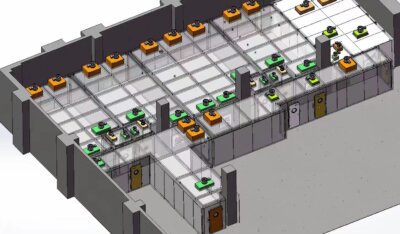
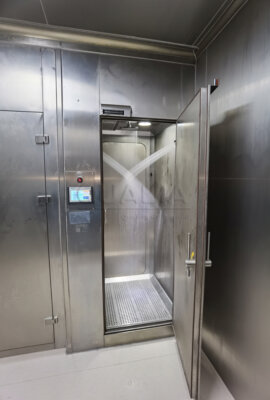
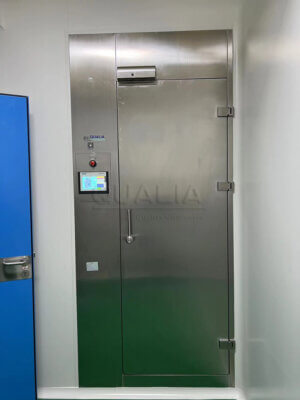
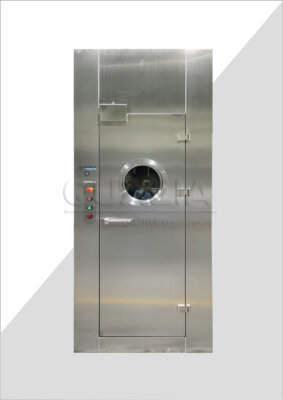
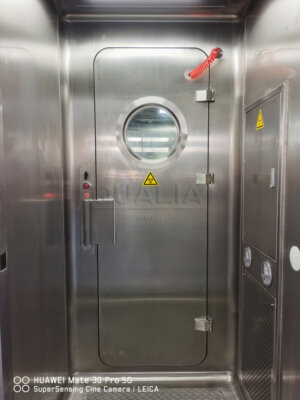
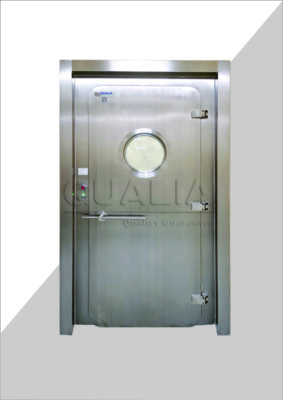
La struttura stessa dell'ABSL-3 è la barriera secondaria. Il suo design deve mantenere l'integrità del contenimento anche se il contenimento primario (ad esempio, una gabbia o un armadio) si guasta. Ciò si ottiene attraverso una costruzione a tenuta d'aria con penetrazioni sigillate per tutte le utenze, superfici monolitiche resistenti e un layout definito che comprende un'anticamera. L'anticamera funge da cuscinetto atmosferico e fisico critico, garantendo una netta separazione tra le zone contaminate e quelle pulite.
Progettazione per un flusso d'aria a prova di guasto
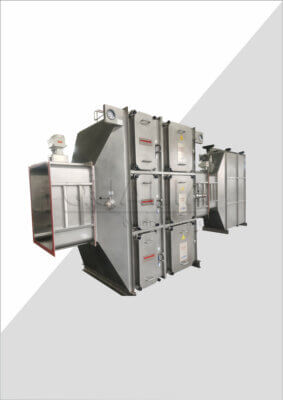
Il requisito di progettazione più critico è il mantenimento del flusso d'aria direzionale. L'ingegneria deve garantire che in qualsiasi condizione di guasto, come l'apertura di una porta, il flusso d'aria non si inverta mai dalle sale di detenzione degli animali o di procedura ai corridoi puliti. Ciò comporta una sofisticata progettazione del sistema HVAC e una logica di controllo. Tuttavia, l'elevata competenza tecnica richiesta per queste implementazioni standard può rappresentare un ostacolo, costringendo a trovare un equilibrio strategico tra sicurezza ideale e operazioni sostenibili e distribuibili a livello globale.
Integrare la struttura con i sistemi
Un contenimento efficace è un'integrazione a più livelli. L'involucro strutturale fornisce un contenimento passivo, mentre i sistemi meccanici forniscono una protezione attiva e dinamica. I due elementi devono essere progettati di concerto. Per esempio, le guarnizioni delle pareti e dei soffitti devono resistere ai differenziali di pressione negativa e le chiusure delle porte devono essere collegate al sistema di automazione dell'edificio. Questa integrazione olistica trasforma un insieme di stanze in un involucro di biocontenimento affidabile.
Specifiche del sistema HVAC: Prestazioni, ridondanza e costi
Parametri di prestazione non negoziabili
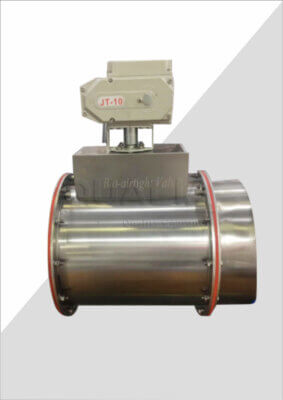
Il sistema HVAC è il cuore attivo del contenimento. Le sue specifiche non sono linee guida, ma soglie di prestazione obbligatorie. Deve sostenere un differenziale di pressione negativa compreso tra -0,05 e -0,1 pollici di spessore d'acqua, fornendo un flusso d'aria interno verificabile. Inoltre, deve garantire 10-12 ricambi d'aria all'ora (ACH) per un'adeguata diluizione dei contaminanti e un controllo ambientale. Tutta l'aria di alimentazione e, cosa fondamentale, tutta l'aria di scarico deve passare attraverso filtri HEPA, come indicato in linee guida fondamentali come la Biosicurezza nei laboratori microbiologici e biomedici (BMBL) 6a edizione.
L'imperativo della ridondanza e dei test
La ridondanza del sistema non è un lusso. Ventilatori di scarico ridondanti con failover automatico sono essenziali per mantenere la pressione negativa in caso di guasto del ventilatore primario. La pietra miliare dell'integrità, tuttavia, è il test di verifica formale. I sistemi devono essere testati in condizioni simulate di guasto del ventilatore di scarico e dell'alimentazione. Questo test è un passo obbligatorio per la certificazione e dimostra la resilienza del progetto. Di conseguenza, la pianificazione del capitale deve dare priorità a questa robusta infrastruttura HVAC, poiché le sue prestazioni documentate definiscono l'involucro di sicurezza fondamentale della struttura.
Budgeting per il ciclo di vita
L'attenzione ai costi deve essere rivolta al valore del ciclo di vita, non solo alle spese di capitale. Un sistema più economico e non ridondante rischia di provocare arresti operativi e mancanze di conformità. Il budget deve tenere conto dei componenti di qualità superiore, dei complessi sistemi di controllo e del consumo energetico dell'aria filtrata HEPA 100%. Investire in caratteristiche di efficienza, come gli azionamenti a frequenza variabile, può ridurre i costi operativi a lungo termine mantenendo la sicurezza.
Confronto tra contenimento primario: Sistemi IVC vs. cabine di sicurezza biologiche
Contenimento primario per l'alloggiamento degli animali
Per ospitare animali infetti, i sistemi di gabbie a ventilazione individuale (IVC) sono lo standard. Forniscono aria filtrata HEPA a ogni gabbia e scaricano l'aria della gabbia nel flusso di scarico trattato della stanza, proteggendo sia gli animali che il personale. L'innovazione in questa nicchia è guidata dalla duplice esigenza del benessere degli animali e della sicurezza dei ricercatori, che porta a caratteristiche avanzate come il trattamento dell'aria a basse vibrazioni e il monitoraggio ambientale integrato nel rack.
Contenimento primario per le procedure
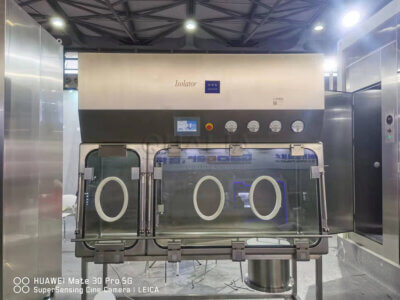
Per le procedure su animali o la manipolazione di campioni, vengono utilizzate le cabine di sicurezza biologica (BSC). Le BSC di classe II offrono una protezione fisica parziale grazie al flusso d'aria verso l'interno e allo scarico con filtro HEPA, adatto per molte procedure ABSL-3. Le BSC di Classe III, che sono involucri a tenuta di gas con guanti applicati, forniscono il massimo livello di contenimento primario per gli agenti più pericolosi.
Il quadro di selezione strategica
La scelta tra i sistemi di ingabbiamento e i tipi di BSC dipende dal protocollo. Dipende dallo specifico agente patogeno, dal modello animale e dalle attività di ricerca. Tutte le apparecchiature di contenimento primario - rack per IVC e BSC - richiedono una certificazione annuale per garantire le prestazioni. Questo settore di apparecchiature specializzate è spesso pioniere di tecnologie, come il miglioramento dei metodi di sigillatura o dei sensori di monitoraggio, che in seguito influenzano le pratiche di biocontenimento più ampie.
La tabella seguente illustra le principali applicazioni e caratteristiche di questi dispositivi di contenimento primario:
| Tipo di contenimento | Applicazione primaria | Caratteristiche protettive fondamentali |
|---|---|---|
| Gabbia a ventilazione individuale (IVC) | Alloggiamento degli animali | Aria filtrata HEPA per gabbia |
| Classe II BSC | Procedure animali / Manipolazioni | Barriera fisica parziale |
| Classe III BSC | Procedure a più alto rischio | Involucro fisico totale |
| Tutte le attrezzature | Certificazione obbligatoria | Verifica annuale delle prestazioni |
Fonte: Biosicurezza nei laboratori microbiologici e biomedici (BMBL) 6a edizione. Il BMBL delinea l'uso appropriato e i requisiti delle attrezzature di contenimento primario, comprese le BSC e i sistemi di ingabbiamento degli animali, specificando il loro ruolo nel fornire una barriera primaria contro gli agenti pericolosi come parte della strategia di difesa a più livelli di una struttura.
Sistemi di decontaminazione: Autoclave e opzioni di trattamento degli effluenti
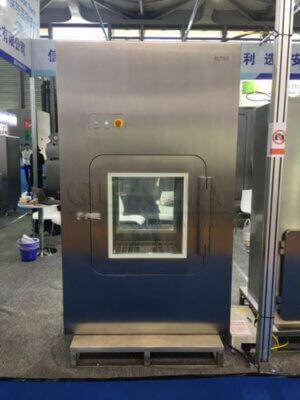
Autoclavi passanti come parete di contenimento
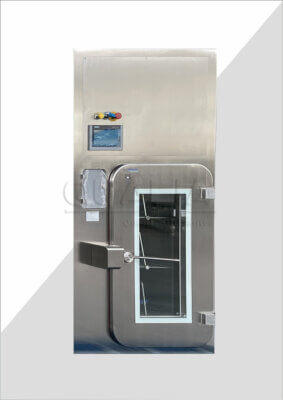
In un laboratorio ABSL-3, l'autoclave passante non è solo uno sterilizzatore, ma un'interfaccia di sicurezza critica incorporata nella parete di contenimento. Richiede flange bioseal e interblocchi delle porte per mantenere il confine fisico del laboratorio durante il funzionamento. Inoltre, la sua condensa deve essere trattata come un rifiuto liquido infettivo. Questa struttura eleva l'autoclave da utilità a elemento centrale di sicurezza.
Decontaminazione centralizzata degli effluenti
Tutti i rifiuti liquidi provenienti da lavandini, scarichi a pavimento, stazioni di lavaggio delle gabbie e condensa delle autoclavi devono essere resi non infettivi prima di lasciare la zona di contenimento. Questo risultato si ottiene in genere con un sistema centralizzato di decontaminazione degli effluenti (EDS) che utilizza il calore (termico) o il trattamento chimico. L'EDS deve essere dimensionato per gestire le portate di picco e integrato con i sistemi idraulici e di controllo della struttura.
L'ascesa del design sostenibile
La sostenibilità nella decontaminazione si sta trasformando da un'aggiunta a una specifica fondamentale. Caratteristiche come le linee di ritorno del vapore sulle autoclavi e i sistemi di ricircolo dell'acqua o di recupero del calore nelle unità EDS riducono significativamente i costi del ciclo di vita e l'impronta ambientale. In base alla mia esperienza di progettazione, specificare queste caratteristiche in anticipo evita costose modifiche e allinea il biocontenimento moderno con obiettivi più ampi di gestione ambientale senza compromettere i requisiti di sicurezza.
L'integrazione e la funzione di queste barriere di decontaminazione critiche sono riassunte di seguito:
| Sistema | Funzione principale | Caratteristica chiave dell'integrazione |
|---|---|---|
| Autoclave passante | Sterilizzazione di rifiuti/materiali | Interblocchi per flange e porte Bioseal |
| Decontaminazione degli effluenti (EDS) | Trattamento dei rifiuti liquidi | Trattamento termico o chimico |
| Ambito EDS | Lavelli, scarichi, condensa | Sistema di trattamento centralizzato |
| Caratteristica della sostenibilità | Recupero di vapore/acqua | Riduce i costi del ciclo di vita |
Fonte: Documentazione tecnica e specifiche industriali.
Verifica della struttura, monitoraggio BAS e ricertificazione annuale
Dalla messa in servizio alla conformità continua
La sicurezza biologica è un onere di prova continuo. Dopo la messa in funzione iniziale, che comporta una verifica approfondita delle prestazioni di tutti i sistemi, la struttura deve essere sottoposta a ricertificazione annuale. Questo processo testa gli allarmi, verifica i differenziali di pressione e i modelli di flusso d'aria e certifica i filtri HEPA e le attrezzature di contenimento primario. Questo requisito ricorrente richiede una voce di bilancio operativa dedicata.
Il ruolo del sistema di automazione degli edifici
Un sofisticato sistema di automazione degli edifici (BAS) è essenziale per la supervisione operativa. Fornisce un monitoraggio continuo 24 ore su 24, 7 giorni su 7, dei differenziali di pressione, della temperatura, dell'umidità e dello stato del sistema. Registra tutti gli eventi di allarme, fornendo una traccia verificabile per le revisioni normative. Il BAS è il sistema nervoso centrale, che consente il monitoraggio e il controllo a distanza dell'ambiente di contenimento.
La prossima evoluzione: Gestione guidata dai dati
Il futuro è nella gestione del contenimento basata sui dati. L'integrazione dei sensori IoT e delle analisi con il BAS consente la manutenzione predittiva - identificando un cuscinetto del ventilatore in avaria prima che si guasti - e facilita la creazione di rapporti di conformità in tempo reale. Questa evoluzione porta la gestione del rischio da controlli manuali periodici a uno stato di garanzia continua, supportata dai dati, cambiando radicalmente il modo in cui le prestazioni dell'impianto vengono convalidate e mantenute.
Il ciclo di verifica e monitoraggio in corso è stato ripreso in questo quadro:
| Attività | Frequenza | Focus principale |
|---|---|---|
| Messa in funzione iniziale | Una volta all'avvio | Verifica completa delle prestazioni del sistema |
| Ricertificazione annuale | Annuale | Allarmi, flusso d'aria, filtri HEPA |
| Monitoraggio continuo | 24 ore su 24, 7 giorni su 7, tramite BAS | Pressione, temperatura, umidità |
| Manutenzione predittiva | Guidati dai dati attraverso i sensori IoT | Analisi per il reporting di conformità |
Fonte: Documentazione tecnica e specifiche industriali.
Scelta e costruzione dei materiali per la durata e la pulibilità
L'imperativo delle superfici impervie
I materiali da costruzione costituiscono l'involucro di contenimento passivo. Ogni superficie deve essere impermeabile all'acqua e resistente a disinfettanti chimici aggressivi come la candeggina e il perossido di idrogeno vaporizzato. L'obiettivo è creare un ambiente pulito e senza giunture, in cui i contaminanti non possano penetrare o aderire. In questo modo si eliminano le nicchie in cui gli agenti patogeni potrebbero persistere.
Specifiche standard per i componenti chiave
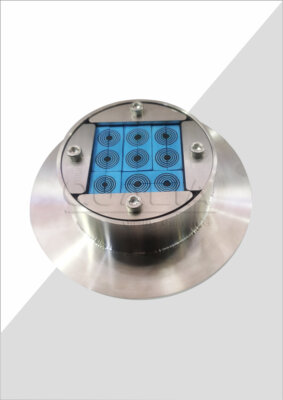
La pavimentazione in resina epossidica con rivestimento integrale (che si incurva lungo la parete) è standard, per evitare crepe e facilitare il deflusso dei liquidi. Le pareti e i soffitti sono in genere costruiti con pannelli in plastica rinforzata con fibra di vetro (FRP), gesso rivestito o altri sistemi monolitici sigillati. Tutte le penetrazioni delle utenze (elettriche, idrauliche e dati) devono essere sigillate in modo permanente con sigillanti flessibili resistenti al fuoco o guarnizioni progettate per applicazioni di contenimento.
Analisi dei costi del ciclo di vita
La scelta del materiale è un equilibrio tra il costo iniziale del capitale e le prestazioni del ciclo di vita. Una finitura murale più economica che si degrada dopo cinque anni di pulizia aggressiva richiede una costosa rottura del contenimento e una ristrutturazione. Investire in materiali di qualità superiore e collaudati garantisce che la struttura possa sopportare per decenni i rigorosi protocolli di decontaminazione senza compromettere l'integrità dell'involucro di contenimento, offrendo un migliore ritorno sull'investimento a lungo termine.
I principali standard dei materiali e le loro proprietà sono illustrati qui di seguito:
| Componente | Materiale Standard | Proprietà chiave |
|---|---|---|
| Pavimenti | Resina epossidica con base bombata | Impermeabili, resistenti alle sostanze chimiche |
| Pareti e soffitti | Superfici monolitiche sigillate | Pulibile, ermetico |
| Penetrazioni | Guarnizioni a tenuta permanente | Mantenere l'integrità del contenimento |
| Criteri di selezione | Prestazioni e costi del ciclo di vita | Decenni di resistenza alla decontaminazione |
Fonte: Documentazione tecnica e specifiche industriali.
Considerazioni operative: Personale, manutenzione e pianificazione degli spazi
Il fattore umano: Formazione specializzata
I controlli tecnici sono inutili senza protocolli umani adeguati. Una formazione specializzata e basata su prove di efficacia sulle procedure operative standard (SOP) e sui DPI specifici per i rischi è un prerequisito non trasferibile. Le deviazioni nella tecnica microbiologica sono una delle principali cause di infezioni contratte in laboratorio. La formazione deve essere rigorosa, ricorrente e verificata per tutto il personale che entra nella zona di contenimento.
Manutenzione con tecnici qualificati
La manutenzione dei sistemi ABSL-3 non può essere eseguita dal personale generico della struttura. I tecnici devono essere qualificati e addestrati a lavorare sui sistemi HVAC, autoclavi e EDS ad alto contenimento, comprendendo le implicazioni di sicurezza biologica del loro lavoro. Un solido programma di manutenzione preventiva, basato sui manuali del BAS e delle apparecchiature, è fondamentale per evitare tempi di inattività non programmati che potrebbero mettere a rischio la ricerca o la sicurezza.
Pianificazione dello spazio guidata dalla logistica
La pianificazione dello spazio deve tenere conto della logistica del flusso di lavoro. Ciò include percorsi definiti per i materiali, gli animali e i rifiuti puliti e sporchi per evitare la contaminazione incrociata. È essenziale disporre di uno spazio adeguato per indossare e togliere i DPI nelle anticamere, per allestire le attrezzature e per conservare i materiali puliti e contaminati. Una scarsa pianificazione logistica crea colli di bottiglia e aumenta il rischio di errori procedurali.
Selezione di un partner di laboratorio BSL-3: Criteri di valutazione fondamentali
Valutazione delle competenze tecniche e normative
Il partner per la progettazione deve dimostrare una profonda competenza tecnica nell'ingegneria del contenimento, non solo nella costruzione di laboratori in generale. Valutate la loro esperienza con i rigorosi test di guasto richiesti per i sistemi HVAC e la loro conoscenza dell'integrazione di apparecchiature specializzate come le autoclavi bioseal. La comprensione delle linee guida del CDC, dell'OMS e di altre autorità è fondamentale.
Valutazione della capacità di supporto del ciclo di vita
Il ruolo del partner non si esaurisce con la messa in servizio. Valutate la loro capacità di supportare la ricertificazione annuale, di fornire programmi di formazione continua e di eseguire la manutenzione specializzata. Un partner che offre un supporto completo per tutto il ciclo di vita riduce il rischio operativo. Per le organizzazioni che necessitano di flessibilità, si consiglia di prendere in considerazione aziende con esperienza nei seguenti settori laboratorio modulare ad alto contenimento che possono rappresentare una risorsa strategica per un rapido dispiegamento o una capacità di riserva durante le epidemie.
L'importanza dell'aderenza agli standard
Collaborate con aziende che progettano e testano secondo gli standard globali emergenti. In questo modo la struttura non solo è conforme oggi, ma è anche a prova di futuro rispetto ai requisiti internazionali in evoluzione. Inoltre, facilita la collaborazione e la condivisione dei dati con i partner di ricerca globali, in quanto le prestazioni della struttura sono convalidate rispetto a un benchmark riconosciuto.
La decisione di costruire un impianto ABSL-3 si basa su tre priorità non negoziabili: prestazioni ingegneristiche convalidate, un budget operativo dedicato per la ricertificazione e la formazione e un partner con una comprovata esperienza nel ciclo di vita del contenimento. Il compromesso su uno qualsiasi di questi pilastri trasferisce al progetto un rischio inaccettabile.
Avete bisogno di una guida professionale per affrontare le complesse specifiche e le sfide di integrazione della costruzione dell'ABSL-3? Gli esperti di QUALIA fornire servizi di progettazione, ingegnerizzazione e convalida basati sugli standard più recenti e sull'esperienza operativa pratica. Contatto per discutere i requisiti del vostro progetto e sviluppare un piano di implementazione gestito in base ai rischi.
Domande frequenti
D: Quali sono le specifiche di prestazione obbligatorie per un sistema HVAC ABSL-3?
R: Il sistema HVAC deve sostenere il flusso d'aria verso l'interno, mantenendo un differenziale di pressione negativa compreso tra -0,05 e -0,1 pollici di colonna d'acqua. Deve inoltre fornire 10-12 ricambi d'aria all'ora (ACH) con tutta l'aria di alimentazione e di scarico che passa attraverso filtri HEPA. Queste prestazioni sono fondamentali per il contenimento e devono essere verificate formalmente in scenari di guasto. Per i progetti in cui l'operatività è fondamentale, la pianificazione del capitale deve dare priorità a questa infrastruttura HVAC ridondante rispetto a caratteristiche secondarie, in quanto definisce l'involucro di sicurezza centrale della struttura.
D: Come dovremmo affrontare il compromesso tra la progettazione ideale della BSL-3 e i vincoli di bilancio?
R: Implementare uno standard di progettazione graduale che preservi l'integrità del contenimento di base, come la costruzione a tenuta d'aria e il flusso d'aria direzionale a prova di guasto, adattando al contempo gli elementi meno critici per la sostenibilità locale. L'approccio a più livelli che integra i sistemi strutturali e meccanici rimane irrinunciabile. Ciò significa che le strutture in regioni con risorse limitate devono concentrare il capitale sulle caratteristiche di sicurezza ingegneristiche richieste da Biosicurezza nei laboratori microbiologici e biomedici (BMBL) 6a edizione per costruire reti efficaci e globali senza compromettere la sicurezza fondamentale.
D: Cosa è richiesto per la conformità annuale di un impianto ABSL-3 operativo?
R: La conformità richiede un'ampia verifica annuale, che comprende il test di tutti gli allarmi, i modelli di flusso d'aria, l'integrità del filtro HEPA e le certificazioni delle apparecchiature di contenimento primario. Un sofisticato sistema di automazione degli edifici (BAS) è essenziale per il monitoraggio continuo e la registrazione di eventi di pressione, temperatura e allarme. Questo onere continuo di conformità richiede un budget operativo dedicato. Se la vostra attività vuole passare dai controlli periodici alla gestione predittiva, prevedete sensori IoT integrati e analisi per consentire una garanzia di contenimento basata sui dati.
D: Quali sono i criteri chiave per la selezione di un partner per la progettazione di un laboratorio BSL-3?
R: Valutate i partner in base alla loro comprovata esperienza nei test rigorosi sui guasti HVAC, all'integrazione di apparecchiature specializzate come le autoclavi bioseal e alla conoscenza delle normative vigenti. Privilegiate le aziende che offrono un supporto per tutto il ciclo di vita, compresi i servizi di ricertificazione annuale e la formazione del personale. Per essere a prova di futuro, allineatevi con i partner che aderiscono agli standard globali emergenti per i test di ventilazione. Ciò significa che le organizzazioni che necessitano di un'implementazione rapida o di capacità di picco dovrebbero considerare la capacità di un partner di fornire laboratori mobili modulari come un elemento di differenziazione strategica.
D: In che modo la scelta del materiale influisce sulle prestazioni a lungo termine di un laboratorio di contenimento?
R: I materiali devono creare un involucro impermeabile e passivo, resistente a sostanze chimiche aggressive e a ripetute pulizie, utilizzando elementi come pavimenti in resina epossidica con rivestimento integrale e pareti monolitiche sigillate. Tutte le penetrazioni delle utenze devono essere sigillate in modo permanente. Il processo di selezione bilancia il costo iniziale con decenni di prestazioni sottoposte a rigorosi protocolli di decontaminazione. Questa attenzione alla durata si traduce direttamente in una resilienza operativa a lungo termine, quindi le strutture dovrebbero dare priorità alle prestazioni del ciclo di vita rispetto ai risparmi iniziali per ridurre al minimo i tempi di inattività per la manutenzione futura e preservare l'involucro di contenimento.
D: Qual è la differenza strategica tra l'uso dei sistemi IVC e delle cabine di sicurezza biologica nel lavoro ABSL-3?
R: I sistemi di gabbie a ventilazione individuale (IVC) forniscono un contenimento primario con filtro HEPA per l'alloggiamento degli animali, mentre le cabine di sicurezza biologica (BSC) di Classe II o III sono utilizzate per le procedure. La scelta dipende dal protocollo, in base all'agente patogeno specifico e al modello animale. Tutte queste apparecchiature richiedono una certificazione annuale. Questo approccio di contenimento stratificato significa che le esigenze specifiche del vostro programma di ricerca dettano l'investimento strategico, con le caratteristiche avanzate delle IVC che spesso sono pioniere di tecnologie a vantaggio di pratiche di biocontenimento più ampie.
D: Perché i test di verifica formale in condizioni di guasto sono fondamentali per i sistemi HVAC?
R: I test in condizioni di ventilatore di scarico simulato e di interruzione dell'alimentazione sono una fase di certificazione obbligatoria che convalida la capacità del sistema di mantenere il flusso d'aria direzionale e l'integrità del contenimento durante gli incidenti del mondo reale. Questo processo conferma le prestazioni dei ventilatori di scarico ridondanti con failover automatico. Di conseguenza, durante la messa in funzione dell'impianto, è necessario richiedere e assistere a questo test di modalità di guasto, in quanto è la pietra miliare delle prestazioni di sicurezza documentate e non è negoziabile per la certificazione operativa.
Contenuti correlati:
- Ricerca sugli animali BSL-4: Garantire la sicurezza degli operatori
- Alloggiamento per animali BSL-3: Sistemi di contenimento sicuri
- Ricerca animale BSL-3: Guida alla progettazione dell'impianto
- Principi di progettazione tecnica dei laboratori animali BSL-3 per la manipolazione di agenti aerosol-trasmissibili
- La Guida completa ai laboratori BSL-3 per animali per i direttori delle strutture di ricerca: Edizione 2025
- Specifiche essenziali dell'isolatore OEB4 da conoscere
- Cabine di sicurezza biologica nella ricerca animale: La sicurezza prima di tutto
- Quali sono le fasi principali del flusso di lavoro nella gestione del rischio di aerosol nei laboratori animali BSL-3?
- Isolatori di sicurezza biologica nelle strutture di ricerca animale