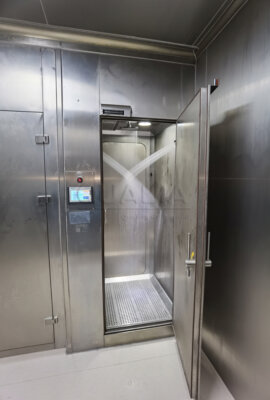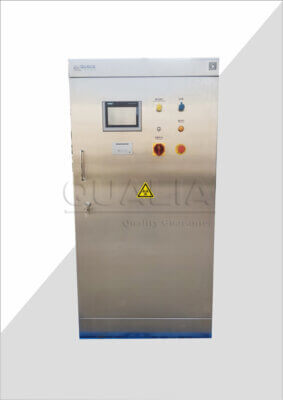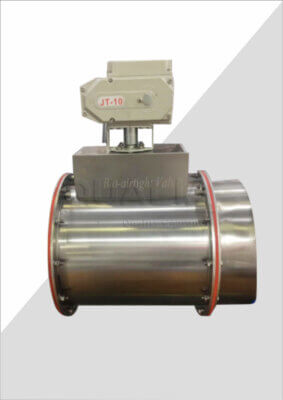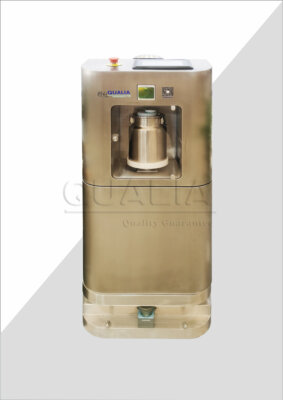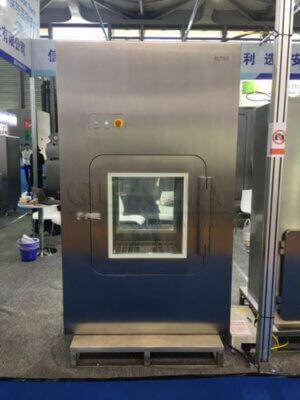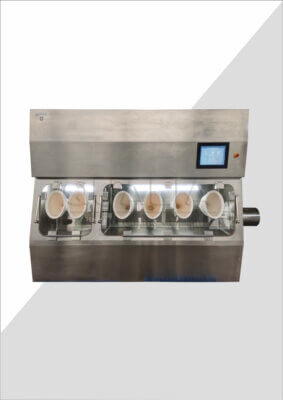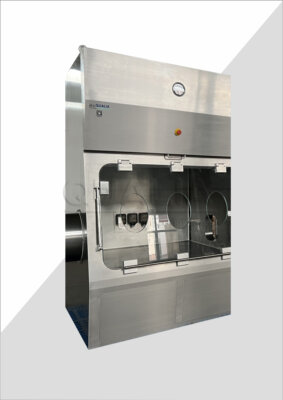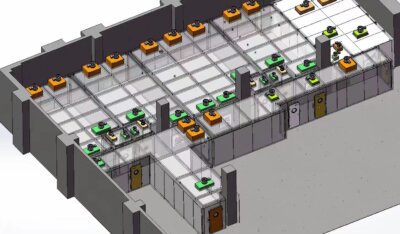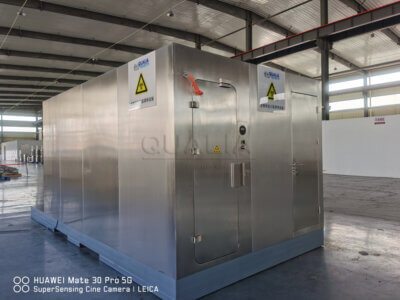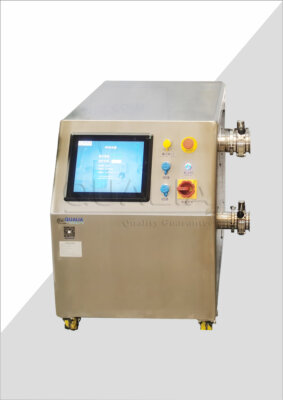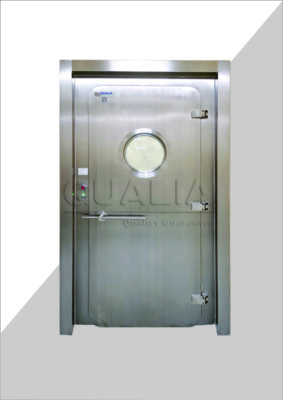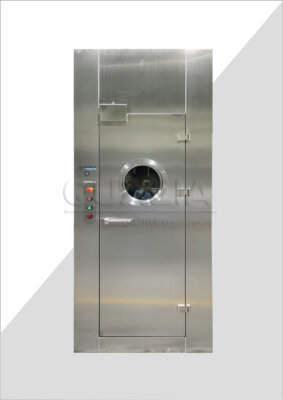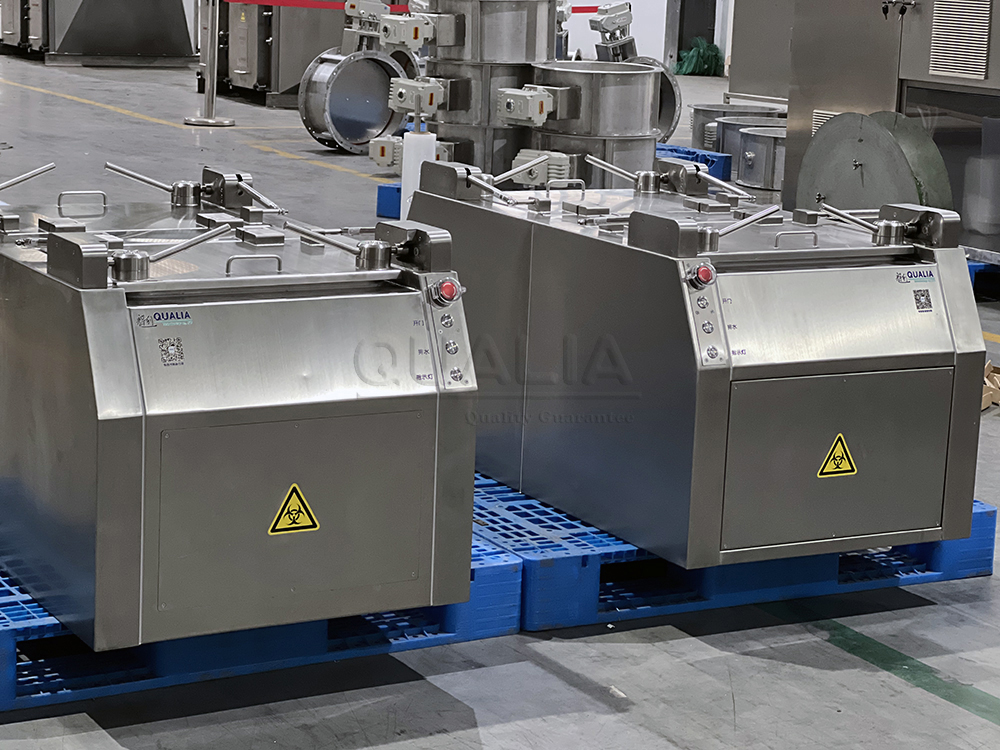
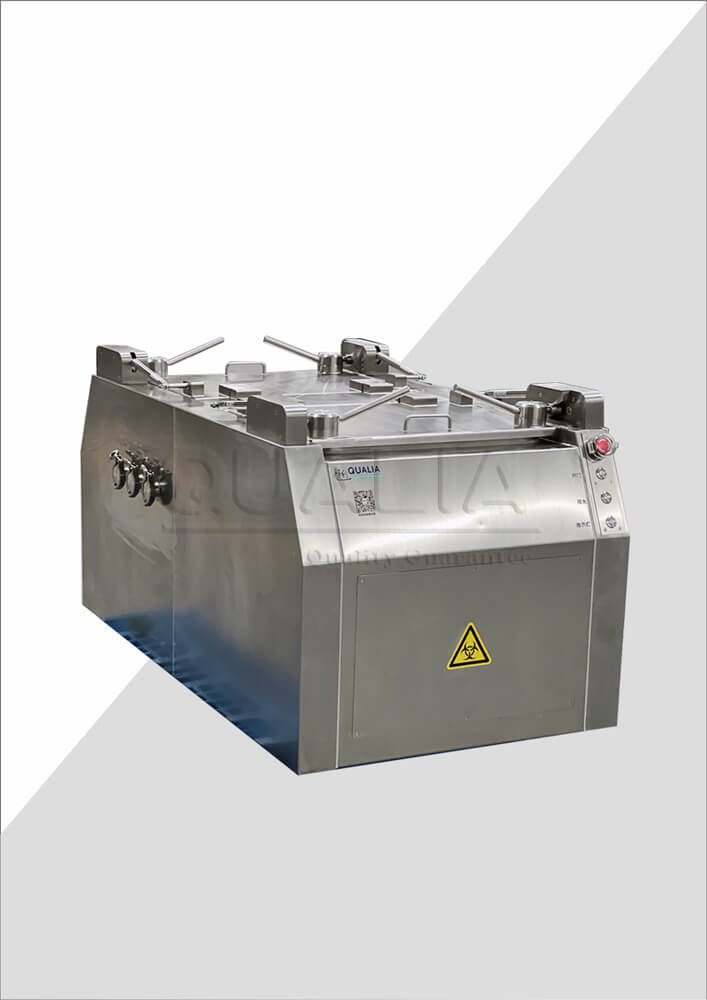
What is the Biosafety Dunk Tank?
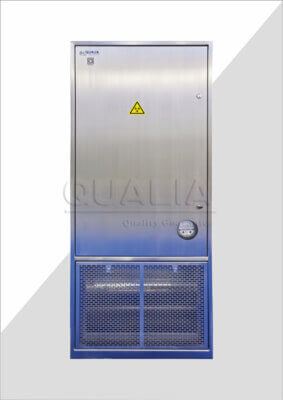
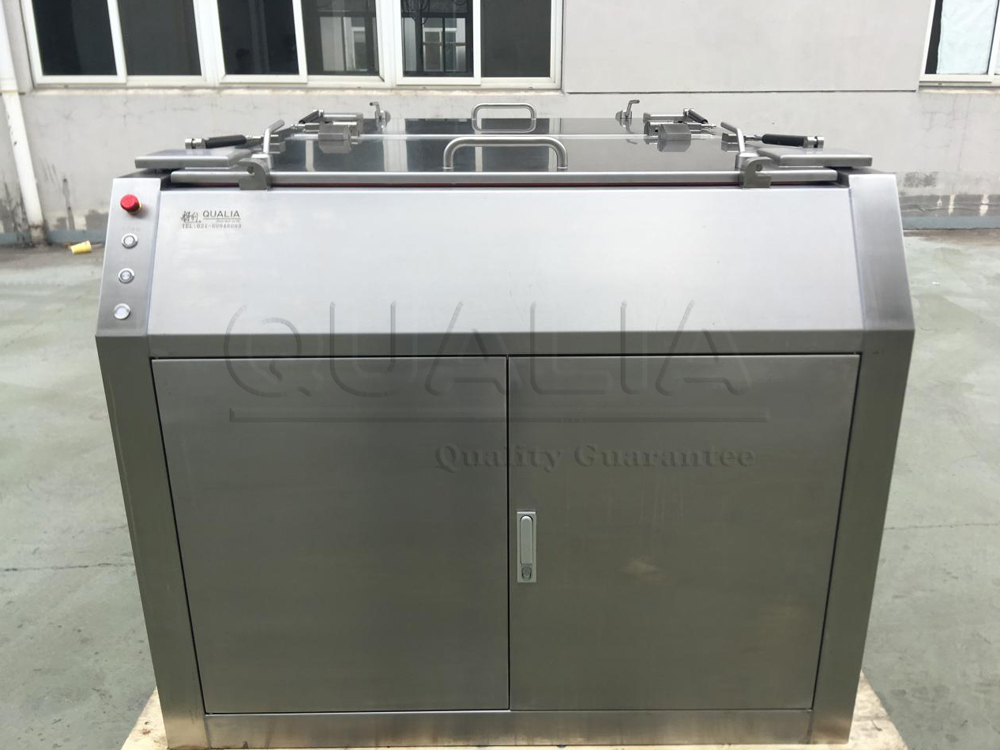
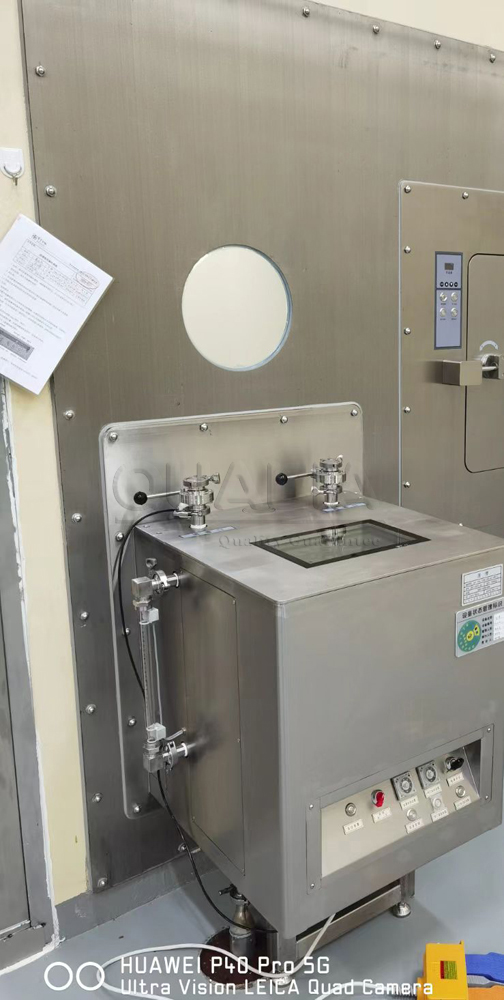
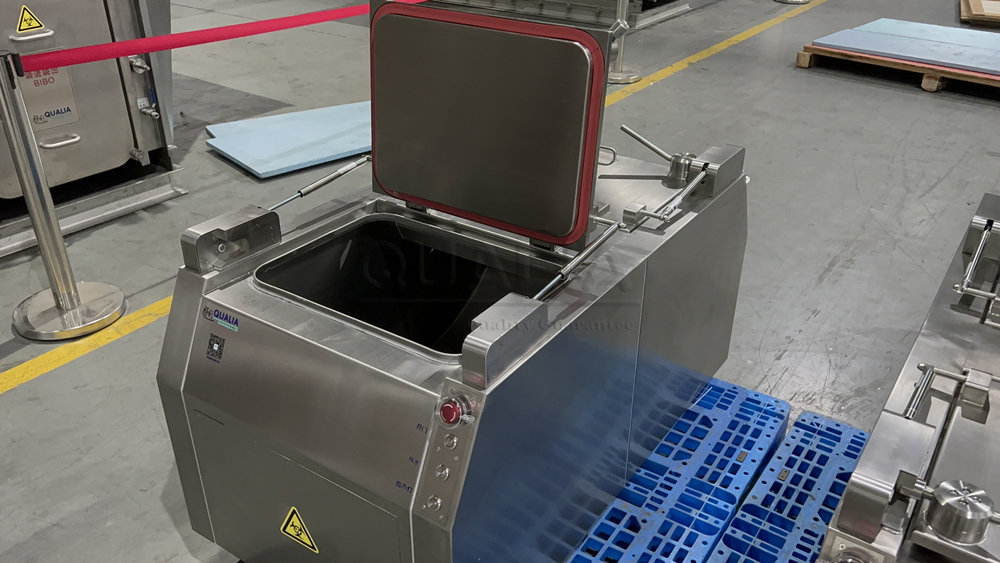
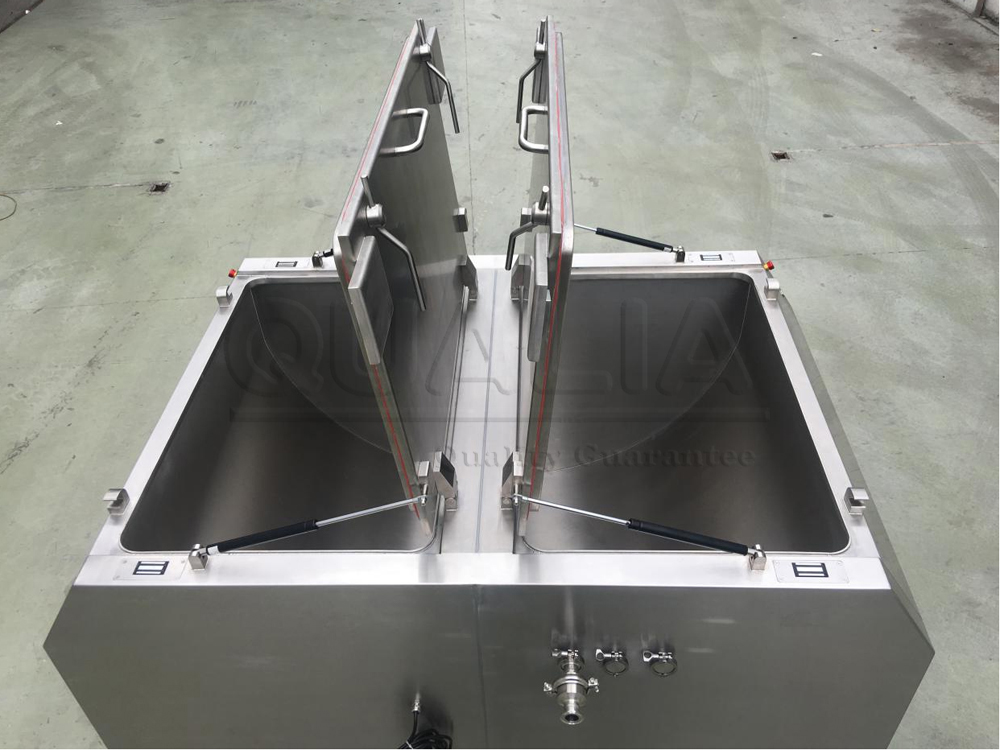
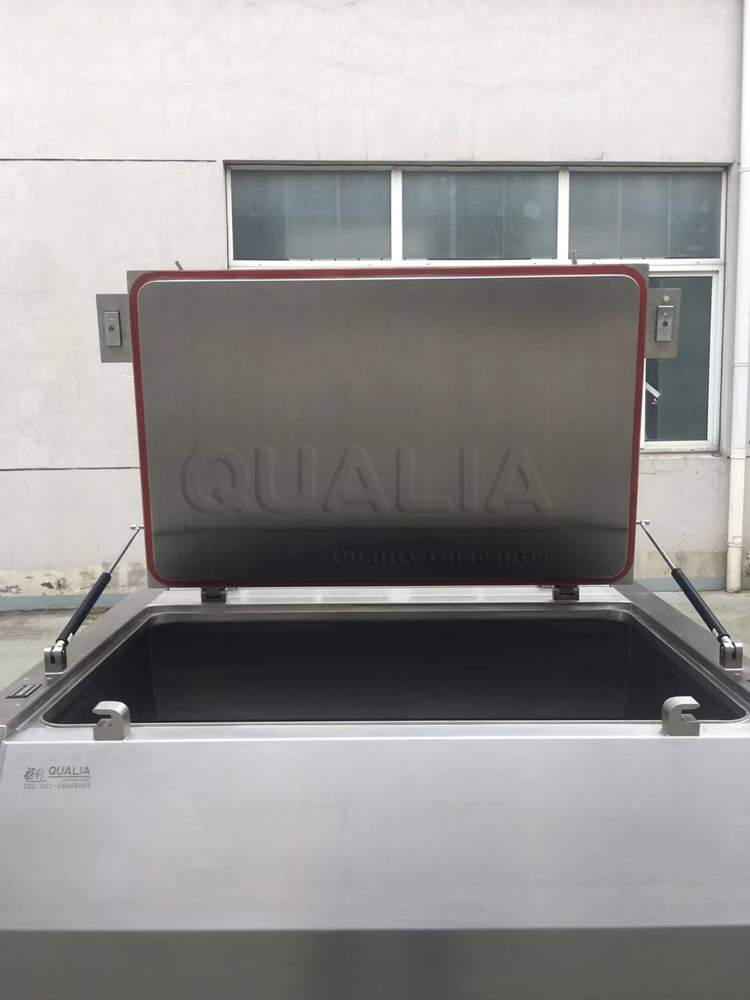
The chemical dunk tank developed and produced by Qualia is a stainless steel cabinet equipped with a disinfectant basin that can be embedded into the walls of BSL-3 and BSL-3E laboratories, complete with external sealing facilities.
It is primarily used for transferring items that cannot be sterilized by high-temperature, high-pressure, or irradiation methods but are resistant to acids and alkalis. The transfer requires that items be fully exposed without any areas that the disinfectant cannot reach. This ensures that even sensitive equipment or materials that must not be exposed to extreme sterilization conditions can be safely transferred without risking the integrity of the biologically secure environment.
Product Features
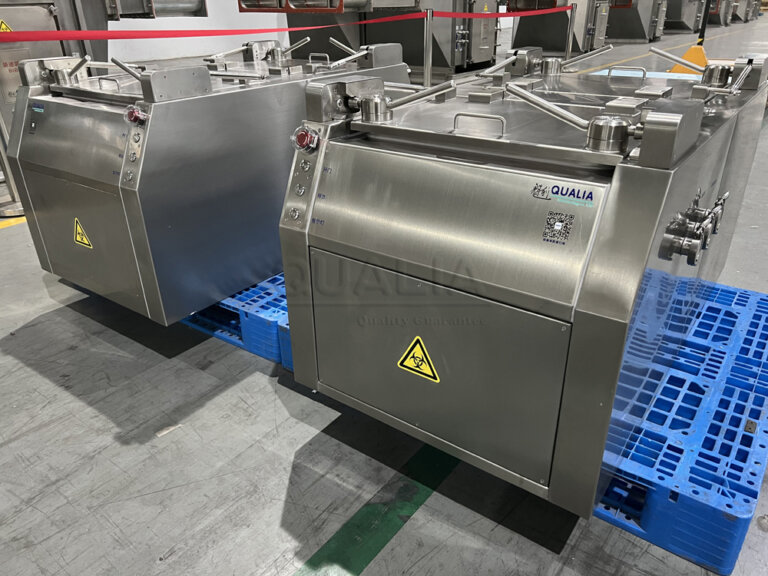
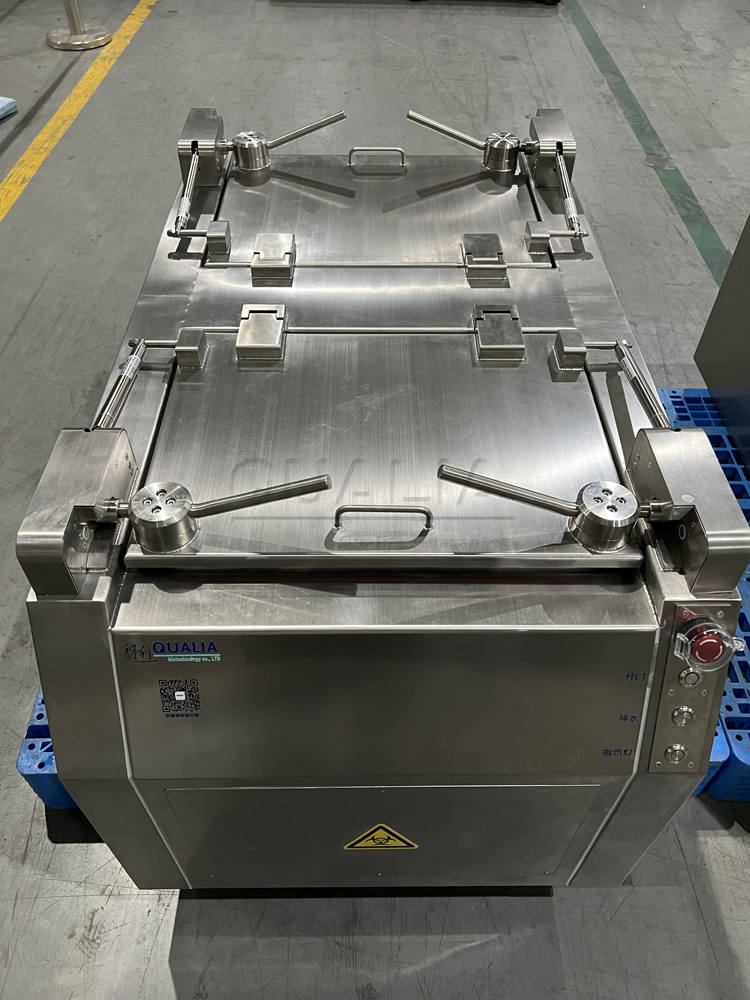
- Fully encased in 304 stainless steel, providing a flat surface with no crevices for easy cleaning and straightforward installation.
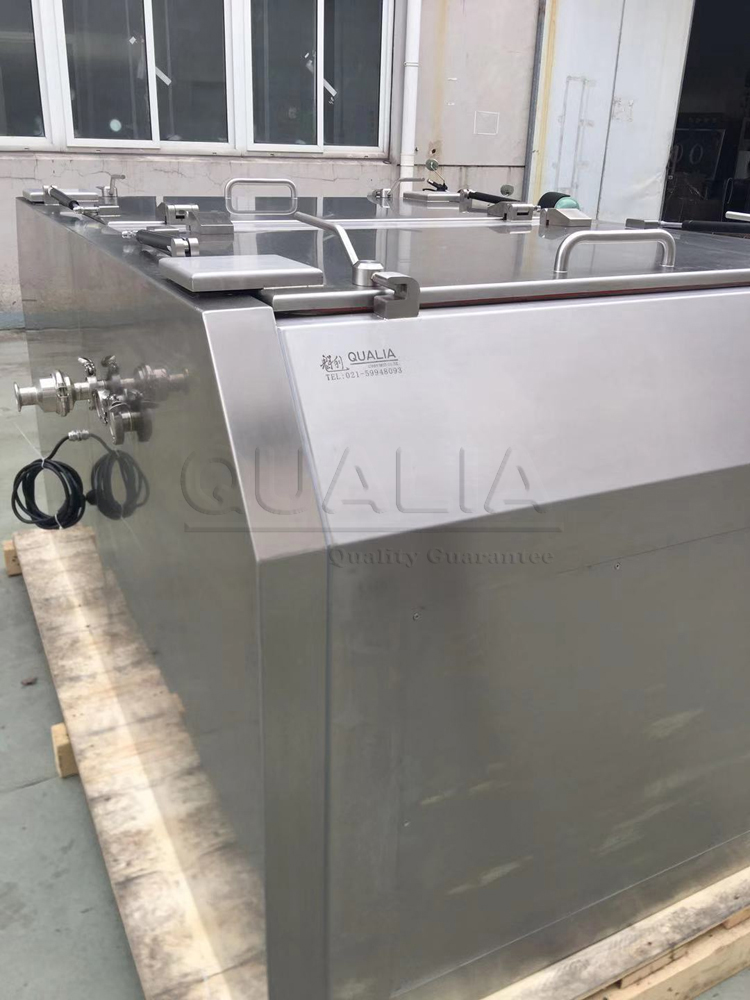
- QUALIA’s Biosafety Dunk Tank features all surface conduits and additional components concealed within to maintain a clean aesthetic and eliminate hard-to-reach areas. This design prevents cable and connector degradation due to prolonged exposure to sterilization processes.
- A maintenance access point is reserved on one side of the equipment, situated outside of protective zones with no maintenance ports within.
- The maintenance port is strategically located on the front panel for low spatial impact during on-site installation.
- The device comes equipped with options for liquid level sensors or visual liquid level gauges.
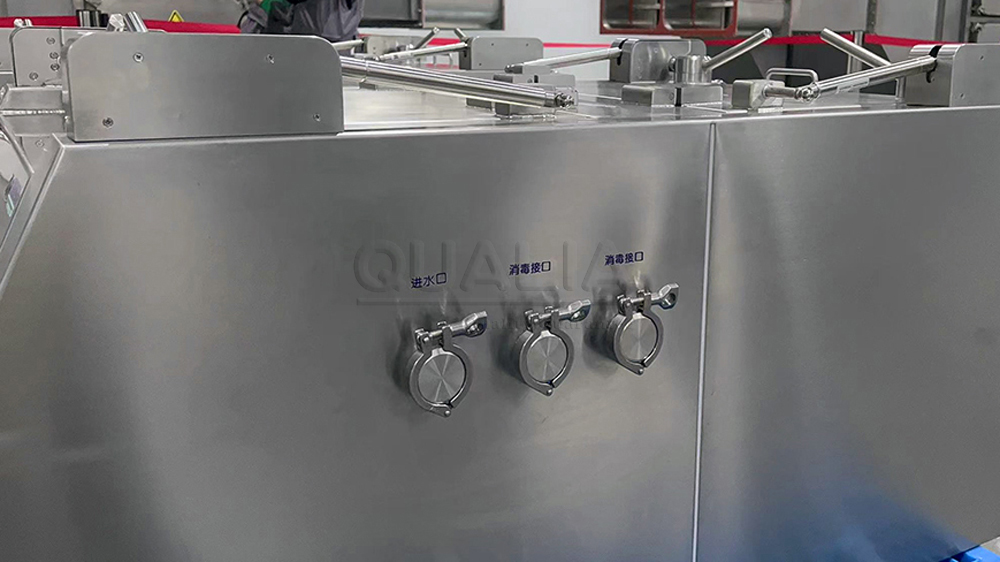
- Designed with ports for disinfectant liquid entry and exit, enabling automated discharge and management of high liquid levels.
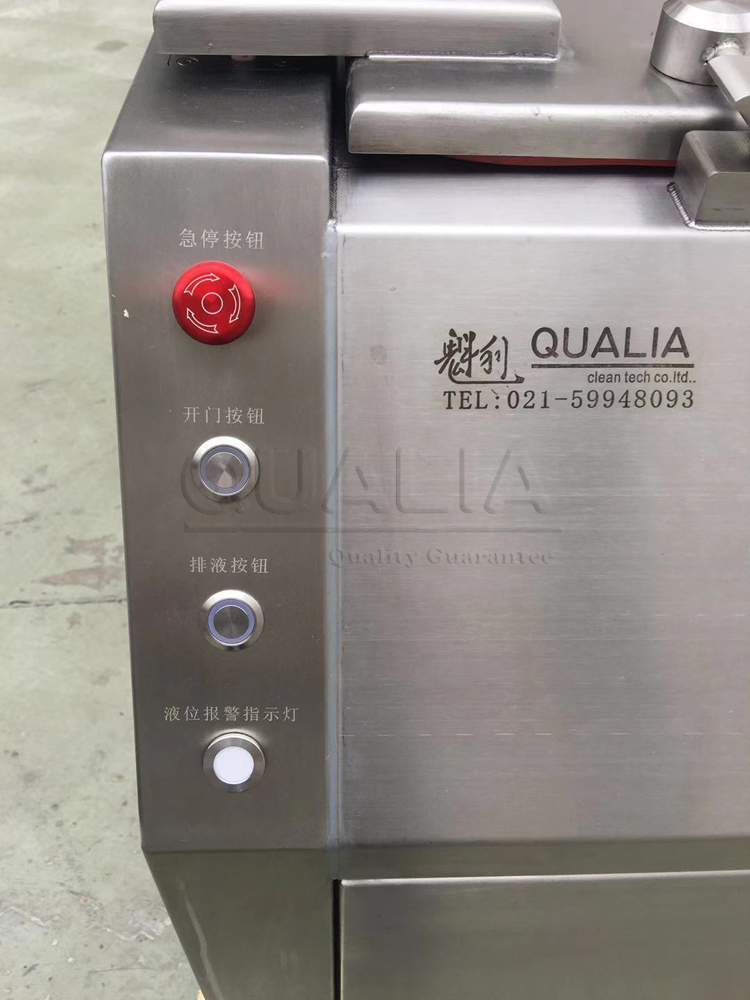
- Electronic interlocks on both sides to minimize risks associated with operational errors.
- Internal barrier design ensures that the disinfectant remains separate on both sides, preventing cross-communication even at low liquid levels.
Biosafety Dunk Tank Gallery
QUALIA Biosafety Dunk Tank's Water inlet disinfectant port_1
QUALIA Biosafety Dunk Tank Wrap-around design without extra exposed cables _1
QUALIA Biosafety Dunk Tank Sleek Control Panel_1
QUALIA Biosafety Dunk Tank in Factory 6_1
QUALIA Biosafety Dunk Tank in Factory 5_1
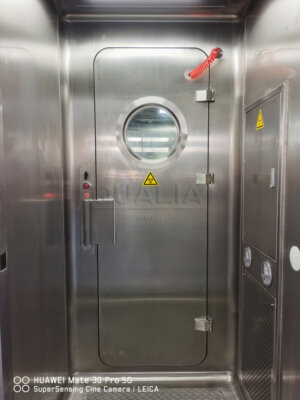
QUALIA Biosafety Dunk Tank Mounted on SS Wall with Vision Glass_1
QUALIA Biosafety Dunk Tank in Factory 2_1
QUALIA Biosafety Dunk Tank in Factory 1_1
QUALIA Biosafety Dunk Tank EPDM Sealed Top Cover_1