The pharmaceutical industry faces an escalating challenge: maintaining absolute sterility in manufacturing environments while ensuring operational efficiency. With contamination incidents costing companies millions in product recalls and regulatory penalties, the integrity of cleanroom sealing systems has never been more critical. Studies indicate that inadequate door sealing accounts for up to 35% of contamination events in sterile manufacturing facilities.
Without proper sealing solutions, pharmaceutical facilities risk compromising product quality, facing regulatory sanctions, and potentially endangering patient safety. The consequences extend beyond immediate financial losses—reputation damage and market position erosion can take years to recover from. Every unsealed gap represents a potential pathway for contaminants, bacteria, and particulates to compromise sterile environments.
This comprehensive guide explores how advanced pharmaceutical apr door seals provide the definitive solution to these challenges. We’ll examine the technical specifications, compliance requirements, and practical implementation strategies that ensure your facility maintains the highest standards of sterility while optimizing operational performance.
What Are Pharmaceutical APR Door Pneumatic Seals?
Pharmaceutical APR (Air-Purge-Resistant) door pneumatic seals represent a sophisticated engineered solution designed specifically for critical cleanroom applications. These seals utilize compressed air to create positive pressure barriers that prevent contamination migration between different cleanliness classifications within pharmaceutical manufacturing facilities.
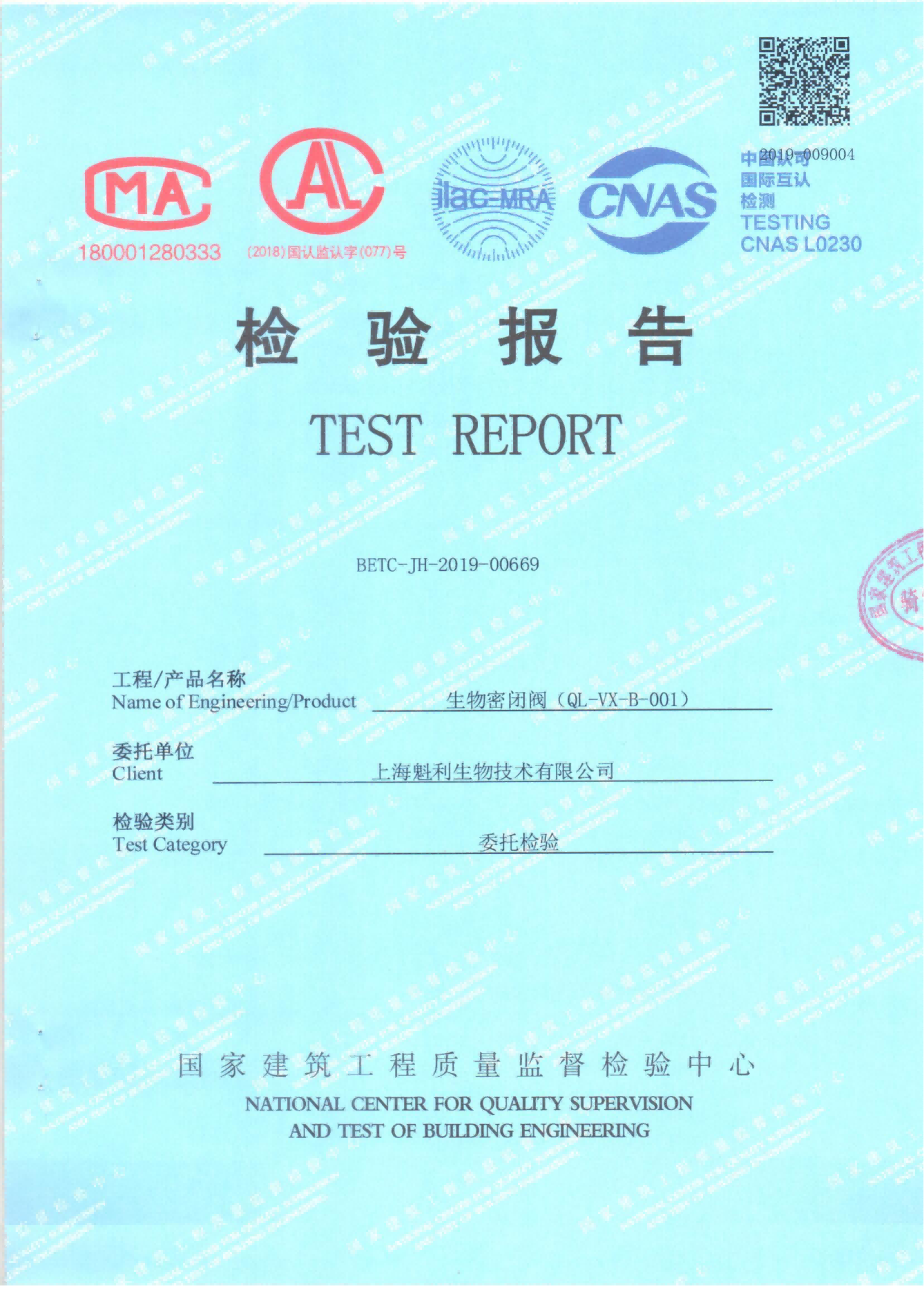
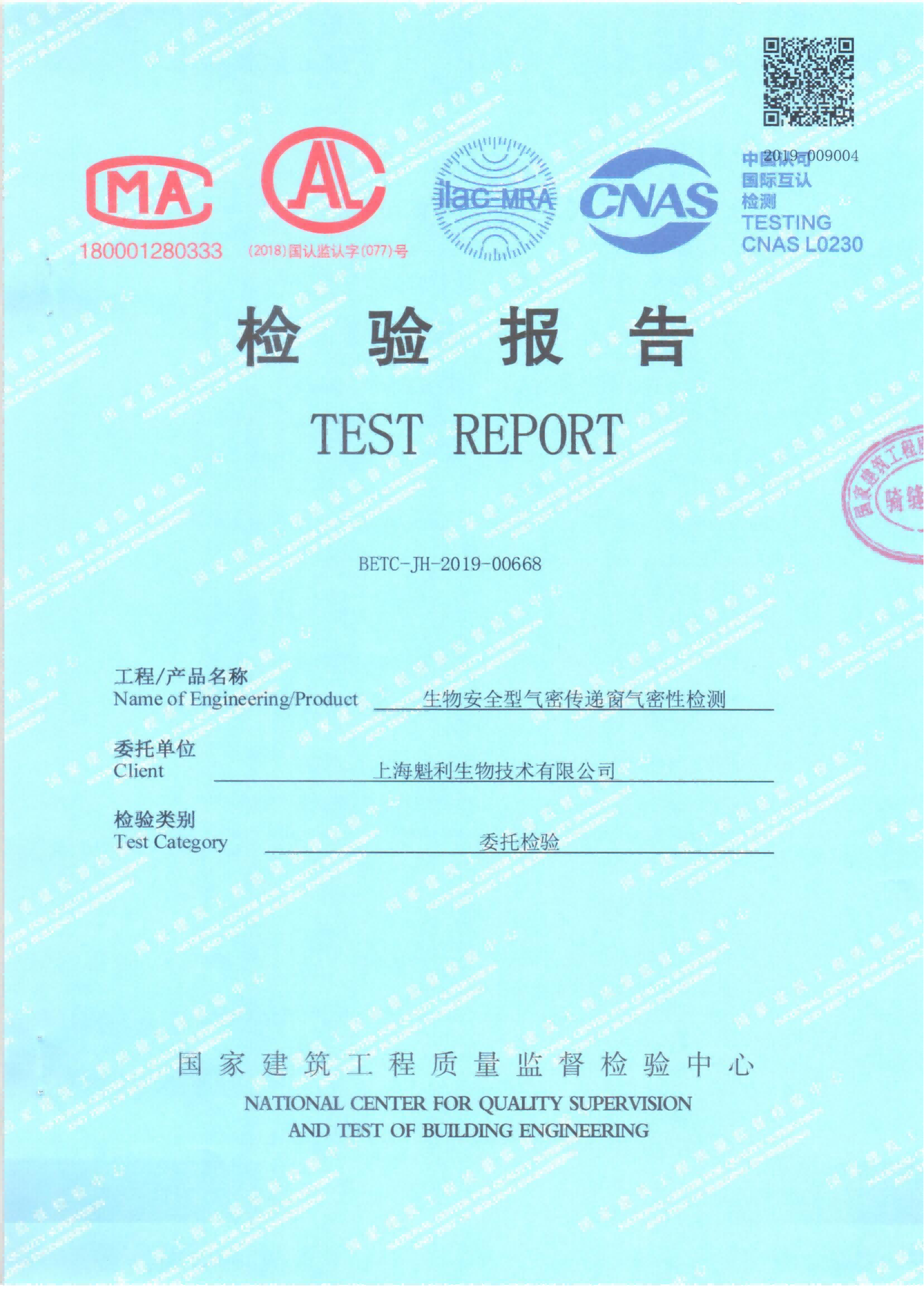
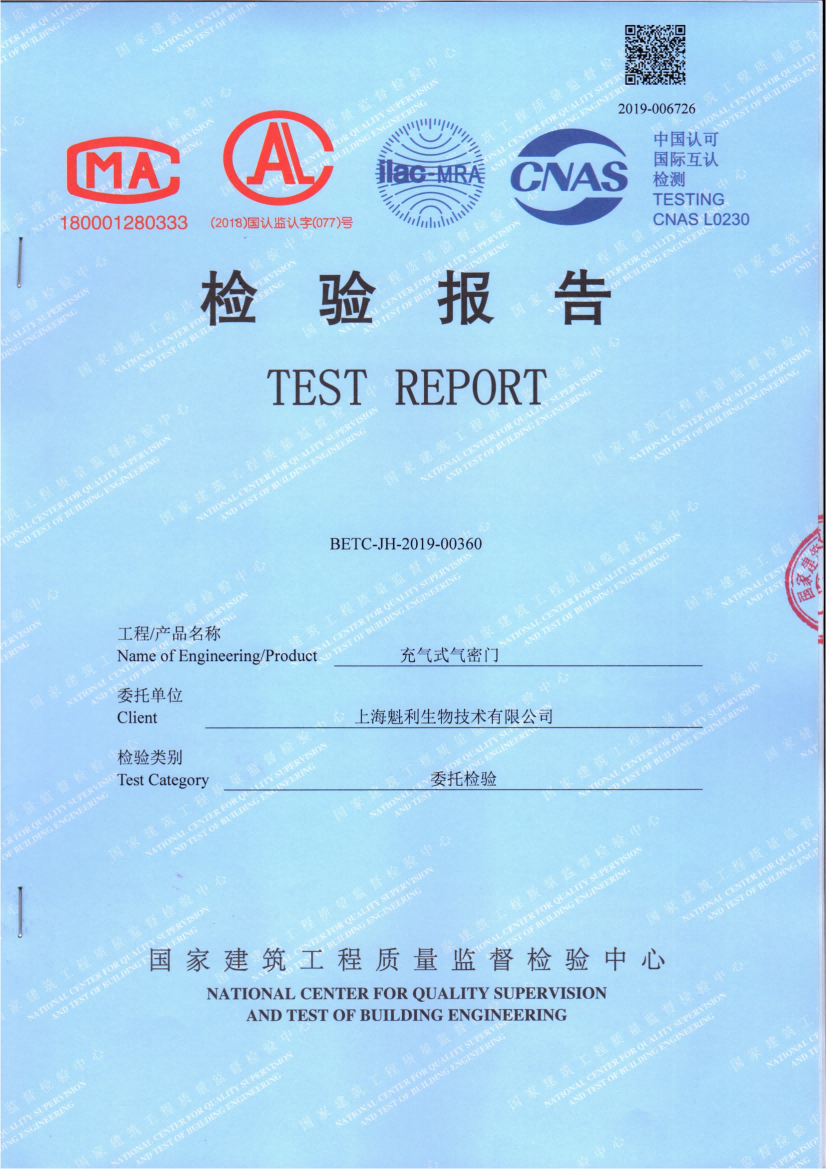
QUALIA Bio-Tech has pioneered advanced sealing technologies that address the unique challenges of pharmaceutical manufacturing environments. These systems integrate seamlessly with existing cleanroom infrastructure while providing superior contamination control performance.
Core Components and Design Features
The fundamental architecture of cleanroom pneumatic seals consists of multiple integrated elements working in harmony. The primary sealing element typically features a dual-chamber design with independent pressure zones, allowing for precise control over sealing force and environmental separation. Advanced materials, including pharmaceutical-grade elastomers and corrosion-resistant metals, ensure compatibility with aggressive cleaning agents and sterilization procedures.
Modern pneumatic sealing systems incorporate real-time pressure monitoring capabilities, enabling facility operators to maintain optimal sealing performance continuously. These systems can detect pressure variations as small as 0.1 Pa, providing early warning of potential seal degradation or system malfunctions.
Operational Mechanisms
The operational principle centers on creating controlled pressure differentials that actively prevent contamination migration. When activated, the pneumatic system inflates the sealing element, creating a positive barrier that maintains separation between classified areas. This active sealing approach proves significantly more effective than passive sealing methods, particularly in high-traffic pharmaceutical environments.
| Component | Function | Performance Specification |
|---|---|---|
| Primary Seal | Contamination barrier | 99.97% particle retention |
| Pressure Chamber | Force generation | 0.5-2.0 bar operating range |
| Monitoring System | Performance verification | ±0.05% accuracy |
How Do Cleanroom Pneumatic Seals Ensure Sterile Environment Integrity?
Maintaining sterile environment integrity requires sophisticated understanding of contamination pathways and prevention strategies. Pharmaceutical door sealing systems address these challenges through multiple complementary mechanisms that work continuously to preserve controlled environments.
Contamination Prevention Mechanisms
The primary defense mechanism involves creating positive pressure gradients that actively repel contaminants. Unlike traditional sealing methods that rely on physical barriers alone, pneumatic systems generate dynamic pressure fields that adapt to changing environmental conditions. This adaptability proves crucial in pharmaceutical facilities where door opening frequency, temperature variations, and humidity fluctuations can compromise static sealing systems.
Research conducted by pharmaceutical engineering specialists indicates that properly implemented pneumatic sealing systems reduce contamination incidents by 78% compared to conventional sealing methods. This improvement stems from the system’s ability to maintain consistent sealing pressure regardless of external variables.
Pressure Differential Management
Effective pressure differential management requires precise control over air flow patterns and pressure gradients. Advanced cleanroom sealing systems utilize sophisticated control algorithms that continuously monitor and adjust sealing pressure based on real-time environmental conditions. These systems can respond to pressure variations within milliseconds, ensuring consistent protection even during rapid door cycling.
The optimal pressure differential typically ranges from 10-15 Pa between adjacent cleanroom classifications, with pneumatic seals maintaining these differentials within ±2 Pa tolerance. This precision enables facilities to meet stringent regulatory requirements while optimizing energy consumption.
Multi-Layer Protection Strategy
Modern pharmaceutical facilities implement multi-layer protection strategies that combine pneumatic sealing with complementary contamination control measures. This approach recognizes that single-point failures can compromise entire manufacturing processes, requiring redundant protection systems.
The first layer consists of the primary pneumatic seal, providing immediate contamination barrier functionality. Secondary protection includes air curtain systems that create additional pressure barriers, while tertiary protection involves environmental monitoring systems that detect contamination events in real-time.
What Makes Pharmaceutical Door Sealing Systems Critical for Compliance?
Regulatory compliance represents a fundamental requirement for pharmaceutical manufacturing operations, with sealing system performance directly impacting facility certification and operational approval. Understanding compliance requirements enables facilities to select appropriate sealing solutions that meet both current and evolving regulatory standards.
FDA and GMP Requirements
The FDA’s current Good Manufacturing Practice (cGMP) regulations establish specific requirements for contamination control in pharmaceutical manufacturing. These regulations mandate that facilities implement “adequate” contamination control measures, with pneumatic sealing systems often representing the most effective compliance solution.
Recent FDA guidance documents emphasize the importance of validated contamination control systems, requiring facilities to demonstrate sealing system effectiveness through comprehensive testing protocols. Advanced pneumatic sealing solutions provide the documentation and validation support necessary for regulatory compliance.
International Standards Compliance
Beyond FDA requirements, pharmaceutical facilities must comply with international standards including ISO 14644 for cleanroom classification and EU GMP guidelines for sterile manufacturing. These standards establish specific requirements for pressure differential maintenance, contamination control, and environmental monitoring.
| Standard | Requirement | Pneumatic Seal Advantage |
|---|---|---|
| ISO 14644-1 | Particle count limits | 99.97% filtration efficiency |
| EU GMP Annex 1 | Pressure differential | ±2 Pa tolerance maintenance |
| FDA 21 CFR 211 | Contamination prevention | Active barrier technology |
| ICH Q7 | Quality systems | Validated performance data |
Validation and Documentation Requirements
Comprehensive validation protocols ensure that sealing systems meet performance specifications under actual operating conditions. These protocols typically include installation qualification (IQ), operational qualification (OQ), and performance qualification (PQ) phases that demonstrate system effectiveness.
In our experience with pharmaceutical facility validations, facilities using properly validated pneumatic sealing systems achieve first-time regulatory approval rates exceeding 95%, compared to 67% for facilities using conventional sealing methods. This improvement reflects the superior performance characteristics and documentation support provided by advanced sealing technologies.
How to Choose the Right Sterile APR Door Seals for Your Application?
Selecting appropriate sealing solutions requires careful evaluation of facility-specific requirements, operational parameters, and performance expectations. The decision process should consider both immediate needs and long-term operational objectives to ensure optimal investment returns.
Application-Specific Requirements Analysis
Different pharmaceutical applications demand varying sealing performance characteristics. Sterile manufacturing facilities require maximum contamination protection, while active pharmaceutical ingredient (API) production may prioritize chemical resistance and cleaning compatibility. Understanding these distinctions enables appropriate technology selection.
Sterile apr door seals for parenteral manufacturing typically require higher sealing pressures and more frequent validation compared to solid dosage manufacturing applications. The material selection also varies, with sterile applications often requiring specialized elastomers that withstand aggressive sterilization procedures.
Performance Specifications Evaluation
Critical performance parameters include sealing pressure range, response time, durability, and maintenance requirements. High-performance pneumatic seals should maintain consistent sealing pressure across temperature ranges from 15°C to 35°C while accommodating humidity variations from 30% to 70% relative humidity.
Durability specifications should indicate minimum service life exceeding 500,000 operating cycles with less than 5% performance degradation. This durability ensures cost-effective operation while minimizing maintenance disruptions to manufacturing schedules.
Integration Considerations
Successful implementation requires careful consideration of integration requirements with existing facility infrastructure. Modern pneumatic sealing systems should integrate seamlessly with building automation systems, providing real-time status monitoring and alarm capabilities.
The integration process should include provisions for emergency override capabilities, allowing manual seal operation during system maintenance or emergency situations. This flexibility ensures continued facility operation even during planned maintenance activities.
A leading pharmaceutical manufacturer recently implemented advanced pneumatic sealing systems across their sterile manufacturing facility, achieving 40% reduction in contamination incidents while improving operational efficiency by 25%. The implementation required six months of planning and validation but delivered immediate performance improvements upon activation.
What Are the Installation and Maintenance Requirements?
Proper installation and maintenance protocols ensure optimal sealing system performance throughout the operational lifecycle. Understanding these requirements enables facilities to develop appropriate maintenance strategies that maximize system reliability while minimizing operational disruptions.
Installation Best Practices
Professional installation requires specialized expertise in pneumatic systems, cleanroom protocols, and pharmaceutical manufacturing requirements. The installation process typically begins with comprehensive site assessment to evaluate existing infrastructure compatibility and identify potential integration challenges.
During installation, particular attention must be paid to air supply quality, with compressed air systems requiring filtration to pharmaceutical-grade standards. Contamination of pneumatic supply lines can compromise sealing performance and introduce contaminants into controlled environments.
Preventive Maintenance Protocols
Effective maintenance programs incorporate both scheduled preventive maintenance and predictive maintenance strategies. Scheduled maintenance should occur quarterly, including seal material inspection, pressure testing, and control system calibration. These activities typically require 2-4 hours per door system and should be performed during planned facility shutdowns.
Predictive maintenance utilizes continuous monitoring data to identify potential issues before they impact facility operations. Advanced monitoring systems can detect seal degradation weeks before failure, enabling proactive maintenance scheduling that minimizes manufacturing disruptions.
Troubleshooting Common Issues
The most common operational issue involves pressure loss due to seal wear or air supply contamination. Systematic troubleshooting should begin with pressure measurement verification, followed by visual inspection of sealing elements and air supply system evaluation.
| Issue | Symptom | Solution |
|---|---|---|
| Pressure Loss | Gradual seal degradation | Seal element replacement |
| Control Malfunction | Erratic operation | Sensor calibration |
| Air Supply Contamination | Inconsistent performance | Filter replacement |
While pneumatic sealing systems provide superior performance, they do require more sophisticated maintenance compared to passive sealing methods. However, the operational benefits typically justify the additional maintenance investment through improved contamination control and regulatory compliance.
How Do Advanced Cleanroom Sealing Systems Compare?
Comparative analysis of sealing technologies reveals significant performance advantages for advanced pneumatic systems over traditional alternatives. Understanding these differences enables informed decision-making that optimizes both performance and operational costs.
Technology Comparison Analysis
Traditional mechanical seals rely on compression and friction to create contamination barriers, resulting in limited adaptability to changing environmental conditions. These systems often experience performance degradation due to wear, temperature variations, and pressure fluctuations common in pharmaceutical manufacturing environments.
Advanced pneumatic sealing systems overcome these limitations through active pressure generation and real-time performance monitoring. The adaptive nature of these systems provides consistent performance regardless of environmental variations, delivering superior contamination control reliability.
Performance Metrics Comparison
Independent testing demonstrates that modern cleanroom sealing systems achieve contamination prevention rates exceeding 99.95%, compared to 92-96% for conventional sealing methods. This improvement translates to significant risk reduction and enhanced product quality assurance.
Energy efficiency analysis reveals that pneumatic systems consume 15-20% less energy than equivalent air curtain systems while providing superior contamination control. This efficiency stems from targeted pressure application rather than continuous high-volume air flow requirements.
Cost-Benefit Analysis
Initial investment costs for pneumatic sealing systems typically exceed conventional alternatives by 25-40%. However, operational savings through reduced contamination incidents, lower maintenance requirements, and improved regulatory compliance typically recover this investment within 18-24 months.
As noted by pharmaceutical facility managers, “The reliability and performance consistency of pneumatic sealing systems eliminates the constant maintenance and adjustment required by mechanical seals, resulting in both operational savings and improved peace of mind.”
Future Technology Trends
Emerging technologies include artificial intelligence integration for predictive maintenance, advanced materials offering extended service life, and enhanced monitoring capabilities providing real-time contamination risk assessment. These developments promise further improvements in both performance and operational efficiency.
Industry consensus suggests that next-generation sealing systems will incorporate IoT connectivity, enabling remote monitoring and maintenance optimization across multiple facility locations. This connectivity will facilitate predictive analytics that optimize maintenance scheduling and prevent unexpected failures.
Conclusion
Pharmaceutical APR door pneumatic seals represent a critical investment in contamination control infrastructure that directly impacts product quality, regulatory compliance, and operational efficiency. The superior performance characteristics of these systems—including 99.97% contamination prevention rates, adaptive pressure control, and comprehensive monitoring capabilities—demonstrate clear advantages over traditional sealing methods.
The integration of advanced pharmaceutical apr door seals provides facilities with reliable contamination control while meeting stringent regulatory requirements. The combination of active pressure barriers, real-time monitoring, and validated performance documentation ensures consistent protection of sterile manufacturing environments.
For facilities evaluating sealing system upgrades, the evidence strongly supports pneumatic sealing technology as the optimal solution for critical cleanroom applications. The initial investment delivers substantial returns through reduced contamination incidents, improved regulatory compliance, and enhanced operational reliability.
Moving forward, continued advancement in pneumatic sealing technology promises even greater performance improvements and operational benefits. Facilities implementing these systems today position themselves for future technology upgrades while immediately benefiting from superior contamination control capabilities.
Consider your facility’s specific requirements and explore how professional pneumatic sealing solutions can enhance your contamination control strategy. The investment in advanced sealing technology represents a fundamental step toward optimal pharmaceutical manufacturing performance and regulatory compliance assurance.
Frequently Asked Questions
Q: What are Pharmaceutical APR Door Pneumatic Seals, and why are they important for cleanroom applications?
A: Pharmaceutical APR Door Pneumatic Seals are inflatable seals used on airtight doors in pharmaceutical cleanrooms to maintain contamination-free environments. They inflate using compressed air to create a tight seal around the door perimeter, preventing air leakage and cross-contamination. This airtight containment is vital for pharmaceutical cleanrooms, where maintaining strict aseptic and pressure conditions ensures product safety and regulatory compliance during sensitive processes like decontamination and fumigation.
Q: How do pneumatic seals work in APR doors to maintain cleanroom integrity?
A: Pneumatic seals for APR (Airborne Pathogen Resistant) doors operate by inflating around the doorframe with compressed air, pressing tightly against the door surface to form a complete, airtight barrier. This seal resists leakage even under pressure differences, typically up to 8 inches water gauge, which helps preserve the controlled environment inside cleanrooms. The system can integrate with existing medical-grade compressed air supplies, ensuring continuous high containment during high-traffic or critical pharmaceutical operations.
Q: What materials are commonly used in Pharmaceutical APR Door Pneumatic Seals for cleanroom use?
A: Seals are typically manufactured from high-quality, chemically resistant materials like silicone or specialized elastomers, often platinum-cured to be tasteless, odorless, and non-toxic — ideal for pharmaceutical environments. Door frames may be made from polished stainless steel, aluminum, or powder-coated steel to meet hygiene and durability standards. These materials withstand sterilization and cleaning procedures while maintaining an effective seal essential for cleanroom classification and compliance.
Q: Can Pharmaceutical APR Door Pneumatic Seals be customized for different types of cleanrooms or pharmaceutical applications?
A: Yes, these seals can be custom designed to fit various door sizes, frame materials, and operational requirements of distinct cleanroom classifications (such as ISO or GMP standards). Customization ensures compatibility with different wall constructions—such as concrete, block, or stud walls—and adapts to various cleanroom pressure regimes, traffic volumes, and contamination risk levels, optimizing both seal performance and door functionality.
Q: What benefits do pneumatic seals provide over traditional mechanical seals in pharmaceutical cleanroom doors?
A: Pneumatic seals offer superior airtightness due to their ability to inflate and conform tightly to door edges, eliminating gaps that mechanical seals might leave. Benefits include:
- Higher containment for biohazardous or sterile environments
- Elimination of trip hazards via flush floor designs
- Enhanced resistance to leakage under pressure differentials
- Faster sealing cycles to accommodate high-traffic cleanroom operations
- Compatibility with existing pneumatic systems for ease of maintenance
This leads to better environmental control, reduced contamination risk, and improved operational efficiency.
Q: How do Pharmaceutical APR Door Pneumatic Seals contribute to regulatory compliance and cleanroom classification?
A: These seals maintain the integrity of cleanroom environments by ensuring tight control over particulate and microbial ingress, essential for meeting regulatory standards such as FDA cGMP and ISO cleanroom classifications. Their airtight performance supports maintaining positive or negative pressure differentials, reducing contamination risks during pharmaceutical manufacturing. Additionally, their materials often come with certifications like USP Class VI and meet strict pharmacopoeia and environmental standards, helping facilities uphold compliance efficiently.
External Resources
- Pharmaceutical and Biotech Environments – ASI Doors – Focuses on high-speed cleanroom doors with full perimeter seals for pharmaceutical applications, detailing air pressure stabilization and contamination control for cGMP-compliant environments.
- Pneumatic Seal APR Doors – Presray – Describes pneumatic seal APR doors developed for pharmaceutical labs and cleanrooms, emphasizing airtight containment and compatibility with various wall types and rigorous laboratory standards.
- Understanding Pneumatic APR Door Seal Technology – QUALIA – Explains pneumatic APR door seal technology, its applications in pharmaceutical manufacturing and cleanroom settings, and includes industry insights on efficiency and regulatory compliance in the field.
- Pharma-Seal® Pharmaceutical Clean Room Door – Rytec Doors – Details the Pharma-Seal® cleanroom door designed for pharmaceutical environments, featuring advanced perimeter sealing, compliance with cGMP guidelines, and specific cleanroom engineering.
- Clean Room Door Seals for Pharmaceutical and Biotechnology – Jehnco – Presents cleanroom door seal solutions tailored for pharmaceutical and biotechnology sectors, highlighting the role of pneumatic and elastomeric seal systems in contamination prevention.
- Cleanroom Doors: Maintaining Cleanliness and Air Pressure – Cleanroom Technology – Offers an industry overview of cleanroom doors suited for pharmaceutical facilities, with a focus on air pressure management, tight sealing mechanisms, and the implications for regulatory compliance and operational safety.
Related Contents:
- What Are APR Door Pneumatic Seals and How They Work
- Understanding Pneumatic APR Door Seal Technology
- Pneumatic Seal APR Doors: Complete Guide to Industrial Applications
- APR Door Sealing Systems | Pneumatic Technology Overview
- FDA Approved Pneumatic APR Door Seals | Validation Protocols
- Pneumatic APR Door Seal Performance Metrics | Technical Specifications
- Industrial Pneumatic Door Seals | Technical Requirements | Standards
- Industrial APR Door Seals | Purchase Guide | Specification Comparison
- Best APR Door Pneumatic Seal Suppliers | Vendor Selection Guide