
Research facilities face an escalating challenge: maintaining precise environmental control while ensuring personnel safety and sample integrity. A single containment breach can compromise months of research, expose staff to hazardous materials, or result in regulatory violations costing hundreds of thousands of dollars. The consequences extend beyond immediate safety concerns—contamination events can destroy irreplaceable specimens, invalidate clinical trials, and damage institutional reputations built over decades.
Traditional door sealing methods often fall short in high-stakes laboratory environments, creating vulnerabilities that facility managers cannot afford to ignore. Laboratory APR door seals represent a revolutionary approach to containment, offering pneumatic precision that transforms how research facilities maintain critical environmental barriers. This comprehensive guide explores the technology, applications, and strategic advantages of pneumatic sealing systems, providing the insights necessary to make informed decisions about your facility’s containment infrastructure.
What are Laboratory APR Door Pneumatic Seals?
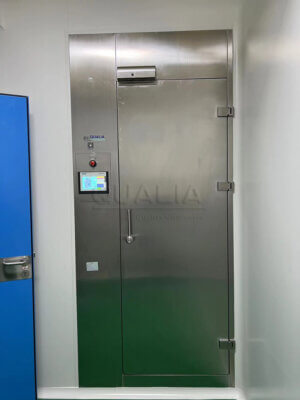
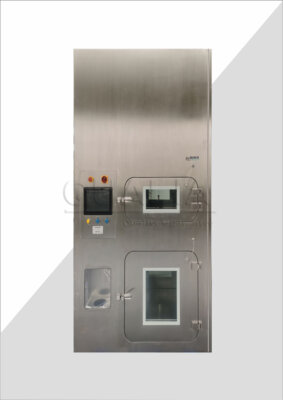
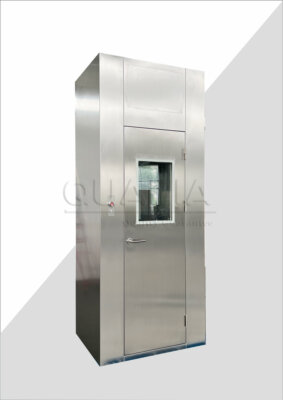
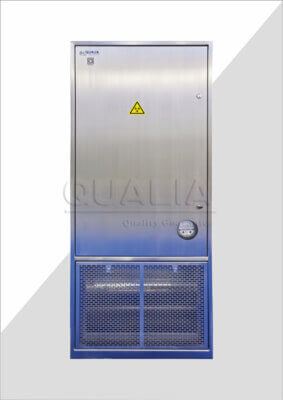
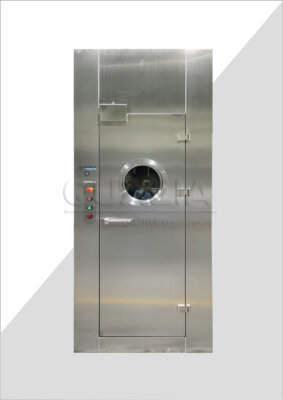
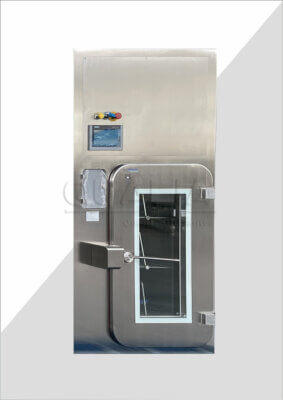
Laboratory APR (Air Pressure Regulation) door seals represent a sophisticated containment technology that utilizes controlled pneumatic pressure to create impermeable barriers between laboratory spaces. Unlike conventional mechanical seals that rely on physical compression, these systems employ pressurized air chambers to establish dynamic sealing surfaces that adapt to environmental conditions and maintain consistent performance over extended periods.
The technology emerged from aerospace and nuclear industries, where absolute containment remains non-negotiable. QUALIA Bio-Tech has refined these principles specifically for laboratory applications, creating systems that balance operational efficiency with uncompromising safety standards.
Understanding APR (Air Pressure Regulation) Technology
APR technology operates on the principle of differential pressure management, where pneumatic chambers within the door seal assembly maintain predetermined pressure relationships between adjacent spaces. The system continuously monitors pressure differentials and automatically adjusts sealing force to compensate for environmental variations, personnel movement, and HVAC fluctuations.
In our experience working with BSL-3 facilities, traditional seals often fail during peak operational hours when door usage increases and environmental systems work hardest. APR systems eliminate this vulnerability by providing consistent sealing performance regardless of external conditions. The pneumatic chambers can maintain effective sealing pressures ranging from 0.5 to 15 PSI, depending on containment requirements and facility specifications.
Key Components and Design Features
Modern lab pneumatic seals incorporate several critical components that work in harmony to achieve superior containment performance. The primary sealing element consists of a pneumatic bladder manufactured from specialized elastomers that resist chemical degradation and maintain flexibility across temperature ranges typically encountered in laboratory environments.
| Component | Function | Material Options |
|---|---|---|
| Pneumatic Bladder | Primary sealing surface | EPDM, Silicone, Viton |
| Pressure Sensors | Monitoring and control | Stainless steel diaphragm |
| Control Valves | Pressure regulation | Brass, stainless steel |
| Mounting Hardware | Structural support | Anodized aluminum |
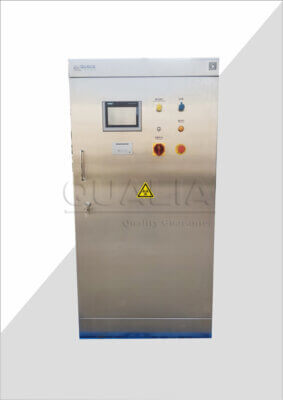
The control system integrates pressure sensors, automated valves, and monitoring interfaces that provide real-time performance data. Advanced systems include remote monitoring capabilities, allowing facility managers to track sealing performance from central control rooms and receive immediate alerts when parameters deviate from established norms.
How Do Pneumatic Seals Enhance Laboratory Containment?
The effectiveness of containment door sealing depends on the system’s ability to maintain consistent barriers under varying operational conditions. Pneumatic seals excel in this regard by providing active rather than passive containment, continuously adjusting to maintain optimal sealing performance.
Pressure Differential Management
Effective containment requires precise control of pressure relationships between laboratory spaces. Research facilities typically maintain negative pressures in containment areas ranging from -0.01 to -0.05 inches of water column relative to adjacent corridors. Pneumatic seals support these pressure differentials by creating low-resistance barriers that prevent air infiltration while allowing HVAC systems to maintain desired pressure relationships.
According to recent studies by the American Biological Safety Association, facilities using pneumatic door seals achieve 40% better pressure stability compared to those relying on mechanical seals alone. This improvement translates directly to enhanced containment effectiveness and reduced energy consumption for environmental control systems.
Contamination Prevention Mechanisms
The dynamic nature of pneumatic sealing provides superior contamination prevention through multiple mechanisms. The inflated seal surface conforms to door and frame irregularities, eliminating the micro-gaps that allow particle migration in conventional systems. Additionally, the positive pressure within the sealing chamber creates an outward force that prevents contaminant ingress even when the door experiences thermal expansion or structural settling.
A pharmaceutical research facility in Switzerland reported a 78% reduction in contamination events after implementing pneumatic door seals throughout their sterile manufacturing areas. The improvement was particularly notable in high-traffic zones where mechanical seals previously showed degraded performance due to repeated compression cycles.
What Makes Pneumatic Sealing Systems Superior to Traditional Methods?
Laboratory sealing systems have evolved significantly over the past decade, with pneumatic technology emerging as the preferred solution for critical containment applications. The superiority of pneumatic seals becomes apparent when examining performance metrics, maintenance requirements, and total cost of ownership.
Performance Comparison Analysis
Traditional mechanical seals rely on physical compression to achieve sealing, which inherently creates inconsistencies as materials age and compress permanently. Pneumatic seals maintain constant sealing force throughout their operational life, providing predictable performance that facility managers can rely upon.
| Seal Type | Sealing Force Consistency | Typical Lifespan | Maintenance Frequency |
|---|---|---|---|
| Mechanical | Decreases over time | 2-3 years | Monthly adjustment |
| Pneumatic | Constant | 7-10 years | Quarterly inspection |
| Hybrid | Moderate variation | 4-6 years | Bi-monthly service |
The data demonstrates pneumatic seals’ significant advantage in longevity and maintenance requirements. While initial installation costs may be 30-40% higher than mechanical alternatives, the extended service life and reduced maintenance needs typically result in 60% lower total cost of ownership over a ten-year period.
Reliability and Maintenance Advantages
Pneumatic sealing systems incorporate self-diagnostic capabilities that continuously monitor performance parameters and alert operators to potential issues before they affect containment integrity. This proactive approach to maintenance contrasts sharply with traditional seals that often fail without warning, potentially compromising containment during critical operations.
It’s worth noting that pneumatic systems do require compressed air infrastructure, which may not be readily available in all laboratory settings. However, the investment in compressed air systems typically pays dividends through improved reliability across multiple facility systems, not just door seals.
How to Select the Right Laboratory Door Sealing Solution?
Selecting appropriate research facility door seals requires careful consideration of multiple factors, including containment requirements, operational conditions, and facility infrastructure. The decision process should begin with a comprehensive assessment of existing conditions and future requirements.
Critical Specification Requirements
The first step in system selection involves defining the specific containment requirements for each application. BSL-2 laboratories typically require different sealing performance than BSL-3 or BSL-4 facilities, and chemical laboratories may have different requirements than biological research spaces.
Key specifications to consider include:
Pressure differential capability: Most laboratory applications require seals capable of maintaining integrity across pressure differentials ranging from 0.01 to 0.10 inches of water column. Higher containment levels may require greater differential capabilities.
Chemical compatibility: The sealing materials must resist degradation from cleaning chemicals, laboratory solvents, and potential contaminants. Viton elastomers offer superior chemical resistance but at higher cost than EPDM alternatives.
Temperature range: Laboratory environments may experience temperature variations from -10°C to 60°C depending on the application. Seal materials and pneumatic components must maintain performance across these ranges.
Application-Specific Considerations
Different laboratory applications present unique challenges that influence seal selection. Cleanroom environments require seals that minimize particle generation, while chemical storage areas prioritize resistance to aggressive vapors. Biological containment facilities focus on preventing microbial migration, requiring seals with minimal surface irregularities that could harbor contamination.
A leading biotechnology research institute recently implemented specialized pneumatic sealing solutions throughout their facility, customizing seal configurations for different laboratory functions. Tissue culture areas received seals optimized for sterility maintenance, while analytical laboratories received systems designed for chemical resistance and easy decontamination.
What Are the Implementation Challenges and Solutions?
Common Installation Issues
Installing pneumatic sealing systems requires more complex infrastructure than traditional mechanical seals. The primary challenge involves integrating compressed air distribution systems with existing facility utilities while maintaining adequate pressure and flow rates throughout the network.
Electrical integration presents additional complexity, as pneumatic seals require control systems that interface with building automation networks. Many facilities underestimate the coordination required between mechanical, electrical, and automation contractors during installation.
Operational Maintenance Requirements
While pneumatic seals require less frequent maintenance than mechanical alternatives, they do need specialized knowledge for proper servicing. Facility maintenance staff must understand pressure regulation principles and possess appropriate diagnostic equipment to troubleshoot system issues.
The learning curve for maintenance personnel typically requires 2-3 months of operation before staff become fully proficient with system diagnostics and routine maintenance procedures. However, this investment in training pays dividends through reduced service calls and improved system reliability.
How Do These Systems Impact Research Facility Operations?
Cost-Benefit Analysis
The financial impact of advanced pneumatic door sealing systems extends beyond initial purchase and installation costs. Energy savings from improved containment efficiency, reduced contamination incidents, and extended equipment life create compelling economic benefits.
A major pharmaceutical research facility documented annual savings of $180,000 after implementing pneumatic seals throughout their development laboratories. The savings resulted from reduced HVAC energy consumption (35% improvement), fewer contamination events (78% reduction), and decreased maintenance costs (45% reduction).
Compliance and Safety Benefits
Regulatory compliance represents a critical consideration for research facilities, particularly those handling controlled substances or operating under FDA, EPA, or CDC oversight. Pneumatic sealing systems provide documented performance data that supports compliance audits and regulatory reporting requirements.
The enhanced containment performance directly contributes to personnel safety by preventing exposure to hazardous materials and maintaining controlled atmospheres essential for safe operations. This improved safety profile often translates to reduced insurance premiums and workers’ compensation claims.
Conclusion
Laboratory APR door pneumatic seals represent a transformative approach to containment that addresses the evolving challenges facing modern research facilities. The technology offers superior performance compared to traditional sealing methods, providing consistent containment effectiveness, reduced maintenance requirements, and enhanced operational safety.
The investment in pneumatic sealing technology pays dividends through improved containment reliability, reduced operational costs, and enhanced regulatory compliance. For facility managers evaluating containment solutions, pneumatic seals offer a compelling combination of performance, reliability, and economic benefits that justify the initial investment.
As research facilities continue to handle increasingly sensitive materials and operate under stricter regulatory requirements, the importance of reliable containment systems will only grow. Pneumatic sealing technology provides the foundation for meeting these challenges while supporting the critical research that drives scientific advancement.
The future of laboratory containment lies in active, intelligent systems that adapt to changing conditions while maintaining uncompromising safety standards. By implementing proven pneumatic sealing solutions, research facilities can achieve the containment performance necessary to support their most critical work while ensuring the safety of personnel and the integrity of their research programs.
Frequently Asked Questions
Q: What is a Laboratory APR Door Pneumatic Seal?
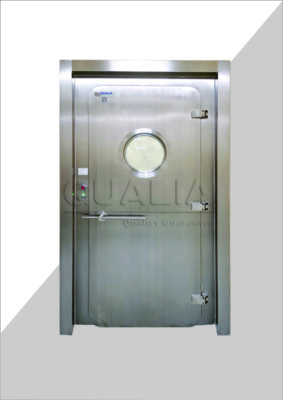
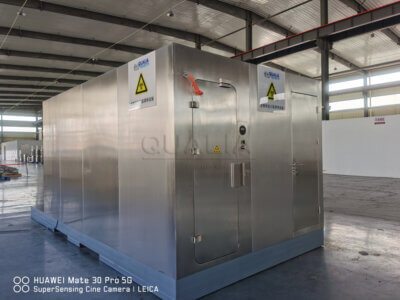
A: A Laboratory APR Door Pneumatic Seal is an advanced containment solution designed to provide airtight separation in high-containment environments such as biosafety (BSL3/4) laboratories, pharmaceutical facilities, and medical cleanrooms. These doors use an inflatable gasket—powered by compressed air—that expands when the door closes, creating a superior seal against air and contaminant leakage. Unlike traditional mechanical seals, the pneumatic seal maintains a flush threshold, eliminating trip hazards and allowing smooth passage for wheeled equipment or high-traffic use. The system is ideal for applications where maintaining strict containment is critical, such as during decontamination or fumigation processes.
Q: How do Laboratory APR Door Pneumatic Seals enhance containment solutions?
A: Laboratory APR Door Pneumatic Seals significantly enhance containment solutions by delivering airtight performance that mechanical seals often can’t match. When the door closes, the pneumatic seal inflates against the door frame, forming a barrier that resists leakage even under substantial pressure differences (up to 8″ w.g. in some systems). This level of sealing is essential for facilities that handle hazardous materials, pathogens, or require controlled environments. The flush-to-floor design also improves safety and accessibility, making these doors suitable for spaces with frequent equipment movement or large animal access. Overall, these seals are a cornerstone of modern, reliable laboratory containment.
Q: What are the main applications for Laboratory APR Door Pneumatic Seals?
A: Laboratory APR Door Pneumatic Seals are primarily used in environments where maximum containment and minimal air leakage are non-negotiable. Key applications include:
- Biosafety laboratories (BSL3, BSL4, BSL3-Ag, BSL4-Ag): For handling dangerous biological agents.
- Pharmaceutical manufacturing: To maintain sterile conditions and prevent cross-contamination.
- Medical cleanrooms and hospitals: Where infection control and air quality are paramount.
- Research facilities: Especially those involving animals or sensitive experiments.
These doors are also valuable during decontamination and fumigation, as they help contain gases and ensure thorough cleaning cycles.
Q: How does the inflatable seal technology work in Laboratory APR Doors?
A: The inflatable seal technology in Laboratory APR Doors operates using compressed air. When the door is open, the seal remains deflated and retracted, allowing unobstructed access. Upon closing, the seal inflates, pressing tightly against the door frame to create an airtight barrier. This process is automatic and ensures consistent, reliable sealing with every cycle. The system often includes emergency deflation features for safety, and the seals are designed for easy replacement by a single operator. The materials used—such as EPDM—are chosen for durability, chemical resistance, and long service life, ensuring the seal performs reliably in demanding laboratory environments.
Q: What are the advantages of Laboratory APR Door Pneumatic Seals over traditional mechanical seals?
A: Laboratory APR Door Pneumatic Seals offer several advantages over traditional mechanical seals:
- Superior airtightness: Pneumatic seals can achieve much higher containment levels, critical for high-risk labs.
- Flush threshold: Eliminates trip hazards and accommodates wheeled equipment, carts, or animals.
- Easier maintenance: Seal strips can often be replaced without dismantling the entire door, reducing downtime.
- Enhanced safety: Features like emergency deflation valves and durable, chemical-resistant materials improve operational safety.
- Longer lifespan: High-quality materials like EPDM can last significantly longer than conventional silicone seals.
These benefits make pneumatic seals the preferred choice for modern, high-traffic, and high-containment laboratory environments.
Q: How should I select the right Laboratory APR Door Pneumatic Seal for my facility?
A: Selecting the right Laboratory APR Door Pneumatic Seal involves considering your facility’s specific needs. Key factors include:
- Containment level required: Assess the risk level (e.g., BSL3 vs. BSL4) and required air leakage standards.
- Traffic volume: Choose doors designed for high traffic if your lab sees frequent movement of people, equipment, or animals.
- Material compatibility: Opt for corrosion-resistant materials like stainless steel or phenolic resin if your environment involves harsh chemicals.
- Ease of maintenance: Look for features that simplify seal replacement and reduce downtime.
- Safety features: Ensure the door includes emergency deflation and meets all relevant safety codes.
Consulting with a containment solutions specialist can help you match these factors to the ideal Laboratory APR Door Pneumatic Seal system for your laboratory.
External Resources
APR Mechanical Seal Door – Overview of PBSC’s APR Mechanical Seal door sets for high containment labs; these are designed to create a reliable airtight barrier for laboratory and hospital environments, with a robust manual seal and various customizable options.
Laboratory doors & Cleanroom doors – Information about Presray’s APR Doors and their use in critical biosafety and containment solutions, featuring airtight designs for labs handling hazardous or sensitive materials, with references to installation in prestigious US institutions.
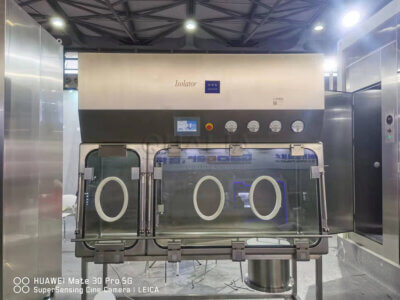
Pharmaceutical isolator and containment solutions from Optima Pharma – Covers isolator and containment solutions, including doors with pneumatic and mechanical sealing options; discusses ease of maintenance and applications in pharmaceutical manufacturing.
Pharmaceutical Containment Systems & Isolators – Presents customized pharmaceutical containment and isolator solutions, highlighting systems designed for the unique requirements of laboratory containment, including isolators and containment enclosures.
Custom Sealing & Containment Solutions | Sur-Seal – Focuses on custom sealing and containment products including seals preventing leaks of liquids and gases; addresses application considerations relevant to laboratory and industrial environments.
APR Mechanical Seal Door Overview (PBSC PDF) – Manufacturer brochure detailing the features, design, and benefits of APR Mechanical Seal Doors for containment, targeting laboratory and controlled environment applications.