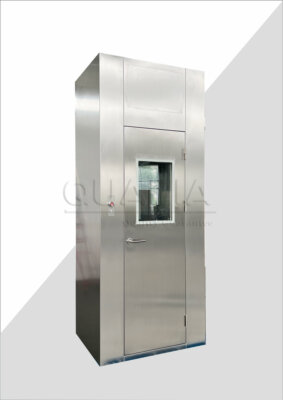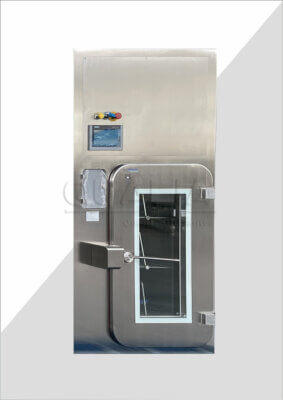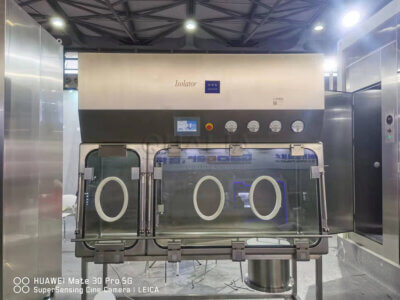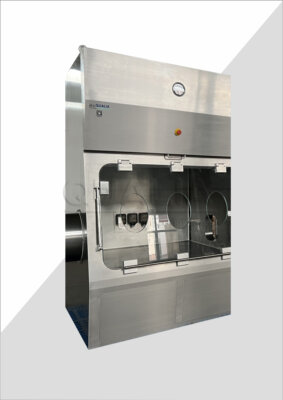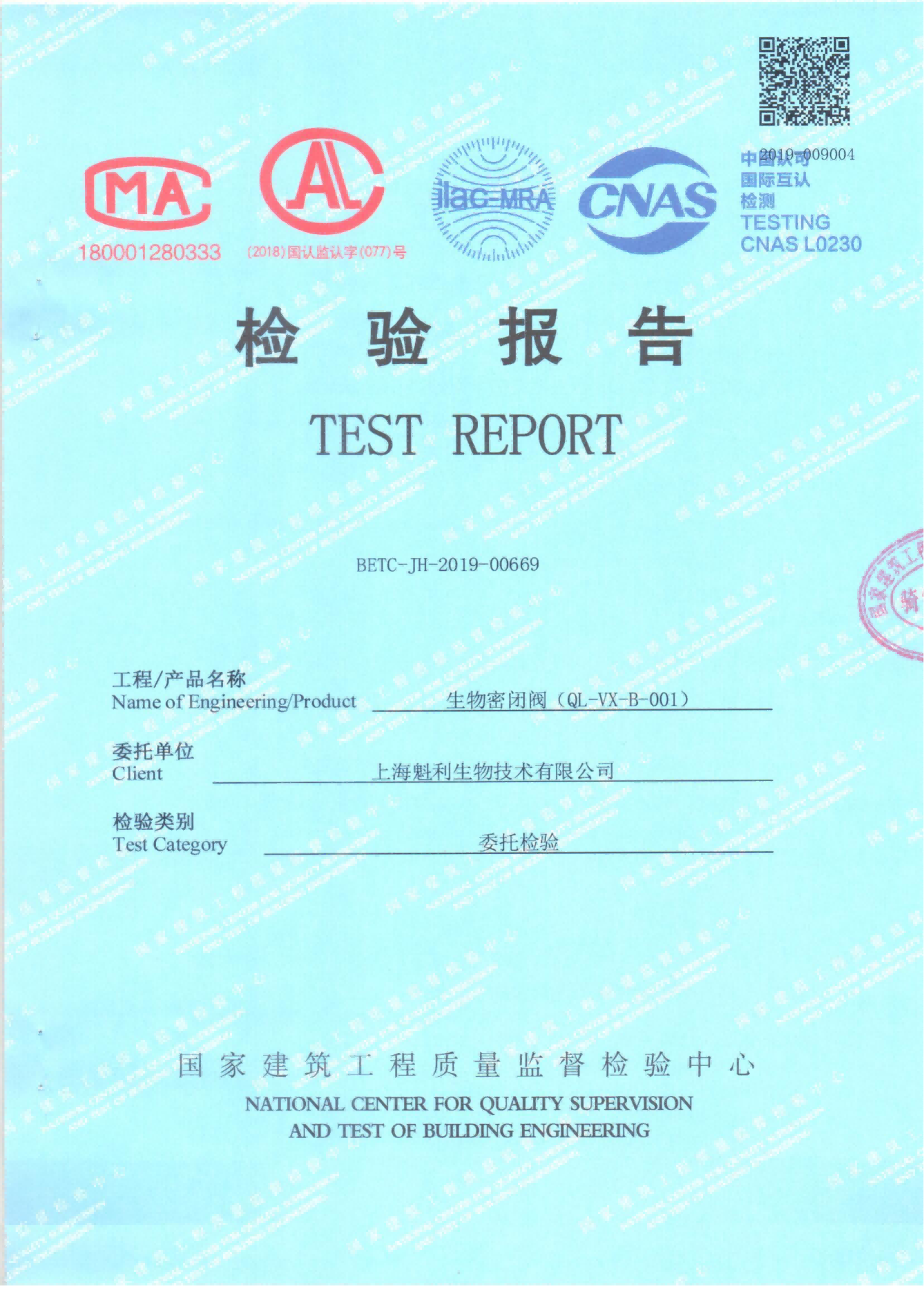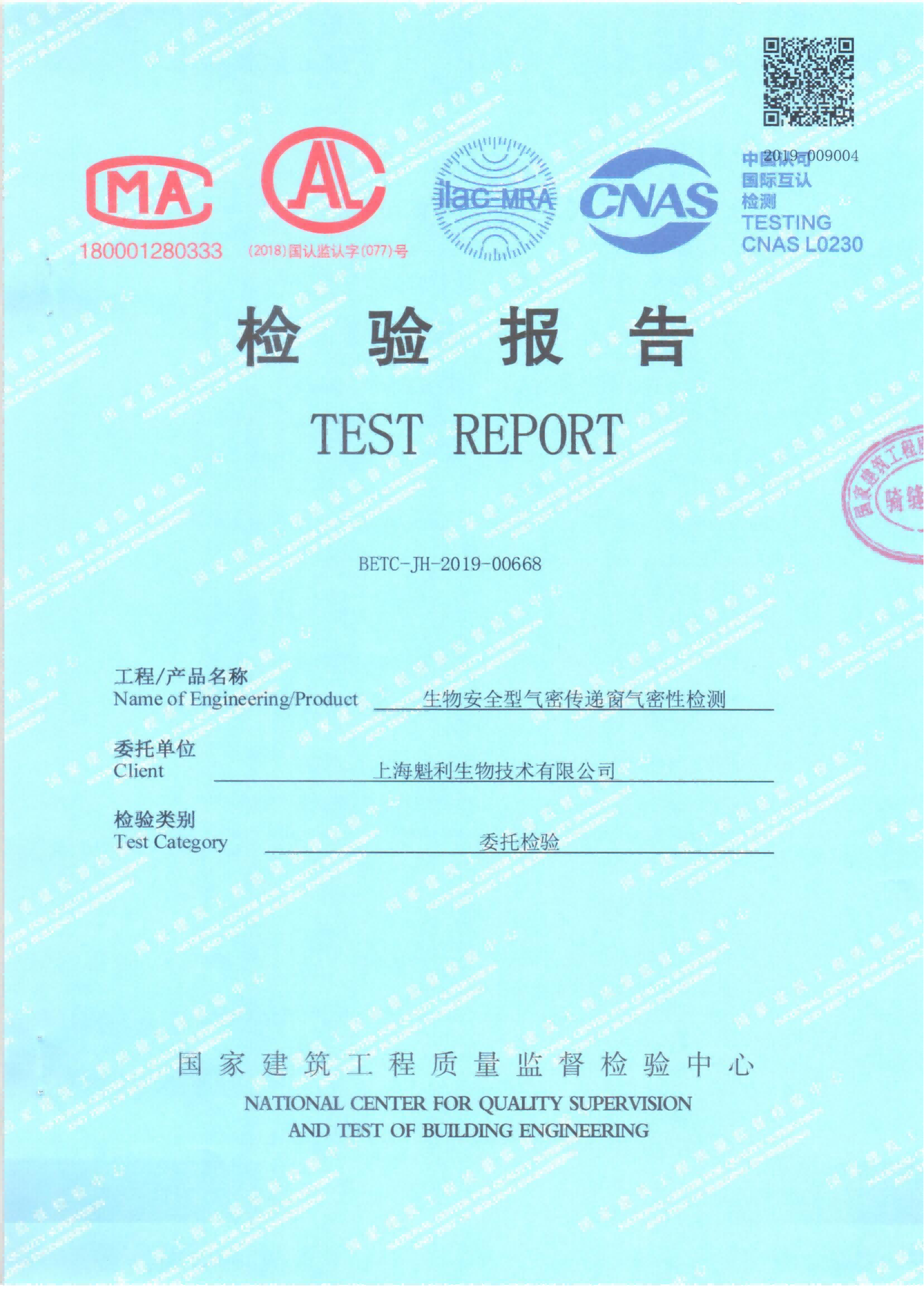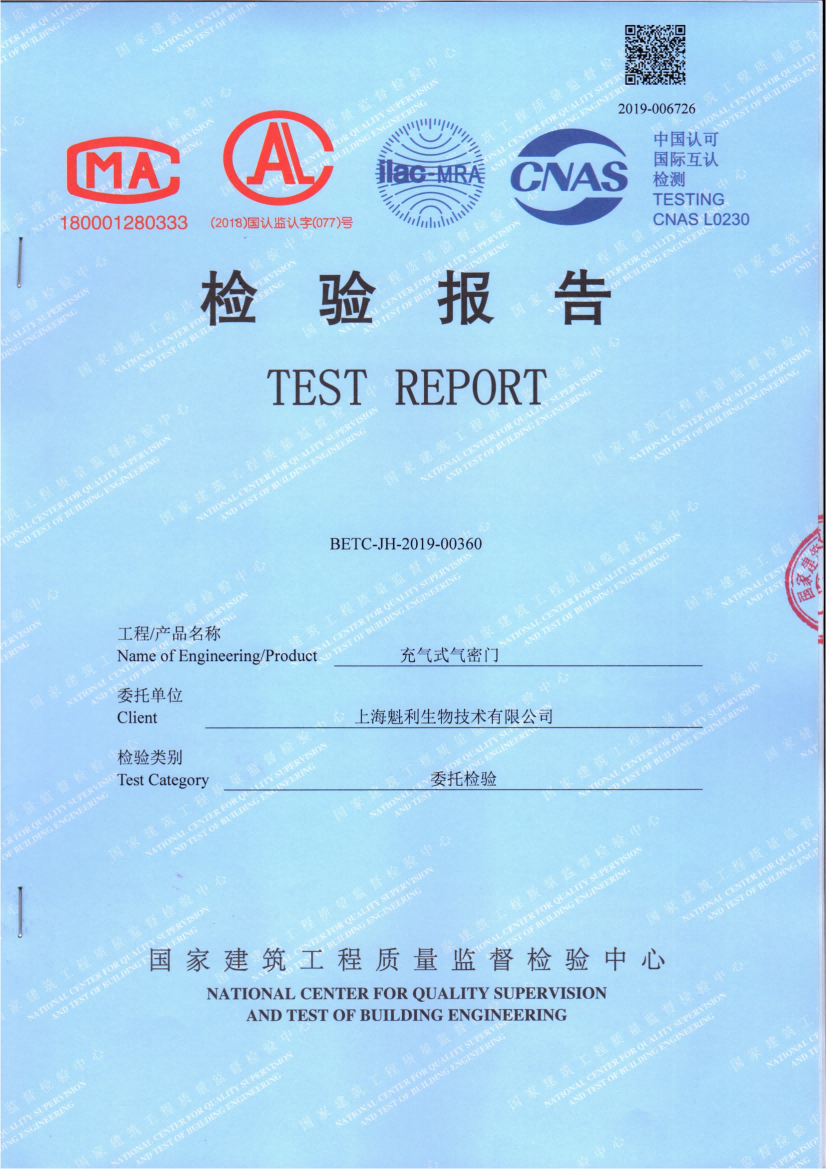
The pharmaceutical and biotechnology industries face an escalating challenge: maintaining absolute containment while ensuring operational efficiency. Contamination incidents cost facilities an average of $50 million annually, with door seal failures accounting for 23% of these breaches. Your facility’s reputation, regulatory compliance, and operational continuity depend entirely on the integrity of your containment systems.
Without proper industrial apr door seals, even microscopic breaches can lead to catastrophic contamination events, regulatory shutdowns, and compromised product integrity. The consequences extend beyond immediate financial losses – they threaten years of research, patient safety, and market credibility. Every day of operation with substandard sealing systems multiplies these risks exponentially.
This comprehensive guide provides the technical insights, specification comparisons, and purchase strategies you need to select optimal APR door sealing solutions. We’ll examine critical performance parameters, decode complex specifications, and share proven selection methodologies that ensure your containment systems meet the most demanding industry standards. QUALIA Bio-Tech brings decades of containment expertise to help you navigate these critical decisions.
What Are Industrial APR Door Seals and Why Do They Matter?
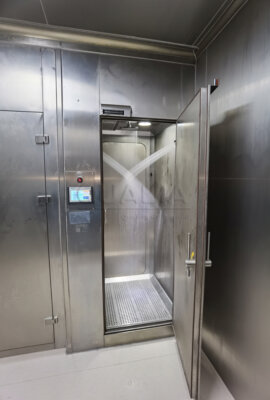
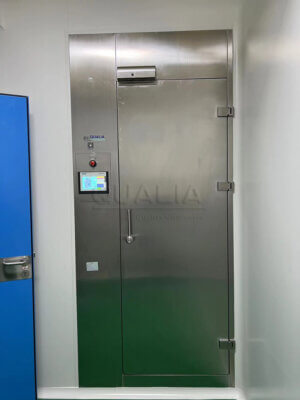
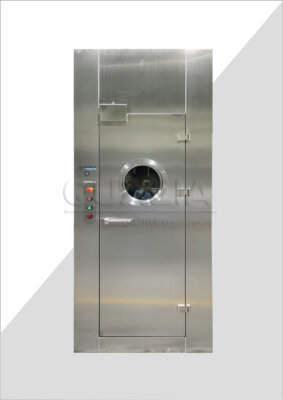
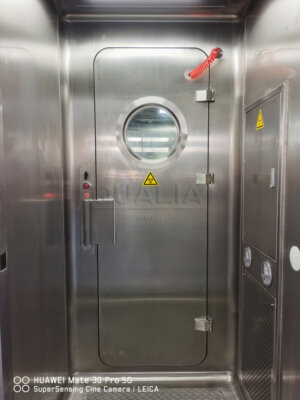
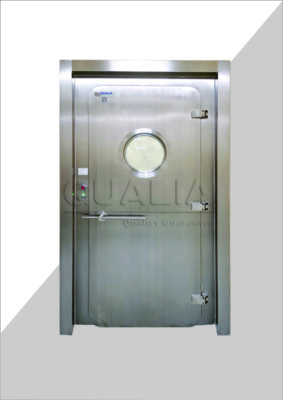
Industrial APR (Air Pressure Release) door seals represent sophisticated pneumatic containment systems designed to maintain precise pressure differentials across critical barriers. These seals inflate to create hermetic seals around door perimeters, preventing cross-contamination between controlled environments and maintaining sterile conditions essential for pharmaceutical, biotechnology, and aerospace applications.
Understanding APR Seal Technology Fundamentals
APR door seals operate through controlled pneumatic inflation, creating a flexible barrier that adapts to door frame irregularities while maintaining consistent sealing pressure. The inflatable design allows for thermal expansion compensation and accommodates structural settling that would compromise rigid sealing systems.
Modern APR seals utilize advanced elastomeric materials capable of withstanding temperature ranges from -40°C to +180°C while maintaining flexibility and chemical resistance. The pneumatic activation system typically operates at 2-6 bar pressure, with response times under 3 seconds for emergency activation scenarios.
Critical Applications and Performance Standards
Industrial pneumatic seals excel in environments requiring absolute containment integrity. Pharmaceutical manufacturing facilities rely on these systems to maintain ISO 14644 cleanroom classifications, while biotechnology laboratories use them to prevent cross-contamination between different research areas.
Performance data indicates that properly specified APR seals achieve leak rates below 0.1 m³/h at 250 Pa pressure differential, significantly exceeding industry standards for containment applications. This level of performance becomes crucial during emergency scenarios where rapid containment activation prevents widespread contamination.
Advantages and Operational Considerations
APR door seals offer remarkable adaptability to door frame imperfections, thermal expansion, and structural movement. Their pneumatic operation enables remote activation and integration with facility automation systems, while the inflatable design provides superior sealing performance compared to mechanical alternatives.
However, these systems require dedicated pneumatic infrastructure and regular maintenance of inflation components. The complexity of pneumatic controls necessitates trained personnel for installation and servicing, factors that must be considered during system specification and budgeting phases.
How Do APR Door Specifications Impact Performance?
Apr door specifications directly determine system performance, longevity, and compatibility with your facility’s operational requirements. Understanding these specifications enables informed decisions that prevent costly retrofits and ensure optimal containment performance throughout the system’s operational life.
Material Selection and Chemical Compatibility
Seal material selection represents the most critical specification decision, as incompatible materials can lead to rapid degradation and system failure. EPDM rubber provides excellent ozone resistance and temperature stability, making it ideal for standard pharmaceutical applications. However, facilities using aggressive cleaning agents may require fluoroelastomer seals despite their higher initial cost.
Chemical compatibility testing reveals that EPDM seals maintain 90% of their original tensile strength after 5,000 hours of exposure to standard pharmaceutical cleaning solutions. In contrast, general-purpose rubber compounds show 40% strength degradation under identical conditions, highlighting the importance of proper material specification.
Pressure Ratings and Operating Parameters
Operating pressure specifications must account for both normal operational requirements and emergency activation scenarios. Standard APR seals operate effectively at 2-4 bar inflation pressure, providing adequate sealing force for most applications while maintaining reasonable response times.
For high-containment applications, seals rated for 6-8 bar operation offer enhanced sealing performance but require upgraded pneumatic infrastructure. The relationship between inflation pressure and sealing effectiveness follows a logarithmic curve, with diminishing returns above 6 bar for most door configurations.
Dimensional Tolerances and Installation Requirements
Precise dimensional specifications ensure proper fit and optimal performance. APR seals must accommodate door frame tolerances while maintaining sealing integrity across the full range of thermal expansion. Standard manufacturing tolerances of ±2mm typically accommodate most installation scenarios.
However, older facilities or custom door configurations may require seals with expanded tolerance ranges or custom dimensional specifications. These requirements should be identified during the specification phase to avoid installation delays and performance compromises.
What Makes Industrial Pneumatic Seals Essential for Critical Applications?
The pharmaceutical and biotechnology industries demand containment solutions that exceed conventional performance standards. Industrial pneumatic seals provide the reliability, adaptability, and precision control necessary for these demanding applications where contamination prevention is paramount.
Containment Performance in Critical Environments
Industrial pneumatic seals achieve containment levels impossible with mechanical sealing systems. Laboratory testing demonstrates leak rates below 0.05 m³/h at 500 Pa pressure differential, performance that enables facilities to maintain USP 797 sterile compounding requirements and EU GMP Grade A classifications.
The pneumatic activation system enables immediate response to contamination threats, with full sealing activation in under 2 seconds. This rapid response capability proves crucial during emergency scenarios where every second of containment delay exponentially increases contamination risk.
Integration with Facility Automation Systems
Modern pneumatic seal systems integrate seamlessly with building automation and process control systems. Programmable logic controllers can monitor seal pressure, activation status, and system integrity in real-time, enabling predictive maintenance and automated emergency responses.
Advanced systems incorporate pressure sensors and feedback loops that automatically adjust inflation pressure based on thermal conditions and door position. This intelligent operation extends seal life while maintaining optimal containment performance across varying operational conditions.
Maintenance and Lifecycle Considerations
While pneumatic seals require more complex maintenance than mechanical alternatives, their modular design enables component replacement without complete system overhaul. Typical seal life expectancy ranges from 3-7 years depending on operating conditions and maintenance quality.
Regular maintenance includes pneumatic system inspection, seal material assessment, and inflation pressure calibration. Facilities implementing comprehensive maintenance programs report 40% longer seal life and 60% fewer unscheduled containment breaches compared to reactive maintenance approaches.
How to Navigate Your Door Seal Purchase Guide Successfully?
A systematic approach to door seal purchase guide navigation ensures optimal product selection while avoiding costly specification errors. Understanding vendor capabilities, performance verification methods, and total cost of ownership calculations enables informed purchasing decisions that deliver long-term value.
Vendor Evaluation and Selection Criteria
Effective vendor selection requires evaluation beyond initial pricing. Consider manufacturing capabilities, quality certifications, and post-installation support services. Vendors with ISO 9001 certification and pharmaceutical industry experience typically provide superior product quality and technical support.
Request detailed technical documentation including material test reports, dimensional drawings, and performance validation data. Reputable vendors provide comprehensive documentation that enables independent verification of product specifications and performance claims.
| Evaluation Criteria | Weight | Key Considerations |
|---|---|---|
| Technical Capability | 30% | Material expertise, testing facilities, R&D investment |
| Quality Systems | 25% | ISO certifications, validation protocols, traceability |
| Industry Experience | 20% | Pharmaceutical projects, regulatory knowledge, references |
| Support Services | 15% | Installation assistance, training, maintenance programs |
| Commercial Terms | 10% | Pricing, delivery, warranty provisions |
Performance Verification and Testing Requirements
Comprehensive performance verification ensures purchased seals meet your facility’s specific requirements. Require factory acceptance testing that demonstrates leak rate performance, activation timing, and cycle life under conditions matching your operational environment.
Independent third-party testing provides additional confidence in performance claims. Organizations like NSF International and Underwriters Laboratories offer specialized testing services for containment systems, providing unbiased performance validation.
Total Cost of Ownership Analysis
Initial purchase price represents only 25-30% of total system cost over a typical 10-year operational period. Maintenance requirements, energy consumption, and replacement component costs significantly impact long-term economics.
High-quality pneumatic seal systems may cost 40% more initially but typically provide 60% lower total cost of ownership through reduced maintenance requirements and extended service life. Factor these considerations into your purchasing decision to achieve optimal long-term value.
What Should You Know About APR Seal Spec Comparison?
APR seal spec comparison requires systematic evaluation of technical parameters, performance characteristics, and operational requirements. Understanding how different specifications impact system performance enables optimal product selection for your specific application requirements.
Critical Performance Parameters
Leak rate performance represents the most fundamental specification for containment applications. Compare leak rates at your facility’s operating pressure differentials rather than standard test conditions. Seals performing identically at 250 Pa may show significant performance differences at 500 Pa or higher pressures.
Activation time specifications directly impact emergency response capabilities. Standard APR seals achieve full inflation in 2-5 seconds, while high-performance systems can activate in under 1 second. This performance difference becomes critical in applications requiring rapid containment activation.
Temperature range specifications determine system suitability for your environmental conditions. Standard EPDM seals operate effectively from -20°C to +120°C, while specialized compounds extend this range to -40°C to +180°C at increased cost.
Material Property Comparisons
Different seal materials offer varying performance characteristics that must be matched to your application requirements. EPDM provides excellent general-purpose performance with good chemical resistance and temperature stability. Fluoroelastomers offer superior chemical resistance but at significantly higher cost.
Silicone seals provide exceptional low-temperature flexibility and biocompatibility but may not withstand aggressive cleaning agents. Nitrile compounds offer excellent oil resistance but limited temperature range compared to EPDM alternatives.
| Material Type | Temperature Range | Chemical Resistance | Relative Cost | Typical Applications |
|---|---|---|---|---|
| EPDM | -20°C to +120°C | Good | 1.0x | General pharmaceutical |
| Fluoroelastomer | -15°C to +200°C | Excellent | 3.5x | Aggressive chemicals |
| Silicone | -50°C to +180°C | Moderate | 2.0x | Food/biotech |
| Nitrile | -30°C to +100°C | Oil resistant | 1.5x | Industrial applications |
Installation and Maintenance Comparisons
Installation complexity varies significantly between different APR seal designs. Standard rectangular seals require minimal modification to existing door frames, while custom-profile seals may necessitate frame machining or replacement.
Maintenance requirements differ substantially between seal types. Simple pneumatic systems require basic pressure monitoring and periodic seal inspection. Advanced systems with integrated sensors and feedback controls demand more sophisticated maintenance protocols but provide superior performance monitoring capabilities.
How to Optimize Industrial Sealing Specifications for Your Facility?
Optimizing industrial sealing specifications requires comprehensive understanding of your facility’s unique operational requirements, environmental conditions, and performance expectations. This systematic approach ensures maximum containment performance while minimizing total cost of ownership.
Environmental Condition Assessment
Thorough environmental assessment identifies critical factors affecting seal performance and longevity. Temperature fluctuations, humidity levels, and chemical exposure patterns directly impact material selection and system design requirements.
Document pressure differential requirements across different operational modes including normal operation, emergency scenarios, and maintenance conditions. Many facilities underestimate pressure requirements during emergency activation, leading to inadequate containment performance when it’s needed most.
System Integration and Automation Requirements
Modern facilities increasingly require APR seals to integrate with building automation systems, process controls, and safety systems. Specify control interfaces, monitoring capabilities, and alarm functions during the initial design phase to avoid costly retrofits.
Consider future expansion requirements and technology upgrades when specifying control systems. Modular control architectures enable system expansion and technology updates without complete system replacement, providing long-term value and operational flexibility.
Performance Optimization Strategies
Optimize seal performance through proper system design and installation practices. Ensure adequate pneumatic supply capacity with appropriate pressure regulation and filtration. Undersized pneumatic systems cause delayed activation and reduced sealing performance.
In our experience, facilities implementing comprehensive commissioning procedures achieve 30% better long-term performance compared to those relying on basic installation practices. Proper commissioning includes leak testing, activation timing verification, and control system integration testing.
Regular performance monitoring enables predictive maintenance and performance optimization. Implement pressure monitoring systems that track seal inflation pressure, activation timing, and cycle counts to identify performance degradation before containment failures occur.
Advanced APR door sealing systems now incorporate predictive analytics capabilities that analyze performance trends and recommend maintenance actions. These systems can reduce unscheduled downtime by 50% while extending seal life through optimized operating parameters.
Industrial APR door seals represent critical infrastructure components that demand careful specification, selection, and implementation. The technical insights, comparison methodologies, and optimization strategies presented in this guide provide the foundation for informed decision-making that ensures optimal containment performance.
Successful APR seal implementation requires balancing performance requirements with operational constraints and total cost considerations. The pneumatic sealing technology continues evolving, with smart systems and advanced materials offering enhanced performance capabilities for demanding applications.
Your facility’s containment integrity depends on selecting appropriate sealing solutions that match your specific operational requirements. Consider partnering with experienced suppliers who can provide comprehensive technical support throughout the system lifecycle. Whether you’re upgrading existing systems or implementing new containment solutions, the right industrial APR door seals will provide the reliable performance your critical applications demand.
What specific containment challenges does your facility face, and how might advanced APR sealing technology address these requirements while supporting your long-term operational goals?
Frequently Asked Questions
Q: What are Industrial APR Door Seals and how do they work?
A: Industrial APR Door Seals are advanced sealing systems designed to create airtight barriers in controlled environments such as laboratories and cleanrooms. Pneumatic APR door seals work by inflating a gasket around the door frame using compressed air, which presses the seal tightly against the frame. This inflation ensures uniform pressure distribution and virtually eliminates gaps, maintaining containment and preventing contamination. Mechanical APR seals, on the other hand, rely on manual compression of a gasket against the doorframe for airtight sealing. Pneumatic systems offer consistent pressure, while mechanical seals provide a fail-safe in power loss scenarios.
Q: What should I consider when purchasing Industrial APR Door Seals?
A: When purchasing Industrial APR Door Seals, key considerations include:
- Type of seal: pneumatic (inflatable) for high traffic and wheeled access, or mechanical for simpler, low-traffic situations.
- Material: options such as stainless steel, powder-coated steel, aluminum, or phenolic resin depending on environment needs.
- Application requirements: level of containment (e.g., BSL3/BSL4 labs), frequency of door usage, and environmental controls.
- Threshold design: flush thresholds for smooth wheeled equipment passage versus raised thresholds for mechanical seals.
- Maintenance and operational reliability based on the sealing method chosen.
Q: How do pneumatic APR door seals compare to mechanical seals in specifications?
A: Pneumatic APR door seals generally offer:
- Higher airtight containment with pressure sealing up to about 8 inches water gauge.
- Flush floor thresholds ideal for wheeled traffic and eliminating trip hazards.
- Adaptive sealing pressure controlled automatically for consistent performance.
Mechanical seals provide: - Reliable fail-safe operation without dependency on compressed air or power.
- Simpler mechanical design with manual compression handles.
- Raised thresholds which may limit wheeled access but suit low traffic areas.
Choosing between them depends on application demands, traffic, and maintenance preferences.
Q: What industrial environments benefit most from using Industrial APR Door Seals?
A: Industrial APR Door Seals are crucial in environments requiring stringent containment such as:
- Biological safety labs (BSL3, BSL4) where contamination control is critical.
- Pharmaceutical manufacturing cleanrooms needing sterile conditions.
- Medical and research facilities with decontamination and fumigation processes.
- High-traffic containment zones where frequent access with wheeled equipment is necessary.
Their design prevents air leakage and maintains environmental integrity under high containment protocols.
Q: Can Industrial APR Door Seals be customized for specific facility needs?
A: Yes, these door seals can be customized to match facility requirements including:
- Selection of door materials (stainless steel, phenolic resin, aluminum).
- Choice between single or double seal systems for enhanced containment.
- Seal material options such as silicone or EPDM depending on chemical and temperature resistance.
- Adaptations for various wall constructions like cast concrete or stud partitions.
- Integration with existing building systems like medical-grade compressed air supplies for pneumatic seals.
Customization ensures optimal performance tailored to operational demands.
Q: What are the maintenance considerations for Industrial APR Door Seals?
A: Maintenance varies by seal type:
- Pneumatic seals require periodic inspection of air pressure systems, seals, and control valves for leaks or wear. Sensors largely monitor ongoing performance.
- Mechanical seals need regular checks of gasket integrity and manual compression mechanisms.
Both types are designed for long-term durability but must be maintained to uphold airtight containment, especially in critical environments. Proper maintenance ensures safety, reduces downtime, and preserves seal effectiveness.
External Resources
- Industrial Brush Seals | High Traffic & Weather Applications – Ultrafab – Provides technical specifications and application details for industrial brush seals, which are used in demanding industrial and commercial environments for sealing doors.
- APR Doors with Airtight Mechanical Seals – Presray – Offers an overview of airtight APR doors featuring mechanical seals for high containment, with descriptions of different material and threshold options.
- Pneumatic Seal APR Doors – Presray – Details pneumatic seal APR doors for high containment areas, discussing technical specifications and suitable applications such as laboratories and clean rooms.
- Inflatable Seal APR Door HC-ISD – PBSC Inc – Describes APR door solutions with inflatable seals for cleanrooms and high containment environments, including various material options and functional features.
- Kalrez® | Superior Seal Performance in Aggressive Environments – DuPont – Presents information on high-performance bonded door seals designed for aggressive chemical and temperature environments, with details on materials, installation, and performance.
- Industrial Door Seals Selection Guide – Engineering360 – Provides a comprehensive selection guide and technical comparison for various types of industrial door seals, covering materials, specifications, and best-fit applications.
Related Contents:
- What Are APR Door Pneumatic Seals and How They Work
- Understanding Pneumatic APR Door Seal Technology
- Pneumatic Seal APR Doors: Complete Guide to Industrial Applications
- APR Door Sealing Systems | Pneumatic Technology Overview
- Best APR Door Pneumatic Seal Suppliers | Vendor Selection Guide
- Pneumatic APR Door Seals Cost | Pricing Guide | ROI Analysis
- APR Door Seal Manufacturers | Quality Assessment | Buyer’s Guide
- Pneumatic Door Seal Systems | Budget Planning | Cost Optimization
- GMP Compliant APR Door Pneumatic Seals | FDA Requirements