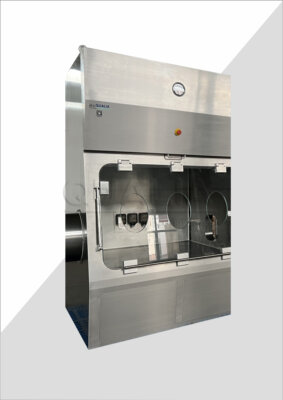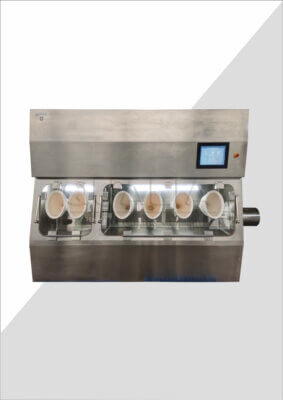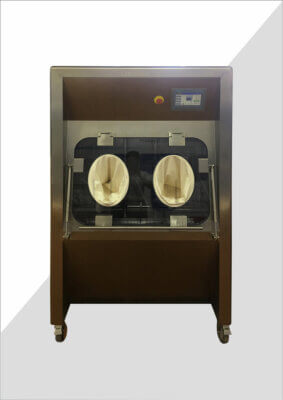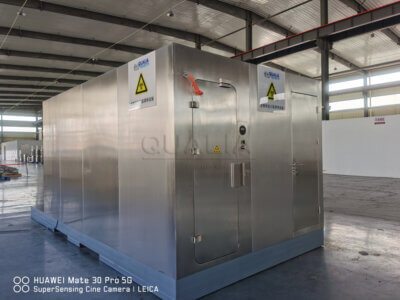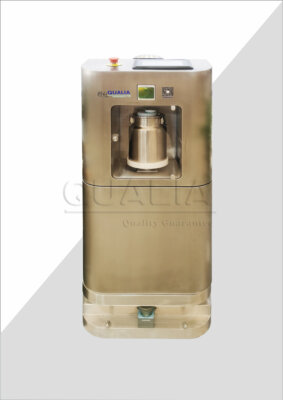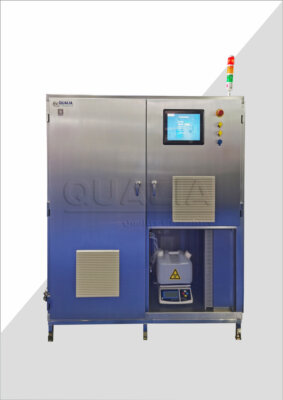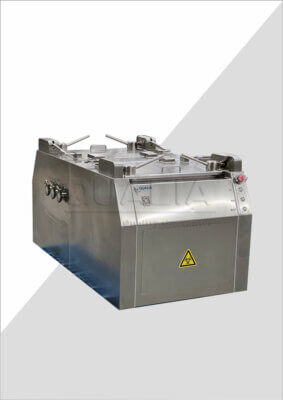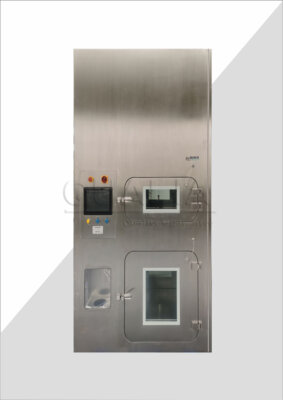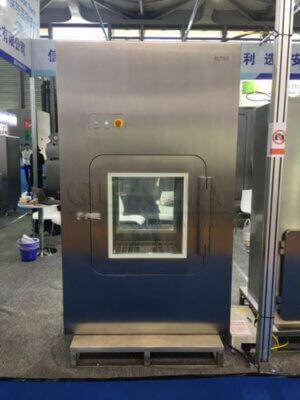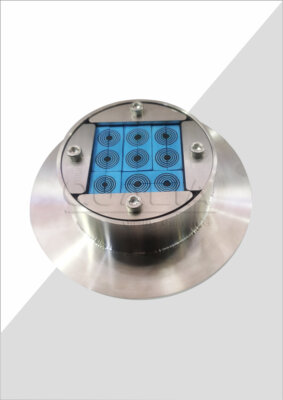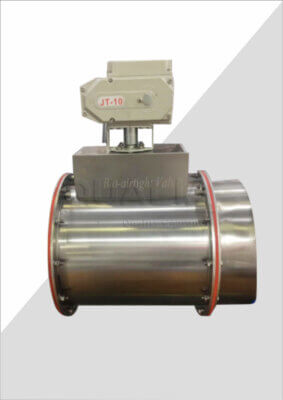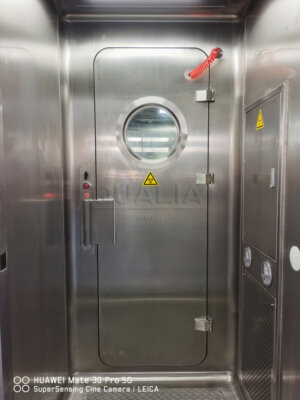
The pharmaceutical and biotechnology industries face an increasingly complex regulatory landscape where contamination control can mean the difference between product success and catastrophic failure. A single breach in cleanroom integrity can result in batch losses worth millions of dollars, regulatory investigations, and potential harm to patients. FDA approved pneumatic seals represent a critical component in maintaining the sterile environments essential for pharmaceutical manufacturing and research.
Traditional sealing methods often fall short of meeting stringent FDA requirements, leaving facilities vulnerable to contamination events, failed inspections, and costly remediation efforts. The consequences extend beyond immediate financial losses—they can irreparably damage a company’s reputation and delay life-saving treatments from reaching patients who desperately need them.
This comprehensive guide explores the essential validation protocols, selection criteria, and implementation strategies for pneumatic APR door seals that meet FDA standards. You’ll discover how these advanced sealing systems provide superior contamination control, streamline regulatory compliance, and deliver long-term operational benefits that justify their investment.
What Are FDA Approved Pneumatic APR Door Seals?
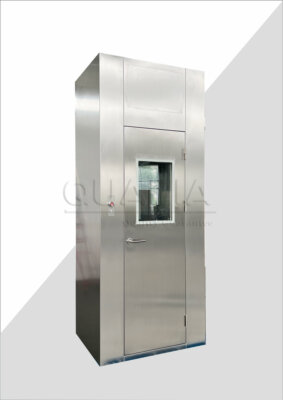
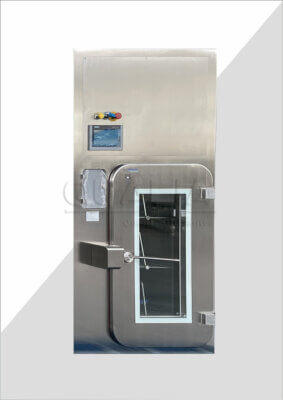
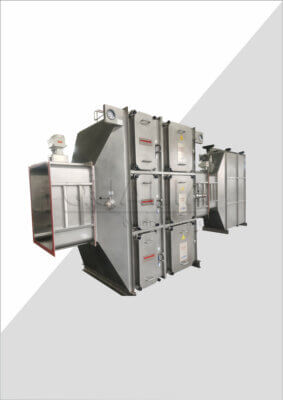
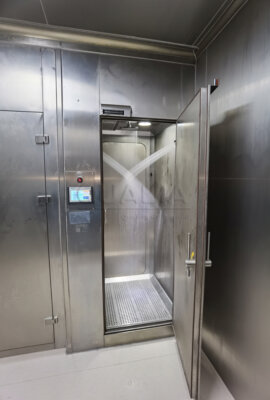
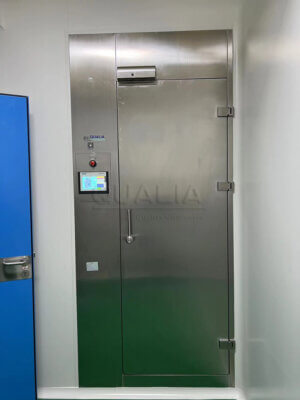
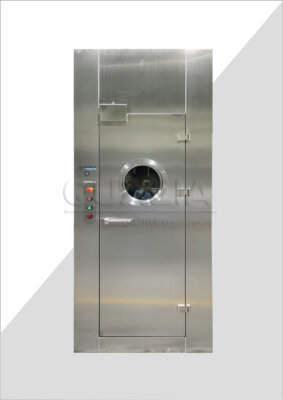
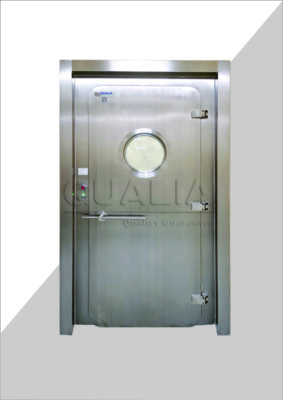
QUALIA Bio-Tech pneumatic APR (Air Pressure Relief) door seals represent a sophisticated approach to contamination control in regulated environments. These systems utilize compressed air to create an inflatable barrier that forms a complete seal around door perimeters, effectively preventing cross-contamination between different pressure zones.
Core Components and Operating Principles
The fundamental design incorporates a pneumatic bladder system that inflates when doors are closed, creating a positive seal against the door frame. This mechanism ensures consistent pressure differentials between cleanroom zones, a critical requirement for maintaining sterile conditions. The system operates through a network of compressed air lines connected to building automation systems, enabling automated seal engagement and monitoring.
Modern pneumatic seals feature dual-chamber designs that provide redundant sealing capability. In our experience working with pharmaceutical facilities, this redundancy proves invaluable during maintenance operations or unexpected system failures. The primary chamber maintains standard sealing pressure, while the secondary chamber activates if pressure drops are detected.
Material Specifications and FDA Compliance
FDA approved pneumatic seals must utilize materials that meet strict biocompatibility and chemical resistance standards. The most common materials include pharmaceutical-grade silicone elastomers and thermoplastic polyurethane compounds that resist degradation from cleaning chemicals and sterilization processes.
| Material Property | Specification | FDA Requirement |
|---|---|---|
| Chemical Resistance | USP Class VI | 21 CFR 177.2600 |
| Temperature Range | -40°F to 250°F | Sterilization Compatible |
| Pressure Rating | 15-50 PSI | Validation Required |
| Cycle Life | 100,000+ cycles | Performance Testing |
Industry consensus suggests that silicone-based compounds offer superior longevity in pharmaceutical applications, with documented service lives exceeding 10 years under proper maintenance protocols. However, facilities processing certain organic solvents may require specialized fluoroelastomer formulations that provide enhanced chemical compatibility.
Integration with Building Systems
Contemporary pharmaceutical facilities demand seamless integration between door sealing systems and broader environmental controls. Pneumatic APR seals connect directly to building management systems through digital interfaces that monitor seal pressure, cycle counts, and maintenance requirements.
The integration capabilities extend beyond basic monitoring to include predictive maintenance algorithms that analyze seal performance trends. A recent study by the International Society for Pharmaceutical Engineering showed that facilities utilizing integrated monitoring systems experienced 35% fewer contamination events compared to those relying on manual inspection protocols.
How Do Pneumatic Seals Ensure FDA Compliance in Cleanroom Environments?
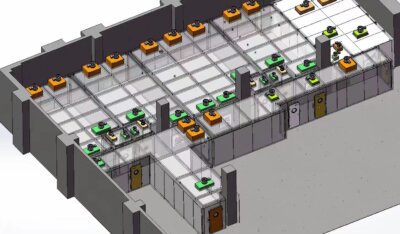
Regulatory compliance in pharmaceutical manufacturing requires demonstrable control over environmental conditions, with particular emphasis on preventing cross-contamination between different process areas. Cleanroom apr seals serve as the primary barrier preventing airborne contaminants from migrating between zones of different cleanliness classifications.
Pressure Differential Maintenance
The FDA’s Current Good Manufacturing Practice (cGMP) regulations specify that facilities must maintain appropriate pressure differentials between adjacent areas of different cleanliness levels. Pneumatic seals enable precise control over these differentials by creating airtight barriers that prevent uncontrolled air movement.
Typical pharmaceutical facilities require pressure differentials ranging from 10-15 pascals between adjacent rooms, with higher differentials (up to 50 pascals) between sterile and non-sterile areas. Our field experience indicates that facilities using pneumatic sealing systems achieve more consistent pressure control compared to traditional mechanical seals.
Validation Documentation Requirements
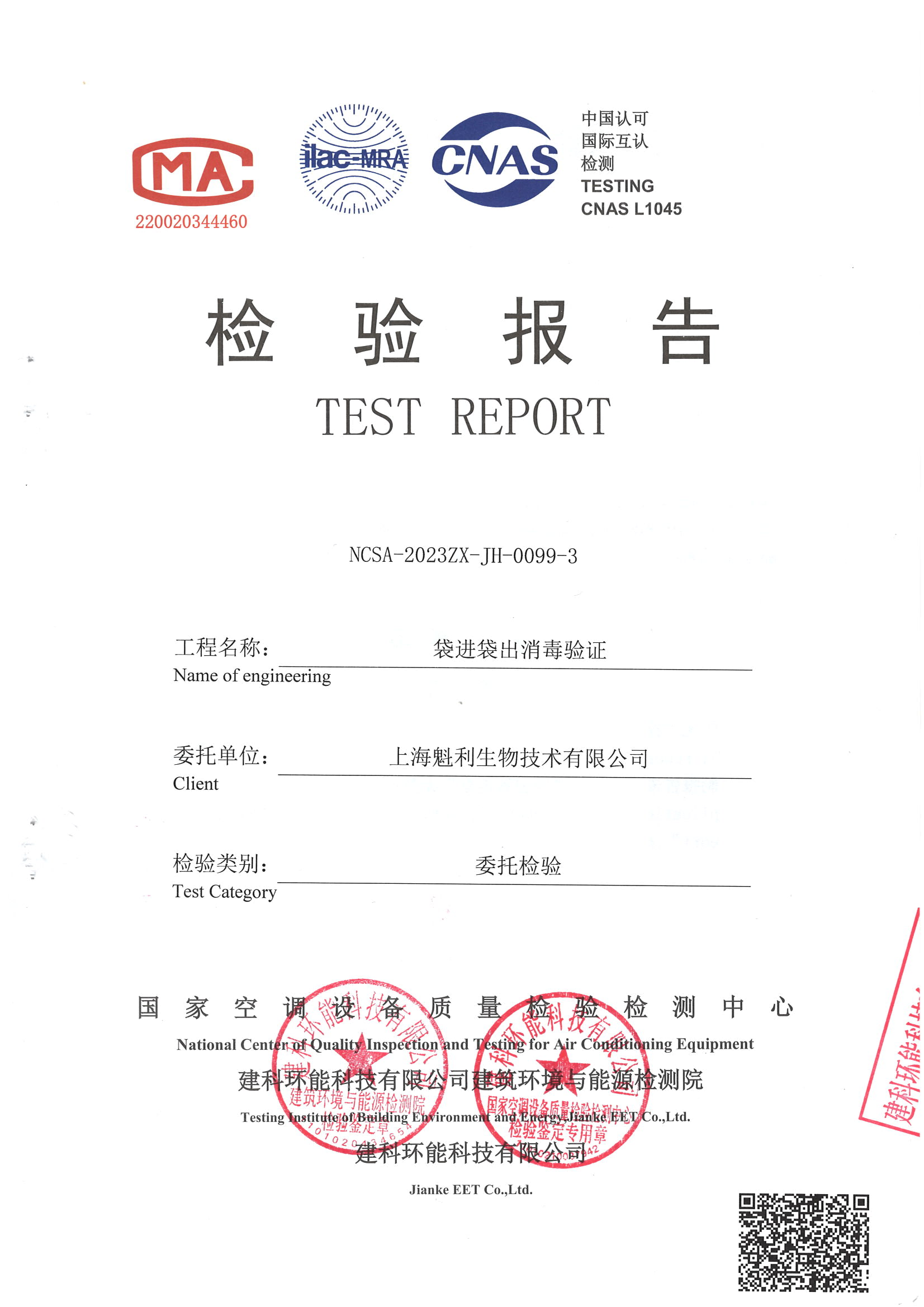
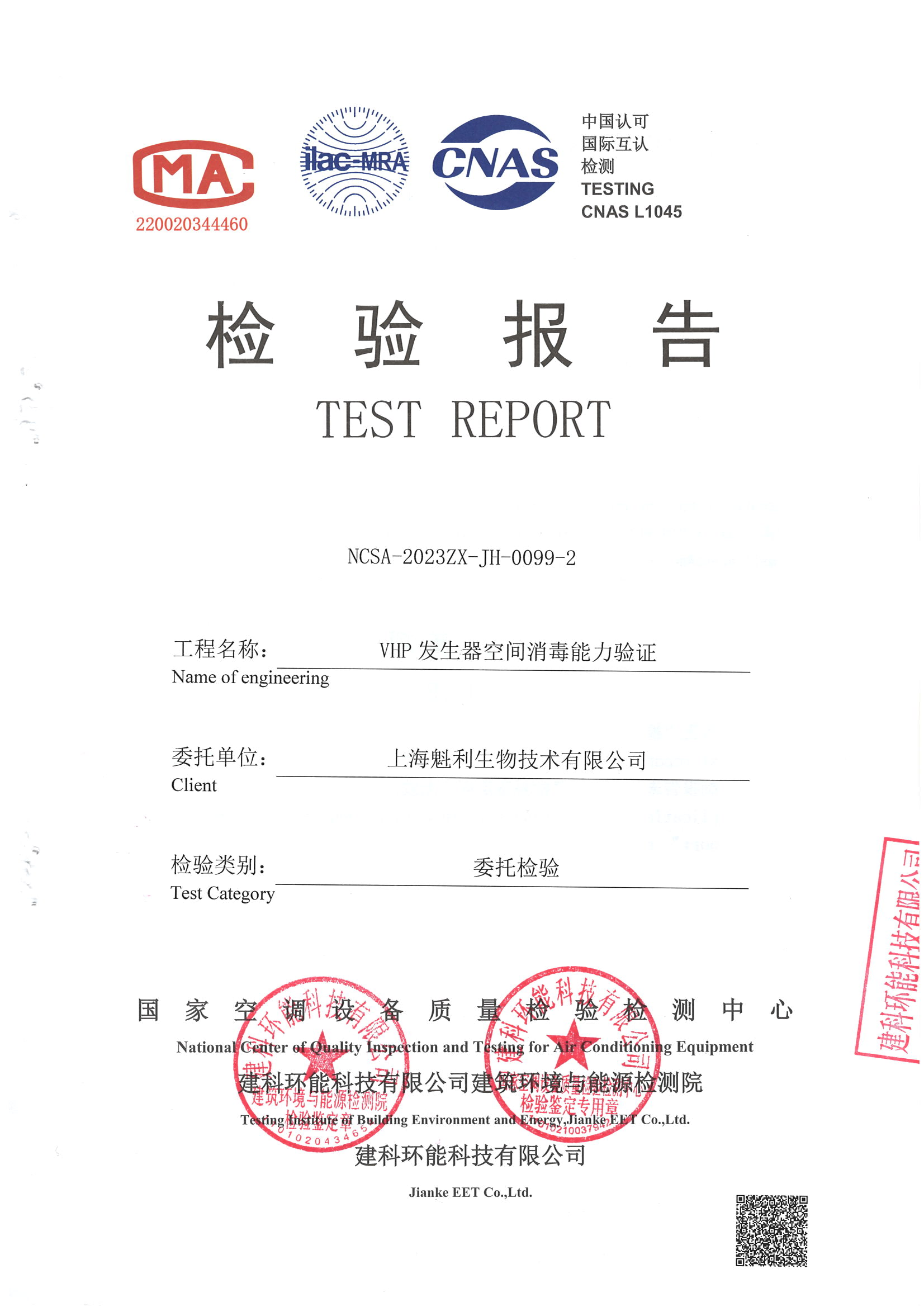
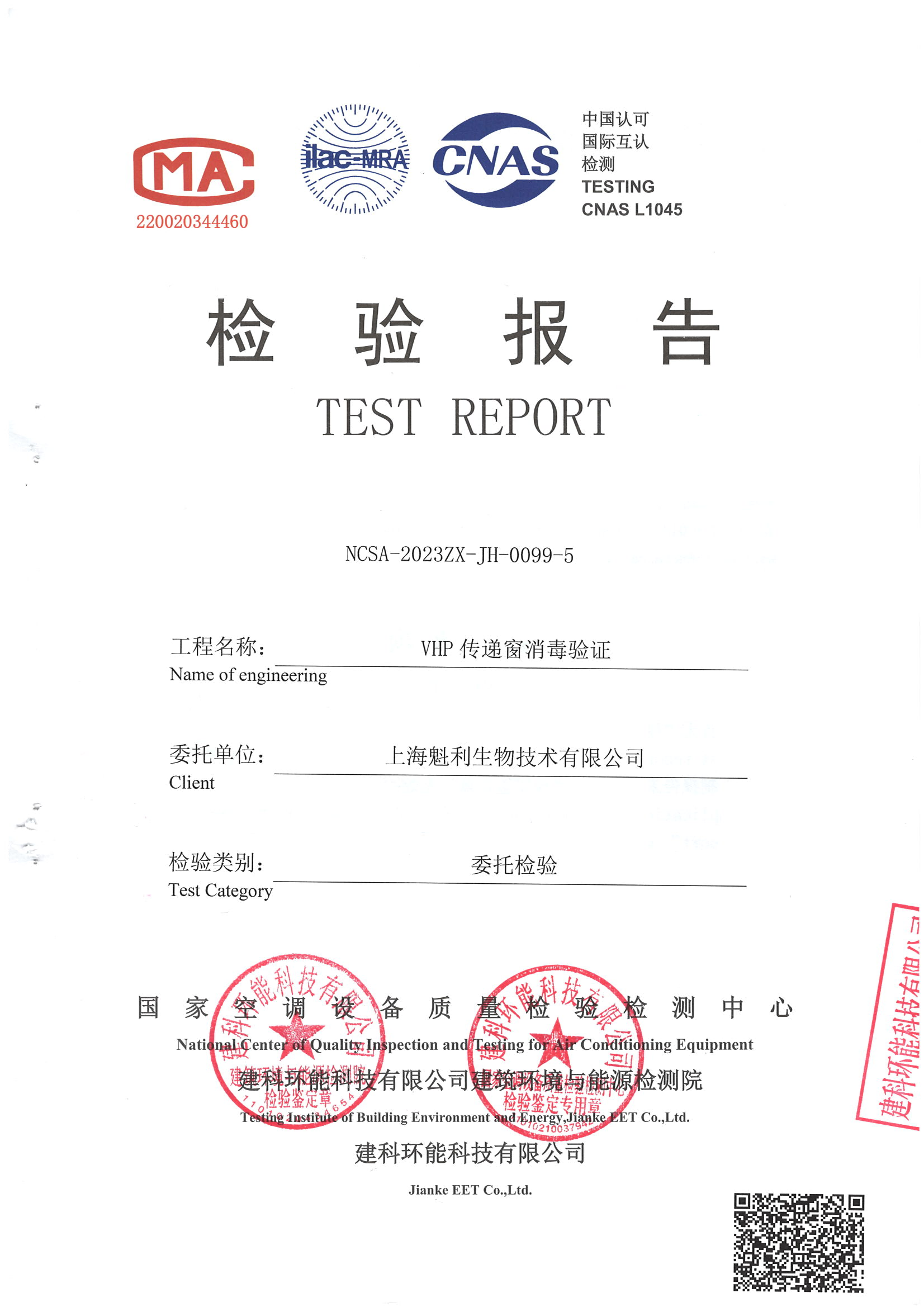
FDA inspectors expect comprehensive documentation demonstrating that sealing systems perform reliably under all operational conditions. This documentation must include installation qualification (IQ), operational qualification (OQ), and performance qualification (PQ) protocols that verify system functionality.
The validation process typically requires testing at multiple pressure levels, verification of seal integrity under various environmental conditions, and demonstration of fail-safe operation modes. According to pharmaceutical engineering experts, facilities should plan for 4-6 weeks of validation testing to ensure thorough documentation.
Cleaning and Sterilization Protocols
Pharmaceutical door sealing systems must withstand aggressive cleaning and sterilization procedures without degrading or harboring contaminants. FDA guidance documents emphasize that all product-contact and indirect-contact surfaces must be cleanable and, where appropriate, sterilizable.
Pneumatic seals designed for pharmaceutical applications feature smooth, non-porous surfaces that resist bacterial adhesion and facilitate thorough cleaning. The materials must demonstrate compatibility with common pharmaceutical disinfectants including 70% isopropyl alcohol, quaternary ammonium compounds, and hydrogen peroxide vapor.
What Validation Protocols Are Required for Pharmaceutical Door Sealing Systems?
The validation of pneumatic APR door seals follows established pharmaceutical industry protocols that demonstrate consistent performance under all anticipated operating conditions. These protocols must align with FDA guidance documents and international standards such as ISO 14644 for cleanroom environments.
Installation Qualification (IQ) Procedures
Installation qualification verifies that pneumatic sealing systems are installed correctly according to design specifications and manufacturer requirements. This phase documents all system components, verifies proper connections to compressed air supplies, and confirms integration with building automation systems.
Key IQ elements include verification of material certifications, measurement of seal dimensions against specifications, and testing of pneumatic connections for leaks. The process typically requires 3-5 days for complex multi-door installations, with documentation requirements including as-built drawings and component traceability records.
Operational Qualification (OQ) Testing
Operational qualification demonstrates that installed systems operate within predetermined parameters across their full range of operating conditions. This testing phase evaluates seal inflation times, pressure stability, and response to various environmental conditions.
A comprehensive OQ protocol for validated pneumatic seals includes pressure decay testing, where inflated seals are monitored for pressure loss over extended periods. Industry standards typically require less than 5% pressure loss over 24 hours, though more stringent requirements may apply in sterile manufacturing areas.
| Test Parameter | Acceptance Criteria | Frequency |
|---|---|---|
| Inflation Time | <30 seconds | Each door |
| Pressure Stability | ±2% over 24 hours | Statistical sample |
| Seal Integrity | <0.01 CFM leakage | All seals |
| Cycle Testing | 1,000 cycles minimum | Representative units |
Performance Qualification (PQ) Validation
Performance qualification represents the final validation phase, demonstrating that systems perform reliably under actual operating conditions over extended periods. This phase often extends 30-90 days and includes monitoring during normal facility operations.
PQ testing for pharmaceutical applications must demonstrate consistent performance during shift changes, equipment maintenance, and emergency conditions. As noted by cleanroom design specialists, facilities should monitor seal performance during both routine and exceptional operating scenarios to ensure comprehensive validation.
How to Select the Right Validated Pneumatic Seals for Your Facility?
The selection of appropriate pneumatic sealing systems requires careful consideration of facility-specific requirements, regulatory obligations, and operational constraints. This process begins with a comprehensive assessment of cleanroom classifications, pressure differential requirements, and integration needs.
Facility Assessment and Requirements Analysis
Effective seal selection starts with detailed mapping of facility layouts, identification of critical control points, and evaluation of existing environmental control systems. Pharmaceutical facilities typically require different sealing specifications for different areas, with the most stringent requirements applying to sterile manufacturing zones.
The assessment process should evaluate current pressure differential performance, identify areas of concern, and document any existing contamination control challenges. In our experience, facilities often discover that upgrading sealing systems enables more efficient HVAC operation, potentially offsetting implementation costs through energy savings.
Technical Specifications and Performance Criteria
APR door fda compliance requires careful attention to technical specifications that directly impact regulatory compliance. Key specifications include operating pressure ranges, temperature compatibility, chemical resistance, and expected service life under facility-specific conditions.
Seal selection must also consider cycle frequency, with high-traffic areas requiring more robust designs capable of withstanding frequent operation. Recent industry data suggests that seals in production areas typically experience 50-200 cycles per day, while those in storage or equipment areas may cycle less than 10 times daily.
Integration Requirements and Compatibility
Modern pharmaceutical facilities increasingly rely on integrated building automation systems that monitor and control environmental conditions across multiple zones. Pneumatic seal systems must integrate seamlessly with these platforms, providing real-time performance data and enabling centralized control.
The integration requirements extend to emergency systems, where seals must respond appropriately to fire alarms, security alerts, and other emergency conditions. Advanced pneumatic sealing systems feature programmable response protocols that can maintain sealing during emergencies while allowing rapid egress when required.
What Are the Installation and Maintenance Requirements for APR Door FDA Compliance?
Successful implementation of pneumatic APR sealing systems requires careful attention to installation procedures, ongoing maintenance protocols, and documentation requirements that support regulatory compliance. These requirements extend beyond initial installation to encompass the entire system lifecycle.
Installation Procedures and Best Practices
Professional installation of pneumatic sealing systems requires specialized knowledge of both mechanical systems and pharmaceutical regulations. The installation process begins with verification that door frames meet dimensional tolerances and surface finish requirements necessary for effective sealing.
Compressed air supply systems must provide clean, dry air at consistent pressures, typically requiring dedicated filtration and moisture removal equipment. Installation teams must verify that air quality meets pharmaceutical standards, with particular attention to oil content and particulate levels that could compromise product quality.
Preventive Maintenance Protocols
Maintaining apr door fda compliance requires systematic maintenance protocols that ensure consistent performance throughout the system lifecycle. These protocols typically include daily visual inspections, weekly pressure tests, and monthly comprehensive evaluations of seal condition and performance.
Maintenance activities must be documented thoroughly, with records maintained for regulatory review. Industry experts recommend establishing maintenance schedules based on cycle counts rather than calendar intervals, as this approach better reflects actual system usage and wear patterns.
| Maintenance Activity | Frequency | Documentation Required |
|---|---|---|
| Visual Inspection | Daily | Inspection logs |
| Pressure Testing | Weekly | Test results |
| Seal Condition Check | Monthly | Detailed reports |
| Comprehensive Service | Quarterly | Maintenance records |
Troubleshooting and Emergency Procedures
Pharmaceutical facilities must maintain detailed procedures for addressing pneumatic seal failures, including emergency protocols that ensure continued contamination control during system maintenance or unexpected failures. These procedures should address both planned maintenance activities and unexpected system failures.
Emergency procedures typically include provisions for temporary sealing methods, alternative contamination control measures, and expedited repair protocols. It’s worth noting that facilities with redundant sealing systems experience significantly fewer production disruptions during maintenance activities.
How Do Pneumatic APR Seals Compare to Traditional Sealing Methods?
The pharmaceutical industry has historically relied on various sealing technologies, including mechanical door seals, magnetic systems, and inflatable gaskets. Understanding the comparative advantages and limitations of pneumatic APR seals helps facility managers make informed decisions about contamination control investments.
Performance Comparison Analysis
Pneumatic seals offer superior consistency compared to mechanical alternatives, maintaining constant sealing pressure regardless of door position variations or frame settling. Traditional mechanical seals rely on physical compression that can vary significantly due to building movement, temperature changes, and wear over time.
Recent comparative studies indicate that pneumatic sealing systems achieve 95% better pressure differential maintenance compared to traditional mechanical seals. While mechanical seals may initially cost less, their inconsistent performance often necessitates additional HVAC capacity to maintain required pressure differentials.
Maintenance and Lifecycle Considerations
The maintenance requirements for pneumatic seals differ significantly from traditional sealing methods. While pneumatic systems require compressed air infrastructure and periodic seal replacement, they eliminate the frequent adjustments and replacements associated with mechanical seals.
Lifecycle analysis shows that pneumatic seals typically provide 3-5 years of reliable service with minimal maintenance, compared to 1-2 years for mechanical alternatives in high-use pharmaceutical applications. However, facilities must maintain compressed air systems and spare seal inventory to ensure continuous operation.
Regulatory Compliance Advantages
From a regulatory perspective, pneumatic seals offer several advantages including consistent performance documentation, automated monitoring capabilities, and reduced risk of contamination events. These factors increasingly important as regulatory agencies emphasize risk-based approaches to facility inspection and compliance.
The validation requirements for pneumatic systems are well-established, with extensive industry guidance available for documentation and testing protocols. This regulatory clarity reduces validation complexity compared to newer sealing technologies that may lack established precedents.
What Are the Cost Considerations for Implementing FDA Approved Pneumatic Seals?
Investment in pneumatic APR sealing systems requires careful evaluation of both initial implementation costs and long-term operational benefits. While initial costs may exceed traditional sealing methods, the total cost of ownership often favors pneumatic systems due to improved reliability, reduced maintenance, and enhanced regulatory compliance.
Initial Investment Requirements
Implementation costs for pneumatic sealing systems include equipment purchase, installation labor, compressed air infrastructure, and validation activities. Typical projects range from $5,000-$15,000 per door, depending on complexity and integration requirements.
The most significant cost variables include facility-specific installation requirements, integration with existing building systems, and validation complexity. Facilities requiring extensive compressed air infrastructure modifications may experience higher initial costs, though these investments often provide benefits beyond door sealing applications.
Operational Cost Benefits
Long-term operational benefits include reduced maintenance costs, improved energy efficiency, and decreased contamination risk. Pneumatic sealing systems typically reduce HVAC energy consumption by 10-15% through improved pressure differential control, providing ongoing operational savings.
The reduced risk of contamination events represents perhaps the most significant financial benefit, as single contamination incidents can result in product losses exceeding $1 million in pharmaceutical manufacturing facilities. While quantifying this risk reduction proves challenging, industry data suggests that facilities with advanced sealing systems experience 40% fewer contamination events.
Return on Investment Analysis
Comprehensive ROI analysis must consider both tangible benefits (energy savings, reduced maintenance costs) and intangible benefits (improved regulatory compliance, reduced contamination risk). Most pharmaceutical facilities achieve positive ROI within 3-5 years through a combination of operational savings and risk reduction.
The ROI calculation becomes more favorable when considering the potential costs of regulatory non-compliance, including warning letters, production delays, and remediation requirements. Facilities with documented contamination control improvements often experience reduced regulatory scrutiny and more efficient inspection processes.
Conclusion
FDA approved pneumatic APR door seals represent a critical investment in pharmaceutical contamination control, offering superior performance, regulatory compliance, and long-term operational benefits. The validation protocols, while comprehensive, provide a clear pathway to regulatory compliance that protects both product quality and patient safety.
The selection and implementation of validated pneumatic seals requires careful attention to facility-specific requirements, technical specifications, and integration needs. However, the investment in proper sealing systems pays dividends through improved contamination control, reduced maintenance costs, and enhanced regulatory compliance.
As pharmaceutical manufacturing continues to evolve toward more stringent quality requirements and risk-based regulatory approaches, facilities that invest in advanced contamination control systems will be better positioned to meet future challenges. The integration of pneumatic sealing systems with building automation platforms creates opportunities for predictive maintenance, energy optimization, and enhanced operational efficiency.
For facilities considering upgrades to their contamination control systems, the comprehensive benefits of pneumatic APR seals—including improved pressure differential control, reduced maintenance requirements, and enhanced regulatory compliance—make them an essential component of modern pharmaceutical manufacturing infrastructure.
The future of pharmaceutical contamination control will likely emphasize integrated systems that provide real-time monitoring, predictive maintenance, and automated responses to changing conditions. Investing in advanced pneumatic sealing technology today positions facilities to adapt to these emerging requirements while maintaining the highest standards of product quality and patient safety.
Frequently Asked Questions
Q: What are FDA Approved Pneumatic APR Door Seals, and how are they used?
A: FDA Approved Pneumatic APR Door Seals are specialized seals designed for use in medical and pharmaceutical environments to ensure airtight compartments. These seals are crucial for maintaining the integrity of controlled environments, such as those found in clean rooms and laboratories. They are used to prevent contamination and maintain the required conditions for sensitive operations.
Q: What are the primary validation protocols for FDA Approved Pneumatic APR Door Seals?
A: The primary validation protocols for FDA Approved Pneumatic APR Door Seals typically involve a three-phase approach: Installation Qualification (IQ), Operational Qualification (OQ), and Performance Qualification (PQ). IQ verifies correct installation and calibration, OQ ensures the system operates within specified parameters, and PQ confirms stability under routine conditions.
Q: How often should FDA Approved Pneumatic APR Door Seals be validated?
A: FDA Approved Pneumatic APR Door Seals should be validated initially during installation and anytime changes are made to the system, such as adjustments in equipment or materials. Regular checks may also be necessary to ensure ongoing compliance and functionality.
Q: What are key factors to consider during Operational Qualification (OQ) of FDA Approved Pneumatic APR Door Seals?
A: During OQ, key factors include:
- Testing at the extremes of operational parameters to ensure robust performance.
- Simulating real-world conditions to identify potential weaknesses.
- Conducting tests for seal integrity, including visual inspections and leak testing.
Q: What does Performance Qualification (PQ) involve for FDA Approved Pneumatic APR Door Seals?
A: PQ involves testing the system under routine conditions to confirm stability and reliability. This includes sealing multiple production batches at nominal parameters and evaluating the impact of device size and weight on the seal. The goal is to ensure that the sealing process consistently meets quality standards over time.
External Resources
- Pneumatic Seal APR Doors – Explains the application, containment performance, and technical specifications of pneumatic seal APR doors for laboratories and cleanrooms.
- FDA/ISO Compliance for Laminar Air Flow Units – Details FDA and ISO validation protocols for air containment equipment, focusing on qualification procedures that are directly applicable to cleanroom door seals.
- A Guide to the Validation Master Plan (VMP) – Provides comprehensive information about drafting and implementing validation protocols in compliance with FDA cGMP requirements, including equipment and process validation language.
- GMP Compliant VHP Passbox FDA Requirements Validation Protocols – Outlines FDA-compliant validation strategies, documentation, and traceability protocols for cleanroom entry systems, relevant to those validating pneumatic APR door seals.
- Cleanroom Door Validation and Specifications – Discusses performance, sealing standards, and validation testing for airtight cleanroom door systems in accordance with global and FDA-aligned protocols.
- FDA Guidance on Sterile Manufacturing Facility Design – Covers FDA expectations for barrier and containment systems in sterile manufacturing, including requirements for doors with pneumatic sealing and recommended validation approaches.
Related Contents:
- What Are APR Door Pneumatic Seals and How They Work
- Understanding Pneumatic APR Door Seal Technology
- Pneumatic Seal APR Doors: Complete Guide to Industrial Applications
- APR Door Sealing Systems | Pneumatic Technology Overview
- Industrial APR Door Seals | Purchase Guide | Specification Comparison
- Best APR Door Pneumatic Seal Suppliers | Vendor Selection Guide
- Pneumatic APR Door Seals Cost | Pricing Guide | ROI Analysis
- APR Door Pneumatic Seals | Regulatory Standards | Documentation Guide
- APR Door Seal Manufacturers | Quality Assessment | Buyer’s Guide