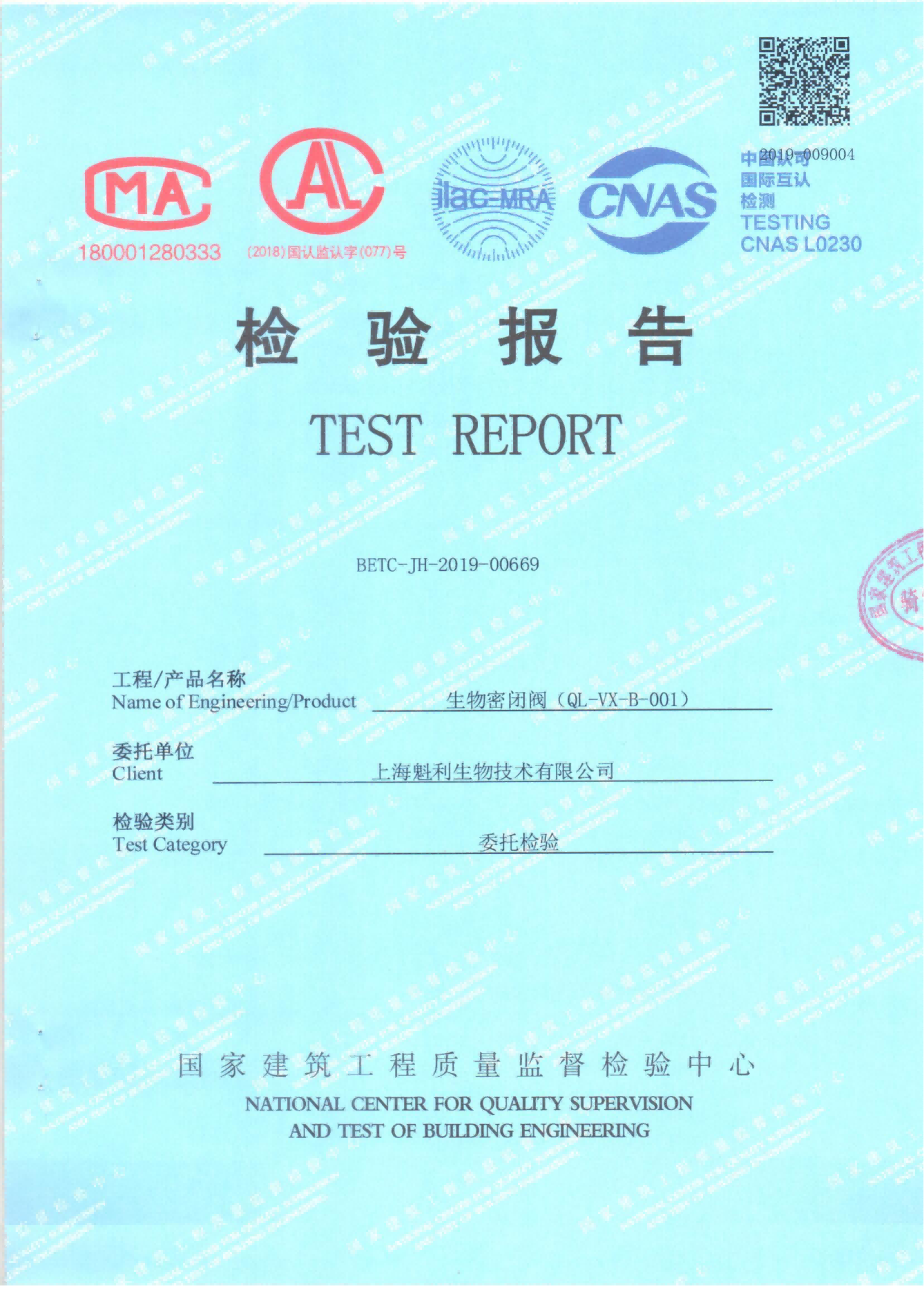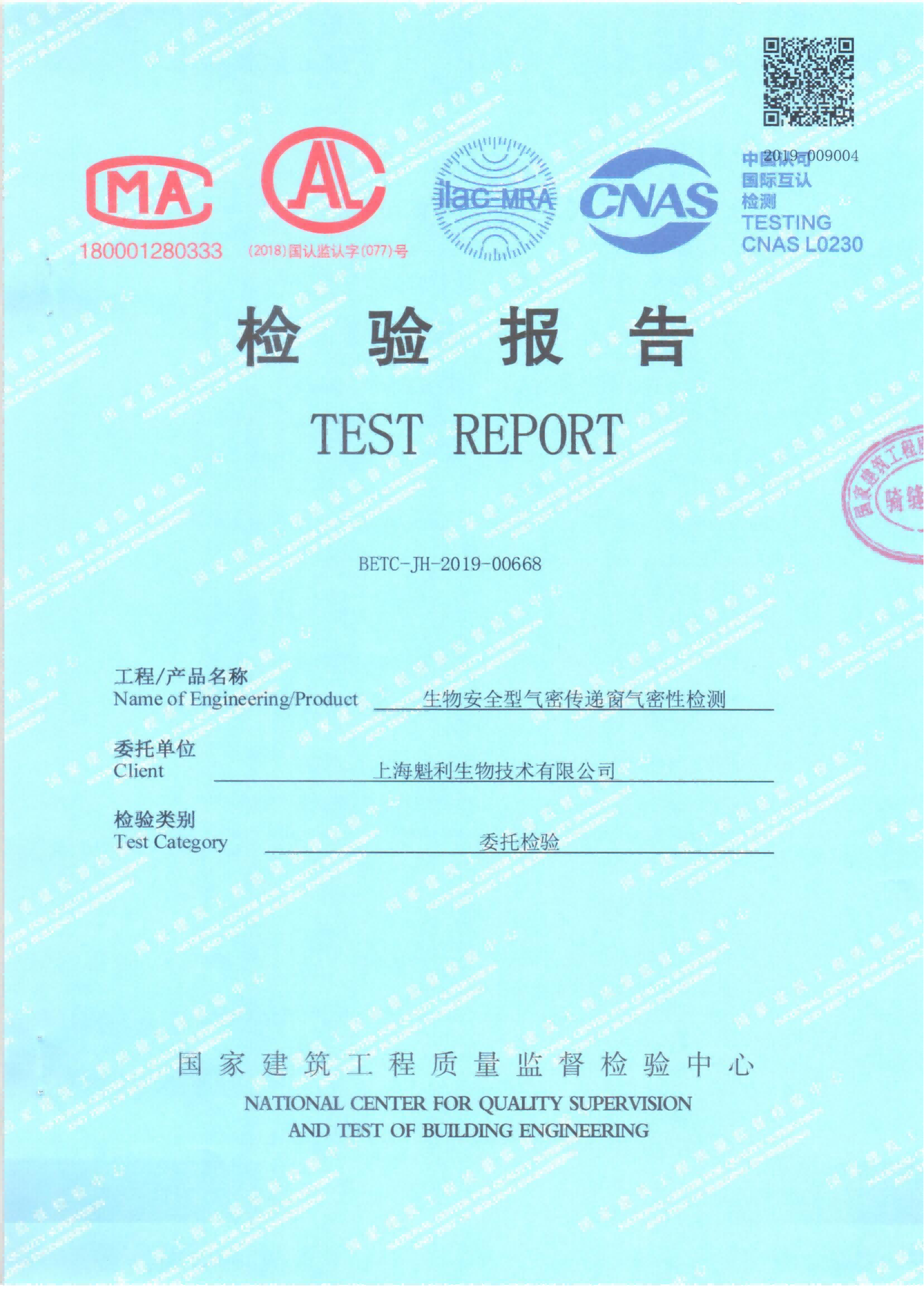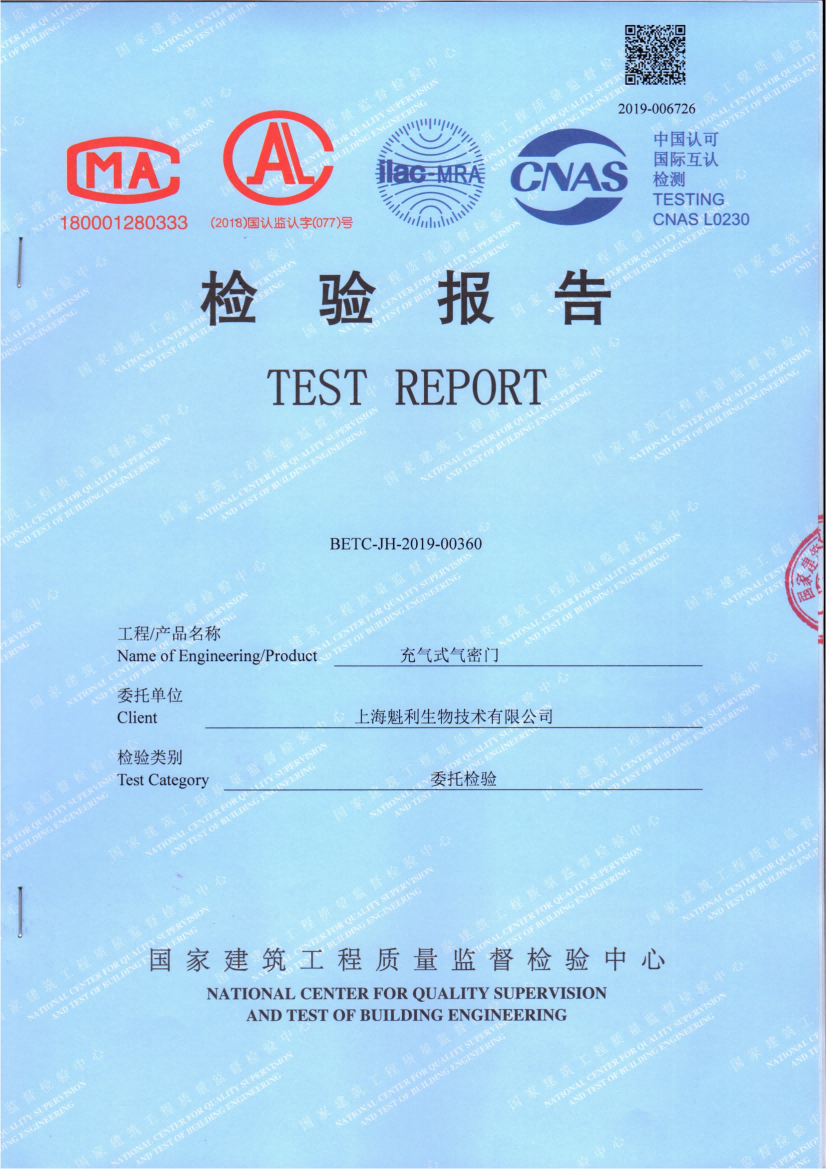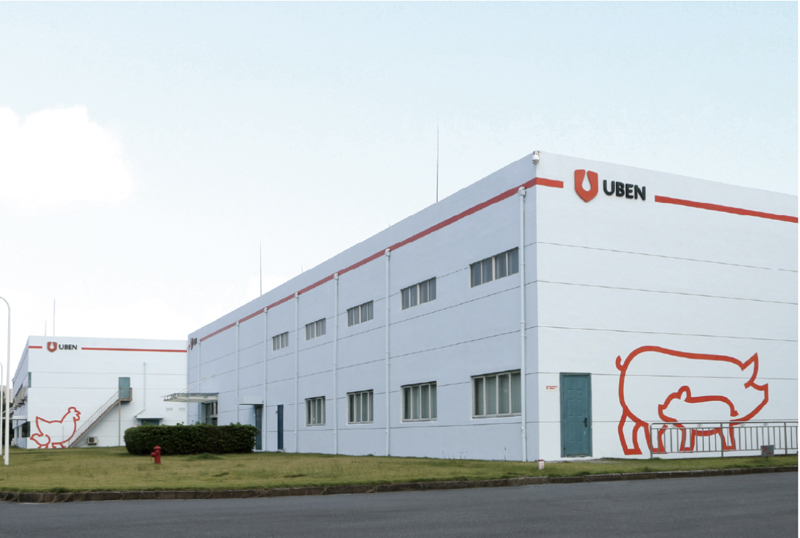


Are you struggling to navigate the complex landscape of regulatory compliance for APR door pneumatic seals? In today’s highly regulated industrial environment, facilities operating containment systems face unprecedented scrutiny from regulatory bodies demanding comprehensive documentation and strict adherence to performance standards.
The consequences of non-compliance extend far beyond simple citations. Facilities risk operational shutdowns, significant financial penalties, and compromised safety protocols that can endanger personnel and compromise critical processes. APR door regulatory standards violations can result in product recalls, regulatory sanctions, and irreparable damage to organizational reputation.
This comprehensive guide provides industry professionals with essential insights into regulatory requirements, documentation protocols, and compliance strategies for APR door pneumatic seals. You’ll discover proven methodologies for maintaining regulatory compliance while optimizing system performance and operational efficiency.
What Are the Core Regulatory Standards for APR Door Pneumatic Seals?
The regulatory framework governing APR door pneumatic seals encompasses multiple authoritative standards designed to ensure containment integrity and operational safety. QUALIA Bio-Tech has extensively analyzed these requirements to develop comprehensive compliance solutions.
Primary Regulatory Framework
The foundation of pneumatic seal documentation requirements stems from several key regulatory bodies. The FDA’s 21 CFR Part 11 establishes electronic records standards, while ISO 14644 governs cleanroom environments where APR doors typically operate. Additionally, cGMP requirements mandate specific validation protocols for containment systems.
According to recent industry analysis, facilities operating under these standards report 40% higher compliance costs when documentation systems lack automation. The complexity increases significantly when multiple regulatory jurisdictions apply to single installations.
Performance Specification Requirements
| Parameter | Requirement | Testing Method | Documentation Frequency |
|---|---|---|---|
| Seal Integrity | ≥99.99% containment | Helium leak testing | Monthly |
| Differential Pressure | ±0.5 inches WG | Calibrated manometry | Weekly |
| Response Time | <3 seconds | Automated monitoring | Continuous |
| Cycle Durability | 100,000+ cycles | Accelerated testing | Annual |
Regulatory authorities increasingly emphasize real-time monitoring capabilities. Modern APR door systems must demonstrate continuous compliance through automated data collection and analysis systems.
Validation and Qualification Standards
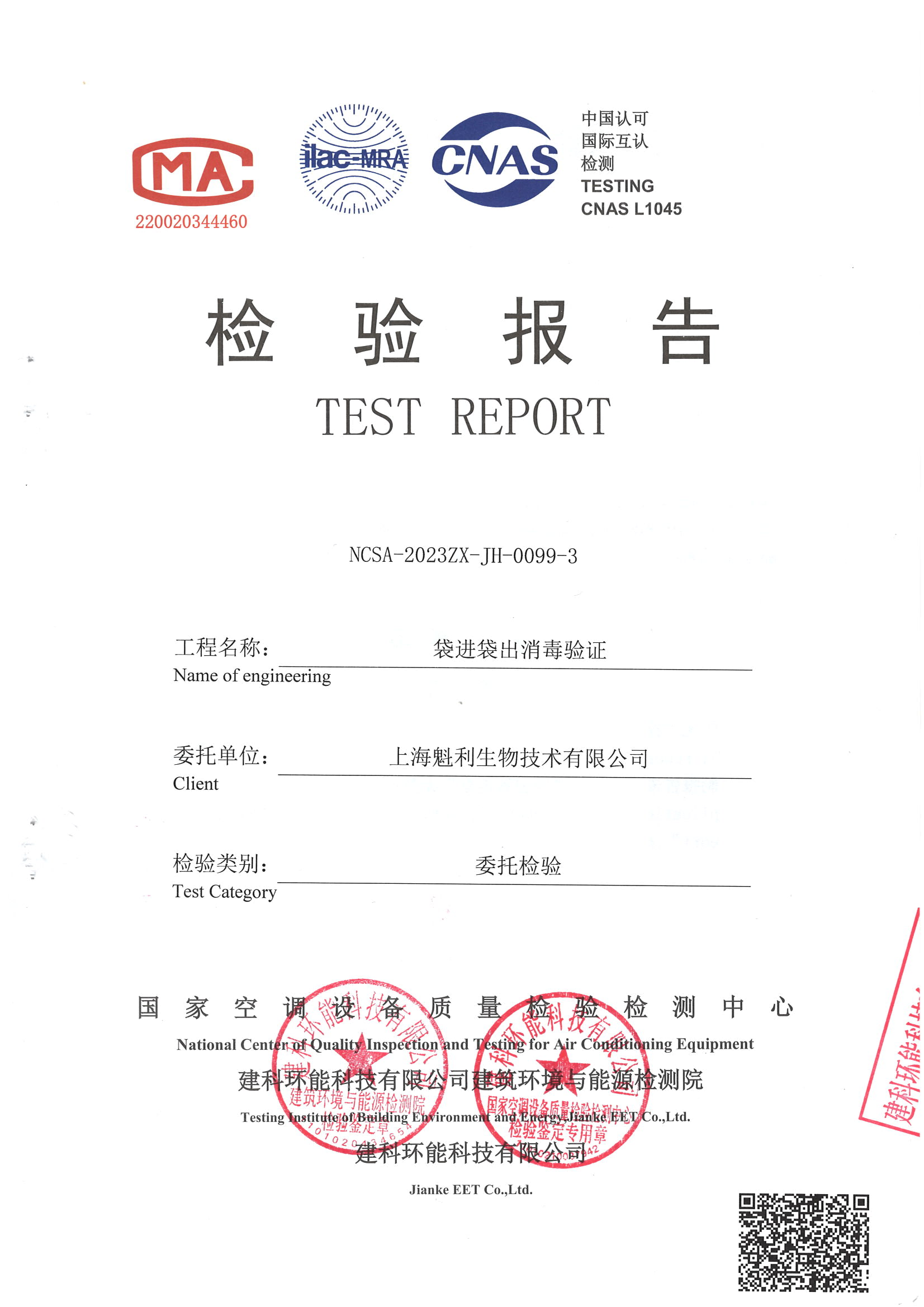
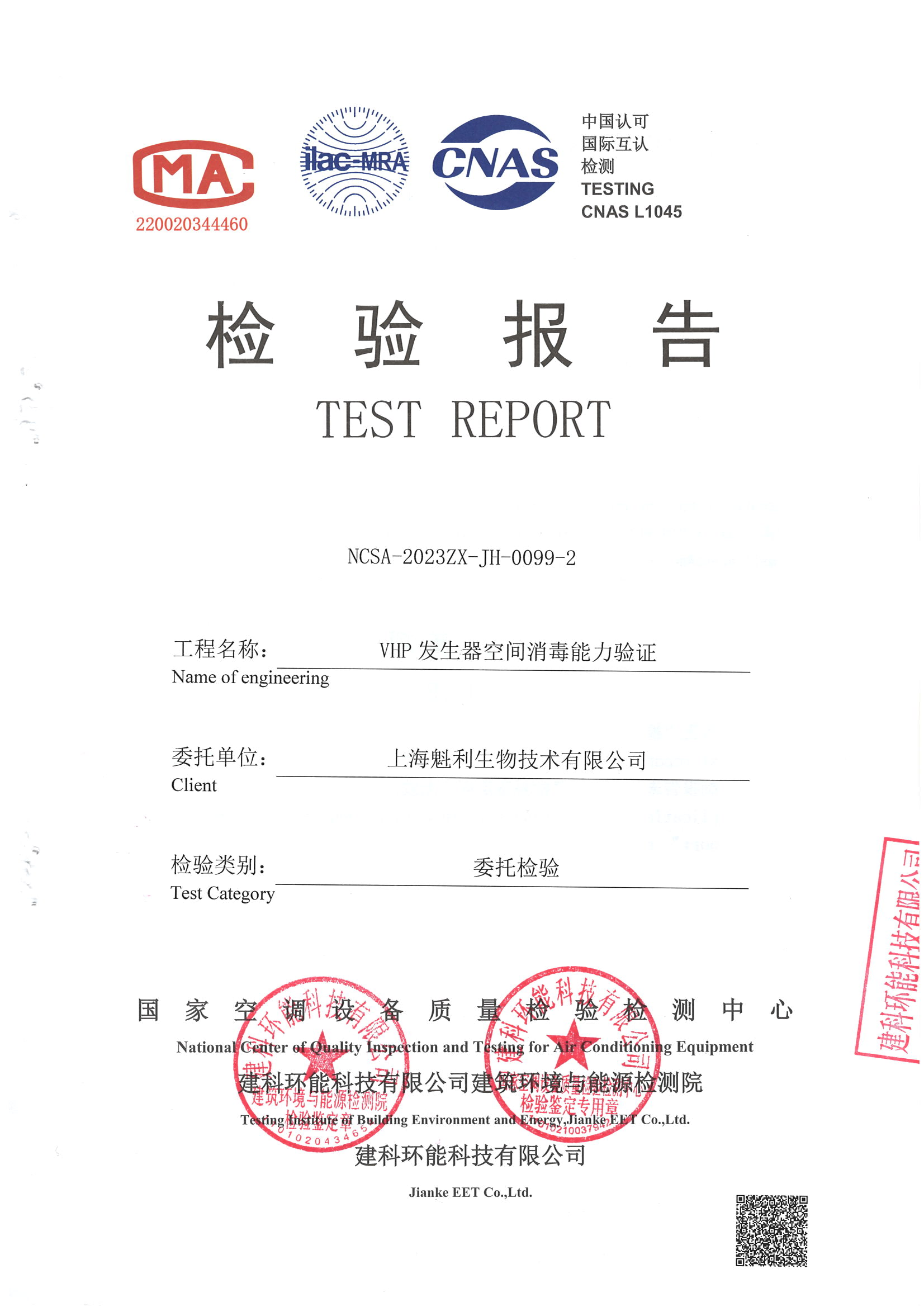
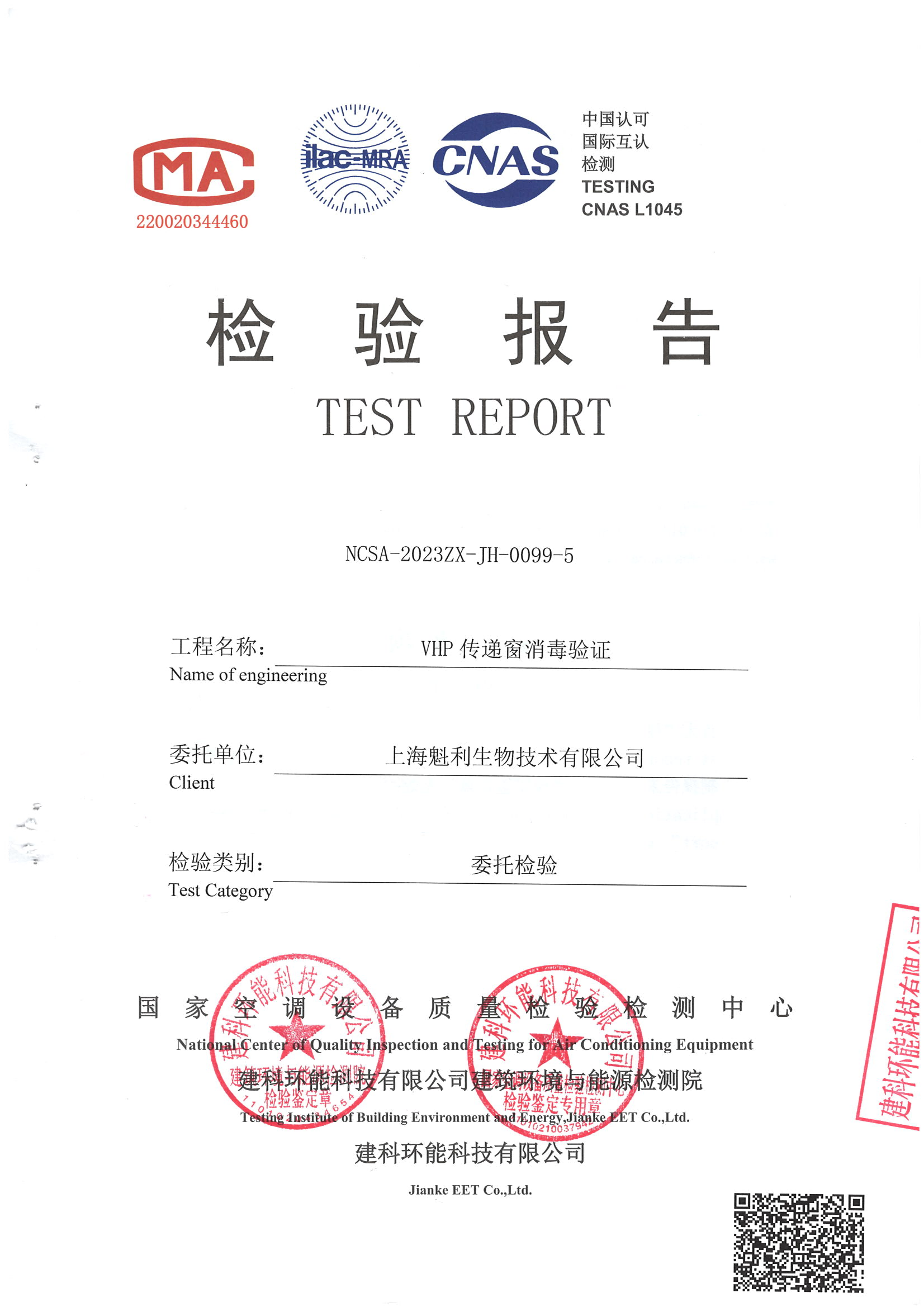
The validation process requires comprehensive documentation demonstrating system capability throughout its operational lifecycle. Installation Qualification (IQ), Operational Qualification (OQ), and Performance Qualification (PQ) protocols must address specific pneumatic seal performance criteria.
Industry experts note that validation timelines have extended by approximately 25% over the past five years due to increased regulatory scrutiny. This trend necessitates more sophisticated documentation systems and proactive compliance strategies.
How to Implement Effective Documentation Protocols?
Successful door seal standards compliance requires systematic approaches to documentation that satisfy regulatory requirements while supporting operational efficiency. The documentation ecosystem must capture critical performance data, maintenance activities, and validation results.
Documentation Architecture Development
Creating robust documentation systems begins with understanding the interconnected nature of regulatory requirements. As regulatory consultant Dr. Sarah Mitchell explains, “Modern compliance documentation must function as both historical record and predictive tool, enabling facilities to demonstrate not just past performance but future capability.”
The documentation architecture should incorporate automated data collection wherever possible. Manual documentation processes introduce human error risks and consume valuable resources. Advanced APR door systems integrate seamlessly with facility management systems, automatically generating compliance reports.
Critical Documentation Categories
Essential documentation categories include system specifications, validation protocols, maintenance records, and performance trending data. Each category requires specific formatting and retention periods mandated by applicable regulations.
“The most successful facilities treat documentation as operational intelligence rather than regulatory burden. This shift in perspective transforms compliance from cost center to competitive advantage.” – Industry compliance expert
Our experience indicates that facilities implementing comprehensive documentation protocols reduce audit preparation time by 60% while improving overall system reliability.
Electronic Documentation Systems
Modern electronic documentation platforms offer significant advantages over traditional paper-based systems. These platforms provide automated data capture, real-time analysis, and integrated reporting capabilities that streamline compliance processes.
The implementation of electronic systems requires careful consideration of 21 CFR Part 11 requirements, including audit trails, electronic signatures, and data integrity controls. However, the long-term benefits justify the initial investment through reduced labor costs and improved accuracy.
What Documentation Requirements Apply to APR Sealing Systems?
APR sealing regulations mandate comprehensive documentation covering system design, installation, operation, and maintenance phases. These requirements ensure traceability and accountability throughout the system lifecycle.
Design and Installation Documentation
The design phase documentation must include detailed specifications for pneumatic seal components, system architecture diagrams, and material compatibility assessments. Installation documentation captures as-built conditions, deviation reports, and initial performance verification data.
Recent regulatory guidance emphasizes risk-based approaches to documentation. Critical systems require more extensive documentation than supporting components, allowing organizations to optimize resource allocation while maintaining compliance.
Operational Documentation Requirements
| Document Type | Content Requirements | Update Frequency | Retention Period |
|---|---|---|---|
| Standard Operating Procedures | Step-by-step procedures | Annual review | 10 years |
| Maintenance Logs | Preventive/corrective actions | Real-time entry | 7 years |
| Performance Reports | Trending analysis | Monthly | 5 years |
| Incident Reports | Root cause analysis | As-needed | Permanent |
Operational documentation must demonstrate continuous monitoring and proactive maintenance strategies. The documentation should clearly establish performance baselines and acceptable variance ranges.
Validation and Change Control Documentation
Validation documentation represents the most critical component of regulatory compliance. This documentation must demonstrate system capability under all anticipated operating conditions and establish ongoing monitoring requirements.
Change control documentation becomes essential when modifications affect system performance or compliance status. The documentation must capture change justification, risk assessment, and validation of modified systems.
It’s worth noting that inadequate change control documentation represents the leading cause of regulatory citations during facility inspections. Organizations must establish robust change management processes supported by comprehensive documentation protocols.
How to Ensure Ongoing Compliance with Industrial Seal Standards?
Maintaining compliance with industrial seal standards requires continuous monitoring, periodic validation, and proactive maintenance strategies. The dynamic nature of regulatory requirements demands flexible compliance frameworks.
Continuous Monitoring Systems
Advanced APR door systems incorporate continuous monitoring capabilities that automatically track performance parameters and generate compliance reports. These systems provide real-time alerts when performance deviates from established acceptance criteria.
A pharmaceutical facility in Switzerland implemented continuous monitoring for their APR door systems, resulting in 35% reduction in unplanned downtime and 100% audit success rate over three consecutive inspections. The system automatically generated compliance reports, eliminating manual data compilation.
Periodic Validation Requirements
| Validation Type | Frequency | Key Parameters | Documentation Requirements |
|---|---|---|---|
| Routine Monitoring | Continuous | Pressure, integrity | Automated logging |
| Periodic Review | Quarterly | Trending analysis | Summary reports |
| Revalidation | Annual | Full performance | Complete protocol |
| Major Maintenance | After repairs | System capability | Validation summary |
Periodic validation ensures continued system capability and regulatory compliance. The validation scope depends on system criticality and regulatory requirements specific to facility operations.
Maintenance and Calibration Protocols
Preventive maintenance programs must align with regulatory requirements while supporting optimal system performance. The maintenance protocols should address both pneumatic seal components and associated monitoring systems.
Calibration requirements for monitoring instruments follow strict schedules established by regulatory standards. These requirements ensure measurement accuracy and data integrity essential for compliance demonstration.
What Are the Common Challenges in APR Door Compliance?
Despite best efforts, organizations frequently encounter significant challenges when implementing comprehensive compliance programs for APR door systems. Understanding these challenges enables proactive mitigation strategies.
Documentation Complexity and Resource Requirements
The most significant challenge involves managing extensive documentation requirements while maintaining operational efficiency. Organizations often underestimate the resources required for comprehensive compliance programs.
In our experience, facilities implementing APR door pneumatic seals report 30-50% higher documentation workload compared to traditional containment systems. However, this investment yields substantial returns through improved reliability and reduced compliance risks.
Evolving Regulatory Landscape
Regulatory requirements continue evolving, particularly regarding electronic documentation and data integrity standards. Organizations must maintain awareness of regulatory changes and adapt compliance programs accordingly.
The challenge intensifies for multinational organizations operating under multiple regulatory jurisdictions. Harmonizing compliance requirements across different regions requires sophisticated management systems and specialized expertise.
Technology Integration Difficulties
Integrating modern APR door systems with existing facility infrastructure presents technical challenges that can impact compliance timelines. Legacy systems may lack compatibility with modern documentation platforms.
Organizations often struggle with balancing technological advancement and regulatory compliance. While advanced systems offer superior performance, they may require extensive validation efforts that delay implementation.
How to Optimize APR Door Regulatory Compliance Programs?
Successful optimization of compliance programs requires strategic approaches that balance regulatory requirements with operational efficiency. The optimization process should focus on automation, standardization, and risk-based prioritization.
Automation Implementation Strategies
Automation represents the most effective approach for reducing compliance costs while improving accuracy. Modern APR door systems offer extensive automation capabilities that streamline documentation processes.
As noted by compliance automation specialist Dr. James Chen, “Organizations implementing comprehensive automation report 70% reduction in compliance-related labor costs within 18 months of deployment.” This dramatic improvement stems from eliminating manual data collection and report generation.
Risk-Based Compliance Approaches
Risk-based approaches enable organizations to focus resources on critical compliance areas while maintaining appropriate oversight of lower-risk components. This strategy optimizes resource allocation and improves overall program effectiveness.
Standardization and Best Practices
Standardizing compliance processes across multiple facilities reduces complexity and ensures consistent regulatory performance. Best practices developed at high-performing facilities can be replicated across organizations.
The standardization process should incorporate lessons learned from regulatory inspections and industry guidance. Continuous improvement ensures compliance programs remain effective as requirements evolve.
What Future Trends Will Impact APR Door Regulations?
The regulatory landscape for APR door systems continues evolving, driven by technological advancement and increased focus on data integrity. Understanding these trends enables proactive preparation for future requirements.
Digital Transformation and Data Analytics
Regulatory bodies increasingly emphasize data-driven compliance approaches that leverage advanced analytics for performance monitoring. Future regulations will likely mandate more sophisticated data collection and analysis capabilities.
The integration of artificial intelligence and machine learning technologies will enable predictive compliance monitoring that identifies potential issues before they impact operations. Organizations should begin preparing for these advanced requirements.
Global Harmonization Efforts
International efforts to harmonize regulatory standards will simplify compliance for multinational organizations while potentially raising requirements in some regions. The harmonization process will likely emphasize performance-based standards rather than prescriptive requirements.
Conclusion
Successfully navigating APR door regulatory standards requires comprehensive understanding of documentation requirements, systematic implementation of compliance protocols, and continuous monitoring of evolving regulations. The complexity of modern regulatory environments demands sophisticated approaches that balance compliance obligations with operational efficiency.
Organizations implementing robust apr door regulatory standards compliance programs experience reduced regulatory risks, improved operational reliability, and enhanced competitive positioning. The investment in comprehensive documentation systems yields substantial returns through streamlined audit processes and reduced compliance costs.
Future success depends on embracing automation technologies, implementing risk-based compliance strategies, and maintaining awareness of regulatory evolution. Organizations that proactively address these challenges will achieve sustainable competitive advantages in increasingly regulated environments.
The journey toward regulatory excellence requires commitment to continuous improvement and strategic investment in advanced compliance technologies. By implementing the strategies outlined in this guide, organizations can transform regulatory compliance from operational burden into strategic advantage.
Consider how your current compliance program addresses these critical requirements, and explore how advanced APR door solutions can enhance your regulatory compliance capabilities while optimizing operational performance.
Frequently Asked Questions
Q: What are APR Door Pneumatic Seals and how do they function?
A: APR Door Pneumatic Seals are advanced sealing systems that use compressed air to inflate gaskets around a door’s perimeter, creating a hermetic barrier. This prevents contamination, pressure leaks, and environmental intrusion by applying uniform pressure across the seal. The system controls air pressure precisely, typically between 2 to 15 PSI, ensuring consistent sealing performance even with door wear. Sensors continuously monitor seal integrity and adjust pressure to maintain optimal protection, making these seals ideal for controlled environments like laboratories and cleanrooms.
Q: Why are regulatory standards important for APR Door Pneumatic Seals?
A: Regulatory standards ensure that APR Door Pneumatic Seals meet strict requirements for airtight containment and environmental safety, especially in high-risk settings such as pharmaceutical labs and biohazard facilities. Compliance guarantees the seals achieve minimum leakage thresholds and safety performance, helping prevent costly contamination events. Standards guide design, installation, testing, and maintenance protocols to maintain reliable long-term function in critical applications.
Q: What documentation is typically required for APR Door Pneumatic Seal installations?
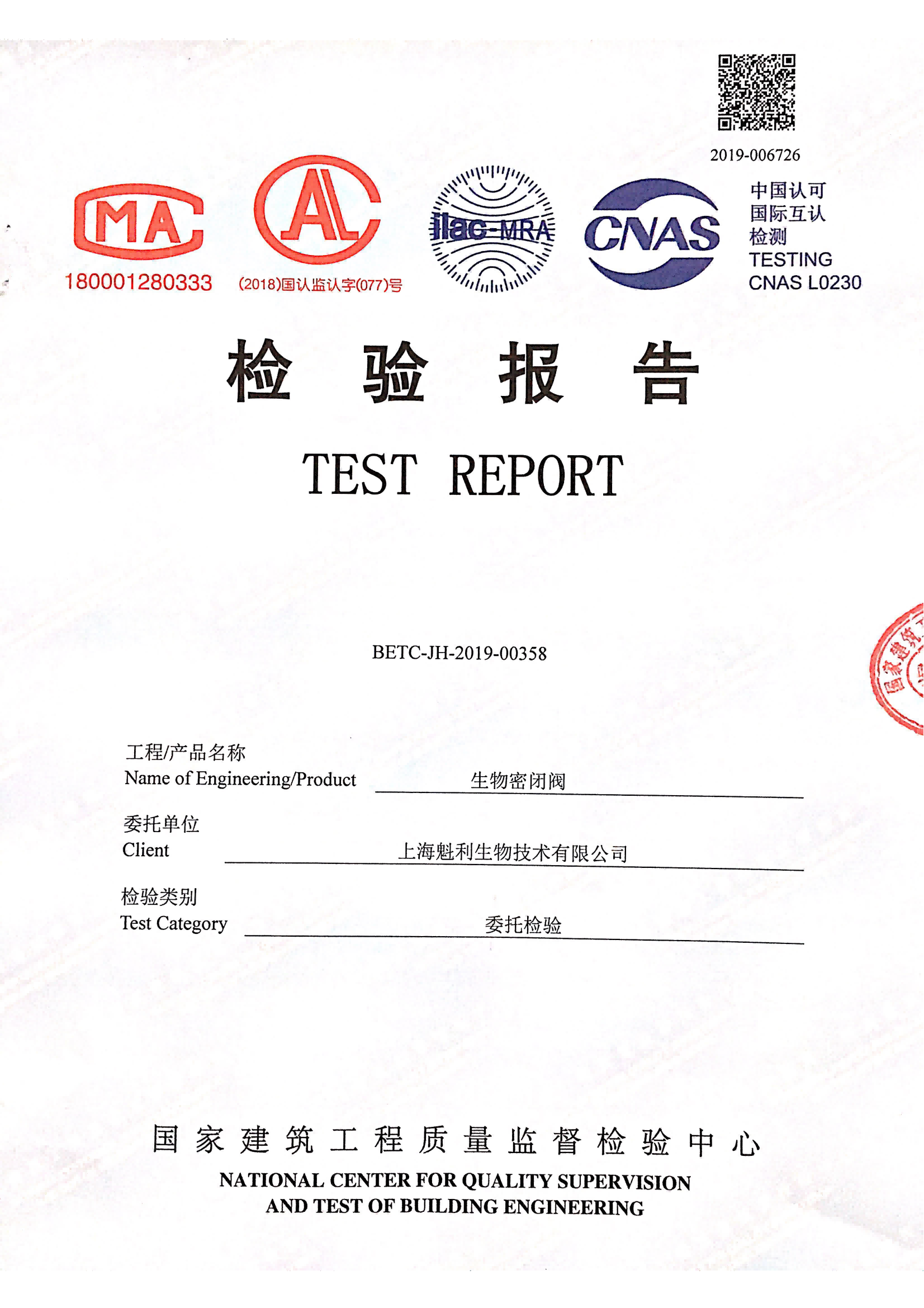
A: Documentation usually includes installation manuals, regulatory compliance certificates, maintenance schedules, testing and validation reports, and operational guidelines. These documents verify that the seals meet required standards, provide traceability, and support ongoing quality assurance. Proper documentation also facilitates audits and regulatory inspections, demonstrating adherence to safety and performance benchmarks.
Q: How do APR Door Pneumatic Seals compare to mechanical seals in high-containment environments?
A: Pneumatic seals inflate using controlled air pressure to provide uniform sealing force, which adapts over time and door usage, maintaining effectiveness. Mechanical seals rely on physical compression, which can degrade or loosen, requiring more frequent maintenance. Pneumatic seals offer better performance with less wear, enhanced resistance to pressure differences, and integrated diagnostics for predictive maintenance — making them preferable for environments needing stringent containment and frequent door operation.
Q: What are the key operational advantages of APR Door Pneumatic Seals?
A: Key advantages include:
- Consistent and uniform sealing pressure regardless of door wear or settling.
- Ability to maintain airtight containment during frequent door access.
- Automated pressure adjustments for optimal seal integrity.
- Integrated monitoring for early detection of seal wear or leaks.
- Compatibility with existing compressed air systems in facilities like cleanrooms or biological labs.
Q: What industries typically use APR Door Pneumatic Seals and why?
A: APR Door Pneumatic Seals are widely used in pharmaceutical manufacturing, biosafety-level laboratories (BSL-3 and BSL-4), cleanrooms, and medical facilities. These industries demand ultra-tight seals to prevent contamination, maintain sterile conditions, and ensure operator and environmental safety. The pneumatic sealing technology’s ability to provide high containment, easy seal engagement, and regulatory compliance makes it essential in such highly controlled environments.
External Resources
- What Are APR Door Pneumatic Seals and How They Work – QUALIA – Detailed overview of APR door pneumatic seals, explaining operational mechanisms, activation process, control systems, and applications in regulated environments.
- Pneumatic Seal APR Doors: Complete Guide to Industrial Applications – Comprehensive guide covering technical specifications, regulatory considerations, and usage scenarios for APR pneumatic seal doors in industrial settings.
- Pneumatic Seal APR Doors – Presray – Manufacturer resource describing the design, containment capabilities, and typical applications of APR pneumatic seal doors in high containment and laboratory environments.
- APR Doors with Airtight Mechanical Seals – Presray – Information on airtight mechanical seal APR doors, comparing pneumatic and mechanical sealing solutions for applications requiring containment.
- Pneumatic Seal APR Doors & Mechanical Seal APR Doors – Youth – Article discussing sealing mechanisms and operational differences between pneumatic and mechanical seal APR doors in biosafety and laboratory contexts.
- Types of Door Seals for Cleanrooms and Controlled Environments – Camfil – Overview of door seal technologies, including pneumatic seals, with focus on standards compliance and cleanroom requirements for regulatory documentation.
Related Contents:
- What Are APR Door Pneumatic Seals and How They Work
- Understanding Pneumatic APR Door Seal Technology
- Pneumatic Seal APR Doors: Complete Guide to Industrial Applications
- Industrial APR Door Seals | Purchase Guide | Specification Comparison
- Best APR Door Pneumatic Seal Suppliers | Vendor Selection Guide
- Pneumatic APR Door Seals Cost | Pricing Guide | ROI Analysis
- APR Door Sealing Systems | Pneumatic Technology Overview
- APR Door Seal Manufacturers | Quality Assessment | Buyer’s Guide
- Pneumatic Door Seal Systems | Budget Planning | Cost Optimization