
Bir Hayvan Biyogüvenlik Seviyesi 3 (ABSL-3) laboratuvarı için birincil muhafaza sisteminin seçilmesi, onlarca yıl sürecek operasyonel ve güvenlik etkileri olan kritik bir sermaye kararıdır. Bireysel Havalandırmalı Kafes (IVC) rafları, izolatörler ve havalandırmalı muhafazalar arasındaki seçim genellikle bir maliyet veya tercih meselesi olarak aşırı basitleştirilir ve muhafaza bütünlüğü, iş akışı verimliliği ve yaşam döngüsü ekonomisi üzerindeki derin etkisi göz ardı edilir. Yanlış bir seçim güvenliği tehlikeye atabilir, işletme maliyetlerini artırabilir ve araştırma esnekliğini sınırlayabilir.
Mevzuat odağı tasarım uyumluluğundan belgelenmiş performans doğrulamasına kaydıkça bu karar giderek daha acil hale gelmektedir. Yeni standartlar ve aerosol dinamiklerinin daha iyi anlaşılması, daha sofistike ve kanıta dayalı bir yaklaşım gerektirmektedir. Doğru sistem sadece bir ekipman parçası değildir; bir tesisin risk azaltma stratejisinin temel taşıdır ve HVAC tasarımından uzun vadeli enerji tüketimine ve araştırma rekabetçiliğine kadar her şeyi doğrudan etkiler.
Temel Farklılıklar: IVC Rafları vs İzolatörler vs Havalandırmalı Muhafazalar
Temel Teknolojilerin Tanımlanması
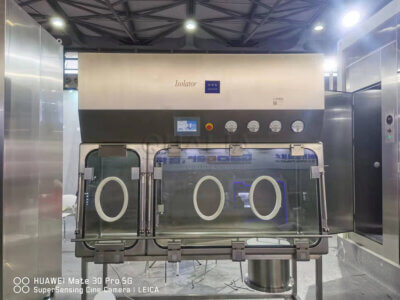
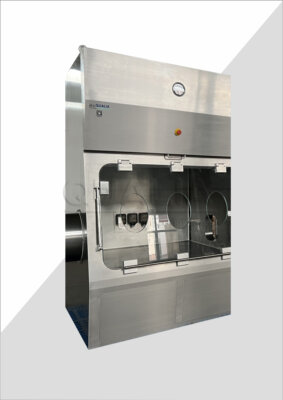
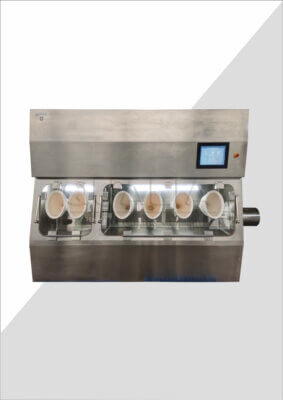
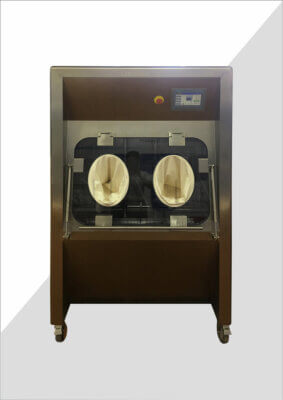
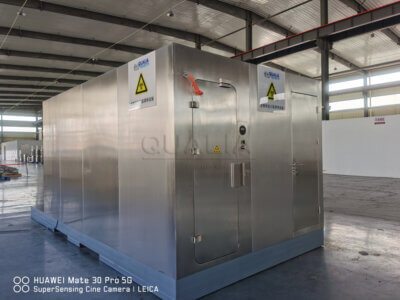
Üç temel muhafaza sistemi, temelde farklı mühendislik yaklaşımlarıyla farklı amaçlara hizmet etmektedir. IVC raf sistemleri, her biri özel HEPA filtreli egzoz ile negatif basınç altında tutulan sızdırmaz, mikro izolatör kafeslerin entegre montajlarıdır. Hermetik tasarımlarının birincil bariyer olduğu yüksek yoğunluklu kemirgen barındırma için tasarlanmışlardır. İzolatörler, sert, sızdırmaz bir çalışma alanı oluşturan ve muhafaza sınırı içinde doğrudan hayvan kullanımı ve prosedürlerine izin veren negatif basınçlı eldiven kutusu üniteleridir. Bazen “çadır” olarak da adlandırılan havalandırmalı muhafazalar, standart hayvan kafeslerinin etrafında negatif basınçlı bir plenum oluşturmak için esnek veya yarı sert perdeler kullanır ve daha esnek ancak kontrole bağlı bir çözüm sunar.
Operasyonel ve Sınırlama Profilleri
Her sistem, günlük iş akışını belirleyen benzersiz bir operasyonel profil sunar. IVC rafları muhafaza konusunda mükemmeldir ancak herhangi bir manipülasyon için mühürlü kafeslerin Sınıf II Biyogüvenlik Kabinine taşınmasını gerektirir. İzolatörler çoğu faaliyeti mümkün kılarak bunu kolaylaştırır in situ, Bu, daha büyük veya daha zorlu türler üzerindeki prosedürler için kritik bir avantajdır. Havalandırmalı muhafazalar çeşitli kafes türlerini barındırmada esneklik sunar, ancak hassas basınç farklarını korumak için büyük ölçüde sofistike dijital kontrollere dayanır. Etkinlikleri bu kontrollere ve uygun perde yönetimine sıkı sıkıya bağlıdır.
Sistemi Uygulama ile Eşleştirme
En uygun seçim, hayvan modeli ve araştırma protokolü tarafından belirlenir. Yüksek verimli kemirgen çalışmaları için, IVC rafları ölçeklenebilir, tasarlanmış muhafaza sağlayan kesin standarttır. Tavşan veya gelincik gibi daha büyük türler için veya kafes içinde yüksek riskli aerosol oluşumunu içeren protokoller için izolatörler gerekli alanı ve manipülasyon kabiliyetini sağlar. Havalandırmalı muhafazalar esnek, düşük yoğunluklu projeler için veya geçici bir çözüm olarak iyi hizmet verebilir. Sektör uzmanları, hayvan modelinizin belirli dökülme özelliklerini ve aerosol risklerini doğrudan sistemin kanıtlanmış muhafaza yetenekleriyle eşleştirmenizi önerir.
Karşılaştırmalı Sisteme Genel Bakış
Aşağıdaki tabloda her bir ana muhafaza sistemi türünün başlıca uygulamaları ve temel teknik özellikleri özetlenmektedir.
| Sistem Tipi | Birincil Hayvan Modeli | Anahtar Muhafaza Özelliği |
|---|---|---|
| IVC Rafları | Küçük kemirgenler (yüksek yoğunluklu) | Hermetik, negatif basınçlı kafesler |
| İzolatörler (Gloveboxes) | Daha büyük türler (örn. tavşanlar) | Yerinde manipülasyon yeteneği |
| Havalandırmalı Muhafazalar (“Çadırlar”) | Esnek / çeşitli | Kafeslerin etrafında negatif basınçlı plenum |
Kaynak: Teknik dokümantasyon ve endüstri spesifikasyonları.
ABSL-3 Havalandırması için Kritik Teknik Hususlar
Temel Özelliklerin Ötesine Geçmek
Bir sistem seçmek, sadece üretici özelliklerini gözden geçirmeyi değil, risk değerlendirmesine dayanan bütünsel bir teknik değerlendirme gerektirir. Temel amaç aerosol kaçışını önlemektir, bu da sistemin performansını ajanın iletim rotasıyla eşleştirmeyi gerektirir. Genellikle göz ardı edilen kritik bir ayrıntı, birincil muhafaza egzozu ile tesisin HVAC'ı arasında bir “yüksük” bağlantısı yoluyla entegrasyon noktasıdır. Bu arayüz, kötü entegre edilmiş tasarımlarda yaygın bir başarısızlık noktası olan odanın negatif basınç gradyanını bozmayacak şekilde tasarlanmalıdır.
Acenteye Özel Yetkiler Tasarımı Yönlendiriyor
Temel bir teknik husus, tüm ABSL-3 çalışmalarının aynı mühendislik kontrollerini zorunlu kılmamasıdır. Egzoz havasının HEPA filtrasyonu evrensel olsa da, HEPA filtreli besleme havası gereksinimi, belirli kuş gribi türleri gibi “BSL-3 Geliştirilmiş” ajanlarla yapılan çalışmalar için özel olarak tetiklenir. Bu etkene özgüllük, araştırma programınızın patojen seçiminin, başlangıçtan itibaren temel HVAC ve ekipman uyumluluğunu belirleyen stratejik bir sermaye kararı olduğu anlamına gelir.
Performans Doğrulama Zorunluluğu
Tasarım uyumluluğu başlangıç noktasıdır; kanıtlanmış performans ise son noktadır. Aşağıdaki gibi standartların ortaya çıkması ANSI/ASSP Z9.14 belgelenmiş, tekrarlanabilir performans doğrulamasının çok önemli hale geldiği bir düzenleyici değişime işaret etmektedir. Bu standart hava akışı, filtre bütünlüğü ve sistem arıza tepkilerinin test edilmesi için gerekli metodolojiyi sağlamaktadır. Sürekli bütünlüğü kanıtlama sorumluluğunu operatörlere kaydırarak, doğrulanabilirlik için tasarlanmış sistemlerin seçimini kritik bir teknik değerlendirme haline getirir.
Teknik Gereklilikler ve Standartlar
Aşağıdaki tablo, ajana özgü gereksinimlerin sistem tasarımını nasıl doğrudan etkilediğini vurgulayarak, temel teknik parametreleri ve bunların doğrulanmasını yöneten standartları özetlemektedir.
| Dikkate alma | Anahtar Parametre / Gereksinim | Ajana Özel Tetikleyici |
|---|---|---|
| Egzoz Havası Filtrasyonu | HEPA filtreleme gereklidir | ABSL-3 için Üniversal |
| Besleme Havası Filtrasyonu | İsteğe bağlı HEPA filtreleme | “BSL-3 Geliştirilmiş” ajanlar (örn. HPAI H5N1) |
| Entegrasyon Noktası | “Yüksük” bağlantısı | Oda basıncını bozmamalıdır |
| Performans Standardı | ANSI/ASSP Z9.14 metodolojisi | Hava akışı ve filtre bütünlüğü testi için |
Kaynak: ANSI/ASSP Z9.14-2020. Bu standart, hava akışı, filtre bütünlüğü ve sistem arızası tepkileri dahil olmak üzere ABSL-3 havalandırma sistemlerinin test edilmesi ve performans doğrulaması için temel metodolojiyi sağlar.
Sistem Performansı ve Muhafaza Bütünlüğünün Değerlendirilmesi
Kanıt Testin İçinde
Sınırlama iddiaları varsayılmamalı, doğrulanmalıdır. Hem normal hem de arıza koşulları altında titiz, standartlaştırılmış testler bütünlüğü sağlamanın tek yoludur. Bu süreç, aerosol haline getirilmiş taşıyıcılarla yapılan muhafaza testi, stabil negatif basınç ve yönlü hava akışının nicel doğrulaması ve en önemlisi arıza modu testini içerir. Sonuncusu, bir sistemin kirleticileri dışarı atabilecek pozitif basınca geri dönmeden güvenli bir şekilde nötr duruma geçmesini sağlar.
Kanıta Dayalı Bir Çerçevenin Benimsenmesi
Bu ANSI/ASSP Z9.14 standardı bu kritik performans doğrulama çerçevesini sağlar. Bu standardın benimsenmesi, yatırımınızın riskini azaltmak ve mevzuatın savunulabilirliğini sağlamak için en iyi uygulamayı temsil eder. Ayrıca, Hesaplamalı Akışkanlar Dinamiği (CFD) modellemesi gibi araçlar, teorik güvenlik marjlarına güvenmek yerine, varsayımsal bir izolatör eldiveni ihlali sırasındaki dağılım modeli gibi gerçek dünyadaki arıza risklerini ölçerek tasarımın proaktif olarak riskten arındırılmasına olanak tanır.
Temel Bir Ölçüt Olarak Sızdırmazlık
İzolatörler gibi sızdırmaz muhafazalar için sızdırmazlık ölçülebilir bir performans ölçütüdür. Gibi standartlar ISO 10648-2 Muhafaza muhafazalarını sızıntı oranlarına göre sınıflandırmak ve bunları test etmek için yöntemler belirlemek. Sistem bileşenleri için bu sınıflandırmanın belirlenmesi ve doğrulanması, muhafaza bütünlüğü için niteliksel değerlendirmelerin ötesine geçen somut, ölçülebilir bir kriter sağlar.
Standartlaştırılmış Performans Testleri
Kapsamlı bir değerlendirme, aşağıda özetlendiği gibi bir dizi standartlaştırılmış test gerektirir.
| Test Türü | Amaç | Standart / Yöntem |
|---|---|---|
| Sınırlama Mücadelesi | Aerosol muhafazasını doğrulayın | Aerosolize taşıyıcı madde testi |
| Basınç ve Hava Akışı | Sabit negatif basıncı doğrulayın | ANSI/ASSP Z9.14 |
| Arıza Modu | Güvenli arıza (nötr) sağlayın | Sistem kapatma yanıt testi |
| Sızdırmazlık | Muhafaza bütünlüğünü kontrol edin | ISO 10648-2 sınıflandırması |
Kaynak: ANSI/ASSP Z9.14-2020 ve ISO 10648-2:1994. ANSI Z9.14 performans doğrulama çerçevesini sağlarken, ISO 10648-2 izolatörler gibi muhafaza muhafazaları için sızdırmazlık sınıflandırmalarını tanımlar.
Operasyonel İş Akışı ve Bakım Gereksinimleri
Günlük Güvenlik ve Verimlilik için Tasarım
Bir sistemin tasarımı, güvenli ve verimli günlük operasyonları engellememeli, mümkün kılmalıdır. İş akışı, hayvan erişimi ve kafes değişiminden deneysel prosedürlere kadar her şeyi belirler ve bu işlemlerin tipik olarak aşağıdakiler için sertifikalandırılmış bir Sınıf II Biyogüvenlik Kabini (BSC) içinde gerçekleşmesi gerekir NSF/ANSI 49. İzolatörler bariyer içinde manipülasyonlara olanak sağlayarak bunu kolaylaştırabilirken, IVC rafları mühürlü kafeslerin bir BSC'ye güvenli bir şekilde taşınmasını gerektirir. Atık akışlarının (yatak ve karkas) taşınması ve dekontaminasyonu, sistemler arasında önemli farklılıklar gösteren başlıca operasyonel faktörlerdir; bazı izolatörler in situ buharlaştırılmış hidrojen peroksit dekontaminasyonu.
Tartışmaya Açık Olmayan Bakım Yükü
Bakım talepleri yüksek ve öngörülebilirdir. HEPA filtre değişimleri, hassas basınç sensörlerinin kalibrasyonu ve basınç veya güç kaybı için alarm sistemlerinin doğrulanması özel programlar ve yüksek eğitimli personel gerektirir. Bu isteğe bağlı bir bakım değildir; sürekli muhafaza güvencesinin temel bir bileşenidir. Uzaktan alarm özelliği bir lüks değil, çalışma saatleri dışında sistemlerin izlenmesi için bir gerekliliktir.
Operasyonel Titizliğin Oluşturulması
Bu sistemlerin yüksek dokunuşlu doğası net bir çıkarımı desteklemektedir: gelecekteki operasyonel mükemmellik, performans doğrulama tekniklerinde özel ve sürekli eğitim gerektirecektir. Teknik personelinizin beceri seti, temel operasyondan doğrulama protokollerinde yetkinliği içerecek şekilde gelişmelidir. Deneyimlerime göre, bu eğitim için bütçe ayıran ve bu eğitimi en başından itibaren kurumsallaştıran tesisler çok daha az operasyonel olay ve denetim bulgusu görmektedir.
Alan, Entegrasyon ve Tesis Uyumluluğu
Fiziksel ve Mühendislik Arayüzü
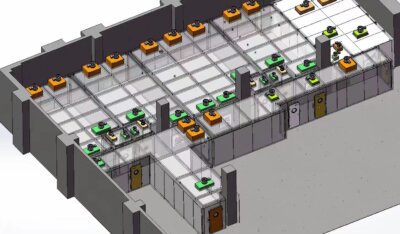
Entegrasyon karmaşık bir tasarım sorunudur. Sistemler, personel hareketi ve acil durum çıkışı için alanı korurken odanın ayak izine sığmalıdır. Daha da önemlisi, odanın negatif basınç gradyanından ödün vermeden tesisin HVAC sistemiyle sorunsuz bir şekilde entegre olmalıdırlar. Birincil muhafaza egzozu ile oda kanalı arasındaki bağlantı, bir basınç lavabosu veya sızıntı noktası oluşturmaktan kaçınmak için dikkatli mühendislik gerektiren kritik bir arayüzdür.
HVAC ile Stratejik Sinerji
Bunun en derin anlamı stratejiktir: gelişmiş, sızdırmaz birincil muhafaza, merkezi olmayan, yüksek verimli bir havalandırma düğümü görevi görür. Aerosolleri kaynağında (kafes veya izolatör) tutarak, bu sistemler odanın kendisindeki partikül ve tehlike yükünü önemli ölçüde azaltır. Bu, oda hava değişim oranlarının kabul edilebilir spektrumun alt ucuna (örneğin, 6-12 ACH) optimize edilmesine olanak tanıyarak HVAC enerji tüketiminde büyük, uzun vadeli azalmalara dönüşebilir. Bu, HVAC ve birincil muhafazanın tek, birlikte çalışabilir bir sistem olarak belirlendiği bir geleceğe işaret etmektedir.
Esnek ve Modüler Araştırmaya Olanak Sağlama
Yarı sert izolatörlerin ve gelişmiş muhafazaların fiziksel ve performans özellikleri, modüler, esnek muhafazaya yönelik daha geniş bir eğilime işaret etmektedir. Bu çözümler, tesisin kalıcı olarak değiştirilmesine gerek kalmadan belirli, zamana bağlı araştırma projeleri için kullanılabilir. Çevik araştırma programlaması ile bu uyumluluk, tesislerin ortaya çıkan bilimsel ihtiyaçlara daha hızlı yanıt vermesini sağlayan önemli bir stratejik avantajdır.
Entegrasyon Faktörleri ve Stratejik Etki
Entegrasyon planlama aşamasında aşağıdaki faktörler değerlendirilmelidir.
| Faktör | Dikkate alma | Stratejik Çıkarımlar |
|---|---|---|
| Oda Ayak İzi | Çıkış için yeterli alan | Sistem miktarını/büyüklüğünü sınırlar |
| HVAC Entegrasyonu | Dikişsiz yüksük bağlantısı | Oda basınç gradyanını korur |
| Hava Değişim Oranı (ACH) | Oda düzeyinde optimizasyon | 6-12 ACH'yi etkinleştirebilir |
| Birincil Çevreleme Rolü | Merkezi olmayan havalandırma düğümü | Oda aerosol yükünü azaltır |
Kaynak: Teknik dokümantasyon ve endüstri spesifikasyonları.
Maliyet Analizi: Sermaye, Operasyonel ve Yaşam Döngüsü
Satın Alma Siparişinin Ötesine Bakmak
Sağlam bir finansal analiz, satın alma fiyatının ötesine geçmelidir. Sermaye maliyetleri net bir hiyerarşi sergiler; karmaşık izolatör veya gelişmiş havalandırmalı muhafaza sistemleri, standart IVC raflarından daha yüksek bir ön yatırım gerektirir. Ancak bu ilk harcama, önemli operasyonel tasarrufların sermaye harcamalarını haklı çıkarabileceği toplam sahip olma maliyetine karşı tartılmalıdır.
Operasyonel Harcamaların Hakimiyeti
İşletme maliyetleri, bir tesisin ömrü boyunca baskın finansal faktördür. En büyük kaldıraç HVAC için enerji tüketimidir. Belirtildiği gibi, daha düşük oda hava değişim oranlarına olanak tanıyan sızdırmaz birincil muhafaza, bu büyük yinelenen maliyeti doğrudan azaltır. Diğer operasyonel maliyetler arasında planlı doğrulama testleri, HEPA filtre değişimleri, özel bakım işçiliği ve muhafaza sistemlerinin kendilerine yönelik kamu hizmetleri yer almaktadır. IVC raflarının ve izolatörlerin operasyonel profillerini karşılaştırdık ve izolatör destekli HVAC optimizasyonundan elde edilen potansiyel enerji tasarrufunun genellikle daha yüksek bakım maliyetlerinden daha ağır bastığını gördük.
Tüm Yaşam Döngüsünün Muhasebeleştirilmesi
Yaşam döngüsü maliyetlendirmesi aynı zamanda hizmetten çıkarmayı da hesaba katmalıdır. Bu, nihai dekontaminasyon maliyetini (örneğin bir izolatör için gaz dekontaminasyonu), kontamine olmuş bileşenlerin güvenli bir şekilde bertaraf edilmesini ve potansiyel tesis yenilemesini içerir. Modüler muhafazanın sabit tesislerle rekabet edebileceği çıkarımı buradan kaynaklanmaktadır; geçici araştırma ihtiyaçları için, kalıcı bir BSL-3 süitinin yüksek sermaye ve hizmetten çıkarma maliyeti, etkene özgü, mobil muhafaza ünitelerinin konuşlandırılmasından daha az ekonomik olabilir.
Karşılaştırmalı Maliyet Dökümü
Kapsamlı bir bakış açısı, aşağıdaki karşılaştırmada gösterildiği gibi maliyetlerin kategoriler arasında analiz edilmesini gerektirir.
| Maliyet Kategorisi | IVC Rafları | İzolatörler / Gelişmiş Muhafazalar |
|---|---|---|
| Sermaye Maliyeti | Daha düşük ön yatırım | Daha yüksek ön yatırım |
| Operasyonel Maliyet Sürücüsü | Filtre değişiklikleri, doğrulama | Enerji, bakım işçiliği |
| Büyük Tasarruf Potansiyeli | Orta düzeyde | Azaltılmış oda ACH ile yüksek |
| Yaşam Döngüsü Değerlendirmesi | Hizmetten Çıkarma | Dekontaminasyon, bertaraf |
Kaynak: Teknik dokümantasyon ve endüstri spesifikasyonları.
Hayvan Modeliniz ve Araştırmanız için En İyi Sistemi Seçme
Biyolojik Risk Değerlendirmesinin Size Rehberlik Etmesine İzin Verin
Evrensel bir “en iyi” sistem yoktur. En uygun seçim, doğrudan araştırma hedeflerinizle uyumlu ayrıntılı bir biyolojik risk değerlendirmesinden kaynaklanır. Bu değerlendirme, patojenin bulaşma yolunu, hayvan modelinin dökülme özelliklerini ve ilgili spesifik prosedürleri dikkate almalıdır. Küçük kemirgenler için modern IVC rafları mühendislik standardıdır. Daha büyük türler için negatif basınçlı izolatörler gereklidir. Protokolün kendisi bir itici güçtür; yüksek riskli aerosol üretimi veya nekropsi içeren çalışmalar, mevcut en yüksek bütünlük sistemlerini gerektirir.
Patojenin Tanımlayıcı Rolü
Kritik olarak, spesifik patojen muhafaza kademesini yeniden tanımlayabilir. “BSL-3 Geliştirilmiş” protokoller gerektiren ajanlarla çalışmak, HEPA filtreli besleme havası ve atık su dekontaminasyonu gibi ek önlemleri zorunlu kılar. Bu, hangi birincil muhafaza sistemlerinin uyumlu olduğunu doğrudan etkiler, çünkü hepsi bu gelişmiş bina sistemleriyle arayüz oluşturacak şekilde tasarlanmamıştır. Bu ajan spesifikliği BSL-3 pazarını etkili bir şekilde parçalayarak tesisleri etkili bir şekilde rekabet edebilmek için belirli patojen sınıflarında uzmanlaşmaya itmektedir.
Yaygın Senaryolar için Karar Matrisi
Aşağıdaki tablo, sistemleri yaygın araştırma parametreleriyle eşleştirmek için üst düzey bir kılavuz sunmaktadır.
| Araştırma Parametresi | Önerilen Birincil Sistem | Anahtar Sürücü |
|---|---|---|
| Küçük kemirgenler (fareler, sıçanlar) | Modern IVC raf sistemleri | Yüksek yoğunluklu, tasarlanmış muhafaza |
| Daha büyük türler (tavşanlar, gelincikler) | Negatif basınç izolatörleri | Boyut, in situ manipülasyon |
| Yüksek riskli aerosol üretimi | En yüksek bütünlüklü izolatörler | Protokol tehlike seviyesi |
| “BSL-3 Geliştirilmiş” ajanlar | HEPA besleme havalı sistemler | Acenteye özel yetki |
Kaynak: Teknik dokümantasyon ve endüstri spesifikasyonları.
ABSL-3 Birincil Muhafaza için Bir Karar Çerçevesi
Savunulabilir Bir Karara Giden Yapılandırılmış Bir Yol
Yapılandırılmış bir çerçeve, acil ihtiyaçları uzun vadeli strateji ile dengeleyen rasyonel, kanıta dayalı bir seçim süreci sağlar. İlk ve tartışmaya açık olmayan adım, ajan, hayvan modeli ve önerilen tüm prosedürlerin ayrıntılı bir risk değerlendirmesidir. Bu, sonraki tüm spesifikasyonlar için değişmez bir temel oluşturur ve belirlenen tehlike profilini karşılayamayan sistemleri dışlar.
Teknik Değerlendirme ve Operasyonel Gerçeklik
İkinci olarak, birincil muhafaza seçeneklerini, başta aşağıdakiler olmak üzere titiz teknik performans standartlarına göre değerlendirin ANSI/ASSP Z9.14. Bu adım, kararı pazarlama iddialarından doğrulanmış performans ölçütlerine taşır: kanıtlanmış negatif basınç, HEPA filtreli egzoz ve güvenli arıza modları. Üçüncü olarak, net bir operasyonel analiz yapın. Sistem iş akışınıza uyacak mı ve bakımını yapacak kurum içi uzmanlığa sahip misiniz? Operasyonel kapasitenizi zorlayan teknik olarak üstün bir sistem bir sorumluluktur.
Entegrasyon Modellemesi ve Finansal Gerekçelendirme
Dördüncü olarak, tesisinizin HVAC ve mekansal düzeni ile entegrasyonu modelleyin. Bu, merkezi olmayan bir havalandırma düğümü olarak birincil muhafazanın kullanılmasından kaynaklanan potansiyel enerji tasarrufunu ölçtüğünüz yerdir. Beşinci olarak, 10-15 yıllık bir ufukta sermaye, işletme ve hizmetten çıkarma maliyetlerini öngören bir toplam yaşam döngüsü maliyet analizi gerçekleştirin. Son olarak, seçiminizi tesisinizin stratejik hedefleriyle uyumlu hale getirin: amaç esnek, çok ajanlı kapasite mi yoksa belirli bir araştırma alanında derin, uygun maliyetli uzmanlaşma mı?
Sistematik Seçim için Çerçeve
Aşağıdaki adımlar seçim süreci için uygulanabilir bir kontrol listesi sunmaktadır.
| Çerçeve Adım | Çekirdek Eylem | Stratejik Uyum |
|---|---|---|
| 1. Risk Değerlendirmesi | Ajan ve model tehlike analizi | Tüm özellikler için temel |
| 2. Teknik Değerlendirme | ANSI Z9.14'e göre doğrulayın | Tasarımın üzerinde performans |
| 3. Operasyonel Analiz | İş akışı ve bakım uyumu | Uzun vadeli sürdürülebilirlik |
| 4. Entegrasyon Modellemesi | HVAC ve alan uyumluluğu | Enerji optimizasyon potansiyeli |
| 5. Yaşam Döngüsü Maliyetlendirmesi | Toplam sahip olma maliyeti | Sermaye ve operasyonel ödünleşimler |
Kaynak: ANSI/ASSP Z9.14-2020. Bu standart, savunulabilir, kanıta dayalı bir seçim süreci için gerekli olan kritik performans doğrulama kriterlerini (Adım 2) sağlar.
Nihai karar, doğrulanmış muhafaza performansının operasyonel gerçeklik ve stratejik vizyonla uyumlu hale getirilmesine bağlıdır. Standartlaştırılmış performans verileriyle desteklenen sistemlere öncelik verin, enerji verimliliği için entegrasyonlarını modelleyin ve ekibinizin gerekli titiz bakım ve doğrulama için hazır olmasını sağlayın. Bu kanıta dayalı yaklaşım, uzun vadeli güvenlik ve operasyonel uygulanabilirliğe odaklanarak konuşmayı maliyetten değere taşır.
Yüksek muhafazanızı belirlemek veya doğrulamak için profesyonel rehberliğe ihtiyacınız var bi̇ri̇nci̇l havalandirma ve kafesleme si̇stemleri̇? Teknik ve düzenleyici ortam karmaşıktır, ancak ANSI Z9.14 gibi standartlara dayanan yapılandırılmış bir analiz ileriye dönük net bir yol sağlar. Tesisiniz için bu çerçevenin uygulanmasına ilişkin ayrıntılı bir danışmanlık için şu adresteki uzmanlarla iletişime geçin QUALIA.
Sıkça Sorulan Sorular
S: ANSI/ASSP Z9.14 standardı ABSL-3 havalandırma sistemlerinin doğrulanmasını nasıl etkiliyor?
A: Bu ANSI/ASSP Z9.14-2020 standardı, hava akışı, filtre bütünlüğü ve sistem arıza tepkilerinin belgelenmiş testlerini gerektiren performansa dayalı bir doğrulama metodolojisini zorunlu kılmaktadır. Bu, yalnızca tasarım uyumluluğuna güvenmek yerine, standartlaştırılmış, tekrarlanabilir testler yoluyla sürekli muhafaza bütünlüğünü kanıtlama sorumluluğunu operatörlere kaydırır. Bu, tesisinizin sürekli performans doğrulaması için bütçe ayırması ve bunu planlaması gerektiği anlamına gelir; bu da onu yalnızca bir devreye alma faaliyeti değil, temel bir operasyonel gereklilik haline getirir.
S: Bir hayvan BSL-3 tesisinde HEPA filtreli besleme havası ne zaman gereklidir?
C: Besleme havasında HEPA filtrasyonu evrensel bir BSL-3 gerekliliği değildir; HPAI H5N1“in belirli türleri gibi ”BSL-3 Geliştirilmiş" ajanlarla çalışmak için özel olarak zorunlu kılınmıştır. Bu karar, temel HVAC tasarım parametrelerini belirleyen etkene özgü bir risk değerlendirmesi tarafından yönlendirilir. Araştırma programınızın bu gelişmiş patojenleri içerdiği projeler için, tüm muhafaza alanına HEPA filtreli hava sağlamak ve sürdürmekle ilişkili önemli sermaye ve işletme maliyetlerini planlayın.
S: Kemirgen muhafazası için sızdırmaz IVC rafları veya izolatörleri kullanmanın birincil teknik avantajı nedir?
C: Temel avantajları, oda seviyesindeki HVAC sistemi üzerindeki aerosol tehlikesi yükünü önemli ölçüde azaltan merkezi olmayan muhafaza düğümleri olarak hareket etmeleridir. Bu mühendislik ürünü birincil muhafaza, tesislerin tipik olarak 6-12 ACH aralığında daha düşük, optimize edilmiş oda hava değişim oranlarında güvenli bir şekilde çalışmasına olanak tanır. Bu, yüksek yoğunluklu kemirgen çalışmaları planlayan tesislerin, güvenliği korurken uzun vadede büyük enerji tasarrufu elde etmek için bu sistemlere öncelik vermesi gerektiği anlamına gelir.
S: Esnek film izolatörünün veya havalandırmalı muhafazanın muhafaza bütünlüğünü nasıl test etmeliyiz?
C: Bütünlük testi, aşağıda belirtilenler gibi sızdırmazlık için standartlaştırılmış yöntemleri izlemelidir ISO 10648-2:1994 muhafaza muhafazaları için. Bu, aerosol haline getirilmiş taşıyıcı maddeler ve arıza modu analizi ile muhafaza zorluğu testini içeren ANSI/ASSP Z9.14 uyarınca performans doğrulaması ile tamamlanmaktadır. Operasyonunuzda yarı sert veya esnek muhafaza kullanılıyorsa, simüle edilmiş bir birincil bariyer ihlali sırasında bile güvenliği kanıtlayan titiz, kanıta dayalı bir doğrulama protokolü uygulamayı bekleyin.
S: Hayvan prosedürleri için izolatörler ve IVC rafları kullanmak arasındaki kritik iş akışı farkları nelerdir?
C: İzolatörler, enjeksiyonlar ve numune alma dahil olmak üzere çoğu hayvan manipülasyonunun doğrudan kapalı eldiven kutusu bariyeri içinde gerçekleştirilmesine olanak tanıyarak maruz kalma olaylarını en aza indirir. IVC rafları, kapalı kafeslerin aşağıdaki gibi standartlara göre sertifikalandırılmış bir Sınıf II Biyogüvenlik Kabinine (BSC) taşınmasını gerektirir NSF/ANSI 49-2022 güvenli açma ve prosedürler için. Bu, seçiminizin prosedür verimliliğini, gerekli yardımcı ekipmanı ve operatör eğitim protokollerini doğrudan etkilediği anlamına gelir.
S: Gelişmiş birincil muhafaza, ABSL-3 laboratuvarında gerekli oda hava değişim oranını etkiler mi?
C: Evet, sağlam sızdırmaz birincil muhafaza stratejik olarak daha düşük oda hava değişim oranlarını mümkün kılabilir. IVC rafları ve izolatörler gibi sistemler aerosolleri kaynağında tutarak odadaki tehlike yükünü azaltır ve HVAC sistemlerinin daha yüksek oranlar yerine 6-12 ACH'de etkili bir şekilde çalışmasını sağlar. Bu, yüksek bütünlüklü kafeslemeye yaptığınız sermaye yatırımının, tesisin havalandırma sistemi için yaşam döngüsü enerji maliyetlerini önemli ölçüde azaltarak gerekçelendirilebileceği anlamına gelir.
S: ABSL-3 muhafaza sisteminin seçilmesine yönelik yapılandırılmış bir karar çerçevesindeki ilk adım nedir?
C: Temel adım, spesifik patojene, seçilen hayvan modelinin dökülme özelliklerine ve planlanan deneysel prosedürlere odaklanan ayrıntılı bir biyolojik risk değerlendirmesi yapmaktır. Bu etkene ve modele özgü analiz, sonraki tüm teknik gereklilikleri belirler. Patojen bulaşma yolunun veya araştırma protokolünün henüz tam olarak tanımlanmadığı projelerde, risk profili somutlaştıkça muhafaza şartnamelerinin tekrar gözden geçirilmesi ve potansiyel olarak revize edilmesi beklenmelidir.
İlgili İçerikler:
- Sterilite Testi İzolatörleri için Özelleştirilmiş Raflar
- NSF/ANSI 49: Biyogüvenlik Kabini Standardı Açıklaması
- Hayvan Araştırma Tesislerinde Biyogüvenlik İzolatörleri
- BSL-4 Hayvan Araştırmaları: İşleyici Güvenliğinin Sağlanması
- Modern Hayvan BSL-3 Laboratuvar İnşaatında Gelişmiş Özellikler ve Performans Spesifikasyonları
- BSL-3 Hayvan Barınakları: Güvenli Muhafaza Sistemleri
- Muhafaza İzolatörleri: Laboratuvar Süreçlerinin Korunması
- BSL-3 Hayvan Laboratuvarlarında Aerosolle Bulaşabilen Ajanlar için Özel Ekipman Seçimi
- BSL-3 Hayvan Araştırmaları: Tesis Tasarım Kılavuzu