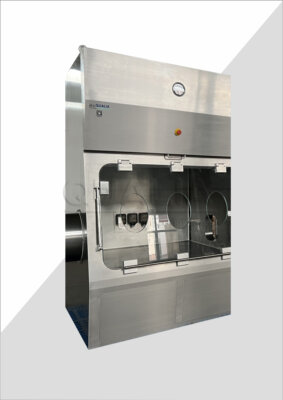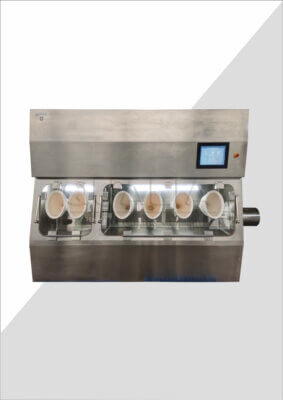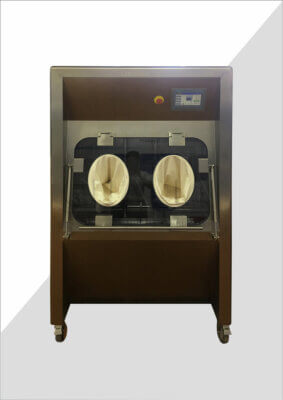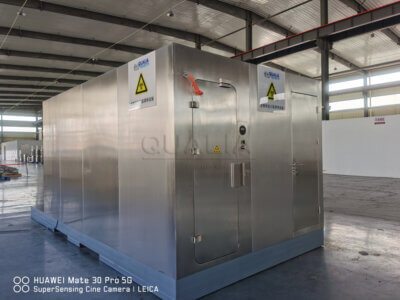


İlaç üreticileri için bir temiz oda inşa yöntemi seçmek, uyumluluk zaman çizelgeleri, sermaye verimliliği ve operasyonel çeviklik üzerinde derin etkileri olan stratejik bir karardır. Modüler ve geleneksel yığma yapı yaklaşımları arasındaki seçim genellikle basit bir maliyet karşılaştırması olarak çerçevelenir, ancak bu, pazara sunma hızı ve risk yönetimi üzerindeki kritik etkiyi gözden kaçırır. GMP uyumluluğuna giden daha hızlı bir yol, doğrudan yüksek değerli tedaviler için daha erken gelir elde etme anlamına gelir.
Tesis hazırlığını hızlandırma baskısı hiç bu kadar büyük olmamıştı. AB GMP Ek 1'dekiler gibi gelişen düzenleyici beklentiler ve gelişmiş tedavileri hastalara hızla ulaştırmaya yönelik ticari zorunlulukla birlikte, inşaat metodolojisinin kendisi rekabetçi bir kaldıraç haline gelmektedir. İş akışı, doğrulama ve uzun vadeli esneklikteki temel farklılıkları anlamak, sermaye projelerini iş stratejisiyle uyumlu hale getirmek için çok önemlidir.
Modüler vs Yapışkanlı: Temel Yapı Farkının Tanımlanması
Sıralı ve Paralel İş Akışı
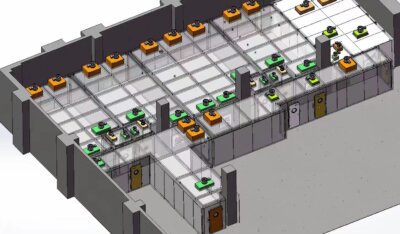
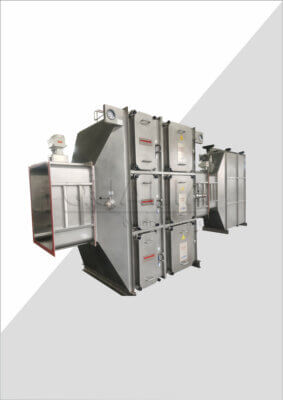
Temel farklılık, inşaat faaliyetlerinin sırası ve konumunda yatmaktadır. Stick-built doğrusal, yerinde bir süreçtir. Ekipler önce bir bina kabuğu inşa eder, ardından sıralı yardımcı tesisat aşamalarından geçer ve son olarak paneller ve HVAC gibi temiz odaya özgü bileşenleri kurar. Her işlem bir öncekinin tamamlanmasına bağlıdır ve bu da hassas bir kritik yol oluşturur. Modüler yapı, paralel, saha dışı bir metodolojidir. Entegre duvarlar, tavanlar, HEPA filtreleme ve izleme sistemleri ile tamamlanan bağımsız temiz oda bölmeleri, kontrollü bir fabrikada üretilirken, saha hazırlığı eşzamanlı olarak gerçekleşir. Faaliyetlerin bu şekilde ayrıştırılması, dramatik zaman çizelgesi farklılıklarının arkasındaki birincil itici güçtür.
Proje Yönetimi ve Risk için Çıkarımlar
Bu temel fark, tüm proje risk profilini yeniden şekillendirir. Yapıştır-yapıştır yaklaşımı, sahadaki değişkenlere maruz kalır: hava gecikmeleri, vasıflı işgücü eksiklikleri ve esnaflar arasındaki koordinasyon çatışmaları. Bunlar genellikle maliyetli yeniden çalışmalara yol açar. Buna karşılık modüler imalat, MEP (Mekanik, Elektrik, Sıhhi Tesisat) sistemlerinin karmaşık entegrasyonunu kontrollü bir fabrika ortamına aktarır. Bu değişim, program riskini azaltır ve tekrarlanabilir süreçler yoluyla kalite kontrolünü geliştirir. Doğrulama projelerini yönetme deneyimime göre, sabit yapılı bir projede yerinde devreye alma sırasında bir entegrasyon kusurunun keşfedilmesi zaman çizelgelerini aylarca geriye çekebilirken, fabrika testleri bu sorunları sevkiyattan önce tanımlar ve çözer.
Hangi Yöntem GMP Uyumluluğunu Daha Hızlı Sağlar? Bir Zaman Çizelgesi Karşılaştırması
Kritik Yolun Yapısökümü
GMP uyumluluğuna ulaşmak zamana karşı bir yarıştır ve inşaat yöntemi hızı belirler. Geleneksel bir yığma yapı projesi tipik olarak 12 ila 24 aylık sıralı bir yol izler. En önemlisi, devreye alma ve doğrulama (IQ/OQ/PQ) ancak tüm inşaat tamamlandıktan sonra başlar ve bu da onları uzun ve belirsiz bir kritik yolun sonuna yerleştirir. Modüler inşaat, paralel faaliyetlere olanak sağlayarak bunu 3 ila 6 aylık bir zaman çizelgesine sıkıştırır. En önemli hızlandırıcı, entegre sistemlerin sevkiyattan önce ön doğrulamasının yapıldığı Fabrika Kabul Testidir (FAT).
Doğrulama Zaman Çizelgesi Hızlandırıcısı
FAT, kalifikasyonun önemli bir kısmını kritik yolun dışına kaydırır. Tüm belgeleri sahada sıfırdan oluşturmak yerine, protokoller fabrikada yürütülür. Bu da sahadaki çalışmaların öncelikle montaj, şebeke bağlantısı ve nihai Performans Kalifikasyonuna (PQ) odaklanmasını sağlar. Aşağıdaki tablo, bu paralel yaklaşımın proje zaman çizelgesini ve riskini nasıl temelden değiştirdiğini göstermektedir.
Karşılaştırmalı Proje Zaman Çizelgeleri
Aşağıdaki karşılaştırma, her bir yöntemin operasyonel uyum yolculuğuna nasıl yaklaştığındaki keskin farkı vurgulamaktadır.
| Aşama | Stick-Built Zaman Çizelgesi | Modüler Zaman Çizelgesi |
|---|---|---|
| İnşaat ve Devreye Alma | 12-24 ay sıralı | 3-6 ay paralel |
| Anahtar Doğrulama Başlangıcı | İnşaat sonrası tamamlama | Fabrika Kabul Testi (FAT) |
| Kritik Yol Riski | Yüksek (hava, işçilik, yeniden işleme) | Düşük (kontrollü fabrika) |
| Uyumluluk Süresi Etkisi | Gecikmeli gelir yaratma | 6-12 ay hızlandırılmış |
Kaynak: FDA 21 CFR Bölüm 211 Bitmiş İlaçlar için Güncel İyi Üretim Uygulamaları. Bu yönetmelik, ilaç üretimi için çevresel kalite ve kontrolleri zorunlu kılmaktadır ve modüler inşaatın hızlandırılmış zaman çizelgesi, bir tesisin bu uyumu sağlama ve üretime başlama hızını doğrudan etkilemektedir.
Maliyet Analizi: Sermaye Yatırımı ve Uzun Vadeli Değerin Karşılaştırılması
Ön Sermaye Giderleri ve Toplam Sahip Olma Maliyeti
Doğrudan sermaye harcaması karşılaştırması genellikle modüler yapının fabrika verimliliği yoluyla sahadaki işçilik ve malzeme israfını en aza indirerek ön maliyetleri azaltabileceğini gösterir. Ancak, daha önemli finansal avantaj operasyonel ve stratejiktir. Gerçek maliyet analizi, paranın zaman değerini ve kaybedilen fırsatı hesaba katmalıdır. Uyumluluğu 12 ay önce sağlayan bir tesis, yüksek değerli tedavilerden daha erken gelir elde etmeye başlayabilir ve bu da genellikle herhangi bir ön maliyet farkından daha ağır basar.
Net Bugünkü Değer (NBD) Zorunluluğu
Finansal gerekçelendirme, basit bir yatırım harcamasından, hızlandırılmış ticari lansmana dayalı bir Net Bugünkü Değer analizine dönmelidir. Bu model, daha hızlı bir zaman çizelgesinin gelir üzerindeki etkisini ölçer. Ayrıca, uzun vadeli değer esneklik ve sürdürülebilirliği de içerir. Modüler yapı tipik olarak entegre sistemler sayesinde üstün enerji verimliliği sunar ve ESG raporlaması için giderek daha kritik hale gelen bir faktör olan daha az malzeme atığı üretir. Aşağıdaki tablo temel finansal hususları ortaya koymaktadır.
| Finansal Faktör | Çubuk Yapı | Modüler |
|---|---|---|
| Peşin Sermaye Harcaması (CapEx) | Daha yüksek yerinde işçilik/atık | Fabrika verimliliği ile daha düşük |
| Temel Finansal Metrik | Basit yatırım harcaması karşılaştırması | Net Bugünkü Değer (NBD) |
| Birincil Değer Sürücüsü | Kalıcı, sabit tesis | Hızlandırılmış pazara sunma süresi |
| Operasyonel ve ÇSY Faydası | Sahadaki malzeme atıkları | Azaltılmış atık, enerji tasarruflu sistemler |
Kaynak: Teknik dokümantasyon ve endüstri spesifikasyonları.
Performans Karşılaştırması: Çevresel Kontrol ve Sistem Entegrasyonu
Entegrasyon Yoluyla Güvence
Her iki yöntem de katı partikül ve mikrobiyal kontrol gerekliliklerini karşılamalıdır, ancak güvenceye giden yolları farklıdır. Stick-built projeler, çevresel performansı tehlikeye atabilecek koordinasyon hatalarına açık bir süreç olan karmaşık MEP sistemlerini yerinde entegre eder. Modüler üniteler HVAC, filtrasyon ve izleme sistemleri önceden kurulmuş ve uyumlu bir ünite olarak test edilmiş olarak gelir. FAT sırasında doğrulanan bu “tasarıma göre uyumluluk” yaklaşımı, basınç farklarının, hava değişim oranlarının ve ISO sınıflandırma hedeflerinin güvenilir bir şekilde sürdürülmesini sağlar. ISO 14644-1:2015 Temiz odalar ve ilgili kontrollü ortamlar.
Veri Odaklı Operasyon
Modern modüler bölmeler genellikle gerçek zamanlı, 21 CFR Bölüm 11 uyumlu veriler sağlayan önceden entegre edilmiş Bina Yönetimi (BMS) ve Çevresel İzleme Sistemlerine (EMS) sahiptir. Bu, kalite güvencesini reaktif periyodik örneklemeden proaktif, sürekli izlemeye kaydırır. Ancak bu kabiliyet, kestirimci bakım ve sapma eğilimi için tam stratejik değerini gerçekleştirmek üzere veri yönetimi ve analitiğine yatırım yapılmasını gerektirir. Performans karşılaştırması sadece spesifikasyonun ötesinde entegre sistemin güvenilirliğine kadar uzanır.
Sistem Performansı ve İzleme
Entegrasyon metodolojisi, operasyonel güveni ve veri bütünlüğünü doğrudan etkiler.
| Performans Yönü | Stick-Built Yaklaşımı | Modüler Yaklaşım |
|---|---|---|
| Sistem Entegrasyonu | Yerinde, sıralı MEP kurulumu | Önceden kurulmuş, önceden test edilmiş ünite |
| Uyumluluk Güvencesi | Oluşturma sonrası reaktif test | “Tasarımla uyumluluk” fabrikası FAT |
| İzleme Yeteneği | Periyodik örnekleme standardı | Sürekli, 21 CFR Bölüm 11 EMS/BMS |
| Veri Yönetimi İhtiyacı | Standart doğrulama protokolleri | Veri analitiğine yatırım |
Kaynak: ISO 14644-1:2015 Temiz odalar ve ilgili kontrollü ortamlar. Bu standart, her iki inşaat yönteminin de ulaşması ve sürdürmesi gereken, modüler ünitelerin sevkiyattan önce Fabrika Kabul Testi sırasında doğruladığı havadaki partikül temizlik sınıflarını (ISO Sınıfları) tanımlar.
Proje Ölçeğiniz ve Gelecekteki Esnekliğiniz için Hangisi Daha İyi?
Yöntemin Proje Yaşam Döngüsü ile Uyumlaştırılması
Proje ölçeği ve beklenen değişim kritik seçim kriterleridir. Yapışkan yapı, sabit, uzun vadeli bir amacı olan büyük, kalıcı tesisler için uygun olabilir. Küçük-orta ölçekli projeler, pilot tesisler veya gelişen boru hatlarını destekleyen tesisler için modüler yapı üstün esneklik sunar. Avantajı, bağımsız sistemlere sahip, kendi kendine yeten, ayrılmış bölmelerin tasarımından kaynaklanmaktadır. Bu mimari, bitişik operasyonel birimleri kirletmeden veya kapatmadan önceden onaylanmış modülleri ekleyerek veya değiştirerek yatay genişlemeye veya dahili yeniden yapılandırmaya izin verir.
Aşamalı ve Merkezi Olmayan Üretimin Etkinleştirilmesi
Bu, aşamalı bir yatırım stratejisini destekler, kapasiteyi boru hattı olgunluğu veya klinik deneme aşamaları ile uyumlu hassas artışlarla ölçeklendirir. Ayrıca, modüler birimlerin yer değiştirebilirliği, gelişmiş tedaviler için merkezi olmayan veya bölgesel üretimi ticari olarak uygulanabilir hale getirir. Merkezi mega tesis modeline meydan okuyarak tedarik zinciri riskini azaltmaya yönelik stratejik bir yanıt sunuyor. Biyoteknolojilerin bu yaklaşımı kullanarak münferit ürünler için özel süitler kurduğunu, riski etkin bir şekilde izole ettiğini ve değişimi basitleştirdiğini gördüm.
Temel Karar Faktörleri: Risk, Zaman Çizelgesi Kesinliği ve Değişim Yönetimi
Program ve Kalite Riskinin Ölçülmesi
Seçim nihayetinde bir risk yönetimi uygulamasıdır. Yapıştırma inşaat, harici ve koordinasyon faktörlerine yatkınlığı nedeniyle daha yüksek program riski taşır. Modüler yapı, karmaşık işleri kontrollü bir fabrikaya aktararak bunları azaltır ve klinik deneme kilometre taşlarına veya ürün lansman tarihlerine bağlı projeler için çok önemli bir faktör olan daha fazla zaman çizelgesi kesinliği sunar. Maliyet ve programın öngörülebilirliği, çevik kuruluşlar için orantısız derecede değerlidir.
Değişimi Öngörülebilirlik ile Yönetmek
Değişim yönetimi bu ikisi arasında temelde farklıdır. Yapıştırılmış bir projede inşaat sırasında bir tasarım değişikliğinin uygulanması genellikle oldukça yıkıcı ve pahalıdır. Modüler bir çerçevede, değişiklikler daha öngörülebilir maliyet ve program etkisi ile fabrika imalat aşamasında dahil edilebilir. Bu, sponsorların tüm projeyi raydan çıkarmadan gelişen süreç ihtiyaçlarına uyum sağlamasına olanak tanır; bu da hızlı hareket eden geliştirme ortamlarında önemli bir avantajdır.
Düzenleyici Doğrulamada Gezinme: Kolaylaştırılmış ve Geleneksel Yollar
Dokümantasyon ve Kanıt Oluşturma
GMP uyumluluğu için düzenleyici kabul, yapım yöntemine değil, ilkelere gösterilen bağlılığa dayanmaktadır. Bununla birlikte, doğrulama yolu ve kanıt oluşturma önemli ölçüde farklılık gösterir. Geleneksel yığma yapı rotası, yerinde kurulumdan sonra tüm IQ/OQ/PQ belgelerinin sıfırdan oluşturulmasını gerektirir. Modüler yol, FAT'ın önceden yürüttüğü IQ/OQ protokolleri ve fabrikadan gelen entegre dokümantasyon ile kolaylaştırılmıştır. Bu, sistem entegrasyonunun kanıtını ve aşağıdaki gibi standartlara karşı performans testini içerir USP <797> Farmasötik Bileşim - Steril Preparatlar.
Alıcının Nihai Sorumluluğu
Düzenleyici kurumların modüler temiz odaları, ünitenin ön sertifikasyonuna değil, belirli operasyonel bağlamda kontaminasyon kontrolünün doğrulanmasına dayalı olarak kabul ettiğini anlamak çok önemlidir. Bu da nihai düzenleyici sorumluluğu alıcıya yüklemektedir. Bu nedenle, sağlam kalite sistemlerine, kapsamlı dokümantasyon uygulamalarına ve doğrulama desteğine sahip bir iş ortağı seçmek birincil risk azaltma stratejisidir. Tedarikçinin anahtar teslim bir doğrulama paketi sunma becerisi, fiziksel ürün kadar önemlidir.
Doğrulama Yolu Karşılaştırması
Aşağıdaki tabloda her bir yöntemin ruhsatlandırma doğrulama sürecine yaklaşımındaki temel farklılıklar karşılaştırılmaktadır.
| Doğrulama Bileşeni | Yapışkanlı Yol | Modüler Yol |
|---|---|---|
| Dokümantasyon Üretimi | Sıfırdan, yerinde | FAT'tan önceden yürütülmüş IQ/OQ |
| Düzenleyici Dayanak | GMP ilkelerine bağlılık | Aynı, fabrika kanıtlarıyla |
| Temel Risk Faktörü | Uzun ve belirsiz saha süreci | Tedarikçi dokümantasyon kalitesi |
| Alıcının Nihai Sorumluluğu | Tam doğrulama uygulaması | Ortak seçimi ve bağlam doğrulaması |
Kaynak: USP <797> Farmasötik Bileşim - Steril Preparatlar. Bu uygulanabilir standart, temiz oda sertifikasyonu ve izlenmesi için belirli kriterler sağlar ve modüler yolun önceden doğrulanmış sistemleri, aynı çevresel kalite ve kontrol gereksinimlerini kanıtlanabilir şekilde karşılamalıdır.
Son Seçimi Yapmak: Projeye Özel Bir Seçim Çerçevesi
Müzakere Edilemez GMP Gerekliliklerinin Değerlendirilmesi
GMP gerekliliklerinin bütüncül bir değerlendirmesiyle işe başlayın ve kontaminasyon riskinin temel belirleyicisi olan malzeme ve personel akış ayrımına tek tek oda sınıflandırmalarından daha fazla odaklanın. İnşaat sonrası akış modellerinin iyileştirilmesi son derece pahalı olduğundan, temiz oda uzmanlarıyla erken aşamada tasarım işbirliği şarttır. İşte bu noktada bir uzmanla çalışmak anahtar tesli̇m mobi̇l muhafaza laboratuvari çözümleri̇ tüm projeyi şekillendiren kritik ön uç rehberliği sağlayabilir.
Stratejik Etkenlerin ve Finansal Etkilerin Tartılması
Ardından, stratejik etkenleri tartın: Bir klinik araştırma materyali veya fırlatma tesisi için mutlak uyumluluk hızı mı en önemli endişe kaynağıdır, yoksa bu kalıcı, türünün tek örneği bir kurulum mudur? 6-12 aylık bir hızlanmanın gelir üzerindeki etkisini hesaba katan bir NPV analizi yapın. Hızlı dağıtım veya geleceğe uyarlanabilirlik gerektiren projeler için modüler yaklaşım genellikle ikna edici bir durum sunar.
İş Ortağı Kapasitesinin Değerlendirilmesi
Son olarak, potansiyel iş ortaklarını uçtan uca kabiliyet açısından değerlendirin. Ürünün ötesinde GMP ile uyumlu tasarım, fabrika entegrasyon kalitesi ve yaşam döngüsü mevzuat desteği konularındaki uzmanlıklarına bakın. İdeal iş ortağı, kalite ve proje ekibinizin bir uzantısı olarak hareket eder. Bu yapılandırılmış çerçeve, seçilen yöntemin hem teknik zorunluluklarla hem de genel iş hedefleriyle uyumlu olmasını sağlayarak bir ilaç şirketinin yapabileceği en önemli sermaye yatırımlarından birinin riskini azaltır.
Karar üç önceliğe bağlıdır: pazara sunma süresinin stratejik değeri, kabul edilebilir proje zaman çizelgesi riski seviyesi ve geleceğe uyarlanabilirlik ihtiyacı. Ticari fırlatma desteği veya pandemi müdahalesi gibi zaman açısından kritik projeler için modüler inşaatın hızlandırılmış, riskten arındırılmış yolu genellikle kesin seçimdir. Minimum değişiklik öngörülen büyük ölçekli, kalıcı tesisler için geleneksel yöntemler hala geçerli olabilir. Gecikmenin fırsat maliyetini ölçen titiz bir NPV analizi, objektif finansal gerekçelendirme için gereklidir.
Bu kritik kararda yol gösterecek ve hızlandırılmış bir zaman çizelgesinde uyumlu bir tesis yürütecek bir ortağa mı ihtiyacınız var? QUALIA ilk tasarımdan onaylanmış işletime kadar uzman rehberliği ve entegre çözümler sunarak projenizin hem GMP gerekliliklerine hem de iş hedeflerine uygun olmasını sağlar. Özel proje gereksinimleriniz hakkında doğrudan danışmanlık almak için şunları da yapabilirsiniz Bize Ulaşın.
Sıkça Sorulan Sorular
S: Modüler yapı, geleneksel yapıya kıyasla GMP doğrulama zaman çizelgesini nasıl hızlandırıyor?
C: Modüler yapı, sistem doğrulamasını yerinde montajdan ayırarak, sabit yapı için 12-24 aya karşılık 3 ila 6 aylık bir uyumluluk yolu sağlar. Kilit hızlandırıcı, entegre HVAC ve izleme sistemlerinin saha dışında önceden kalifiye edildiği Fabrika Kabul Testidir (FAT). Bu, kritik IQ/OQ adımlarını projenin kritik yolundan kaydırır. Klinik araştırma materyalinin pazara sunulma hızının çok önemli olduğu projelerde, bu paralel doğrulama stratejisi programa bağlılığı önemli ölçüde azaltmaktadır.
S: Bir temiz oda yöntemi seçerken ilk yatırım harcamasının ötesindeki temel finansal hususlar nelerdir?
C: Birincil finansal avantaj, daha kısa bir uyumluluk zaman çizelgesinden hızlandırılmış gelir elde edilmesinden kaynaklanan operasyoneldir. Gerekçelendirme basit bir sermaye harcamasından, 6-12 aylık bir gecikmenin fırsat maliyetini hesaba katan bir Net Bugünkü Değer (NBD) analizine dönmelidir. Bu, yüksek değerli tedavileri piyasaya süren tesislerin finansal modellerinde zaman çizelgesini hızlandırmaya öncelik vermeleri gerektiği anlamına gelir, çünkü daha erken ticari lansman genellikle ön maliyet farklarından daha ağır basar.
S: Modüler bölmelerdeki entegre sistemler çevresel izleme ve veri uyumluluğunu nasıl etkiliyor?
C: Modern modüler bölmeler, basınç farkları ve partikül sayıları gibi parametreler hakkında sürekli, gerçek zamanlı veriler sağlayan önceden entegre edilmiş Bina Yönetimi ve Çevresel İzleme Sistemleri (EMS) ile birlikte gelir. Bu sistemler aşağıdakiler için tasarlanmıştır 21 CFR Bölüm 11 uyumluluk, proaktif kalite güvencesi sağlar. Bu, kontrolü periyodik örneklemeden tahmine dayalı analitiğe kaydırır, ancak tam stratejik değerini gerçekleştirmek için veri yönetimi yeteneklerine yatırım yapılmasını gerektirir.
S: Hangi inşaat yöntemi bir tesisin daha sonra ölçeklendirilmesi veya yeniden yapılandırılması için daha iyi esneklik sunar?
C: Modüler yapı, küçük-orta ölçekli projeler veya gelişen boru hatları için üstün uzun vadeli esneklik sağlar. Tasarımı, bağımsız sistemlere sahip bağımsız, ayrılmış bölmeler kullanır ve önceden onaylanmış modüller ekleyerek veya değiştirerek yatay genişlemeye veya dahili yeniden yapılandırmaya izin verir. Bu, gelecekteki kapasite ihtiyaçları belirsiz olan veya aşamalı bir yatırım stratejisine sahip operasyonların, bitişik operasyonel birimleri kirletmeden veya kapatmadan hassas artışlarla ölçeklendirilebileceği anlamına gelir.
S: Modüler bir temiz oda için düzenleyici doğrulama yolu nasıl farklılık gösterir?
C: Mevzuat kabulü kanıtlanmış kontaminasyon kontrolüne dayanır, ancak dokümantasyon yolu kolaylaştırılmıştır. Modüler projeler, Fabrika Kabul Testi ve entegre fabrika dokümantasyonundan elde edilen önceden yürütülmüş IQ/OQ protokollerinden yararlanırken, stick-built, yerinde kurulumdan sonra tüm protokollerin sıfırdan oluşturulmasını gerektirir. Bu da nihai düzenleyici sorumluluğu alıcıya yükleyerek anahtar teslim doğrulama desteği için iş ortağı seçimini kritik bir risk azaltma stratejisi haline getirir.
S: Her iki inşaat yaklaşımında da hava temizliğinin sınıflandırılması için temel teknik standart nedir?
C: Her iki yöntem de aşağıdakilere uygunluk göstermelidir ISO 14644-1:2015, ISO Sınıf 1 ila 9 için havadaki partikül temizlik seviyelerini tanımlar. Bu standart, kontrollü ortamın tasarlanması, test edilmesi ve izlenmesi için temel dayanağı sağlar. Steril bileşim için tesisler ayrıca aşağıdaki özel kriterlere de uymalıdır USP <797> çevresel kalite ve izleme için.
S: Proje ekipleri tasarım değişikliklerini iki yöntem arasında nasıl farklı yönetmelidir?
C: Değişiklik yönetimi, modüler bir çerçevede temelde daha az yıkıcıdır. Tasarım değişiklikleri daha öngörülebilir maliyet ve program etkisi ile tesis dışı fabrika imalatı aşamasında dahil edilebilirken, sabit yapılı inşaat sırasındaki değişiklikler genellikle pahalı yerinde yeniden çalışma gerektirir. Bu öngörülebilirlik, çevik kuruluşlara fayda sağlar ve genel proje zaman çizelgesini raydan çıkarmadan planlama aşamasında tasarımları geç uyarlamalarına olanak tanır.
İlgili İçerikler:
- Prefabrik Temiz Oda ve Geleneksel Yapıştırma İnşaat: 12 Düzenlemeye Tabi Endüstriler için Maliyet, Zaman Çizelgesi ve Performans Farkları
- Modüler BSL-4 Laboratuvarları: Ödün Vermeden Maliyetleri Düşürme
- Anahtar Teslim İlaç Projeleri için Zaman Çizelgesi Yönetimi 2025
- Hangisi Daha İyi? Stick-Built mi Modüler mi?
- Bir evin modüler mi yoksa yığma mı olduğunu nasıl anlarsınız?
- İlaç ve Biyoteknoloji Tesisleri için Eksiksiz Prefabrik Temiz Oda Kılavuzu: Standartlar, Tasarım ve Yatırım Getirisi Analizi
- Stick Built ve Modüler Temiz Odalar Arasındaki Fark Nedir?
- Modüler BSL-3 Laboratuvarları: Hızlı İnşaat Çözümleri
- Modüler BSL-3 Laboratuvar Maliyetleri: Kapsamlı Analiz