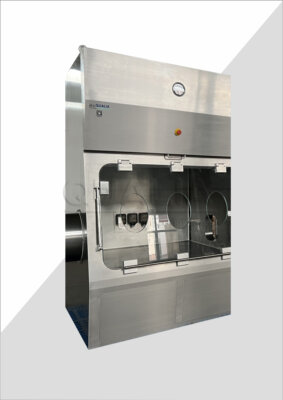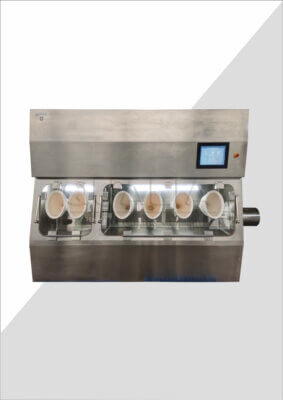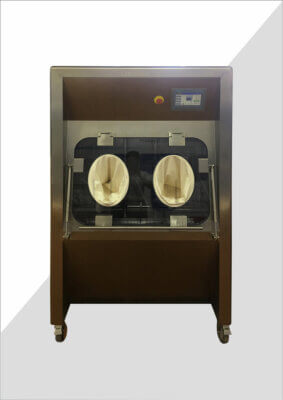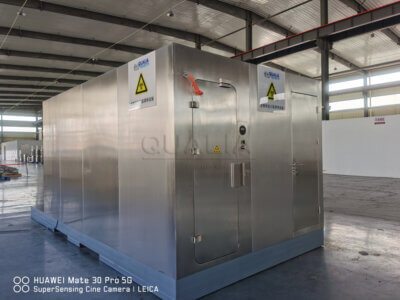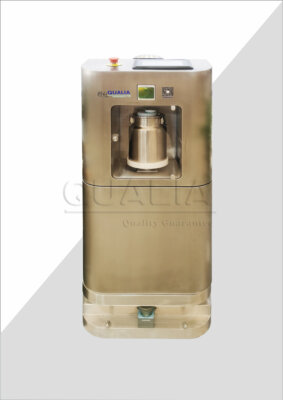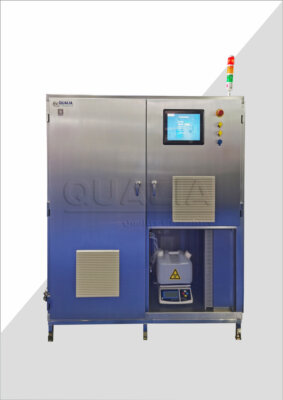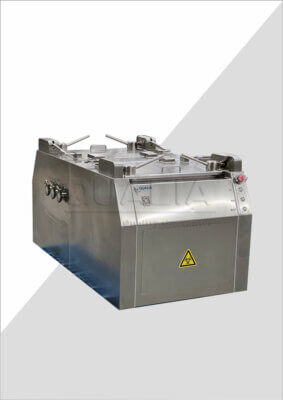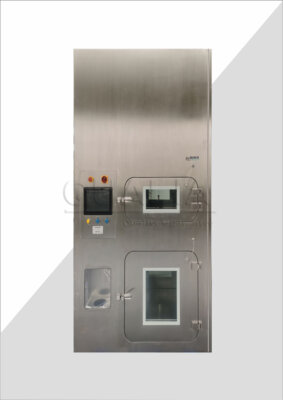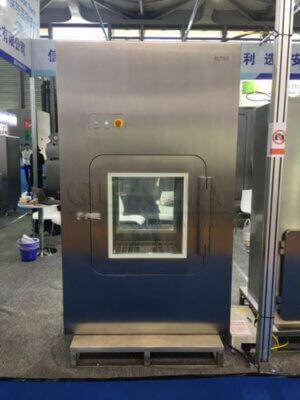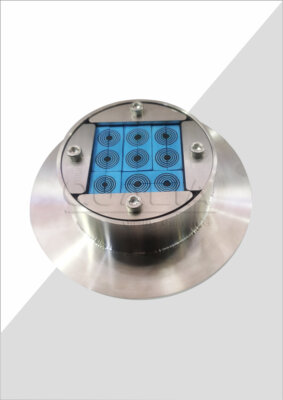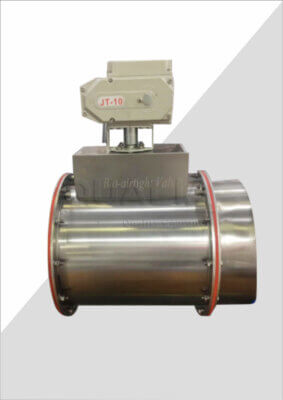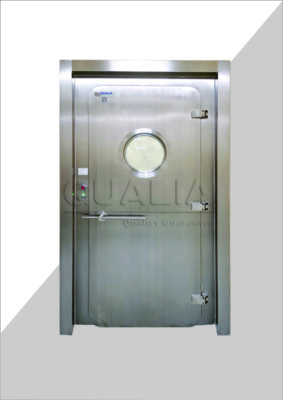

Farmasötik üretimde, yeni, yüksek etkili aktif farmasötik bileşenlerin (HPAPI'ler) piyasaya sürülmesi kritik bir güvenlik sorunu teşkil etmektedir. Belirlenmiş Mesleki Maruziyet Limitlerine (OEL'ler) olan geleneksel güven, kesin bir limit için toksikolojik inceleme yıllar alabildiğinden ve geliştirme zaman çizelgelerinin çok gerisinde kaldığından bir darboğaz yaratmaktadır. Bu boşluk, önemli erken aşama Ar-Ge ve ölçek büyütme sırasında çalışanları korumasız bırakmaktadır. Sistematik, risk temelli bir çerçeve, bu uçurumu kapatmak ve acil, bilim odaklı kontroller uygulamak için gereklidir.
Mesleki Maruziyet Bantları (OEB'ler) bu pragmatik çözümü sağlar. OEB'ler, maddeleri mevcut toksikolojik verilere dayalı olarak tehlike bantlarına ayırarak, resmi bir OEL oluşturulmadan çok önce proaktif sınırlama stratejileri sağlar. Bu yaklaşım, sınırlı verileri eyleme geçirilebilir güvenlik protokollerine dönüştürerek güçlü bileşiklerin kullanımını riskten arındırır ve çalışanların korunmasının küçük moleküllerden karmaşık biyolojiklere kadar modern ilaç geliştirmenin hızlanan temposuyla uyumlu olmasını sağlar.
Mesleki Maruziyet Bantlarının (OEB'ler) Tanımlanması
OEB'lerin Temel Amacı
Mesleki Maruziyet Bantları, işçi sağlığını korumak için farmasötik maddeleri toksisite ve etki gücüne göre gruplandıran riske dayalı bir sınıflandırma sistemidir. Havadaki maruziyet konsantrasyonlarının koruyucu bir aralığını oluştururlar ve bu da sınırlama stratejilerinin seçimine doğrudan rehberlik eder. Bu çerçeve, yeni kimyasalların piyasaya sürülmesinin OEL'lerin resmi olarak geliştirilmesinden çok daha hızlı olduğu kritik endüstri darboğazını ele almaktadır. OEB'ler, mevcut toksikolojik verileri kullanarak, belirlenmiş limitleri olmayan bileşikler için anında, bilime dayalı koruyucu önlemler alınmasını kolaylaştırır.
Proksimal Risk Yönetimi Aracı Olarak OEB'ler
OEB'lerin değeri, proksimal kontrol çerçevesi olarak uygulanmalarında yatmaktadır. Güvenlik ve mühendislik ekiplerinin bir ürünün yaşam döngüsünün ilk aşamalarında tesis tasarımı ve operasyonel prosedürler hakkında bilinçli kararlar almasına olanak tanırlar. Bu sistematik yaklaşım, herhangi bir maruziyet kılavuzu olmadan çalışmanın tehlikeli alternatifini önler. Deneyimlerime göre, iyi tanımlanmış bir OEB atama süreci stratejik bir varlıktır, düzenleyici belirsizliği azaltır ve geliştirme ortakları arasında teknoloji transferini kolaylaştırır.
Verilerden Eyleme Geçirilebilir Protokole
Bir OEB atama süreci, ham toksikolojik verileri operasyonel bir yetkiye dönüştürür. Uzmanlar, önceden tanımlanmış sağlık son noktası kriterlerine göre etki gücünü, sağlık sonuçlarının ciddiyetini ve mevcut çalışmaları değerlendirir. Atanan bant daha sonra gerekli mühendislik kontrolleri kademesini önceden belirleyerek bileşik tehlikesi ile gerekli sermaye yatırımı arasında net ve savunulabilir bir bağlantı oluşturur. Bu, proje ekiplerinin projenin başlangıcından itibaren uygun muhafaza teknolojisini bütçelemesini ve belirlemesini sağlayarak maliyetli yenilemeleri önler.
OEB Sınıflandırma Ölçeği ve Konsantrasyon Aralıkları
Kademeli Hiyerarşiyi Anlamak
OEB ölçeği, tipik olarak Bant 1'den Bant 5 veya 6'ya kadar değişen kademeli bir sayısal sistemdir. Her bir bant, havadaki izin verilebilir konsantrasyonların belirli bir aralığına karşılık gelir ve net bir tehlike hiyerarşisi oluşturur. Bant 1 düşük toksisiteye sahip maddeleri temsil ederken, Bant 4 ve 5 sıkı kontroller gerektiren oldukça güçlü bileşikleri belirtir. Bazı gelişmiş çerçeveler, onkolojide kullanılan belirli sitotoksik ajanlar gibi aşırı etki için bir OEB 6 içerir.
Konsantrasyon Aralıkları ve Kontrol Kademeleri
Sayısal bant, doğrudan muhafaza çözümünü belirleyen bir konsantrasyon aralığı ile tanımlanır. Aşağıdaki gibi kaynaklar tarafından bilgilendirilen ortak bir çerçeve NIOSH Mesleki Maruziyet Bantlaması (OEB), bu kademeleri belirler. Örneğin, OEL aralığı 1.000-5.000 µg/m³ olan bir OEB 1 bileşiği sadece temel havalandırma gerektirebilirken, 1 µg/m³'ten daha az olan bir OEB 5 bileşiği tam muhafaza gerektirir. Bu doğrudan korelasyon, mühendislik müdahalesinin riskle orantılı olmasını sağlar.
Bantların Mühendislik Kontrolleriyle Eşleştirilmesi
Aşağıdaki tabloda OEB seviyesi, maruziyet aralığı ve ilgili muhafaza kademesi arasındaki standart ilişki gösterilmektedir. Bu eşleştirme tesis tasarımı ve operasyonel planlama için temel teşkil etmektedir.
Standart OEB Çerçevesi ve Sınırlama Kademeleri
| OEB Seviyesi | Tipik OEL Aralığı (µg/m³) | Çevreleme Katmanı |
|---|---|---|
| 1 | 1,000 - 5,000 | Temel havalandırma |
| 2 | 100 - 1,000 | Yerel egzoz |
| 3 | 10 - 100 | Temel izolatörler |
| 4 | 1 - 10 | Geliştirilmiş muhafaza |
| 5 | < 1 | Toplam muhafaza |
| 6 | < 0,2 (200 ng/m³) | Olağanüstü muhafaza |
Kaynak: NIOSH Mesleki Maruziyet Bantlaması (OEB). Bu kaynak, kimyasalları toksikolojik güce dayalı olarak sağlık tehlike bantları (Seviye 1-5) halinde gruplandırmak için temel bir çerçeve sunmakta, konsantrasyon aralıkları ve risk temelli kontrol stratejisi hakkında doğrudan bilgi vermektedir.
OEB'ler Nasıl Belirlenir? Toksikolojik İnceleme Süreci
Sistematik Değerlendirme Protokolü
Bir OEB'nin belirlenmesi, önceden tanımlanmış sağlık son noktası kriterlerine göre resmileştirilmiş bir toksikolojik incelemeyi takip eder. Değerlendiriciler, bir maddenin etki gücü, potansiyel sonuçların ciddiyeti (kanserojenlik veya spesifik organ toksisitesi gibi) ve mevcut çalışmaların kalitesi hakkında mevcut tüm verileri değerlendirir. NIOSH bantlama protokolü gibi süreçler, en hassas olumsuz etkiyi belirlemek için uzmanlara birden fazla sağlık kategorisinde (akut toksisite, duyarlılık, üreme etkileri) rehberlik eder. Madde daha sonra bu kritik etkiye dayalı olarak ilgili banda atanır.
Tutarlılığın Sağlanması ve Kurum İçi Uzmanlığın Oluşturulması
OEB uygulaması yeni yöntemler arasında genişledikçe, metodolojik tutarlılığın korunması çok önemlidir. Sağlam, veri odaklı OEB atama süreçleri geliştiren kuruluşlar fiili iç standartlar oluşturabilir. Bu tutarlılık öznel yorumlamayı azaltır, tüm bileşikler arasında eşit koruma sağlar ve ruhsatlandırma denetimleri veya ortak denetimleri sırasında stratejik bir avantaj haline gelir. Bu dahili toksikolojik inceleme uzmanlığını oluşturmak hem güvenliğe hem de operasyonel verimliliğe yapılan bir yatırımdır.
Sürecin Stratejik Çıktısı
Nihai OEB ataması bir güvenlik sınıflandırmasından daha fazlasıdır; sermaye planlaması ve süreç tasarımı için kilit bir girdidir. Bant, muhafaza teknolojisi kademesini belirler ve bu da önemli finansal ve operasyonel kararları yönlendirir. Titiz ve belgelendirilmiş bir inceleme süreci, bu yatırımlar için gerekli gerekçelendirmeyi sağlayarak kaynakların algılanan tehlikeden ziyade şeffaf bir risk değerlendirmesine dayalı olarak uygun şekilde tahsis edilmesini sağlar.
OEB'ler ve OEL'ler: Temel Farklılıkları Anlamak
Amaç ve Veri Gereksinimleri
Her iki sistem de çalışanları korumayı amaçlasa da, OEB'ler ve OEL'ler farklı amaçlara hizmet eder ve farklı veri eşiklerinden türetilir. OEL, kapsamlı, bileşiğe özgü toksikolojik verilerden türetilen, sağlık temelli tek bir maruz kalma sınırıdır (örneğin, 10 µg/m³). Mevzuata uygunluk için parlak bir çizgiyi temsil eder. Buna karşılık OEB, sınırlı olabilen mevcut veriler kullanılarak atanan bir bant veya konsantrasyon aralığıdır. OEB'ler, kesin OEL'lerin mevcut olmadığı durumlarda kritik bir ara kontrol çerçevesi olarak işlev görür.
Emniyet Yönetiminde Felsefi Değişim
Bu ayrım, güvenlik felsefesinde stratejik bir değişimin altını çizmektedir. Geleneksel model, kesin kontrolleri uygulamadan önce kesin bir OEL'yi beklemeyi içeriyordu. OEB modeli, bir maddenin işyerine girdiği andan itibaren proaktif, risk temelli kontrolleri savunur. Soruyu “Kesin güvenli limit nedir? ”den “Şu anda bildiklerimize dayanarak koruyucu aralık nedir ve bu aralık hangi kontrolleri gerektirir?” sorusuna taşır. Bu, özellikle hassas erken aşamalarda olmak üzere, bir bileşiğin tüm yaşam döngüsü boyunca koruma sağlar.
Olgunluk Eğrisinde Tamamlayıcı Roller
OEB'ler ve OEL'ler birbirlerini dışlamazlar, ancak bir süreklilik içinde bulunurlar. OEB başlangıçta risk temelli bir sınırlama stratejisi sağlar. Klinik geliştirme ve uzun vadeli çalışmalar yoluyla daha fazla veri elde edildikçe, resmi bir OEL oluşturulabilir. Halihazırda yürürlükte olan OEB tabanlı kontroller daha sonra kesin OEL'ye göre doğrulanır veya iyileştirilir. Bu yaklaşım sürekli koruma sağlar ve mükemmel veriler beklenirken ortaya çıkan güvenlik açığını önler.
Tesis ve Ekipman Tasarımında OEB'lerin Uygulanması
Bantların Mühendislik Yetkilerine Dönüştürülmesi
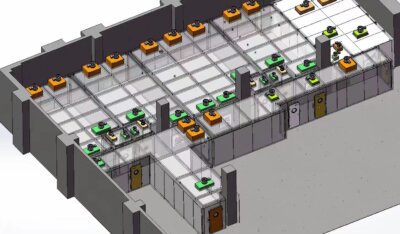
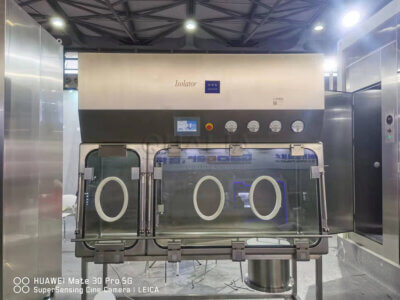
OEB uygulaması, mühendislik kontrollerini doğrudan belirler ve tasarım gereksinimleri her bir bantla birlikte artar. Yüksek OEB'ler (4/5) için bu, personeli korumak için negatif basınç altında çalışan birincil muhafazayı zorunlu kılar - steril ürün koruması için temiz odalarda kullanılan pozitif basınç standardının doğrudan tersine çevrilmesi. Bu çelişki, izolatörlerin veya sıcak hücrelerin temiz oda süitlerine entegre edilmesini gerektirerek hem sermaye maliyetini hem de operasyonel karmaşıklığı artıran karmaşık bir çift uyumluluk mimarisi yaratır.
Her Tehlike Aşaması için Özel Çözümler
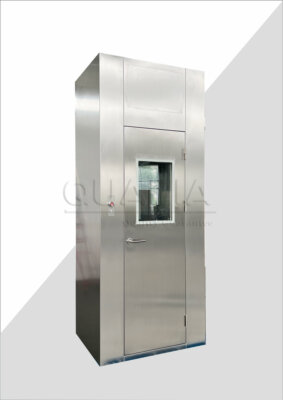
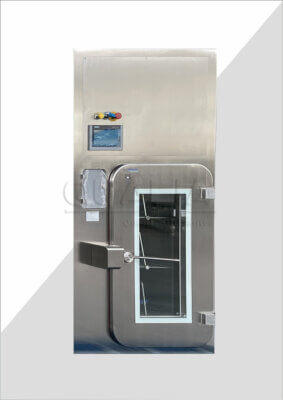
Muhafaza stratejileri OEB seviyeleriyle eşleştirilmiştir. OEB 3 temel izolatörler ve kapalı proses bağlantıları ile ele alınabilir. OEB 4, hava kilitleri ve basınç kademeleri ile geliştirilmiş izolatörler gerektirir. OEB 5, otomatik dekontaminasyon (CIP/SIP) ile tam muhafaza gerektirir. Yüksek OEB'li malzemelerin tozla işlenmesinde, doldurma ve boşaltma işlemleri sırasında maruziyeti ortadan kaldırmak için ayrık kelebek vanalara sahip kapalı döngü transfer sistemleri tartışılmazdır.
Tasarım Standartları ve Ekipman Seçimi
Aşağıdaki tablo, risk kategorisini somut mühendislik özellikleriyle ilişkilendirerek OEB seviyelerinin belirli tesis ve ekipman tasarım kararlarını nasıl yönlendirdiğini özetlemektedir.
OEB Odaklı Tasarım ve Ekipman Stratejisi
| OEB Seviyesi | Birincil Çevreleme Stratejisi | Anahtar Tasarım Özelliği |
|---|---|---|
| 1 - 2 | Havalandırma ve LEV | Negatif basınç bölgeleri |
| 3 | Temel izolatörler | Kapalı süreç bağlantıları |
| 4 | Geliştirilmiş izolatörler | Hava kilitleri ve basınç kademeleri |
| 5 | Toplam muhafaza | Otomatik dekontaminasyon (CIP/SIP) |
| Yüksek Potens (Toz) | Kapalı döngü transfer | Split kelebek vana sistemleri |
Kaynak: ISPE Baseline Kılavuzu Cilt 7: Risk-MaPP. Bu kılavuz, çapraz kontaminasyonun önlenmesine yönelik risk temelli kontrol stratejilerini detaylandırmakta ve OEB seviyelerini doğrudan belirli mühendislik kontrollerine ve ilaç üretimine yönelik tesis tasarım gerekliliklerine bağlamaktadır.
OEB Uygulaması ve FMECA için Risk Tabanlı Bir Yaklaşım
İkili Risk Değerlendirmesinden Modüle Edilmiş Risk Değerlendirmesine Geçiş
Modern uygulama basit bir “kontrol altına al ya da alma” kararının ötesine geçmektedir. Temel soru “ne kadar tehlikeli, ne zaman ve neden?” olarak değişmektedir. Bu da her bir süreç adımı için resmi ve ayrıntılı bir risk analizi yapılmasını gerektirir. Hata Modu, Etkileri ve Kritiklik Analizi (FMECA) bu modüle edilmiş yaklaşım için tercih edilen araçtır. Potansiyel maruziyet noktalarını belirlemek için her bir birim operasyonunu (yükleme, işleme, numune alma, temizleme) inceler.
Yanıtı Kalibre Etmek için Arıza Modlarını Puanlama
Bir FMECA'da her bir arıza modu önem derecesi (OEB'ye dayalı olarak), meydana gelme olasılığı ve tespit edilebilirlik açısından puanlanır. Bu puanların çarpımı bir Risk Öncelik Numarası (RPN) oluşturur. Bu RPN, kalibre edilmiş bir muhafaza ve prosedürel müdahaleyi belirler. Yüksek şiddette ancak düşük olasılıklı bir olay, orta şiddette ancak yüksek olasılıklı bir olaydan farklı kontroller gerektirebilir. Bu, genel bir aşırı mühendisliği önler ve uygun maliyetli, riske uygun stratejilere izin verir.
FMECA Çerçevesinin Uygulanması
FMECA faktörleri, kontrollerin seçilmesi için yapılandırılmış bir karar matrisi sağlar. Aşağıdaki tablo her bir faktörün nihai kontrol stratejisini nasıl etkilediğini detaylandırmaktadır.
FMECA Faktörleri ve Kontrol Stratejisi Üzerindeki Etkileri
| FMECA Faktörü | Puanlama Kriterleri | Kontrol Stratejisi Üzerindeki Etkisi |
|---|---|---|
| Arıza Önem Derecesi | Sağlık etkisi gücü | Muhafaza seviyesini belirler |
| Gerçekleşme Olasılığı | Süreç adımı sıklığı | Sürücülerin güvenilirlik gereksinimleri |
| Tespit Edilebilirlik | İzleme yeteneği | Prosedürel kontrolleri bilgilendirir |
| Risk Öncelik Numarası (RÖS) | Önem x Oluşum x Tespit Edilebilirlik | Mühendislik yanıtını kalibre eder |
Kaynak: Teknik dokümantasyon ve endüstri spesifikasyonları.
OEB'lerin Antikor-İlaç Konjugatları Gibi Yeni Tedavilere Uygulanması
Hibrit Moleküllerin Zorluğu
OEB çerçevesi, biyolojik bir antikoru oldukça güçlü bir sitotoksik küçük moleküllü yük ile birleştiren Antikor-İlaç Konjugatları (ADC'ler) gibi karmaşık modalitelere uyum sağlamalıdır. Tek bir tehlike değerlendirmesi yetersizdir. Toksik küçük moleküllü yük ve bağlayıcısı geleneksel OEB sistemi kullanılarak gruplandırılır ve genellikle OEB 4 veya 5'e yerleştirilir. Ancak antikor bileşeni, aseptik işleme ve mikrobiyal kontaminasyonun önlenmesine odaklanan biyolojik kontrol kategorileri kapsamına girer.
İkili Tehlike Kontrol Çerçevelerinin Entegre Edilmesi
ADC'lerin üretimi, iki farklı tehlike kontrol paradigmasının tek bir süreç dizisi içinde eşzamanlı olarak entegre edilmesini gerektirir. Bu da hibrit bir güvenlik protokolü yaratır. Tesis, konjugasyon ve saflaştırma adımları sırasında güçlü yük için tam bir muhafaza sağlamalı ve aynı zamanda sterilite güvence seviyelerini korumalıdır. ISO 14644 Temiz odalar ve ilgili kontrollü ortamlar Nihai doldurulmuş ürün için Sınıf 5 (A Sınıfı) ortam. Bu ikili gereklilik prosedürel karmaşıklığı artırır ve her bir bileşenin kendine özgü risklerini ele almak için özel çalışan eğitimi gerektirir.
Eşzamanlı Riskler için Süreç Tasarımı
Proses tasarımı, yüksek OEB işlemlerini özel, negatif basınçlı izolatörlere veya kapalı sistemlere ayırmalı ve bu sistemlerin aşağı akış steril dolum hatlarına entegre edilebilmesini sağlamalıdır. Temizlik validasyonu, hem güçlü bileşik kalıntılarının hem de biyolojik yükün giderildiğini göstermesi gerektiğinden son derece titiz hale gelir. Bu karmaşıklık, erken OEB değerlendirmesinin yeni tedaviler için neden kritik olduğunun altını çizer; tüm üretim mimarisini tanımlar.
OEB Değerlendirmesi ve Uyum için Temel Hususlar
Stratejik ve Finansal Planlama
Başarılı bir OEB programı, teknik uyumun ötesinde stratejik öngörü gerektirir. Finansal analiz toplam sahip olma maliyetini değerlendirmelidir. Tasarlanmış kontroller daha yüksek sermaye harcaması gerektirir, ancak KKD ve idari prosedürlere sürekli güvenmeye kıyasla tekrarlanabilir, güvenilir koruma ve daha düşük uzun vadeli operasyonel risk sunar. İş durumu, tesisin çalışmama süresinin azalma potansiyelini, düzenleyici eylemleri ve en önemlisi işgücünün korunmasını hesaba katmalıdır.
Piyasa Kapasitesi ve ÇSY Uyumluluğu Arasında Gezinme
Küresel ilaç geliştirmenin 25%'den fazlasının artık oldukça güçlü bileşiklere odaklanmasıyla, OEB 4/5 muhafaza uzmanlığına olan talep artmaktadır. Bu durum, uzman mühendislik ve doğrulama kapasitesini zorlayabilir. Şirketler, proje gecikmelerini önlemek için nitelikli muhafaza uzmanlarıyla ortaklıkları erkenden güvence altına almalıdır. Ayrıca, sağlam muhafaza, çevreye API salınımını en aza indirerek ESG (Çevresel, Sosyal ve Yönetişim) hedefleriyle doğrudan uyumludur ve gelişmiş güvenlik yatırımlarını hem çalışanların korunması hem de sürdürülebilirlik zorunluluğu olarak çerçevelendirir.
Proaktif Yönetim için Nicel Etkenler
Resmi bir OEB programı uygulama kararı, net nicel ve stratejik piyasa faktörleri tarafından yönlendirilir. Aşağıdaki tablo, bu temel etkenleri ve bunların proje planlaması ve kurumsal strateji üzerindeki etkilerini özetlemektedir.
OEB Programının Uygulanması için Stratejik Etkenler
| Dikkate alma | Kantitatif/Stratejik Sürücü | Sonuç |
|---|---|---|
| Pazar Eğilimi | >25% küresel ilaçlar oldukça güçlü | OEB 4/5 uzmanlığına yönelik artan talep |
| Maliyet Analizi | Daha yüksek yatırım harcamaları ve daha düşük faaliyet giderleri | Toplam sahip olma maliyeti değerlendirmesi |
| Kapasite Planlaması | Uzmanlaşmış mühendislik kıtlığı | Erken ortak yeterliliği gerekli |
| ESG Uyumu | API çevresel salınımını en aza indirme | Sürdürülebilirlik ve güvenlik sinerjisi |
Kaynak: Teknik dokümantasyon ve endüstri spesifikasyonları.
Bir OEB çerçevesinin uygulanması tek bir karar değil, bir dizi stratejik önceliktir. İlk olarak, tutarlı, savunulabilir bant atamaları sağlamak için resmi, veri odaklı bir toksikolojik inceleme süreci oluşturun. İkinci olarak, mühendislik yanıtlarını gerçek riske göre kalibre etmek için OEB çıktılarını doğrudan tesis tasarımına ve FMECA çalışmalarına entegre edin. Üçüncü olarak, toplam sahip olma maliyetini planlayın ve özellikle yüksek potensli üretim için uzman mühendislik ortaklıklarını erkenden güvence altına alın.
OEB 4 veya OEB 5 bileşikleri için muhafaza stratejileri tasarlama konusunda profesyonel rehberliğe mi ihtiyacınız var? Uzmanlarımız QUALIA katı gereksinimlerini karşılayan mühendislik çözümlerinde uzmanlaşmıştır. AB GMP Ek 1 Steril Tıbbi Ürünlerin Üretimi ve güçlü bileşiklerin işlenmesine yönelik diğer küresel standartlar. Bize Ulaşın Projenizin özel muhafaza zorluklarını görüşmek için.
Sıkça Sorulan Sorular
S: Belirlenmiş bir OEL olmadan yeni bir farmasötik bileşik için OEB seviyesini nasıl belirlersiniz?
C: Mevcut verilerden etki gücünü ve en hassas olumsuz sağlık etkisini değerlendiren sistematik bir toksikolojik inceleme yoluyla bir OEB atarsınız. Aşağıdaki gibi resmileştirilmiş süreçler NIOSH Mesleki Maruziyet Bantlaması (OEB) protokolü, maddeyi ilgili bir tehlike bandına yerleştirmek için tanımlanmış sağlık kategorileri aracılığıyla değerlendiricilere rehberlik eder. Bu, toksikoloji ekibinizin geçici kontroller oluşturmak ve düzenleyici belirsizliği azaltmak için geliştirme sürecinin başlarında tutarlı, veri odaklı bir inceleme metodolojisi uygulaması gerektiği anlamına gelir.
S: Tesis tasarımı için bir OEB ve bir OEL kullanmak arasındaki pratik fark nedir?
C: OEL uyumluluk için tek ve kesin bir maruziyet limiti sağlarken, OEB kesin verilerin eksik olduğu durumlarda proaktif risk yönetimine rehberlik edecek koruyucu bir konsantrasyon aralığı sunar. Bu ayrım, güvenlik stratejinizi nihai bir sınır beklemekten banda dayalı acil, risk temelli mühendislik kontrolleri uygulamaya kaydırır. Yeni veya erken aşama bileşiklere sahip projelerde, ürün yaşam döngüsü boyunca çalışanların korunmasını sağlamak için tesis muhafazasını OEB aralığı etrafında planlamanız gerekir.
S: OEB seviyeleri doğrudan mühendislik kontrollerine ve temiz oda tasarımına nasıl dönüşür?
C: Her OEB kademesi belirli bir teknik muhafaza seviyesini zorunlu kılar ve yüksek potensli bileşikler için gereksinimler keskin bir şekilde artar. OEB 4 veya 5 için, bu tipik olarak bir temiz oda içinde negatif basınç izolatörleri gerektirir ve standart steril işleme pozitif basıncı ile çelişen karmaşık bir çift uyumluluk mimarisi oluşturur. Bu, yüksek etkili bir API için sermaye projenizin, hem karmaşıklığı hem de maliyeti önemli ölçüde artıran kapalı döngü transfer sistemleri ve otomatik dekontaminasyon gibi entegre muhafaza çözümleri için bütçe ayırması gerektiği anlamına gelir.
S: FMECA gibi risk temelli bir yaklaşım OEB kontrollerinin uygulanması için neden kritik öneme sahiptir?
C: Basit bir ikili muhafaza kararı genellikle aşırı mühendisliğe yol açar; Hata Modu, Etkileri ve Kritiklik Analizi (FMECA) kullanan modüle edilmiş bir yaklaşım, her proses adımında maruz kalma riskini değerlendirir. Bu yöntem, kalibre edilmiş bir kontrol tepkisini belirleyen bir risk önceliği numarası hesaplamak için arıza şiddetini, olasılığını ve tespit edilebilirliğini puanlar. Operasyonunuzda birden fazla OEB seviyesi işleniyorsa, aşağıdaki gibi risk tabanlı çerçevelerde önerildiği gibi, gerçek risk profiline uyan uygun maliyetli, adıma özgü sınırlama stratejilerini gerekçelendirmek için FMECA'yı uygulamalısınız ISPE Temel Kılavuz Cilt 7: Farmasötik Ürünlerin Riske Dayalı Üretimi (Risk-MaPP).
S: Antikor-İlaç Konjugatları (ADC'ler) gibi karmaşık tedaviler için mesleki maruziyeti nasıl yönetiyorsunuz?
C: Ayrı tehlike kontrol çerçeveleri uygulamanız gerekir: sitotoksik küçük moleküllü yük OEB sistemi kullanılarak değerlendirilirken, antikor bileşeni biyolojik güvenlik protokolleri kapsamına girer. Bu, tek bir ürün için özel proses tasarımı ve çalışan eğitimi gerektiren hibrit bir güvenlik gereksinimi yaratır. ADC üretimi için, kapsamlı koruma sağlamak üzere sentez ve işleme sırasında her bir bileşenin benzersiz risklerini ele alan iki farklı muhafaza felsefesini entegre etmeyi planlayın.
S: Bir OEB değerlendirme programı oluştururken dikkat edilmesi gereken temel stratejik hususlar nelerdir?
C: Başarılı bir program, prosedürel güvene karşı mühendislik kontrolleri için toplam sahip olma maliyetini değerlendirmeyi ve yüksek pazar talebi nedeniyle uzmanlaşmış muhafaza mühendisliği ortaklıklarını erkenden güvence altına almayı gerektirir. Ayrıca, API salınımını en aza indiren sağlam muhafaza, daha geniş ESG sürdürülebilirlik hedefleriyle uyumludur. Bu, kuruluşunuzun gelişmiş OEB odaklı güvenlik yatırımlarını sadece bir uyum maliyeti olarak değil, aynı zamanda işçi güvenliği, operasyonel güvenilirlik ve çevre yönetimi için stratejik bir zorunluluk olarak çerçevelemesi gerektiği anlamına gelir.
İlgili İçerikler:
- OEB Seviye 1-5 Sınıflandırma ve Ekipman Seçim Matrisi: Tehlike Bantlarının Muhafaza Çözümleriyle Eşleştirilmesi
- Doğru OEB İzolatörü Nasıl Seçilir? Uzman Kılavuzu
- 5 Yaygın OEB İzolatör Hatası ve Bunlardan Nasıl Kaçınılacağı
- İlaç Üretimi için OEB Muhafaza Sistemleri: Seviye Seçiminden Validasyona Eksiksiz 2025 Uygulama Kılavuzu
- İlaç Üretiminde OEB İzolatörleri: Kılavuz
- OEB4 ve OEB5 İzolatör Teknolojisindeki Gelişmeler
- Bir OEB5 İzolatörü Hangi Sınırlama Seviyesini Sağlar?
- Uyumluluğun Sağlanması: OEB4 ve OEB5 İzolatör Standartları
- İlaç Sektöründe OEB4 İzolatörleri için En İyi 3 Uygulama