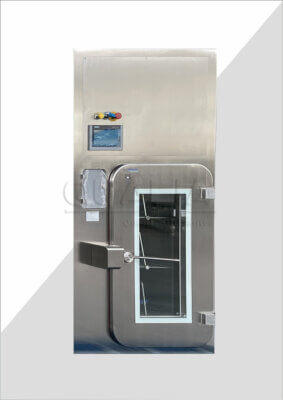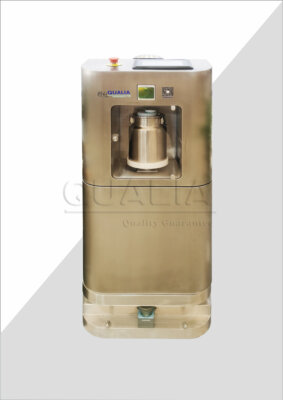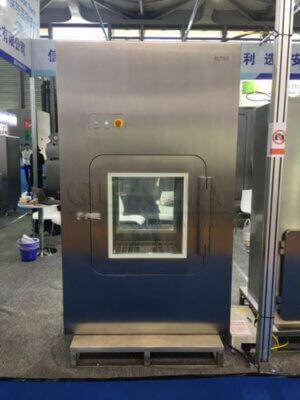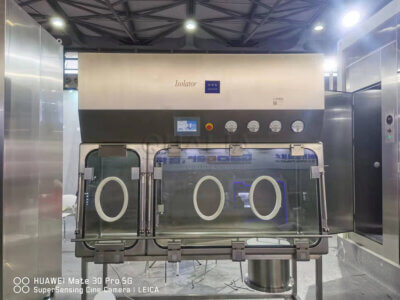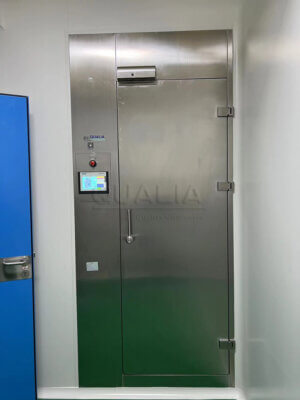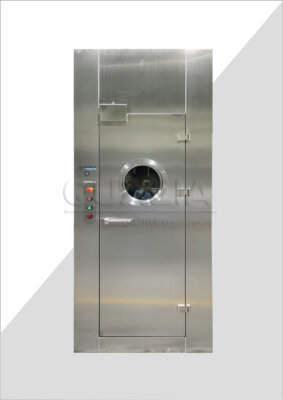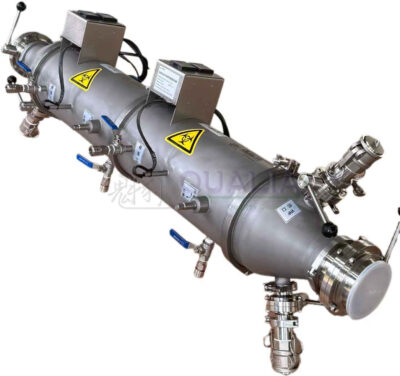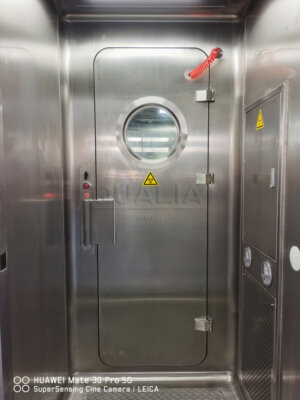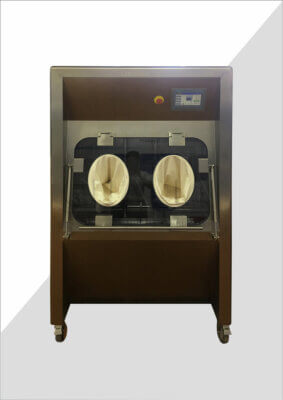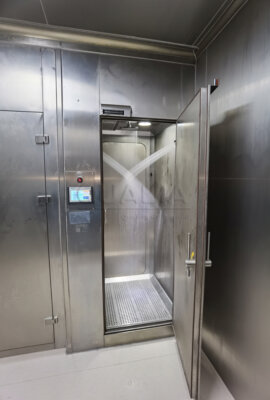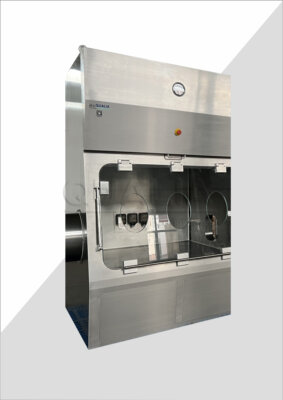

İzolatör VHP döngüsü hataları, ilk yeterlilik çalışması sırasında nadiren ortaya çıkar; bunlar, yük bileşimindeki veya döngü öncesi sıcaklıktaki bir değişiklik nedeniyle onaylanmış döngünün tekrarlanamaz hale geldiği yeniden inceleme aşamasında ya da biyolojik göstergenin pozitif çıkmasıyla BI yerleştirme stratejisindeki eksikliklerin ortaya çıktığı bir araştırma sırasında ortaya çıkar. Bu aşamaya gelindiğinde, bunun maliyeti yeniden oluşturulacak bir kanıt paketi, gecikmiş bir devreye alma takvimi ve hiçbir zaman resmi olarak belgelenmemiş koşulların neden yine de eşdeğer sayılması gerektiğini geriye dönük olarak savunmak zorunda kalan bir onay ekibidir. Bunu önleyen kararlar PQ sırasında alınmaz — bunlar, yardımcı sistem spesifikasyonlarının kesinleştiği, sızıntı oranı referans değerlerinin belirlendiği ve tüm iç geometri boyunca konsantrasyon homojenliği verilerinin toplandığı IQ ve OQ aşamalarında alınır. Aşağıda yer alan bilgiler, düzenleyici kurumların incelemesine dayanacak kadar yeterince spesifik bir şekilde bu kararların her birini alabilmeniz için gerekli teknik temeli sağlar.
IQ: Sızıntı Oranı Doğrulaması ve Kamu Hizmetleri Bağlantısı Kontrolü
Bir izolatör VHP döngüsü için IQ, asıl kalifikasyon başlamadan önceki bir formalite değildir — bu test, odanın, doğrulamanın geri kalan kısmının dayandığı konsantrasyon ve bekletme koşullarını sürdürüp sürdüremeyeceğini belirler. Kabul edilebilir sınırların üzerinde sızıntı gösteren bir oda, koşullandırma ve bekletme aşamaları sırasında H₂O₂ buharını kaybedecek ve bu da OQ’dan elde edilen konsantrasyon homojenliği verilerinin güvenilirliğini ortadan kaldıracak ve rutin çalışma sırasında döngü tekrarlanabilirliğini savunmayı zorlaştıracaktır.
İzolatör kalifikasyonunda uygulanan uygulama standardı, sızıntı oranının 150 Pa basınçta dakikada oda hacminin 0,5%’sini aşmamasını gerektirir. Bu, evrensel bir düzenleyici şart değil, bir tasarım-performans kriteridir; ancak VHP döngüsünün bütünlüğünün güvenilir bir şekilde korunabileceği eşik değeri temsil eder. IQ sırasında bu sınıra yaklaşan veya bu sınırı aşan odalar, OQ işlemine geçilmeden önce düzeltme işleminden geçmelidir — daha yüksek H₂O₂ enjeksiyon hızlarıyla sızıntıyı telafi etmeye çalışmak, doğrulanmış bir çözüm yerine kontrol edilemeyen değişkenliklere yol açar.
Altyapı bağlantısı doğrulaması, IQ’daki ikinci yapısal görevdir ve genellikle yeterince önemsenmemektedir. VHP jeneratörünün performans aralığı — enjeksiyon hızı, taşıyıcı gaz akışı ve egzoz kontrolü — üretici tarafından tanımlanmış bir dizi giriş koşulu için belirtilir: basınçlı hava kalitesi ve basıncı, egzoz karşı basıncı ve elektrik besleme özellikleri. Kurulu yardımcı tesisat bağlantıları bu spesifikasyonların dışında değerler veriyorsa, jeneratörün konsantrasyon çıkışı döngü geliştirme sırasında kullanılan parametrelerle eşleşmeyecek ve OQ sırasında toplanan tüm tekdüzelik verileri, doğrulanmamış bir çalışma koşulu ile ilişkilendirilecektir. IQ, her bir tesisat bağlantısının sadece tasarım amacına göre değil, gerçek kurulum koşulları altında da jeneratör üreticisinin spesifikasyonlarını karşıladığını doğrulamalıdır. PDA Teknik Raporu 88, VHP dekontaminasyon sistemi kalifikasyonunu geniş bir kapsamda ele alır ve döngü performansı beklentilerine göre tesisat ve ekipman kalifikasyonunun nasıl yapılandırılması gerektiğine dair yararlı bir çerçeve sunar.
Titiz bir IQ testinin atlanmasının ortaya çıkardığı sonuç tahmin edilebilir: OQ konsantrasyon haritalama verileri kabul edilebilir görünse de, bir kompresörün bakımı yapıldıktan, egzoz konfigürasyonu ayarlandıktan veya izolatörün yeri değiştirildikten sonra döngü aynı enjeksiyon parametreleriyle tekrarlanamaz. IQ’yu bir performans referans çalışması yerine ön yeterlilik kontrolü olarak ele almak, doğrulama ekiplerinin net bir teşhis yolu olmaksızın OQ çalıştırmalarını tekrarlamak zorunda kalmalarının en yaygın nedenidir.
OQ: İzolatör Konumları Arasında H₂O₂ Konsantrasyonunun Tekdüzeliği
OQ, döngünün H₂O₂ buharını izolatörün iç kısmının tamamına tutarlı bir şekilde dağıttığını doğrulamak amacıyla yapılır — sadece temsili bir merkezi konumda değil, aynı zamanda homojenliğin sağlanmasının en zor olduğu sınır konumlarında da. Uygulamada geçerli olan standart, eldiven portları ve transfer kapakları dahil olmak üzere tüm ölçüm noktalarında ±15% aralığında konsantrasyon homojenliğini gösteren üç tekrarlı çalışmadır. Bu rakam, tek bir otoritenin düzenleyici bir zorunluluğu olmaktan ziyade bir tasarım hedefi ve doğrulama kabul kriteri olarak işlev görür; ancak, iyi karakterize edilmiş bir döngüde ulaşılabilir kalırken güvenilir biyolojik öldürmeyi destekleyecek kadar dar bir aralığı tanımladığı için yaygın olarak kullanılmaktadır.
Ölçüm noktalarının seçimi, OQ planlama kararlarının en büyük dolaylı etkiye sahip olduğu alandır. Transfer kapakları ve eldiven geçitleri, ana odanın basit birer uzantısı değildir; kendi geometrileri, hava değişim özellikleri ve yüzey-hacim oranlarına sahiptir ve bunlar, önemli ölçüde farklı konsantrasyon profillerine yol açabilir. Yalnızca ana odanın hacmini ölçen ve bu verileri bu alt hacimlere genelleştiren OQ testleri, en kötü durum senaryosuna dayalı bir PQ tasarımını destekleyemeyecek veriler üretir; çünkü en kötü durum senaryosuna göre belirlenen BI konumları, OQ haritalamasına dayalı olarak seçilecektir. Haritalama bu konumlara ulaşmamışsa, OQ verileri ile PQ yerleştirme stratejisi arasındaki bağlantı kopar.
ASTM E3116-18 standardı, VHP dekontaminasyon performans testleri için bir karakterizasyon metodolojisi çerçevesi sunar; bu çerçeve, OQ sırasında ölçüm noktalarının nasıl seçileceğini ve testler arası değişkenliğin nasıl yorumlanacağını yapılandırmada faydalıdır — özellikle izolatör OQ’su için bağlayıcı bir uygunluk kuralından ziyade, bir test çerçevesi referansı işlevi görür. Pratik değeri, karakterizasyon mantığını uygulayarak konsantrasyon gradyanlarının en dik olduğu noktaları belirlemede yatmaktadır; zira bu gradyanlar, gerçek en kötü durum senaryosu test verilerini sağlamak için PQ sırasında biyolojik indikatörlerin nereye yerleştirilmesi gerektiğini belirler.
Sistematik bir konsantrasyon modelini, deneme-deneme arası gürültüden ayırt edebilmek için en az üç tekrar deneme gereklidir. Tek bir haritalama denemesi gerçekleştirip doğrudan PQ aşamasına geçen ekipler, ilk denemenin temsil edici olduğuna dair bir iddiada bulunurlar — bu iddia, BI pozitifliği ortaya çıktığında ve OQ verileri düşük konsantrasyonlu noktaların tutarlı bir şekilde tespit edildiğini ve daha sonra doğrulandığını gösteremediğinde savunulması zor hale gelir.
PQ: 6 log azaltma için en kötü durum senaryosuna göre biyolojik gösterge yerleştirilmesi
PQ’nun başarısı ya da başarısızlığı, biyolojik göstergelerin yerleştirilme stratejisinin, VHP’nin nüfuz etmesinin en fazla kısıtlandığı yerleri gerçekten temsil edip etmediğine bağlıdır. Biyolojik göstergeler, erişilebilir, engelsiz ve buhar akışının iyi olduğu konumlara yerleştirilmişse, 6 log azalma sonucu hiçbir anlam ifade etmez — bu sonuç, ancak söz konusu biyolojik göstergeler, döngünün gerçekten zorluk çekmesi için geçerli bir nedeni olan yerlerde bulunuyorsa anlamlı olur.
Uygulayıcı bakış açısıyla, en zorlu konumlar sadece enjeksiyon portuna olan mesafeyle değil, geometri ve fizik kurallarıyla belirlenir. Enjeksiyon portundan en uzak nokta önemlidir, ancak bu nokta nadiren sterilizasyonun en zor gerçekleştirildiği konumdur. Kısmen engellenmiş alanlar — malzemelerin yüzeyleri doğrudan buhar temasından koruduğu yerler — ne kadar ek döngü süresi ayrılsa da tam olarak telafi edilemeyen koşullar yaratır. Üst köşeler ise farklı bir zorluk oluşturur: VHP buharı havadan daha yoğundur ve haznenin alt kısımlarında birikir; bu da üst köşelerde doğrudan akış yerine konvektif karıştırmaya güvenilmesi gerektiği anlamına gelir. Uzatılmış eldivenler, düz yüzeylerin yapmadığı şekilde havayı hapseden ve penetrasyona direnç gösteren karmaşık, kıvrımlı bir geometri oluşturur. Bu konumların her biri, farklı bir mekanizma yoluyla döngüye zorluk çıkarır ve yalnızca bir tür en kötü durum koşulunu haritalayan bir PQ, diğerlerini doğrulanmamış bırakır.
| Konum Türü | Neden Bu En Kötü Senaryo Durumu? | Doğrulama ve Etkisi |
|---|---|---|
| Kısmen tıkanmış alanlar | Azaltılmış VHP buhar akışı ve temas | Görüş açısının sınırlı olduğu durumlarda etkili dekontaminasyonu teyit eder |
| Üst köşeler | VHP genellikle daha aşağıya doğru yerleşme eğilimindedir; bu da yüksekte homojen dağılımı zorlaştırır | Döngünün yerçekimsel tabakalaşmayı aşabileceğini gösterir |
| Uzun eldivenler | Karmaşık geometri ve kıvrımlar havayı hapseder ve penetrasyonu engeller | Esnek, kapalı yüzeylerin 6 log azalma sağladığını doğrular |
| Asılan eşyalar | Hareket ve yüzey temas noktaları, bazı alanları maruz kalmaktan koruyabilir | Asılı yüklerin sterilizasyon güvencesini tehlikeye atmamasını sağlar |
| Biçimlendirme parçaları ve eldivenle temas eden ekipmanlardaki sık temas noktaları | Sık sık elleçleme biyolojik yükü artırır; sıkı temas noktaları maruz kalmayı önler | BI ölümlerini, operatörün temas ettiği yüzeyler arasında en kötü senaryoya ilişkin durumlarla ilişkilendirir |
BI’lar için replikasyon stratejisi, maliyet ve veri kalitesi arasında bir dengeleme gerektirir; bu durum, PQ başlamadan önce çözülmelidir; hatalı bir sonucun ortaya çıkmasıyla geriye dönük olarak açıklama yapma baskısı oluşmadan önce halledilmelidir. Her konum için tekli BI'lar rutin PQ çalıştırmaları için uygundur — bunlar, tek tek pozitif sonuçların yorumlanmasını zorlaştıran değişkenlik eklemeden tutarlı 6 log azalmayı göstermek için yeterli veri üretir. Üçlü BI'lar, hedefin gerçek bir döngü arızasını, kusurlu bir gösterge veya kullanım hatasından kaynaklanan hatalı bir pozitif sonuçtan ayırt etmek olduğu döngü geliştirme çalıştırmalarına ve resmi inceleme döngülerine aittir. Tüm PQ konumlarında üçlü BI'ların kullanılması, doğrulama kaydına orantılı bir fayda sağlamadan maliyeti artırır.
| BI Veri Çoğaltma Yaklaşımı | Uygun Kullanım | Gerekçe |
|---|---|---|
| Konum başına tek bir BI | Rutin PQ çalıştırmaları | Maliyet etkin; değişkenlik çözünürlüğünü artırmadan tutarlı bir 6-log azalma göstermeye yeterlidir |
| Konum bazında BI'ları üç katına çıkarın | Döngü geliştirme ve arıza araştırmaları | İzole pozitif sonuçların sorun giderme sürecinde, nadir görülen hatalı sonuçları gerçek döngü arızalarından ayırt etmeye yardımcı olur |
Yeterince gerekçelendirilmemiş bir BI yerleştirme stratejisinin sonucu, PQ raporunda görünmez — ancak bir denetçi, belirli bir konumun neden “en kötü durum” olarak sınıflandırıldığını sorduğunda ya da rutin çalışma sırasında elde edilen bir BI pozitif sonucu, orijinal OQ eşleme verilerinin destekleyemediği bir kök neden araştırmasını zorunlu kıldığında ortaya çıkar. En kötü durum konum seçimi, OQ konsantrasyon verilerine dayandırılabilmeli ve risk temelli bir karar olarak belgelenmelidir; PQ protokolünün hazırlık aşamasında gayri resmi bir şekilde seçilmemelidir.
OEB4/OEB5 izolasyon odalarını devreye alan ekipler için, entegre eldiven kutusu ve aktarım kapağı geometrisinin getirdiği ek karmaşıklık nedeniyle, en kötü senaryoda biyolojik izolasyon (BI) yerleştirilmesi, tek bir iç ölçümle değil, her bir alt hacmin ayrıntılı bir şekilde haritalanmasını gerektirir. Bunun yüksek izolasyon seviyeli izolasyon odası konfigürasyonlarına nasıl uygulanacağına ilişkin ilgili kılavuz, OEB4/OEB5 İzolatörlerinde VHP Sterilizasyonu: Eksiksiz Kılavuz.
Malzeme Yükü Yapılandırmasına İlişkin Belgeleme Gereklilikleri
Bir VHP döngüsü sırasında izolatörün içindeki yük, arka plan koşulu değildir — bu, döngü kinetiğini değiştiren aktif bir değişkendir ve bu yükün belgelenmesi, doğrulanmış döngünün tekrarlanabilir olmasını sağlar. Yük bileşimi ile döngü süresi arasındaki ilişki, temel bir mekanizmayı yansıtır: izolatörün içindeki malzemeler, özellikle emici maddeler, H₂O₂ molekülleri için buhar fazıyla rekabet eder. Yüklü bir döngü, boş bir döngüden farklı şekilde H₂O₂ tüketir ve döngü parametreleri — enjeksiyon hızı, bekleme süresi, havalandırma — buna göre ayarlanmalıdır.
| Yük Durumu | Tipik VHP Döngüsü Süresi | Temel Belge Gereklilikleri |
|---|---|---|
| Boş izolatör | 40–90 dakika | Başlangıç döngü parametreleri; gelecekteki yükleme döngüleri için referans görevi görür |
| Malzemelerle dolu | 25–35 dakika | Tam ürün listesi, yerleştirme şeması, emici malzeme özellikleri, döngü öncesi minimum sıcaklık ve malzemeye özgü kullanım notları |
Belgelenmemiş yük değişiminin uyumluluk açısından sonucu, döngü süresinin farklı görünmesi değildir — asıl sorun, rutin çalışma döngüsünün doğrulanmış döngüyü yeniden ürettiğini iddia etmek için hiçbir dayanağın olmamasıdır. PQ belirli bir yükle gerçekleştirilmişse ve bu yük bileşimi onu yeniden oluşturmaya yetecek kadar hassas bir şekilde belgelenmemişse, farklı bir yük konfigürasyonuyla yürütülen rutin bir döngü, belgelenmiş herhangi bir sınır olmaksızın doğrulanmış aralığın dışında çalışmaktadır. Bu, izolatör devreye alma sürecinde en sık görülen geç aşama doğrulama eksikliğidir: Yük konfigürasyonunu bir doğrulama parametresi yerine lojistik bir ayrıntı olarak ele alan ekipler, genellikle bir düzenleyici denetçi döngü kaydını inceledikten ve parça listesi ile yerleştirme şemasını talep ettikten sonra, zaman baskısı altında PQ kanıt paketini yeniden oluşturmak zorunda kalırlar.
Bu düzeydeki belgeleme, sadece bir envanter sayımından daha fazlasını ifade eder. Tam bir ürün listesi, her bir ürünün izolatör içinde nereye yerleştirildiğini gösteren bir yerleşim şeması, gözenekli veya lifli yük ürünlerine ait emici malzeme özellikleri, döngü başlamadan önce kaydedilen minimum döngü öncesi sıcaklık ve buharla teması etkileyebilecek malzemeye özgü kullanım notlarını içerir. Bu unsurların her biri gereklidir, çünkü her biri, en kötü senaryodaki biyolojik kontaminasyon (BI) bölgelerinin yeterli maruziyete tabi tutulup tutulmayacağını etkileyecek şekilde H₂O₂ tükenme profilini değiştirme potansiyeline sahiptir.
Uygulamada benimsenen yaklaşım, yük konfigürasyon kaydını, saklanıp saklanmayacağı belirsiz ayrı bir operasyonel belge olarak değil, döngü kaydının bir parçası olarak ele almaktır. Döngü kaydı, yük konfigürasyonu olmadan yeniden oluşturulamıyorsa, yük konfigürasyonu da döngü parametreleriyle birlikte sürüm kontrolü altında tutulmalıdır. Jeneratörün izolatör platformuyla entegrasyonunu değerlendiren ekipler için, uyumlu Taşınabilir VHP Jeneratör Tip II/III Belgeleme entegrasyonunu destekleyen sistemler, yeterlilik süreçleri ve rutin işletim aşamalarında bu izlenebilirliği sürdürme çabasını azaltabilir.
En Kötü Senaryo Yük Test Çalışmalarına İlişkin Düzenleyici Beklentiler
En kötü durum yük testi için yasal çerçeve, doğrudan AB GMP Ek 1’den kaynaklanmaktadır; bu ek, dekontaminasyon süreci geliştirme aşamasında, izolatör içindeki üretim faaliyetleri ve malzemelerle ilişkili risk faktörlerinin belirlenmesini şart koşmaktadır. Bu genel bir kalite ilkesi değildir — en kötü durum yük bileşimini PQ aşamasına değil, süreç geliştirme aşamasına bağlayan özel bir yükümlülüktür. Yük bileşimi kararlarını PQ belgesi hazırlanana kadar erteleyen ekipler, düzenleyici beklentilerin gerisinde kalmış demektir; çünkü risk faktörlerinin geliştirme aşamasında ele alınması ve en kötü durum koşullarının daha sonra doğrulama sırasında test edilmesi gerekmektedir.
| Yasal Beklenti | Neleri Zorunlu Kılar? | Doğrulama Odağı |
|---|---|---|
| Ek 1: Risk faktörlerinin belirlenmesi | Dekontaminasyon süreci geliştirme aşamasında, üretim faaliyetlerinden ve malzemelerden kaynaklanan risk faktörlerini belirlemek | En kötü durum yükü, SOP’da belirtilen maksimum emici malzemeleri ve minimum ön döngü sıcaklığını içermelidir |
| MHRA: ürünle temas eden parçalar | Ürünle doğrudan ve dolaylı temas eden parçalar, VHP değil, güvenilir yöntemlerle (otoklav, kuru ısı, ışınlama) sterilize edilmelidir | VHP doğrulama kapsamı, kritik temas parçalarını kapsamaz; yalnızca çevresel dekontaminasyonu doğrular |
| Müfettişin delil beklentisi | VHP döngüsünün en kötü senaryo yüküyle test edildiğine dair belgelenmiş kanıt sunun | PQ testlerinin, en kötü durum senaryosundaki emici yük ve sıcaklık koşulları altında döngüsel etkinliği gösterdiğini doğrulayın |
MHRA’nın ürünle temas eden parçalar konusundaki tutumu, önemli bir kapsam sınırını tanımlamaktadır: Doğrudan ve dolaylı olarak ürünle temas eden parçalar, VHP ile değil, otoklav, kuru ısı veya ışınlama gibi sağlam son aşama yöntemleriyle sterilize edilmelidir; zira VHP’nin penetrasyon sınırlamaları, tam yüzey ve iç temas yoluyla mikropların yok edilmesini gerektiren öğelerin sterilizasyonu için bu yöntemi uygunsuz kılmaktadır. Bu, en kötü durum yük testi sırasında VHP’nin izolatörün içindeki her şeyi sterilize etme yeteneğinin test edilmediği anlamına gelir. Bu test, VHP’nin, odanın çalışma sırasında karşılaşacağı en zorlu koşullar altında izolatör ortamını dekontamine etme yeteneğini test etmektedir. Yük testi, çevresel dekontaminasyon işlevine odaklanır ve doğrulama kapsamı buna göre belirlenmeli ve belgelenmelidir.
Pratik olarak bu, en kötü durum yük tasarımı açısından iki şey anlamına gelir. Birincisi, bir üretim döngüsü sırasında gerçekçi olarak mevcut olabilecek maksimum emici malzeme miktarı hesaba katılmalıdır — emici malzemeler, döngü sırasında H₂O₂ tükenmesinin en önemli etkenidir ve rutin işletimden daha az emici malzemeyle döngüyü zorlamak, performansından daha iyi görünen bir sonuç ortaya çıkarır. İkincisi, sıcaklık hem H₂O₂ buhar basıncını hem de yüzeylerdeki yoğuşma davranışını etkilediği için, SOP’da belirtilen minimum döngü öncesi sıcaklık kullanılmalıdır. Rahat bir orta aralık sıcaklıkta geliştirilen bir döngü, bir üretim hattının gerçekçi olarak sunabileceği minimum sıcaklıkta aynı buhar dağılımını sağlayamayabilir.
En kötü durum yük testi çalıştırmalarını inceleyen denetçiler, her bir PQ çalıştırması için bu iki koşulun hem mevcut hem de kayıt altına alınmış olduğuna dair belgelenmiş kanıt arayacaktır — ekibin bunları kasıtlı olarak dahil etmiş olması değil, döngü kaydında gerçek koşulların izlenebilir olması önemlidir. En kötü durum koşullarında yapılan üç tekrarlı çalıştırma boyunca kesin yük bileşimi, yerleşimi, döngü öncesi sıcaklık ve ilgili BI sonuçlarını gösteren bir PQ raporu sunabilen ekipler, savunulabilir bir konumdadır. PQ kayıtlarında temiz BI sonuçları görülen ancak yük konfigürasyonuna ilişkin belgelerin bulunmadığı ekipler, tekrarlanabilir bir yöntem olmaksızın sonuç sunmuş olurlar.
En kötü senaryo test koşullarının IQ, OQ ve PQ aşamaları boyunca nasıl sıralanması gerektiği de dahil olmak üzere, tam doğrulama protokolünü yapılandırmak isteyen ekipler için, VHP Sterilizasyon Validasyonu: 2025 Protokolleri Bu kaynak, her bir aşamanın bir sonrakine nasıl bağlandığına dair protokol düzeyinde pratik ayrıntılar sunmaktadır.
İzolatör VHP döngüleri için en dayanıklı doğrulama paketlerinin ortak bir özelliği vardır: Rutin SOP’da yer alan her döngü parametresi, söz konusu parametrenin tanımlanmış koşullar altında test edildiği belirli bir yeterlilik çalışmasına kadar izlenebilir. Döngü süresi, H₂O₂ enjeksiyon hızı, döngü öncesi sıcaklık ve yük konfigürasyonu, bağımsız değişkenler olarak değil, bir sistem olarak valide edilir. Rutin çalışma sırasında bu koşullardan herhangi biri değiştiğinde — hatta önemsiz bir operasyonel ayarlama gibi görünen bir durumda bile — orijinal kayıtlarda hangi aralığın test edildiği ve bu aralığın neden operasyonel koşulu sınırladığı belirtilmedikçe, döngü için validasyon temeli belirsiz hale gelir.
PQ protokolünüzü kesinleştirmeden önce, planlanan her bir çalıştırma için yük konfigürasyonunun, yeniden üretilebilecek kadar ayrıntılı bir şekilde belgelendiğinden, BI yerleştirme konumlarının OQ konsantrasyon haritalama verilerine kadar izlenebilir olduğundan ve en kötü durum senaryosundaki test çalıştırmasında döngü öncesi sıcaklığın, beklenen çalışma sıcaklığı yerine SOP’da belirtilen minimum sıcaklıkla uyumlu olduğundan emin olun. Bu üç kontrol, bir VHP doğrulama paketinin düzenleyici inceleme sırasında reddedilmesinin en yaygın nedenlerini önleyecektir.
Sıkça Sorulan Sorular
S: İzolatörün başka bir tesise veya odaya taşınması durumunda VHP döngüsünün yeniden onaylanması gerekli olur mu?
C: Evet, yer değişikliği genellikle en azından kısmi bir yeniden kalifikasyon sürecini tetikler. Sistem koşulları — basınçlı hava basıncı, egzoz karşı basıncı ve elektrik beslemesi — tesise özeldir ve IQ, bu bağlantıları gerçek kurulum koşulları altında jeneratör üreticisinin teknik özelliklerine göre doğrular. Yeni bir kurulumda, yeniden doğrulama yapılmadan bu koşulların eşdeğer olduğu varsayılamaz; ayrıca, egzoz konfigürasyonunda veya basınçlı hava beslemesinde orijinal IQ referans değerlerinin dışına çıkan herhangi bir değişiklik, önceki sahada toplanan OQ konsantrasyon homojenliği verilerinin yeni konum için teknik olarak geçerliliğini ortadan kaldırır.
S: Rutin yük bileşimindeki bir değişiklik, hangi durumda sadece bir değişiklik kontrol kaydı yerine yeni bir PQ çalışması yapılmasını gerektirir?
C: Değişiklik, en kötü durum senaryosu testinde mevcut olandan daha yüksek bir toplam emici malzeme miktarına yol açtığında veya farklı gözeneklilik ya da yüzey alanı özelliklerine sahip yeni bir malzeme türü eklendiğinde, yeni bir PQ çalışması yapılması gerekir. Yük bileşimi, H₂O₂ tükenme oranını doğrudan etkiler ve doğrulanmış döngü sınırı, genel bir malzeme kategorisi değil, test edilen en kötü durum yüküdür. Bir değişiklik kontrol kaydı, bir değişikliğin meydana geldiğini belgeler; ancak bu kayıt, doğrulanmış aralığı, en kötü durum BI konumlarında biyolojik göstergelerle hiçbir zaman test edilmemiş koşullara genişletemez.
S: Üçlü göstergeler kullanılmadığında, bir ekip PQ çalışması sırasında BI pozitif bir sonucu nasıl ele almalıdır?
C: PQ çalışması geçersiz kılınmalı ve pozitif konumun OQ sırasında düşük veya değişken H₂O₂ konsantrasyonu gösterip göstermediğinin belirlenmesi için araştırma, OQ konsantrasyon haritalama verilerine dayanmalıdır. Üçlü BI'lar olmadan, tek bir pozitif sonuç, yalnızca PQ verileri kullanılarak arızalı bir göstergeden veya gerçek bir döngü arızasından ayırt edilemez. Bu nedenle makale, üçlü BI'ların inceleme ve döngü geliştirme döngüleri için ayrılmasını önermektedir — rutin PQ sırasında bir pozitif sonuç ortaya çıkarsa ve incelenebilecek üçlü veriler yoksa, inceleme yükü tamamen OQ kaydına ve başarısız çalışmadan elde edilen mevcut döngü parametre verilerine düşer.
S: AB GMP Ek 1 kapsamında yapılan VHP döngüsü doğrulaması, ATMP üretiminde kullanılan izolatörler için geleneksel aseptik işlemeyle karşılaştırıldığında yapısal olarak farklı mıdır?
C: Burada açıklanan IQ/OQ/PQ çerçevesi ve kabul kriterleri genel olarak geçerlidir; ancak ATMP üretimi, makalede ele alınmayan ek karmaşıklıklar getirmektedir. ATMP süreçleri genellikle biyolojik hammadde içerir; bu durum, havalandırma sırasında kalıntı H₂O₂ sınırları ve dekontaminasyon sırasında hangi yük öğelerinin bulunabileceği konusunda daha katı kısıtlamalar getirebilir. Ek 1’de yer alan, izolatör içindeki malzemelerle ilişkili risk faktörlerinin belirlenmesi gerekliliği, bu malzemelerin tanımlanmış duyarlılık profillerine sahip biyolojik ürünler olması durumunda daha zorlu hale gelir. MHRA tarafından belirlenen kapsam sınırı — yani VHP’nin, ürünle temas eden parçaların sterilizasyonunu değil, çevresel dekontaminasyonu kapsadığı — aynı şekilde geçerlidir; ancak süreç geliştirme sırasında gerekli olan malzeme risk değerlendirmesi daha kapsamlı olacaktır.
S: VHP döngüsü validasyonunu alternatif izolatör dekontaminasyon yöntemleriyle karşılaştırırken, spor öldürücü sıvı ajanlar yerine VHP’yi tercih etmede belirleyici faktör nedir?
C: Belirleyici faktör genellikle erişilebilir alanlardaki dekontaminasyon etkinliği değil, izolatörün iç kısmının tamamındaki yüzey geometrisi ve malzeme uyumluluğudur. VHP, buhar fazı dağılımı yoluyla eldiven girişleri, transfer kapağı iç kısımları ve girintili bağlantı parçaları gibi karmaşık geometrilere ulaşırken, spor öldürücü sıvılar doğrudan yüzey teması ve drenaja bağlıdır; bu da karmaşık iç geometriye sahip kapalı bir izolatörde homojen bir şekilde sağlanması zor bir durumdur. Sıvı ajanlar için geçerlilik doğrulama yükü, her iç yüzeyde tam yüzey ıslatılmasının ve tanımlanmış temas süresinin kanıtlanmasını içerir; bu durum, VHP PQ sırasında BI yerleştirilmesini zaten zorlaştıran alt hacim karmaşıklığına sahip izolatörler için belgelenmesi giderek zorlaşan bir husustur.