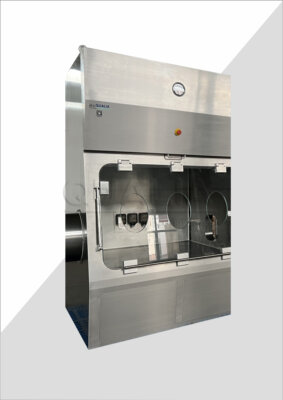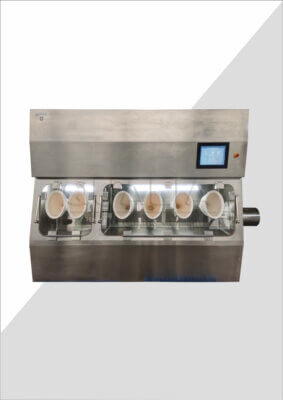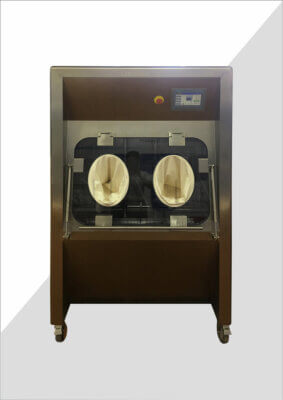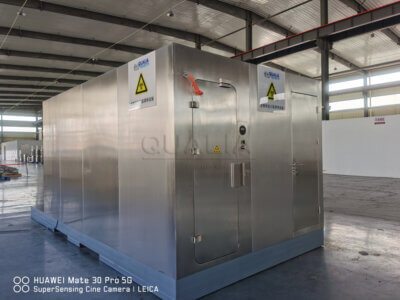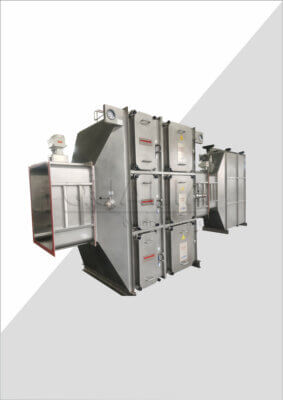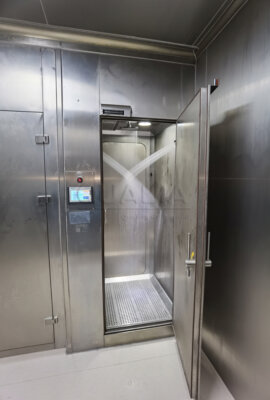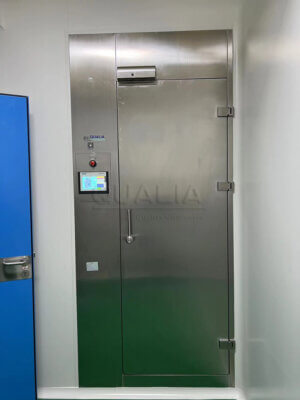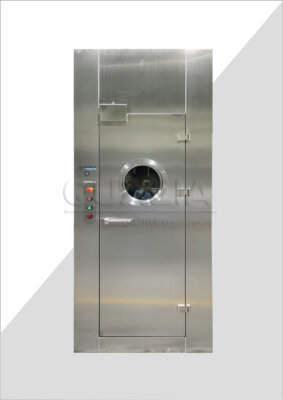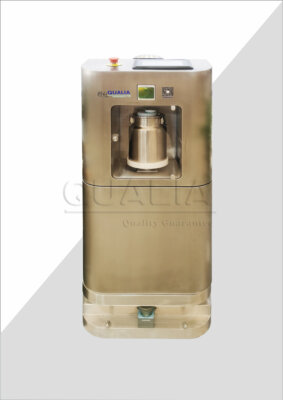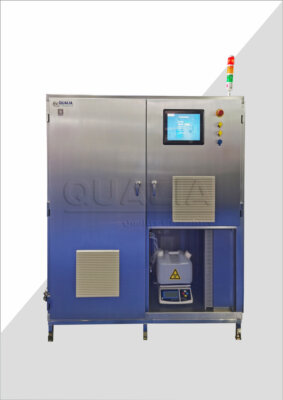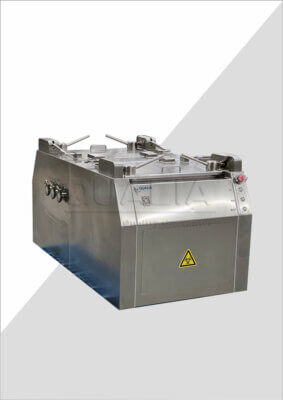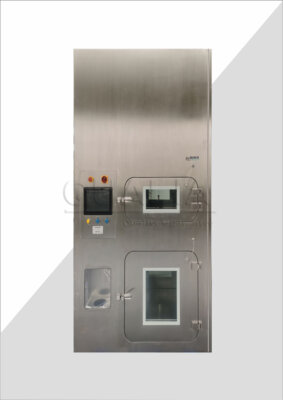
Tıbbi cihazlar ve farmasötikler için sterilizasyon prosesleri kritik bir evrimle karşı karşıyadır. Mevzuat baskısı ve toksik kalıntıları nedeniyle etilen oksitten (EO) uzaklaşılması, güvenilir, kurum içi alternatiflere acil bir ihtiyaç yaratmaktadır. Hidrojen peroksit sterilizasyonu, özellikle buharlaştırılmış hidrojen peroksit (VHP), bu talebi karşılamak için önde gelen teknoloji olarak ortaya çıkmıştır, ancak uygulaması tak ve çalıştır olmaktan uzaktır. Başarı, cihaz bütünlüğünden ödün vermeden garantili sterilite elde etmek için hassas teknik parametreler, malzeme sınırlamaları ve karmaşık bir düzenleyici ortamda gezinmeyi gerektirir.
Tesis yöneticileri ve proses mühendisleri için riskler hiç bu kadar yüksek olmamıştı. AAMI ST91’in dezenfeksiyon yerine endoskop sterilizasyonunu öne çıkarması gibi yeni kılavuzlar, VHP uygulamalarını hızla genişletmektedir. Aynı zamanda, daha karmaşık, ısıya duyarlı ve elektronik olarak entegre tıbbi cihazlara yönelik dürtü, düşük sıcaklıkta işlemeyi sadece bir seçenek değil, stratejik bir gereklilik haline getirmektedir. Bu teknolojide uzmanlaşmak artık uyumluluğu sürdürmek, hasta güvenliğini sağlamak ve yenilikçi cihaz tasarımını mümkün kılmak için temel bir yetkinliktir.
Hidrojen Peroksit Sterilizasyonu Nasıl Çalışır?
Oksidatif Mekanizma
Hidrojen peroksit sterilizasyonu güçlü bir oksidatif mekanizma ile çalışır. Hidrojen peroksit buharlaştığında, başta hidroksil radikalleri (-OH) olmak üzere oldukça reaktif serbest radikaller üretir. Bu radikaller lipidler, proteinler ve DNA dahil olmak üzere temel mikrobiyal hücre bileşenlerine saldırır ve bozarak hızlı inaktivasyona yol açar. Bu etki, bakterileri, virüsleri, mantarları ve hatta sterilizasyon etkinliğinin ölçütü olan dirençli bakteri sporlarını etkili bir şekilde yok ederek geniş spektrumlu bir öldürme sağlar.
Düşük Sıcaklık Döngüsü Aşamaları
Standart bir VHP döngüsü, derin bir vakum altında, tipik olarak 28-44°C arasında düşük sıcaklıklarda kapalı bir oda içinde gerçekleşir. Süreç metodiktir ve üç farklı aşamadan oluşur. İlk olarak, bir koşullandırma aşaması, hazne ve yükten hava ve nemi uzaklaştırır. Daha sonra, sterilant maruziyeti sırasında, hassas bir VHP konsantrasyonu enjekte edilir ve muhafaza edilir. Son olarak, bir son koşullandırma veya havalandırma aşaması, buharı katalitik olarak zararsız su buharı ve oksijene ayırır. Bu toksik olmayan kalıntı profili, VHP'nin avantajının temel taşıdır ve EO ile ilişkili uzun ve tehlikeli havalandırma sürelerini ortadan kaldırır.
EO'ya Göre Stratejik Avantajlar
Etilen oksit ile karşılaştırma kaçınılmazdır ve VHP'nin stratejik değerini vurgular. EO etkili olmaya devam ederken, kanserojen ve mutajen olarak sınıflandırılması ve uzun havalandırma döngüleri operasyonel ve düzenleyici yükler yaratmaktadır. VHP'nin hızlı döngü süreleri ve güvenli yan ürünleri daha hızlı cihaz geri dönüşünü kolaylaştırır ve daha güvenli, daha sürdürülebilir kurum içi steril işleme sağlar. Deneyimlerime göre, EO dış kaynak kullanımından kurum içi VHP'ye geçiş yapan tesisler genellikle yük hazırlamada gerekli olan kültürel değişimi, özellikle de VHP başarısı için pazarlık konusu olmayan mutlak kuruluk ihtiyacını hafife almaktadır.
Temel Teknik Parametreler ve Süreç Validasyonu
Etkinlik için Yönetici Değişkenler
Proses etkinliği tek bir faktör tarafından değil, birkaç temel değişkenin hassas kontrolü ve etkileşimi ile belirlenir. VHP konsantrasyonu ve maruz kalma süresi mikrobiyal ölümcüllüğün birincil etkenleridir. Ancak bunlar ikincil kontrol değişkenlerinden doğrudan etkilenir: oda sıcaklığı, basınç ve nem. Nemdeki hafif sapmalar bile buhar yoğunlaşmasına neden olarak sterilantı seyreltebilir ve mikroorganizmaların hayatta kalabileceği ıslak noktalar oluşturabilir. Modern sistemler, birbiriyle bağlantılı bu parametrelerin üstün gerçek zamanlı izlenmesi ve kontrolüyle farklılaşmaktadır.
Doğrulama Zorunluluğu: 10-⁶ SAL'a Ulaşmak
Validasyon, özel yük konfigürasyonunuzla özel döngünüzün tutarlı bir şekilde sterilite sağladığını kanıtlayan süreçtir. Ölçüt, minimum 10-⁶ Sterilite Güvence Seviyesidir (SAL), yani bir cihaz üzerinde tek bir canlı mikroorganizma kalma olasılığının milyonda birden az olması anlamına gelir. Bu, tipik olarak, yüksek bir mikroorganizma popülasyonu içeren biyolojik indikatörlerle (BI'lar) “aşırı öldürme” yaklaşımı kullanılarak gösterilir. Geobacillus stearothermophilus sporları, VHP'ye karşı en dirençli organizma.
Temellerin Ötesinde: Mühendislik Üstünlüğü
Hidrojen peroksitin temel oksidatif kimyası iyi bir şekilde belirlenmiştir. Bu nedenle, alandaki birincil yenilik, bu parametrelerin dağıtımını ve kontrolünü iyileştirmeye odaklanmaktadır. Patent analizi, ilerlemelerin buhar konsantrasyonu stabilitesini artırmayı ve kalan nemi daha etkili bir şekilde yönetmeyi amaçladığını ortaya koymaktadır. Bu da rekabetçi farklılaşmanın mühendislik verimliliğinde yattığını göstermektedir; daha akıllı odalar, daha iyi sensörler ve daha sağlam vakum sistemleri. Satın alma kararları, bu temel teknik parametreler için kanıtlanabilir üstün kontrol ve izleme özelliklerine sahip sistemlere öncelik vermelidir.
Sürecinizi Doğrulama
Aşağıdaki tablo, validasyon ve rutin operasyon sırasında tanımlanması ve kontrol edilmesi gereken kritik parametreleri özetlemektedir.
| Parametre | Tipik Aralık/Değer | Kritik Etki |
|---|---|---|
| Sıcaklık | 28-44°C | Düşük sıcaklıkta çalışma |
| Sterilite Güvence Seviyesi (SAL) | 10-⁶ | Minimum doğrulama gereksinimi |
| Biyolojik Gösterge | Geobacillus stearothermophilus | Standart “overkill” doğrulama |
| Birincil Kontrol Değişkenleri | VHP konsantrasyonu, maruz kalma süresi | Süreç etkinliği sürücüleri |
| İkincil Kontrol Değişkenleri | Basınç, nem | Döngü tutarlılığı |
Kaynak: ISO 14937. Bu standart, listelenen parametreleri ve doğrulama yaklaşımını doğrudan yöneterek, bir sterilizasyon maddesinin karakterize edilmesi ve belirli bir SAL'a ulaşmak için bir sürecin doğrulanması için genel gereklilikleri sağlar.
Malzeme Uyumluluğu ve Kritik Süreç Sınırlamaları
Karmaşık Cihaz Tasarımını Etkinleştirme
VHP'nin benimsenmesi için önemli bir itici güç, geniş malzeme uyumluluğudur. Çoğu polimer, metal ve cam bu işlemden etkilenmez. Bu uyumluluk, yeni nesil tıbbi cihazlar için önemli bir olanaktır ve buharlı otoklavlama ile yok edilebilecek entegre elektronik, sensör ve pillere sahip karmaşık düzeneklerin sterilizasyonuna izin verir. Akıllı implantlar ve hassas teşhis araçları geliştiren mühendisler için tasarım özgürlüğü sağlar.
Müzakere Edilemez Kısıtlamalar
Çok yönlülüğüne rağmen VHP, proses seçimini belirleyen kritik, tartışılmaz sınırlamalara sahiptir. Teknoloji, buharı emen ve etkili sterilizasyonu önleyen kağıt, pamuk ve karton gibi selüloz bazlı malzemelerle temelde uyumsuzdur. Tozlar ve sıvılar işlenemez. Operasyonel açıdan en kritik olanı, yükün tamamen kuru olması zorunluluğudur. Herhangi bir nem kalıntısı enjekte edilen buharı seyreltir, yoğuşmaya neden olabilir ve doğrudan döngünün durmasına veya daha da kötüsü steril olmamasına yol açar.
Uyumluluk Matrisini Yönetme
Bu “kuru yük” gereksinimi, titiz ön temizleme ve kurutma protokolleri gerektiren önemli bir operasyonel darboğazdır. Sonuç olarak, Steril İşleme Departmanları (SPD'ler) onaylanmış bir Cihaz Uyumluluk Matrisi geliştirmeli ve sürekli olarak bu matrise başvurmalıdır. Bu canlı belge, her cihazın malzeme bileşimini, izin verilen döngü parametrelerini ve özel hazırlama talimatlarını detaylandırmalıdır. Resmi bir matris uygulamadan önce ve sonra döngü hata oranlarını karşılaştırdık ve nemle ilgili iptallerde 70%'lik bir azalma tespit ederek operasyonel verimi doğrudan iyileştirdik.
Malzeme Etkileşimlerini Anlama
Aşağıdaki tablo, VHP ile yaygın malzeme etkileşimlerini kategorize etmekte ve hem etkinleştirici yeteneklerini hem de katı sınırlamalarını vurgulamaktadır.
| Malzeme Kategorisi | VHP ile uyumluluk | Anahtar Kısıtlaması |
|---|---|---|
| Polimerler ve Metaller | Uyumlu | Karmaşık cihaz tasarımına olanak sağlar |
| Selüloz (kağıt, pamuk) | Uyumsuz | Süreç başarısızlığına neden olur |
| Tozlar ve Sıvılar | Uyumsuz | İşleme için uygun değil |
| Yük Durumu | Kesinlikle kuru olmalı | Sterilant seyrelmesini önler |
| Entegre Elektronik | Uyumlu | Isıya duyarlı bileşenleri sterilize eder |
Kaynak: Teknik dokümantasyon ve endüstri spesifikasyonları.
Düzenleyici Standartlar ve Güvenlik Uyumluluğu
Temel Çerçeve
Tesisler sıkı, çok katmanlı bir düzenleyici çerçevede hareket etmelidir. Bu çerçevenin özünde ISO 14937, herhangi bir sterilizasyon maddesinin karakterize edilmesi ve süreç geliştirme, doğrulama ve rutin kontrol için genel gereklilikleri sağlar. Kimyasal sterilizasyon uygulamaları için, ANSI/AAMI ST58 güvenli ve etkili kullanım konusunda kritik bir rehberlik sunmaktadır. En doğrudan uygulanabilir standart şudur ISO 22441, düşük sıcaklıktaki VH2O2 sterilizasyon süreçlerine özel gereklilikleri belirler.
Pazarın İtici Gücü: Endoskoplar için AAMI ST91
Pazarı yeniden şekillendiren önemli bir gelişme de AAMI ST91 kılavuzudur. Esnek endoskopun yeniden işlenmesinin yüksek seviye dezenfeksiyondan sterilizasyona taşınmasını önermektedir. Bu revizyon, VHP'nin benimsenmesini büyük ölçüde hızlandırmaya ve endoskopi süitlerine entegrasyonunu zorunlu kılmaya hazırlanıyor. VHP, bu karmaşık, ısıya duyarlı cihazlar için düşük sıcaklıkta sterilizasyon gereksinimini karşılayabilen lider bir teknoloji olduğundan, sermaye harcamalarını planlayan tesisler artık bu artan ihtiyacı hesaba katmalıdır.
Güvenlik ve İnovasyon Açığı
Personel güvenliği her şeyden önemlidir. OSHA, hidrojen peroksit buharı için 1 ppm'lik bir izin verilen maruz kalma sınırı (PEL) belirler ve modern sistemler sağlam muhafaza ve izleme ile tasarlanmıştır. Dikkate değer bir endüstri dinamiği, teknik olasılık ve düzenleyici izin arasındaki boşluktur. Patentler sıklıkla uzun lümenli sterilizasyon gibi zorlu uygulamalar için gelişmiş yöntemleri tanımlar, ancak bu yenilikler genellikle FDA 510(k) iznini almakta gecikir. Bu durum stratejik bir husus yaratmaktadır: bir sistemin onaylanmış kullanım endikasyonları (IFU) teknik özellikleri kadar önemlidir.
Bir Bakışta Temel Standartlar
Aşağıdaki tabloda VHP sterilizasyon uygulamalarını yöneten temel düzenleyici ve güvenlik standartları özetlenmektedir.
| Standart / Kılavuz | Birincil Odak | VHP için Temel Çıkarımlar |
|---|---|---|
| ISO 14937 | Sterilizasyon maddesi karakterizasyonu | VHP süreç doğrulaması için çerçeve |
| AAMI ST58 | Kimyasal sterilizasyon uygulamaları | Güvenli ve etkili kullanım için rehberlik |
| ISO 22441 | VHP'ye özgü süreç gereksinimleri | VH2O2 döngüleri için doğrudan standart |
| AAMI ST91 | Endoskop işleme | Kapsamlı sterilizasyonun benimsenmesini teşvik eder |
| OSHA Sınırı | Personel maruziyeti | Hidrojen peroksit için 1 ppm tavan |
Kaynak: ISO 22441. Bu özel standart, düşük sıcaklıkta buharlaştırılmış hidrojen peroksit sterilizasyon süreçlerinin geliştirilmesi, doğrulanması ve kontrol edilmesine yönelik özel gereklilikleri ana hatlarıyla belirtir ve teknolojinin temel uyumluluk ihtiyaçlarını kapsar.
Bir VHP Programının Uygulanması: En İyi Uygulamalar
Titiz Doğrulama ile Başlayın
Başarılı bir uygulama, kapsamlı bir doğrulama temeli üzerine inşa edilir. Bu, ilk kurulum yeterliliğinin (IQ) ve operasyonel yeterliliğin (OQ) ötesine geçer. Performans kalifikasyonu (PQ) her cihaz tipi ve işlenecek akla gelebilecek her yük konfigürasyonu için gerçekleştirilmelidir. Bu aşama, sürecin tesisinizde, cihazlarınızla ve personeliniz tarafından işletildiğini kanıtlar. Karmaşık veya lümenli cihazlar için sağlam PQ'nun atlanması başarısızlığa davetiye çıkarır.
Titiz Ön İşleme Uygulayın
Bir VHP programındaki en yaygın başarısızlık noktası, döngü başlamadan önce ortaya çıkar: yetersiz temizlik ve kurutma. Organik kir sterilant temasını engelleyebilir, ancak artık su bir döngü katilidir. Tüm cihaz yüzeylerinin ve dahili kanalların tamamen kurutulmasını garanti eden protokoller uygulayın. Onaylanmış kurutma kabinlerine yatırım yapın ve zamana dayalı standartlar oluşturun. Personel eğitiminde, VHP için yük hazırlamanın buhar veya EO için hazırlamaktan farklı bir disiplin olduğu vurgulanmalıdır.
Rutin Kalite Güvencesini Entegre Edin
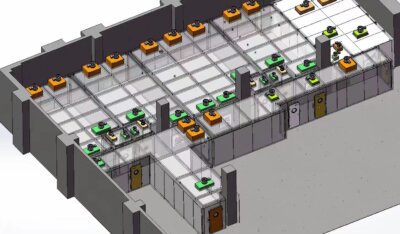
Rutin izleme tartışmaya açık değildir. Her yük, sterilant maruziyetini doğrulamak için bir kimyasal gösterge ve sürecin ölümcüllüğünü periyodik olarak sorgulamak için bir biyolojik gösterge (BI) içermelidir. Bu veriler kalite güvence programınızın bel kemiğini oluşturur ve denetime hazırlık için gereklidir. Ayrıca, entegre bir kontaminasyon kontrol ekosistemi oluşturarak hem cihaz işleme hem de oda biyolojik dekontaminasyon ihtiyaçlarına hizmet edebilecek ölçeklenebilir, modüler sistemleri içeren stratejik tesis planlamasını göz önünde bulundurun.
Sık Karşılaşılan Zorluklar ve Bunların Üstesinden Nasıl Gelinebileceği
Birincil Teknik Engel: Lümen Sterilizasyonu
Lümen sterilizasyonu en önemli teknik zorluk olmaya devam etmektedir. Buharın dar bir kanalın tüm uzunluğu boyunca yayılması gerekir ve sıkışan hava veya yoğuşma steril bir bariyer oluşturabilir. Difüzyon arttırıcılar veya darbeli basınç döngüleri gibi çözümler mevcuttur ancak karmaşıklık yaratmaktadır. Temel çözüm titiz, cihaza özgü doğrulamadır. Uyumluluğu varsayamazsınız; en kötü durumdaki konuma (tipik olarak en uzun, en dar lümendeki en uzak nokta) yerleştirilen BI'ları kullanarak bunu kanıtlamanız gerekir.
Nem ve Proses Hatalarının Üstesinden Gelme
Kalıntı nem nedeniyle döngünün durması, sık karşılaşılan bir operasyonel baş ağrısıdır. Bunun üstesinden gelmek için, sterilizasyon aşaması başlamadan önce personeli ıslak yük konusunda uyarabilecek gelişmiş nem algılama sistemlerine sahip ekipmanları seçin. Bu teknolojiyi sarsılmaz prosedür disiplini ile tamamlayın. Yeni lümen bazlı cihazlar için satın alma kararları, üreticiden VHP döngüsü uyumluluğunun açık ve yazılı olarak doğrulanmasını içermelidir; bunu satın alma kontrol listesinin zorunlu bir parçası olarak düşünün.
Operasyonel Kısıtlamalarda Gezinme
Diğer yaygın zorluklar arasında yük hacmini sınırlayan kısıtlayıcı hazne boyutları ve eğitimli operatörler gerektiren doğal süreç karmaşıklığı yer almaktadır. Çözüm, ileriye dönük planlamayı içerir. Hacminizle birlikte büyüyebilen ölçeklenebilir sistemler seçin ve tek seferlik sertifikasyon yerine sürekli yetkinlik bazlı eğitime yatırım yapın. Sektör uzmanları, iş akışınızı VHP'nin bir darboğaz değil, onaylanmış, güvenilir bir verim motoru olacağı şekilde tasarlamanızı önermektedir.
Sık Karşılaşılan Engellerin Ele Alınması
Aşağıdaki tabloda yaygın VHP uygulama zorlukları ve bunları hafifletmek için pratik stratejiler özetlenmektedir.
| Meydan Okuma | Birincil Neden | Önerilen Çözüm |
|---|---|---|
| Lümen Sterilizasyon Hatası | Buhar yoğunlaşması, sıkışmış hava | Belirli cihaz döngülerini doğrulama |
| Döngüsel Kürtaj | Yükte kalan nem | Titiz kurutma protokolleri uygulayın |
| Süreç Karmaşıklığı | Hassas parametre kontrolü gerekli | Gelişmiş izlemeye sahip sistemleri seçin |
| Oda Boyut Sınırları | Sabit ekipman boyutları | Ölçeklenebilir, modüler sistemler için plan yapın |
| Cihaz Uyumluluğu Belirsizliği | Üretici verilerinin eksikliği | Açık VHP uyumluluk doğrulaması gerektirir |
Kaynak: Teknik dokümantasyon ve endüstri spesifikasyonları.
Karmaşık Cihazlar ve Yükler için Sterilite Doğrulaması
Risk Tabanlı Bir Yaklaşım
Karmaşık yükler için validasyon, açık bir tepsiye BI yerleştirmenin ötesine geçen risk tabanlı bir strateji gerektirir. Yük içindeki “en kötü durum” senaryosunu, yani sterilantın ulaşmasının en zor olduğu cihaz veya konumu belirlemelisiniz. Lümenli setler için bu, en uzun ve en dar lümenin geometrik merkezine yerleştirilen BI'larla doğrulama yapmak anlamına gelir. Karışık yükler için zorluk, buhar penetrasyonunu en çok engelleyen veya yoğuşmayı destekleyen cihaz veya malzeme kombinasyonudur.
Ar-Ge Zincirine Erken Katılım
Cihaz üreticileri ve büyük sağlık hizmeti ağları için stratejik anlamı açıktır. VHP uyumluluğu ile etkileşim, sıcaklığa duyarlı yeni cihazlar için Ar-Ge aşamasının başlarında gerçekleşmelidir. Uygulanabilir bir sterilizasyon yolu olmadan devrim niteliğinde bir akıllı implant tasarlamak kritik bir başarısızlık noktasıdır. Mühendisler, tasarım sırasında VHP parametrelerini göz önünde bulundurarak sterilizasyon ölü alanları yaratan özelliklerden kaçınabilir ve VHP'yi tasarım sonrası bir kısıtlama yerine inovasyonu mümkün kılan bir unsur haline getirebilir.
Dokümantasyon ve Değişiklik Kontrolü
Doğrulama yapıldıktan sonra, belirli yük konfigürasyonu kontrollü bir parametre haline gelir. Yeni bir cihaz tipi eklenmesi, yönün değiştirilmesi veya ambalaj malzemesinin değiştirilmesi gibi herhangi bir değişiklik yeniden doğrulama değerlendirmesini tetikler. Tüm doğrulama protokollerinin, BI sonuçlarının ve yük diyagramlarının titizlikle belgelenmesini sağlayın. Bu belgelenmiş kanıtlar, düzenleyici denetimler sırasında birincil savunmanızdır ve kontrol durumunu sürdürmek için gereklidir.
Bir VHP Sterilizasyon Sisteminin Seçilmesi ve Bakımı
Temel Sorunları Çözen Özelliklere Öncelik Verme
Seçim kriterleri hazne boyutu ve döngü süresinin ötesine geçmelidir. Daha önce özetlenen temel zorlukları doğrudan ele alan özelliklere odaklanın. Maliyetli döngü arızalarını azaltmak için gelişmiş nem algılama özelliklerine sahip sistemlere öncelik verin. İşlediğiniz belirli lümen boyutları için onaylanmış döngülerin kullanılabilirliğini ve kapsamını değerlendirin. Yüke göre VHP konsantrasyonunu ve nemi dinamik olarak optimize eden akıllı kabin kontrolleri, üstün bir sistemin işaretidir.
Plazmanın Rolünü Anlamak
Birçok sistem bir plazma fazı içerir. Plazmanın rolünü doğru değerlendirmek çok önemlidir. Çoğu modern VHP sisteminde plazma, birincil sterilizasyon ajanı olarak değil, döngünün sonunda kalıntı hidrojen peroksiti hızla su ve oksijene parçalamak için bir güvenlik ve verimlilik özelliği olarak işlev görür. Birincil etkinlik farklılaştırıcısı olarak plazmaya dayalı bir sistem seçmeyin; sterilizasyon VHP maruziyeti ile sağlanır.
Uzun Vadeli Güvenilirliğin Sağlanması
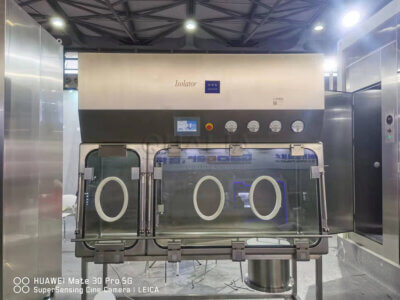
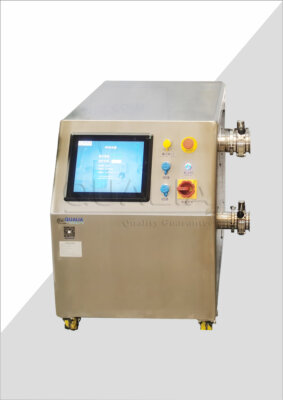
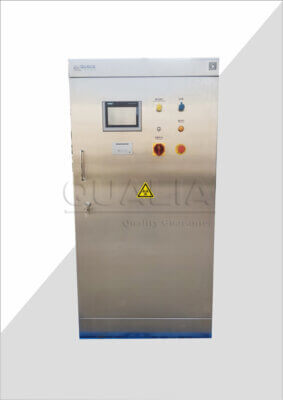
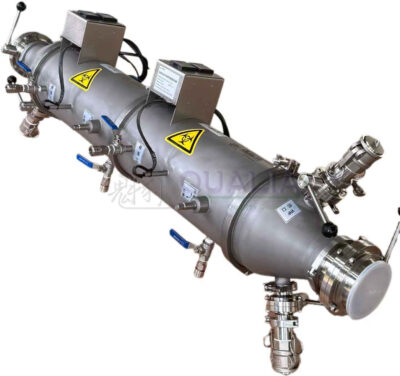
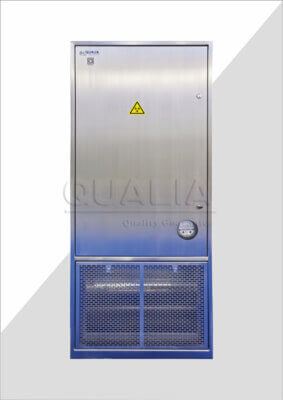
Satın alma sonrasında sistem güvenilirliği sıkı bir önleyici bakım (PM) programına bağlıdır. Vakum pompası ve katalitik konvertör, sınırlı ömürleri olan kritik bileşenlerdir. Üreticinin PM önerilerine istisnasız uyun. Sonuç olarak, FDA onaylı yetenekleri ve doğrulanmış döngü kitaplığı, tesisinizin mevcut cihaz karışımına ve özellikle aşağıdaki gibi genişleyen standartlar ışığında beklenen gelecekteki ihtiyaçlarına tam olarak uyan bir sistem seçin ANSI/AAMI ST91 endoskop işleme için. Seçeneklerini değerlendiren tesisler için, modern bir endoskop işleme tesisinin özelliklerini gözden geçirmek tip I buharlaştırılmış hidrojen peroksit jeneratörü tartışılan özellikler ve kontroller için somut bir referans sağlar.
Sistem Seçim Çerçevesi
Potansiyel VHP sterilizasyon sistemlerini değerlendirmek ve karşılaştırmak için aşağıdaki kriterleri bir çerçeve olarak kullanın.
| Seçim Kriterleri | Öncelik Verilecek Temel Özellik | Gerekçe |
|---|---|---|
| Süreç Kontrolü | Gelişmiş nem algılama | Çevrim arızalarını azaltır |
| Lümen İşleme | Boyutlar için onaylanmış döngüler | En kötü durumdaki zorlukları ele alır |
| Oda Yönetimi | Akıllı konsantrasyon kontrolleri | Etkinliği ve verimliliği optimize eder |
| Güvenlik ve Kalıntı | Katalitik konvertör işlevi | Hızlı, güvenli havalandırma sağlar |
| Bakım | Vakum pompaları için önleyici program | Sistem güvenilirliğini garanti eder |
Kaynak: ANSI/AAMI ST91. Endoskop işlemeye yönelik bu standart, karmaşık cihaz geometrileriyle uyumlu doğrulanmış sterilizasyon döngülerine duyulan ihtiyacı vurgulamakta ve bu tür yüklere yönelik sistemlerin seçim kriterlerini bildirmektedir.
Hidrojen peroksit sterilizasyonunu başarıyla uygulamak üç önceliğe bağlıdır: en kötü durumdaki cihaz yükleriniz için doğrulama yapmak, tavizsiz kurutma protokolleri uygulamak ve prosesin neme karşı doğal hassasiyetini yöneten kontrollere sahip ekipman seçmek. Bu yaklaşım, VHP'yi potansiyel bir darboğazdan şirket içi işleme için güvenilir, stratejik bir varlığa dönüştürür.
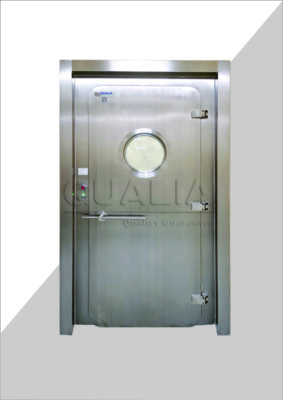
Tesisiniz için onaylanmış ve etkili bir hidrojen peroksit sterilizasyon programı tasarlama konusunda profesyonel rehberliğe mi ihtiyacınız var? Uzmanlarımız QUALIA gelişen düzenleyici ve operasyonel talepleri karşılamak için kontaminasyon kontrol çözümlerini uyarlama konusunda uzmanlaşmıştır. Cihaz sterilizasyonu veya oda biyo dekontaminasyonu konusundaki özel zorluklarınızı görüşmek için bizimle iletişime geçin.
Sıkça Sorulan Sorular
S: Bir hidrojen peroksit sterilizasyon prosesi için doğrulamamız gereken kritik teknik parametreler nelerdir?
C: Proses validasyonu, 10-⁶ Sterilite Güvence Seviyesi (SAL) elde etmek için buhar konsantrasyonu, maruz kalma süresi, sıcaklık, basınç ve nem üzerinde kontrol göstermelidir. Bu tipik olarak aşağıdakileri kullanarak aşırıya kaçan bir yaklaşım gerektirir Geobacillus stearothermophilus biyolojik göstergeler. Bu karakterizasyon için temel çerçeve şu şekilde tanımlanmıştır ISO 14937. Bu, doğrulama protokolünüzün ikincil özelliklere odaklanmak yerine bu belirli parametreler üzerinde kesin ve belgelenmiş kontrole sahip sistemlere öncelik vermesi gerektiği anlamına gelir.
S: AAMI ST91 standardı VHP sterilizasyonunun uygulanmasına yönelik iş durumunu nasıl etkiliyor?
A: Bu ANSI/AAMI ST91 Kılavuz, esnek endoskopun yeniden işlenmesinin yüksek seviyeli dezenfeksiyondan sterilizasyona taşınmasını önermektedir; bu da VHP gibi düşük sıcaklık teknolojilerinin benimsenmesini doğrudan hızlandırmaktadır. Bu durum, bu sistemlerin endoskopi süitlerine entegre edilmesi için açık bir düzenleyici itici güç oluşturmaktadır. Tesisinizde esnek endoskoplar işleniyorsa, artık VHP sistemi tedarikini ve doğrulamasını sadece teknik bir yükseltme olarak değil, bir uyumluluk gerekliliği olarak planlamalısınız.
S: VHP sterilizasyonunda en yaygın operasyonel darboğaz nedir ve bunu nasıl önleyebiliriz?
C: Birincil operasyonel darboğaz, sterilantı seyrelten ve işlemi iptal edebilen yükte kalan nem nedeniyle döngü arızasıdır. Bu durum, cihazların tamamen kuru olmasını ve temizlikten sonra titiz kurutma protokolleri uygulanmasını zorunlu kılar. Karmaşık, çok kanallı cihazları işlediğiniz projeler için, titiz kurutma konusunda personel eğitimine yatırım yapmayı planlayın ve maliyetli steril olmayan yükleri azaltmak için gelişmiş nem algılama özelliklerine sahip ekipman seçin.
S: Buharlaştırılmış hidrojen peroksit kullanarak uzun, dar lümenli cihazları sterilize edebilir miyiz?
C: Uzun, dar lümenlerin sterilize edilmesi, buhar yoğunlaşması ve sıkışan hava nedeniyle önemli bir teknik zorluk olmaya devam etmektedir ve bu da onu en olası başarısızlık noktası haline getirmektedir. Difüzyon arttırıcılar gibi çözümler mevcuttur ancak karmaşıklık yaratmaktadır. Her bir cihaz konfigürasyonu için lümen işlemeyi açıkça doğrulamanız ve satın alma sırasında cihaz üreticisinden VHP döngüsü uyumluluğu doğrulaması almanız gerekir. Bu, lümen bazlı cihazlarda uzmanlaşmış tesislerin kendi özel lümen boyutları için doğrulanmış döngülere sahip sistemlere öncelik vermesi gerektiği anlamına gelir.
S: Bir VHP sterilizasyon prosesini doğrulamak için en doğrudan uygulanabilir uluslararası standart hangisidir?
C: En doğrudan uygulanabilir standart şudur ISO 22441, Düşük sıcaklıkta buharlaştırılmış hidrojen peroksit sterilizasyonunun geliştirilmesi, doğrulanması ve rutin kontrolü için gereklilikleri belirler. ISO 14937'deki genel ilkeler üzerine inşa edilmiştir, ancak özellikle VH₂O₂ teknolojisine göre uyarlanmıştır. Doğrulama ana planınızı geliştirirken, düzenleyici kabulünü sağlamak için birincil referansınız olarak ISO 22441 ile uyumlu hale getirmelisiniz.
S: Yeni bir tesis için VHP sterilizasyon sistemi seçimimizi hangi temel faktör yönlendirmelidir?
C: Seçiminiz, temel zorlukları ele alan özelliklere sahip sistemlere öncelik vermelidir: gelişmiş nem algılama, özel cihaz karışımınız için onaylanmış döngüler (özellikle lümenler) ve akıllı oda kontrolleri. Plazmayı ana etkinlik faktörü olarak değil, öncelikle kalıntı parçalanması için bir güvenlik özelliği olarak değerlendirin. Bu, FDA onaylı yetenekleri mevcut cihaz hacminizle ve özellikle AAMI ST91 gibi standartlardan beklenen büyümeyle açıkça uyumlu olan bir satıcı seçmeniz gerektiği anlamına gelir.
S: Malzeme uyumluluğu VHP sterilizasyonunda neden kritik bir risk faktörüdür?
C: VHP çoğu polimer, metal ve cam ile uyumlu olsa da kağıt ve pamuk gibi selüloz malzemeler, tozlar ve sıvılarla temelde uyumsuzdur. Uyumsuz bir malzemenin kullanılması döngü hatasına veya daha kötüsü steril olmayan bir yüke neden olabilir. Bu nedenle Steril İşleme Departmanınız doğrulanmış bir Cihaz Uyumluluk Matrisini muhafaza etmeli ve sürekli olarak referans göstermelidir. Bu operasyonel disiplin, maliyetli yeniden işleme ve potansiyel hasta güvenliği olaylarını önlemek için gereklidir.
İlgili İçerikler:
- 8 Hidrojen Peroksit Buharının 2025 Yılındaki Faydaları
- Hidrojen Peroksit Buharı ile Sterilizasyon 2025
- VHP ve Geleneksel Sterilizasyon: 2025 Karşılaştırması
- Kapsamlı Hidrojen Peroksit Buhar Sistemleri
- VHP Teknolojisini Anlamak | Buharlaştırılmış Hidrojen Peroksit Sistemleri
- Gelişmiş Hidrojen Peroksit Buhar Teknolojisi 2025
- VHP Jeneratör Temelleri | Hidrojen Peroksit Sterilizasyon Temelleri
- VHP Jeneratörleri Nasıl Çalışır | Hidrojen Peroksit Sterilizasyon Süreci
- Kapsamlı Hibrit Hidrojen Peroksit Sistemleri