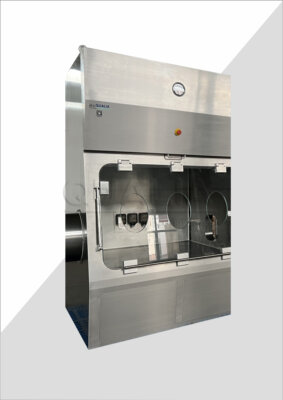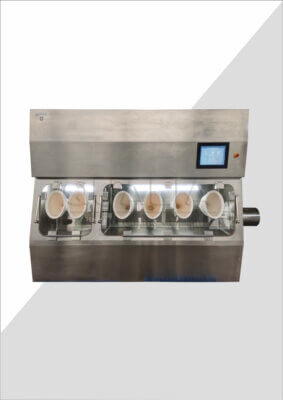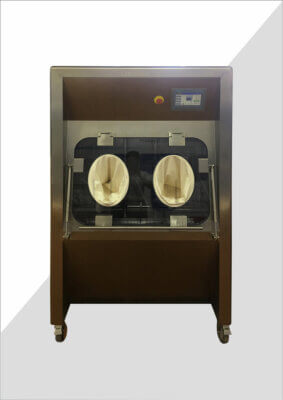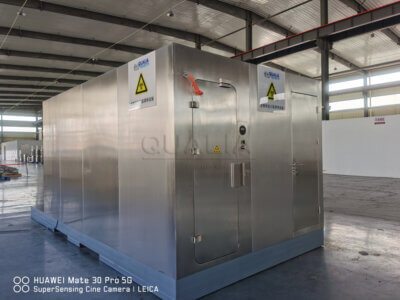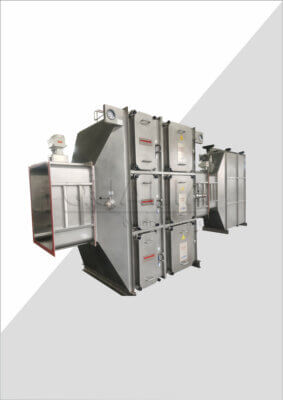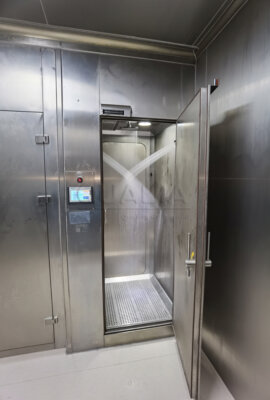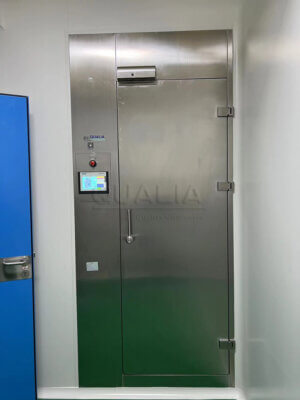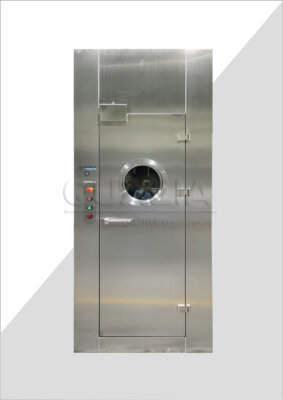
Mesleki Maruziyet Bandı (OEB) 4 ve 5 uygulamaları için doğru muhafaza teknolojisinin seçilmesi, yüksek riskli bir sermaye kararıdır. İzolatörler, Kısıtlı Erişim Bariyer Sistemleri (RABS) ve aşağı akış kabinleri arasındaki seçim tesis tasarımını, işletme maliyetlerini ve uzun vadeli uyumluluğu belirler. Temel performans ve finansal ödünleşimlerin yanlış anlaşılması, bir kuruluşu onlarca yıl boyunca optimal olmayan, maliyetli bir altyapıya kilitleyebilir.
2025 manzarası stratejik bir bakış açısı gerektiriyor. Düzenleyici baskı, özellikle de AB GMP Ek 1, bütünsel bir Kontaminasyon Kontrol Stratejisini vurgular. Bu, değerlendirmeyi basit ekipman satın alımından toplam sistem analizine kaydırır ve muhafaza güvencesini toplam sahip olma maliyeti ve tesis esnekliği ile tartar. Doğru karar hem operatör güvenliğini hem de kâr-zarar dengesini korur.
İzolatörler vs RABS vs Aşağı Akış Kabinleri: Temel Farklılıklar Tanımlandı
Bariyer Spektrumunun Tanımlanması
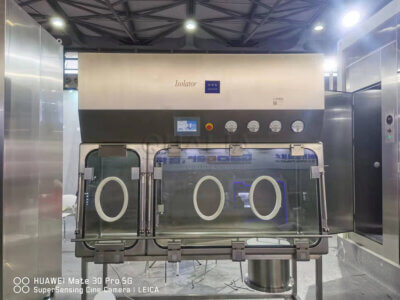
Temel fark, operatör ve proses arasındaki fiziksel ayrımın bütünlüğünde yatmaktadır. İzolatörler, muhafaza için negatif basınç altında çalışan, kendi kendine yeten ISO Sınıf 5 ortamına sahip, tamamen sızdırmaz, kapalı sistemlerdir. KKD'ye dayalı güvenlikten mühendislik ürünü pasif korumaya stratejik bir geçişi temsil ederler. RABS katı bir fiziksel bariyer sağlar, ancak çevresel kontrol için çevredeki B Sınıfı temiz odaya güvenerek hibrit bir model oluşturur. Bariyer olmadan yalnızca tek yönlü hava akışı kullanan aşağı akış kabinleri, prosedürel kontrollere bağlı açık sistemlerdir.
Operasyonel Felsefe ve Kontrol
Bu ayırma seviyesi operasyonel yaklaşımı belirler. İzolatörler, Buharlaştırılmış Hidrojen Peroksit (VHP) gibi otomatik dekontaminasyon döngülerine sahip bağımsız birimler olarak çalışır. RABS manuel müdahalelere ve dış odanın onaylanmış durumuna bağlıdır. Aşağı akış kabinleri en az kontrolü sunarak onları gerçek yüksek muhafaza uygulamaları için uygunsuz hale getirir. Endüstrinin kapalı işleme yönelmesi, izolatörün risk azaltmaya yönelik mühendislik ürünü, tekrarlanabilir yaklaşımının altını çizmektedir.
Tasarımda Kademeli Etki
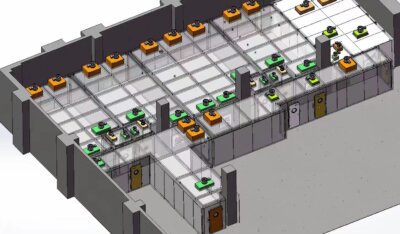
Seçilen felsefe, sonraki her kararda basamaklandırılır. Kapalı bir izolatör sistemi, çevredeki ortamın derecesinin düşürülmesini sağlar. Açık bir RABS tasarımı, yüksek dereceli bir temiz oda zarfını zorunlu kılar. Bu ilk mimari fark, inşaattan günlük operasyonlara kadar sonraki tüm maliyetler için yörüngeyi belirler. Tesis planlamamızda, muhafaza teknolojisinin sınıflandırmasıyla başlamanın tüm projeyi doğru bir şekilde kapsam altına almanın tek yolu olduğunu gördük.
Toplam Sahip Olma Maliyeti (TCO) Karşılaştırması: 2025 Analizi
Sermaye Harcamalarının Ötesine Geçmek
Mali gerekçelendirme, satın alma siparişinin çok ötesine uzanmalıdır. Entegre sistemler nedeniyle izolatörler en yüksek başlangıç fiyatına sahipken ve RABS orta düzeydeyken, TCO anlatısı zorlayıcı bir tersine çevirmeyi ortaya koymaktadır. Ana maliyet faktörü bariyerin kendisi değil, gerektirdiği temiz oda altyapısıdır. Yaygın bir hata, ekipman fiyatlarını tek başına karşılaştırmaktır; bu da milyonlarca avroluk operasyonel etkileri gizler.
Tesis Maliyet Transferi
İzolatörün en önemli finansal avantajı, tesisten makineye kritik bir maliyet aktarımı sağlamasıdır. Çevredeki temiz odanın Sınıf B'den Sınıf C'ye düşürülmesine izin vererek, önemli miktarda yinelenen tasarruf sağlar. Bunlar arasında çok daha büyük bir hacim için azaltılmış HVAC enerjisi, daha düşük önlük malzemesi maliyetleri ve daha az kapsamlı bir çevresel izleme programı bulunmaktadır. Sektör analizi sürekli olarak bu transferin geri ödeme modelinin özü olduğunu göstermektedir.
Uzun Vadeli Mali Profilin Analiz Edilmesi
Aşağıdaki tablo, izolatörlerin sağladığı stratejik finansal değişimi gösteren üst düzey TCO bileşenlerini ölçmektedir.
| Maliyet Bileşeni | İzolatör | RABS |
|---|---|---|
| İlk Sermaye Maliyeti | En yüksek | Orta düzeyde |
| Yıllık Operasyonel Tasarruflar | 1-1,3 milyon Avro | Hiçbiri |
| Temiz Oda Sınıfı Gerekli | C Sınıfı | B Sınıfı |
| Anahtar TCO Geri Ödeme | Yıllar içinde | N/A |
Kaynak: Teknik dokümantasyon ve endüstri spesifikasyonları.
Buna karşılık, RABS, sistemin ömrü boyunca tam bir B Sınıfı süitin yüksek işletme maliyetlerini kilitlemektedir. Aşağı akış kabinleri, en düşük sermaye harcamasına sahip olmakla birlikte, OEB 4-5 için kabul edilemez bir operasyonel risk oluşturmakta ve potansiyel uyumsuzluk ve çapraz kontaminasyon olayları nedeniyle etkin TCO'larını sonsuz hale getirmektedir.
OEB 4 ve OEB 5 Uygulamaları için Performans Karşılaştırması
Onaylanmış Sınırlama Seviyeleri
Muhafaza performansı pazarlık konusu olmayan bir faktördür. İzolatörler, 0,1 µg/m³'ün altında onaylanmış seviyelere ulaşabilen OEB 5 için kesin seçimdir. Bunun için üçlü HEPA/ULPA filtreleme ve yedekli güvenlik sistemleri gibi gelişmiş mühendislik gerekir ki bunlar 1 µg/m³'ün altında Mesleki Maruz Kalma Limitleri olan bileşikler için gereklidir. OEB 4 için yüksek performanslı kapalı RABS (cRABS) uygun olabilir, ancak izolatörler önemli bir güvenlik marjı ve giderek daha katı hale gelen standartlara karşı geleceğe dönük koruma sağlar.
Kritik Zafiyetlerin Belirlenmesi
Hem izolatörler hem de RABS için ortak olan bir performans açığı, dinamik bir tek arıza noktası olan eldiven portu bütünlüğüdür. Sektör uzmanları artık bu riski azaltmak için rutin doğrulama için otomatik, bağımsız basınç bozunma test cihazlarını önermektedir. Aşağı akış kabinleri açık erişimleri nedeniyle her iki grup için de önerilmemektedir; sadece hava akışına dayanmaları gereken doğrulanmış muhafazayı sağlayamaz. Hava akışı modellerini karşılaştırdık ve küçük oda bozukluklarının bir aşağı akış kabininin muhafaza bölgesini kolayca tehlikeye atabileceğini gördük.
Uygunluk Karar Çerçevesi
Aşağıdaki tabloda her bir teknolojinin performans uygunluğu özetlenmekte ve yüksek güçlü uygulamalar için net sınırlar vurgulanmaktadır.
| Performans Metriği | İzolatör | RABS | Aşağı Akış Kabini |
|---|---|---|---|
| OEB 5 Uygunluk | Kesin seçim | Uygun değil | Tavsiye edilmez |
| OEB 4 Uygunluk | Yüksek güvenlik marjı | Mümkün (cRABS) | Tavsiye edilmez |
| Onaylanmış Sınırlama Seviyesi | < 0,1 µg/m³ | Sınırlı | Onaylanmadı |
| Kritik Güvenlik Açığı | Eldiven bağlantı noktası bütünlüğü | Eldiven bağlantı noktası bütünlüğü | Açık erişim tasarımı |
Kaynak: AB GMP Ek 1: Steril Tıbbi Ürünlerin İmalatı. Bu kılavuz, teknolojilerin amaçlanan koruma seviyeleri için seçilmesini ve doğrulanmasını gerektiren ve her bir bariyer tipinin belirli OEB bantları için uygunluğunu doğrudan bildiren bir Kontaminasyon Kontrol Stratejisini zorunlu kılar.
Steril ve Potent İşleme için Hangi Teknoloji Daha İyi?
Başvuruya Göre Öncelik
Birincil hedef teknoloji önceliğini belirler: aseptik dolum için sterilite güvencesi ve güçlü bileşik kullanımı için operatör koruması. İzolatörler onaylanmış, kapalı bir ortam sağlayarak her iki alanda da benzersiz bir şekilde üstünlük sağlar. Entegre otomatik VHP döngüleri, 10^-6'lık tekrarlanabilir bir Sterilite Güvence Seviyesi (SAL) sunarak aseptik işleme için katı düzenleyici beklentileri doğrudan ele alır.
Sterilite Güvencesi Zorluğu
Steril uygulamalar için izolatörün kapalı tasarımı ve otomatik biyo-dekontaminasyonu, manuel temizliğe ve B Sınıfı odanın sterilliğine dayanan RABS ile ulaşılamayan bir kontrol seviyesi sağlar. Bu da operatör müdahalesinden kaynaklanan daha yüksek kontaminasyon riskini beraberinde getirir. Aşağı akış kabinleri kritik aseptik operasyonlar için güvenceli sterilite sunmaz ve onları daha düşük riskli hazırlık görevleriyle sınırlar.
Güçlü Bileşik Zorunluluğu
Güçlü API'ler için bir izolatörün sızdırmaz muhafazası çok önemlidir. CRABS OEB 4 muhafazası için yapılandırılabilirken, OEB 5 için izolatörler gereklidir ve OEB 4 için daha sağlam bir çözüm sağlar. Tüm malzeme transferleri sırasında muhafazayı sürdürme yeteneği, genellikle onaylanmış hızlı transfer port sistemleri, kritik bir farklılaştırıcıdır. Aşağı akış kabinleri, açık tasarımları nedeniyle yüksek potensli malzeme işleme için kategorik olarak yetersizdir.
Tesis ve Altyapı Etkisi: Temiz Oda Gereksinimleri ve Tasarruflar
Tesis Mimarisinin Belirlenmesi
Muhafaza seçimi, temelde tesis ölçeğini ve karmaşıklığını belirler. Bir izolatörün seçilmesi, tasarımı dönüştürerek daha küçük, daha düşük sınıf (C Sınıfı) bir temiz oda ayak izi sağlar. Bu, inşaat maliyetlerini, HVAC kapasitesini ve genel tesis enerji profilini ilk günden itibaren azaltır. Doğrulama çabası, oda ortamından izolatör sisteminin kendisine stratejik olarak yeniden tahsis edilir.
RABS Altyapı Yükü
Buna karşılık, RABS, tüm ilgili altyapısıyla birlikte tam, pahalı bir B Sınıfı temiz oda muhafazası gerektirir - daha yüksek hava değişim oranları, sıkı basınç kademeleri ve kapsamlı izleme. Bu, odanın kendisi için daha yüksek bir doğrulama yükü ile daha büyük, daha enerji yoğun bir tesis yaratır. Bu da izolatörleri daha kompakt, sürdürülebilir ve operasyonel açıdan yalın tesis tasarımları için stratejik bir olanak haline getirmektedir ki bu da sıfırdan yapılan projelerde önemi giderek artan bir faktördür.
Proje Zaman Çizelgesi Etkileri
Ancak proje zaman çizelgeleri, izolatörler için gerekli olan genişletilmiş entegrasyon ve Fabrika Kabul Testlerini (FAT) hesaba katmalıdır. HVAC ve VHP jeneratörleri de dahil olmak üzere karmaşık entegre sistemleri, saha kurulumundan önce kapsamlı doğrulama gerektirir. Standart bir temiz odaya RABS entegrasyonu daha geleneksel bir program izleyebilirken, bu uzatılmış teslim süresini planlamak proje gecikmelerini önlemek için çok önemlidir.
Operasyonel Maliyetler Karşılaştırıldı: Giydirme, İzleme ve Enerji
Yinelenen Maliyet Etkenleri
Yinelenen operasyonel giderler izolatörün uzun vadeli avantajını sağlamlaştırır. Bir izolatörü çevreleyen C Sınıfı ortam, önlük giyme karmaşıklığını ve malzeme maliyetlerini büyük ölçüde azaltır. Operatörler, RABS süitleri için zorunlu olan tam B Sınıfı önlüğe kıyasla daha az kapsamlı kıyafetlere ihtiyaç duyarlar. Bu da hem sarf malzemesi maliyetlerini hem de önlük giyme/çıkarma süresini azaltarak operasyonel verimliliği artırır.
İzleme ve Enerji Tüketimi
Çevresel izleme kapsamı ve sıklığı da önemli ölçüde azaltılmıştır. Kontrollü izolatörün iç kısmı birincil izleme odağı haline gelir ve bir B Sınıfı süitte gerekli olan kapsamlı oda tabanlı EM'nin çoğunun yerini alır. En büyük fark enerji tüketimidir; bir izolatörün yerelleştirilmiş, daha küçük ölçekli HVAC'ı, bir B Sınıfı odanın tüm hacmini 7/24 koşullandırmak ve filtrelemekten çok daha verimlidir.
Operasyonel Farklılıkların Ölçülmesi
Bu alanlardaki bileşik tasarruflar, TCO geri ödemesinin özünü oluşturur. Aşağıdaki tablo devam eden operasyonel profilleri karşılaştırmaktadır.
| Operasyonel Alan | İzolatör (C Sınıfı Oda) | RABS (B Sınıfı Oda) |
|---|---|---|
| Giydirme Karmaşıklığı ve Maliyeti | Büyük ölçüde azaltılmış | Kapsamlı, yüksek maliyetli |
| Çevresel İzleme Kapsamı | Önemli ölçüde azaltıldı | Tam oda EM gerekli |
| Birincil Enerji Tüketimi | Yerelleştirilmiş, verimli HVAC | Tam oda HVAC 7/24 |
| Yinelenen Maliyet Profili | Stratejik operasyonel varlık | Yüksek, kilitli yük |
Kaynak: Teknik dokümantasyon ve endüstri spesifikasyonları.
Temel Seçim Kriterleri: İlk Sermaye Yatırımının Ötesinde
Çok Faktörlü, Risk Tabanlı Bir Karar
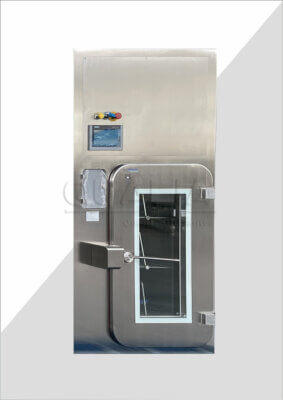
Seçim, muhafaza seviyesi, proses ihtiyaçları ve yaşam döngüsü stratejisinin dengelenmesini gerektirir. Temel kriterler arasında otomatik biyolojik kontaminasyon gerekliliği, proses entegrasyon karmaşıklığı ve Hızlı Transfer Portları (RTP'ler) aracılığıyla kapalı malzeme transferi kapasitesi yer alır. RTP'lerin doğrulanması ve kullanımı temel bir unsurdur; bütünlükleri, malzeme taşıma sırasında kapalı bir sistemin sürdürülmesi için ana bariyer kadar kritiktir.
Geleceğe Hazırlama ve Esneklik
Geleceğe hazırlık hayati önem taşıyan ancak genellikle göz ardı edilen bir kriterdir. Bir ürün hattı daha yüksek potenslere veya farklı formülasyonlara doğru evrilebilir. Aşağıdaki gibi standartlara göre üretilmiş modüler izolatör tasarımlarına öncelik vermek ISO 14644-7, bu değişikliklerin üstesinden gelmek için yeniden yapılandırmaya olanak tanıyarak sermaye yatırımını korur. Bu stratejik esneklik, önemli proses değişiklikleriyle kullanılmaz hale gelebilen sabit RABS kurulumlarında tipik olarak yoktur.
Entegrasyon Karmaşıklığı Faktörü
Süreç entegrasyonunun karmaşıklığı da bir diğer önemli seçicidir. Sık müdahalelerin yapıldığı yüksek otomasyonlu süreçler, izolatörün etkileşimleri standartlaştıran kapalı, eldiven tabanlı erişiminden faydalanabilir. Daha basit, daha az sıklıkta gerçekleştirilen süreçler ise bir RABS'a yerleştirilebilir. Karar, operatörlerin beceri setini ve seçilen bariyer içindeki her etkileşimi nitelemek için gereken doğrulama çabasını hesaba katmalıdır.
Kararınızı Uygulamak: Doğrulama ve Geçişte Dikkat Edilecek Hususlar
Proje Planlama ve Teslim Süreleri
Başarılı uygulama, özel planlama gerektirir. İzolatör projeleri, FAT, saha entegrasyonu ve VHP gibi karmaşık döngülerin doğrulanması için daha uzun teslim süreleri gerektirir. Operasyonel karmaşıklığı azaltmak için, izolatör ve temel proses ekipmanını tek bir satıcıdan uyumlu bir hat olarak tedarik etmeyi düşünün. Bu, sorunsuz birlikte çalışabilirlik sağlar ve aşağıdaki gibi kılavuzlarda belirtildiği gibi doğrulama yükünü basitleştirir PIC/S PI 014-3.
Doğrulama Çalışmalarının Odağı
Doğrulama odağı önemli ölçüde farklılaşmaktadır. İzolatörler için çaba, sistemin kendisine odaklanır - sızıntı testi, hava akışı görselleştirme ve dekontaminasyon döngüsü etkinliği. RABS için, kalifikasyon ağırlıklı olarak daha büyük B Sınıfı ortamı içerir. Kapsamdaki bu değişim, projenin başlangıcından itibaren doğrulama ana planına ve kaynak tahsisine yansıtılmalıdır.
Rutin İşlemleri Yönetme
Partiler veya ürünler arasındaki geçiş prosedürleri izolatör içinde daha titizdir ancak oda temizliğinin azaltılmasıyla dengelenir. Kapsamlı bir uygulama planı, özellikle eldiven bütünlük testi olmak üzere kritik rutin işlemler için onaylanmış protokolleri içermelidir. Aşağıdaki tabloda temel uygulama faktörleri karşılaştırılmaktadır.
| Uygulama Faktörü | İzolatör | RABS |
|---|---|---|
| Proje Teslim Süresi | Daha uzun (FAT, entegrasyon) | Standart |
| Doğrulama Odağı | Karmaşık sistem döngüleri (örn. VHP) | B sınıfı çevre |
| Ekipman Tedarik Stratejisi | Tek satıcı önerilir | Birden fazla tedarikçi mümkün |
| Parti Değiştirme Titizliği | Daha titiz iç süreçler | Azaltılmış iç mekan, daha fazla oda temizliği |
Kaynak: PIC/S PI 014-3: Aseptik işleme ve sterilite testi için kullanılan izolatörler. Bu kılavuz, RABS ile karşılaştırıldığında proje zaman çizelgelerini ve validasyon planlamasını doğrudan etkileyen otomatik biyo-dekontaminasyon döngüleri de dahil olmak üzere izolatör sistemleri için spesifik validasyon beklentilerini detaylandırmaktadır.
OEB 4-5 için izolatörler ve RABS arasındaki karar yalnızca teknik değil, stratejiktir ve bir tesisin uzun vadeli operasyonel ve finansal modeline bağlıdır. Temiz oda küçültmelerinden elde edilen tesis tasarruflarını yakalayan bir toplam sahip olma maliyeti analizine öncelik verin. Hem mevcut hem de beklenen potens seviyelerini karşılayan doğrulanmış muhafaza performansı konusunda ısrarcı olun ve yatırımınızı gelecekteki proses değişikliklerine karşı koruyan modüler bir tasarım seçin.
Potansiyel bileşik kullanımınıza göre uyarlanmış yüksek muhafazalı bir izolatör stratejisi uygulamak için profesyonel rehberliğe mi ihtiyacınız var? Mühendislik ekibi QUALIA sermaye yatırımını uzun vadeli operasyonel verimlilikle uyumlu hale getiren onaylanmış muhafaza çözümlerini entegre etme konusunda uzmanlaşmıştır. Bize Ulaşın özel OEB 4 veya OEB 5 başvuru gereksinimlerinizi görüşmek için.
Sıkça Sorulan Sorular
S: Bir izolatörün Toplam Sahip Olma Maliyeti, bir RABS'ye kıyasla daha yüksek olan başlangıç fiyatını nasıl haklı çıkarır?
C: TCO avantajı, çevresel kontrol maliyetlerinin tesisten makineye aktarılmasından kaynaklanmaktadır. İzolatörler, çevredeki bir temiz odanın B Sınıfından C Sınıfına düşürülmesine izin vererek, Batı pazarlarında HVAC enerjisinin azaltılması, önlük giyme ve izleme sayesinde yıllık 1-1,3 milyon € tutarında yinelenen tasarruf sağlar. Bu operasyonel geri ödeme, sermaye yatırımını birkaç yıl içinde dengeleyebilir. Uzun vadeli operasyonel verimliliğin öncelikli olduğu projeler için izolatörün TCO modelinin onu bir maliyet merkezinden stratejik bir varlığa dönüştürmesini bekleyin.
S: OEB 5 bileşikleri için izolatörler ve RABS arasındaki kritik doğrulama ve performans farkları nelerdir?
C: İzolatörler, üçlü HEPA/ULPA filtreleme ve yedekli güvenlik sistemleri ile 0,1 µg/m³'ün altında onaylanmış muhafaza sağlamak üzere tasarlanmış OEB 5 için kesin seçimdir. Kapalı tasarımları ve otomatik dekontaminasyon döngüleri, aşağıda belirtildiği gibi hem sterilite hem de operatör koruması için katı düzenleyici beklentileri doğrudan destekler AB GMP Ek 1. Bu, Mesleki Maruz Kalma Limitleri 1 µg/m³'ün altında olan bileşikleri işleyen tesislerin izolatörlere öncelik vermesi gerektiği anlamına gelir, çünkü RABS bu bant için gerekli doğrulanmış muhafaza bütünlüğünden yoksundur.
S: Eldiven bağlantı noktaları bariyer sistemlerinin muhafaza bütünlüğünü nasıl etkiler ve bu risk nasıl yönetilir?
C: Eldiven bağlantı noktaları, herhangi bir bariyer sisteminin muhafazası için dinamik bir tek arıza noktasıdır. Manuel kontroller yetersiz olduğundan, bütünlükleri otomatik, bağımsız basınç bozunma test cihazları kullanılarak rutin olarak doğrulanmalıdır. Bu özel risk azaltma, operasyonel yeterliliğin kritik bir parçasıdır. Operasyonunuz güvenilir OEB 4 veya 5 muhafaza gerektiriyorsa, otomatik eldiven bütünlüğü testini en başından itibaren standart işletim prosedürlerinize entegre etmeyi ve doğrulamayı planlayın.
S: Steril ürünlerin aseptik dolumu için bir RABS kullanılabilir mi ve temel sınırlamalar nelerdir?
C: Evet, özellikle kapalı RABS (cRABS) aseptik işleme için yapılandırılabilir. Bununla birlikte, manuel temizliğe ve çevredeki B Sınıfı temiz odanın sterilliğine güvenirler, bu da bir izolatörün otomatik biyo-dekontaminasyonuna kıyasla daha yüksek bir kontaminasyon riski sunar. Performansları aynı şekilde yönetilir AB GMP Ek 1 ancak uyumluluğu farklı, operatöre daha bağımlı yollarla sağlar. Bu, en yüksek sterilite güvence seviyesine (10^-6 SAL) ve tekrarlanabilirliğe öncelik veren tesislerin izolatörlerin daha sağlam bir çözüm sunmasını beklemesi gerektiği anlamına gelir.
S: Bir izolatör seçmek RABS kurulumuna kıyasla tesis tasarımında ne gibi avantajlar sağlar?
C: İzolatörler, çevredeki temiz odanın daha küçük, daha düşük sınıf (C Sınıfı) bir alan olarak tasarlanmasına olanak tanıyarak temelde farklı bir tesis mimarisi sağlar. Bu, inşaat maliyetlerini, HVAC kapasitesini ve genel tesis enerji profilini azaltır. Doğrulama yükü oda ortamından izolatör sisteminin kendisine kayar. Bu, ayak izi ve uzun vadeli enerji tasarrufunun kısıtlamalar olduğu yeni yapılar veya yenilemeler için izolatörlerin daha kompakt ve sürdürülebilir tesis tasarımları için stratejik bir kolaylaştırıcı görevi gördüğü anlamına gelir.
S: Yeni bir izolatör hattının uygulanması ve doğrulanması için dikkat edilmesi gereken temel hususlar nelerdir?
C: İzolatör uygulaması, fabrika kabulü, saha entegrasyonu ve Buharlaştırılmış Hidrojen Peroksit gibi karmaşık döngülerin doğrulanması için daha uzun teslim süreleri gerektirir. Birlikte çalışabilirlik riskini azaltmak için, izolatör ve çekirdek proses ekipmanını tek bir satıcıdan uyumlu bir hat olarak tedarik edin. İzolatör kalifikasyonuna ilişkin ayrıntılı rehberlik için PIC/S PI 014-3. Agresif zaman çizelgeleri olan projeler için bu genişletilmiş entegrasyon ve doğrulama aşamasını erkenden planlamalı ve teknik aktarımı basitleştiren satıcı ortaklıklarını göz önünde bulundurmalısınız.
S: Muhafaza seviyesinin ötesinde, bariyer teknolojisine yaptığımız yatırımı geleceğe taşımak için hangi kriterleri kullanmalıyız?
C: Otomatik dekontaminasyon ihtiyacına, süreç entegrasyon karmaşıklığına ve yaşam döngüsü uyarlanabilirliğine öncelik verin. Kapalı malzeme transferi için Hızlı Transfer Portlarının (RTP'ler) onaylanmış kullanımı, ana bariyer seçimi kadar kritiktir. Modüler bir izolatör tasarımının seçilmesi, gelecekteki ürün boru hatlarını ve potenslerini işlemek için yeniden yapılandırmaya olanak tanır. Bu, ürün portföyünüzün veya potens gereksinimlerinizin değişme olasılığı varsa, sermaye yatırımınızı korumak için sabit kurulumlar yerine esnek, modüler sistemleri tercih etmeniz gerektiği anlamına gelir.
İlgili İçerikler:
- Tesisiniz İçin En İyi RABS'ı Ortaya Çıkarın
- İlaç Üretiminde Mevzuata Uygunluk ve Kapalı RABS
- Sterilitenin Korunması: cGMP Uyumluluğunda Kapalı RABS'ın Rolü
- Kapalı RABS: İlaçta Aseptik İşlemede Devrim Yaratıyor
- Biyoteknolojide Kapalı RABS: Aseptik İşlemede İlerleme
- Kapalı RABS Uygulamasının Maliyet ve Faydalarının Tartılması
- Kapalı RABS'ın Uygulanması: Aseptik İşlemede Mükemmelliğin Sağlanması
- Sterilitenin Korunması: İlaç Üretiminde Kapalı RABS'ın Kritik Rolü
- Üretimde Devrim Yaratıyor: Kapalı RABS Entegrasyonu