
Bir temiz oda veya muhafaza uygulaması için doğru kapı contasını seçmek, yüksek riskli bir teknik karardır. Şişirilebilir ve sıkıştırılabilir contalar arasındaki seçim uzun vadeli performansı, operasyonel güvenilirliği ve toplam maliyeti belirler. Birçok tedarik ekibi, yalnızca aktif bir şişirilebilir sistemin doğrulanmış muhafaza sağlayabileceği kritik performans eşiklerini potansiyel olarak göz ardı ederek alışılmış sıkıştırma contalarını tercih etmektedir.
Bu karar, giderek daha sıkı düzenleyici standartlar ve sertifikalı performans sonuçlarının tedarik edilmesine doğru bir kayma tarafından yönlendirilmektedir. Bu teknolojiler arasındaki sekiz temel farkın anlaşılması, hem mevcut operasyonel ihtiyaçları hem de gelecekteki uyumluluk taleplerini karşılayan bir kapı sisteminin belirlenmesi için çok önemlidir.
Şişirilebilir ve Sıkıştırmalı Conta: Temel Çalışma Prensipleri Karşılaştırıldı
Aktivasyon Mekanizmasının Tanımlanması
Operasyonel ayrım aktivasyon ile başlar. Sıkıştırmalı conta pasif, mekanik bir sistemdir. Kapının mandallama kuvveti ile çerçeveye karşı kalıcı olarak deforme olan katı bir elastomer conta kullanır. Şişirilebilir conta aktif, pnömatik bir sistemdir. İçi boş boru şeklindeki bir profil, kapı kapatıldıktan sonra basınçlı hava ile şişerek eşit sızdırmazlık basıncı oluşturur. Bu temel fark - pasif sıkıştırmaya karşı aktif şişirme - farklı risk profilleri yaratır. Sıkıştırma contasının kullanımdan bağımsız olması önemli bir avantajken, şişirilebilir contanın performansı güvenilir temiz havaya ve güce bağlıdır ve bu da tesisin tasarımına dahil edilmesi gereken sistem bağımlılıklarını ortaya çıkarır.
Operasyonel Risk ve Sistem Bağımlılığı
Bu temel çalışma prensibi tüm sistemin risk profilini belirler. Bir sıkıştırma keçesinin basitliği, arızanın tipik olarak kademeli bir mekanik aşınma sorunu olduğu anlamına gelir. Şişirilebilir bir contanın karmaşıklığı, riski destek sistemlerine kaydırır. Hava basıncı veya kontrol mantığı kaybı, contanın anında arızalanmasına neden olabilir. Sektör spesifikasyonlarından elde edilen araştırmalara göre, bu durum dikkatli bir acil durum planlaması gerektirmektedir. Tesisler, bir sıkıştırma keçesinin pasif mekanik bütünlüğüne mi öncelik vereceklerine yoksa kritik bir şişirilebilir keçe sistemi için gerekli olan kesintisiz güç kaynakları ve pnömatik yedeklemeler gibi güvenilirlik mühendisliğine mi yatırım yapacaklarına karar vermelidir.
Toplam Sahip Olma Maliyeti (TCO): Sermaye ve Operasyonel Giderler
İlk Satın Alma Fiyatının Ötesinde Değerlendirme
Gerçek bir maliyet analizi, tam bir yaşam döngüsü perspektifi gerektirir. Sıkıştırma contalı kapılar tipik olarak daha düşük bir sermaye harcaması sunar. Pnömatik kontroller, sensörler veya karmaşık entegrasyon içermezler. Şişirilebilir conta sistemleri, conta, hava hazırlama üniteleri, valfler ve genellikle programlanabilir mantık denetleyicisini (PLC) kapsayan daha yüksek bir ilk yatırım gerektirir. Ancak işletme giderleri farklı bir hikaye anlatır. Maliyet profili sermayeden, iki teknoloji arasında önemli ölçüde farklılık gösteren devam eden operasyonel ve bakım hususlarına kayar.
Yaşam Döngüsü Maliyet Etkenleri
Uzun vadeli maliyet etkenleri temelde farklıdır. Sıkıştırma keçeleri için birincil işletme maliyeti, sürekli aşınmadan kaynaklanan aşamalı yıpranma nedeniyle keçenin kendisinin daha sık değiştirilmesidir. Şişirilebilir contalar için işletme maliyetleri arasında yardımcı tesisler (basınçlı hava) ve aktif kontrol sisteminin izlenmesi yer alır, ancak minimum aşınma nedeniyle conta gövdesi genellikle daha uzun ömürlüdür. Kritik ve genellikle göz ardı edilen bir ayrıntı da kurulum karmaşıklığıdır. Yüksek performanslı kapı setlerinin alt çerçeveler ve kontrollerle özel entegrasyonu, tesisleri OEM'in Planlı Önleyici Bakım programlarına kilitleyerek uzun vadeli servis bağımlılıkları yaratabilir. Satıcı güvenilirliği, TCO hesaplamasının önemli bir parçası haline gelir.
Karşılaştırmalı TCO Dağılımı
Aşağıdaki tabloda her bir sızdırmazlık teknolojisinin kullanım ömrü boyunca başlıca maliyet bileşenleri karşılaştırılmaktadır.
| Maliyet Bileşeni | Sıkıştırma Contası | Şişirilebilir Conta |
|---|---|---|
| Sermaye Maliyeti | Daha düşük ilk yatırım | Daha yüksek ilk yatırım |
| Birincil Operasyonel Maliyet | Sık conta değişimi | Basınçlı hava ve izleme |
| Sistem Karmaşıklığı | Basit mekanik sistem | Pnömatik kontroller ve PLC |
| Hizmet Ömrü Faktörü | Aşınmadan kaynaklanan progresif aşınma | Minimum aşınma, daha uzun ömür |
| Uzun Süreli Bağımlılık | Daha düşük sistem bağımlılığı | Satıcı kilitli bakım programları |
Kaynak: Teknik dokümantasyon ve endüstri spesifikasyonları.
Hangi Conta Üstün Sızdırmazlık Direnci ve Hava Geçirmezlik Sağlar?
Baskı Altında Performans
Muhafaza bütünlüğünün tartışılmaz olduğu uygulamalar için şişirilebilir contalar üstün, sertifikalandırılabilir performans sağlar. Uyguladıkları ayarlanabilir, eşit basınç, küçük çerçeve düzensizliklerini ve kapı eğrilmelerini telafi ederek aşırı sızıntı direnci sağlar. Bu özellik genellikle 2000 Pa'ya kadar basınç farkları için belirtilir, bu da onları BSL-3/4 laboratuvarları veya sıkı basınç farkı süitleri gibi yüksek muhafaza ortamları için zorunlu kılar. Sıkıştırma contaları sağlam bir pasif bariyer sağlar, ancak conta sıkıştırma seti veya hizalama kaymaları nedeniyle etkinlikleri zamanla azalabilir ve bu da onları en zorlu uygulamalar için daha az uygun hale getirir.
Sertifikalı Sonuçlara Geçiş
Bu performans ayrımı, net düzenleyici eşikler tarafından yönlendirilmektedir. Pazar, bileşen tedarikinin ötesine geçerek onaylanmış sistem performansına doğru ilerlemektedir. Tüm kapı tertibatı - conta, kanat, kasa ve duvar arayüzü - belirli bir hava geçirmezlik standardını garanti etmek için tek bir ünite olarak tasarlanmalı ve test edilmelidir. Aşağıdaki gibi standartlar ISO 10648-2 sızdırmazlık için sınıflandırma ve test yöntemleri sağlayarak bu doğrulama için temel oluşturur. Bu standarda göre tedarik, teslim edilen sistemin sadece varsayılan bir bileşen kapasitesini değil, belgelenmiş performans gereksinimini karşılamasını sağlar.
Kaçak Direnç Performans Verileri
İki conta tipi arasındaki ölçülebilir performans farkları aşağıdaki karşılaştırmada gösterilmektedir.
| Performans Metriği | Sıkıştırma Contası | Şişirilebilir Conta |
|---|---|---|
| Kaçak Direnci | Sağlam pasif conta | Üstün, ayarlanabilir basınç |
| Basınç Diferansiyeli | Standart uygulamalar | 2000 Pa'ya kadar kapasite |
| Çerçeve Düzensizliği Telafisi | Sınırlı | Mükemmel tazminat |
| Performans Doğrulama | Bileşen düzeyinde | Sertifikalı sistem sonucu |
| Tipik Uygulama | Genel muhafaza | BSL-3/4, sıkı süitler |
Kaynak: ISO 10648-2: Muhafaza muhafazaları - Bölüm 2: Sızdırmazlığa göre sınıflandırma ve ilgili kontrol yöntemleri. Bu standart, yüksek muhafaza uygulamalarında şişirilebilir conta sistemlerinin üstün hava geçirmezlik iddialarını doğrulamak için temel oluşturan sızdırmazlık için sınıflandırma ve test yöntemleri sağlar.
Kapının Çalışması ve Mekanik Yük: Donanım ve Aşınma Üzerindeki Etkisi
Kapanıştaki Kuvvet Gereksinimleri
Sızdırmazlık prensibi, kapıyı çalıştırmak için gereken fiziksel çabayı belirler. Sıkıştırma contalı bir kapının katı contaya karşı kapanmaya zorlanması gerekir ve bu da önemli bir kilitleme kuvveti gerektirir. Bu eylem conta üzerinde anında sürtünme ve aşınma yaratır. Şişirilebilir bir conta kapısı, minimum çaba gerektiren sönük, uyumlu bir profile karşı kapanır. Ana sızdırmazlık kuvveti yalnızca şişirme yoluyla kapatıldıktan sonra uygulanır. Çalışmadaki bu temel fark, donanım seçimi ve kapı tertibatının uzun vadeli dayanıklılığı üzerinde basamaklı etkilere sahiptir.
Donanım Stresi ve Uzun Ömürlülük
Kapatma sırasında gereken kuvvet, ilgili donanımı gerektirir. Sıkıştırma contaları, tekrarlanan yüksek gerilime dayanmak için ağır hizmet tipi menteşeler, kapatıcılar ve mandallar gerektirir ve bu da binlerce döngüde daha fazla mekanik aşınmaya yol açar. Şişirilebilir contalar daha hafif, daha az sağlam çalıştırma mekanizmalarının kullanılmasına izin vererek gerilimi azaltır ve donanımın hizmet ömrünü uzatır. Yüksek trafikli tesislerle yaptığımız karşılaştırmalarda, kapı konfigürasyonunun trafik düzeninin doğrudan bir fonksiyonu olması gerektiğini gördük. Yüksek frekanslı trafiğe sahip kapılar sıkıştırma sistemlerinin sağlam basitliğinden faydalanırken, değişken ekipman barındırması gereken veya çok kolay kullanım gerektiren kapılar şişirilebilir contanın operasyonel avantajını haklı çıkarabilir.
Operasyonel Etki Analizi
Sızdırmazlık teknolojisinin kapı çalışması ve donanımı üzerindeki doğrudan etkisi aşağıda özetlenmiştir.
| Operasyonel Faktör | Sıkıştırma Contası | Şişirilebilir Conta |
|---|---|---|
| Kapanış Gücü Gerekli | Önemli kilitleme kuvveti | Kapatmak için minimum çaba |
| Donanım Gereksinimi | Ağır hizmet tipi menteşeler ve mandallar | Daha hafif, daha az sağlam donanım |
| Mekanik Stres | Montaj üzerinde yüksek stres | Mekanizmalar üzerinde düşük baskı |
| Aşınma Sürücüsü | Sürekli kazıma ve sıkıştırma | Kapanış sonrası enflasyon |
| Uygunluk | Yüksek frekanslı trafik kapıları | Değişken ekipmanları barındıran kapılar |
Kaynak: Teknik dokümantasyon ve endüstri spesifikasyonları.
Bakım Rejimleri ve Uzun Vadeli Hizmet Ömrü Karşılaştırıldı
Farklı Bakım Felsefeleri
Her bir sistem için bakım yaklaşımı, sistemin çalışma prensibiyle uyumludur. Sıkıştırma contası bakımı dokunsal ve görseldir: yırtıklar, sıkıştırma seti ve yüzey bozulması için düzenli inceleme. Aşınma ilerleyicidir ve planlı conta değişimine yol açar. Şişirilebilir conta bakımı sistemiktir. Destek sistemine odaklanır: hava basıncının izlenmesi, filtre-kurutucu temizliğinin sağlanması ve kontrol mantığı işlevselliğinin doğrulanması. Contanın kendisi çok az operasyonel aşınma yaşar, ancak bir delinme veya kontrol hatası nedeniyle arıza ani olabilir.
Kestirimci Bakımın Yükselişi
Akıllı izlemenin entegrasyonu, şişirilebilir contaları pasif bileşenlerden akıllı sistemlere dönüştürmektedir. Basınç sensörleri ve PLC'ler, öngörücü bakım uyarıları ve gerçek zamanlı bütünlük doğrulaması sağlar; bu da aşağıdaki gibi standartlar altında düzenlenmiş ortamlar için çok önemlidir BS EN 12469 güvenlik dolapları için. Bu dijital gözetim, uyumluluk açısından önemli bir değer katmakla birlikte bakım rejimine bir teknik karmaşıklık katmanı da ekler. Seçim genellikle kaynak tahsisine bağlıdır: tesisler bir pnömatik kontrol sisteminin bakımını yapacak teknik yeterliliğe sahip olmalı veya bunu uzman bir satıcıya yaptırmalıdır.
Temiz Oda Uyumluluğu: Yıkama Eşikleri ve Temizlenebilirlik
Eşik Tasarımı ve Kirletici Kontrolü
Kirletici içermeyen bir ortamın korunması, kapı contası da dahil olmak üzere her tasarım unsurunu belirler. Şişirilebilir contalar, gerçek anlamda aynı hizada eşikler sağlayarak burada üstünlük sağlar. Söndürüldüğünde conta tamamen geri çekilerek kesintisiz zemin devamlılığı sağlar. Bu, takılma tehlikelerini ortadan kaldırır, çatlaklarda parçacık sıkışmasını önler ve tekerlekli arabaların ve ekipmanların zahmetsizce geçişine izin verir. Sıkıştırma contaları genellikle kirletici maddeleri barındırabilen ve düzgün trafik akışını engelleyebilen yükseltilmiş bir dudak veya görünür conta çizgisi oluşturur.
Malzeme Seçimi ve Partikül Üretimi
Geometrinin ötesinde, conta malzemesinin kendisi de kritik önem taşır. Çalışma sırasında bir sıkıştırma contasının sürekli sürtünmesi, conta malzemesinden potansiyel olarak önemli bir kontaminasyon kaynağı olan partiküller üretebilir. Şişirilebilir contalar minimum operasyonel sürtünmeye sahiptir. Malzeme bilimi çok önemlidir; conta elastomer seçimi belirli bir tehdit için tasarlanmalıdır. Temiz odalar için silikon, genel kullanım için EPDM ve kimyasal direnç için FKM standarttır. Malzemenin yanlış hizalanması erken sistem arızasına neden olabilir. Aşağıdaki gibi yönergeler IEST-RP-CC012.3 temiz oda tasarımı için bu temizlenebilirlik ve malzeme uyumluluğu ilkelerini vurgulamaktadır.
Temiz Oda Özellik Karşılaştırması
Her bir conta tipinin temiz oda gereksinimleriyle uyumluluğu aşağıdaki tabloda ayrıntılı olarak açıklanmıştır.
| Temiz Oda Özelliği | Sıkıştırma Contası | Şişirilebilir Conta |
|---|---|---|
| Eşik Profili | Yükseltilmiş dudak veya conta hattı | Söndürüldüğünde gerçekten aynı hizada |
| Kirletici Tuzaklanması | Potansiyel barınma noktası | Partikül tuzaklarını ortadan kaldırır |
| Sepet Trafiği | Tekerlekli arabaları engelleyebilir | Kesintisiz zemin sürekliliği |
| Partikül Üretimi | Conta malzemesinden kaynaklanan sürtünme | Minimum operasyonel sürtünme |
| Malzeme Seçim Anahtarı | Kirletici tehdidi için elastomer | Temiz odalar için silikon |
Kaynak: IEST-RP-CC012.3: Temiz Oda Tasarımında Dikkat Edilecek Hususlar. Bu tavsiye edilen uygulama, hava kilitleri ve kapı contaları gibi bileşenlerin sifon eşikleri ve temizlenebilirliğinin kritik olduğu oda bütünlüğüne yönelik hususlar da dahil olmak üzere temiz odalara yönelik tasarım ilkelerini özetlemektedir.
Arıza Emniyetli Durumlar: Güvenlik ve Muhafaza için Mühürlü ve Mühürsüz
Arıza Durumunun Tanımlanması
Arıza emniyeti durumu (elektrik veya şebeke kesintisi sırasında contanın durumu), güvenlik ve muhafaza protokolleri üzerinde önemli etkileri olan kritik bir farklılaştırıcıdır. Şişirilebilir bir mühür için, hava basıncı kaybı deflasyona neden olur; arıza emniyetli durum mühürsüz. Sıkıştırma contası için, kapı mandallanmışsa, kendi konumunda kalır. mühürlü bir arıza sırasında durum. Bu temel değiş tokuş, tesis risk değerlendirmesi sırasında net bir önceliklendirmeyi zorunlu kılar.
Risk Azaltma ve Acil Durum Planlaması
Bir muhafaza senaryosunda, şişirilebilir bir contanın mühürsüz hale gelmesi büyük bir risktir. Bu durum, bir arıza sırasında bütünlüğü korumak için kilitli kontrol sistemleri, acil durum güç yedekleri (UPS) veya pnömatik akümülatör üniteleri gibi mühendislik önlemleri gerektirir. Ancak acil çıkış için bu sönme, kapıların kolayca itilerek açılmasını sağlayan bir güvenlik avantajıdır. Bir sıkıştırma contasının varsayılan olarak sızdırmaz olması muhafazayı korur ancak mandal devre dışı bırakılamazsa kaçışı engelleyebilir. Seçim, acil durum planlarını, güvenlik protokollerini ve gerekli sistem yedekliliği seviyesini doğrudan şekillendirir, bu da spesifikasyon aşamasında pazarlık konusu olmayan bir tartışma noktası haline getirir.
Doğru Mühürün Seçilmesi: Bir Temiz Oda Uygulaması Karar Çerçevesi
Üç Adımlı Spesifikasyon Süreci
Nihai seçim, genel bir tercih değil, uygulama odaklı bir karardır. Bu yapılandırılmış çerçeveyi kullanın. İlk olarak, pazarlık konusu olmayan performans gereksinimini tanımlayın. Aşırı hava geçirmezlik (>1000 Pa) veya resmi muhafaza doğrulaması gerekli mi? Evet ise, şişirilebilir bir conta tipik olarak zorunludur. İkinci olarak, operasyonel bağlamı analiz edin. Trafik sıklığını, bir yıkama eşiğinin gerekliliğini ve tesisin şebeke arızası için risk toleransını değerlendirin. Üçüncü olarak, yaşam döngüsü yönetim kabiliyetlerini değerlendirin. Pnömatik bir sistemin bakımı için kurum içi kaynakların mevcut olup olmadığını veya daha basit bir mekanik sistemin tercih edilip edilmeyeceğini belirleyin.
Karmaşıklık ve Gelecek Trendleri
Her iki teknolojinin de sınırlamalarının kabul edilemez olduğu niş uygulamalarda - örneğin hem kolay kullanım hem de garantili muhafaza gerektiren çok ağır kapılarda - hibrit ’şişirilebilir“ çözümler mevcuttur, ancak önemli karmaşıklık ve maliyet ekler. Ayrıca, ilaç ve biyoteknoloji alanında artan mevzuat sıkılığı, doğrulanmış, izlenebilir şişirilebilir sistemlere prim kazandırmaya devam etmektedir. Projeniz kritik açıklıklar için garantili performans gerektirdiğinde, tasarlanmış pnömati̇k contali kapi si̇stemleri̇ gerekli bir adımdır. Nihayetinde, sadece bir bileşen değil, kanıtlanmış yaşam döngüsü desteğine sahip bir satıcı tarafından desteklenen sertifikalı bir performans sonucu tedarik edin.
Şişirilebilir ve sıkıştırma contaları arasındaki karar üç önceliğe bağlıdır: onaylanmış muhafaza performansı, operasyonel risk profili ve toplam yaşam döngüsü maliyeti. Kritik muhafaza için, şişirilebilir bir sistemin sertifikalandırılabilir hava geçirmezliği genellikle pazarlık konusu değildir. Yüksek trafikli, hizmetten bağımsız uygulamalar için sağlam bir sıkıştırma contası en uygun seçenek olabilir. Doğru seçim, teknolojinin doğal yeteneklerini tesisin özel performans eşikleri ve bakım felsefesi ile uyumlu hale getirir.
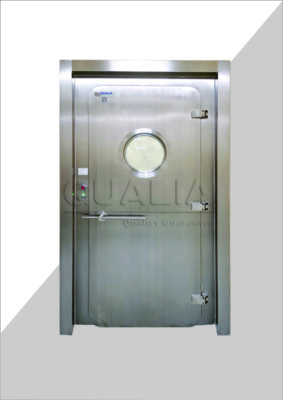
Temiz odanız veya laboratuvar ortamınız için doğru yalıtım çözümünü belirlemek üzere profesyonel rehberliğe mi ihtiyacınız var? Mühendislik ekibimiz QUALIA uygulama gereksinimlerini onaylanmış kapı sistemi performansına dönüştürme konusunda uzmanlaşmıştır. Projenizin özel basınç farkı, uyumluluk ve operasyonel ihtiyaçlarını görüşmek için bizimle iletişime geçin.
Sıkça Sorulan Sorular
S: Bir BSL-3 laboratuvarı için muhafaza kapısı sisteminin hava geçirmezliğini nasıl doğruluyorsunuz?
C: Doğrulama, tüm kapı tertibatının - conta, kanat, kasa ve duvar arayüzü - belirli bir performans standardına göre tek bir birim olarak test edilmesini gerektirir. Sınıflandırma ve test yöntemleri şu şekilde tanımlanır ISO 10648-2, Bu da sızdırmazlık için gerekli çerçeveyi sağlar. Bu, yüksek muhafazalı uygulamalar için genellikle 2000 Pa'ya kadar olan gerekli basınç farkını karşıladığını garanti etmek için yalnızca tek tek bileşenleri değil, sertifikalı bir performans sonucuna sahip bir kapı sistemi satın almanız gerektiği anlamına gelir.
S: Şişirilebilir ve sıkıştırmalı keçeler arasındaki temel bakım farkları nelerdir?
C: Basınçlı conta bakımı, fiziksel incelemeye ve aşınmış elastomer contanın planlı olarak değiştirilmesine odaklanır. Şişirilebilir conta bakımı, hava basıncının, filtre temizliğinin ve kontrol mantığının izlenmesini gerektiren pnömatik destek sistemine kayar. Tesisinizde şişirilebilir contalar kullanılıyorsa, gerçek zamanlı bütünlük kontrolleri için entegre basınç sensörleri ve PLC'ler kullanarak kestirimci bakım planlayın; bu hem değer katar hem de teknik gözetim karmaşıklığı yaratır.
S: Tekerlekli arabaların bulunduğu yüksek trafikli bir temiz oda için hangi conta tipi daha iyidir?
C: Şişirilebilir contalar yüksek trafikli temiz odalar için üstündür çünkü söndürüldüklerinde aynı hizada bir eşik sağlarlar. Bu, takılma tehlikelerini ortadan kaldırır ve sorunsuz araba geçişine izin verir, oysa sıkıştırma contaları genellikle parçacıkları hapseden yükseltilmiş bir dudak oluşturur. Temizlenebilirliğin ve trafik akışının kritik olduğu projeler için, şişirilebilir contanın geri çekilebilir tasarımı, aşağıdaki gibi kılavuzlarda belirtildiği gibi birincil seçim kriteri olmalıdır IEST-RP-CC012.3.
S: Bir şebeke arızası şişirilebilir bir sızdırmaz kapının güvenlik durumunu nasıl etkiler?
C: Bir güç veya hava basıncı kaybı sırasında, şişirilebilir bir conta sönerek onu mühürsüz bir arıza emniyetli duruma getirir. Bu bir muhafaza ihlali riski oluşturur ancak acil durum çıkışına yardımcı olur. Bu, muhafaza için şişirilebilir contalar kullanan tesislerin, bir olay sırasında conta bütünlüğünü korumak için UPS üniteleri veya pnömatik geçersiz kılma sistemleri gibi kilitli yedeklemeler uygulaması gerektiği anlamına gelir ve tesisinizin risk değerlendirmesini ve acil durum protokollerini doğrudan şekillendirir.
S: Sıkıştırmalı conta ne zaman şişirilebilir contadan daha uygun bir seçimdir?
C: Daha düşük hava geçirmezlik gereksinimleri, yüksek şebeke güvenilirliği endişeleri olan veya ilk sermaye maliyetini ve sistem karmaşıklığını en aza indirmenin çok önemli olduğu uygulamalar için bir sıkıştırma contası seçin. Pasif, mekanik çalışması, hizmet bağımsızlığı sunar. İşletmeniz basitliğe öncelik veriyorsa ve pnömatik bir kontrol sisteminin bakımı için değil, yalnızca periyodik conta değişimi için kaynaklara sahipse, sıkıştırma contası muhtemelen daha pratik bir çözümdür.
S: Bir şişirilebilir conta sistemi için toplam sahip olma maliyetinin daha yüksek olmasının nedeni nedir?
C: Daha yüksek TCO, pnömatik kontroller, hava hazırlama, sensörler ve entegrasyona yapılan ilk yatırımın yanı sıra kamu hizmetleri ve sistem izleme için devam eden maliyetlerden kaynaklanmaktadır. Contanın kendisi daha uzun ömürlü olsa da, özel kurulum genellikle satıcının bakım programlarına uzun vadeli bağımlılık yaratır. Şişirilebilir contaları düşünen projeler için, satın alma fiyatının yanı sıra satıcı desteğinin yaşam döngüsü maliyetini ve basınçlı hava kaynağınızın güvenilirliğini de hesaba katın.
S: Conta seçimleri çalışan bir kapının mekanik donanımını nasıl etkiler?
C: Sıkıştırma contaları, katı contayı deforme etmek için önemli bir mandallama kuvveti gerektirir, bu da zaman içinde daha fazla strese dayanan ağır hizmet tipi menteşeler ve kapatıcılar gerektirir. Şişirilebilir contalar, kapının sönük bir profile karşı kolayca kapanmasını sağlayarak daha hafif donanıma izin verir. Bu, çok yüksek döngü sayıları için planlama yapan tesislerin, sıkıştırma sistemleri için gereken daha ağır donanımın uzun vadeli aşınma ve değiştirme maliyetlerini değerlendirmesi gerektiği anlamına gelir.
İlgili İçerikler:
- APR Kapı Pnömatik Contaları Nedir ve Nasıl Çalışır?
- Pnömatik APR Kapı Contası Performans Ölçütleri | Teknik Özellikler
- Endüstriyel Pnömatik Kapı Contaları | Teknik Gereksinimler | Standartlar
- Pnömatik APR Kapı Contası Teknolojisini Anlamak
- Pnömatik Contalı APR Kapılar: Endüstriyel Uygulamalar için Eksiksiz Kılavuz
- Pnömatik APR Kapı Contaları Maliyet | Fiyatlandırma Kılavuzu | ROI Analizi
- Endüstriyel APR Kapı Contaları | Satın Alma Rehberi | Spesifikasyon Karşılaştırması
- APR Kapı Contası Alternatifleri | Universal Pneumatic Solutions
- Laboratuvar APR Kapı Pnömatik Contaları | Muhafaza Çözümleri