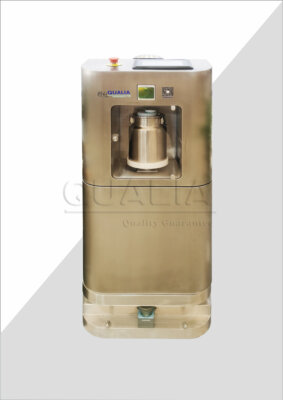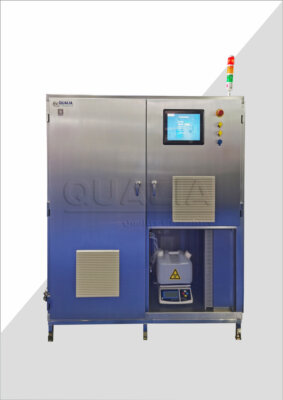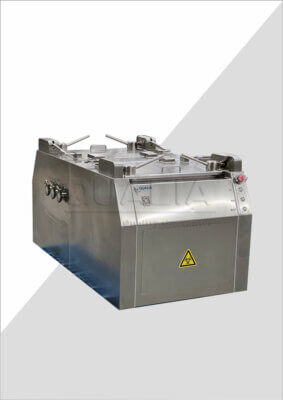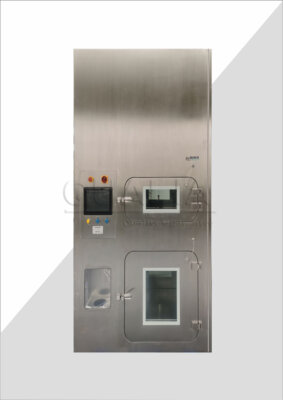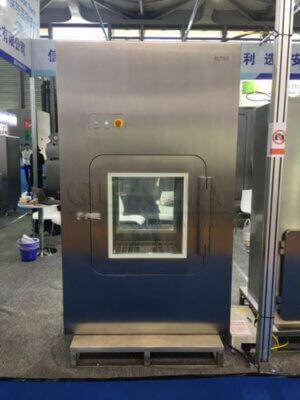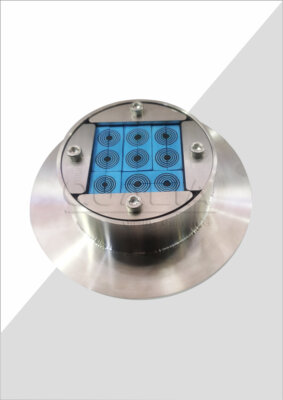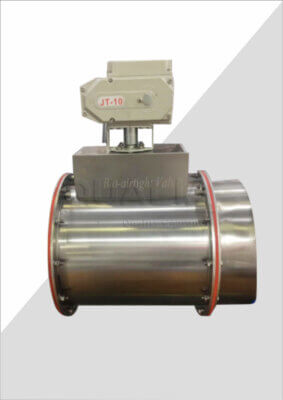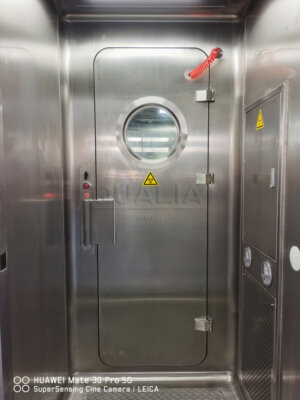
BSL-3 hayvan tesislerinde aerosolle bulaşan ajanlar için özel ekipman seçimi, yüksek riskli bir sermaye kararıdır. Yaygın bir hata, mühendislik kontrollerinin prosedürlere ek olarak ele alınması ve birincil muhafazaya az yatırım yapılmasına yol açmasıdır. Bu yaklaşım gizli uyum boşlukları ve kabul edilemez risk maruziyeti yaratır. Doğru yol, temel bir değişim gerektirir: ekipmanı, tesis tasarımını ve operasyonel uygulanabilirliği belirleyen birincil, tartışılmaz savunma katmanı olarak görmek.
Bu seçim süreci, gelişen mevzuat incelemesi ve aerosol bazlı araştırma modellerinin artan karmaşıklığı nedeniyle artık kritik önem taşımaktadır. Muhafaza, dekontaminasyon ve hayvan refahına yönelik katı standartların yakınsaması, entegre bir tedarik stratejisi gerektirmektedir. Buradaki yanlış adımlar sadece maliyetleri artırmakla kalmaz, aynı zamanda bir tesisi amaçlanan araştırma için çalışamaz hale getirebilir, bu da uzun vadeli proje başarısı için metodik, standartlara dayalı bir yaklaşımı gerekli kılar.
BSL-3'te Aerosol Ekipmanı için Temel Seçim Kriterleri
Risk Değerlendirme Yetkisinin Tanımlanması
Ekipman seçimi, genel bir ajan sınıflandırmasıyla değil, prosedüre özgü bir risk değerlendirmesiyle başlar. Bu değerlendirme bulaşıcı dozu, ajanın çevresel stabilitesini ve planlanan her bir faaliyetin aerosol üretme potansiyelini ölçmelidir. Sektör uzmanları, muhafaza cihazlarının kesin performans gereksinimlerini tanımlamak için bu granüler analizi önermektedir. Örneğin stabilite faktörünün göz ardı edilmesi, yetersiz dekontaminasyon döngüsü sıklığına yol açarak artık risk yaratabilir.
Ekipman Hiyerarşisinin Oluşturulması
Risk değerlendirme çıktısı zorunlu bir ekipman hiyerarşisi oluşturur. Mühendislik kontrolleri, BMBL kılavuzunda yer alan bir ilke olan birincil savunmadır. Bu, yüksek bütünlüklü birincil muhafazaya yapılan sermaye yatırımını hem uyumluluk hem de temel risk azaltma açısından tartışılmaz hale getirir. Seçim kriterleri, her bir ekipmanın doğrulanabilir muhafaza sağladığını, zorlu dekontaminasyona dayandığını ve ikincil bariyerlerle entegre olduğunu teyit etmelidir. Tedarik yaklaşımlarını karşılaştırdık ve bu hiyerarşi ile başlayan projelerin, yenilemelerden kaçınarak 30% doğrulamasını daha hızlı tamamladığını gördük.
Kriterlerden Teknik Şartnameye
Bu temel yaklaşım çok katmanlı bir savunma sağlar. Önemli olan, soyut risk faktörlerini satıcılar için somut, satın alınabilir teknik şartnamelere dönüştürmektir.
| Risk Faktörü | Önemli Hususlar | Ekipman Uygulaması |
|---|---|---|
| Bulaşıcı Doz | Ajana özgü eşik | Muhafaza seviyesini tanımlar |
| Aerosol Stabilitesi | Çevresel kalıcılık | Dekontaminasyon sıklığını belirler |
| Prosedür Riski | Aerosol üretme potansiyeli | Birincil muhafaza türünü zorunlu kılar |
Kaynak: Teknik dokümantasyon ve endüstri spesifikasyonları.
Temel Mühendislik Kontrolleri: BSC'ler ve Birincil Muhafaza
Sertifikalı BSC'lerin Merkezi Rolü
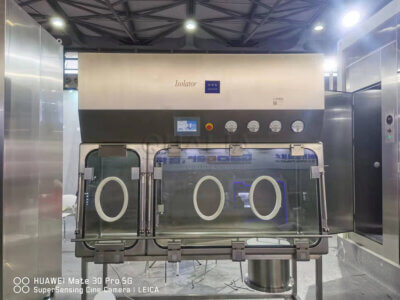
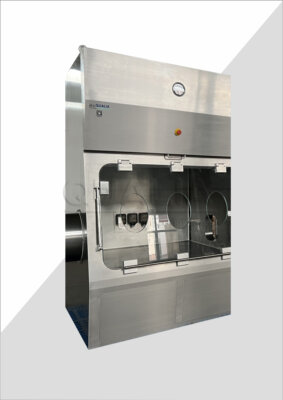
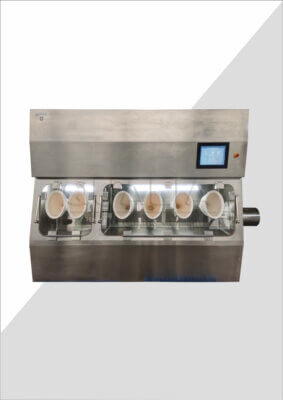
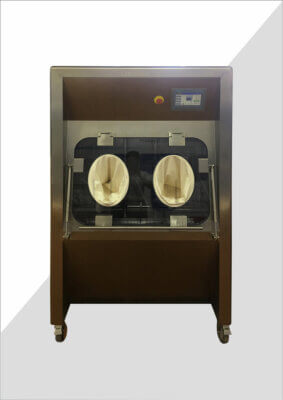
Biyolojik Güvenlik Kabinleri temel taşıdır. Çoğu aerosol prosedürü için, sertifikalı Sınıf II kabinleri NSF/ANSI 49-2022 personel, ürün ve çevre koruması sağlar. Bununla birlikte, yüksek riskli aerosol üretimi veya yüksek konsantrasyonlu malzemelerin manipülasyonu için, Sınıf III BSC'ler (eldiven kutuları) gaz geçirmez, tam muhafaza sistemleri olarak gereklidir. Sıklıkla gözden kaçan bir ayrıntı, kabinin oda HVAC ile entegrasyonudur; uygun olmayan egzoz dengelemesi muhafazayı tehlikeye atabilir.
Yardımcı Prosedür Güvenliği
Birincil muhafaza BSC'nin ötesine uzanır. Santrifüjleme veya karıştırma gibi prosedürler, bu yardımcı görevler sırasında aerosol salınımını önlemek için sızdırmaz rotorlar ve kapalı sistem kaplar gerektirir. Tesis denetimlerinden elde edilen araştırmalara göre, potansiyel maruziyet olaylarının çoğu ana muhafaza cihazının dışındaki bu aktarım ve işleme adımları sırasında meydana gelmektedir. Bu yardımcı ekipman isteğe bağlı değildir; mühendislik kontrol stratejisinin kritik bir uzantısıdır.
Satın Alma Rehberi Olarak Performans Standartları
Bunun stratejik anlamı açıktır: Bu kontroller, laboratuvar tasarımını şekillendiren önemli bir sermaye harcamasını temsil eder. Bunların seçimine açık performans standartları rehberlik etmelidir.
| Muhafaza Tipi | Birincil Uygulama | Temel Performans Standardı |
|---|---|---|
| Sınıf II BSC | Çoğu aerosol prosedürü | NSF/ANSI 49-2022 |
| Sınıf III BSC (Glovebox) | Yüksek riskli aerosol üretimi | Gaz geçirmez tam muhafaza |
| Mühürlü Santrifüj Rotorları | Yardımcı görev güvenliği | Kapalı sistem çalışması |
Kaynak: NSF/ANSI 49-2022. Bu, BSL-3 laboratuvarlarında birincil muhafaza için gerekli olan Sınıf II biyogüvenlik kabinlerinin tasarımını, yapımını ve performansını kapsayan Biyogüvenlik Kabinleri için birincil Amerikan ulusal standardıdır.
Aerosol Muhafazası için Hayvan Kafes ve Barınaklarının Seçilmesi
Birincil Muhafaza Kafeslemesinin Zorunluluğu
Bulaşıcı hayvanlardan kaynaklanan çevresel kontaminasyon riski nedeniyle muhafaza kafes düzeyinde başlamalıdır. Enfekte hayvanların açık kafeslerde barındırılmasına, model kesin olarak dökülmediği sürece izin verilmez. Gerekli çözüm, filtre kapaklı katı duvar kafesler veya HEPA filtreli besleme ve egzoz ile ayrı ayrı havalandırılan kafes raf (IVC) sistemleri gibi birincil muhafaza kafesleridir. Bu, aerosolleri ve partikülleri kaynağında yakalar.
Tesis Genelinde Tasarım Üzerindeki Etkisi
Bu karar, tesis genelindeki riski ve operasyonel karmaşıklığı doğrudan etkiler. Örneğin, HEPA filtreli IVC raflarının seçilmesi, ön maliyeti ve bakımı artırır ancak oda düzeyinde mühendislik kontrolleri üzerindeki yükü önemli ölçüde azaltır. Aynı zamanda aynı alan içinde izin verilen eş zamanlı araştırmaların kapsamını da etkiler. Deneyimlerime göre, tesisin HVAC kapasitesini net bir şekilde anlamadan kafesleme yapmak yaygın bir proje darboğazıdır.
Temel Biyogüvenlik Tercihi Olarak Kafesleme
Hayvan modeli ve kafes seçimi sadece bir hayvancılık kararı değil, temel bir biyogüvenlik kararıdır. Çalışma tasarımı esnekliği ile muhafaza güvencesini dengeler.
| Kafesleme Sistemi | Çevreleme İlkesi | Tesis Etkisi |
|---|---|---|
| Açık Kafes | Tüy dökenler için izin verilmez | Dökülmeyen model olmadığı sürece yasaktır |
| Masif duvar + Filtre Kapağı | Kaynakta birincil muhafaza | Oda düzeyinde kontrol yükünü azaltır |
| HEPA filtreli IVC Rafı | Bireysel havalandırma kontrolü | Operasyonel karmaşıklığı artırır |
Kaynak: Teknik dokümantasyon ve endüstri spesifikasyonları.
Aerosol Mücadele Sistemleri: Entegrasyon ve Güvenlik Protokolleri
Hassas Pozlama için Kapalı Sistemler
İnhalasyon çalışmaları için kasıtlı aerosol üretimi, sadece baş veya sadece burun maruziyet odaları gibi özel, kapalı sistemler gerektirir. Bunlar kontaminasyonu sınırlar ve hassas dozimetri sağlar. Nebülizerler, partikül örnekleyiciler ve maruz kalma odaları dahil olmak üzere tüm aerosol üretim ve dağıtım platformu, ideal olarak Sınıf III BSC olan bir birincil muhafaza cihazı içinde çalıştırılmalıdır. Bu entegrasyon personel güvenliği için tartışılmazdır.
Çok Ajanlı İş Akışı Sürtünmesini Yönetme
Ortak alanlarda birden fazla ajanı ele almaya yönelik protokoller, katı zamansal ayrım ve titiz dekontaminasyon gerektirir. Bu da önemli bir iş akışı sürtüşmesi yaratır. Çoklu ajan araştırması yürüten tesisler için, çapraz kontaminasyonu önlemek amacıyla sofistike mimari bölgeleme ve zamanlama yazılımlarına yatırım yapılmasını gerektirir. Kolayca gözden kaçan ayrıntılar arasında bu aerosol sistemlerinin karmaşık iç tesisatı için dekontaminasyon doğrulaması yer alır.
Karmaşık Sistemler için Doğrulama Yükü
Karmaşık test ekipmanları için dekontaminasyon döngülerinin doğrulanması kritik bir yol öğesidir. Laboratuvarlar genellikle biyolojik göstergeler kullanarak üretici tarafından sağlanan doğrulama verilerine güvenebilir ve teknik yükü tedarikçilere aktarabilir. Bu durum, tedarikçinin doğrulama dosyasının titizlikle değerlendirilmesini, bu yüksek riskli sistemler için tedarik sürecinin önemli bir parçası haline getirmektedir.
Tesis Entegrasyonu ve İkincil Muhafaza Gereklilikleri
Merkezi Sinir Sistemi Olarak HVAC
Özel ekipmanlar tesisin ikincil muhafaza zarfı içinde çalışmalıdır. HVAC sistemi merkezidir, mutlak yönlü içe doğru hava akışı gerektirir, devridaim yoktur ve egzozda HEPA filtreleme gerektirir. ANSI/ASSP Z9.5-2022. Kapasitesi, tüm muhafaza cihazlarının ilave ısı ve hava akışı yüklerini karşılamalıdır. Sistem arızası derhal bir muhafaza ihlali anlamına gelir, bu da yedekliliği ve sürekli izlemeyi çok önemli hale getirir.
Sıvı Atık Altyapısı
Sıvı atık yönetimi, büyük ve kalıcı bir altyapı olan Atık Su Dekontaminasyon Sistemi (EDS) gerektirir. EDS uygulaması, uzun teslim süreleri olan sermaye yoğun bir projedir. Mevcut binaların uyarlanabilirliğini ciddi ölçüde sınırlar ve ilk tesis tasarımına entegre edilmelidir. Onaylanmış bir atık akışı yolu olmadan hayvan barınağı ve prosedür ekipmanı tedarik etmek kritik bir hatadır.
Entegre Sistemlerin Stratejik Etkileri
Birincil ekipmanın ikincil bariyerlerle entegrasyonu operasyonel uygulanabilirliği tanımlar. Arıza noktaları genellikle bu arayüzlerde meydana gelir.
| Sistem | Temel Gereksinim | Stratejik Çıkarımlar |
|---|---|---|
| HVAC | Yönlü içe doğru hava akışı, devridaim yok | Sistem arızası = muhafaza ihlali |
| Egzoz Filtrasyonu | HEPA filtreleme zorunludur | Muhafaza cihazı yüklerini taşır |
| Sıvı Atık | Atık Su Dekontaminasyon Sistemi (EDS) | Büyük sermaye-yoğun altyapı |
Kaynak: ANSI/ASSP Z9.5-2022. Bu standart, aerosol muhafazası için HVAC ve egzoz gibi kritik ikincil muhafaza sistemlerinin tasarımını doğrudan yöneten laboratuvar havalandırması ve tehlike kontrolü için gereklilikler sağlar.
Özel Ekipmanlar için Dekontaminasyon Protokollerinin Doğrulanması
Fümigasyon Validasyonu için Standart
Tüm ekipmanlar, BSL-3 için endüstri standardı olan buharlaştırılmış hidrojen peroksit fümigasyonu ile onaylanmış dekontaminasyona dayanmalıdır. Validasyon, fumigantın ekipmanın ulaşılması en zor yerlerine yerleştirilen biyolojik indikatörlere ulaştığını ve bunları nötralize ettiğini kanıtlar. Stratejik değişim, laboratuvarların üretici tarafından sağlanan doğrulama verilerine güvenebilmesi ve teknik yükün tedarikçilere aktarılmasıdır.
Satıcı Kalifikasyonunun Kritik Rolü
Bu harici bağımlılık, tedarikçi kalifikasyonunu (doğrulama dosyalarının değerlendirilmesi) tedarikin kritik bir bileşeni haline getirmektedir. Biyogüvenlik denetim izinin bir parçası haline gelir. Bununla birlikte, doğrulama talebinin geçersiz kılınmasını önlemek için üreticinin öngördüğü parametrelere (konsantrasyon, temas süresi, malzeme uyumluluğu) prosedürel olarak sıkı sıkıya bağlı kalınmasını gerektirir. Bu da titiz SOP'lere prim kazandırır.
Doğrulama Zincirinin Sürdürülmesi
Doğrulamanın bütünlüğü ancak protokole bağlılık kadar güçlüdür. Uygulamadaki sapmalar ölçülmemiş riskler doğurur.
| Doğrulama Unsuru | Ortak Yöntem | Sorumluluk Değişimi |
|---|---|---|
| Birincil Yöntem | Buharlaştırılmış hidrojen peroksit fümigasyonu | BSL-3 için endüstri standardı |
| Biyolojik Göstergeler | Üretici tarafından sağlanan doğrulama verileri | Tedarikçiye teknik yük |
| Kritik Parametreler | Konsantrasyon, temas süresi | Sıkı SOP uyumu gereklidir |
Kaynak: ISO 10648-2:1994. Bu standart, muhafazaların sızdırmazlığını doğrulamak için yöntemleri belirtir ve kontaminasyon sonrası muhafaza cihazlarının bütünlüğünü doğrulamak için uygulanabilir tanınmış test prosedürleri sağlar.
Toplam Sahip Olma Maliyeti: Sermaye, Operasyonel ve Doğrulama
Satın Alma Fiyatının Ötesine Geçmek
Finansal planlama, satın alma fiyatının çok ötesine uzanmalıdır. Toplam sahip olma maliyeti, birincil muhafaza ekipmanı ve HVAC ve EDS gibi destekleyici altyapı için sermaye harcamalarını kapsar. Yalnızca mevcut projelerden ziyade tarihsel emsallere dayanan muhafazakar bir risk sınıflandırması, ihtiyatlı bir uzun vadeli stratejidir. Maliyetli tesis yenilemelerini veya eskitmeyi önler.
Operasyonel Maliyetlerin Hakimiyeti
Operasyonel olarak, en büyük yinelenen maliyetler HVAC bakımı, sürekli izleme ve enerji tüketimidir. BSC'lerin ve dekontaminasyon döngülerinin doğrulanması ve yeniden sertifikalandırılması, bir başka önemli, tekrar eden operasyonel gideri temsil eder. Kısmen tedarikçilere kaydırılmış olsa da, doğrulama yükü hala protokol yönetimi ve denetim uyumluluğu için özel iç kaynaklar gerektirmektedir.
Finansal Planlama için Bir Çerçeve
Tam maliyet dökümünün anlaşılması, doğru bütçeleme ve sermaye taleplerinin gerekçelendirilmesi için çok önemlidir.
| Maliyet Kategorisi | Ana Bileşenler | Uzun Vadeli Strateji |
|---|---|---|
| Sermaye Harcamaları | Birincil muhafaza, HVAC, EDS | En yüksek olası risk için tasarım |
| Operasyonel (Yinelenen) | HVAC bakımı, enerji, izleme | En büyük yinelenen gider |
| Doğrulama ve Belgelendirme | BSC yeniden belgelendirme, döngü doğrulama | Protokol yönetimi için kaynak tahsisi |
Kaynak: Teknik dokümantasyon ve endüstri spesifikasyonları.
Seçiminizi Uygulamak: Adım Adım Tedarik Planı
Çapraz Fonksiyonel Ekibin Oluşturulması
Başarılı bir plan, biyogüvenlik görevlileri, tesis mühendisleri, veterinerler ve baş araştırmacıları içeren çapraz fonksiyonlu bir ekiple başlar. Birinci adım, ayrıntılı risk değerlendirmesini her ekipman kategorisi için kesin teknik özelliklere dönüştürmektir. Bu ekip aynı zamanda satıcıları da değerlendirmeli, sağlam dekontaminasyon doğrulama verilerine ve kanıtlanmış biyokontaminasyon entegrasyon uzmanlığına sahip olanlara öncelik vermelidir.
Modüler Çözümlerin ve SOP'lerin Entegrasyonu
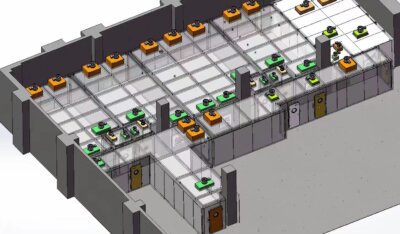
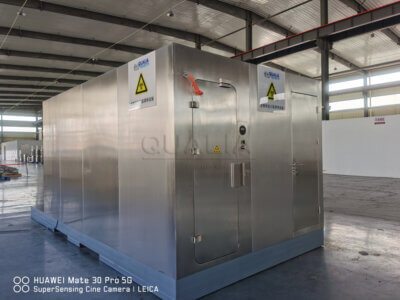
Bu, aşağıdaki hususlar dikkate alındığında kritik önem taşır modüler yüksek muhafazali laboratuvar çözümleri̇, Bu da inşaat riskini azaltır ancak karmaşık mekanik, elektrik ve sıhhi tesisat sistemlerinin sahaya sorunsuz bir şekilde entegre edilmesi ihtiyacını artırır. Üçüncü adım, KKD'yi potansiyel bir fomit olarak ele alan kapsamlı SOP'ler geliştirmek, sıkı giyme/çıkarma protokollerini ve yıkama/kontaminasyon yollarını laboratuvarın lojistik tasarımına dahil etmektir.
Sürekli Güvenlik Kültürü Oluşturmak
Son olarak, tüm ekipman ve prosedürler kurumsal biyogüvenlik kılavuzuna dahil edilmelidir. Bunların etkinliği sürekli ve uygulamalı eğitim yoluyla pekiştirilmesine bağlıdır. Bu, güvenlik ve prosedür bütünlüğünün günlük operasyondan ayrılamaz olduğu bir kültürü teşvik eder ve özel ekipmana yapılan önemli yatırımın amaçlanan risk azaltımına ulaşmasını sağlar.
Seçim süreci üç temel kararla sonuçlanır: doğrulanabilir mühendislik kontrollerine prosedürel vaatlere göre öncelik verilmesi, entegre ikincil altyapının toplam maliyetinin kabul edilmesi ve doğrulama bağlılığının pazarlık konusu olmayan bir operasyonel standart olarak belirlenmesi. Bu öncelikler, sermaye harcamalarını uzun vadeli muhafaza güvencesi ve araştırma esnekliği ile uyumlu hale getiren bir karar çerçevesi oluşturur.
BSL-3 aerosol ekipmanınızın teknik özelliklerini ve entegrasyon zorluklarını aşmak için profesyonel rehberliğe mi ihtiyacınız var? Teknik danışmanlar QUALIA Risk değerlendirmelerini eyleme geçirilebilir, uyumlu tedarik ve tesis planlarına dönüştürme konusunda uzmanlaşmıştır. Bize Ulaşın proje gereksinimlerinizi görüşmek için.
Sıkça Sorulan Sorular
S: Yüksek riskli aerosol çalışmaları için Biyolojik Güvenlik Kabini seçiminde birincil faktör nedir?
C: Maddenin risk profili ve prosedürün aerosol üretme potansiyeli seçimi belirler. Yüksek konsantrasyonlu malzemeler veya yoğun aerosol üretimi için gaz geçirmez bir Sınıf III kabin zorunlu iken, diğer aerosol prosedürlerinin çoğu sertifikalı bir Sınıf II kabin gerektirir. Bu seçim, laboratuvar düzenini ve bütçesini belirleyen temel bir sermaye gideridir ve muhafazanın kritik ilk katmanını oluşturur. Yüksek riskli ajanları içeren projeler için, Sınıf III sistemin önemli alan ve altyapı taleplerini planlayın.
S: Kendi ajanlarınızı kullanmadan özel aerosol ekipmanı için dekontaminasyonu nasıl doğruluyorsunuz?
C: Laboratuvarlar genellikle standartlaştırılmış biyolojik göstergeler kullanarak üretici tarafından sağlanan doğrulama verilerine güvenebilir ve teknik yükü tedarikçiye aktarabilir. Bu da tedarikçinin validasyon dosyasının değerlendirilmesini tedarik ve denetim uyumluluğunda önemli bir adım haline getirir. Ancak bu validasyonu sürdürmek için konsantrasyon ve temas süresi gibi öngörülen parametrelere sıkı sıkıya bağlı kalmanız gerekir. Bu, üreticinin iddialarını geçersiz kılmamak için tesisinizin SOP'lerinin ve tedarik zinciri kontrollerinin titiz olması gerektiği anlamına gelir.
S: Aerosol muhafaza ekipmanı için kritik tesis entegrasyon gereksinimleri nelerdir?
C: Tüm birincil muhafaza cihazları bir tesisin ikincil bariyerleri içinde çalışmalıdır ve HVAC sistemi çok önemlidir. Yönlü içe doğru hava akışı, devridaimsiz HEPA filtreli egzoz sağlamalı ve muhafaza ekipmanından gelen ek yükü kaldırmalıdır. Sistem arızası acil bir ihlal teşkil eder, bu da yedekliliği ve sürekli izlemeyi önemli bir operasyonel öncelik haline getirir. Herhangi bir yenileme projesi için, yeni aerosol sistemlerini mevcut bir binaya entegre etmek için genellikle sınırlayıcı faktör olduğundan, önemli bir HVAC yükseltmesi üstlenmeyi bekleyin.
S: Bu iş için Biyogüvenlik Kabinlerinin performansını ve sertifikasyonunu hangi standartlar yönetiyor?
C: Amerika Birleşik Devletleri'nde, Sınıf II biyogüvenlik kabinlerinin tasarımı, yapımı ve performansı aşağıdakiler tarafından yönetilmektedir NSF/ANSI 49-2022. Bu standarda uygunluk, aerosol üreten prosedürler sırasında etkili personel, ürün ve çevre koruması sağlamak için gereklidir. Bu, satın alma şartnamenizin NSF/ANSI 49 sertifikası gerektirmesi ve muhafaza bütünlüğünü korumak için yinelenen bir operasyonel maliyet olarak düzenli yeniden sertifikalandırma için bütçe ayırmanız gerektiği anlamına gelir.
S: Hayvan kafeslerinin seçimi tesisin genel riskini ve tasarımını nasıl etkiler?
C: Filtre üstleri olan katı duvar kafesleri veya HEPA filtreli IVC sistemleri gibi birincil muhafaza kafeslerinin seçilmesi, aerosolleri kaynağında içeren temel bir biyogüvenlik kararıdır. Bu seçim, oda düzeyinde havalandırma ve mühendislik kontrollerinin gerekli sıkılığını doğrudan etkiler. Araştırmanız dökülen hayvan modellerini içeriyorsa, tesisinizin ikincil muhafazasını ve operasyonel protokollerini, karmaşıklığı artıran ancak güvenlik için pazarlık konusu olmayan bu kafes seviyesi riski etrafında tasarlamanız gerekir.
S: BSL-3 aerosol laboratuvarı işletirken en önemli uzun vadeli maliyet faktörü nedir?
C: Muhafaza cihazları için sermaye maliyetlerinin ötesinde, en büyük yinelenen giderler HVAC sistemi bakımı, sürekli izleme ve enerji tüketimi içindir. Biyogüvenlik kabinlerinin ve dekontaminasyon döngülerinin onaylanması ve yeniden sertifikalandırılması da sürekli bir operasyonel yükü temsil etmektedir. Bu, finansal planlamanın mekanik sistemlerin yaşam döngüsü maliyetlerini yoğun bir şekilde vurgulaması gerektiği anlamına gelir, çünkü bunların güvenilir bir şekilde çalışması sürdürülebilir muhafazanın en kritik ve pahalı bileşenidir.
S: İnhalasyon çalışmaları için bir aerosol test sistemini güvenli bir şekilde çalıştırmanın anahtarı nedir?
C: Nebülizerler ve örnekleyiciler dahil olmak üzere tüm aerosol üretim ve dağıtım platformu, ideal olarak Sınıf III BSC olan bir birincil muhafaza cihazı içinde çalıştırılmalıdır. Bu entegrasyon, çevresel salınımı önlemek için tartışılmaz bir güvenlik gereksinimidir. Ayrıca, birden fazla ajanın işlenmesine yönelik protokoller katı zamansal ayırma ve dekontaminasyon gerektirir. Çoklu ajan araştırması planlayan tesisler için bu, iş akışını yönetmek ve çapraz kontaminasyonu etkili bir şekilde önlemek için sofistike programlamaya ve potansiyel olarak mimari bölgelemeye yatırım yapılmasını gerektirir.
İlgili İçerikler:
- BSL-3 Aerosol Çalışmaları: Güvenli Araştırma Uygulamaları
- Hayvan BSL-3 Laboratuvarı Aerosol Risk Yönetiminde Temel İş Akışı Adımları Nelerdir?
- Sınıf I Biyogüvenlik Kabinleri: Özellikler ve Kullanım Alanları
- Sınıf III Biyogüvenlik Kabini vs Sınıf II BSC: BSL-3 ve BSL-4 Muhafaza Seçimi için 12 Kritik Fark
- Sınıf II'den Sınıf III Biyogüvenlik Kabinine Ne Zaman Yükseltme Yapılmalı? BSL-4 Risk Değerlendirme Kriterleri
- Sınıf III Biyogüvenlik İzolatörleri: Üstün Koruma
- Sınıf II Tip B2 Biyogüvenlik Kabinleri: Toplam Egzoz
- Aerosolle Bulaşan Patojen Araştırmaları için BSL-3 Ekipman Özellikleri: Eksiksiz Kontrol Listesi
- Maksimum Koruma için Sınıf III Biyogüvenlik Kabinleri