İlaç geliştirme ekipleri için klinik öncesi verilerden onaylanmış bir muhafaza stratejisine geçiş kritik bir operasyonel darboğaz oluşturmaktadır. Temel zorluk, karmaşık toksikoloji veri setlerinin ölçülebilir, eyleme geçirilebilir bir mesleki risk değerlendirmesine dönüştürülmesinde yatmaktadır. Bu süreçteki yanlış adımlar (ister aşırı muhafazakar erken varsayımlardan ister veri gelişiminin hafife alınmasından kaynaklansın) maliyetli tesis yeniden tasarımlarına, proje gecikmelerine ve tehlikeye atılan operatör güvenliğine yol açabilir.
Bu çeviri sadece düzenleyici bir onay kutusu değildir. Sermaye harcamalarını, CDMO seçimini ve üretim fizibilitesini belirleyen stratejik bir zorunluluktur. Yanlış hesaplanmış bir Mesleki Maruziyet Bandı (OEB), milyonlarca dolarlık bir muhafaza yatırımını bir gecede kullanılmaz hale getirebilir. Toksikolojiden muhafazaya uzanan bilim odaklı yolu anlamak, esnek, uyumlu ve ticari olarak uygulanabilir bir üretim planı oluşturmak için gereklidir.
Temel Bağlantı: Toksikoloji Verilerinden Maruziyet Limitlerine
Hareket Noktasının Tanımlanması
Herhangi bir sınırlama stratejisinin temeli, sağlık temelli bir maruziyet sınırının belirlenmesidir. Bu süreç, en hassas olumsuz etkiyi belirlemek için tüm klinik dışı ve klinik çalışmaların kapsamlı bir şekilde gözden geçirilmesiyle başlar. Kritik ölçüt, tipik olarak Gözlemlenmeyen Etki Seviyesi (NOEL) veya Gözlemlenen En Düşük Advers Etki Seviyesi (LOAEL) olan ayrılma noktasıdır. Yüksek hedefli tedaviler için, amaçlanan farmakolojik etki genellikle en hassas son nokta haline gelir ve bu da uzman toksikolojik değerlendirme gerektiren bir nüanstır. Sektör uzmanları, tamamlanmamış veri setleri sağlığı koruyucu bir duruş gerektirdiğinden, erken faz verileriyle muhafazakar bir yaklaşım önermektedir.
İnsan Güvenliği için Değerlendirme Faktörlerinin Uygulanması
Bir hayvan çalışmasından elde edilen ham NOEL doğrudan insan işçilere uygulanamaz. Türler arası farklılıkları, insan içi değişkenliği ve veri tabanı belirsizliklerini hesaba katmak için 10 ila 10.000 arasında değişebilen bilimsel olarak gerekçelendirilmiş değerlendirme faktörleri uygulanır. Çıktı, İzin Verilen Günlük Maruziyet (PDE) veya Mesleki Maruziyet Sınırı (OEL) gibi sağlık temelli bir sınırdır. Düzenleyici kurumların araştırmalarına göre, bu faktörlerin tutarsız bir şekilde uygulanması, gereksiz operasyonel yüke veya kabul edilemez riske yol açan yaygın bir hatadır. Türetilen OEL, 8 saatlik bir iş günü için güvenli kabul edilen havadaki maksimum konsantrasyondur ve değeri, sonraki tüm kontrollerin sıkılığını doğrudan belirler.
Mühendislik Kontrolleri Üzerindeki Doğrudan Etki
İlişki nettir: daha düşük bir türetilmiş OEL, daha yüksek bileşik gücü anlamına gelir ve daha sıkı mühendislik kontrollerini zorunlu kılar. Bu niceliksel bağlantı, niteliksel tehlike tanımlarını tesis tasarımı için somut bir performans standardına dönüştürür. OEL, havalandırmadan izolatörlere kadar tüm muhafaza ekipmanlarının doğrulanması gereken bir ölçüt haline gelir. Deneyimlerime göre, erken geliştirme tartışmalarını bu toksikolojiden OEL'ye giden yola bağlayan ekipler, program ortasında maliyetli düzeltmelerden kaçınmakta ve sermaye talepleri için net, bilime dayalı bir gerekçe oluşturmaktadır.
OEL'den Mesleki Maruziyet Bandına (OEB)
Kontrol Bandının Pragmatizmi
Kesin bir OEL ideal hedef olsa da, özellikle geliştirilmekte olan bileşikler için Mesleki Maruziyet Bantlarını (OEB'ler) kullanan bir kontrol bandı yaklaşımı esastır. OEB'ler, maddeleri tehlike potansiyellerine göre havadaki konsantrasyon aralıklarına göre sınıflandırır. Bu çerçeve, toksikolojik değerlendirme ile önceden tanımlanmış sınırlama gereklilikleri arasında pragmatik ve standartlaştırılmış bir bağlantı sağlayarak, nihai bir OEL belirlenmeden çok önce tutarlı risk iletişimine ve orantılı güvenlik önlemlerinin uygulanmasına olanak tanır.
OEL Aralıklarının Muhafaza Kademelerine Eşlenmesi
Tipik bir OEB sistemi eylem için net eşikler oluşturur. Bu bantlama, her bir bileşik için benzersiz bir değer yerine OEL aralığına dayalı standartlaştırılmış mühendislik kontrollerinin belirlenmesine olanak tanır. Bantlar arasında ilerleme, gerekli koruma teknolojisinde ve prosedürel titizlikte önemli bir artışa işaret eder.
Aşağıdaki tabloda OEL'den OEB'ye standart bir eşleme ve buna karşılık gelen birincil muhafaza gerekliliği özetlenmektedir:
| Mesleki Maruziyet Bandı (OEB) | OEL Aralığı (µg/m³) | Birincil Muhafaza Gereksinimi |
|---|---|---|
| OEB 1 | >1000 | Sadece genel havalandırma |
| OEB 4 (HPAPI eşiği) | 1 - 10 | Birincil muhafaza (örn. eldiven kutuları) |
| OEB 5 | 0.1 - 1 | Sağlam çözümler (örn. izolatörler) |
| OEB 6 (Ultra güçlü) | <0.1 | Gelişmiş, onaylanmış muhafaza sistemleri |
Kaynak: Teknik dokümantasyon ve endüstri spesifikasyonları.
Geliştirmede Stratejik Fayda
OEB sisteminin en büyük değeri erken aşama geliştirmededir. Proje ekiplerinin sınırlı verilere dayanarak muhafazakar bir bant atamasına olanak tanıyarak, yeniden sınıflandırma potansiyelini kabul ederken ilk üretim için uygun sınırlamayı güvence altına alır. Bu yaklaşım, sağlık temelli temizleme limitlerini tahmin etmek için belirlenmiş OEL monograflarının kullanılmasını kabul eden ve böylece kritik yol faaliyetleri sırasında toksikoloji kaynak tahsisini optimize eden düzenleyici kılavuz tarafından onaylanmaktadır.
Adım 1: Kritik Toksikoloji Verilerini Toplayın ve Değerlendirin
Eksiksiz Veri Setinin Derlenmesi
İlk operasyonel adım, mevcut tüm toksikolojik ve farmakolojik verilerin sistematik bir şekilde derlenmesidir. Bu dosya akut, subkronik ve kronik hayvan çalışmalarını, üreme ve gelişimsel toksisite verilerini, kanserojenlik değerlendirmelerini ve mevcut tüm klinik insan deney sonuçlarını içermelidir. Amaç, her bir çalışmanın kalitesine, uygunluğuna ve eksiksizliğine özel dikkat göstererek bileşiğin tehlike profilinin eksiksiz bir resmini oluşturmaktır. Bu veri setindeki boşluklar derhal daha muhafazakar, sağlığı koruyucu bir sınıflandırmaya ihtiyaç duyulduğuna işaret eder.
Kritik Etkinin Belirlenmesi
Bu veri kümesi içinde, toksikoloğun görevi kritik çalışmayı ve en hassas son noktayı belirlemektir. Antikor-İlaç Konjugatları (ADC'ler) gibi yeni modaliteler için bu değerlendirme, hem sitotoksik yükün gücünün hem de konjuge molekülün potansiyel tehlikelerinin değerlendirilmesini gerektiren çift yönlü bir hal alır. Kolayca gözden kaçan ayrıntılar arasında, yüksek oranda hedeflenmiş onkoloji ilaçları için doz sınırlayıcı etki olabilen farmakolojik etki şekli de yer almaktadır. Sonraki risk değerlendirmesinin tamamına duyulan güven bu değerlendirmeye bağlıdır.
Veri Kalitesinin Etkileri
Sınırlama stratejisinin bütünlüğü, altta yatan toksikoloji verilerinin sağlamlığı ile doğru orantılıdır. Eksik veya düşük kaliteli çalışmalar, daha büyük değerlendirme faktörleriyle dengelenmesi gereken ve daha düşük, daha muhafazakar bir OEL'ye yol açan önemli bir belirsizlik ortaya çıkarır. Bu genellikle daha yüksek bir başlangıç OEB atamasıyla sonuçlanır. Erken aşamalarda bile yüksek kaliteli, GLP uyumlu toksikoloji çalışmalarına proaktif olarak yatırım yapmak, daha doğru bir etki değerlendirmesi sağlayabilir ve aşırı sınırlamaya aşırı yatırım yapılmasını önleyebilir.
Adım 2: Bir OEL Türetmek için Değerlendirme Faktörlerini Uygulayın
Belirsizliğin Çerçevesi
Bir çıkış noktasından (NOEL/LOAEL) bir OEL türetmek, bilimsel belirsizlikleri hesaba katmak için değerlendirme faktörlerinin uygulanmasını gerektirir. Standart faktörler, hayvan dozlarının insan eşdeğerlerine dönüştürülmesini (allometrik ölçeklendirme), insan popülasyonu içindeki değişkenliği, çalışma süresine karşı yaşam boyu maruz kalma için ayarlamaları ve gözlemlenen etkinin ciddiyetini ve tersine çevrilebilirliğini dikkate alır. Bu faktörlerin seçimi ve büyüklüğü keyfi değildir; yerleşik toksikolojik ilkeler ve düzenleyici emsaller tarafından yönlendirilirler.
Sağlığa Dayalı Limitin Hesaplanması
Bu faktörlerin matematiksel uygulaması, PDE (µg/gün cinsinden ifade edilir) veya OEL (µg/m³ cinsinden ifade edilir) gibi sağlık temelli bir maruz kalma sınırı verir. Bu hesaplama, nitel tehlike bilgilerini nicel, uygulanabilir bir standarda dönüştürür. Temizlik doğrulama limitlerinin belirlenmesi, hava izleme tespit eşiklerinin belirlenmesi ve muhafaza ekipmanı için performans kriterlerinin tanımlanması gibi sonraki tüm faaliyetler için mutlak bir temel oluşturur. EMA'nın sağlığa dayalı maruz kalma limitlerinin belirlenmesi gibi düzenleyici kılavuzlar bu adım için kritik bir çerçeve sağlar.
Pratik Kontrollere Geçiş
Bu adımın çıktısı, standartlaştırılmış kontrol stratejilerinin kilidini açan anahtardır. Hesaplanan OEL, ekiplerin belirsiz bir “yüksek etki gücü” anlayışından mühendislik kontrolleri için belirli, ölçülebilir bir hedefe geçmelerini sağlar. Yerleşik maruziyet kontrol veritabanlarının kullanılmasına olanak tanır ve aşağıdakiler gibi uygun muhafaza teknolojisinin seçimini bildirir OEB4 veya OEB5 izolatör sistemi, Tahminlerden ziyade savunulabilir bir bilimsel gerekçeye dayanmaktadır.
Adım 3: OEB ve Sınırlama Seviyenizi Atayın
Doğrudan Haritalama Çalışması
Bir OEL hesaplandıktan sonra, Mesleki Maruziyet Bandının atanması doğrudan bir eşleme çalışmasıdır. Örneğin, 20 ng/m³'lük (0,02 µg/m³) bir OEL kesin olarak OEB 6 kategorisine girer. Bu atama idari bir formalite değildir; belirli, önceden tanımlanmış mühendislik kontrol gerekliliklerini ve performans standartlarını tetikleyen kritik bir karar noktasıdır. Teorik risk değerlendirmesini somut tesis ve ekipman özelliklerine dönüştürür.
Tetikleme Tasarım Özellikleri
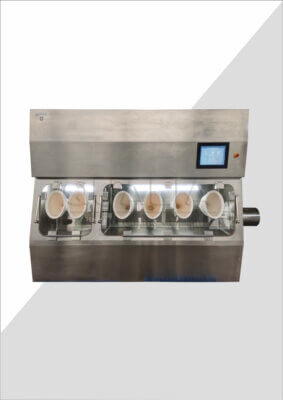
Her OEB seviyesi asgari bir muhafaza standardını zorunlu kılar. OEB 4 tipik olarak glovebox veya kapalı transfer sistemleri gibi birincil muhafaza gerektirir. OEB 5 ve 6 ise izolatörler gibi daha sağlam, onaylanmış çözümler gerektirir. En önemlisi, OEB, Tasarım Maruz Kalma Sınırı (DEL) olarak bilinen bu muhafaza için gerekli performans standardını belirler. DEL, tüm operasyonel koşullar altında operatörün korunması için yeterli bir güvenlik marjı sağlamak amacıyla OEL'nin önemli ölçüde altında (genellikle OEL'nin 10%'si) belirlenir.
Aşağıdaki tablo, hesaplanan bir OEL'nin belirli muhafaza spesifikasyonlarına nasıl yol açtığını göstermektedir:
| Hesaplanan OEL Örneği | Sonuçlanan OEB | Anahtar Muhafaza Şartnamesi |
|---|---|---|
| 20 ng/m³ (0,02 µg/m³) | OEB 6 | İzolatör gereksinimini tetikler |
| OEB 4 Ödev | N/A | Birincil sınırlamayı zorunlu kılar |
| OEB 5/6 Ödevi | N/A | Tasarım Maruziyet Limiti (DEL) gerektirir |
| Tasarım Maruziyet Sınırı | Tipik olarak 10% OEL | Güvenlik marjı sağlar |
Kaynak: Teknik dokümantasyon ve endüstri spesifikasyonları.
OEB'nin Operasyonel Hale Getirilmesi
Son adım ise OEB ve DEL'in operasyonel gerçekliğe dönüştürülmesidir. Bu, DEL'i karşıladığı doğrulanabilen ekipmanların belirlenmesini, muhafaza bütünlüğünü koruyan iş akışlarının tasarlanmasını ve sapmaları tespit edebilen çevresel izleme planlarının oluşturulmasını içerir. Tüm tesis sınıflandırması ve izleme rejimi, genellikle aşağıdaki gibi standartlar tarafından bilgilendirilir ISO 14644-1 temiz oda hava temizliği için OEB tarafından belirlenen muhafaza seviyesi ile uyumlu olmalıdır.
Önemli Hususlar: Veri Evrimi ve Yeniden Sınıflandırma
Dinamik Bir Sınıflandırma Olarak OEB
OEB sınıflandırmasının statik değil, dinamik ve verilere bağlı bir etiket olduğu önemli bir stratejik içgörüdür. Bir API'nin potens değerlendirmesi, klinik geliştirme programıyla birlikte gelişir. Sınırlı subkronik verilere dayanan erken aşama (I/II) sınıflandırmaları kasıtlı olarak muhafazakârdır. Geç faz (III) çalışmalarında kronik toksisite, karsinojenisite veya kapsamlı insan farmakokinetik verilerinin elde edilmesi toksikolojik profili temelden değiştirebilir.
Geç Aşama Verilerinin Etkisi
Bu evrim, OEL'nin önemli ölçüde yeniden hesaplanmasına ve bunun sonucunda OEB'nin yeniden sınıflandırılmasına yol açabilir. Belgelenmiş bir vaka çalışması, Faz III verilerinin başlangıçta tahmin edilenden bin kat daha düşük bir OEL ortaya çıkarmasının ardından bir antikanser bileşiğinin OEB 4'ten OEB 6'ya geçtiğini göstermektedir. Böyle bir değişimin derin etkileri vardır ve potansiyel olarak başlangıçtaki sınırlama yatırımlarını yetersiz hale getirir. Bu durum, erken faz potens değerlendirmesinin neden stratejik bir risk azaltma faaliyeti olarak ele alınması ve potansiyel yeniden sınıflandırma için planlar yapılması gerektiğinin altını çizmektedir.
Beklenmedik Durumlar için Planlama
OEB yükseltmesinin mali ve operasyonel etkileri çok ağırdır. Bir tesisi daha yüksek potens için güçlendirmek, başlangıçtan itibaren uygun muhafaza ile inşa etmekten çok daha maliyetli ve zaman alıcı olan büyük bir yeniden tasarımdır. Bu nedenle, ihtiyatlı bir strateji, bileşik sınıfı ve mekanizmasına dayalı olarak potansiyel tehlikenin tahmin edilmesini ve muhafaza kapasitesinde boşluk payı olan bir CDMO ortağının seçilmesini veya geç aşama tesis modifikasyonları için beklenmedik durum bütçeleri ve zaman çizelgeleri oluşturulmasını içerir.
OEB 4, 5 ve 6 için Çevreleme Etkileri
Artan Sistem Karmaşıklığı
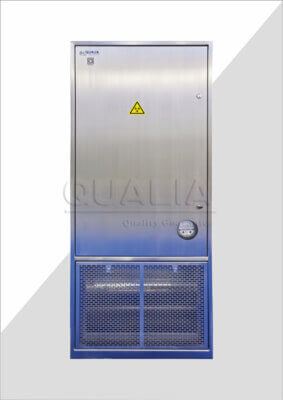
Operasyonel ve sermaye etkileri OEB bantları boyunca doğrusal olmayan bir şekilde artmaktadır. OEB 4 muhafazası sağlam olmakla birlikte, genellikle havalandırmalı muhafazalar gibi tek katmanlı birincil korumaya dayanır. OEB 5 ve 6'ya geçiş, yedekli koruma ve sürekli performans doğrulaması ile iç içe geçmiş, çok katmanlı sistemlere temel bir değişiklik gerektirmektedir. Bu sistemlerin karmaşıklığı bakım taleplerini artırmakta, özel operatör eğitimi gerektirmekte ve tesis verimini etkilemektedir.
Ultra Potansiyel için Mühendislik
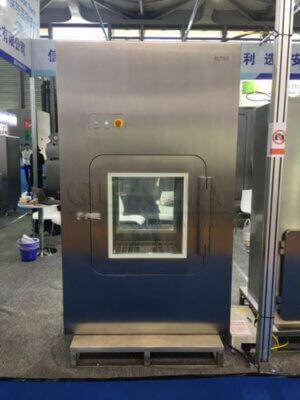
Ultra potent OEB 6 bileşikleri için standart izolatörler yetersiz kalabilir. Tartım veya numune alma gibi işlemler, sistemden herhangi bir malzeme transferinden önce bir basınç kademesine sahip çift bölmeli bir izolatör gerektirebilir - aktif proses için bir bölme ve dekontaminasyon ve hazırlama için ikinci bir bölme -. Bu durum önemli ergonomik zorlukları beraberinde getirir ve genellikle canlı ürün piyasaya sürülmeden önce maketlerle operatör denemeleri yoluyla doğrulanan titiz bir iş akışı tasarımı gerektirir.
Aşağıdaki tablo, yüksek OEB seviyelerindeki sınırlama karmaşıklığını ve etkilerini karşılaştırmaktadır:
| OEB Seviyesi | Çevreleme Sistemi Karmaşıklığı | Operasyonel Sonuçlar |
|---|---|---|
| OEB 4 | Tek katmanlı birincil koruma | Sağlam ancak daha basit tasarım |
| OEB 5 | İç içe geçmiş, çok katmanlı sistemler | Yaklaşımda köklü değişim |
| OEB 6 | Kaskadlı çift odacıklı izolatör | Başlıca ergonomik zorluklar |
| OEB 6 Güçlendirme | Büyük tesis yeniden tasarımı | Yüksek maliyet ve zaman çizelgesi etkisi |
Kaynak: ISO 14644-1: Temiz odalar ve ilgili kontrollü ortamlar - Bölüm 1: Partikül konsantrasyonuna göre hava temizliğinin sınıflandırılması. Bu standart, kontrollü ortamlar için gerekli olan sıkı hava temizliği sınıflandırmalarını tanımlar ve bu da partikül kontrolünün operatör güvenliği için kritik olduğu daha yüksek OEB seviyeleri için muhafaza sistemlerinin tasarımı ve doğrulanması konusunda doğrudan bilgi verir.
Stratejik CDMO Seçimi
Bu artış, uzmanlaşmış bir CDMO ortamı yaratmaktadır. OEB 5 çalışmaları için kapasite sınırlıdır ve gerçek OEB 6 kapasitesi bir niş oligopol oluşturur. Bu gerçeklik, geliştirmenin ortasında önemli transfer engelleri yaratmaktadır. Bir geliştirme ve üretim ortağı seçmek, yalnızca mevcut OEB kapasitelerini değerlendirmeyi değil, aynı zamanda potansiyel OEB yeniden sınıflandırmasına uyum sağlama kapasitelerini ve istekliliklerini de değerlendirmeyi gerektirir, bu da kritik bir stratejik karar haline getirir.
OEB Seviyesine Göre Analitik ve Temizlik Gereklilikleri
Analitik Tespit Sınırlarını Zorlamak
OEB, maruziyet izleme için katı performans gereklilikleri belirler. Hava numunesi almaya yönelik analitik yöntemler, OEL'nin bir kısmında ölçüm yapabilen tespit limitlerine sahip olmalıdır. OEL değeri 10 ng/m³ olan bir OEB 6 bileşiği için, yöntemin 1-2 ng/m³'teki konsantrasyonları güvenilir bir şekilde ölçmesi gerekebilir. Bu durum, analitik geliştirmeyi uç noktalara taşır ve genellikle LC-MS/MS gibi özel cihazlar gerektirir ve metot geliştirme ve doğrulamayı proje zaman çizelgesinde kritik bir yol öğesi haline getirir.
Temizlik Doğrulama Zorluğu
Ortak tesislerde, temizlik doğrulama limitleri PDE veya OEL'den türetilir. OEB 6 bileşikleri için bu limitler son derece düşüktür-bazen yüzey alanı başına nanogram veya pikogram aralığındadır. Bu durum temizlik protokollerini ve kalıntı tespit yöntemlerini aşırı hassasiyete yönlendirmektedir. Bu kadar düşük kalıntıları tespit etmenin analitik zorluğu çok büyük olabilir ve çapraz kontaminasyon riski baskın bir endişe haline gelir. Bu durum genellikle tek kullanımlık astar sistemlerini veya özel ekipmanı stratejik ve ekonomik bir gereklilik haline getirir, çünkü paylaşılan ekipman için temizliği doğrulamanın maliyeti ve karmaşıklığı engelleyici olabilir.
Tek Kullanımlık Malzemeler için Ekonomik Durum
Yüksek potensli bileşikler için temizleme doğrulama yükü, teknoloji seçim hesaplarını temelden değiştirebilir. Aşağıdaki tablo OEB seviyesinin analitik ve temizlik taleplerini nasıl yönlendirdiğini özetlemektedir:
| OEB Seviyesi | Analitik Tespit Limiti Örneği | Temizlik Doğrulama Sürücüsü |
|---|---|---|
| OEB 6 | Havada 1-2 ng/m³ | Aşırı hassasiyet gerekli |
| Tüm OEB'ler | OEL'in bir kısmı | PDE/OEL türetilmiş limitler |
| Yüksek OEB | Analitik gelişimi zorlar | Kritik yol öğesi |
| Ortak tesiste OEB 6 | Son derece düşük limitler | Tek kullanımlık astar sistemlerini tercih eder |
Kaynak: ISO 13408-1: Sağlık bakım ürünlerinin aseptik işlenmesi - Bölüm 1: Genel gereklilikler. Bu standart, çevresel izleme ve temizlik validasyonu dahil olmak üzere aseptik işleme için sıkı kontrolleri özetlemektedir. Bu ilkeler, çeşitli OEB seviyelerindeki güçlü bileşiklerin muhafazasını doğrulamak için gereken analitik ve temizlik protokollerinin oluşturulmasında doğrudan uygulanabilir.
gibi standartlarda tanımlanan kontrol ilkeleri ISO 13408-1 aseptik işleme için geçerli olan yöntemler burada doğrudan uygulanabilir ve onaylanmış süreçlere ve titiz izlemeye duyulan ihtiyacı vurgular. Birçok durumda, operasyonel yük ve doğrulama maliyeti, özel veya tek kullanımlık teknolojiyi, çok ürünlü ekipman için temizliği doğrulamaya çalışmaktan daha ekonomik ve daha düşük riskli hale getirir.
Esnek, Bilim Odaklı Bir Çevreleme Stratejisinin Uygulanması
Erken Aşama Tahmin ile Başlamak
Başarılı bir strateji, temel bir risk azaltma faaliyeti olarak erken faz potens değerlendirmesi ile başlar. En olası OEB yörüngesini tahmin etmek için hesaplamalı toksikoloji ve benzer bileşiklerden çapraz okuma dahil olmak üzere mevcut tüm verileri kullanın. Bu tahmin, geliştirme ortaklarının seçimini ve erken faz üretim kampanyalarının tasarımını doğrudan bilgilendirmeli, seçilen sınırlamanın uygun boşluğa sahip olmasını veya eskalasyon planlarının açıkça tanımlanmasını ve bütçelenmesini sağlamalıdır.
Değişen Manzaranın Muhasebeleştirilmesi
Strateji geleneksel toz işlemenin ötesine geçmelidir. Çerçeve, dermal maruziyetin ve Sağlık Temelli Maruziyet Limitlerinin (HBEL'ler) dikkate alınmasını gerektiren sıvılar, süspansiyonlar ve aerosoller gibi yeni ilaç formları için bütünsel tehlike değerlendirmesini kapsayacak şekilde gelişmektedir. Ayrıca, OEB 5/6 çalışmaları için uzmanlaşmış CDMO kapasitesini anlamak çok önemlidir; bu, uzun vadeli planlama ile yönlendirilmesi gereken stratejik bir darboğaz yaratır ve genellikle niş kapasitenin erken rezervasyonunu gerektirir.
Yeniden Sınıflandırma Esnekliği Oluşturma
Sonuç olarak, strateji toksikolojik verilere dayanmalı ancak yeniden sınıflandırmaya uyum sağlayacak kadar esnek olmalıdır. Bu, mümkün olan yerlerde tesislerin modüler muhafaza ile tasarlanması, başlangıçtaki ihtiyaçları aşan doğrulanmış performans zarflarına sahip ekipmanların seçilmesi ve muhafaza varlıkları için bir yaşam döngüsü yönetim planının sürdürülmesi anlamına gelir. Kuruluşlar bilim odaklı, verilere uyarlanabilir bir yaklaşımı kurumsallaştırarak operatör güvenliğini koruyabilir, mevzuata uygunluğu sağlayabilir ve geliştirme aşamasından ticari ölçeğe kadar projenin uygulanabilirliğini koruyabilir.
Toksikoloji verilerinden onaylanmış bir sınırlama seviyesine giden yol tanımlanmış ancak dinamik bir süreçtir. Başarı üç önceliğe bağlıdır: Birincisi, erken evre etki değerlendirmesini sadece bir uyum görevi olarak değil, stratejik bir tahmin olarak ele almak. İkincisi, OEB'nin geç aşama verileriyle değişebilen, esnek planlama ve ortak seçimi gerektiren canlı bir sınıflandırma olduğunun anlaşılması. Üçüncüsü, yüksek OEB'ler için analitik ve temizlik doğrulama yüklerinin genellikle özel/tek kullanımlık teknoloji ile paylaşılan ekipman temizliğinin muazzam zorluğu arasında temel bir seçim gerektirdiğini kabul etmek.
OEB kararının karmaşıklığını aşmak ve geleceğe dönük bir sınırlama stratejisi uygulamak için profesyonel rehberliğe mi ihtiyacınız var? Uzmanlarımız QUALIA toksikolojik verileri tasarlanmış güvenlik çözümlerine dönüştürme konusunda uzmanlaşarak projenizin geliştirme aşamasından ticari üretime kadar yolunda gitmesini sağlar. Özel API muhafaza zorluklarınız hakkında ayrıntılı bir danışmanlık için şunları da yapabilirsiniz Bize Ulaşın.
Sıkça Sorulan Sorular
S: Sınırlı erken faz verilerine sahip yeni bir API için ilk Mesleki Maruziyet Bandını nasıl belirlersiniz?
C: En hassas olumsuz etkiyi ve bunun çıkış noktasını (NOEL/LOAEL) belirlemek için mevcut tüm toksikolojik verileri sistematik olarak gözden geçirerek muhafazakar bir OEB atarsınız. Doğal belirsizlik göz önüne alındığında, daha sonra geçici bir OEL elde etmek için daha büyük değerlendirme faktörleri uygular ve bunu daha yüksek bir kontrol bandıyla eşleştirirsiniz. Bu, daha sonraki denemelerden elde edilen kronik veya kanserojenlik verileri mevcut olduğunda OEB aşağı doğru kayabileceğinden, geliştirme ekiplerinin potansiyel sermaye yükseltmeleri için bütçe ayırması gerektiği anlamına gelir.
S: OEB 4 ve OEB 5/6 muhafaza sistemleri arasındaki temel operasyonel fark nedir?
C: Kritik değişim, tek katmanlı birincil muhafazadan iç içe geçmiş, çok katmanlı korumaya doğrudur. OEB 4 tipik olarak eldiven kutuları kullanırken, OEB 5 ve 6 izolatörler gibi gelişmiş çözümler gerektirir ve OEB 6 genellikle güvenli malzeme transferi ve dekontaminasyon için bir basınç kademesine sahip çift odacıklı tasarımlar talep eder. Geç aşama verilerinin bir bileşiği daha yüksek bir banda yeniden sınıflandırabileceği projeler için, büyük tesis yeniden tasarımları planlayın, çünkü güçlendirme, başlangıçtan itibaren özel bir süit inşa etmekten daha karmaşık ve maliyetlidir.
S: Ultra potent OEB 6 bileşikleri için temizlik validasyonu ve analitik izleme gereklilikleri nasıl değişir?
C: Çok düşük bir İzin Verilen Günlük Maruziyetten türetilen temizleme limitleri ve OEL'nin küçük bir kısmında (örn. 1-2 ng/m³) tespit limitlerine ihtiyaç duyan analitik yöntemler ile gereklilikler son derece katı hale gelir. Bu da kalıntı tespitini hassasiyet sınırlarına kadar zorlamaktadır. Operasyonunuz çok ürünlü bir tesiste OEB 6 malzemeleri içeriyorsa, tek kullanımlık astar sistemlerini değerlendirmeyi bekleyin, çünkü paylaşılan ekipmanın temizlenmesi için doğrulama yükü, özel veya tek kullanımlık teknolojiyi daha ekonomik ve pratik hale getirebilir.
S: Güçlü bileşikler için muhafaza tasarımında uluslararası standartlar nasıl bir rol oynuyor?
C: Standartlar, çevre kontrolü ve kalite sistemleri için temel çerçeveyi sağlar. ISO 14644-1 kontrollü ortamlar için hava temizliği sınıflandırmasını tanımlar ve bu da maruziyet kontrolünün sürdürülmesi için kritik öneme sahiptir. Ayrıca, ISO 15378 birincil ambalajlama için kalite yönetimini belirtir ve malzemelerin güvenli muhafazaya katkıda bulunmasını sağlar. Bu, tesis tasarımınızın ve kalite protokollerinizin hem güvenlik hem de mevzuat beklentilerini karşılamak için bu standartları entegre etmesi gerektiği anlamına gelir.
S: Tasarım Maruz Kalma Sınırı mühendislik kontrollerinin seçilmesi için neden önemlidir ve nasıl belirlenir?
C: DEL, muhafaza sisteminiz için bir performans hedefidir ve güvenlik marjı sağlamak için Mesleki Maruziyet Sınırının önemli ölçüde altına ayarlanır - genellikle OEL'nin 10%'si. Bu somut spesifikasyon, izolatörün sızıntı oranı gibi gerekli muhafaza teknolojisini doğrudan belirler. Operatör güvenliğinin çok önemli olduğu projelerde, teorik risk değerlendirmesini satıcıların karşılaması gereken ölçülebilir ekipman özelliklerine dönüştürdüğü için DEL'i erkenden tanımlamanız gerekir.
S: Bir CDMO'nun muhafaza kapasitesi, güçlü bir API programı için iş ortağı seçimini nasıl etkilemelidir?
C: CDMO'nun kanıtlanmış muhafaza seviyesini bileşiğinizin mevcut ve öngörülen OEB'si ile eşleştirmelisiniz. OEB 5 için kapasite sınırlıdır ve OEB 6 kapasitesi niş bir pazar oluşturarak önemli transfer engelleri yaratır. Bu, sponsorların bir ortağın onaylanmış OEB kapasitesini doğrulaması ve potansiyel geç aşama OEB artışı için acil durum planlarına sahip olması gerektiği anlamına gelir, çünkü geliştirme ortasında CDMO'ları değiştirmek oldukça yıkıcı ve maliyetlidir.
İlgili İçerikler:
- OEB 3 vs OEB 4 vs OEB 5: Ekipman Gereksinimleri ve Muhafaza Stratejisi Farklılıkları
- İlaç Üretiminde OEB Seviyeleri Nedir ve Nasıl Belirlenir?
- Doğru OEB İzolatörü Nasıl Seçilir? Uzman Kılavuzu
- OEB Seviye 1-5 Sınıflandırma ve Ekipman Seçim Matrisi: Tehlike Bantlarının Muhafaza Çözümleriyle Eşleştirilmesi
- İlaç Üretiminde OEB İzolatörleri: Kılavuz
- İlaç Üretimi için OEB Muhafaza Sistemleri: Seviye Seçiminden Validasyona Eksiksiz 2025 Uygulama Kılavuzu
- Bir OEB5 İzolatörü Hangi Sınırlama Seviyesini Sağlar?
- 5 Yaygın OEB İzolatör Hatası ve Bunlardan Nasıl Kaçınılacağı
- OEB4 ve OEB5 İzolatör Teknolojisindeki Gelişmeler