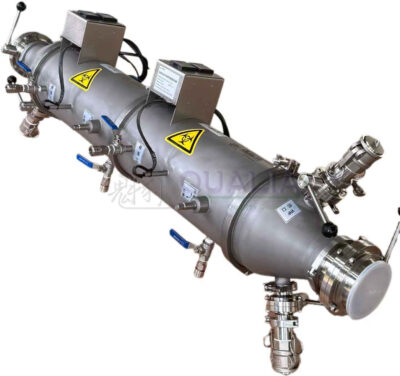
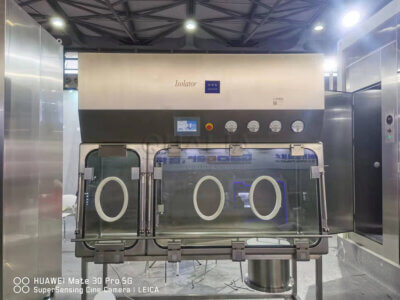
Konfiguracja cyklu VHP w izolatorze wygląda na prostą, dopóki pierwsze uruchomienie walidacji nie ujawni problemów, które pojawiły się podczas zakupu - specyfikacja uszczelki wykonana bez uwzględnienia odgazowywania po napowietrzaniu, obudowa czujnika przeznaczona do użytku laboratoryjnego, a nie do wielokrotnego narażenia na utlenianie, lub szybkość wtrysku zapożyczona z protokołu odkażania pomieszczenia, która powoduje, że wilgotność względna przekracza próg kondensacji, zanim jeszcze rozpocznie się faza przebywania. Każda z tych awarii jest możliwa do naprawienia, ale każda z nich kosztuje czas w procesie, w którym ponowne uruchomienie kryterium trzech kolejnych pozytywnych wskaźników biologicznych dla blokady cyklu może zająć tygodnie. Decyzje, które decydują o tym, czy cykl zostanie prawidłowo zweryfikowany, są podejmowane głównie przed wstrzyknięciem pierwszego grama H₂O₂ - podczas specyfikacji materiału, wyboru komponentów i mapowania. Poniższe informacje pomogą zidentyfikować wybory konfiguracyjne, które stwarzają ryzyko walidacji oraz progi, które powinny regulować każdy z nich.
Regulacja stosunku wtrysku do czasu oczekiwania dla objętości zamkniętego izolatora
Zamknięta objętość izolatora stwarza problem z zarządzaniem ciepłem, który nie istnieje w przypadku odkażania pomieszczeń, a zespoły, które przenoszą zatwierdzone w pomieszczeniu szybkości wtrysku do opracowywania cyklu izolatora, konsekwentnie napotykają ten problem. Gdy H₂O₂ jest odparowywany, proces ten generuje ciepło. W pomieszczeniu ciepło to rozprasza się w dużej masie powietrza. W izolatorze kumuluje się, podnosząc temperaturę zamkniętej przestrzeni szybciej niż sprzęt klimatyzacyjny może to skompensować. W rezultacie wilgotność względna wzrasta bardziej stromo niż oczekiwano, popychając cykl w kierunku progu kondensacji przed osiągnięciem docelowego stężenia środka sterylizującego.
Konsekwencje przekroczenia tego progu nie są jedynie kosmetyczne. Kondensacja - wilgotność względna powyżej 100% - zmniejsza skuteczność inaktywacji drobnoustrojów poprzez tworzenie ciekłych warstw, które rozcieńczają środek sterylizujący w fazie gazowej na poziomie powierzchni. Jest to udokumentowane ryzyko awarii, a nie konserwatywny margines bezpieczeństwa. Reakcją inżynieryjną jest spowolnienie szybkości wtrysku w stosunku do tego, co byłoby stosowane w protokole pokojowym, wydłużając czas między początkiem wtrysku a zatrzymaniem. Ta wolniejsza szybkość daje systemowi kondycjonowania czas na zarządzanie temperaturą i utrzymanie wilgotności względnej w zakresie 90-95%, który obsługuje prawie nasycenie bez tworzenia się kropli cieczy.
Istnieje tu prawdziwy kompromis optymalizacyjny. Wyższa wilgotność zwiększa inaktywację przy dowolnym stężeniu środka sterylizującego, ale dobrze dostrojony cykl o niższej wilgotności z wyższym stężeniem H₂O₂ może osiągnąć równoważną redukcję log. Daje to twórcom cyklu jedną dźwignię podczas pracy z materiałami wrażliwymi na wilgoć. Wybór musi być jednak dokonany świadomie i zweryfikowany - nie odziedziczony po protokole pokojowym, który zakładał inne środowisko rozpraszania ciepła.
Docelowe parametry fazowe stosowane podczas opracowywania cyklu izolatora odzwierciedlają to ograniczenie, przy czym kondycjonowanie ma na celu uzyskanie wilgotności względnej nie większej niż 20%, aby stworzyć suchą przestrzeń parową przed rozpoczęciem gazowania, a faza podtrzymania ma na celu uzyskanie 500-800 ppm H₂O₂ przy wilgotności względnej 90-95% utrzymywanej przez 30-60 minut.
| Faza | Parametr | Wartość docelowa | Kluczowe uzasadnienie |
|---|---|---|---|
| Kondycjonowanie | Wilgotność względna | ≤20 %rH | Zapobiega kondensacji H2O2 podczas gazowania; zapewnia suchą przestrzeń parową. |
| Gazowanie | Wilgotność względna | 90-95 %rH (nigdy nie przekraczać 100%) | Utrzymuje stan bliski nasycenia bez tworzenia się kropelek cieczy; nadmierne nasycenie zmniejsza skuteczność inaktywacji drobnoustrojów. |
| Przytrzymaj | Stężenie H2O2 | 500-800 ppm | Zapewnia powtarzalny poziom sterylizacji dla wymaganej redukcji logów. |
| Przytrzymaj | Wilgotność względna | 90-95 %rH | Utrzymuje się w stanie bliskim nasycenia, zapewniając maksymalną dezaktywację bez kondensacji. |
| Przytrzymaj | Czas podtrzymania | 30-60 minut | Zapewnia wystarczający czas kontaktu dla redukcji o 6 log. |
Twórcy cykli, którzy traktują te wartości jako przepis, a nie skalibrowany punkt wyjścia, mają tendencję do napotykania jednego z dwóch trybów awaryjnych: albo wstrzykują za mało i nie osiągają stężenia środka sterylizującego potrzebnego do redukcji o 6 log, albo wstrzykują za dużo i dążą do kondensacji, gdzie jednocześnie spada skuteczność i wzrasta ryzyko uszkodzenia materiału. Stosunek wtrysku do czasu przebywania jest zmienną kontrolną, która powstrzymuje oba tryby awarii i musi być scharakteryzowana dla określonej objętości izolatora, a nie oszacowana na podstawie protokołu referencyjnego.
Wybór materiału uszczelki utwardzanego platyną a utwardzanego nadtlenkiem
Wybór materiału uszczelki jest jedną z najczęściej niedookreślonych decyzji przy zakupie izolatora, a jego konsekwencje operacyjne nie ujawniają się aż do zakończenia napowietrzania, a zespół czeka na ponowne wejście. Silikon utwardzany nadtlenkiem nadal uwalnia H₂O₂ do przestrzeni nad głową izolatora nawet przez dwie godziny po zakończeniu fazy napowietrzania. To odgazowywanie wydłuża czas przed bezpiecznym dostępem do stopnia, który bezpośrednio kompresuje harmonogramy produkcji - a w środowiskach produkcyjnych wielozmianowych lub wrażliwych na czas, stwarza presję, aby zaakceptować ponowne wejście przed całkowitym oczyszczeniem przestrzeni.
Silikon utwardzany platyną nie wykazuje takiego zachowania. Po zakończeniu napowietrzania nie dochodzi do długotrwałego odgazowywania, a dostęp może przebiegać zgodnie z harmonogramem cyklu, a nie chemią materiału. Sprawia to, że silikon utwardzany platyną jest praktycznym wyborem dla obiektów, w których czas realizacji izolatora jest ograniczeniem harmonogramu lub gdzie cykl jest wykonywany na tyle często, że dwugodzinne opóźnienie na cykl powoduje znaczną utratę produktywności.
| Rodzaj utwardzania materiału | Odgazowywanie H2O2 po napowietrzaniu | Opóźnienie dostępu | Uwaga dotycząca przydatności |
|---|---|---|---|
| Silikon utwardzany platyną | Brak długotrwałego odgazowywania | Brak po zakończeniu napowietrzania | Preferowany do szybkiego dostępu do izolatora. |
| Silikon utwardzany nadtlenkiem | Gazuje H2O2 przez okres do 2 godzin | Dostęp opóźniony o ~2 godziny | Może być akceptowalny, jeśli tolerowane jest wydłużone napowietrzanie lub opóźnienie; unikać, gdy wymagana jest szybka realizacja. |
Wybór nie jest tutaj określony jako wymóg regulacyjny - żadna norma nie narzuca jednego typu utwardzania w stosunku do drugiego w zastosowaniach związanych z uszczelkami. Jest to decyzja dotycząca zaopatrzenia, której konsekwencje operacyjne stają się widoczne dopiero po instalacji. Istotnym pytaniem, na które należy odpowiedzieć przed określeniem uszczelek, jest to, czy wymagania obiektu dotyczące czasu dostępu mogą wchłonąć opóźnienie po napowietrzaniu o tym czasie trwania i czy opóźnienie to będzie utrzymywać się konsekwentnie w zakresie zmian temperatury i wilgotności, jakich uszczelka doświadczy w całym okresie użytkowania. Zespoły, które odkrywają takie zachowanie po instalacji, zwykle stają przed wyborem między wymianą uszczelek - co wymaga ponownej walidacji dotkniętych uszczelek i potencjalnie wpływa na kwalifikacje portów rękawic i uszczelek drzwi - lub trwałym wchłonięciem opóźnienia dostępu do harmonogramu cyklu. Żadne z tych rozwiązań nie jest tanie.
Przepust elektryczny i limity cykli obudowy czujnika
Wewnętrzne powierzchnie izolatora wykonane ze stali nierdzewnej są trwałe w warunkach narażenia na VHP, zazwyczaj zachowując kompatybilność znacznie powyżej 500 cykli bez degradacji materiału spowodowanej środowiskiem utleniającym. Przepusty elektryczne i obudowy czujników należą do zupełnie innej kategorii. Związki zalewowe stosowane do uszczelniania tych zespołów są podatne na mikropęknięcia podczas wielokrotnej ekspozycji na VHP, a awaria często zaczyna się w zakresie 100-150 cykli - liczba ta stanowi horyzont planowania, a nie gwarantowany punkt awarii, ale taki, który powinien być wbudowany w dokumentację rozruchową, a nie traktowany jako przyszły problem konserwacyjny.
Praktyczne ryzyko to nie tylko awaria komponentu w izolacji. Awaria przepustu elektrycznego w trakcie walidacji przerywa sekwencję trzech kolejnych przejść wskaźnika biologicznego, wymagając zbadania, wymiany komponentu i ponownego uruchomienia zliczania kolejnych przebiegów. Jeśli obudowa czujnika pęknie i umożliwi przedostanie się H₂O₂, dane pomiarowe z tego czujnika staną się niewiarygodne, co może nie być od razu widoczne na wyjściu cyklu. Oba scenariusze zmieniają przewidywalne zdarzenie konserwacyjne w opóźnienie walidacji.
| Komponent / zespół | Typowy cykl życia | Tryb awarii | Środek ochronny |
|---|---|---|---|
| Powierzchnie ze stali nierdzewnej | >500 cykli | — | Standardowa liczba cykli; nie wymaga specjalnego monitorowania w przypadku ataku VHP. |
| Przepusty elektryczne / obudowy czujników | 100-150 cykli | Mikropęknięcia mas zalewowych | Czujnika %RS należy używać podczas cyklu rozwoju, aby uniknąć warunków kondensacji, które przyspieszają mikropęknięcia; należy odpowiednio zaplanować kontrole. |
Korzystanie z czujnika procentowego względnego nasycenia (%RS) podczas opracowywania cyklu zapewnia środek ochronny, który wykracza poza pomiar punktu końcowego. Ponieważ czujnik %RS ilościowo określa bliskość kondensacji w czasie rzeczywistym, umożliwia on twórcy cyklu określenie, czy warunki pracy zbliżają się do zakresu, który przyspiesza mikropęknięcia w mieszankach zalewowych. Jest to narzędzie do opracowywania procesów, a nie wymóg zgodności, ale jego wartość polega na zapobieganiu tego rodzaju stopniowym uszkodzeniom, które gromadzą się w niewidoczny sposób, aż czujnik ulegnie awarii w niewygodnym momencie sekwencji walidacji. Harmonogramy kontroli i wymiany przepustów i obudów czujników powinny być ustalane podczas uruchamiania i powiązane ze śledzeniem liczby cykli, a nie odraczane do rutynowych okresów konserwacji, które mogą być skalibrowane dla bardziej trwałych komponentów.
Rozwój cyklu najgorszego obciążenia materiałowego
Najgorszy przypadek obciążenia materiału nie jest po prostu bardziej konserwatywną wersją standardowego cyklu walidacji. Jest to test, który jednocześnie odpowiada na dwa różne pytania: czy cykl osiąga wymaganą redukcję kłód w najtrudniej dostępnych miejscach w izolatorze i czy osiągnięcie tej redukcji uszkadza którykolwiek z materiałów, które rutynowo będą znajdować się wewnątrz izolatora podczas pracy? Na te dwa pytania nie można odpowiedzieć sekwencyjnie w zwalidowanym systemie - warunki obciążenia, które stwarzają najgorsze wyzwanie dla sterylizatora, określają również, czy wrażliwe materiały przetrwają cykl.
Przed zaprojektowaniem jakiegokolwiek najgorszego przebiegu należy wykonać mapowanie ekspozycji powierzchni. Celem jest zidentyfikowanie miejsc, w których geometria, zacienienie parą lub odległość od generatora powoduje zmniejszenie stężenia H₂O₂ w stosunku do przestrzeni ogólnej. Powierzchnie zasłonięte - szwy, wgłębienia, spód półek, obszary za częściami formatowymi - nie są po prostu trudniejsze do sterylizacji. Jeśli są one siedliskiem zanieczyszczeń, które przetrwają cykl, stają się ukrytym źródłem zanieczyszczeń, które mogą przenosić organizmy do środowiska klasy A podczas interwencji rękawic. Jest to specyficzna ścieżka awarii, która sprawia, że mapowanie jest wymogiem logiki walidacji, a nie krokiem zapobiegawczym.
Czyszczenie wstępne musi poprzedzać wszystkie etapy odkażania, w tym najgorsze przypadki. VHP jest środkiem działającym powierzchniowo, a pozostałości organiczne tworzą fizyczne bariery, które przerywają kontakt pary z powierzchnią. Najgorszy cykl przeprowadzony na nieoczyszczonym izolatorze nie charakteryzuje cyklu - charakteryzuje interakcję między cyklem a pozostałością, która nie ma wartości walidacyjnej i może maskować rzeczywistą wydajność cyklu. Typowe obciążenie biologiczne przed czyszczeniem w izolatorze zostało zgłoszone na poziomie około 241 CFU na płytkę RODAC (około 10 CFU/cm²), co stanowi punkt odniesienia, względem którego należy określić wielkość populacji wskaźników biologicznych. BI z 2,0 × 10⁴ Geobacillus stearothermophilus zarodników na nośnik zapewnia około 150-krotność typowego obciążenia biologicznego, zapewniając margines niezbędny do wykazania redukcji o 6 log z pewnością. Jest to wartość projektowa dla osiągnięcia tego marginesu, a nie minimum regulacyjne.
| Etap rozwoju | Wymóg | Uzasadnienie / ryzyko w przypadku pominięcia |
|---|---|---|
| Czyszczenie wstępne | Usunąć wszystkie pozostałości z powierzchni | VHP jest środkiem działającym powierzchniowo; pozostałości blokują kontakt z parą i powodują awarię cyklu. |
| Mapowanie ekspozycji powierzchniowej | Zidentyfikuj martwe strefy geometrii, zasłonięte powierzchnie, najdalsze lokalizacje od generatora i ograniczone obszary oparów. | Niezamapowane powierzchnie mogą później uwalniać zanieczyszczenia do środowiska klasy A podczas interwencji. |
| BI w najgorszym przypadku | Umieść wskaźniki biologiczne na najdalszych powierzchniach, częściowo zasłoniętych obszarach, przedłużonych rękawicach, górnych rogach i wiszących przedmiotach. | Gwarantuje, że cykl zabija w najtrudniej dostępnych miejscach, a nie tylko w tych łatwo dostępnych. |
| Wyzwanie związane z populacją BI | Używaj BI z 2,0 × 10⁴ zarodników Geobacillus stearothermophilus na nośnik (150 × więcej niż typowe obciążenie biologiczne wynoszące ~10 CFU/cm²). | Zapewnia wystarczające wyzwanie, aby potwierdzić redukcję o 6 logów z marginesem bezpieczeństwa wymaganym przez załącznik 1 do GMP UE. |
| Włączanie wrażliwych materiałów | Przeprowadzić cykl z reprezentatywnymi ilościami najbardziej wrażliwych materiałów wewnątrz izolatora. | Jednocześnie potwierdza, że sterylność została osiągnięta bez uszkodzenia materiału; potwierdza kompatybilność materiału. |
| Odsłonięta powierzchnia | Odsłanianie i weryfikacja zasłoniętych powierzchni podczas walidacji | Zapobiega przyszłemu uwalnianiu zanieczyszczeń z niezatwierdzonych obszarów, gdy izolator jest otwierany w celu interwencji. |
Element kompatybilności materiałowej najgorszego przypadku jest miejscem, w którym zespoły najczęściej idą na kompromis: przeprowadzają testy kompatybilności materiałowej oddzielnie, w warunkach, które nie w pełni replikują zatwierdzone parametry cyklu, a następnie zakładają, że wyniki zostaną przeniesione. Jednoczesne badanie najgorszego przypadku - z reprezentatywnymi ilościami najbardziej wrażliwych materiałów obecnych podczas pełnego cyklu - jest jedynym podejściem, które weryfikuje oba wyniki w tych samych warunkach. Różnice w ekspozycji na wilgoć, obciążenie termiczne samych materiałów lub zmiany rozkładu oparów spowodowane geometrią materiału mogą wpływać na wydajność cyklu w sposób, którego nie wykryją testy sekwencyjne. Przegląd podejścia do integracji VHP w różnych konfiguracjach izolatorów można znaleźć w artykule na stronie integracja sterylizacji VHP w zaawansowanych izolatorach farmaceutycznych odnosi się do szerszych ram projektowych.
Kryteria zaliczenia trzech kolejnych BI dla blokady cyklu
Podstawa regulacyjna dla blokady cyklu jest szczególna: Załącznik 1 do GMP UE wymaga 6-logowej redukcji obciążenia biologicznego jako kryterium zaliczenia walidacji dekontaminacji. Wymóg trzech kolejnych przebiegów jest kryterium planowania, które wspiera osiągnięcie tego standardu w sposób niezawodny - pojedynczy przebieg pozytywny potwierdza, że cykl osiągnął wymaganą skuteczność zabijania przy jednej okazji; trzy kolejne przebiegi potwierdzają, że robi to na tyle konsekwentnie, że można go zablokować jako rutynowy protokół. Są to różne twierdzenia, a rozróżnienie ma znaczenie, gdy pozytywny wynik pojawia się podczas sekwencji.
Rozmieszczenie BI określa, czy sekwencja trzech przebiegów testuje cykl, czy łatwe lokalizacje. Trudne obszary - częściowo zasłonięte powierzchnie, górne rogi, wydłużone zespoły rękawic, wiszące elementy, części formatu z ograniczonym dostępem pary - muszą być uwzględnione obok punktów o wysokim dotyku i krytycznych powierzchni sprzętu. Jeśli izolatory BI są umieszczane tylko tam, gdzie dostęp jest wygodny, walidacja pokazuje, że cykl działa tam, gdzie jest to najłatwiejsze, a nie tam, gdzie jest to najtrudniejsze. Organy regulacyjne zaznajomione z wzorcami skażenia izolatorów będą krytycznie przyglądać się mapom rozmieszczenia, a walidacja, która pomija trudne lokalizacje, jest trudna do obrony bez środków zaradczych.
Wybór BI ma bezpośredni wpływ na wiarygodność wyników, co często nie jest traktowane jako krytyczna decyzja. Wskaźniki biologiczne typu wstążkowego są preferowane w stosunku do BI z woreczkami Tyvek do walidacji izolatorów, ponieważ właściwości hydrofobowe Tyvek mogą blokować skondensowane H₂O₂ przed dotarciem do nośnika zarodników, dając wynik fałszywie ujemny - wynik, który wydaje się wskazywać, że BI nie był wystawiony na działanie wystarczającej ilości środka sterylizującego, podczas gdy rzeczywistą przyczyną była ingerencja w opakowanie. Warunki przechowywania BI również wpływają na integralność wyników: przechowywanie poza temperaturą 2-8°C i wilgotnością względną 40% lub niższą może pogorszyć żywotność zarodników, generując wyniki fałszywie dodatnie, które wydają się wskazywać na awarię cyklu. Oba typy błędów wprowadzają szum do sekwencji kolejnych przebiegów i obu można uniknąć poprzez specyfikację i kontrole logistyczne, a nie interpretację statystyczną.
| Aspekt walidacji | Wymóg | Powód / ryzyko |
|---|---|---|
| Umieszczenie BI | Umieszczaj czujniki BI w krytycznych obszarach (punkty o wysokiej częstotliwości dotykania, części formatowe, sprzęt dotykany rękawicami) i trudnych obszarach (częściowo zasłonięte, górne rogi, przedłużone rękawice, wiszące przedmioty). | Zapewnia skuteczność cyklu tam, gdzie ryzyko skażenia jest najwyższe, a dostęp do oparów najsłabszy. |
| Opakowanie BI | Używaj BI z taśmą; unikaj BI z woreczkiem Tyvek | Wstążki BI symulują warunki otwartej powierzchni; woreczki Tyvek mogą blokować skroplony H2O2, powodując fałszywie ujemne wyniki. |
| Pamięć masowa BI | Przechowywać w temperaturze 2-8°C i wilgotności względnej ≤40% | Nieprawidłowe przechowywanie pogarsza żywotność BI, powodując fałszywie pozytywne lub negatywne wyniki i unieważniając ocenę cyklu. |
| Kryterium zaliczenia | Trzy kolejne cykle z zerowym wzrostem BI, wykazujące 6-logową redukcję (Załącznik 1 do GMP UE) | Pojedynczy wynik pozytywny może być szumem statystycznym; trzy kolejne przejścia potwierdzają wiarygodność cyklu. |
| Radzenie sobie z pozytywami | Traktuj powtarzające się pozytywne wyniki BI jako awarię wydajności cyklu; zbadaj i nie przypisuj zmienności BI. | Odrzucenie wyników pozytywnych doprowadziło do odzyskania 47 drobnoustrojów (14 powyżej limitów działania) w jednej placówce w ciągu 2 lat, co groziło naruszeniem sterylności. |
Gdy pozytywne wyniki pojawiają się podczas sekwencji kolejnych przejść, instynkt przypisywania ich zmienności BI, a nie wydajności cyklu, stwarza szczególne ryzyko regulacyjne. W jednym z zakładów nieodpowiednia walidacja cyklu pozwoliła na odzyskanie 47 drobnoustrojów ze środowisk ISO 5 w ciągu dwóch lat, przy czym 14 przekroczyło limity działania. Wynik ten ilustruje, do czego prowadzi presja na przejście przez walidację bez badania wyników pozytywnych - nie do opóźnienia kwalifikacji, ale do niepowodzenia w zapewnieniu sterylności z udokumentowaną ścieżką regulacyjną. Powtarzające się wyniki pozytywne wymagają badania cyklu, a nie zmiany klasyfikacji wyników. W przypadku systemów izolatorów, w których źródło VHP jest zintegrowane lub przenośne, należy przestrzegać następujących zasad Przenośny generator VHP typu II/III zapewnia kontrolę parametrów cyklu istotnych dla zarządzania szybkością wtrysku i stężeniem, omówionych w tym artykule.
Decyzje, które mają najbardziej bezpośredni wpływ na to, czy cykl VHP w izolatorze zostanie prawidłowo zwalidowany - i pozostanie zwalidowany podczas rutynowej pracy - są podejmowane przed rozpoczęciem opracowywania cyklu. Wybór materiału uszczelki, planowanie cyklu życia komponentów i mapowanie ekspozycji powierzchni to decyzje dotyczące zaopatrzenia i uruchomienia, które mają konsekwencje walidacyjne, które są kosztowne do odwrócenia po zainstalowaniu izolatora. Stosunek wtrysku do czasu przebywania i najgorsza konfiguracja obciążenia materiałem to decyzje dotyczące rozwoju cyklu, które muszą być podejmowane dla określonej objętości izolatora i zestawu materiałów, a nie odziedziczone z protokołów pokojowych lub wartości referencyjnych, które zakładają różne warunki pracy.
Przed zablokowaniem cyklu warto sprawdzić: czy trzy kolejne przebiegi BI obejmowały BI we wszystkich zmapowanych najgorszych lokalizacjach, czy typ BI i warunki przechowywania są udokumentowane, czy częstotliwość kontroli przepustów elektrycznych jest powiązana z liczbą cykli, a nie czasem kalendarzowym, oraz czy specyfikacje materiałów uszczelek są rejestrowane w sposób uniemożliwiający zastąpienie ich silikonem utwardzanym nadtlenkiem podczas przyszłej konserwacji. Każde z tych potwierdzeń zapobiega trybowi awarii, którego można łatwo uniknąć na etapie projektowania i który jest kosztowny, gdy izolator jest już w rutynowym użyciu.
Często zadawane pytania
P: Czy to podejście do konfiguracji cyklu ma zastosowanie, jeśli izolator wykorzystuje wbudowany generator VHP, a nie przenośną jednostkę zewnętrzną?
Podstawowe parametry - stosunek wtrysku do czasu przebywania, docelowa wilgotność względna i kryteria umieszczenia BI - mają zastosowanie niezależnie od tego, czy źródło VHP jest zintegrowane, czy przenośne, ponieważ ograniczenia wynikają z zamkniętej objętości i składu chemicznego materiału, a nie z lokalizacji generatora. Kluczową różnicą w przypadku zintegrowanego generatora jest to, że kontrola szybkości wtrysku może być mniej regulowana niż w przypadku jednostki przenośnej, co może ograniczać precyzję, z jaką zespół może spowolnić wtrysk w celu zarządzania akumulacją ciepła. Jeśli wbudowany generator ma stały lub wąski zakres szybkości wtrysku, twórcy cyklu powinni potwierdzić podczas mapowania, czy system kondycjonowania może zrekompensować szybsze gromadzenie się ciepła przed ustaleniem parametrów cyklu.
P: W którym momencie należy skontrolować przepusty elektryczne i obudowy czujników, jeśli zapisy dotyczące liczby cykli nie były przechowywane od momentu pierwszego uruchomienia?
O: Należy natychmiast rozpocząć inspekcję i ustanowić bazowy zapis stanu, ponieważ mikropęknięcia w mieszankach zalewowych mogą być obecne bez powodowania natychmiastowej awarii czujnika. Jeśli skumulowana liczba cykli od czasu instalacji nie może być odtworzona z zapisów partii lub konserwacji, należy traktować obecny stan jako nieznany i zaplanować pełną kontrolę integralności przepustu i obudowy - w tym oględziny i, jeśli to możliwe, testy dielektryczne - przed następnym przebiegiem walidacji. W przyszłości należy powiązać częstotliwość kontroli ze śledzeniem liczby cykli, a nie z czasem kalendarzowym, wykorzystując próg 100-150 cykli jako horyzont planowania dla decyzji o wymianie.
P: Czy istnieje moment, w którym przejście na cykl o niższej wilgotności i wyższym stężeniu w celu ochrony materiałów wrażliwych na wilgoć stanowi zagrożenie dla zapewnienia sterylności?
O: Tak - kompromis ma funkcjonalną granicę. Obniżenie wilgotności względnej poniżej poziomu, który wspiera skuteczny kontakt sterylizatora z fazą parową, zwiększa stężenie H₂O₂ wymagane do osiągnięcia 6-logowej redukcji, a jeśli generator nie może utrzymać tego stężenia w zamkniętej objętości izolatora, cykl będzie działał poniżej wydajności niezależnie od czasu przebywania. Podejście to jest wykonalne tylko wtedy, gdy system wtrysku i cyrkulacji izolatora może utrzymać podwyższone stężenie środka sterylizującego konsekwentnie we wszystkich mapowanych lokalizacjach, w tym na zatkanych powierzchniach. Najgorsze przebiegi obciążenia materiałem muszą obejmować BI w tych lokalizacjach przy zmodyfikowanych parametrach - a nie w standardowych warunkach wilgotności - zanim cykl o niższej wilgotności będzie można uznać za zwalidowany.
P: Jak zespół powinien postępować w sytuacji, gdy specyfikacja uszczelki została już ustalona przy użyciu silikonu utwardzanego nadtlenkiem, a wymiana przed kwalifikacją nie jest możliwa?
O: Opóźnienie odgazowania należy wyraźnie uwzględnić w zatwierdzonym harmonogramie cyklu, zamiast traktować je jako zmienną. Jeśli izolator musi wykorzystywać silikon utwardzany nadtlenkiem, kryterium punktu końcowego fazy napowietrzania powinno być ustalone na podstawie pomiaru stężenia resztkowego H₂O₂ w punktach ponownego wejścia, a nie na podstawie samego czasu cyklu, ponieważ okres odgazowywania wydłuży efektywny czas oczyszczania poza to, co pokazuje zegar cyklu. Należy to udokumentować jako wymóg procesu specyficzny dla danego miejsca, aby nie można go było skrócić podczas rutynowej pracy. Liczbę cykli i żywotność uszczelki należy również śledzić razem, ponieważ zachowanie odgazowywania może się zmieniać wraz z degradacją materiału uszczelki w wyniku wielokrotnego narażenia na VHP - zmiana, która wpłynie na czas ponownego wejścia w sposób, którego nie uwzględni ustalone oczekiwanie po cyklu.
P: Po zakończeniu sekwencji trzech kolejnych przejść BI i zablokowaniu cyklu, jakie czynności walidacyjne są wymagane, jeśli izolator zostanie poddany modyfikacji - takiej jak dodanie nowego przejścia lub zmiana formatu części?
O: Nie można zakładać, że zablokowany cykl zostanie przeniesiony do zmodyfikowanej konfiguracji izolatora bez dodatkowych prac kwalifikacyjnych. Każda zmiana fizyczna, która zmienia geometrię wewnętrzną, ścieżki dystrybucji oparów lub obszar powierzchni i skład materiału wewnątrz izolatora, powinna wywołać ocenę opartą na kontroli zmian, czy modyfikacja wpływa na najgorsze lokalizacje zidentyfikowane w pierwotnym mapowaniu narażenia powierzchni. Jeśli modyfikacja wprowadza nowe zatkane powierzchnie lub zmienia wzorce przepływu oparów, ponowne mapowanie i co najmniej częściowa ponowna walidacja - w tym przebiegi BI w nowo zidentyfikowanych najgorszych lokalizacjach - są uzasadnione przed przywróceniem zmodyfikowanej konfiguracji do rutynowej produkcji. Kryterium trzech kolejnych zaliczeń dotyczy konfiguracji, która będzie używana, a nie konfiguracji, która została pierwotnie zatwierdzona.