
W przypadku projektów dotyczących systemów zabezpieczających, które dochodzą do etapu weryfikacji gotowości do użytkowania bez uporządkowanego pakietu dowodów, ten sam problem pojawia się zazwyczaj w najgorszym możliwym momencie: dział kontroli jakości nie jest w stanie wykazać, że konkretna funkcja zabezpieczająca została przetestowana, zatwierdzona i przekazana do eksploatacji zgodnie z określonymi warunkami. Rozwiązaniem na tym etapie rzadko jest po prostu brakujący podpis — konieczna jest ponowna kwalifikacja, co oznacza ponowne zaplanowanie pracy inżynierów ds. kwalifikacji, ponowne przeprowadzenie protokołów testowych na zainstalowanych systemach oraz usunięcie odstępstw, które nigdy nie zostały formalnie zamknięte. Decyzją, która pozwala temu zapobiec, jest traktowanie pakietu dokumentacji jako uporządkowanego łańcucha dowodów z określonymi granicami faz, a nie jako zbioru raportów zebranych na zakończenie projektu. Zrozumienie, gdzie zaczyna się i kończy każda faza, co mogą, a czego nie mogą zastąpić dowody dostawcy oraz kiedy pakiet przekazania jest rzeczywiście kompletny, zadecyduje o tym, czy zatwierdzenia działu kontroli jakości i bezpieczeństwa biologicznego wytrzymają kontrolę.
Etapy procesu dokumentacji od URS do ostatecznego odbioru
Najbardziej praktyczną funkcją pakietu dokumentacji o strukturze fazowej jest identyfikowalność — możliwość powiązania wymogu dotyczącego zabezpieczeń określonego w specyfikacji wymagań użytkowych (URS) z protokołem z badań potwierdzającym, że wymóg ten został spełniony w zainstalowanym systemie. Bez tego łańcucha inspektor lub osoba oceniająca bezpieczeństwo biologiczne nie jest w stanie ustalić, czy pozytywny wynik odzwierciedla rzeczywiste warunki eksploatacyjne, czy też ustawienia fabryczne, które nigdy nie zostały ponownie zweryfikowane na miejscu.
Załącznik 15 do EudraLex definiuje kwalifikację jako ciągły proces oparty na dowodach, a nie jako etap projektu, co oznacza, że każdy etap musi generować dokumentację, na której kolejny etap może się opierać, a nie którą ma zastąpić. Specyfikacja wymagań użytkowych (URS) oraz założenia projektowe wyznaczają podstawę funkcjonalną. Dokumentacja dostawcy z testów akceptacyjnych (FAT) potwierdza jakość wykonania i logikę sterowania. Dokumentacja z testów akceptacyjnych w warunkach rzeczywistych (SAT) potwierdza działanie zainstalowanego systemu w warunkach panujących na miejscu. Protokoły IQ/OQ/PQ przekształcają wyniki uzyskane w warunkach rzeczywistych w formalną dokumentację uzasadniającą. Ostateczne podpisy potwierdzające odbioru potwierdzają, że pakiet dowodów jest kompletny, a system jest gotowy do przekazania do eksploatacji.
Częstym błędem strukturalnym jest traktowanie faz jako kolejnych pól wyboru, a nie jako wzajemnie zależnych granic. Gdy specyfikacja URS zawiera niejasne informacje dotyczące progów skuteczności izolacji, kryteria testu FAT odzwierciedlają tę niejasność, a kryteria akceptacji OQ stają się trudne do jednoznacznego zdefiniowania. Ta luka rzadko ujawnia się aż do etapu PQ, kiedy to nie można porównać wyników z uzgodnioną wartością odniesienia.
Każdy punkt w poniższym podziale odzwierciedla typowe dowody, których oczekuje się na danym etapie w celu potwierdzenia integralności procesów IQ/OQ/PQ — nie jest to wyczerpująca lista kontrolna zgodna z przepisami, lecz minimalna, uzasadniona struktura projektu dotyczącego izolacji.
| Faza | Typowa dokumentacja | Granica, którą wyznacza |
|---|---|---|
| URS / Założenia projektowe | Wymagania użytkownika, specyfikacje dotyczące zabezpieczeń, kwalifikacje projektowe | Określa funkcjonalną linię bazową, względem której oceniane są wszystkie późniejsze testy |
| Dokumentacja z testów dostawcy (FAT) | Protokoły z testów odbiorczych w fabryce, weryfikacja wersji, testy logiki sterowania | Potwierdza, że urządzenie zostało wyprodukowane i działa prawidłowo przed wysyłką |
| Dokumentacja uruchomienia obiektu (SAT) | Raporty z testów odbiorczych obiektu, kontrole podłączeń mediów, alarmy związane z interfejsami pomieszczeń | Sprawdza rzeczywistą wydajność urządzenia w warunkach rzeczywistych, a nie tylko w oparciu o ustawienia fabryczne |
| Protokoły kwalifikacyjne (IQ/OQ/PQ) | Dokumentacja dotycząca kwalifikacji instalacyjnej, eksploatacyjnej i wydajnościowej | Wykazuje, że system działa zgodnie z założeniami w rzeczywistym środowisku eksploatacyjnym |
| Podpisy potwierdzające ostateczne przyjęcie | Zatwierdzenie przez dział kontroli jakości, zatwierdzenie w zakresie bezpieczeństwa biologicznego, certyfikaty odbioru | Oznacza moment, w którym zbiór dowodów jest kompletny, a system zostaje przekazany do eksploatacji |
Jedna z praktycznych konsekwencji tej struktury: ostateczne zatwierdzenie nie może zrekompensować braków w poprzednich fazach. Jeśli brakuje dokumentacji z testów FAT dotyczących krytycznej funkcji kontrolnej, a funkcja ta nie została ponownie przetestowana podczas testów SAT, faza PQ nie może jej zatwierdzić z mocą wsteczną. Granica fazy stanowi jednocześnie granicę odpowiedzialności.
Dokumentacja dostawcy, która może stanowić podstawę do kwalifikacji zakładu
Dokumentacja dostawcy może stanowić wsparcie dla procesu kwalifikacji obiektu, ale nie może go zastąpić. To rozróżnienie ma znaczenie, ponieważ zespoły pod presją terminów często traktują kompletny pakiet instrukcji eksploatacji i konserwacji jako dowód gotowości systemu, podczas gdy dokumenty te w rzeczywistości opisują, do czego system został zaprojektowany — a nie to, jak zainstalowany system funkcjonuje w konkretnych warunkach panujących na danym obiekcie.
Kolejnym etapem zapewnienia zgodności jest weryfikacja poprzez porównanie danych. Przed przystąpieniem do IQ/OQ należy sprawdzić dokumentację dostawcy pod kątem zgodności ze stanem faktycznym instalacji: numery części podane w instrukcji obsługi i konserwacji z tabliczkami znamionowymi zainstalowanego sprzętu, zatwierdzone wersje dokumentacji projektowej z konfiguracją na miejscu, status aktualizacji rysunków powykonawczych z rejestrem otwartych zleceń zmian oraz daty rozpoczęcia gwarancji z faktyczną datą zasadniczego zakończenia budowy. Żadna z tych kontroli nie jest obowiązkowa na poziomie przepisów regulacyjnych dla każdego projektu, ale każda z nich dotyczy ryzyka niepowodzenia, które – jeśli nie zostanie wykryte – może podważyć całą kwalifikację obiektu.
Warto zwrócić szczególną uwagę na rozbieżność w terminach gwarancji, ponieważ powoduje ona ukrytą lukę w zakresie odpowiedzialności. Jeśli data rozpoczęcia gwarancji jest powiązana z wysyłką z fabryki, a nie z uruchomieniem obiektu, wczesne awarie eksploatacyjne mogą nie być objęte gwarancją, mimo że obiekt nie osiągnął jeszcze pełnej gotowości operacyjnej. Problem ten rzadko wychodzi na jaw, dopóki nie dojdzie do awarii.
W poniższej tabeli przedstawiono typowe rodzaje dokumentacji dostawców w odniesieniu do sygnałów ostrzegawczych wskazujących na rozbieżności, które powinny spowodować wstrzymanie procesu kwalifikacji.
| Rodzaj dokumentacji dostawcy | Oznaczenie rozbieżności | Dlaczego ma to znaczenie dla kwalifikacji lokalizacji |
|---|---|---|
| Podręczniki obsługi i konserwacji | W instrukcji podano model oryginalnego wyposażenia po wymianie | Prowadzi to do nieprzestrzegania zalecanych terminów przeglądów i ewentualnego unieważnienia gwarancji |
| Zatwierdzone dokumentacje | Wersje dostarczonych elementów nie odpowiadają konfiguracji zainstalowanej | Kwalifikacja obiektu nie pozwala potwierdzić, że stan faktyczny odpowiada zatwierdzonemu projektowi |
| Rysunki powykonawcze | Otwarte zlecenia zmian lub nieudokumentowane zamiany materiałów | Rysunki pozostają niezweryfikowane, co sprawia, że weryfikacja IQ/OQ w odniesieniu do stanu faktycznego jest niewiarygodna |
| Harmonogramy projektów | Daty rozpoczęcia okresu gwarancyjnego nie pokrywają się z datą zasadniczego zakończenia prac | Nieprawidłowe dostosowanie może spowodować zmianę podmiotu odpowiedzialności oraz niejasności dotyczące zakresu ubezpieczenia na początkowym etapie działalności |
Wersja przedłożona do zatwierdzenia, która nie odpowiada konfiguracji zainstalowanej, nie stanowi automatycznej podstawy do dyskwalifikacji, ale powoduje niepewność co do kwalifikacji, którą należy wyjaśnić przed przystąpieniem do testów IQ/OQ. Stan zainstalowanego systemu albo odpowiada zatwierdzonemu projektowi, albo nie — a jeśli nie odpowiada, odchylenie to wymaga rozstrzygnięcia przed rozpoczęciem testów, a nie po ich zakończeniu.
Dane fabryczne a dane dotyczące zainstalowanych systemów
Rozbieżność między tym, co zostało dostarczone z fabryki, a tym, co zostało zamontowane na miejscu, jest najczęstszą przyczyną problemów związanych z zakończeniem prac, wymagających znacznych nakładów na poprawki, w projektach dotyczących obudów zabezpieczających. Jest to również problem, który zespoły często nie doceniają, ponieważ narasta on stopniowo — tu zastąpiony element, tam nieudokumentowana zmiana — aż do momentu, gdy nie można sfinalizować rysunków powykonawczych z powodu nadal nierozstrzygniętych zleceń zmian.
Głównym zagrożeniem jest to, że instrukcje obsługi i konserwacji oraz dokumenty gwarancyjne, sporządzone zgodnie z oryginalnymi specyfikacjami sprzętu, tracą swoją wiarygodność w momencie wprowadzenia nieudokumentowanych zamienników. Okresy między przeglądami, numery części zamiennych i wymagania dotyczące kalibracji mogą przestać mieć zastosowanie do faktycznie zainstalowanego sprzętu. W systemach zabezpieczających, gdzie przestrzeganie harmonogramu konserwacji stanowi warunek bezpieczeństwa biologicznego, a nie tylko kwestię preferencji dotyczących niezawodności, ma to większe znaczenie niż w przypadku standardowych urządzeń procesowych.
Praktyczna kontrola zgodności odbywa się na poziomie numerów seryjnych. Przed zamknięciem procesu kwalifikacji należy porównać ręczne numery części z tabliczkami znamionowymi zainstalowanego sprzętu oraz dokumentacją zakupową, zweryfikować rejestr zleceń zmian pod kątem statusu aktualizacji rysunków technicznych oraz uzgodnić dostarczoną przez producenta listę części z fizycznym stanem magazynowym na miejscu. Kontrole te stanowią zalecenia wynikające z zasad identyfikowalności procesu kwalifikacji, a nie wymogi regulacyjne — jednak pominięcie ich powoduje rozbieżności w planowaniu konserwacji i wpływa negatywnie na zgodność z przepisami samego dokumentu kwalifikacyjnego.
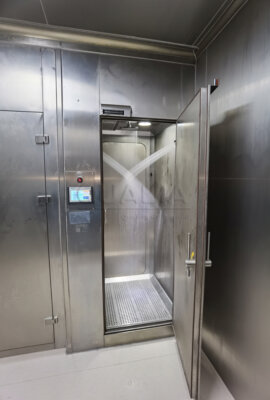
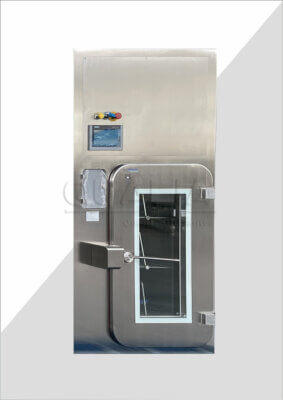
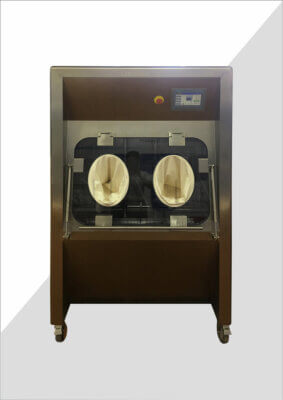
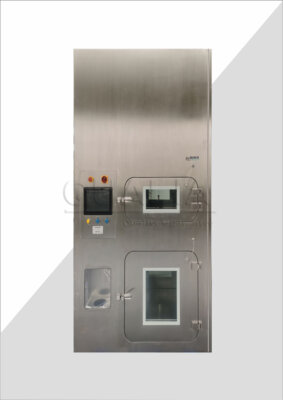
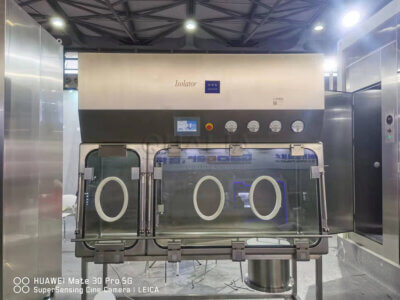
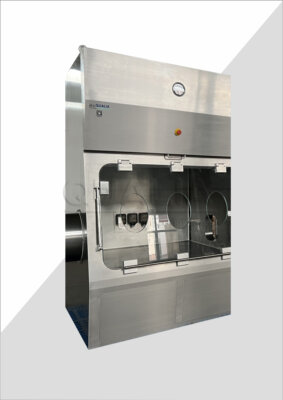
W przypadku izolatorów i systemów przelotowych, które wymagają okresowej ponownej kwalifikacji, niewiarygodna instrukcja obsługi i konserwacji nie jest problemem jednorazowym. Powoduje ona narastającą niepewność w każdym cyklu konserwacji i podczas każdej procedury ponownej kwalifikacji przez cały okres eksploatacji systemu. Izolator OEB4/OEB5 oraz VHP Pass Box są to przykłady elementów zabezpieczających, w przypadku których możliwość śledzenia na poziomie numeru seryjnego – od dokumentacji fabrycznej po konfigurację instalacyjną – ma bezpośredni wpływ na to, czy protokoły okresowej ponownej kwalifikacji mogą być rzetelnie realizowane w odniesieniu do znanego stanu bazowego.
| Problem z rozłączeniem | Konsekwencje walidacji | Z czym należy to powiązać |
|---|---|---|
| W instrukcjach obsługi i konserwacji oraz dokumentach gwarancyjnych po wymianie podaje się informacje dotyczące oryginalnego wyposażenia | Niewłaściwe plany konserwacji, unieważnione gwarancje, awarie sprzętu, którym można było zapobiec | Porównaj numery katalogowe części z danymi na tabliczkach znamionowych zainstalowanego sprzętu oraz z dokumentacją zakupową |
| Otwarte zlecenia zmian uniemożliwiają sfinalizowanie rysunku powykonawczego | Rysunki powykonawcze nie odzwierciedlają rzeczywistej sytuacji na miejscu, co negatywnie wpływa na dokładność kwalifikacji wdrożeniowej (IQ) i kwalifikacji operacyjnej (OQ) | Przed przeprowadzeniem kwalifikacji należy porównać rejestr zleceń zmian ze stanem aktualizacji rysunków |
| Rozbieżności w stanach magazynowych części między wykazami fabrycznymi a zapasami części zamiennych na miejscu | Procedury konserwacyjne stają się zawodne, a dostępność części zamiennych jest niepewna | Porównać listę części dostarczoną przez producenta z fizycznym stanem magazynowym oraz dokumentacją zakupową |
FAT stwarza w tym przypadku rzeczywisty, ale łatwy do błędnej interpretacji kompromis. Nienaganny wpis w protokole FAT potwierdza, że urządzenie zostało prawidłowo zmontowane, a logika sterowania została zweryfikowana przed wysyłką. Nie potwierdza on jednak, że zainstalowane urządzenie ma taką samą konfigurację, z jaką opuściło fabrykę, ani nie weryfikuje podłączeń do instalacji lokalnych, interfejsów ciśnienia w pomieszczeniu ani integracji systemów alarmowych. Prawidłowym podejściem jest traktowanie testu FAT jako warunku wstępnego dla testu SAT — a nie jako jego substytutu. Dokumentacja zainstalowanego systemu musi być niezależna od dokumentacji fabrycznej.
Zamknięcie odchylenia przed uzyskaniem zgody działu kontroli jakości i działu bezpieczeństwa biologicznego
Otwarte odstępstwo stwierdzone w momencie przekazania nie stanowi luki administracyjnej — jest to nierozstrzygnięta kwestia dotycząca tego, czy system realizuje udokumentowaną funkcję w określonych warunkach. Zatwierdzenia w zakresie zapewnienia jakości i bezpieczeństwa biologicznego oparte na niekompletnej dokumentacji dotyczącej odstępstw stwarzają ryzyko audytowe, które nie maleje z upływem czasu; ryzyko to narasta, ponieważ każda kolejna kontrola może ponownie poddać weryfikacji pierwotne podstawy akceptacji.
Kontrola procesu zapobiegająca przedwczesnemu zatwierdzeniu polega na śledzeniu w czasie rzeczywistym kompletności pakietu przekazywanych materiałów, przy czym automatyczna ponowna ocena uruchamia się za każdym razem, gdy aneks lub zlecenie zmiany powoduje zmianę zakresu dokumentacji. Gdy zmiany zakresu są uwzględniane bez ponownej oceny pakietu dowodów, w rezultacie powstaje pakiet, który wydaje się kompletny w świetle pierwotnych wymagań, ale zawiera luki w stosunku do aktualnych założeń projektowych. Ta rozbieżność zazwyczaj ujawnia się podczas przeglądu kontroli jakości, a nie w trakcie realizacji projektu — w tym momencie wymaga ona już poprawek, a nie zapobiegania.
Próg uznania pakietu przekazania za kompletny jest prosty jako kryterium kontroli projektu: każde pozostałe ograniczenie musi zostać udokumentowane wraz z podaniem osoby odpowiedzialnej i terminu weryfikacji. Nie jest to uniwersalna definicja regulacyjna, ale stanowi minimalną, identyfikowalną strukturę odpowiedzialności wymaganą do zapobiegania sytuacji, w której nieokreślone luki przedostają się do etapu ostatecznego zatwierdzenia. Odstępstwo bez wyznaczonej osoby odpowiedzialnej to odstępstwo, które nie zostanie usunięte.
| Warunek lub czynnik wyzwalający | Wymagane działania związane z zamknięciem | Dlaczego zapobiega to przedwczesnemu zatwierdzeniu |
|---|---|---|
| Dodatek lub zlecenie zmiany powoduje zmianę wymagań dotyczących dokumentacji | Automatyczna ponowna ocena kompletności pakietu przekazania pod kątem zaktualizowanego zakresu | Gwarantuje, że zmieniony zakres zostanie uwzględniony w pakiecie dowodowym przed zatwierdzeniem |
| Występuje nierozwiązane odchylenie lub ograniczenie | Każde ograniczenie udokumentowane wraz z przypisanym odpowiedzialnym i terminem przeglądu | Zapewnia możliwość śledzenia odpowiedzialności, dzięki czemu żadna luka nie pozostaje bez uwagi |
| W odchyleniu brakuje informacji o właścicielu lub dacie weryfikacji | Należy upewnić się, że każda nierozwiązana sprawa ma wyznaczoną osobę odpowiedzialną oraz termin ponownej kontroli | Zapobiega przekazaniu projektu z nieokreślonymi lukami, które mogłyby opóźnić ostateczne zatwierdzenie przez organy regulacyjne |
Jednym z konkretnych mechanizmów, które warto wdrożyć, jest następująca procedura: za każdym razem, gdy w trakcie budowy lub uruchamiania wydawane jest zlecenie zmian, powinno to uruchamiać automatyczne porównanie nowego zakresu prac z istniejącą listą wymagań dokumentacyjnych. Jeśli zlecenie zmian dotyczy funkcji zabezpieczających — logiki sterowania systemem HVAC, sekwencji blokad, wartości zadanych kaskady ciśnieniowej — odpowiednie protokoły testowe i rysunki powykonawcze powinny zostać oznaczone do ponownej weryfikacji przed aktualizacją rejestru odstępstw. Bez takiego powiązania zlecenia zmian są rozliczane finansowo, podczas gdy luki w dokumentacji pozostają nierozwiązane.
W przypadku projektów obejmujących złożoną infrastrukturę zabezpieczającą, Uruchomienie laboratorium BSL-3: Przewodnik krok po kroku opisuje, w jaki sposób monitorowanie odchyleń jest zintegrowane z sekwencją uruchomienia przed przekazaniem do działu kontroli jakości.
Indeks przekazania według systemu, pomieszczenia i numeru seryjnego
Najbardziej czasochłonnym etapem większości procedur zamknięcia projektów związanych z zabezpieczeniami nie jest sporządzenie dokumentów — chodzi o przyporządkowanie ich do właściwego sprzętu. Rysunki, certyfikaty kalibracji, raporty z badań oraz decyzje dotyczące odstępstw sporządzone w oparciu o pierwotne specyfikacje tracą swoją wiarygodność w momencie, gdy na miejscu instalacji dochodzi do zastąpienia elementu bez odpowiedniej aktualizacji indeksu dokumentów. W rezultacie powstaje pakiet dokumentów, w którym poszczególne dokumenty istnieją, ale nie można ich wiarygodnie przypisać do konkretnego sprzętu zainstalowanego w konkretnym pomieszczeniu.
Numer seryjny stanowi kluczowy element. Jest to jedyny identyfikator, który powinien łączyć każdy rysunek, protokół kalibracji, raport z badań oraz zgłoszenie odchylenia od normy z konkretnym urządzeniem znajdującym się na hali produkcyjnej. Indeks przekazania uporządkowany według systemu, pomieszczenia i numeru seryjnego sprawia, że powiązanie to jest jasne i podlega kontroli. Bez niego osoba sprawdzająca bezpieczeństwo biologiczne lub audytor ds. zapewnienia jakości musi ręcznie odtworzyć łańcuch powiązań — jest to proces powolny, podatny na błędy i często niekompletny.
Opisana tutaj struktura indeksu stanowi praktyczną rekomendację wynikającą z zasad identyfikowalności leżących u podstaw dokumentacji kwalifikacyjnej zgodnie z załącznikiem 15 — nie jest to format narzucony przez żaden konkretny organ. Jej zaletą jest to, że tworzy ona jednolity ślad audytowy obejmujący wszystkie etapy — od wymogów, przez instalację, aż po kwalifikację — dla każdego zainstalowanego urządzenia, indeksowany w sposób odpowiadający faktycznemu sposobowi przeprowadzania przeglądów terenowych przez inżynierów i specjalistów ds. bezpieczeństwa biologicznego: według lokalizacji i sprzętu, a nie według rodzaju dokumentu.
| Pole indeksowe | Co rejestruje | Dlaczego ma to kluczowe znaczenie |
|---|---|---|
| System / Pomieszczenie | Identyfikator strefy lub pomieszczenia, w którym zainstalowano sprzęt | Grupowanie danych według lokalizacji fizycznej w celu ułatwienia kontroli bezpieczeństwa biologicznego i przeglądu technicznego |
| Numer seryjny sprzętu | Unikalny identyfikator każdego zainstalowanego urządzenia | Kluczowy element umożliwiający przyporządkowanie rysunków, protokołów kalibracji i raportów z badań do rzeczywistego sprzętu |
| Odniesienia do dokumentów | Linki do danych FAT, SAT, IQ/OQ, certyfikatów kalibracji oraz rysunków powykonawczych dla tego numeru seryjnego | Zapewnia jednoliniową ścieżkę audytową od etapu określenia wymagań, poprzez instalację, aż po kwalifikację |
| Status zamknięcia odgałęzienia | Wszelkie obowiązujące ograniczenia, właściciele oraz terminy przeglądów związane z tym sprzętem | Potwierdza, że żadna z kluczowych funkcji zabezpieczających nie jest pozbawiona zatwierdzonego protokołu z testów lub decyzji dotyczącej dalszego postępowania przed przekazaniem |
Indeks przekazania jest najbardziej przydatny, gdy traktuje się go jako dokument na bieżąco aktualizowany w trakcie budowy, a nie sporządzany dopiero na etapie zamknięcia projektu. Jeśli indeks jest tworzony z wyprzedzeniem — uzupełniany podczas oddawania do użytku w miarę instalowania poszczególnych jednostek i sporządzania poszczególnych dokumentów — uzgadnianie numerów seryjnych staje się rutynową czynnością, a nie kryzysową sytuacją na etapie zamknięcia projektu. Jeśli natomiast indeks jest sporządzany z opóźnieniem, niezrealizowane zlecenia zmian i nieudokumentowane zamiany spowodowały już powstanie luk, których wyjaśnienie wymaga przeprowadzenia dochodzenia.
Warunek akceptacji dla nierozwiązanych funkcji ograniczających
Funkcja zabezpieczenia, w przypadku której występuje nierozstrzygnięty zapis z badań, odchylenie bez przypisania odpowiedzialności lub niejednoznaczne kryteria akceptacji, powinna być traktowana jako niekompletny pakiet dokumentacji — a nie jako drobna kwestia administracyjna oczekująca na rozstrzygnięcie. Rozróżnienie to ma znaczenie, ponieważ zatwierdzenie w zakresie bezpieczeństwa biologicznego oraz zatwierdzenie przez dział zapewnienia jakości nie stanowią potwierdzenia, że system jest w przybliżeniu gotowy; są to formalne oświadczenia, że pakiet dowodów wykazuje, iż system spełnia swoją funkcję zabezpieczenia w określonych warunkach. Niekompletny pakiet dokumentacji na tym etapie powoduje powstanie dokumentacji regulacyjnej zawierającej lukę.
Warunkiem przesłankowym do przekazania funkcji zabezpieczającej do eksploatacji jest zestaw warunków, które łącznie potwierdzają, że system znajduje się w stabilnym i udokumentowanym stanie — żadne z nich nie jest wystarczające osobno, ale wszystkie razem są niezbędne. Wytyczne zawarte w Podręczniku bezpieczeństwa biologicznego w laboratoriach WHO oraz zasady gotowości kwalifikacyjnej określone w załączniku 15 potwierdzają tę podstawową koncepcję: przed przekazaniem do eksploatacji należy potwierdzić udokumentowaną gotowość, a potwierdzenie to musi być możliwe do prześledzenia. Poniższe pięć warunków określa, jak ten stabilny stan wygląda w praktyce.
| Warunek przyjęcia | Co to oznacza w praktyce | Dlaczego należy to potwierdzić |
|---|---|---|
| Działanie w trybie tylko do odczytu jest stabilne | Logika zabezpieczeń i wyjścia danych są zabezpieczone przed nieautoryzowanymi zmianami | Zapobiega wprowadzaniu zmian po zakończeniu walidacji, które mogłyby unieważnić wyniki testów |
| Odniesienia do źródeł są zrozumiałe | Każdy punkt danych, wartość progową lub alarm można powiązać z URS lub podstawami projektowymi | Gwarantuje, że recenzenci będą mogli jednoznacznie zinterpretować dowody potwierdzające poprawność |
| Zachowanie w przypadku brakujących danych jest jasne | Sposób reagowania systemu na brakujące lub nieprawidłowe dane wejściowe jest określony i udokumentowany | Zapobiega nieprzewidzianym lukom w bezpieczeństwie w przypadku awarii czujników lub źródeł danych |
| Rejestry zatwierdzeń i audytów są rejestrowane | Wszystkie zatwierdzenia, daty przeglądu i ścieżki audytu są kompletne i dostępne | Stanowi dokumentację regulacyjną potwierdzającą, że funkcja zabezpieczenia została zatwierdzona na określonych warunkach |
| Właściciele prowadzący działalność przyjęli pakiet związany z przekazaniem przedsiębiorstwa | Zespół odpowiedzialny za bieżącą eksploatację oficjalnie potwierdził gotowość | Przenosi odpowiedzialność z realizacji projektu na bieżącą działalność operacyjną |
Dwa warunki z tego zestawu zasługują na szczególną uwagę. Zachowanie systemu w przypadku brakujących danych — czyli sposób, w jaki system reaguje na awarię czujnika lub przerwę w dostarczaniu danych — jest często niedostatecznie udokumentowane w projektach dotyczących zabezpieczeń, ponieważ wymaga to przemyślanych scenariuszy testowych wykraczających poza weryfikację w normalnym zakresie pracy. Jeśli reakcja systemu na awarię czujnika ciśnienia lub brak sygnału blokady nie została zdefiniowana i przetestowana, luka ta nie stanowi problemu kalibracji; jest to niezweryfikowany przypadek bezpieczeństwa. Podobnie akceptacja ze strony operatora nie jest formalnością. Zespół odpowiedzialny za rutynową eksploatację powinien formalnie potwierdzić gotowość, ponieważ to właśnie on będzie zarządzał systemem, gdy wystąpi sytuacja nieprzewidziana. Przekazanie systemu bez takiego potwierdzenia powoduje przeniesienie ryzyka bez przeniesienia świadomej odpowiedzialności.
W przypadku funkcji zabezpieczających obejmujących cykle odkażania za pomocą VHP, Protokół walidacji VHP: IQ OQ PQ dla systemów nadtlenku wodoru opisuje, w jaki sposób należy traktować scenariusze dotyczące brakujących danych oraz kryteria zakończenia cyklu w ramach procedur IQ/OQ/PQ przed zatwierdzeniem wyników.
Pakiet dokumentacji projektu zabezpieczającego jest tak solidny, jak jego najsłabsze, nierozwiązane ogniwo — a ogniwo to prawie zawsze wykrywa się zbyt późno. W praktyce oznacza to, że jakość pakietu dokumentacji powinna być na bieżąco oceniana w oparciu o ustrukturyzowany indeks, a nie kompletowana i weryfikowana jako całość dopiero na etapie zamknięcia projektu. Opisane tutaj granice faz, uzgodnienie numerów seryjnych, przypisanie odpowiedzialności za odchylenia oraz warunki odbioru nie są formalnościami proceduralnymi; są to mechanizmy, dzięki którym zatwierdzenia w zakresie zapewnienia jakości i bezpieczeństwa biologicznego są uzasadnione w przypadku kontroli, a przekazanie operacyjne stanowi rzeczywiste przeniesienie odpowiedzialności, a nie jedynie zakończenie pracy zespołu projektowego.
Przed zatwierdzeniem jakiegokolwiek pakietu przekazowego należy niezależnie potwierdzić trzy kwestie: czy dla każdej kluczowej funkcji zabezpieczającej istnieje zatwierdzony protokół testowy, którego pochodzenie można prześledzić aż do zainstalowanego numeru seryjnego; czy każde otwarte odstępstwo ma wyznaczonego odpowiedzialnego oraz termin przeglądu; oraz czy zespół operacyjny formalnie potwierdził gotowość. Jeśli którykolwiek z tych trzech warunków nie jest spełniony, pakiet uznaje się za niekompletny, niezależnie od tego, co przewiduje harmonogram projektu.
Często zadawane pytania
Pytanie: Czy pakiet dowodów oparty na podziale na etapy ma zastosowanie, jeśli w ramach projektu zatrudniono wykonawcę realizującego zarówno projekt, jak i budowę, zamiast stosować tradycyjny model oparty na dostawcy i integratorze?
O: Tak, ale granica między dokumentacją dostawcy a dokumentacją kwalifikacji obiektu staje się trudniejsza do wyegzekwowania, a nie łatwiejsza do zignorowania. W ramach umowy typu „zaprojektuj i zbuduj” ten sam podmiot sporządza zarówno dokumentację fabryczną, jak i dokumentację uruchomienia na miejscu, co wywiera presję, by traktować te dokumenty jako zamienne. Nie są one jednak zamienne — dokumentacja FAT nadal odzwierciedla warunki panujące w fabryce, a dokumentacja SAT oraz IQ/OQ/PQ musi nadal dokumentować działanie zainstalowanego systemu w warunkach charakterystycznych dla danego obiektu, z uwzględnieniem mediów, interfejsów pomieszczeń i integracji systemów alarmowych. Granice między fazami istnieją, ponieważ warunki się różnią, a nie dlatego, że strony są różne.
Pytanie: Po zatwierdzeniu pakietu przekazowego przez działy kontroli jakości i bezpieczeństwa biologicznego, jakie działania należy podjąć, zanim zespół operacyjny przejmie formalną kontrolę?
O: Zespół operacyjny powinien sporządzić formalne potwierdzenie gotowości powiązane z tym samym indeksowanym pakietem, który uzyskał zatwierdzenie w zakresie kontroli jakości i bezpieczeństwa biologicznego — a nie oddzielne ustne potwierdzenie. Potwierdzenie to powinno potwierdzać, że zespół zapoznał się z zatwierdzoną dokumentacją testową, rozumie sposób postępowania w przypadku odstępstw oraz wszelkie pozostałe ograniczenia, a także przyjmuje na siebie odpowiedzialność za przekazywane funkcje związane z zabezpieczeniem. Bez tego kroku przekazanie polega jedynie na przekazaniu dokumentacji regulacyjnej bez przeniesienia świadomej odpowiedzialności operacyjnej, co tworzy lukę, która zostanie ujawniona podczas kolejnej inspekcji lub dochodzenia w sprawie incydentu.
Pytanie: W którym momencie odstępstwo staje się na tyle poważne, że uniemożliwia ostateczne przyjęcie projektu, zamiast pozwolić na jego dalsze rozpatrywanie wraz z ustaleniem terminu przeglądu?
A: Każde odchylenie mające wpływ na krytyczną funkcję zabezpieczającą — wartości zadane kaskady ciśnieniowej, sekwencję blokad, logikę sterowania systemem HVAC lub kryteria zakończenia cyklu odkażania — powinno uniemożliwić zatwierdzenie, dopóki nie zostanie formalnie usunięte, a nie przeniesione na później. Mechanizm „właściciel i data przeglądu” jest odpowiedni w przypadku luk administracyjnych i niekrytycznych rozbieżności w dokumentacji, a nie w przypadku niezweryfikowanych analiz bezpieczeństwa. Jeśli reakcja systemu na tryb awarii nie została przetestowana lub wynik testu wykraczał poza kryteria akceptacji, funkcja zabezpieczająca jest niekwalifikowana, a zatwierdzenie funkcji niekwalifikowanej tworzy dokumentację regulacyjną zawierającą lukę strukturalną, a nie zarządzane ryzyko.
Pytanie: Jak zmieniają się wymagania dotyczące uzgadniania numerów seryjnych w przypadku stosowania modułowych lub prefabrykowanych systemów laboratoryjnych zamiast konstrukcji budowanych na miejscu?
O: Wymóg uzgodnienia staje się jeszcze ważniejszy, a nie mniej istotny, ponieważ prefabrykowane systemy często dostarczane są na plac budowy wraz ze zintegrowanymi komponentami — urządzeniami HVAC, blokadami, panelami sterowania — których indywidualne numery seryjne mogą nie być uwzględnione w ogólnej dokumentacji systemu. Każdy wbudowany element, który ma własny okres kalibracji, harmonogram konserwacji lub wymóg ponownej kwalifikacji, musi figurować w spisie przekazania pod własnym identyfikatorem, a nie tylko pod numerem seryjnym systemu nadrzędnego. Jeśli tak nie jest, pierwsza procedura ponownej kwalifikacji będzie wymagała od osób przeprowadzających kontrolę odtworzenia, które elementy są fizycznie zainstalowane, a w tym momencie spis przekazania już nie spełnił swojej podstawowej funkcji.
Pytanie: Czy pełna kwalifikacja w zakresie IQ/OQ/PQ jest zawsze konieczna, czy też istnieją rodzaje projektów dotyczących systemów hermetycznych, w przypadku których uzasadnione jest podejście oparte wyłącznie na uruchomieniu?
Odp.: Podejście oparte wyłącznie na uruchomieniu nie ma uzasadnienia w przypadku żadnego systemu izolacyjnego, w którym realizacja określonej funkcji stanowi warunek bezpieczeństwa biologicznego lub wymóg GMP — co w kontekście laboratoriów BSL-3/4 oraz izolacji farmaceutycznej obejmuje utrzymanie kaskady ciśnieniowej, działanie blokad, zakończenie cyklu dekontaminacji oraz integrację alarmów. Uruchomienie potwierdza, że systemy są zainstalowane i działają; IQ/OQ/PQ przekształca to w formalną, podlegającą kontroli dokumentację potwierdzającą, że dana funkcja działa w określonych granicach w udokumentowanych warunkach. Zarówno załącznik 15, jak i wytyczne zawarte w Podręczniku bezpieczeństwa biologicznego w laboratoriach WHO traktują to udokumentowane potwierdzenie jako warunek wstępny do użytkowania operacyjnego, a nie jako opcjonalne ulepszenie.