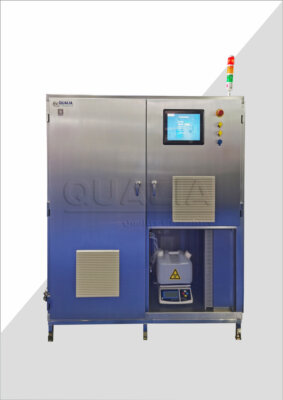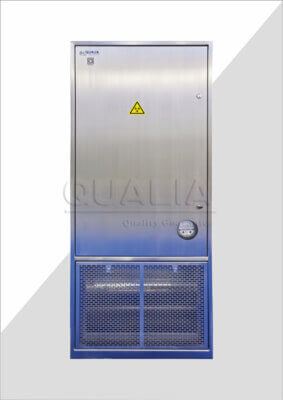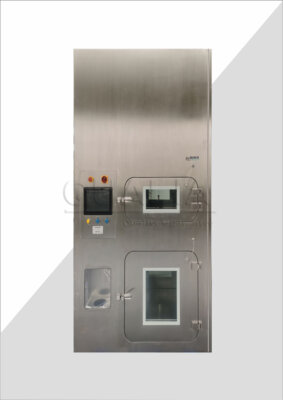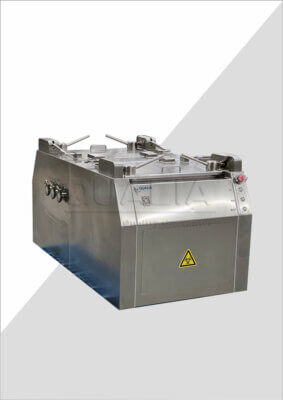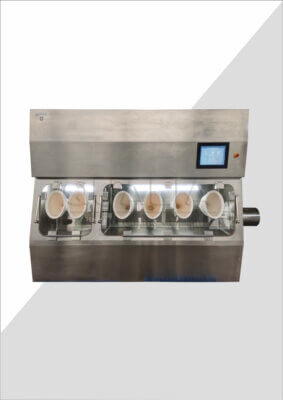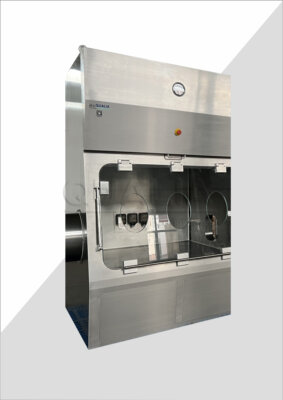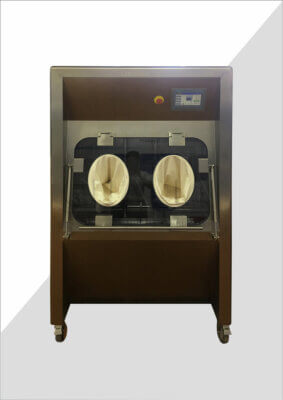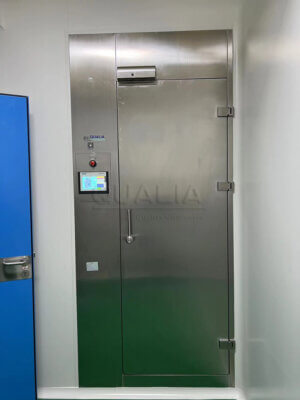

Specyfikacje, które pozostawiają koncepcję ochrony niezdefiniowaną do czasu oceny oferty, nie tylko spowalniają zamówienia - strukturalnie je unieważniają. Gdy dynamiczna skrzynka przepustowa z recyrkulacyjnym przepływem powietrza HEPA i statyczna uszczelniona jednostka pojawiają się w tej samej pozycji, porównanie cen staje się bez znaczenia, a rozwiązanie różnicy ląduje w uruchomieniu jako polecenie zmiany, a nie w zapytaniu ofertowym jako wyjaśnienie. Bardziej konsekwentny wzorzec awarii jest subtelniejszy: specyfikacja określa rozmiar komory, materiał i ogólne wymagania dotyczące blokady, ale nigdy nie określa, czy celem projektu jest aktywna kontrola zanieczyszczeń, czy pasywna separacja stref. To pojedyncze pominięcie kaskadowo prowadzi do nieporównywalnych ofert, konfliktów montażowych po udzieleniu zamówienia i kwalifikacji filtrów, które nie mogą być kontynuowane, ponieważ porty testowe nigdy nie zostały określone. Poniżej przedstawiamy robocze ramy rozwiązywania tych decyzji przed wysłaniem zapytania ofertowego, tak aby oferty mogły być oceniane pod kątem jakości wykonania, a nie niezgodnych interpretacji tego, co ma robić skrzynka przepustowa.
Definicje obowiązków transferu, które zakotwiczają specyfikację
Cel kontroli zanieczyszczeń określa typ skrzynki przepustowej, a nie odwrotnie. Rozpoczęcie od rozmiaru komory lub preferowanego materiału przed określeniem, czemu jednostka ma zapobiegać, tworzy specyfikacje, które dostawcy będą interpretować w różny sposób, a obie interpretacje mogą być technicznie możliwe do obrony, biorąc pod uwagę dostarczony język.
Podstawową kwestią planowania jest to, czy transfer odbywa się między strefami o podobnej klasyfikacji, czy też przekracza granicę, w której strefa odbiorcza jest znacznie czystsza niż źródło. Statyczne skrzynki przepustowe są odpowiednie w pierwszym przypadku: działają jako bariery pasywne dzięki szczelnej konstrukcji wspieranej przez własną kaskadę ciśnienia HVAC obiektu i nie wymagają aktywnego zarządzania przepływem powietrza wewnątrz urządzenia. W momencie, gdy transfer pochodzi z niekontrolowanej lub znacznie niżej sklasyfikowanej przestrzeni, pasywne podejście nie odpowiada już celowi ochrony, a specyfikacja powinna zamiast tego zakotwiczyć jednostkę dynamiczną z samodzielnym recyrkulacyjnym przepływem powietrza HEPA.
Pomiędzy tymi dwoma punktami końcowymi istnieją półaktywne i aktywne opcje dla transferów, w których występuje niewielka różnica w czystości, ale pełna filtracja recyrkulacyjna jest nieproporcjonalna. Półaktywna skrzynka przepustowa wykorzystuje HVAC obiektu do dostarczania przefiltrowanego powietrza do komory transferowej - jest to opłacalne, gdy różnica w czystości jest niewielka, ale zależy od kompatybilności HVAC, którą należy potwierdzić przed napisaniem zapytania ofertowego. Aktywna skrzynka przepustowa zapewnia jednokierunkowe oczyszczanie HEPA bez recyrkulacji, odpowiednie do kierunkowych transferów z pomieszczenia czystego do przestrzeni niesklasyfikowanej, gdzie mechanizmem kontrolnym jest kierunek przepływu, a nie filtracja recyrkulacyjna. Błędny wybór nie jest drobną kwestią kalibracji: jednostka statyczna zastąpiona aplikacją dynamiczną pozostawia kontrolowaną strefę podatną na zanieczyszczenie podczas każdego cyklu transferu, a niewspółosiowość może nie ujawnić się aż do kwalifikacji operacyjnej.
| Typ skrzynki przepustki | Koncepcja ochrony | Kiedy używać | Kluczowe uwagi projektowe |
|---|---|---|---|
| Statyczny | Bariera pasywna (szczelna konstrukcja + kaskada HVAC obiektu) | Transfery między strefami o podobnej klasyfikacji | Brak aktywnego przepływu powietrza; określenie integralności uszczelki i wydajności uszczelnienia |
| Półaktywny | Przefiltrowane przedmuchy zasilające pochodzące z HVAC | Niewielkie różnice w czystości (np. ISO 8 do ISO 7) | Koordynacja z systemem HVAC obiektu; potwierdzenie dopływu przefiltrowanego powietrza i równowagi ciśnień. |
| Aktywny | Jednokierunkowe oczyszczanie HEPA (bez recyrkulacji) | Pomieszczenie czyste do przestrzeni niesklasyfikowanej; wymagane oczyszczanie kierunkowe | Określić filtr HEPA, wentylator, nierecyrkulacyjny przepływ powietrza |
| Dynamiczny | Recyrkulacyjny przepływ powietrza HEPA (autonomiczny) | Strefy niekontrolowane lub niżej sklasyfikowane do kontrolowanych | Zawiera filtr HEPA H13/H14, filtr wstępny, wentylator, wskaźnik DP, porty DOP/PAO, wnętrze z SS, UV-C |
Sama klasyfikacja strefy nie jest wystarczająca do określenia typu skrzynki przepustowej; kierunek i częstotliwość transferów, krytyczność środowiska odbiorczego i konfiguracja HVAC obiektu mają wpływ na decyzję. Norma GB 19489-2008 określa kontrolę transferu opartą na strefach jako podstawową zasadę projektowania laboratoriów bezpiecznych biologicznie, a Podręcznik bezpieczeństwa biologicznego laboratoriów WHO podkreśla, że ścieżki transferu materiałów muszą być zaprojektowane zgodnie z poziomem ochrony strefy przyjmującej, a nie strefy wysyłającej. To, czego te odniesienia nie zalecają, to konkretny typ skrzynki przepustowej - ta ocena należy do zespołu ds. specyfikacji.
Dostawcy nie powinni zgadywać parametrów projektowych
Po ustaleniu koncepcji ochrony specyfikacja powinna usuwać każdy parametr projektowy, o którym dostawcy mogliby decydować samodzielnie. Praktyczne ryzyko nie polega na tym, że dostawcy podejmą złe decyzje - chodzi o to, że podejmą inne, a różnice te będą niewidoczne na arkuszu porównania cen, dopóki nie pojawią się podczas instalacji lub walidacji.
Wybór materiału jest tego najlepszym przykładem. Wybór stali nierdzewnej 304 na wewnętrzną komorę to precyzyjna decyzja, a nie preferencja: określa ona odporność chemiczną, łatwość czyszczenia powierzchni i kompatybilność ze środkami dezynfekującymi. Pozostawienie wyboru materiału obudowy zewnętrznej - pomiędzy 304 SS, 201 SS i stalą malowaną proszkowo - jest dopuszczalne, ale tylko wtedy, gdy specyfikacja określa wybór. Jeśli nic nie mówi, dostawca domyślnie wybiera to, co jest najbardziej konkurencyjne cenowo, a wynik może być odpowiedni lub nie, w zależności od środowiska operacyjnego.
Typ systemu blokady to obszar, w którym nieokreślone parametry stwarzają najtrwalsze problemy. Zarówno blokada mechaniczna, jak i elektroniczna zapobiegają jednoczesnemu otwarciu drzwi, ale różnią się znacznie pod względem możliwości alarmowych, zachowania wskaźników, integracji z systemami zarządzania budynkiem i profilu konserwacji. Specyfikacja, która mówi “drzwi z blokadą” bez rozstrzygnięcia tego wyboru, otrzyma oferty, które nie są funkcjonalnie równoważne na poziomie użytkowania operacyjnego i przyszłej konserwacji - a pogodzenie ich po udzieleniu zamówienia kosztuje czas, który powinien zostać poświęcony na etapie specyfikacji.
W przypadku dynamicznych skrzynek przepustowych specyfikacja systemu filtracji musi być kompletna przed opublikowaniem zapytania ofertowego. Filtr wstępny klasy G4, filtr HEPA spełniający wymagania H13 lub H14 (skuteczność na poziomie 99,995% lub wyższa), wbudowany wentylator, manometr różnicowy i porty testowe DOP/PAO to elementy, które powinny znaleźć się w specyfikacji, a nie w definicji zakresu po udzieleniu zamówienia. Pominięcie portów testowych w szczególności stanowi problem walidacyjny: kwalifikacja integralności filtra nie może być kontynuowana bez nich, a ich modernizacja po instalacji jest modyfikacją terenową, która opóźnia projekt i może wymagać dodatkowej koordynacji strukturalnej.
| Parametr | Co należy określić | Dlaczego to ma znaczenie |
|---|---|---|
| Materiał komory | Wewnętrzny: 304 SS; Zewnętrzne: 304 SS, 201 SS lub stal malowana proszkowo | Niejednoznaczność materiałów prowadzi do niespójnej trwałości, odporności chemicznej i łatwości czyszczenia w różnych ofertach. |
| System blokady | Mechaniczne (fizyczne połączenie) lub elektroniczne (obwody, zamki elektromagnetyczne, lampki kontrolne) | Nieokreślony typ skutkuje nieporównywalnym sekwencjonowaniem drzwi, funkcjami alarmowymi i profilami konserwacji. |
| Filtracja (dynamiczna skrzynka przepustowa) | Filtr wstępny (G4), filtr HEPA (H13/H14, wydajność ≥99,995%), recyrkulacja powietrza, wbudowany wentylator, wskaźnik DP, porty testowe DOP/PAO | Pominięcie tworzy niefunkcjonalną jednostkę dynamiczną i luki w walidacji |
| Wykończenie wnętrza (dynamiczna skrzynka przepustek) | Polerowana stal nierdzewna; gładkie, zaokrąglone narożniki | Niewypolerowane powierzchnie i płaskie narożniki tworzą szczeliny, które zagrażają czystości GMP i akceptacji przepisów. |
| Dezynfekcja UV-C | Umieszczenie lampy, automatyczny czas przebywania (np. 15 minut po zamknięciu drzwi), cykl wymiany lampy (4000 godzin żywotności) | Bez specyfikacji, funkcjonalność dezynfekcji i harmonogram konserwacji są pozostawione do interpretacji dostawcy |
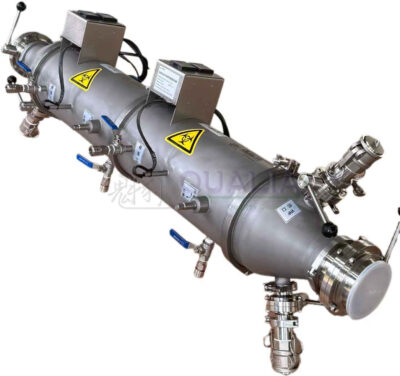
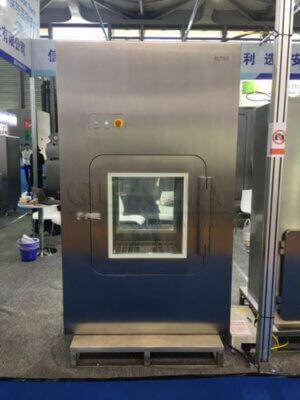
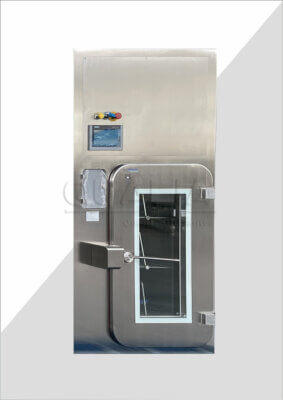
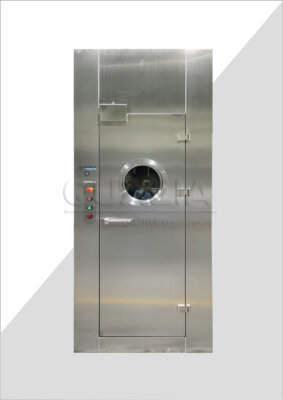
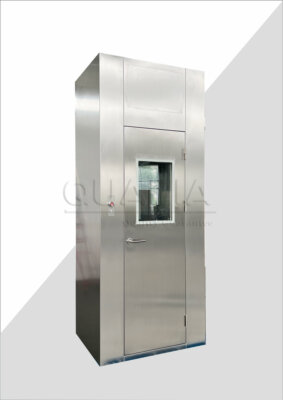
Wykończenie wnętrza i dezynfekcja UV-C to dwa parametry, które wydają się mało istotne, ale mają konsekwencje operacyjne. Dynamiczna skrzynka przepustowa z płaskimi narożnikami i niepolerowanymi powierzchniami stwarza ryzyko powstania szczelin, które komplikują walidację czyszczenia GMP. Specyfikacje lamp UV-C - umiejscowienie, czas przebywania wyzwalany przez zamknięcie drzwi i próg żywotności 4000 godzin - określają zarówno protokół dezynfekcji, jak i harmonogram konserwacji. Pozostawienie któregokolwiek z tych elementów do interpretacji dostawcy oznacza, że urządzenie może zostać dostarczone z luką funkcjonalną, która staje się widoczna dopiero podczas walidacji czyszczenia lub podczas pierwszego cyklu wymiany lampy. W tym przypadku skrzynka bezpieczeństwa biologicznego oraz Skrzynka przepustek VHP Konfiguracje ilustrują, w jaki sposób parametry te różnią się w praktyce w zależności od poziomu ochrony, co stanowi przydatny kontekst podczas określania zakresu specyfikacji.
Niejasności, które osłabiają porównywalność ofert
Porównywalność ofert jest warunkiem progowym, a nie preferencją przetargową. Jeśli dwóch dostawców może zapoznać się z tą samą specyfikacją i przedstawić zasadniczo różne strategie kontroli zanieczyszczeń, specyfikacja nie spełniła jeszcze swojego zadania - niezależnie od tego, jak dokładnie opisuje wymiary komory lub wykończenie materiału.
Najistotniejszą niejasnością jest brak określenia, czy wymagane jest statyczne czy dynamiczne pole przepustki. Nie jest to szczegół, który dostawcy mogą rozsądnie wywnioskować z kontekstu. Jednostka statyczna i dynamiczna mogą mieć podobne wymiary zewnętrzne i pokrywające się specyfikacje materiałowe, ale reprezentują różne koncepcje ochrony na poziomie projektu. Gdy oba pojawiają się w odpowiedzi na tę samą pozycję, ocena techniczna nie porównuje już jakości wykonania - porównuje filozofię ochrony, decyzję, która powinna zostać podjęta przed wydaniem zapytania ofertowego.
Niejednoznaczność typu blokady potęguje ten problem na poziomie operacyjnym. Mechaniczne i elektroniczne blokady zapobiegają jednoczesnemu otwarciu drzwi za pomocą różnych mechanizmów, a różnica ma znaczenie przy ocenie wyjścia alarmowego, zachowania wskaźnika świetlnego i integracji z systemami sterowania obiektem. Specyfikacja, która pozostawia typ blokady otwarty, otrzyma oferty, które różnią się w sposób, którego arkusz cenowy nie może uchwycić, a zespół oceniający oferty albo arbitralnie wybierze jedną z nich, albo spędzi cykle po udzieleniu zamówienia, wymuszając dostosowanie.
| Niejednoznaczność | Ryzyko, jeśli niejasne | Co należy potwierdzić w specyfikacji |
|---|---|---|
| Nie określono typu przepustki (statyczna vs dynamiczna) | Dostawcy podają zasadniczo różne koncepcje ochrony (bariera pasywna a aktywny przepływ powietrza); oferty techniczne nie są porównywalne i mogą wybrać nieodpowiednią koncepcję. | Wyraźne określenie statycznej lub dynamicznej i odpowiedniej koncepcji ochrony |
| Nieokreślony typ blokady (mechaniczna lub elektroniczna) | Niespójne sekwencjonowanie drzwi, funkcje alarmowe i integracja uniemożliwiają porównanie ich ze sobą. | Określenie mechanicznej lub elektronicznej blokady i wymaganych funkcji sygnalizacji |
| Manometr różnicowy i porty testowe DOP/PAO pominięte w dynamicznej skrzynce przepustowej | Monitorowanie integralności filtrów i walidacja nie zostały uwzględnione; prowadzi to do zleceń zmian po udzieleniu zamówienia i opóźnień w zamówieniach. | Wymagany wskaźnik DP i porty testowe DOP/PAO w specyfikacji dynamicznej skrzynki przepustowej |
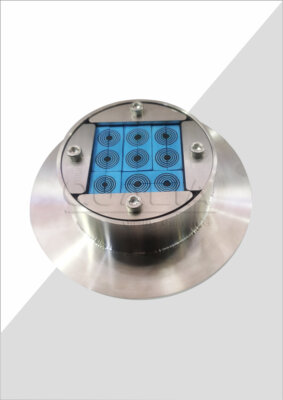
Pominięcie manometru różnicowego i portu testowego DOP/PAO warto potraktować jako osobny element listy kontrolnej, a nie tylko szczegół komponentu. W przypadku dynamicznej skrzynki przepustowej funkcje te są mechanizmem, za pomocą którego wydajność filtra jest monitorowana podczas pracy i weryfikowana podczas kwalifikacji. Bez nich jednostka może zostać uruchomiona, ale nie może zostać formalnie zatwierdzona - rozróżnienie, które staje się krytyczne, jeśli instalacja podlega przeglądowi regulacyjnemu. Zidentyfikowanie tej luki po przyznaniu zamówienia zamienia proste dodanie zakresu w zlecenie zmiany z konsekwencjami harmonogramu i kosztów, których można było całkowicie uniknąć.
Prace koordynacyjne potrzebne przed wydaniem RFQ
Szczegółowe specyfikacje zmniejszają niejednoznaczność, ale wymagają skoordynowanego wkładu ze strony inżynierów obiektu, użytkowników końcowych i zaopatrzenia przed wysłaniem dokumentu. Pominięcie tej koordynacji nie eliminuje pracy - przenosi ją do uruchomienia, gdzie kosztuje więcej i trwa dłużej.
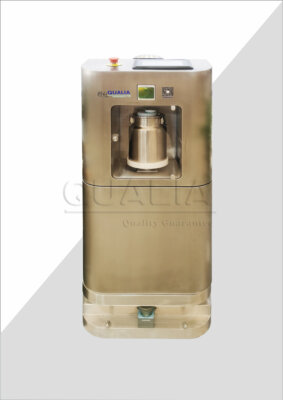
Koordynacja wymiarów jest najbardziej praktycznym zadaniem koordynacyjnym. Statyczne i dynamiczne skrzynki przepustowe o tej samej objętości komory roboczej zajmują różne zewnętrzne obwiednie: jednostka dynamiczna posiada obudowy wentylatorów i filtrów, które znacznie zwiększają jej powierzchnię w porównaniu do statycznego odpowiednika. Wykorzystanie danych wymiarowych z porównywalnych konfiguracji - jednostka statyczna o wymiarach około 620×560×580 mm w porównaniu z jednostką dynamiczną o wymiarach około 670×580×1,000 mm dla tej samej komory wewnętrznej - ilustruje skalę tej różnicy i dlaczego wymiary otworów w ścianach muszą zostać zweryfikowane zarówno w odniesieniu do opcji statycznych, jak i dynamicznych, zanim specyfikacja zablokuje typ skrzynki przepustowej. Są to dane projektowe używane do oznaczenia ryzyka dopasowania, a nie uniwersalne punkty odniesienia; rzeczywiste wymiary różnią się w zależności od modelu i producenta. Otwór w ścianie dostosowany do jednostki statycznej, który później musi pomieścić jednostkę dynamiczną, wymaga modyfikacji strukturalnej, która jest kosztowna i często ograniczona przez sąsiednie systemy.
Częstotliwość wymiany filtrów i lamp UV powinna znaleźć się w specyfikacji, ponieważ ma bezpośredni wpływ na całkowity koszt posiadania i ciągłość działania. Wymiana filtra wstępnego planowana w przybliżeniu w odstępach sześciomiesięcznych, wymiana filtra HEPA co sześć do dwunastu miesięcy i wymiana lampy UV po około 4000 godzin użytkowania to dane wejściowe do planowania, które powinny być widoczne dla kierownictwa obiektu i zaopatrzenia przed dokonaniem zakupu. Traktowanie tych danych jako szczegółów konserwacji po instalacji oznacza, że budżety operacyjne i umowy serwisowe są budowane na nieznanych założeniach.
| Zadanie koordynacyjne | Kluczowe kwestie | Ryzyko zaniedbania |
|---|---|---|
| Wymiary zewnętrzne i wewnętrzne | Weryfikacja w odniesieniu do otworu w ścianie pomieszczenia czystego i objętości transferu. Modele statyczne i dynamiczne różnią się rozmiarem zewnętrznym dla tej samej komory roboczej (np. VCR500SP 620×560×580 mm vs VCR500DP 670×580×1000 mm). | Problemy z montażem i kosztowne modyfikacje w terenie |
| Częstotliwość wymiany filtrów i lamp UV | Zaplanuj wymianę filtra wstępnego co 6 miesięcy, filtra HEPA co 6-12 miesięcy, lampy UV po 4000 godzin użytkowania. | Nieplanowane przestoje i wyższy całkowity koszt posiadania |
| Integracja HVAC (półaktywne skrzynki przepustowe) | Potwierdzenie zgodności zasilania filtrowanym powietrzem i równowagi ciśnień w obiekcie. | Niska wydajność lub przeróbki spowodowane niekompatybilnością |
W przypadku półaktywnych skrzynek przepustowych kompatybilność HVAC jest zależnością koordynacyjną, której nie można rozwiązać po opublikowaniu zapytania ofertowego. Wydajność urządzenia zależy od tego, czy filtrowane powietrze w obiekcie spełnia wymagane warunki ciśnienia i czystości. Jeśli zgodność ta nie została potwierdzona z zespołem inżynierów obiektu, opcja półaktywna może wydawać się spełniać cel ochrony na papierze, ale nie działać prawidłowo - a przeróbka wymagana do skorygowania problemu z równowagą ciśnienia po instalacji jest znacznie bardziej uciążliwa niż rozwiązanie go na etapie specyfikacji. Mówiąc szerzej, prace koordynacyjne dla każdej specyfikacji skrzynki przepustowej powinny obejmować osoby, które będą czyścić jednostkę, osoby, które będą ją walidować, oraz osoby, które będą ją konserwować - nie tylko inżyniera, który rysuje otwór w ścianie.
Koncepcje ochrony porównywalne z progiem specyfikacji
Specyfikacja przekroczyła próg ważnego wydania RFQ, gdy żaden dostawca nie może jej przeczytać i zaproponować zasadniczo innej koncepcji ochrony niż jakikolwiek inny dostawca. To jest test. Cała reszta - wykończenie materiału, wymiary komory, czas przebywania w promieniowaniu UV-C - to szczegóły, które mają znaczenie, ale szczegóły, które przyczyniają się do jakości oferty dopiero po zamknięciu kwestii koncepcji ochrony.
Rozróżnienie statyczny-dynamiczny jest tam, gdzie ten próg najczęściej nie jest spełniony. Statyczna skrzynka przepustowa opiera się na szczelnej konstrukcji i kaskadzie ciśnienia HVAC w obiekcie, aby utrzymać separację stref podczas transferu. Dynamiczna skrzynka przepustowa z recyrkulacyjnym przepływem powietrza HEPA działa jako samodzielna jednostka kontroli zanieczyszczeń, niezależna od systemu HVAC obiektu podczas cyklu transferu. Nie są to udoskonalenia tej samej koncepcji - są to różne podejścia projektowe do tego samego problemu, a specyfikacja, która nie określa jednoznacznie, które z nich jest wymagane, jest strukturalnie niekompletna. Ryzyko nie polega tylko na trudnościach w ocenie; wybrana jednostka może zapewnić poziom ochrony, który nie pasuje do scenariusza transferu, a niedopasowanie może nie zostać zidentyfikowane do czasu kwalifikacji operacyjnej lub, co gorsza, podczas przeglądu regulacyjnego.
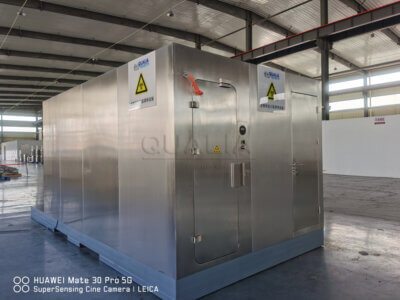
Specyfikacje blokad i filtracji wzmacniają ten test progowy z innego kierunku. Jeśli dwie oferty określają różne systemy blokad, różne klasy filtrów lub różne funkcje wsparcia walidacji, różnice te mogą wynikać z luk w specyfikacji, a nie ze zmienności dostawcy. Zamknięcie tych luk przed wydaniem RFQ jest mechanizmem, dzięki któremu specyfikacja staje się rzeczywiście porównywalna. Praktyczna weryfikacja jest prosta: przeczytaj projekt specyfikacji i zapytaj, czy dostawca oferujący pasywną szczelną barierę i dostawca oferujący aktywną jednostkę z recyrkulacją HEPA odpowiadają technicznie. Jeśli odpowiedź jest twierdząca, koncepcja ochrony nie została rozwiązana, a specyfikacja wymaga kolejnej iteracji. W przypadku zastosowań, w których środowisko odbiorcze jest strefą klasyfikacji BSL-3 lub wyższą, stawka tego nierozstrzygniętego pytania jest znacznie wyższa niż opóźnienie w zamówieniu. izolator bezpieczeństwa biologicznego Rodzina produktów ilustruje kontekst ciągłości hermetyzacji, w którym specyfikacje skrzynek przepustowych znajdują się na tym końcu spektrum ochrony.
Najtrwalszą inwestycją, jaką zespół projektowy może poczynić przed wydaniem zapytania ofertowego dotyczącego skrzynki przepustowej, jest rozwiązanie koncepcji ochrony i zablokowanie typu blokady - nie dlatego, że decyzje te są technicznie skomplikowane, ale dlatego, że pozostawienie ich otwartych przenosi prace ewaluacyjne na fazy, w których ich rozwiązanie kosztuje nieproporcjonalnie więcej. Specyfikacja, która zamyka te dwa pytania, potwierdza wymiary zewnętrzne w stosunku do otworu w ścianie i określa wymagania dotyczące filtracji i UV-C, zapewni oferty, które można porównać pod względem jakości wykonania, a nie niezgodnych interpretacji.
Przed wysłaniem zapytania ofertowego należy sprawdzić, czy kompetentny recenzent, który nie brał udziału w procesie tworzenia specyfikacji, mógłby ją przeczytać i określić, bez zadawania pytań wyjaśniających, czy jednostka jest statyczna czy dynamiczna, jaki system blokady jest wymagany i czy porty testowe DOP/PAO wchodzą w zakres specyfikacji. Jeśli którykolwiek z tych elementów wymaga wnioskowania, specyfikacja ma do wykonania więcej pracy związanej z koordynacją. Ta koordynacja nie jest narzutem - to ona sprawia, że ścieżka walidacji jest przewidywalna.
Często zadawane pytania
P: Co jeśli system HVAC w obiekcie nie został jeszcze w pełni zaprojektowany - czy specyfikacja skrzynki przepustowej może być jeszcze sfinalizowana?
O: Nie, nie całkowicie - co najmniej koncepcja ochrony i typ skrzynki przepustowej muszą poczekać, aż projekt HVAC osiągnie etap, w którym można potwierdzić kaskadę ciśnienia i dopływ przefiltrowanego powietrza. W szczególności w przypadku półaktywnych skrzynek przepustowych wydajność zależy bezpośrednio od HVAC obiektu zapewniającego zgodne warunki ciśnienia i czystości; określenie tej opcji bez potwierdzenia HVAC tworzy dokument, który wygląda na kompletny, ale zawiera nierozwiązaną zależność, która pojawi się podczas uruchamiania. Opcje statyczne i dynamiczne są mniej wrażliwe na to ograniczenie, ale koordynacja wymiarów z otworami w ścianach nadal wymaga odpowiednio zaawansowanych rysunków konstrukcyjnych.
P: Po sfinalizowaniu specyfikacji i otrzymaniu ofert, jaki jest właściwy pierwszy krok, jeśli dwie oferty nadal proponują różne koncepcje ochrony?
O: Potraktuj to jako niedociągnięcie w specyfikacji, a nie problem z oceną dostawcy, i wydaj formalne wyjaśnienie, które zamyka kwestię koncepcji ochrony przed rozpoczęciem punktacji. Próba oceny oferty z barierą statyczną w porównaniu z ofertą z dynamiczną recyrkulacją HEPA pod względem ceny lub warunków dostawy jest strukturalnie nieważna - podstawowe podejścia do kontroli zanieczyszczeń nie są wymienne, a wybór niższej oferty bez rozstrzygnięcia różnicy w koncepcji oznacza, że poziom ochrony może nie odpowiadać scenariuszowi transferu. Wyjaśnienie powinno wyraźnie określać wymagany typ skrzynki przepustowej i prosić każdego dostawcę o ponowne złożenie oferty w oparciu o tę jedną definicję.
P: W którym momencie statyczna skrzynka przepustek przestaje być odpowiednim rozwiązaniem, niezależnie od tego, jak dobrze została zaprojektowana?
O: Gdy transfer pochodzi z niekontrolowanej lub znacznie niżej sklasyfikowanej strefy, a środowisko odbiorcze wymaga aktywnej ochrony przed skażeniem, której nie można utrzymać wyłącznie za pomocą szczelnej konstrukcji i kaskady ciśnienia HVAC obiektu. Warunkiem granicznym jest luka klasyfikacyjna między strefą źródłową i odbiorczą w połączeniu z krytycznością środowiska odbiorczego - w przypadku transferów do stref BSL-3 lub wyższych stref klasyfikacyjnych lub środowisk pomieszczeń czystych klasy A/B o ścisłych wymaganiach dotyczących kontroli cząstek, zależność jednostki statycznej od HVAC obiektu nie jest już niezawodnym mechanizmem kontroli, a specyfikacja powinna zakotwiczyć jednostkę dynamiczną z autonomiczną recyrkulacyjną filtracją HEPA.
P: Czy blokada elektroniczna jest warta dodatkowych kosztów w porównaniu z blokadą mechaniczną w przypadku większości zastosowań w farmaceutycznych pomieszczeniach czystych?
O: W przypadku większości zastosowań, w których integracja z systemami zarządzania budynkiem, wyjście alarmowe lub audytowalne zapisy sekwencji drzwi są wymogiem regulacyjnym lub operacyjnym, tak - dodatkowy koszt jest uzasadniony luką funkcjonalną, której blokada mechaniczna nie może zamknąć. Blokada mechaniczna zapobiega jednoczesnemu otwieraniu drzwi w sposób niezawodny i przy niższych kosztach, ale nie zapewnia sygnalizacji alarmowej, zachowania wskaźnika świetlnego ani danych wyjściowych dla ścieżek audytu. W obiektach, w których oczekuje się zintegrowania zapisów walidacji czyszczenia, dzienników monitorowania środowiska i ścieżek audytu dostępu, określenie blokady mechanicznej tworzy lukę w dokumentacji, która zazwyczaj wymaga późniejszego rozwiązania. Decyzja powinna być wyraźnie określona w specyfikacji, a nie pozostawiona domyślnemu dostawcy.
P: Jeśli budżet projektu jest ograniczony, które elementy specyfikacji są obarczone największym ryzykiem cięć lub uproszczeń?
O: Porty testowe DOP/PAO i definicja typu blokady niosą ze sobą najwyższe koszty, jeśli zostaną wycięte - oba generują zlecenia zmian lub awarie walidacji, które przekraczają pierwotne oszczędności. Porty testowe w dynamicznych skrzynkach przepustowych nie są opcjonalne, jeśli wymagana jest kwalifikacja integralności filtra; ich modernizacja po instalacji wymaga koordynacji strukturalnej i opóźnia ścieżkę walidacji. Pozostawienie nieokreślonego typu blokady powoduje nieporównywalne oferty, które wymagają uzgodnienia po udzieleniu zamówienia. Specyfikacje dotyczące wykończenia materiału i czasu przebywania UV-C są uproszczeniami o niższym ryzyku, pod warunkiem, że środowisko operacyjne nie podlega agresywnej chemii dezynfekcji lub walidacji czyszczenia GMP - w takich przypadkach wykończenie powierzchni wewnętrznej staje się kwestią kwalifikacji, a nie preferencji.