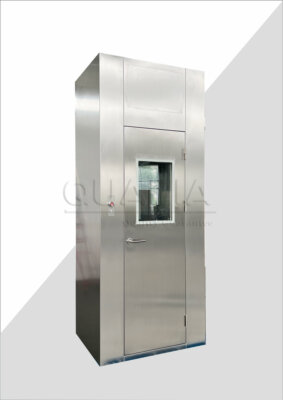
Wybór niewłaściwego typu prysznica dla wyjścia personelu z obszaru o wysokim poziomie bezpieczeństwa rzadko zostaje wykryty na etapie projektowania koncepcyjnego. Problem ten ujawnia się podczas przeglądu bezpieczeństwa biologicznego lub przeprojektowywania śluzy — dokładnie w momencie, gdy koszty poprawek są najwyższe, a skrócenie harmonogramu stanowi już problem. Prysznic chemiczny zaprojektowany bez zapewnienia odprowadzania ścieków i możliwości dekontaminacji ścieków lub system zamgławiania zaakceptowany bez dowodów skuteczności dekontaminacji w protokole może wymagać pełnego cyklu przeprojektowania śluzy, zanim obiekt będzie mógł przejść do etapu walidacji. Decyzją, która pozwala temu zapobiec, nie jest porównanie produktów — jest to ustrukturyzowane odwzorowanie sekwencji wyjścia, stanu środków ochrony indywidualnej, grupy ryzyka patogenów oraz celu dekontaminacji, zanim zostanie określony jakikolwiek typ prysznica. Poniższe informacje pomogą Państwu zidentyfikować, jakie ograniczenia regulują wybór na każdym etapie oraz gdzie najczęściej pojawiają się luki.
Wybór należy rozpocząć od ryzyka związanego z wyjściem, a nie od armatury prysznicowej
To droga ewakuacyjna określa wymagania dotyczące prysznica — a nie odwrotnie. Zanim będzie można ocenić jakikolwiek typ prysznica, zespół projektowy musi mieć jasny obraz sytuacji panującej na granicy strefy izolacyjnej: jakie środki ochrony indywidualnej są noszone, czy pozostają one na ciele podczas ewakuacji, czy też są zdejmowane wewnątrz, jakie wymagania w zakresie odkażania powierzchni kombinezonu stawia grupa ryzyka patogenicznego oraz jak przebiega sekwencja przejść przez śluzę. Zespoły, które rozpoczynają od porównania produktów, zazwyczaj ustalają architekturę systemu, zanim udzielą odpowiedzi na te wstępne pytania, co oznacza, że od samego początku optymalizują pod kątem niewłaściwej zmiennej.
W tym przypadku bliskość ma znaczenie jako czynnik brany pod uwagę przy projektowaniu układu, a nie jako kwestia dodawana na końcu. Wytyczne projektowe zazwyczaj wskazują 10-sekundowy czas dotarcia — około 55 stóp — jako maksymalną odległość dostępu do prysznica awaryjnego z obszaru zagrożenia. Wartość ta ma wpływ na sekwencję komór wyrównawczych oraz relacje przestrzenne między korytarzem ewakuacyjnym a kabiną prysznicową. Gdy drogi ewakuacyjne są dłuższe lub źle zaplanowane, skutkiem tego jest wydłużenie czasu narażenia podczas przemieszczania się, co podważa cel dekontaminacji niezależnie od tego, jak dobrze działa sam prysznic. Audyty bezpieczeństwa biologicznego często wskazują na uchybienia w zakresie odległości, a ich usunięcie po zakończeniu budowy jest kosztowne.
Poważniejszym błędem projektowym jest traktowanie prysznica jako końcowego elementu drogi ewakuacyjnej, a nie jako jednego z elementów sekwencji odkażania. Wybór odpowiedniego typu prysznica zależy od celu, jaki ma osiągnąć sekwencja ewakuacyjna — niezależnie od tego, czy chodzi o reakcję awaryjną w przypadku uszkodzenia kombinezonu, rutynową ewakuację zgodnie z protokołem w kombinezonie ciśnieniowym, czy też etapowe mycie przed zdjęciem kombinezonu. Każdy scenariusz wiąże się z innym problemem kontrolnym, a każdy problem kontrolny odpowiada innemu rodzajowi wyposażenia, co ma różne konsekwencje w zakresie odprowadzania wody, blokad i protokołów. Rozpoczęcie od sekwencji opuszczania kombinezonu wymusza wczesne rozstrzygnięcie tych różnic, zanim staną się one problemami wymagającymi przeprojektowania.
Systemy chemiczne, wodne i mgłowe pozwalają rozwiązać różne problemy związane z kontrolą
Prysznice chemiczne, wodne i mgłowe nie są trzema wariantami tej samej funkcji w różnych przedziałach cenowych. Stanowią one rozwiązania różnych problemów związanych z kontrolą, a zastosowanie niewłaściwego rozwiązania — nawet dobrze dobranego i prawidłowo zainstalowanego, ale nieodpowiadającego potrzebom — może uniemożliwić osiągnięcie celu dekontaminacji, do którego zostało ono zakupione.
A prysznic chemiczny jest przeznaczony do odkażania powierzchni kombinezonu. Jego zasada działania polega na kontakcie środka chemicznego z całą zewnętrzną powierzchnią zestawu środków ochrony indywidualnej przed zdjęciem kombinezonu zewnętrznego lub przed przekroczeniem przez użytkownika granicy strefy izolacyjnej. Środek dezynfekujący musi dokładnie zwilżyć kombinezon, pozostać na nim w wystarczającym stężeniu oraz pokryć całe ciało. Wymaga to systemu dostarczającego duże ilości środka — a ta ilość ma bezpośredni wpływ na wydajność odprowadzania, dobór rozmiaru systemu odkażania ścieków oraz postępowanie z odpadami chemicznymi. Obiekt, który przewiduje prysznic chemiczny bez uwzględnienia tych kolejnych elementów systemu, nie zakończył jeszcze procesu projektowania prysznica.
Prysznic wodny służy zaspokojeniu innej potrzeby: higieny osobistej podczas lub po zdejmowaniu kombinezonu albo awaryjnego rozcieńczenia i usunięcia zanieczyszczeń chemicznych lub biologicznych ze skóry. Prysznice wodne w sekwencjach wyjściowych znajdują się zazwyczaj za etapem zdejmowania kombinezonu zewnętrznego. Ich natężenie przepływu jest mniejsze, obowiązujące je wymogi regulacyjne są inne i nie działają one na tej samej zasadzie odkażania powierzchni kombinezonu, co systemy chemiczne. Praktyczne ryzyko pomylenia tych dwóch rozwiązań polega na tym, że prysznic wodny umieszczony na wcześniejszym etapie sekwencji wyjściowej — przed zdjęciem zewnętrznego środka ochrony indywidualnej — nie zapewnia kontaktu z substancją chemiczną niezbędnego do dekontaminacji kombinezonu, nawet jeśli pod każdym względem operacyjnym działa on bez zarzutu.
Prysznic mgłowy zmniejsza całkowitą objętość cieczy i obciążenie związane z zwilżaniem w porównaniu z prysznicem chemicznym. W obiektach, w których przepustowość kanalizacji jest ograniczona lub utylizacja ścieków stanowi trudność, wydaje się to stanowić praktyczne rozwiązanie. Problem polega na tym, że zmniejszona objętość oznacza również mniejsze zagwarantowanie kontaktu z substancją chemiczną, a wymagana dokumentacja proceduralna do potwierdzenia skuteczności odkażania systemu mgłowego jest bardziej rozbudowana — a nie mniej — niż w przypadku prysznica chemicznego. Wygoda techniczna wynikająca z mniejszego zapotrzebowania na odprowadzanie ścieków może przenieść ryzyko na fazę walidacji, a eksperci ds. bezpieczeństwa biologicznego będą wymagać przedstawienia tych dowodów przed zatwierdzeniem systemu do użytku. Zespoły, które wybierają systemy mgiełkowe przede wszystkim w celu złagodzenia ograniczeń związanych z odprowadzaniem ścieków, często odkrywają, że zamieniły problem inżynierii lądowej na trudniejszy problem uzasadnienia protokołu.
Różnice w specyfikacjach między prysznicami do odkażania awaryjnego a prysznicami do rutynowej higieny są znaczne, a obciążenia związane z zapewnieniem zgodności z przepisami nie są symetryczne.
| Parametr | Prysznic do dekontaminacji awaryjnej | Prysznic do codziennej higieny |
|---|---|---|
| Główny cel | Odkażanie całego ciała po narażeniu na działanie substancji niebezpiecznych | Higiena osobista podczas procedury opuszczania statku |
| Przepływ | co najmniej 76 l/min | 8–15 l/min (brak ścisłego wymogu dotyczącego zgodności) |
| Czas aktywacji | ≤ 1 sekunda | Brak ustalonych wymogów dotyczących zgodności |
| Rozkład strumienia (na wysokości 152,4 cm) | co najmniej 50,8 cm średnicy | Nie określono |
| Zakres temperatur | 16–38 °C (letnia) | Nie określono |
| Standard regulacyjny | ANSI Z358.1–2014 / EN 15154 | Brak |
Zakres natężenia przepływu pryszniców higienicznych w tym porównaniu nie podlega żadnej ustalonej normie regulacyjnej — odzwierciedla on typowy zakres eksploatacyjny bez obowiązku zapewnienia zgodności. Natomiast progi dekontaminacji awaryjnej są parametrami specyfikacji zaczerpniętymi z norm ANSI Z358.1-2014 i EN 15154 i mają bezpośredni wpływ na dobór rozmiarów systemu, testy uruchomieniowe oraz zatwierdzenie w ramach oceny bezpieczeństwa biologicznego.
Zmiany w trasach ewakuacyjnych dla laboratoriów BSL-3 i BSL-4 – wymagane dowody
Poziom bezpieczeństwa biologicznego laboratorium wpływa na zakres wymagań dotyczących wyboru kabin prysznicowych, a nie tylko na specyfikację sprzętową. To rozróżnienie ma znaczenie, ponieważ zespoły czasami traktują wyjścia z laboratoriów BSL-3 i BSL-4 jako ciągłą skalę — im wyższy poziom bezpieczeństwa, tym więcej sprzętu — podczas gdy różnicę tę dokładniej można opisać jako zmianę w architekturze sekwencji wyjść oraz związanych z nią wymagań dotyczących walidacji.
W laboratoriach klasy BSL-3 procedury opuszczania obiektu zazwyczaj obejmują stopniowe zdejmowanie odzieży ochronnej, mycie rąk oraz obowiązkowe prysznice, a wymagania w tym zakresie różnią się w zależności od czynnika zakaźnego, polityki danej placówki oraz uwarunkowań prawnych. W CDC BMBL, wydanie szóste opisuje prysznic dekontaminacyjny dla personelu jako zalecaną praktykę w przypadku prac na poziomie BSL-3 z określonymi czynnikami, przedstawiając to jako decyzję w ramach zarządzania ryzykiem, a nie jako powszechny wymóg. Wymóg dotyczący uzasadnienia wyboru prysznica na tym poziomie koncentruje się na tym, czy wybrany system jest zgodny z sekwencją wyjścia określoną w zatwierdzonym protokole bezpieczeństwa biologicznego — co oznacza, że rodzaj prysznica, jego położenie w śluzie oraz logika dekontaminacji muszą zostać wyraźnie uzasadnione i zaakceptowane przez instytucjonalną komisję ds. bezpieczeństwa biologicznego przed oddaniem obiektu do użytku.
W przypadku poziomu BSL-4 procedura opuszczania pomieszczenia jest ściślej określona. Procedura ta Podręcznik bezpieczeństwa biologicznego w laboratorium WHO, wydanie 4 dotyczy środków ochrony indywidualnej oraz odkażania jako elementów zintegrowanej strategii zabezpieczenia, w której droga ewakuacyjna — w tym odkażanie zewnętrznej powierzchni kombinezonu pod prysznicem chemicznym przed zdjęciem kombinezonu ciśnieniowego — stanowi część projektu bariery bioasekuracyjnej, a nie tylko dodatek. Oznacza to, że system prysznicowy w laboratorium BSL-4 musi być uzasadniony nie tylko jako sprzęt funkcjonalny, ale jako zweryfikowany element architektury zabezpieczenia. Obowiązek udowodnienia obejmuje dane dotyczące skuteczności dekontaminacji dla konkretnego środka dezynfekującego w zastosowanym stężeniu i czasie kontaktu, potwierdzenie pokrycia strumieniem środka dezynfekującego całej powierzchni kombinezonu oraz integrację z logiką blokady śluzy powietrznej.
W praktyce oznacza to, że system prysznicowy spełniający wymagania poziomu BSL-3 może nie spełniać standardów dowodowych wymaganych na poziomie BSL-4, nawet jeśli sprzęt jest identyczny. Różnica nie polega na samym prysznicu — chodzi o pakiet walidacyjny i sekwencję wyjściową, którą musi on obsługiwać. Więcej informacji na temat tego, jak te różnice przejawiają się na poszczególnych poziomach bezpieczeństwa, można znaleźć w Poruszanie się po biokontenerach: Krytyczne różnice między laboratoriami BSL-3 i BSL-4.
O wykonalności decydują systemy odwadniające, systemy blokujące oraz gospodarka odpadami
Odprowadzanie wody, projekt układu blokującego oraz gospodarka ściekami nie są szczegółami wykonawczymi, które wynikają z wyboru prysznica — są to kryteria wykonalności, które mogą wykluczyć dany typ prysznica z rozważań jeszcze przed określeniem specyfikacji sprzętu. Obiekt, który wybiera prysznic chemiczny o dużej wydajności bez upewnienia się, że system odkażania ścieków jest w stanie przyjąć i przetworzyć taką objętość przy wymaganym natężeniu przepływu, nie zakończył procesu wyboru. Odłożył jedynie problem, który ujawni się na etapie budowy lub uruchomienia obiektu.
Ograniczenia związane z odprowadzaniem ścieków są najbardziej dotkliwe w przypadku pryszniców chemicznych. Wydajność 76 l/min wymagana do awaryjnej dekontaminacji ma bezpośredni wpływ na wymiary odpływu, pojemność zbiornika ścieków oraz czas przetwarzania przez system EDS. Jeśli ścieżka odprowadzania ścieków w obiekcie została zaprojektowana z myślą o mniejszych ilościach — lub jeśli system odkażania ścieków został zwymiarowany pod kątem odprowadzania wyłącznie wody — modernizacja prysznica chemicznego wymaga prac budowlanych, których zazwyczaj nie da się wpasować w pierwotny harmonogram budowy. Jest to jedna z najczęstszych przyczyn konieczności przeprojektowania na późnym etapie w projektach obiektów o wysokim poziomie bezpieczeństwa, a prawie zawsze wynika to z decyzji dotyczącej typu prysznica podjętej przed wspólną analizą ograniczeń związanych z odprowadzaniem ścieków i systemem EDS.
Logika blokady stanowi dodatkowy poziom zabezpieczenia. Prysznice chemiczne w sekwencjach wyjściowych BSL-4 działają w ramach systemu blokady śluzy powietrznej: drzwi nie mogą się otworzyć, dopóki cykl prysznica nie zostanie zakończony, a cykl nie może się rozpocząć, dopóki drzwi wewnętrzne nie zostaną szczelnie zamknięte. Logika ta musi zostać wbudowana w system sterowania obiektem już na wczesnym etapie projektowania. Jeśli typ prysznica ulegnie zmianie po ustaleniu architektury blokad — na przykład w przypadku przejścia z prysznica chemicznego na system mgiełkowy w celu zmniejszenia zapotrzebowania na odprowadzanie wody — sekwencja blokad, czas trwania cyklu oraz logika bezpieczeństwa sterownika PLC mogą wymagać korekty. Nie jest to zwykła zamiana; jest to przeprojektowanie.
Jakość wody stanowi mniej widoczne ograniczenie, ale ma duże znaczenie z punktu widzenia eksploatacji. Norma ANSI Z358.1-2014 wymaga stosowania wody pitnej w prysznicach bezpieczeństwa. W przypadku urządzeń lub systemów autonomicznych, w których woda jest przechowywana w zbiorniku, konieczne jest stosowanie dodatków w celu utrzymania sterylności i zapobiegania rozwojowi bakterii w okresie między kolejnymi uruchomieniami. Ma to bezpośredni wpływ na harmonogram konserwacji, protokoły badania wody oraz kompatybilność z systemami odkażania ścieków (EDS) — dodatki na bazie chloru wchodzą w inne interakcje z systemami odkażania ścieków niż zwykła woda, a interakcje te należy przeanalizować przed ostatecznym wyborem systemu.
Wybór zatwierdzonego systemu prysznicowego wymaga dostosowania procedur i procesów walidacji
System prysznicowy nie zostaje zatwierdzony w momencie jego zainstalowania i uruchomienia — zostaje zatwierdzony dopiero po wspólnym przeanalizowaniu i zaakceptowaniu sekwencji wyjścia, sposobu doprowadzania środka dezynfekującego lub wody, ścieżki odprowadzania odpadów oraz dokumentacji potwierdzającej zgodność. Harmonogramy zamówień, w których elementy te traktuje się jako etapy następujące po sobie — najpierw sprzęt, a dopiero potem protokół — nieustannie powodują opóźnienia na etapie oceny bezpieczeństwa biologicznego, ponieważ ocena ta obejmuje wszystkie te elementy jednocześnie.
Wymagania dotyczące walidacji awaryjnych pryszniców dekontaminacyjnych określone w normach ANSI Z358.1-2014 i EN 15154 są konkretne i możliwe do zweryfikowania. Natężenie przepływu, czas uruchomienia, geometria rozprysku oraz temperatura wody stanowią punkty weryfikacyjne podczas uruchamiania, dla których określono progi dopuszczalne. Nie są to cele nieprecyzyjne — prysznic, który podczas testów uruchomieniowych nie wykazuje natężenia przepływu 76 l/min przy wymaganym rozprysku, nie spełnia normy, a oparty na nim protokół ewakuacyjny nie może zostać zatwierdzony na tej podstawie.
Normy nie określają natomiast wymogów dotyczących skuteczności dezynfekującej prysznica chemicznego. Dowody w tym zakresie muszą pochodzić z protokołu bezpieczeństwa biologicznego obiektu oraz z danych badawczych, które go potwierdzają — zazwyczaj są to dane z rejestru zabijania (kill-log) dla konkretnego środka dezynfekującego w zastosowanym stężeniu i czasie kontaktu w odniesieniu do organizmu docelowego lub zatwierdzonego substytutu. W przypadku systemów mgłowych wymóg ten jest trudniejszy do spełnienia, ponieważ założenia dotyczące czasu kontaktu i pokrycia powierzchni różnią się od tych stosowanych w prysznicach chemicznych o dużej objętości. Obciążenie dowodowe związane z protokołem dla systemów mgłowych jest obszarem, w którym zespoły często nie doceniają wymaganej głębokości przeglądu; aby uzyskać pełniejszy opis tego, jak to wygląda w praktyce, zobacz Systemy pryszniców mgłowych: Informacje techniczne dotyczące odkażania personelu BSL-3 i BSL-4.
Bieżąca weryfikacja ma równie duże znaczenie jak uruchomienie. Cotygodniowe kontrole działania są wymogiem protokołu konserwacji — a nie opcjonalnym zabiegiem operacyjnym. Ich celem jest potwierdzenie sprawności oraz przepłukanie przewodów w celu zapobieżenia zastojowi i rozwojowi bakterii w przewodach zasilających. Prysznic bezpieczeństwa, który nie był uruchamiany od tygodni, może nie działać zgodnie ze specyfikacją w kluczowym momencie, a brak zapisów dotyczących przepłukiwania przewodów podczas kontroli regulacyjnej stwarza ryzyko audytowe, które trudno jest wyjaśnić po fakcie.
| Wymagania dotyczące walidacji | Standard / Szczegóły | Działania weryfikacyjne |
|---|---|---|
| Przepływ | Co najmniej 76 l/min (ANSI Z358.1–2014 / EN 15154) | Test uruchomieniowy; okresowa weryfikacja przepływu |
| Czas aktywacji | ≤ 1 sekunda | Kontrola instalacji; cotygodniowy test działania |
| Rozkład rozpylania | Średnica 50,8 cm przy wysokości 152,4 cm | Test wzorca podczas uruchamiania |
| Temperatura | 16–38 °C (letnia) | Ciągłe monitorowanie; dokumentacja |
| Jakość wody | Woda pitna; w przypadku urządzeń autonomicznych konieczne jest stosowanie środków dodatkowych w celu zachowania sterylności | Rutynowe badania wody; rejestr konserwacji środków dodatkowych |
| Cotygodniowa kontrola aktywacji | Cotygodniowe przepłukiwanie w celu sprawdzenia działania i oczyszczenia przewodów | Dziennik aktywacji; zapis operacji przepłukiwania linii |
Tabela walidacyjna odzwierciedla formalną strukturę tych wymagań. Praktyczną konsekwencją, o której warto pamiętać, jest to, że każdy wiersz w tej tabeli stanowi punkt, w którym luka — w dokumentacji, testach uruchomieniowych lub dokumentacji konserwacyjnej — może spowodować ponowne rozpatrzenie kwestii zatwierdzenia podczas dowolnego przyszłego audytu lub przeglądu obiektu.
Decyzja dotycząca wyboru, która ma znaczenie, nie polega na tym, który typ prysznica działa najlepiej w oderwaniu od pozostałych czynników — chodzi o to, który typ prysznica można w pełni uzasadnić, biorąc pod uwagę jednocześnie sekwencję wyjścia, projekt systemu odprowadzania wody i utylizacji ścieków, architekturę blokad oraz dowody z walidacji. A prysznic mgłowy Rozwiązanie, które zmniejsza obciążenie systemu odprowadzania ścieków, ale nie może być poparte odpowiednimi danymi dotyczącymi skuteczności odkażania, nie jest prostszym rozwiązaniem; stanowi ono po prostu inny profil ryzyka. Prysznic chemiczny, który został prawidłowo zaprojektowany, ale zainstalowany w śluzie, której system EDS został zwymiarowany pod kątem przepływów wyłącznie wody, nie sprawdzi się podczas uruchomienia.
Zanim zostanie zatwierdzony jakikolwiek typ kabiny prysznicowej, należy odpowiedzieć na następujące pytania: Jaki jest cel dekontaminacji na granicy strefy izolacyjnej? Czego wymaga procedura wyjścia i gdzie w jej ramach znajduje się prysznic? Czy system odprowadzania wody, postępowanie ze ściekami oraz logika blokad zostały zweryfikowane pod kątem parametrów eksploatacyjnych wybranego systemu? Czy pakiet dowodów walidacyjnych — w tym dane dotyczące skuteczności środków dezynfekujących lub dokumentacja jakości wody — jest wystarczający dla poziomu oceny bezpieczeństwa biologicznego, któremu podlega obiekt? Udzielenie odpowiedzi na te pytania w odpowiedniej kolejności, jeszcze przed dokonaniem zakupu, pozwala odróżnić uzasadniony wybór od kosztownego.
Często zadawane pytania
Pytanie: Co się stanie, jeśli instytucjonalna komisja ds. bezpieczeństwa biologicznego odrzuci protokół zakończenia badań po tym, jak system prysznicowy zostanie już zainstalowany?
O: Odrzucenie na tym etapie zazwyczaj wymusza przeprowadzenie pełnego cyklu ponownego projektowania śluzy powietrznej, a nie tylko wymianę sprzętu. Ponieważ typ prysznica, jego położenie w sekwencji wyjściowej, logika blokad oraz przebieg odpływu są analizowane łącznie, odrzucenie protokołu zazwyczaj oznacza, że kwestionowany jest zintegrowany projekt systemu — a nie tylko samo urządzenie. Koszt wprowadzenia poprawek na etapie po instalacji jest znacznie wyższy niż usunięcie tych rozbieżności przed zakupem. Jedynym niezawodnym sposobem uniknięcia takiego wyniku jest przedłożenie przed rozpoczęciem budowy kompletnego pakietu dokumentacji obejmującego sekwencję wyjścia, przebieg ścieżki dezynfekcji, ścieżkę odprowadzania odpadów oraz dowody walidacji.
Pytanie: Czy ten sam system prysznicowy może być stosowany zarówno przy wyjściach BSL-3, jak i BSL-4, jeśli jego elementy spełniają wymagania normy ANSI Z358.1-2014?
O: Sama zgodność sprzętu nie wystarcza, aby prysznic mógł być zakwalifikowany do użytku na poziomie BSL-4. System spełniający wymagania normy ANSI Z358.1-2014 dotyczące natężenia przepływu, czasu aktywacji i rozkładu strumienia wody może nadal nie przejść oceny bezpieczeństwa biologicznego na poziomie BSL-4, ponieważ pakiet walidacyjny wymagany na tym poziomie zabezpieczenia jest zasadniczo inny. Na poziomie BSL-4 prysznic musi być uzasadniony jako zweryfikowany element bariery bioizolacyjnej — w tym dane dotyczące skuteczności dekontaminacji dla konkretnego środka dezynfekującego przy zastosowanym stężeniu i czasie kontaktu, potwierdzenie pełnego pokrycia powierzchni kombinezonu strumieniem wody oraz dowody integracji z logiką blokady śluzy powietrznej. Wymagania te nie wynikają z normy ANSI Z358.1-2014; wynikają one z samej architektury systemu bezpieczeństwa biologicznego i muszą być spełnione niezależnie od zgodności sprzętu z normami.
Pytanie: Czy prysznic mgłowy jest kiedykolwiek lepszym rozwiązaniem niż prysznic chemiczny, czy też wysiłek związany z walidacją zawsze przeważa nad korzyściami wynikającymi z odprowadzania wody?
O: Prysznic mgłowy może być właściwym wyborem, ale tylko wtedy, gdy placówka podjęła już zobowiązanie do zgromadzenia bardziej rozbudowanych dowodów proceduralnych wymaganych do jego uzasadnienia. Korzyść związana z odprowadzaniem wody jest realna — mniejsza objętość cieczy ułatwia dobór rozmiarów systemu EDS oraz projektowanie instalacji — jednak ta korzyść inżynieryjna przekłada się bezpośrednio na trudniejszy problem walidacji. Eksperci ds. bezpieczeństwa biologicznego wymagają danych dotyczących skuteczności dekontaminacji, skalibrowanych pod kątem konkretnego czasu kontaktu i warunków pokrycia powierzchni charakterystycznych dla systemu mgiełkowego, które znacznie różnią się od założeń dotyczących pryszniców chemicznych o dużej objętości. Jeśli nie uda się zgromadzić i zatwierdzić takich dowodów, oszczędności związane z odprowadzaniem wody nie mają znaczenia. Prysznic mgiełkowy jest lepszym wyborem tylko wtedy, gdy przed wyborem systemu potwierdzono wykonalność ścieżki walidacji, a nie jako domyślna reakcja na ograniczenia związane z odprowadzaniem wody.
Pytanie: Po ustaleniu typu prysznica i jego zainstalowaniu, jaki jest pierwszy wymóg eksploatacyjny, który obiekt musi spełnić, zanim będzie można zastosować procedurę wyjścia?
O: Pierwszym wymogiem jest weryfikacja podczas uruchomienia pod kątem zgodności z obowiązującymi progami wydajności — natężenia przepływu, czasu aktywacji, geometrii rozprysku oraz temperatury wody — a następnie formalne zatwierdzenie pakietu dowodów walidacyjnych przez komisję ds. bezpieczeństwa biologicznego. Zainstalowany i działający prysznic nie oznacza jeszcze, że spełnił te wymagania. Dopiero po potwierdzeniu w trakcie testów uruchomieniowych, że system spełnia specyfikację, oraz po zatwierdzeniu przez komisję ds. bezpieczeństwa biologicznego kompletnego protokołu i pakietu dowodów, droga ewakuacyjna może zostać zatwierdzona do użytku operacyjnego. Osobno, od momentu uruchomienia należy ustalić tygodniowy harmonogram uruchamiania i płukania przewodów, ponieważ brak takich zapisów stwarza ryzyko audytowe, nawet jeśli pierwotne zatwierdzenie zostało uzyskane bez zastrzeżeń.
Pytanie: Jeśli system odkażania ścieków w obiekcie został pierwotnie zaprojektowany z myślą o wyjściu wyłącznie z wodą, a projekt przewiduje teraz prysznic chemiczny, na czym właściwie polega ta korekta?
O: Skorygowanie tego po ustaleniu wymiarów systemu EDS zazwyczaj wymaga dodatkowych prac budowlanych — zmiany wymiarów odwodnienia, dostosowania pojemności studzienki oraz ponownego obliczenia wydajności przetwarzania systemu EDS — a żadnej z tych czynności zazwyczaj nie da się uwzględnić w pierwotnym harmonogramie budowy. Wydajność prysznica awaryjnego do odkażania wynosząca 76 l/min nie jest wartością orientacyjną; determinuje ona parametry projektowe odwodnienia betonowego, których nie da się uwzględnić poprzez zwiększenie średnicy rury na końcowym etapie projektu. Konieczna może być również zmiana logiki blokad, jeśli czasy cykli i sekwencje bezpieczeństwa sterownika PLC zostały zaprogramowane z uwzględnieniem systemu o mniejszej wydajności. Taki scenariusz jest jedną z najczęstszych przyczyn konieczności przeprojektowania na późnym etapie w projektach o wysokim poziomie zabezpieczeń i prawie zawsze wynika z wyboru typu prysznica, który nastąpił przed wspólnym przeanalizowaniem ograniczeń związanych z odwodnieniem i systemem EDS podczas tej samej sesji projektowej.