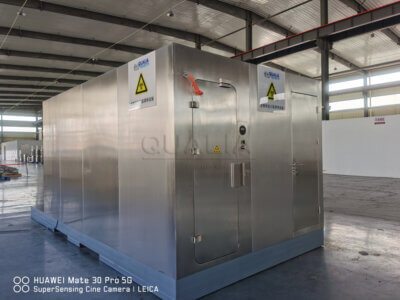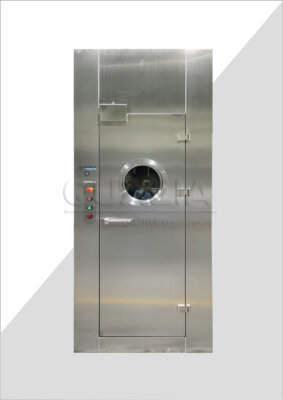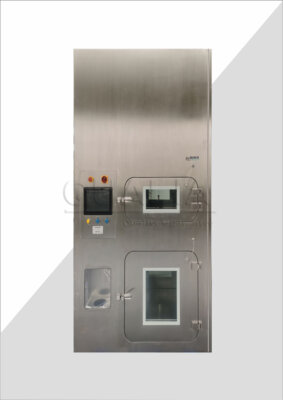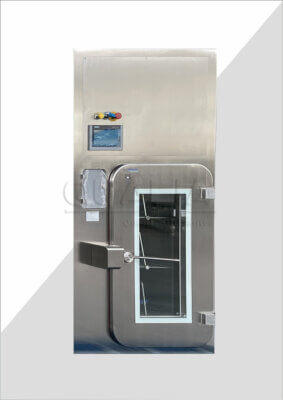
Traktowanie poziomu bezpieczeństwa biologicznego jako specyfikacji sprzętu jest najbardziej niezawodnym sposobem dotarcia do uruchomienia z nierozwiązywalną debatą na temat kryteriów akceptacji. Zespoły, które rozpoczynają zamówienia od określenia “BSL-3 pass box” bez definiowania docelowego poziomu wycieku, metody dekontaminacji lub punktów końcowych cyklu, zazwyczaj odkrywają lukę podczas testów walidacyjnych - gdy zmiana projektu nie jest już praktyczna, a koszty opóźnień są realne. Podstawowy problem polega na tym, że oznaczenie BSL opisuje kategorię ryzyka, a nie standard wydajności; nie mówi nic o tym, jaka jest wymagana gwarancja zabicia, jaka różnica ciśnień jest akceptowalna lub czy czyszczenie przez operatora jest możliwe do obrony jako warunek uwolnienia. Zrozumienie, skąd biorą się te progi i kiedy należy je rozwiązać, jest tym, co odróżnia proces zamówień, który przebiega sprawnie, od tego, który zatrzymuje się na etapie zamrożenia projektu.
Warunki transferu najwyższego ryzyka stojące za projektem komory BSL
Logika inżynieryjna stojąca za projektowaniem skrzynek przepustowych BSL-3 i BSL-4 nie dotyczy przede wszystkim zgodności z przepisami - chodzi o konsekwencje określonego trybu awarii. Na wyższych poziomach bezpieczeństwa biologicznego, awaria uszczelnienia lub odwrócenie przepływu powietrza podczas transferu nie tworzy problemu higienicznego, który można usunąć; tworzy potencjalne zdarzenie narażenia w strefie, w której patogeny mogą być trudne lub niemożliwe do leczenia. Ten tryb awarii napędza dwie konstrukcyjne reakcje projektowe, które pojawiają się wielokrotnie w komorach przeznaczonych do takich środowisk.
Pierwszym z nich jest podwójne uszczelnienie - zazwyczaj połączenie uszczelnienia mechanicznego i nadmuchiwanego - które zapewnia nadmiarowość w przypadku najczęstszego pojedynczego uszkodzenia uszczelki. Nadmuchiwane uszczelnienie wytwarza ciśnienie, tworząc aktywną barierę, zamiast polegać wyłącznie na dopasowaniu kompresyjnym, co oznacza, że uszczelnienie można zweryfikować, a nie tylko założyć. Drugim jest konfiguracja podwójnego podciśnienia, która utrzymuje stały przepływ powietrza do wewnątrz po obu stronach komory podczas cyklu transferu. W przypadku krótkotrwałego spadku różnicy ciśnień - na przykład podczas uruchamiania drzwi - układ dwustrefowy zapewnia bufor, którego nie zapewnia konstrukcja jednostrefowa. Łącznie, funkcje te odpowiadają na ten sam podstawowy problem: zanieczyszczone powietrze nie może przemieszczać się na zewnątrz przez skrzynkę przepustową w żadnych warunkach pracy.
Żaden z tych wyborów projektowych nie jest arbitralny. Podręcznik bezpieczeństwa biologicznego laboratoriów WHO (wydanie 4) zawiera uzasadnienie na poziomie procesu, dlaczego prace o wyższych konsekwencjach wymagają zweryfikowanych barier ochronnych, a nie samych kontroli proceduralnych - zasada ta przekłada się bezpośrednio na to, dlaczego pasywne lampy UV, które są odpowiednie do transferów BSL-2, nie są właściwym narzędziem redukcji ryzyka dla transferów wychodzących o wysokich konsekwencjach na poziomie BSL-3 lub wyższym.
Praktyczną implikacją dla zamówień jest to, że projekt komory musi być identyfikowalny z określonym trybem awarii, a nie z etykietą BSL. Jeśli uzasadnieniem projektu jest “BSL-3 wymaga tego”, trudno będzie obronić specyfikację, gdy zostanie ona zakwestionowana podczas uruchamiania. Jeśli uzasadnienie brzmi: “odwrócenie przepływu powietrza podczas transferu w tej strefie spowodowałoby takie konsekwencje, a ta konfiguracja temu zapobiega”, specyfikację można skontrolować.
Różnice w kierunkach ruchu wpływające na potrzeby odkażania
Materiał przemieszczający się ze strefy wysokiego ryzyka i materiał przemieszczający się do niej tworzą zasadniczo różne profile ryzyka skażenia, nawet jeśli przechodzą przez tę samą fizyczną komorę. Ta asymetria jest często pomijana we wczesnych dyskusjach na temat projektu, ponieważ rozmowa pozostaje na poziomie oznaczenia BSL, a nie kierunku transferu - w wyniku czego do obu kierunków stosuje się jeden protokół dekontaminacji, który jest odpowiedni dla jednego i potencjalnie niewystarczający dla drugiego.
W przypadku transferów przychodzących - czystych materiałów przenoszonych z obszaru o niższym prawdopodobieństwie do strefy zamkniętej biologicznie - główną troską jest utrzymanie czystości przenoszonego elementu i zapobieganie przedostawaniu się zewnętrznych zanieczyszczeń do strefy zamkniętej. Wymagania dotyczące dekontaminacji w tym przypadku koncentrują się zazwyczaj na powierzchni przedmiotu i środowisku komory, a weryfikacja w odniesieniu do standardu klasyfikacji pomieszczeń czystych jest odpowiednią miarą wydajności.
Transfery wychodzące wiążą się z inną strukturą ryzyka. Materiał przemieszczający się z obszaru zamkniętego o wysokim ryzyku do strefy o niższym ryzyku może przenosić żywe czynniki biologiczne, a zdarzenie dekontaminacji musi uwzględniać tę możliwość z gwarancją zabicia, która jest identyfikowalna i weryfikowalna. W tym miejscu wybór metody odkażania zaczyna mieć znaczenie operacyjne: Lampy UV zmniejszają obciążenie biologiczne powierzchni w warunkach ekspozycji, ale efekt zależy od geometrii, nieprzezroczystości powierzchni i czasu ekspozycji w sposób trudny do zweryfikowania w przypadku nieregularnych obciążeń. Cykle dezynfekcji VHP stosowane do pełnej objętości komory można zweryfikować za pomocą wskaźników biologicznych, co tworzy możliwy do obrony zapis uwalniania. Rozróżnienie nie polega na tym, że jedna metoda jest zawsze lepsza - chodzi o to, że transfer wychodzący ze stref o wysokiej konsekwencji może wymagać zweryfikowanych warunków uwalniania, których lampy UV nie mogą niezawodnie zapewnić.
Powszechnym wzorcem zamówień jest określanie transferów przychodzących i wychodzących tak, jakby niosły ze sobą to samo ryzyko, a następnie próba późniejszego zdefiniowania oddzielnych kryteriów akceptacji. Rozmowa na temat kryteriów akceptacji, która następuje później, jest miejscem, w którym projekty utknęły, ponieważ sprzęt został już skonfigurowany wokół jednego założenia dotyczącego odkażania.
Opcje wyposażenia stosowane na różnych poziomach bezpieczeństwa biologicznego
Decyzje dotyczące konfiguracji skrzynki przepustowej stają się zależne od użyteczności i obiektu natychmiast po ich podjęciu, co oznacza, że należy je rozwiązać, gdy projekt obiektu jest nadal płynny. Najbardziej operacyjnym wyborem konfiguracji jest system uszczelniający, ponieważ nadmuchiwane uszczelki wymagają ciągłego zasilania sprężonym powietrzem o ciśnieniu 6-8 barów i wilgotności względnej poniżej 30% - ograniczenie, które musi pojawić się w zakresie projektowania mechanicznego i HVAC, a nie tylko w specyfikacji sprzętu. Miejsce, w którym nie można niezawodnie utrzymać tych warunków, nie jest odpowiednią lokalizacją dla skrzynki z nadmuchiwanym uszczelnieniem, niezależnie od wymaganego poziomu bezpieczeństwa biologicznego.
Wybór metody odkażania przebiega według podobnego schematu: po określeniu interfejsu dezynfekcji VHP, projekt dziedziczy obciążenie walidacyjne, które obejmuje opracowanie cyklu, umieszczenie wskaźnika biologicznego, testowanie pozostałości i udokumentowane punkty końcowe cyklu. Ten narzut jest możliwy do opanowania i, w przypadku transferów wychodzących o wysokiej konsekwencji, często jest właściwym wyborem. Ale zespoły, które wybierają VHP, aby wyglądać na dokładne bez planowania prac walidacyjnych, zwykle napotykają na koszty ogólne jako niespodziankę podczas uruchamiania, a nie jako zaplanowaną fazę projektu.
Opcje dotyczące typu blokady, konfiguracji uszczelnienia, geometrii korpusu, gatunku materiału i metody odkażania są na tyle uporządkowane, że przegląd obok siebie jest bardziej przydatny niż wyliczanie prozy.
| Komponent | Dostępne opcje | Kluczowe wymagania / uwagi | Obowiązujące poziomy BSL |
|---|---|---|---|
| System blokady | Mechaniczne, elektroniczne, magnetyczne (płyta elektromagnetyczna z naprawą online) | Naprawiane online blokady skracają czas przestojów | Wszystkie BSL |
| Metoda odkażania | Interfejs dezynfekcji VHP, lampy bakteriobójcze UV, generatory ozonu | Wybór metody zależy od poziomu BSL i kompatybilności materiałowej | Wszystkie BSL (wybór metody) |
| Konfiguracja uszczelnienia | Uszczelnienie mechaniczne, uszczelnienie nadmuchiwane, uszczelnienie podwójne (powszechnie stosowane uszczelki silikonowe) | Nadmuchiwane uszczelki wymagają sprężonego powietrza o ciśnieniu 6-8 barów, RH <30%; podwójne uszczelki dla najwyższej szczelności | Mechaniczne: BSL-2; Nadmuchiwane/podwójne: BSL-3/4 |
| Typ nadwozia | Narożny, trzydrzwiowy, dwuwarstwowy | Elastyczność układu z uwzględnieniem ograniczeń obiektu | Wszystkie BSL |
| Materiał | Stal nierdzewna 304 lub 430 | Odporność na kwasy/alkalia/środki dezynfekujące; 304 zapewnia wyższą odporność na korozję | Wszystkie BSL (304 preferowane dla BSL-3/4) |
| Wymagania użytkowe | Sprężone powietrze (6-8 bar, RH <30%) do nadmuchiwanych uszczelek | Musi być zaplanowany na wczesnym etapie projektowania obiektu | BSL-3/4 z nadmuchiwanymi uszczelkami |
| Zgodność | ISO 14644, niestandardowy rozmiar | Zapewnia zgodność z klasyfikacją pomieszczeń czystych | Wszystkie BSL |
Jeden punkt dotyczący wyboru materiału, który warto przenieść poza stół: stal nierdzewna 304 oferuje znacznie lepszą odporność na korozję niż 430, co jest szczególnie istotne w przypadku komór, w których będą powtarzane cykle VHP lub agresywnej dezynfekcji chemicznej. W przypadku zastosowań BSL-3 i BSL-4, w których częstotliwość odkażania jest wysoka, wybór 304 od samego początku pozwala uniknąć problemu degradacji powierzchni, który z czasem staje się problemem związanym ze zgodnością czyszczenia.
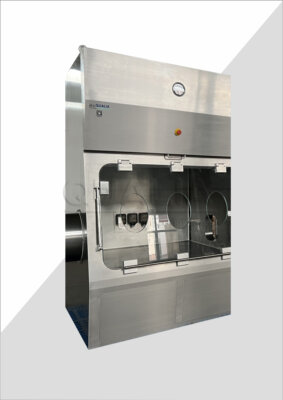
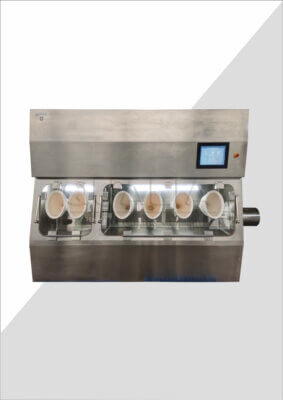
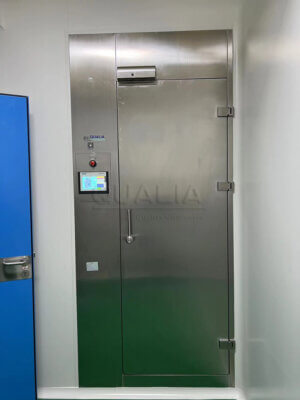
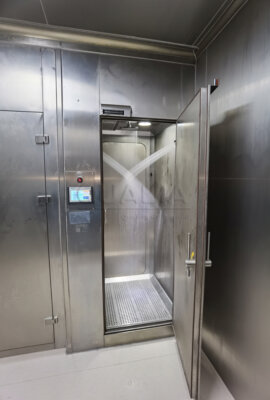
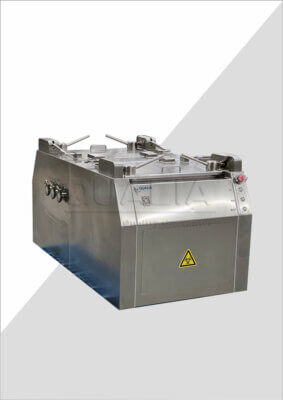
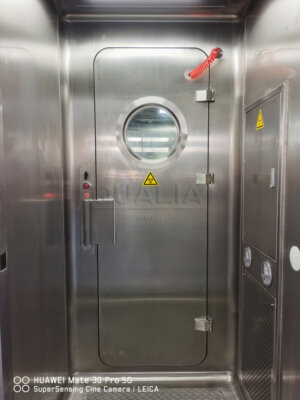
The Skrzynka bezpieczeństwa biologicznego odnosi się do wymagań dotyczących uszczelnień, blokad i materiałów, które mają zastosowanie na tych poziomach, podczas gdy VHP Pass Box zapewnia dodatkową infrastrukturę odkażania i walidacji odpowiednią dla komór, w których wymagane jest zweryfikowane zwolnienie wychodzące.
Kryteria akceptacji, które często opóźniają decyzje projektowe
Najbardziej konsekwentnym źródłem opóźnień w zamówieniach w projektach typu "pass box" nie jest czas realizacji sprzętu ani gotowość obiektu - jest to brak uzgodnionych kryteriów akceptacji w momencie zamrożenia projektu. Zespoły, które odraczają rozmowę o kryteriach, zwykle osiągają je podczas testów akceptacyjnych, gdy obie strony już zobowiązały się do projektu, który może nie spełniać omawianego standardu.
Podstawowym powodem, dla którego tak się dzieje, jest fakt, że oznaczenie BSL wydaje się zawierać ukryte wymagania dotyczące wydajności, ale w rzeczywistości ich nie określa. Docelowy wskaźnik wycieku, próg odporności na ciśnienie strukturalne, punkt końcowy cyklu VHP i klasyfikacja czystości muszą być wyraźnie uzgodnione i zapisane w dokumencie zamówienia przed rozpoczęciem prac projektowych przez dostawcę. W przeciwnym razie sprzedawca projektuje zgodnie z wewnętrznymi ustawieniami domyślnymi, a kupujący ocenia pod kątem oczekiwań, które nigdy nie zostały przekazane - a luka pojawia się jako nieudany test akceptacyjny.
Nie jest to przede wszystkim problem techniczny. Liczby, które rozstrzygają te debaty, są znane na początku projektu. To, co opóźnia zamówienia, to założenie organizacyjne, że kryteria te będą oczywiste lub standardowe, w połączeniu z niechęcią do zobowiązania się do liczb, które później mogą wydawać się ograniczające.
| Kryterium akceptacji | Typowy próg/wymóg | Ryzyko, jeśli nieokreślone | Co należy wyjaśnić |
|---|---|---|---|
| Współczynnik szczelności | <0,5% vol/h przy -500 Pa | Zespoły debatują nad akceptowalnym poziomem wycieków, opóźniając zamówienia | Potwierdzenie ciśnienia testowego i docelowego poziomu wycieku |
| Odporność na ciśnienie strukturalne | ≥2 500 Pa (BSL-4) | Stagnacja zamówień, jeśli nie określono ich wcześnie | Wymagane ciśnienie znamionowe |
| Walidacja dezynfekcji VHP | Zdefiniowane muszą zostać punkty końcowe cyklu i gwarancja zabicia. | Etykieta BSL nie definiuje automatycznie metody dekontaminacji; parametry walidacji pozostają nierozwiązane | Określenie czasu cyklu, stężenia czynnika, limitów pozostałości przed zamrożeniem projektu |
| Samoczyszcząca czystość | Weryfikowalna czystość klasy A (ISO 14644) | Akceptacja zależy od wykazania wydajności; opóźnienia powstają, jeśli kryteria są niejasne. | Określenie klasyfikacji pomieszczeń czystych i kryteriów liczenia cząstek |
Dwa kryteria zasługują na szczególną uwagę jako funkcje wymuszające na wczesnym etapie projektu. Po pierwsze, odporność na ciśnienie strukturalne - w szczególności próg ≥2500 Pa powszechny w specyfikacjach BSL-4 - ma konsekwencje produkcyjne, które wpływają na grubość ścian, konstrukcję ramy i okucia drzwi. Sprzedawca, który dowiaduje się o tym wymogu po zamrożeniu projektu, staje przed koniecznością przeprojektowania konstrukcji, a nie dostosowania parametrów. Po drugie, walidacja dezynfekcji VHP wymaga zdefiniowania parametrów cyklu - stężenia czynnika, czasu ekspozycji, czasu napowietrzania, limitów pozostałości - przed zbudowaniem komory, ponieważ geometria komory wpływa na rozwój cyklu. Określenie “kompatybilny z VHP” bez zdefiniowania tych parametrów nie jest specyfikacją; jest to argument odroczony.
Norma ISO 35001:2019, która dotyczy zarządzania bioryzykiem w laboratoriach i powiązanych obszarach, zapewnia przydatne ramy do myślenia o tym, w jaki sposób kryteria akceptacji powinny łączyć się z udokumentowaną oceną ryzyka, a nie z ogólną praktyką branżową - podstawa, która sprawia, że kryteria są możliwe do obrony, gdy zostaną ostatecznie zweryfikowane.
Zweryfikowane warunki uwolnienia jako próg zaawansowanej hermetyzacji
Istnieje próg projektowy, który oddziela standardową skrzynkę przepustową od takiej, która należy do środowiska hermetyzacji o wysokich konsekwencjach, i nie jest on zdefiniowany wyłącznie przez konfigurację uszczelnienia lub metodę odkażania. Próg ten określa, czy bezpieczne uwolnienie materiału zależy od zweryfikowanego zdarzenia dekontaminacji, czy od oceny operatora wykonującego etap czyszczenia. Gdy to rozróżnienie jest jasne, wynikają z niego wymagania sprzętowe.
W przypadku transferów ze stref BSL-3 lub BSL-4, czyszczenie zależne od operatora jest trudne do obrony w kontekście audytu, ponieważ nie generuje żadnych zapisów i nie może być walidowane retrospektywnie. Cykl VHP, który jest przeprowadzany zgodnie ze zdefiniowanym protokołem, rejestrowany przez system kontroli komory i potwierdzany przez wskaźnik biologiczny lub chemiczny, tworzy zapis uwolnienia, który jest niezależny od tego, kto dokonał transferu. To przesunięcie - od działania operatora do zweryfikowanego wyniku procesu - jest tym, co sprawia, że odkażanie jest możliwe do obrony, a nie zaawansowanie samego sprzętu.
Ta sama logika ma zastosowanie do przychodzących transferów do wysoko sklasyfikowanych stref czystych. Samooczyszczający się system wentylatorów zdolny do osiągnięcia czystości klasy A, zweryfikowany przez liczenie cząstek, daje strefie odbiorczej udokumentowane zapewnienie, że przenoszony element spełnia standard klasyfikacji strefy. Bez weryfikacji liczby cząstek, twierdzenie o czystości opiera się na specyfikacji skrzynki przepustowej, a nie na zmierzonym wyniku - co jest technicznie słabsze i trudniejsze do utrzymania w powtarzających się cyklach użytkowania.
Warunkowi integralności blokady często poświęca się mniej uwagi niż VHP lub liczeniu cząstek podczas przeglądu rozruchu, ale jest to podstawowa kontrola bezpieczeństwa. Należy wykazać, że blokada zapobiegająca jednoczesnemu otwarciu drzwi działa w warunkach roboczych, w tym w scenariuszach przerw w zasilaniu. Jeśli blokada może zostać pokonana przez awarię systemu sterowania, fizyczna bariera ochronna zapewniana przez skrzynkę przepustową staje się uzależniona od niezawodności elektrycznej - zależność, która powinna pojawić się w rejestrze ryzyka obiektu.
| Warunek zwolnienia | Metoda weryfikacji | Dlaczego ma to znaczenie dla ograniczenia |
|---|---|---|
| Dezynfekcja VHP | Weryfikacja wpływu dezynfekcji na komorę i przedmioty (wskaźniki biologiczne/chemiczne) | Usuwa zależność od czyszczenia przez operatora; zapewnia zweryfikowaną gwarancję zabicia |
| Samoczyszczenie do klasy A | Zliczanie cząstek w pomieszczeniach czystych | Upewnia się, że przedmioty przenoszone do obszarów czystych spełniają określone wymogi czystości przed ich wydaniem. |
| Integralność blokady | Sprawdź, czy drzwi nie mogą otwierać się jednocześnie | Zapobiega bezpośredniej wymianie powietrza; należy wykazać podstawowy wymóg bezpieczeństwa |
Praktyczną implikacją jest to, że wybór sprzętu i planowanie walidacji muszą być traktowane jako ta sama decyzja. Wybór komory z możliwością VHP przy jednoczesnym planowaniu polegania na lampach UV do rutynowego użytku, z VHP “dostępnym w razie potrzeby”, często oznacza, że cykl VHP nigdy nie jest walidowany - ponieważ prace walidacyjne nigdy nie zostały zaplanowane. Warunki uwalniania, które sprzęt może obsługiwać i warunki uwalniania, z których faktycznie korzysta operacja, muszą być zgodne od początku projektu. W przypadku zespołów pracujących w środowisku modułów BSL-3 lub BSL-4 to dopasowanie między możliwościami komory a procedurą operacyjną sprawia, że system hermetyzacji jest spójny, a nie indywidualnie sprawny, ale zbiorowo niezwalidowany. Więcej szczegółów na temat tego, jak weryfikacja dekontaminacji wpisuje się w ten szerszy kontekst, znajduje się w artykule Zapewnienie bezpieczeństwa: Dekontaminacja w laboratoriach BSL-4.
Najbardziej konkretnym krokiem przed zamówieniem, który wspiera ten artykuł, jest oddzielenie oznaczenia BSL od rzeczywistej specyfikacji wydajności. Zanim projekt skrzynki przepustowej przejdzie do zaangażowania dostawcy, trzy rzeczy muszą zostać rozwiązane na piśmie: kryteria akceptacji szczelności i integralności strukturalnej, metoda dekontaminacji dla każdego kierunku transferu wraz z powiązanymi wymaganiami dotyczącymi walidacji oraz to, czy zamierzony stan uwolnienia jest zależny od operatora, czy zweryfikowany procesowo. Bez tych trzech elementów sprzedawca nie może projektować zgodnie ze standardami wydajności, a kupujący nie może ocenić tego, co otrzymuje.
Ocena drugorzędna - i taka, która zwykle pojawia się dopiero po rozwiązaniu pierwszej - dotyczy tego, czy złożoność dekontaminacji, która wiąże się z VHP i nadmuchiwanym uszczelnieniem, jest uzasadniona profilem ryzyka transferu. W przypadku materiałów wychodzących ze stref wysokiego ryzyka obrona przed audytem prostszego systemu jest często trudniejsza niż koszty walidacji systemu zweryfikowanego. Zdefiniowanie tego kompromisu przed zamrożeniem projektu, a nie po testach akceptacyjnych, jest miejscem, w którym znajduje się prawdziwe ryzyko projektu.
Często zadawane pytania
P: Czy wytyczne zawarte w artykule nadal mają zastosowanie, jeśli nasz obiekt obsługuje wspólną skrzynkę przepustek obsługującą zarówno strefy BSL-2, jak i BSL-3 w zależności od kampanii?
O: W takim scenariuszu zalecenia stają się bardziej wymagające, a nie mniej. Komora, która obsługuje różne poziomy bezpieczeństwa biologicznego w różnych kampaniach, musi spełniać najbardziej rygorystyczny kierunek transferu w danym momencie, co oznacza, że kryteria akceptacji, metoda dekontaminacji i warunki uwalniania muszą być zdefiniowane dla przypadku użycia o najwyższym ryzyku - a nie uśrednione w różnych kampaniach. Działanie zgodnie z domyślnymi ustawieniami BSL-2 w komorze, która od czasu do czasu będzie obsługiwać transfery wychodzące BSL-3, jest dokładnym warunkiem, w którym luka między etykietą BSL a rzeczywistym standardem wydajności stwarza niezabezpieczone ryzyko narażenia. Różnice w protokołach specyficzne dla kampanii muszą zostać udokumentowane przed określeniem sprzętu, ponieważ projekt nie może zostać zoptymalizowany z mocą wsteczną dla przypadku użycia, który nie został zadeklarowany.
P: Po uzgodnieniu kryteriów akceptacji i uruchomieniu skrzynki przepustowej, jaki jest następny krok przed rozpoczęciem rutynowych operacji?
O: Pierwszym działaniem po oddaniu do użytku jest ukończenie walidacji cyklu VHP i weryfikacji funkcjonalnej blokady jako ujednoliconego pakietu kwalifikacyjnego, a nie jako oddzielnych zadań. Opracowanie cyklu, umieszczenie wskaźnika biologicznego, testowanie pozostałości i testowanie przerw w zasilaniu dla blokady powinny stanowić udokumentowane zapisy przed pierwszym transferem na żywo. Zespoły, które uruchamiają sprzęt i odkładają walidację na późniejszy etap, często odkrywają, że walidacja ujawnia parametr lub założenie geometrii, które zmieniłoby projekt sprzętu - w tym momencie koszt korekty jest znacznie wyższy niż w przypadku, gdyby problem pojawił się podczas planowanego okna kwalifikacji.
P: W którym momencie standardowa skrzynka bezpieczeństwa biologicznego przestaje być odpowiednim rozwiązaniem i wymaga bardziej zintegrowanego podejścia do hermetyzacji?
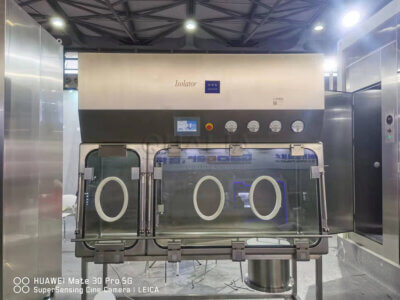
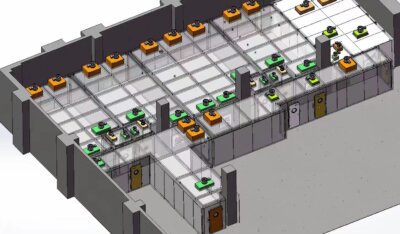
O: Próg jest wtedy, gdy sama komora przejściowa nie może być jedyną zweryfikowaną barierą dla transferu - zazwyczaj, gdy w otaczającym obiekcie brakuje kaskady ciśnień, redundancji śluzy powietrznej lub infrastruktury dekontaminacji odpadów, od której zależy funkcjonowanie komory przejściowej zgodnie z przeznaczeniem. Podwójnie uszczelniona komora obsługująca VHP zainstalowana w obiekcie bez kontroli HVAC potrzebnej do utrzymania różnic ciśnień w warunkach uruchamiania drzwi nie jest rozwiązaniem o wysokim stopniu hermetyzacji; jest to sprzęt o wysokim stopniu hermetyzacji w nieodpowiednim systemie hermetyzacji. Gdy profil ryzyka transferu wymaga zweryfikowanej hermetyzacji na każdej granicy jednocześnie, specyfikacja musi przejść do zintegrowanego środowiska modułu BSL-3/BSL-4, w którym wydajność komory i infrastruktura obiektu są zaprojektowane jako spójny system.
P: Jak dezynfekcja VHP wypada w porównaniu z transferem do zbiornika zanurzeniowego w przypadku materiałów wychodzących ze stref BSL-4 i czy jedna z tych metod jest konsekwentnie preferowana?
O: Żadna z tych metod nie jest bezwarunkowo lepsza - wybór zależy od kompatybilności materiałów, wymagań dotyczących przepustowości i infrastruktury walidacyjnej, którą dana operacja może utrzymać. Przeniesienie do zbiornika eliminuje ryzyko narażenia na powietrze w komorze poprzez zanurzenie elementów w ciekłym środku odkażającym, co zapewnia kontakt na całej powierzchni niezależnie od geometrii, ale wyklucza sprzęt lub materiały, których nie można zwilżyć i wprowadza postępowanie z odpadami ciekłymi jako problem związany z przestrzeganiem przepisów. Dezynfekcja VHP obejmuje szerszy zakres typów materiałów, nie wytwarza płynnych pozostałości wymagających utylizacji i generuje zatwierdzony zapis cyklu - ale wymaga opracowania i udokumentowania geometrii komory, konfiguracji obciążenia i parametrów cyklu przed rutynowym użyciem. W przypadku transferów wychodzących o wysokich konsekwencjach obie metody są bardziej złożone niż pasywne metody UV, a decyzja o wyborze powinna być podejmowana na podstawie udokumentowanej matrycy kompatybilności materiałów i realistycznej oceny zdolności zakładu do utrzymania powiązanego programu walidacji, a nie na podstawie tego, która metoda wydaje się bardziej znana.
P: Czy koszty walidacji skrzynki przepustowej VHP są uzasadnione w przypadku niewielkiego ośrodka badawczego przeprowadzającego rzadkie transfery BSL-3?
O: W przypadku transferów wychodzących ze strefy BSL-3 koszty ogólne walidacji są uzasadnione nie częstotliwością transferów, ale możliwością obrony warunków uwolnienia podczas audytu. Placówka przeprowadzająca rzadkie transfery ma mniejszą wiedzę operacyjną na temat procesu dekontaminacji, a nie większą - co sprawia, że zweryfikowany, udokumentowany zapis cyklu jest bardziej wartościowy jako pozycja zarządzania ryzykiem, a nie mniej. Praktyczną kwestią jest to, czy zakład może utrzymać program walidacji: ponowną kwalifikację cyklu po konserwacji, okresowe potwierdzenie wskaźnika biologicznego i udokumentowaną kontrolę zmian. Jeśli infrastruktura ta nie może być finansowana, bardziej uczciwą decyzją dotyczącą zamówień jest ustalenie, czy operacja rzeczywiście wymaga zweryfikowanych warunków uwalniania, czy też prostsza komora z jasno określonymi kryteriami akceptacji i czyszczeniem zależnym od operatora jest możliwym do obrony wyborem - decyzja, która powinna zostać podjęta wyraźnie przed zamrożeniem projektu, a nie domyślnie podczas uruchamiania.